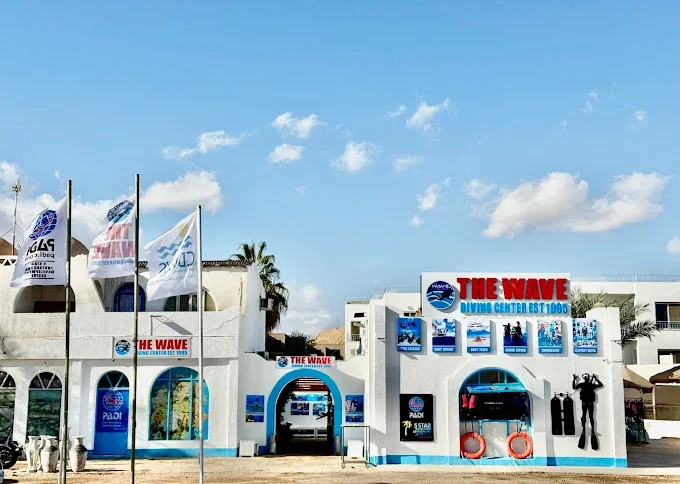

The Wave Diving Center
Google 4.9/5 (1,377 reviews)
24 km away as the crow flies
Sharm El Sheikh · Egypt · Red Sea
Max. depth · 5 mSmall Crack offers a unique passage through the Sha'ab Mahmoud reef, where a strong current funnels marine life from the open sea into a sheltered lagoon.
For subtitles in English: start the video firstthen click the gearat the top right of the video, select “Subtitles/CC”, then “Auto-translate” and choose “English”.
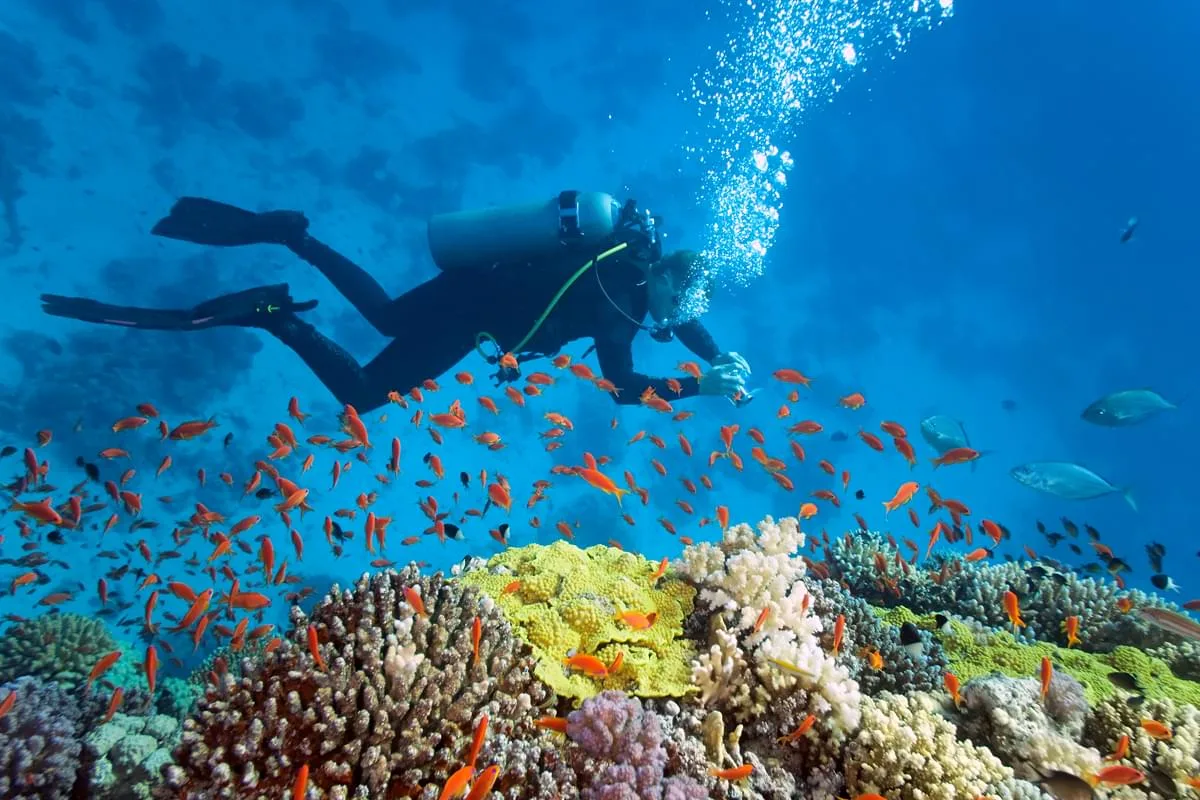
Small Crack is a natural breach in the extensive Sha'ab Mahmoud barrier reef, acting as a vital conduit between the open sea and a sandy lagoon. The dive typically begins on the outer reef, where the topography immediately presents a series of vibrant coral pinnacles. These structures provide both shelter and hunting grounds, setting the stage with numerous smaller reef fish darting among the intricate hard and soft corals, including gorgonians and table corals.
As you approach the crack itself, the anticipation builds. This narrow rift is the defining feature of the site, connecting the expansive outer reef with the serene lagoon beyond. The transition through this passage feels like entering a different environment, shifting from the exposed, open-ocean feel of the reef to the more enclosed, yet equally dynamic, conditions within the channel. Two secondary passages, around 5 to 8 metres deep, also offer routes through the reef.
The defining characteristic of Small Crack is the powerful current that surges through its opening. This continuous flow of water acts as an underwater conveyor belt, drawing in and sustaining a remarkable multitude of marine life. Embracing this current allows you to drift through the passage, observing the diverse species that thrive in these oxygen-rich, nutrient-dense conditions. The current is strongest within the crack itself, varying with the tidal exchange.
The outer wall of the reef drops to a sandy floor at approximately 18 to 22 metres, providing a deeper exploration option before entering the crack. Here, you might encounter larger pelagic species drawn to the nutrient-rich waters. Leopard sharks and reef sharks are occasionally sighted patrolling these deeper sections, while turtles are also known to frequent the area, often seen gliding along the reef face.
The climax of the dive is the passage into the lagoon, which is reached at a depth of 5 metres. While the outer reef offers its own array of life, the sheer concentration of activity within and around this narrow entry point is what makes Small Crack memorable. Flashlight fish can be found in the darker recesses, adding to the diversity of the site.
This sustained current creates a dynamic ecosystem, attracting smaller fish that in turn draw in larger predators. The site is sometimes dived as part of a Dunraven trip or on liveaboards, highlighting its significance in the region. The local name, Fossma Saghir, refers to this southern channel of the two Sha'ab Mahmoud passages, known for its strong tidal flushing.
The unique topography of Small Crack, with its distinct channel and varying depths, ensures that no two dives are exactly alike. The interplay of current, reef structure, and marine life creates a constantly evolving experience. Understanding the tidal patterns is key to appreciating the full spectrum of this site, from the vibrant outer reef to the sheltered, fish-filled lagoon.
Small Crack is primarily for intermediate to advanced divers, requiring a reasonable level of experience to manage the conditions. The maximum depth reached is 22 metres, with the passage into the lagoon at 5 metres. Be prepared for a strong current, particularly within the crack itself, as tidal exchange can create very strong flows. Diving may be impossible during peak tidal conditions due to the strength of the current. Visibility is generally good, but can be affected by the strong currents stirring up sediment.
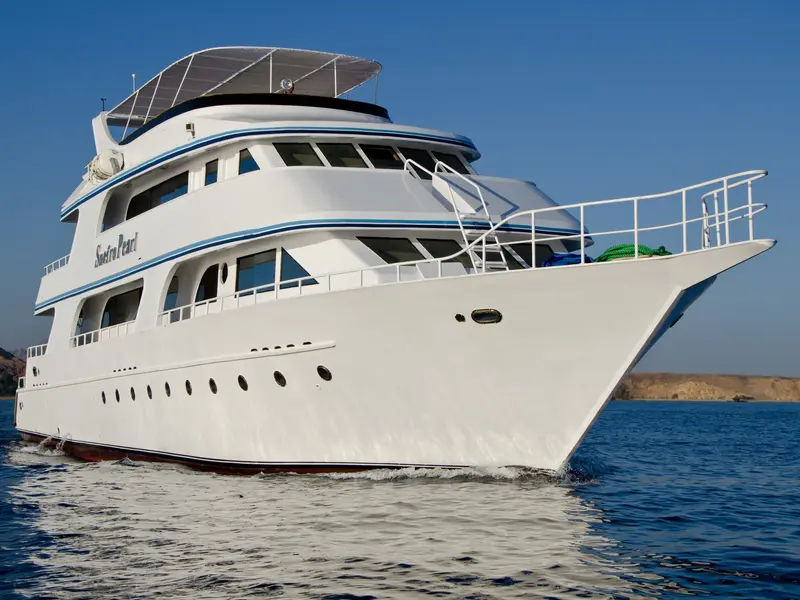
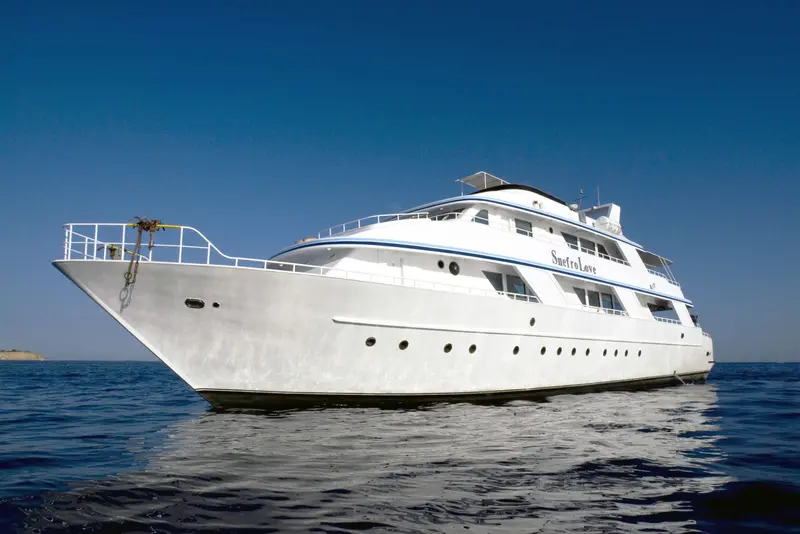
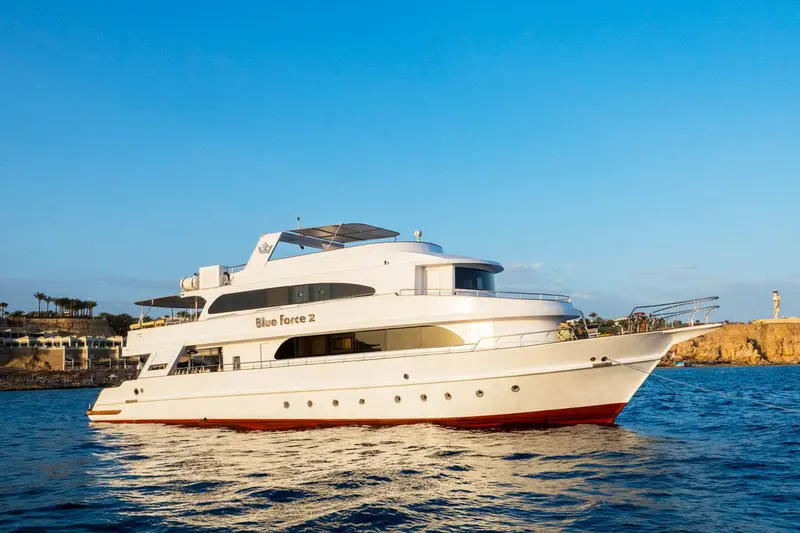
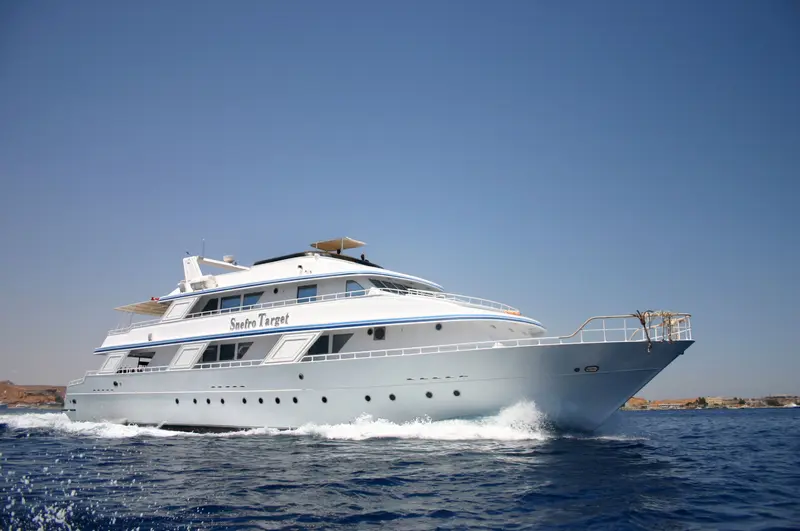
11 liveaboards depart from Sharm El Sheikh another way to explore the region, over several days at sea.
Plan around the tidal patterns, because tidal exchange controls the flow through Small Crack. During peak tidal conditions, the current can become so strong that diving may be impossible. Visibility is generally good, although sediment stirred by the current can reduce it, especially inside the narrow passage.
Small Crack is primarily suited to intermediate and advanced divers with enough experience to manage changing conditions and powerful water movement. You should be comfortable navigating a narrow passage and handling a strong current, particularly within the crack, where tidal flushing can create very forceful flows.
Small Crack offers a range of depths. The outer reef wall descends to a sandy floor at approximately eighteen to twenty-two metres, while the passage into the lagoon is reached at five metres. Two secondary passages provide alternative routes through the reef at around five to eight metres.
You can navigate coral pinnacles, hard and soft corals, gorgonians, table corals, and reef fish before drifting through the narrow passage and into the calmer lagoon. The strong current attracts diverse marine life, with possible sightings of turtles, leopard sharks, reef sharks, pelagic species, and flashlight fish.