

East Cape Explorers
Google 4.9/5 (552 reviews)
San José del Cabo · Mexico · Americas
Max. depth · 43 mMiddle Wall offers a distinctive dive profile, beginning with a vertical drop that extends deep into the blue off San José del Cabo.
For subtitles in English: start the video firstthen click the gearat the top right of the video, select “Subtitles/CC”, then “Auto-translate” and choose “English”.
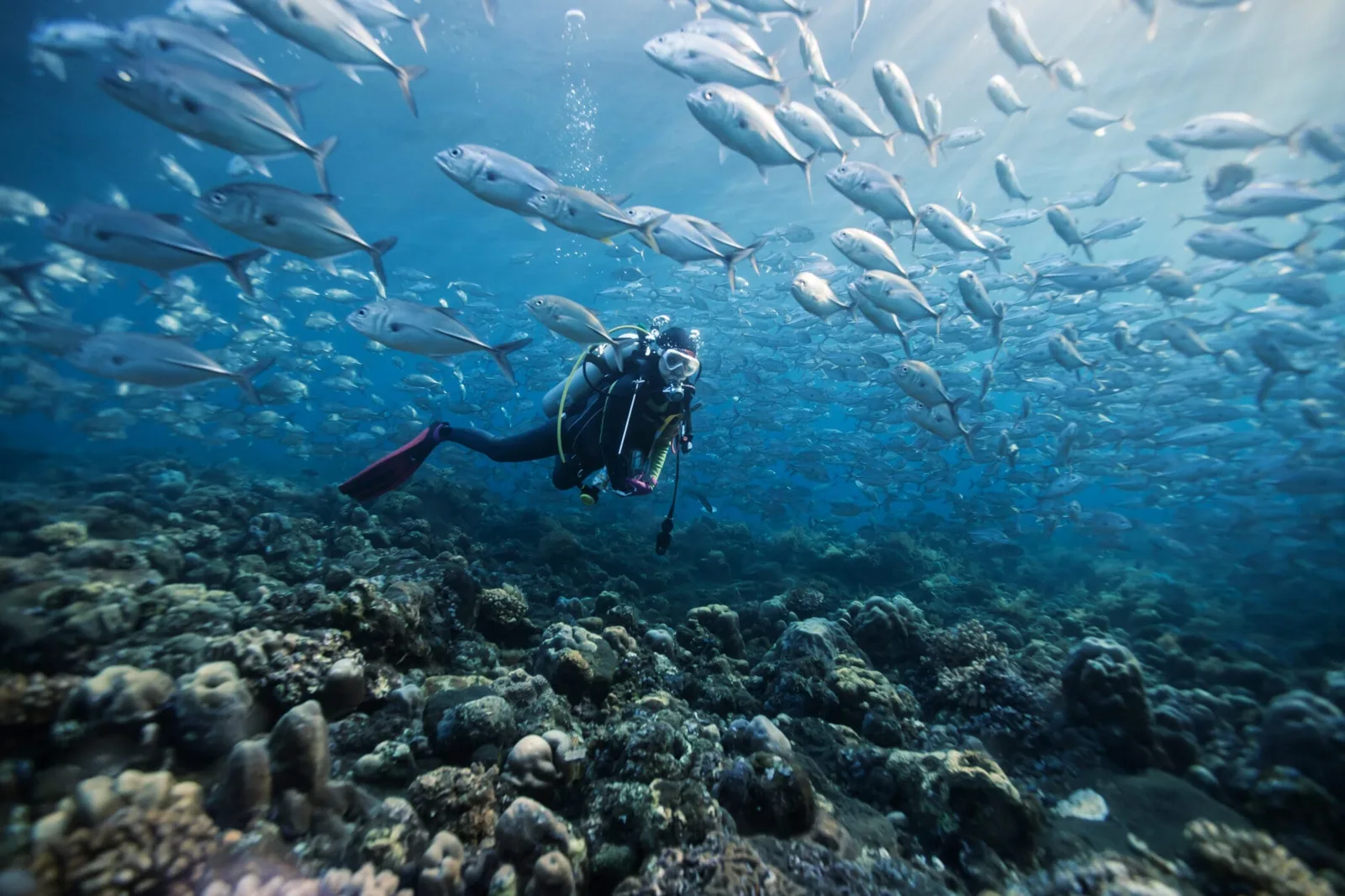
Diving Middle Wall means encountering a substantial vertical drop, a sheer face that begins shallow and continues down into significant depth. The wall itself creates a dramatic environment, offering a sense of hovering in the open water as you follow its contours. This section of the wall is active with marine life, including various groupers and rays, which you'll encounter close to the reef structure.
The initial part of the descent is typically straightforward, allowing you to settle onto the wall. As you move deeper, the character of the site shifts, transitioning from a shallower reef top to a deep wall environment. You're not just looking at the wall; you're often suspended alongside it, with the blue stretching out below and around you. This setup is conducive to pelagic sightings, as the open water proximity encourages larger marine species to pass through.
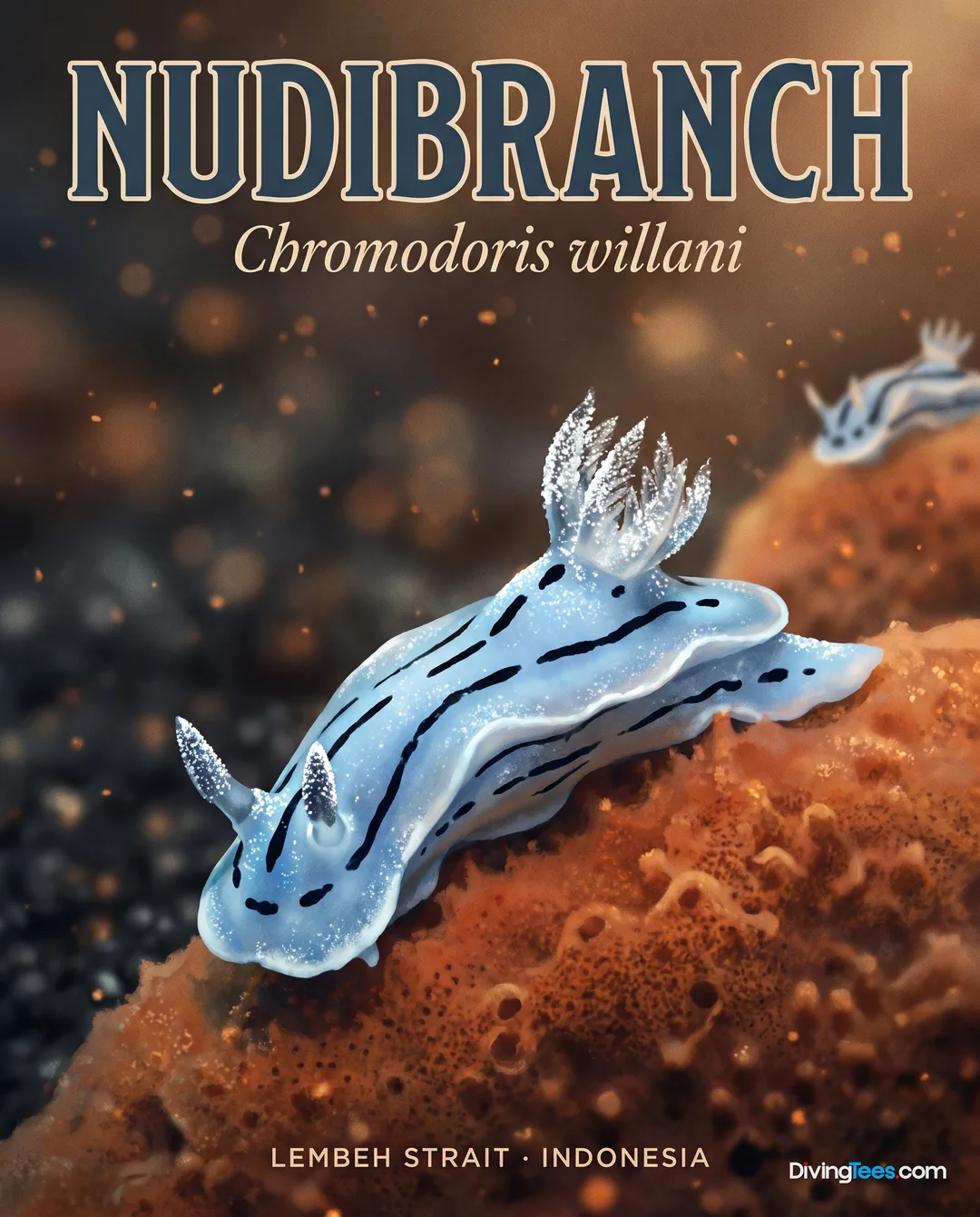
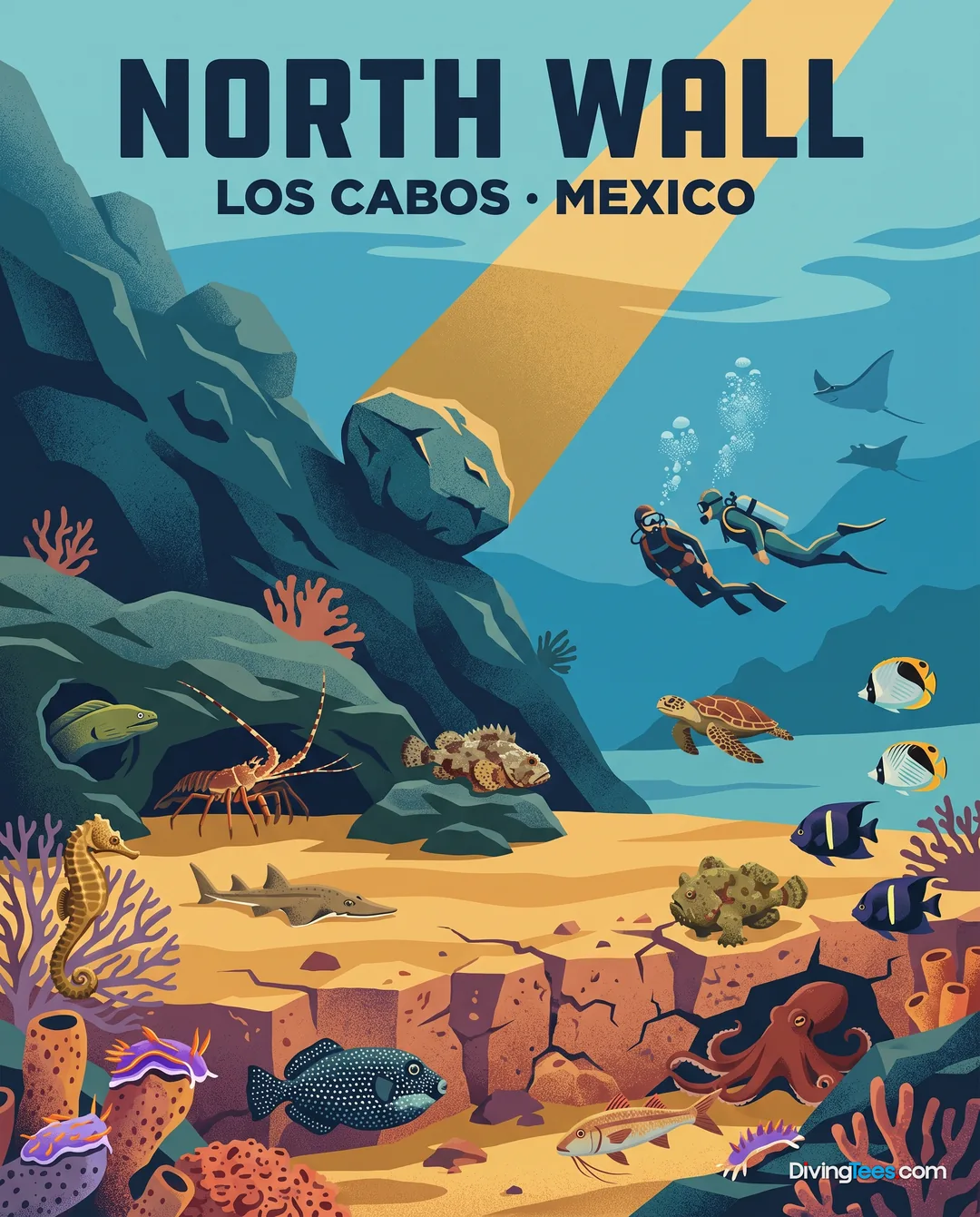
As you explore the wall, keep an eye out for specific residents like the frogfish and nudibranchs, which are often well-camouflaged along the reef. The smaller, more intricate life contrasts with the site's deeper, more exposed sections. This dual nature of the wall—both macro and wide-angle habitats—makes it a varied dive, rewarding careful observation as well as a broader scan of the open water.
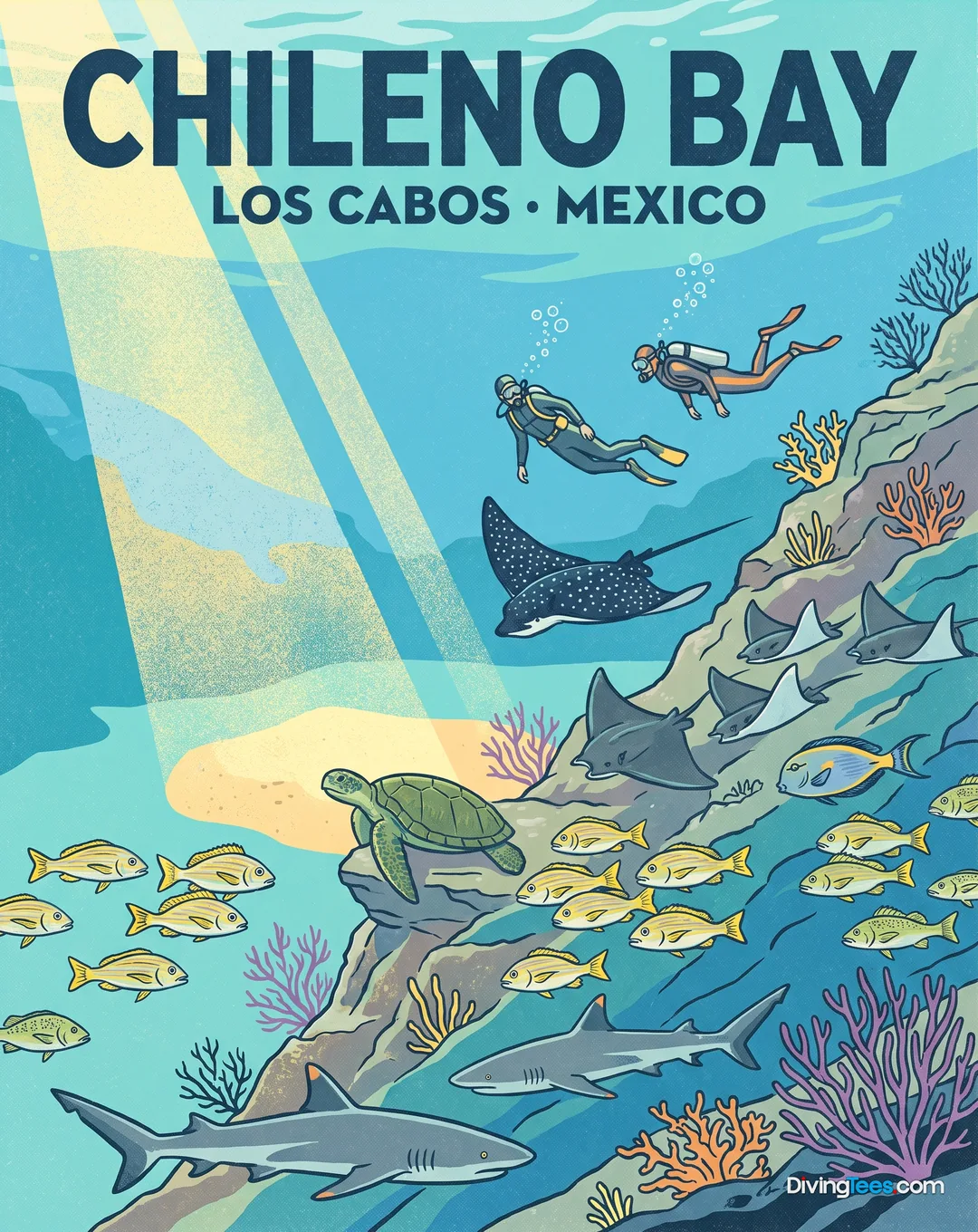
The wall leads towards the sandfall area near Pelican Rock, a natural feature that adds another dimension to the dive. This transition between reef and sand creates unique environments for different species. It's in these areas that you might spot specific larger rays, like mobula rays and eagle rays, moving along the edge where the sand meets the deep. These are often seen gliding along, using the currents and topography to their advantage.
While exploring the deeper sections of Middle Wall, you’ll find healthy purple gorgonians, which thrive in this environment. The wall structure and water movement provide the necessary conditions for these corals. Look closely for giant green moray eels (Gymnothorax funebris) tucked into the crevices, large and often curious. These animals are a consistent feature of the deeper reef, using the wall as both shelter and hunting grounds.
The site's topography, with its dramatic drop-off, also positions Middle Wall as a potential point for encounters with larger, more elusive pelagics. While not a guaranteed sighting, some divers have reported seeing sand tiger sharks (Carcharias taurus) in the deeper parts of the site. This possibility adds an element of anticipation, particularly when you’re hanging off the wall, looking out into the deeper water column.
Dive depth for Middle Wall extends between 6 metres and 43 metres, making it suitable for Intermediate to Advanced divers. Due to the depth profile and potential for specific encounters, an Advanced Open Water certification is generally recommended. While currents are generally mild on local reef sites, the wall's exposure to deeper water can sometimes bring stronger, more variable conditions, so maintaining accurate buoyancy and being comfortable in open water is important. The best time to dive for general marine activity is from May through July, particularly for mobula rays.
You can dive Middle Wall throughout the year, but May through July is identified as the best period for general marine activity. This timing is particularly associated with mobula ray encounters. The wall’s deeper, open-water setting can bring larger marine species past the reef structure during your dive.
Middle Wall descends from 6 metres to 43 metres, so you should be comfortable with substantial depth and a vertical wall environment. The site is suited to intermediate and advanced divers, with Advanced Open Water certification generally recommended. Accurate buoyancy and confidence in open water are important as you descend.
You may find generally mild currents on local reef areas, but Middle Wall is exposed to deeper water, where conditions can become stronger and more variable. You should maintain accurate buoyancy and feel comfortable in open water while following the sheer wall, particularly as the dive moves from the reef top into deeper sections.
At Middle Wall, you may see mobula and eagle rays, groupers, frogfish, nudibranchs, giant green moray eels, and healthy purple gorgonian corals. The wall and nearby sandfall area offer both close reef encounters and open-water views. In deeper sections, sand tiger shark sightings are possible, though not guaranteed.