
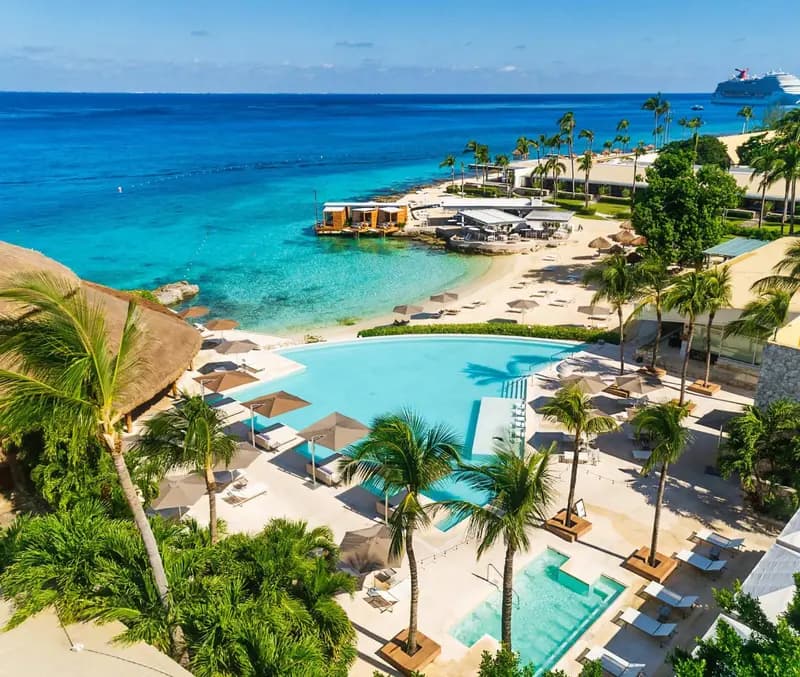
Presidente InterContinental Cozumel Resort & Spa by IHG
★★★★★
★ 9.3/10 (1,117 reviews)
209 km away as the crow flies
Dive centre · Riviera Maya · Mexico
4.6195 Google reviewsAccess the remote Banco Chinchorro atoll via a powerful 33-foot panga equipped with twin 140hp Suzuki engines.
For subtitles in English: start the video firstthen click the gearat the top right of the video, select “Subtitles/CC”, then “Auto-translate” and choose “English”.
Located in Mahahual, approximately 140 km south of Tulum, Amigos del Mar serves as a gateway to some of the most significant marine environments in the Mexican Caribbean. The centre operates primarily between the local Mahahual reef and the Banco Chinchorro biosphere reserve, the largest coral atoll in the Northern Hemisphere.
For those looking to venture further out, the centre holds the necessary national park permits to access the Chinchorro atoll. This allows for dives across more than 30 mapped sites, ranging from deep walls to historic wreck explorations in the underwater museum.
The team is composed of experienced instructors providing training through both PADI and SSI affiliations. They offer a range of courses from introductory levels through to professional training, including Divemaster.
Instruction is delivered in English, Spanish, and Italian, making it accessible for a variety of international divers. The centre maintains a focus on small groups and personalised service to ensure a safe and relaxed diving environment.
The centre provides a comprehensive curriculum for all levels of experience. Beginners can start with Discover Scuba Diving, leading into PADI or SSI Open Water Diver and Advanced Open Water Diver certifications.
For those looking to progress their skills or career, they offer Rescue Diver and Divemaster courses, alongside various specialty courses. Nitrox certification is also available to help divers manage their decompression limits.
The centre operates a 33-foot panga powered by twin 140hp Suzuki four-stroke engines, providing the reliability needed for the transit to Banco Chinchorro. For the longer trips to the atoll, the boat provides water, snacks, and lunch.
Nitrox is available on board for those looking to extend their bottom time during these excursions.
A full range of diving kit is available for hire on-site. The centre provides Nitrox for divers requiring enriched air breathing gases.
Caldera is a 19th-century Danish steamship wreck that serves as one of the region's premier wreck dives. It is well-known for its size, the number of artefacts on the seabed, and the vibrant reef that surrounds the structure.
Gran Muro is an impressive wall dive at Chinchorro where the scale of the marine life is heightened. You will find massive barrel sponges and giant yellow tubular sponges alongside large groups of fish.
Punta Gonzalez is a diverse wall dive ranging from 8 to 35 metres. The topography varies from sandy patches to deep canyons, pinnacles, and reef fissures, offering plenty of different environments in a single dive.
And some of the dive sites the centre runs.
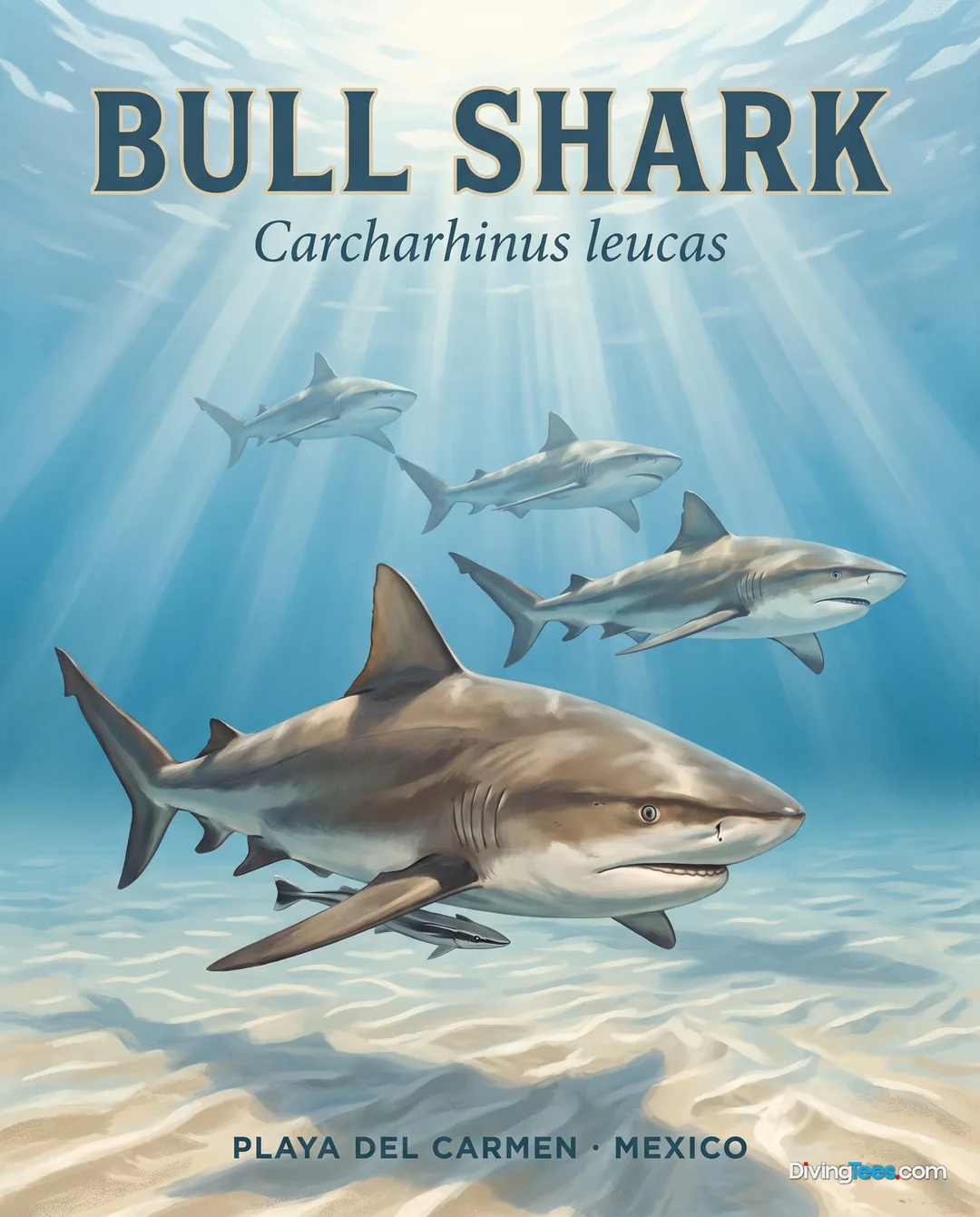
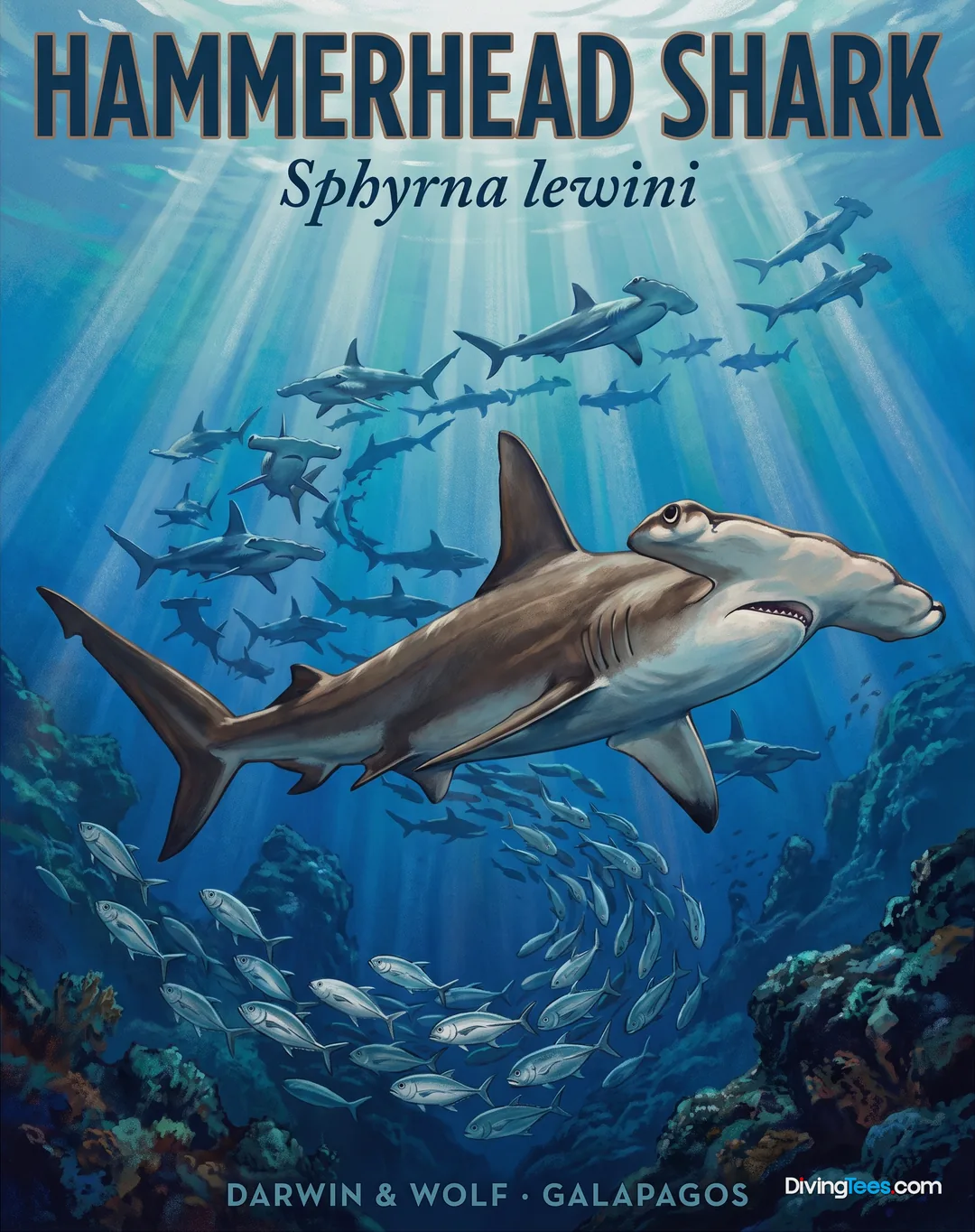
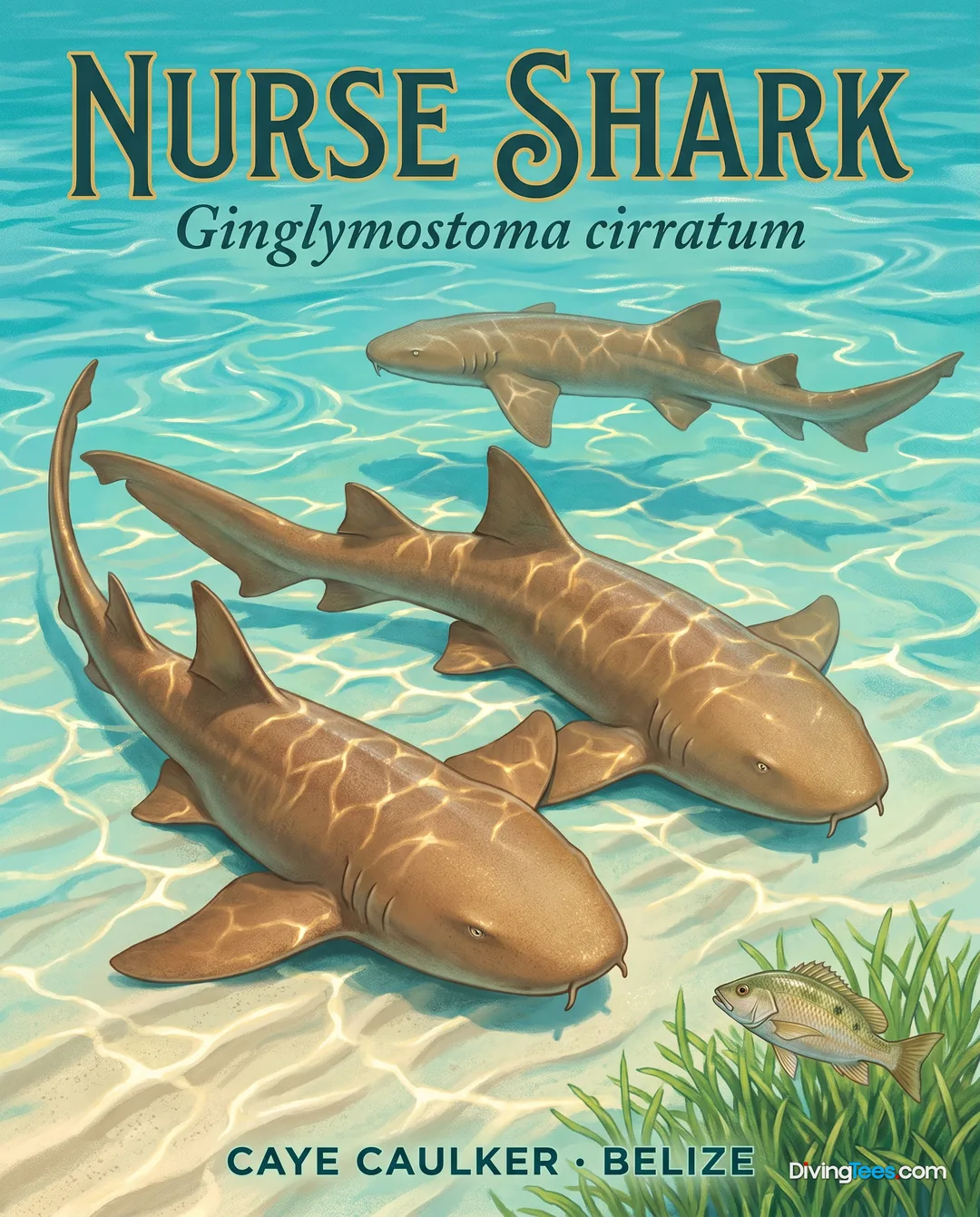
The reefs are home to a wide array of pelagics and reef fish, including Nurse shark (Ginglymostoma cirratum), Eagle ray (Aetobatus), and various species of sharks. You will frequently encounter large groupers, Jack (Carangidae), and barracuda, alongside schools of snapper and tarpon (Megalops).
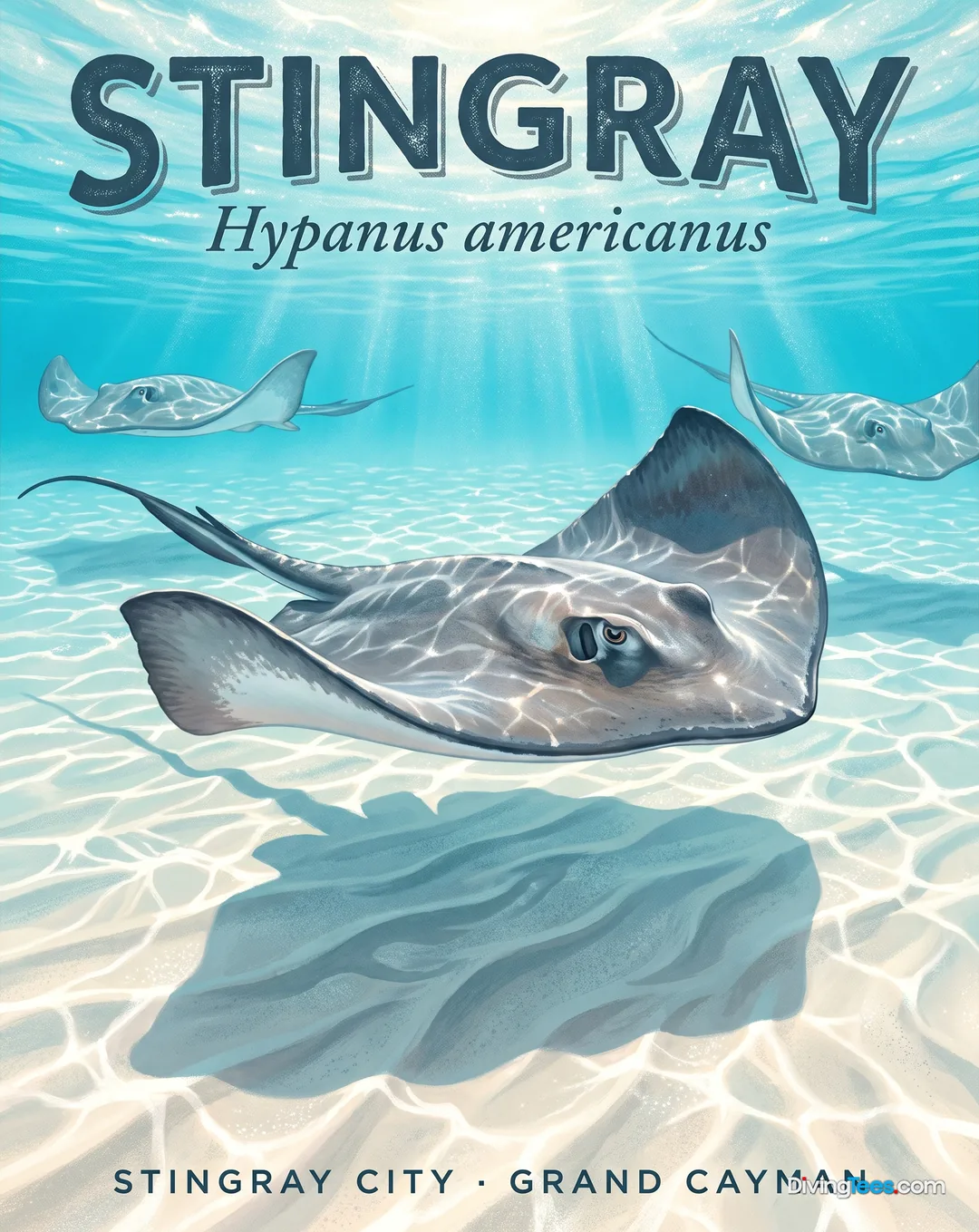
Sea turtles are a constant presence, with Green sea turtle, Hawksbill turtle (Eretmochelys imbricata), and Loggerhead sea turtle (Caretta caretta) all sighted in the area. You may also see stingrays and various species of rays patrolling the sandy bottom.
The reef structure itself is built upon a foundation of hard corals, barrel sponges, and various sponges. Gorgonians and large sea anemones (Actiniaria) add significant colour and complexity to the underwater landscape.
Macro life and crustaceans are abundant in the crevices and canyons, including Spiny lobster (Palinuridae), moray eels (Muraenidae), crabs, and shrimp. During the months of June to September, you may also have the chance to see Whale sharks and Manta rays.
The Mahahual reef generally experiences low to moderate currents, with a tendency for water to move towards the north. In contrast, Banco Chinchorro can present moderate to strong currents on certain sites.
The best time for diving is between March and June, when visibility is at its peak. While the water remains warm year-round, the hurricane season typically runs from June to November, with the highest risk occurring in September and October.
Hello, I'm Marina, DivingDeal.com's AI assistant. I answer in detail about hotels, dive centres and liveaboards.

Thinking about the whole trip and the flights? Talk it over with Edith →
Marina is an AI. Some links are affiliate links: DivingDeal may earn a commission, at no extra cost to you. Bookings are made with the partner.
★★★★★
★ 9.3/10 (1,117 reviews)
209 km away as the crow flies
★★★★
★ 8.5/10 (955 reviews)
223 km away as the crow flies
★★★
★ 8.6/10 (448 reviews)
215 km away as the crow flies
★ 9.2/10 (107 reviews)
205 km away as the crow flies