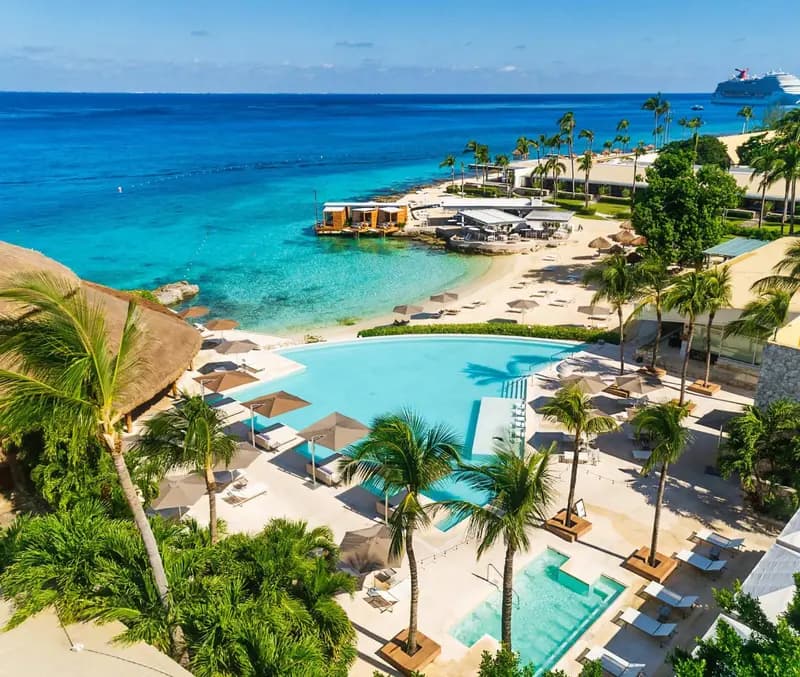
Presidente InterContinental Cozumel Resort & Spa by IHG
★★★★★
★ 9.3/10 (1,117 reviews)
21 km away as the crow flies
Dive centre · Riviera Maya · Mexico
5.0426 Google reviewsExplore the intricate cave systems and crystal-clear cenotes of the Riviera Maya with an expert SSI-affiliated team.
Located in the heart of Playa del Carmen, Buceo Espana Dive Playa del Carmen serves as a gateway to the world's most famous underwater landscapes. The centre is positioned perfectly to access the diverse ecosystems of the region, from the vibrant reefs of Cozumel to the complex, freshwater cave systems of the Yucatan limestone shelf.
Since its establishment in 2021, the centre has built a reputation for technical proficiency and local expertise. It has facilitated over 900 certifications, catering to a wide range of divers from those taking their first breaths underwater to seasoned technical divers looking to push their limits in the underworld.
The team is comprised of certified instructors dedicated to maintaining high safety standards and providing personalised attention. By operating with small group sizes, the centre ensures that every diver, whether in a cavern or a deep reef environment, receives the necessary guidance and support.
Instruction is available in English, Spanish, and French, making it an accessible choice for international divers. The centre's experience spans both the Caribbean coast and the unique requirements of cave diving, ensuring that the human element of your dive is handled with professional care.
Buceo Espana provides a comprehensive curriculum through the SSI affiliation. For those starting their journey, they offer the Discover Scuba Diving experience and the Open Water Diver course, moving up through Advanced Open Water Diver and Rescue Diver levels.
For the technical community, the centre offers a robust selection of specialised training. This includes Cavern Diving, Full Cave Diver, and Extended Range Sidemount, as well as Divemaster training for those looking to turn their passion into a profession.
The centre offers a full range of rental equipment for divers who prefer not to travel with their own kit. This includes wetsuits, regulators, fins, and masks, all maintained to ensure reliability during your excursions.
For those heading into the cenotes, the centre is well-equipped to support the specific needs of the environment. All equipment is kept in good working order to meet the rigorous demands of both recreational and technical diving.
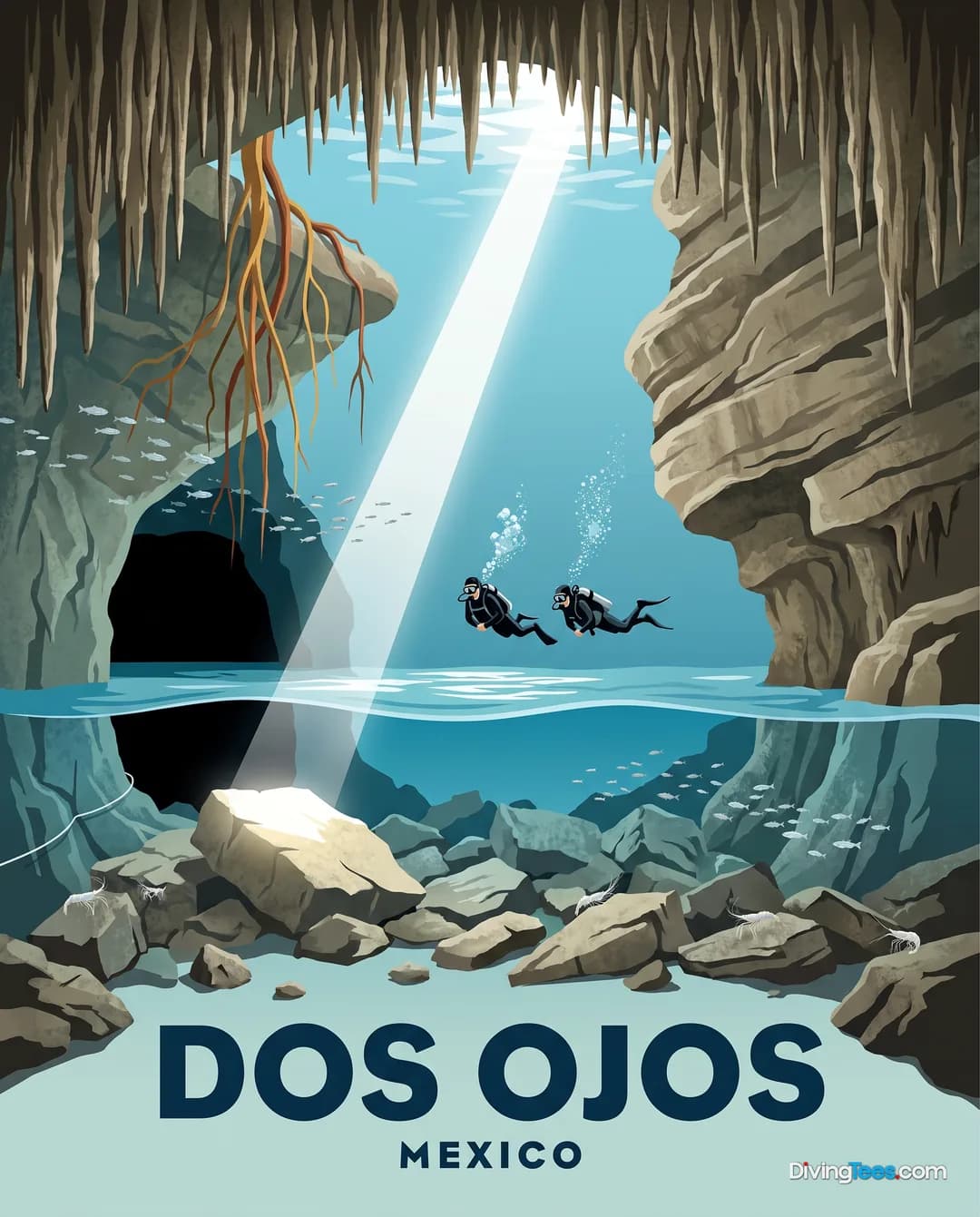
Dos Ojos is a world-renowned cavern system featuring two circular entrances that connect through a network of tunnels and chambers. It offers different routes, ranging from open, light-filled passages to more technical sections decorated with spectacular stalactites and marine fossils.
El Pit is a dramatic vertical cenote that reaches depths of 30 metres. Divers can observe a striking column of light descending through the water, passing through a distinct halocline and a tannic layer that creates a surreal, clouded atmosphere.
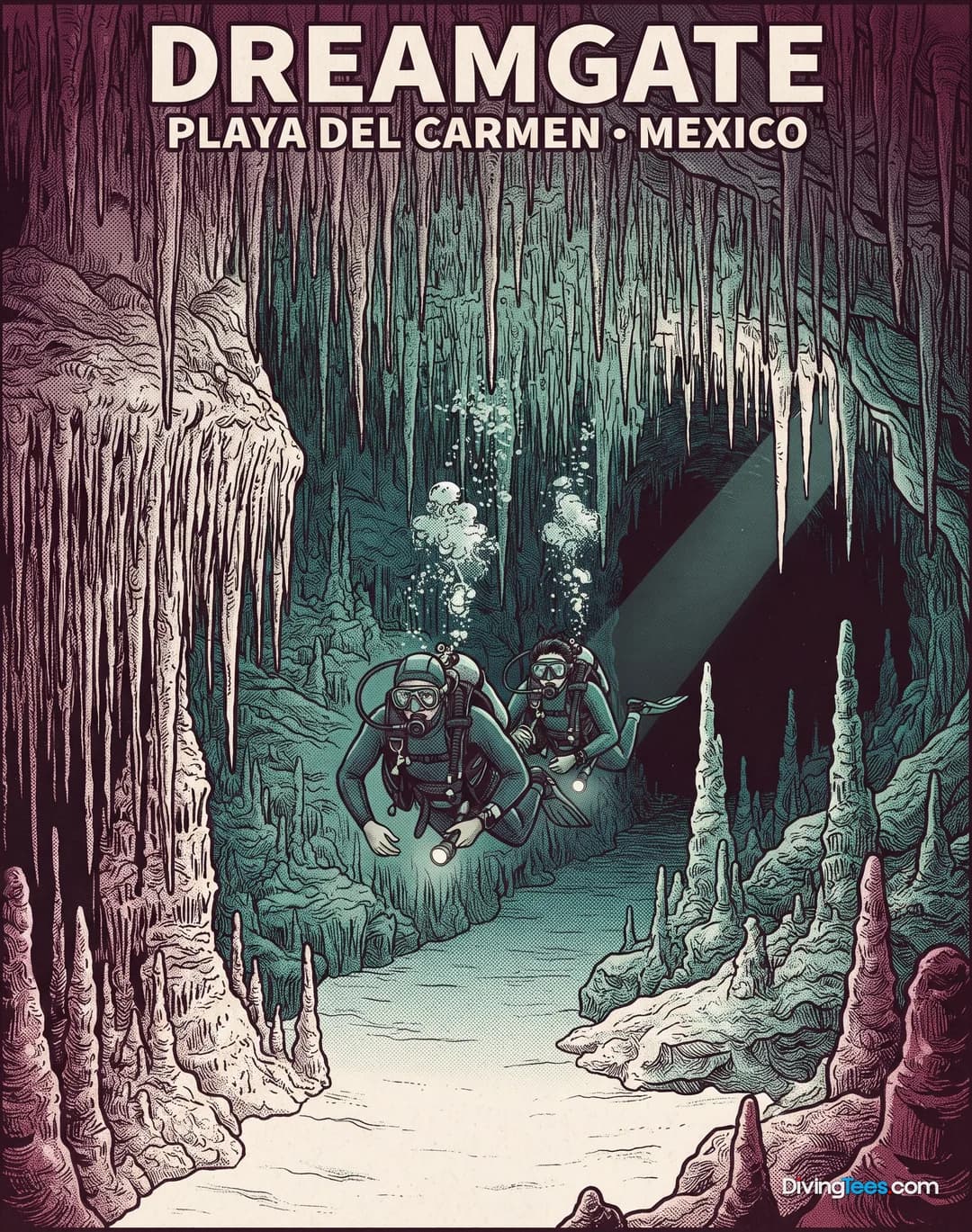
Dreamgate is a highly decorated cave environment, often described as an underwater cathedral. The high density of stalactites, stalagmites, and columns makes it a favourite for experienced divers who possess the buoyancy control required to navigate such delicate formations.
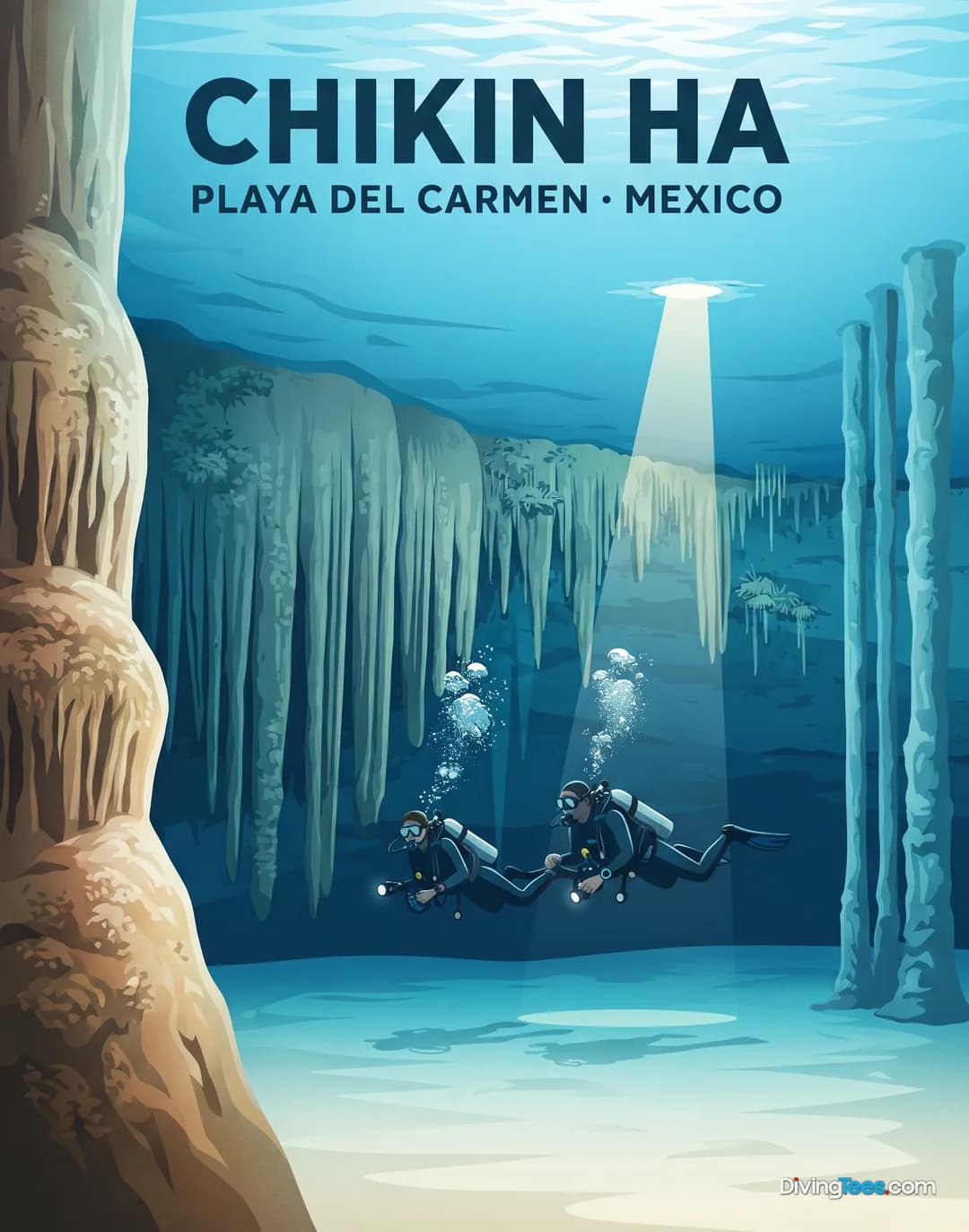
Chikin Ha offers a unique experience through its natural tunnel that connects to the Arcoiris cenote. The site is known for its incredible haloclines, well-preserved fossils, and the interplay between light and shadow within its crystalline waters.
And some of the dive sites the centre runs.
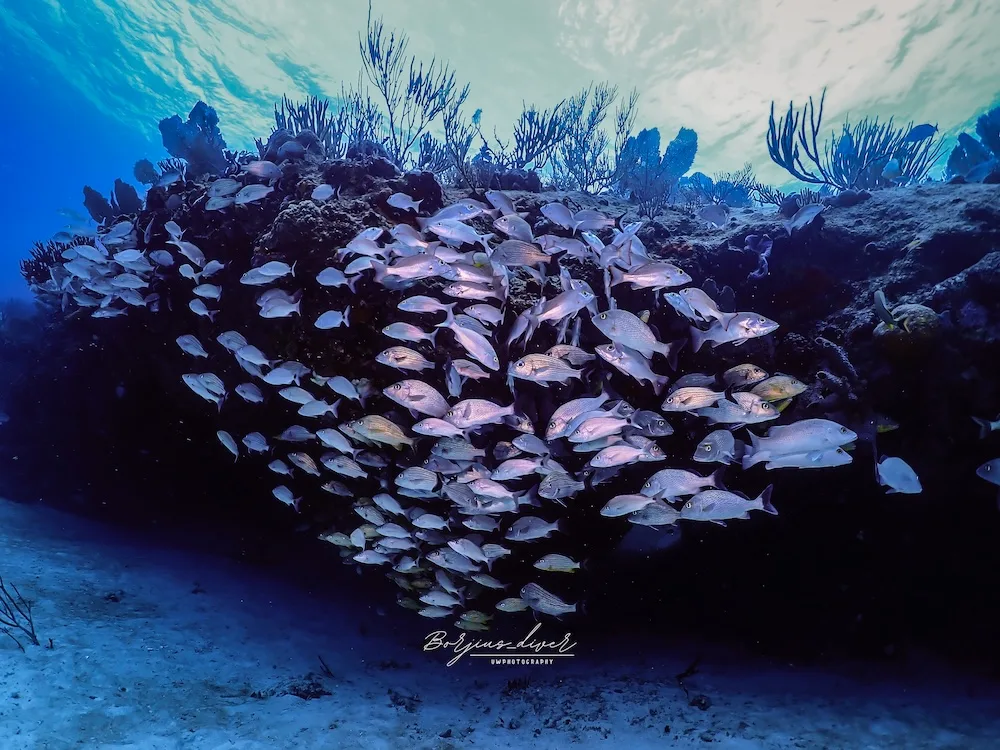
The marine life in the region is diverse, particularly when diving the reefs of Cozumel and Playa del Carmen. You can encounter various species such as parrotfish (Calotomus), surgeonfish (Acanthuridae), and various colourful reef fish. Schools of snapper (Lutjanus), jack (Carangidae), and blue-striped grunts are common, alongside larger inhabitants like eagle rays (Aetobatus) and various stingrays.
Macro life and smaller organisms add significant detail to the underwater landscape. Keep an eye out for octopus (Octopus vulgaris), shrimp (Caridea), and crabs (Brachyura). For those with a keen eye, you may spot nudibranchs (Chromodoris willani), seahorses (Hippocampus kuda), or even a lionfish (Pterois volitans) amongst the structures.
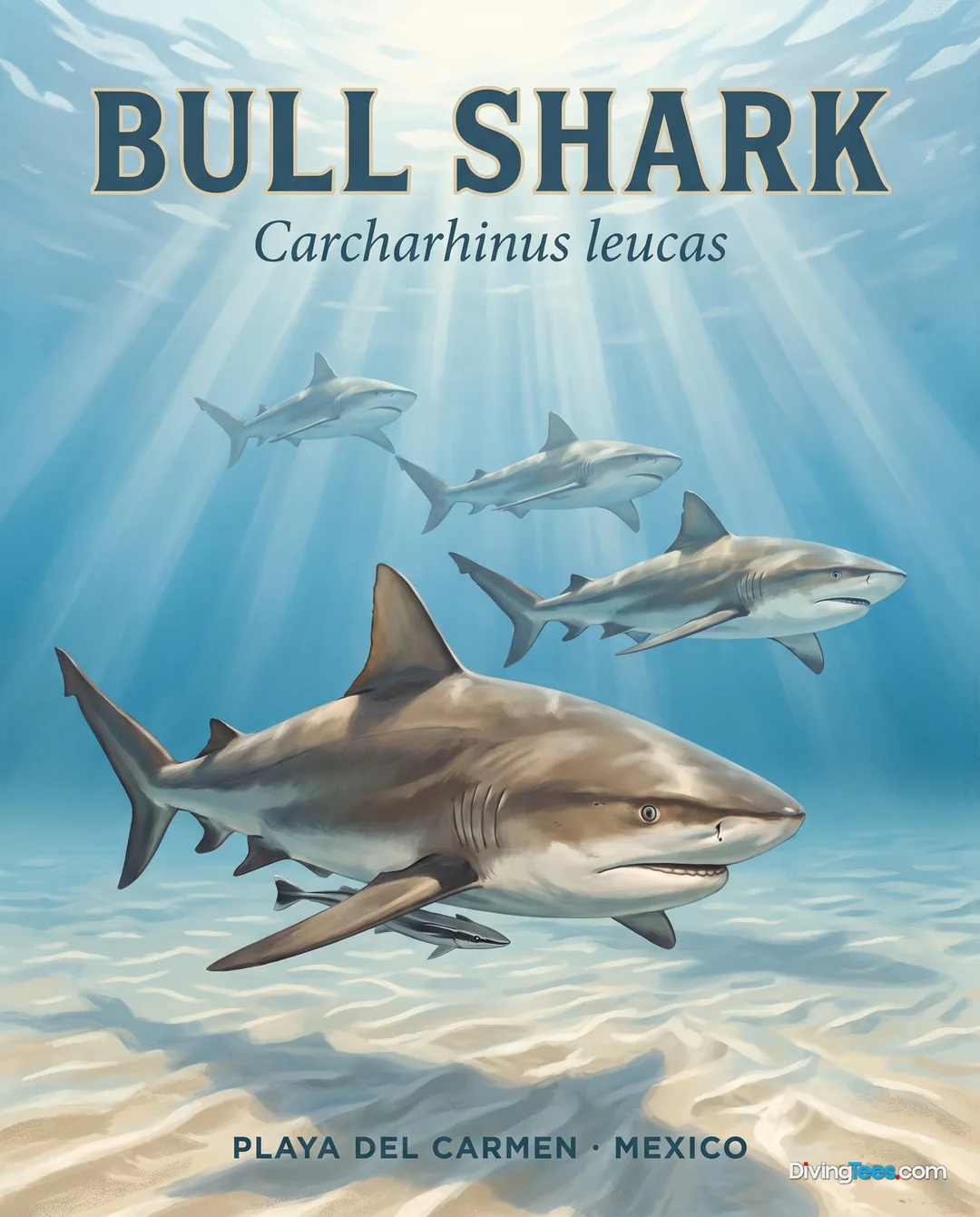
In the deeper or more open areas, larger pelagics may appear. During the months of November to March, bull sharks are occasionally sighted. If you visit between June and September, you may have the opportunity to see whale sharks passing through the area.
The best conditions for diving in this region are typically found from November to May, which provides the most reliable visibility. The seasonal variations can influence the presence of certain species, such as the bull shark in the winter months.
In the cenotes, the environment is largely sheltered from swell, though the presence of haloclines—where fresh and salt water meet—can create distinct visual layers that divers should be prepared for.
Hello, I'm Marina, DivingDeal.com's AI assistant. I answer in detail about hotels, dive centres and liveaboards.

Thinking about the whole trip and the flights? Talk it over with Edith →
Marina is an AI. Some links are affiliate links: DivingDeal may earn a commission, at no extra cost to you. Bookings are made with the partner.
★★★★★
★ 9.3/10 (1,117 reviews)
21 km away as the crow flies
★ 9.2/10 (267 reviews)
19 km away as the crow flies
★★★★
★ 8.5/10 (955 reviews)
less than 1 km away as the crow flies
★★★
★ 8.6/10 (448 reviews)
19 km away as the crow flies