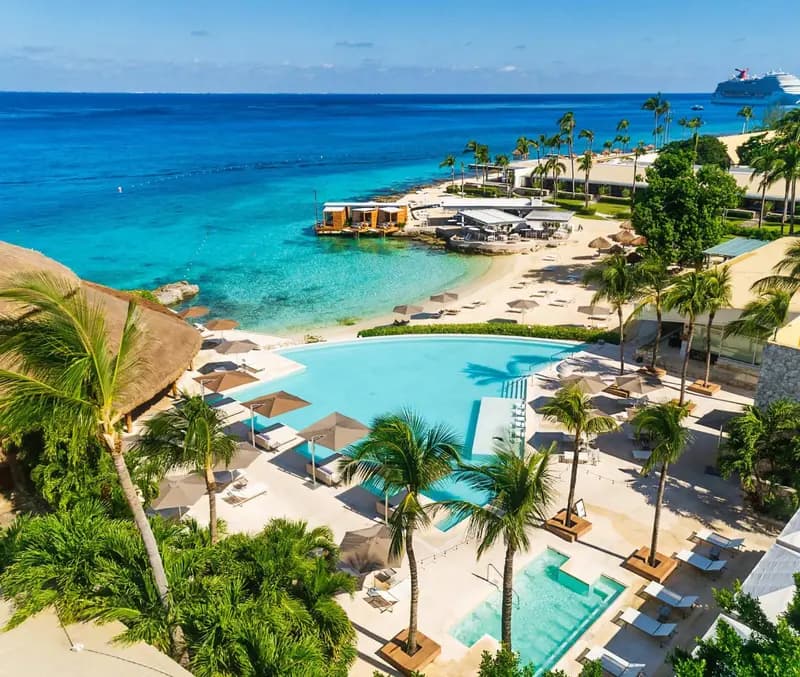
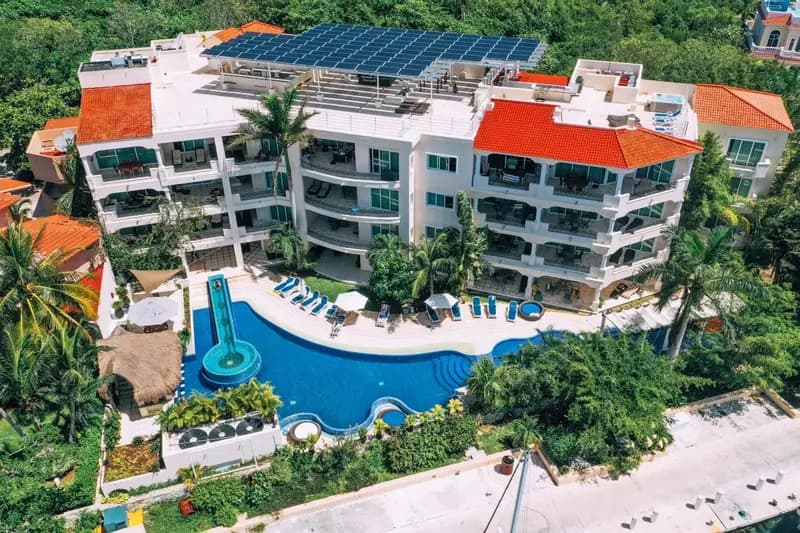
Presidente InterContinental Cozumel Resort & Spa by IHG
★★★★★
★ 9.3/10 (1,117 reviews)
21 km away as the crow flies
Dive centre · Riviera Maya · Mexico
5.0129 Google reviewsSpecialist technical training and cenote expeditions from the heart of Playa del Carmen.
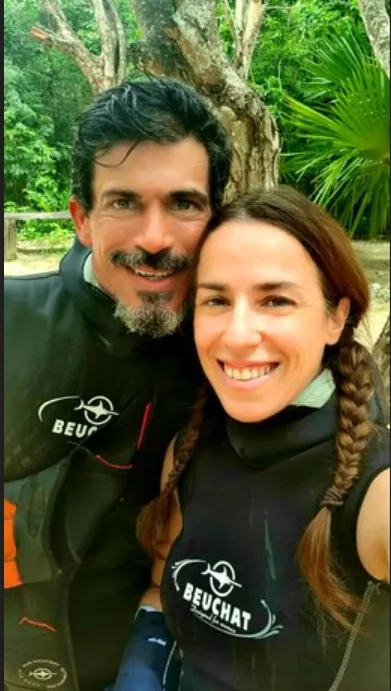
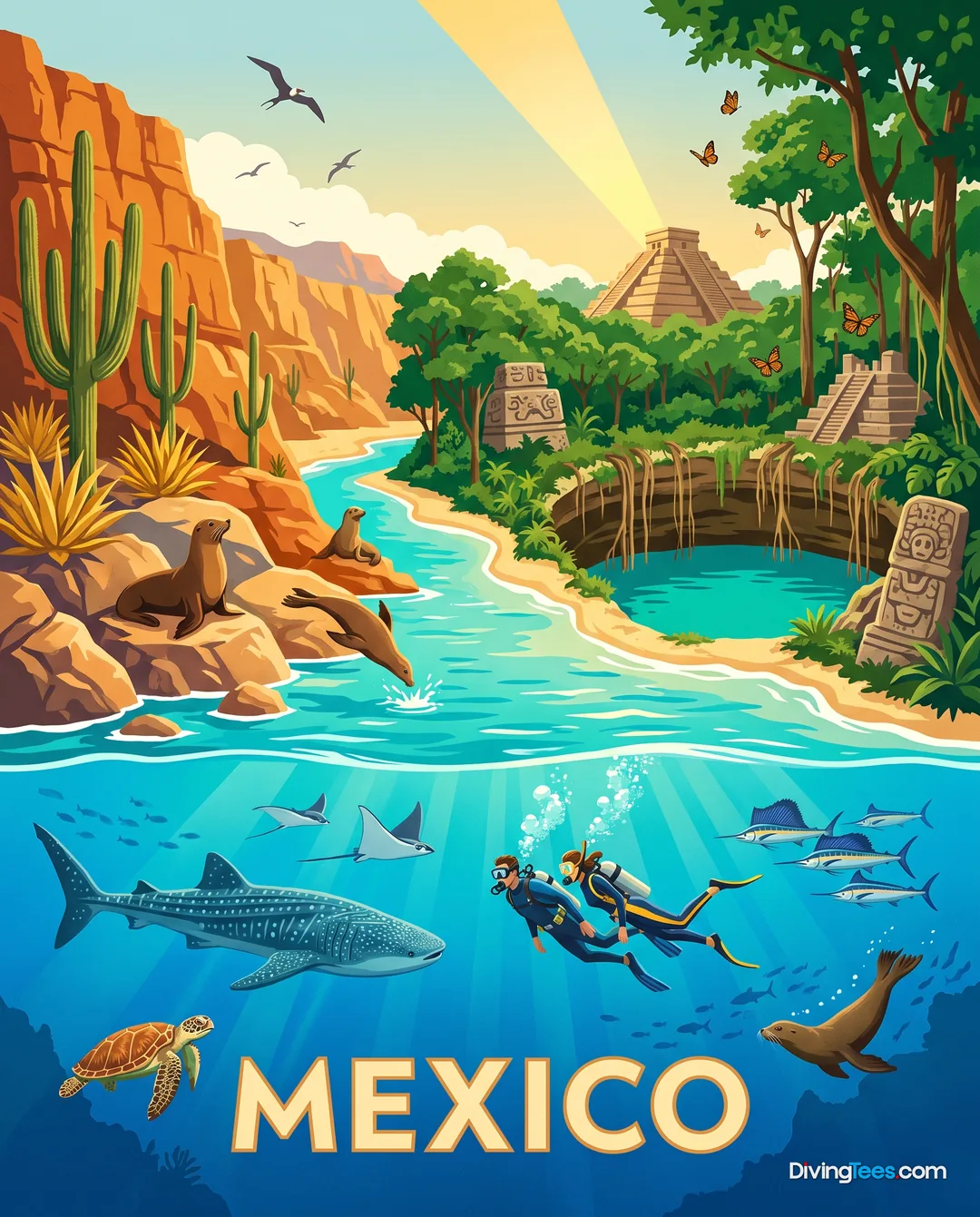
Located in the centre of Playa del Carmen, Dive 48 serves as a gateway to the diverse aquatic environments of the Mexican Caribbean. The centre is positioned to provide easy access to both the open ocean and the intricate freshwater systems of the Yucatan Peninsula.
You can choose between the vibrant coral reefs of the Mesoamerican Barrier Reef and the complex, light-filled limestone formations of the local cenotes. Whether you are looking for a drift dive along a wall or a technical exploration of a cave system, the centre is built around these specific environments.
The team at Dive 48 is comprised of experienced instructors who specialise in both recreational and technical disciplines. They are affiliated with SSI, offering a structured pathway for divers looking to progress through the various levels of certification.
Instruction is provided in Spanish, catering to the local and regional diving community. The centre focuses on high-level technical training, including the SSI XR programmes, ensuring that advanced divers have the necessary support for complex environments.
Dive 48 offers a comprehensive curriculum through SSI, ranging from the Basic Diver and Open Water Diver courses for beginners to more advanced certifications. For those looking to expand their capabilities, they offer Nitrox EAN32, Advanced Adventurer, and Deep Diver Specialty courses.
The centre is particularly well-regarded for its technical training. They provide a full suite of XR courses, including Sidemount XR, Extended Range, Technical Extended Range, and the SSI XR Fullcave and Full Cave Diver certifications.
The centre provides full equipment hire for those not travelling with their own kit. For those heading into the cenotes, rental torches are included to ensure you can navigate the light plays and darker sections of the cave systems.
For technical divers, the centre supports advanced gas requirements, offering Nitrox and Trimix. This allows for extended bottom times on deeper reef dives or more complex technical profiles.
Cozumel (Palancar, Santa Rosa Wall, Paraíso) offers legendary reef diving with incredible visibility and gentle currents. These sites are accessible via fast boat or ferry and are perfect for experiencing the scale of the reef.
Chikin Ha and Ponderosa are cenotes that feature impressive columns, stalactites, and haloclines. These sites are suitable for all levels of divers looking to explore freshwater formations.
The special cenotes of Pit, Orquidea, and Angelita are designed for advanced divers. These deeper sites are known for their mystical landscapes and the presence of sulphide halos.
Arrecifes de Playa del Carmen allows you to explore part of the Mesoamerican Barrier Reef, the second largest in the world. You can expect to see turtles and various tropical fish along the reef structure.
And some of the dive sites the centre runs.
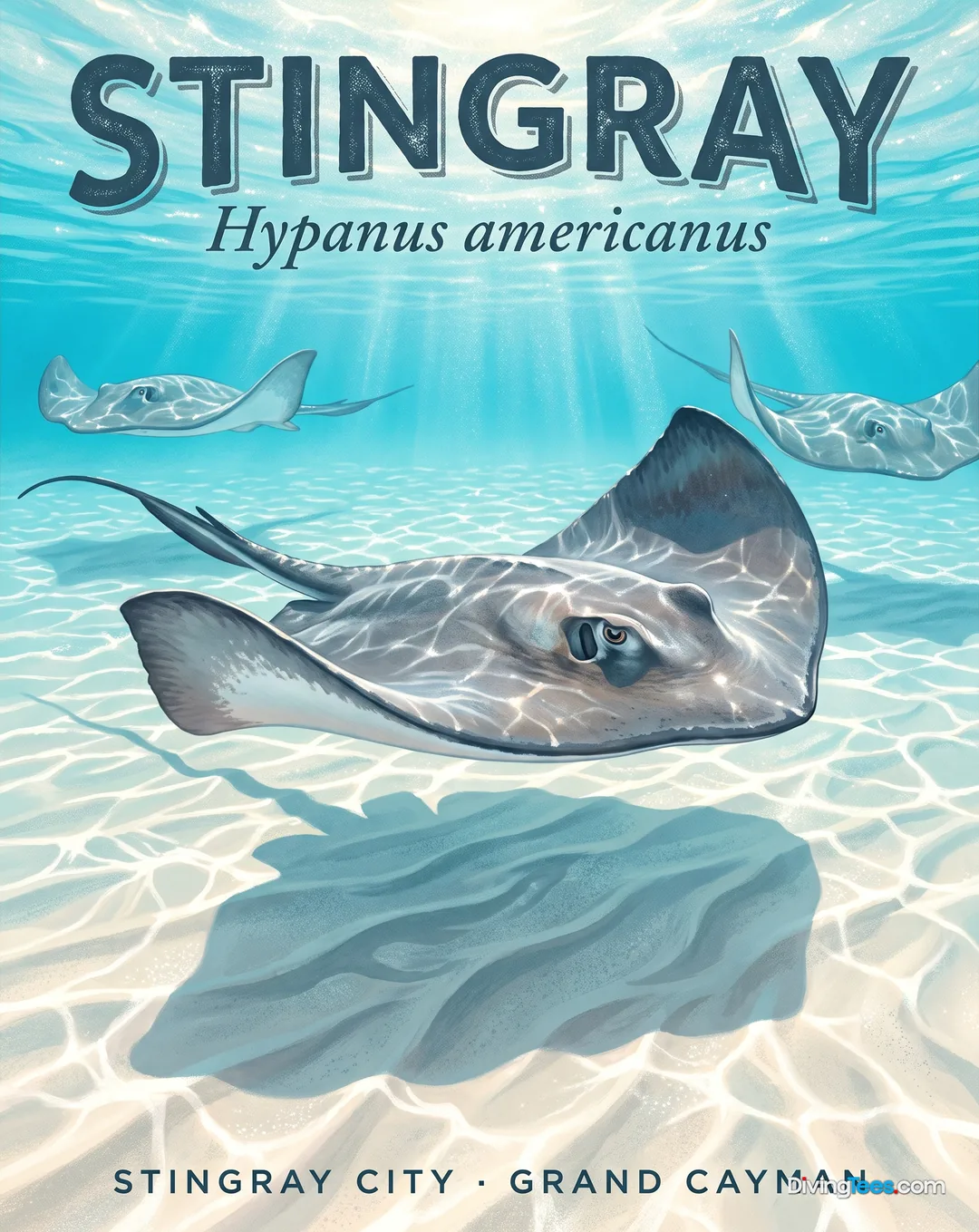
The reef ecosystems are home to a vast array of life, including sea turtles, stingrays, and various tropical fish. You will often see schools of colourful reef fish, parrotfish (Calotomus), and surgeonfish (Acanthuridae) moving across the hard coral (Scleractinia) and soft coral (Alcyonacea) structures. Large pelagics such as eagle rays (Aetobatus) and various species of sharks, including Caribbean reef sharks, can also be encountered.
In the deeper or more current-driven areas, keep an eye out for groupers (Epinephelus), moray eels (Muraenidae), and large schools of jacks (Carangidae). You may also spot barracudas, snapper (Lutjanus), and various species of angelfish (Pomacanthidae).
For those interested in macro life, the crevices and sandy bottoms offer plenty to see. Look for octopus (Octopus vulgaris), various nudibranchs (Chromodoris willani), seahorses (Hippocampus kuda), and different types of shrimp (Caridea). You might also find boxfish (Ostraciidae), pufferfish (Arothron hispidus), and various species of anemone (Actiniaria).
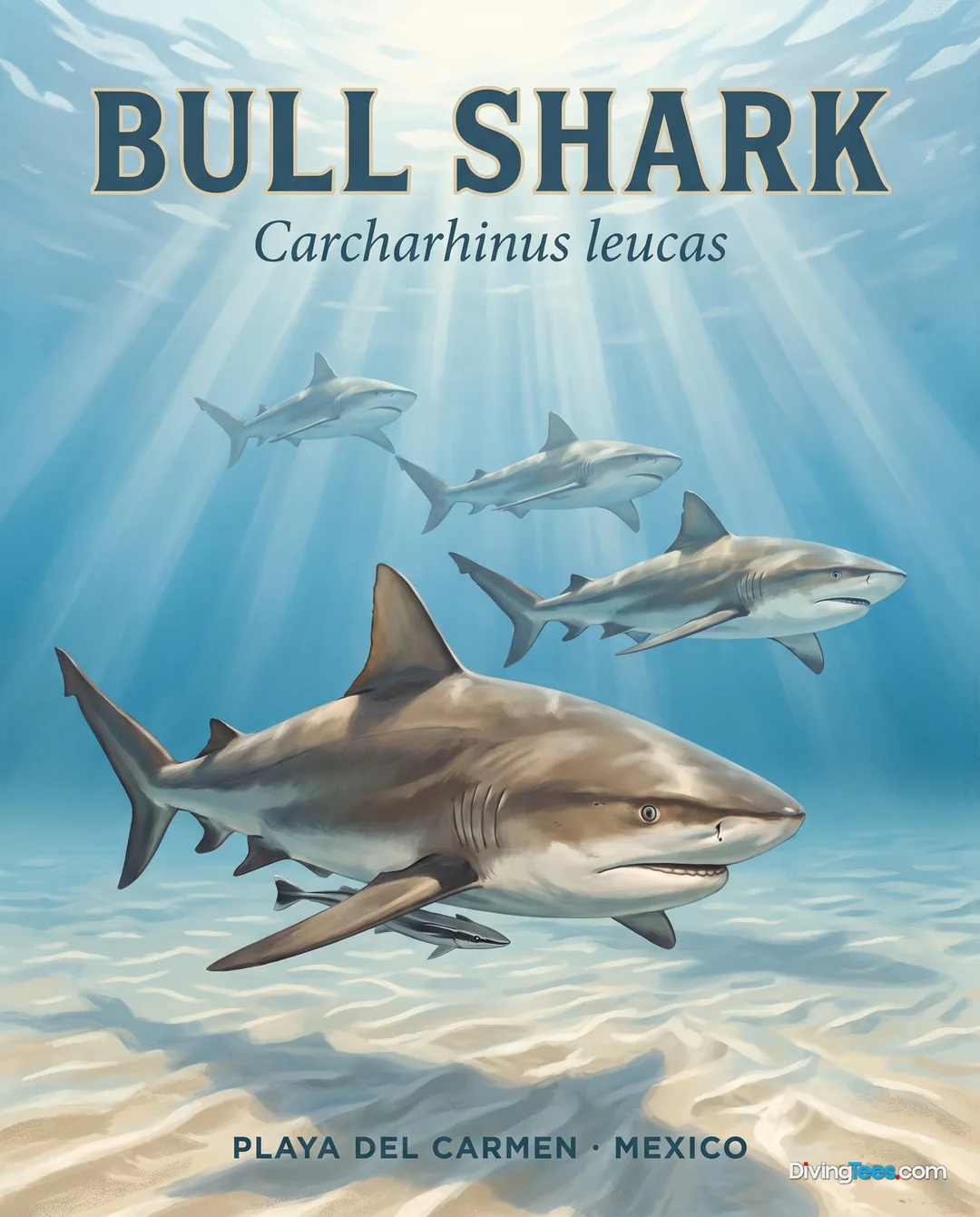
Seasonality plays a role in the local marine life, with bull sharks (Carcharhinus leucas) being a notable presence from November to March.
Diving in the Cozumel area typically involves dealing with gentle currents, which can make for excellent drift diving along the walls. The visibility in these offshore reefs is frequently noted for being exceptional.
In the cenotes, conditions are generally calm with no swell or significant currents, though the presence of haloclines—where fresh and salt water meet—creates unique visual effects that divers should be prepared for.
Hello, I'm Marina, DivingDeal.com's AI assistant. I answer in detail about hotels, dive centres and liveaboards.

Thinking about the whole trip and the flights? Talk it over with Edith →
Marina is an AI. Some links are affiliate links: DivingDeal may earn a commission, at no extra cost to you. Bookings are made with the partner.
★★★★★
★ 9.3/10 (1,117 reviews)
21 km away as the crow flies
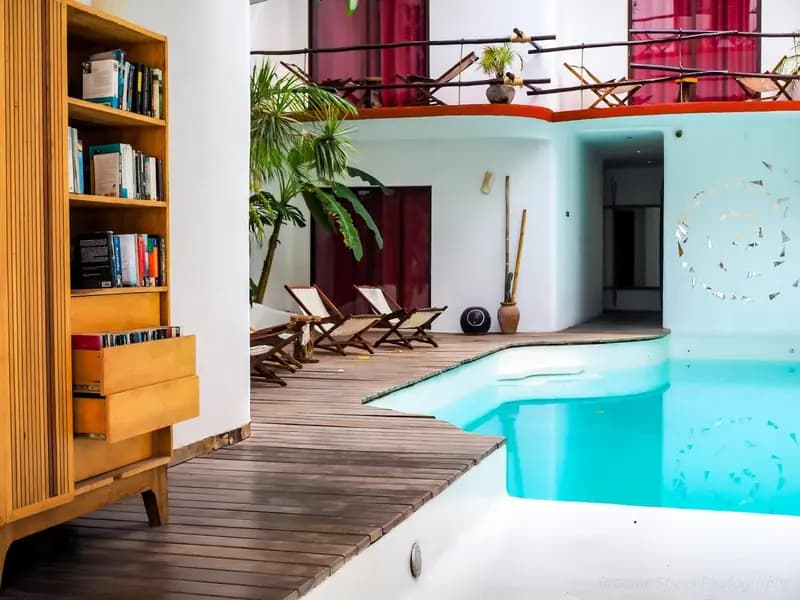
★★★★
★ 8.5/10 (955 reviews)
1.6 km away as the crow flies
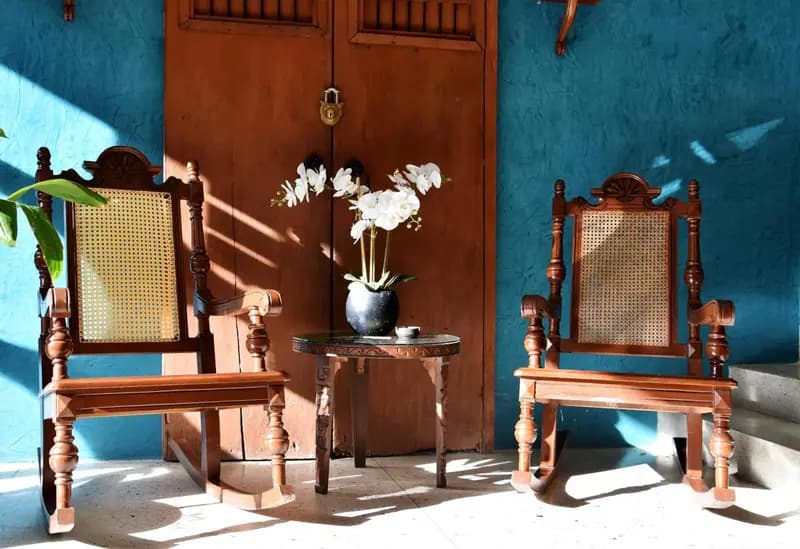
★★★
★ 8.6/10 (448 reviews)
19 km away as the crow flies
★ 9.2/10 (107 reviews)
20 km away as the crow flies