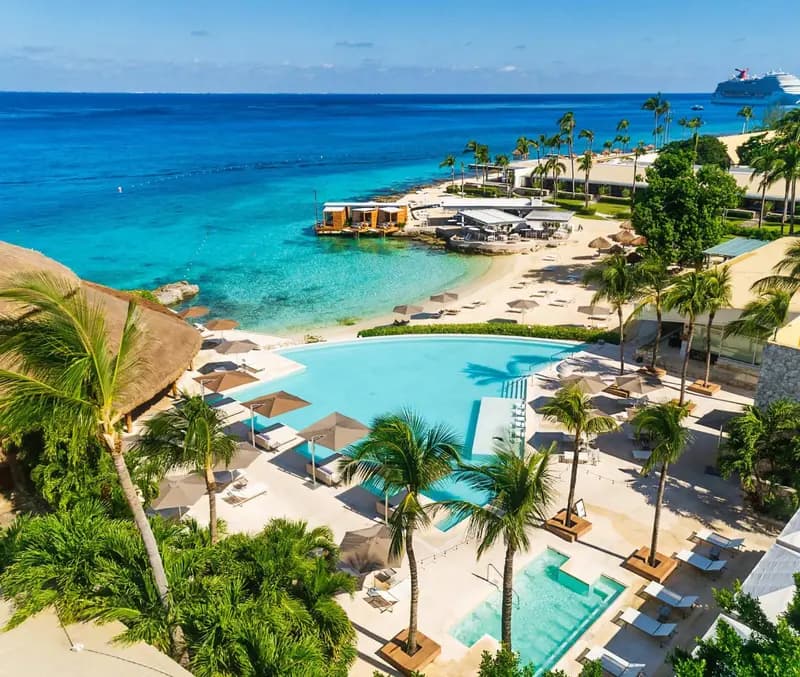
Presidente InterContinental Cozumel Resort & Spa by IHG
★★★★★
★ 9.3/10 (1,117 reviews)
20 km away as the crow flies
Dive centre · Riviera Maya · Mexico
4.9261 Google reviewsSpecialised SDI/TDI technical and cave training led by an experienced Instructor Trainer in the heart of Playa del Carmen.
For subtitles in English: start the video firstthen click the gearat the top right of the video, select “Subtitles/CC”, then “Auto-translate” and choose “English”.
Located in Playa del Carmen, Mexico, Diving Caves has been operating since 2004 with a focus on private, small-group diving. The centre is designed for divers seeking a more personalised approach, whether you are exploring the local reef flats or looking to progress through technical cave penetrations.
The centre's philosophy is built around environmental respect and a mentorship-based approach to instruction. Instead of large, anonymous groups, the focus here is on individual goals and safety, ensuring that every diver receives the specific attention required for their skill level.
The centre is led by Christine Loew, an SDI/TDI Instructor Trainer and Razor Instructor with over 6,000 dives to her credit. Having been involved in technical and cave diving since 2002, she brings a high level of expertise to both guiding and advanced training programmes.
Christine is supported by a multilingual team capable of instructing in English, German, Spanish, and French. The team brings a combined experience of over 50 years to the centre, fostering a culture of continuous learning and local instructor mentorship.
Instruction is delivered with a focus on individual coaching, with a deliberate limit on group sizes to maintain high safety standards and personal attention. This structure is particularly beneficial for those undertaking complex technical transitions or specialised cave courses.
Diving Caves offers a complete spectrum of SDI training, ranging from entry-level Open Water Diver courses to professional levels such as Divemaster and the SDI Instructor Development Course (IDC). For recreational divers looking to expand their skills, they provide Advanced Nitrox and Rescue Diver certifications.
The technical training programme is extensive, catering to divers moving into more complex environments. This includes Intro-to-Tech, Sidemount, and the full progression of cave diving, from Cavern Discovery through to Advanced Cave, Stage Cave, and DPV Cave training. They also offer specialised training in decompression procedures.
The centre provides high-quality equipment for hire, covering the essentials needed for both recreational and technical diving. For those looking for a seamless experience, they offer complete kit hire to match your specific diving requirements.
Logistics are handled centrally, with the centre providing cylinders, fills, and organised transport to the dive sites. Nitrox is available for divers looking to extend their bottom times during reef or cenote excursions.
The local cenotes offer unique freshwater environments for both cavern and cave diving, with various swim-throughs and formations available depending on your certification level. These sites are ideal for those looking to practice buoyancy and navigation in a controlled, ethereal setting.
The ocean sites around Playa del Carmen provide access to diverse reef ecosystems and deeper walls. These excursions allow you to experience the Caribbean's marine life in a more open-water environment, ranging from shallow reef flats to deeper offshore dives.
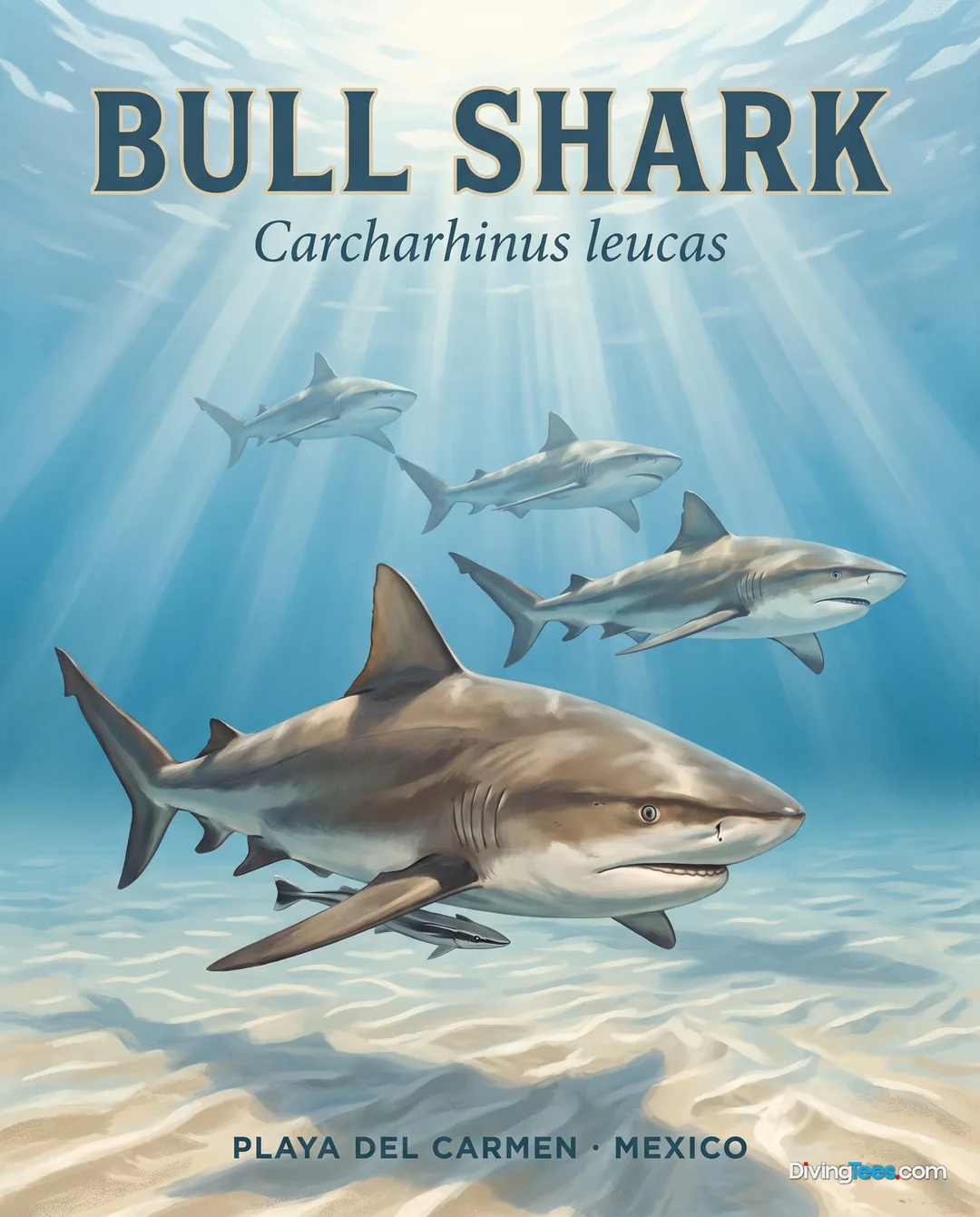
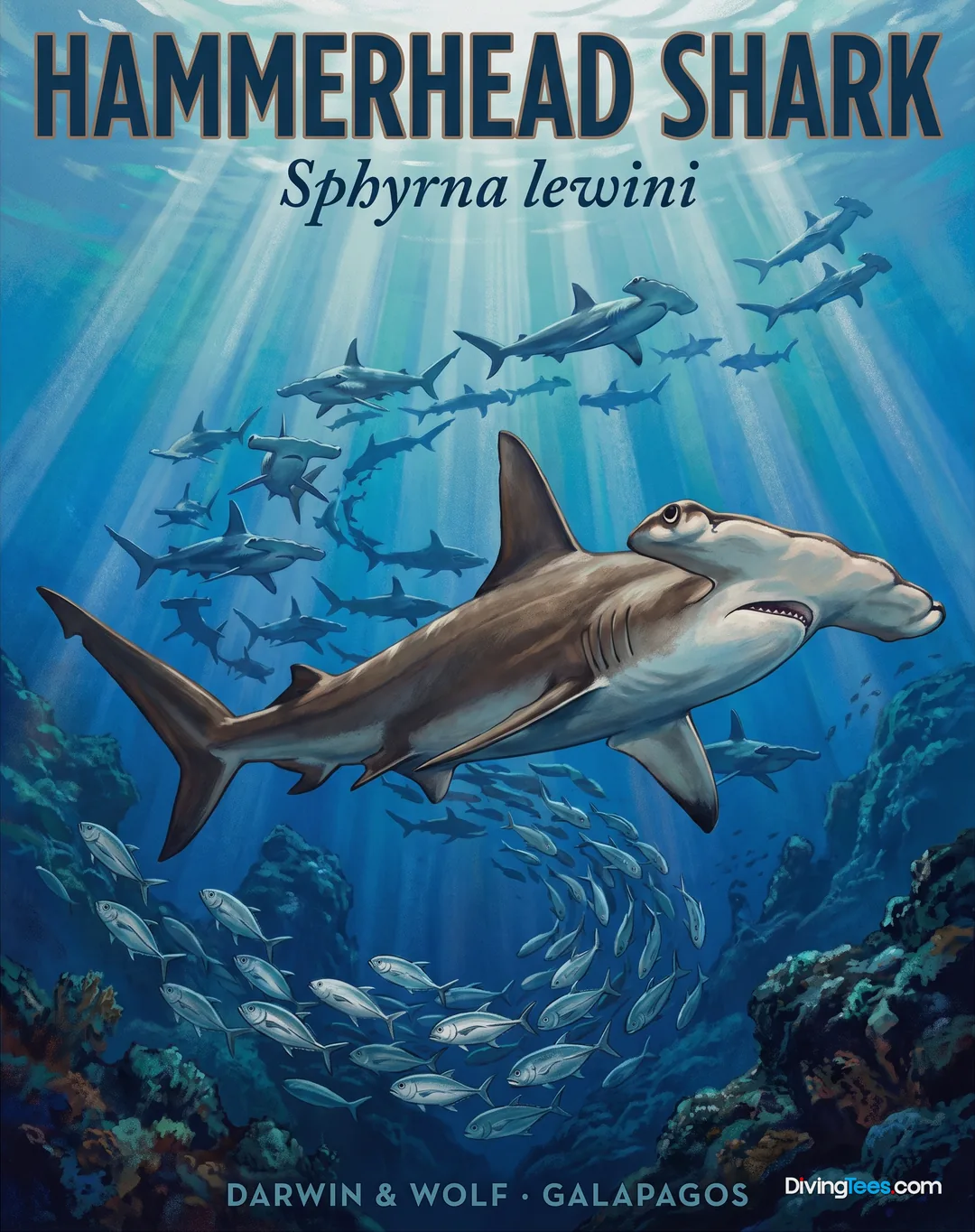
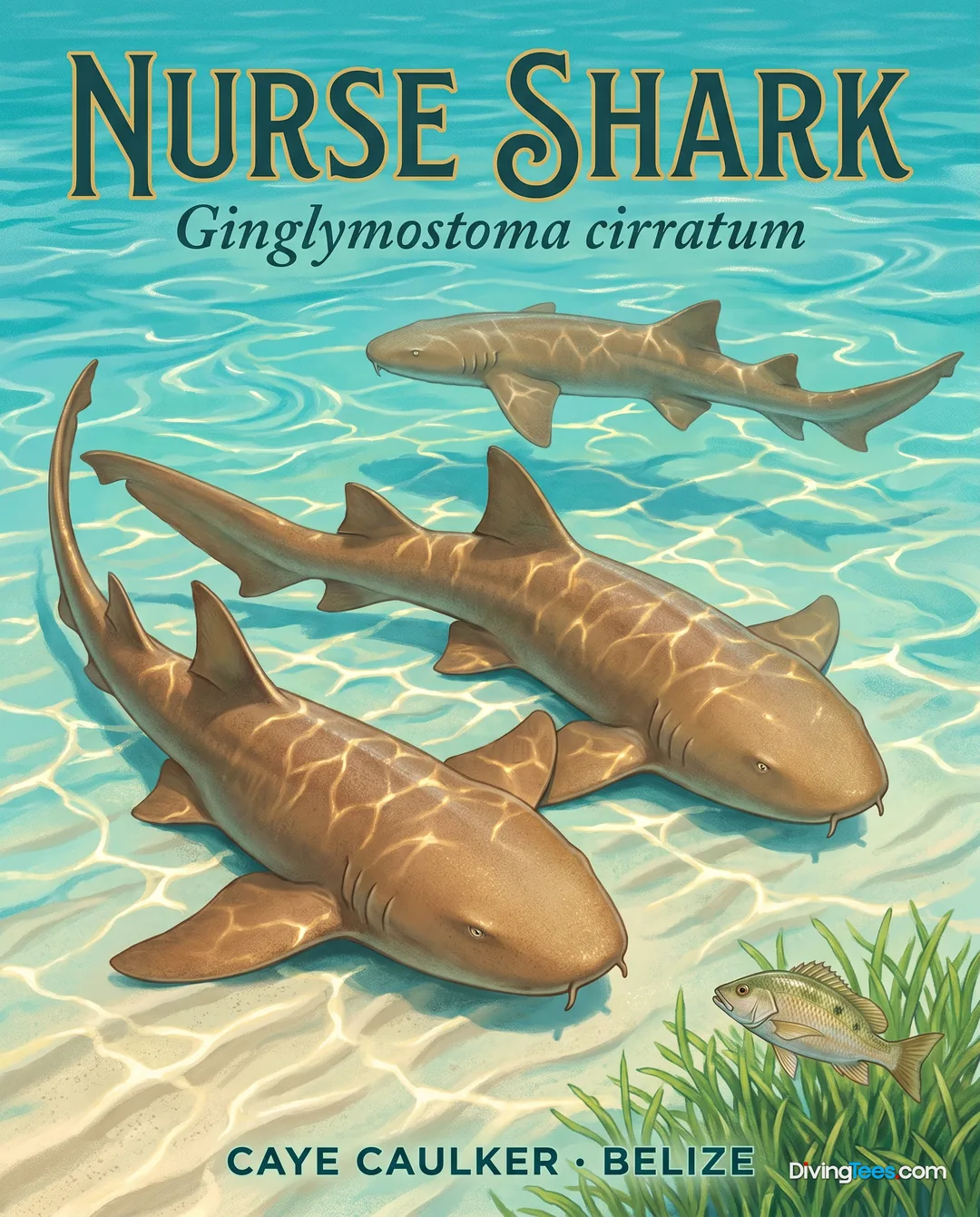
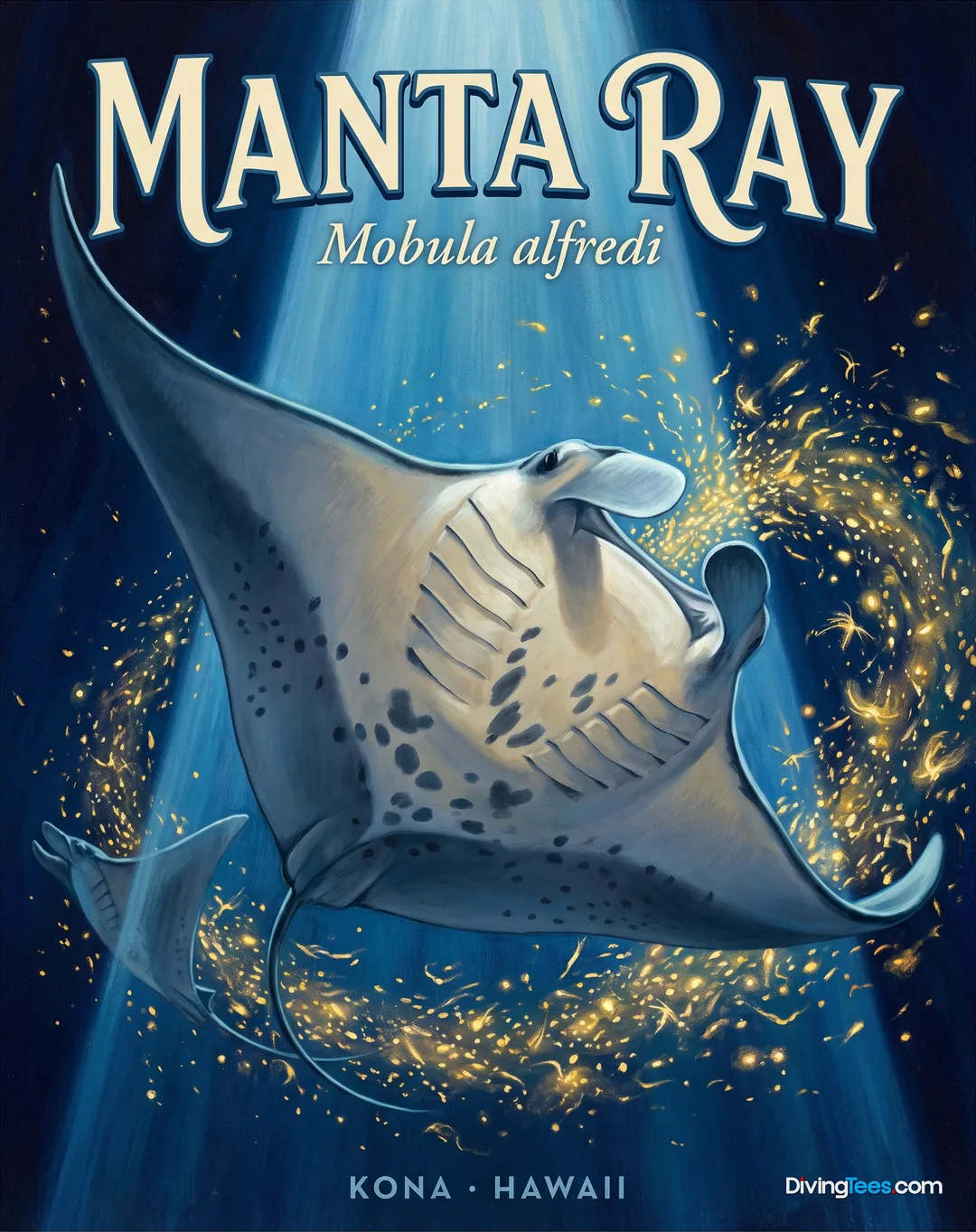
The local marine life is incredibly diverse, particularly when diving the reefs and ocean walls. You will encounter schools of colourful reef fish, including various species of snapper (Lutjanus), sergeant majors, and blue-striped grunts. Larger pelagics such as eagle rays (Aetobatus), manta rays (Mobula alfredi), and various species of sharks, including reef sharks (Carcharhinus) and nurse sharks (Ginglymostoma cirratum), are part of the ecosystem.
On the reef, you can observe a wide array of invertebrates and specialised fish. This includes various species of moray eels, such as the green moray (Gymnothorax funebris) and spotted moray eels, alongside lionfish (Pterois volitans) and various species of angelfish (Pomacanthidae). Hard corals (Scleractinia), brain corals, and soft corals (Alcyonacea) provide the structural foundation for this habitat.
For those interested in macro life, the area offers significant opportunities to find smaller, more delicate species. Look for nudibranchs (Chromodoris willani), seahorses (Hippocampus kuda), and various crustaceans including lobster (Homaridae) and shrimp (Caridea). You may also spot garden eels (Gorgasia), anemones (Actiniaria), and various species of blennies and scorpionfish (Scorpaenidae) amongst the reef structure.
The diving environment in this region varies significantly between the open ocean and the protected cenote systems. While the cenotes offer calm, still water, ocean dives may be subject to local currents and swell depending on the specific site and weather conditions.
Hello, I'm Marina, DivingDeal.com's AI assistant. I answer in detail about hotels, dive centres and liveaboards.

Thinking about the whole trip and the flights? Talk it over with Edith →
Marina is an AI. Some links are affiliate links: DivingDeal may earn a commission, at no extra cost to you. Bookings are made with the partner.
★★★★★
★ 9.3/10 (1,117 reviews)
20 km away as the crow flies
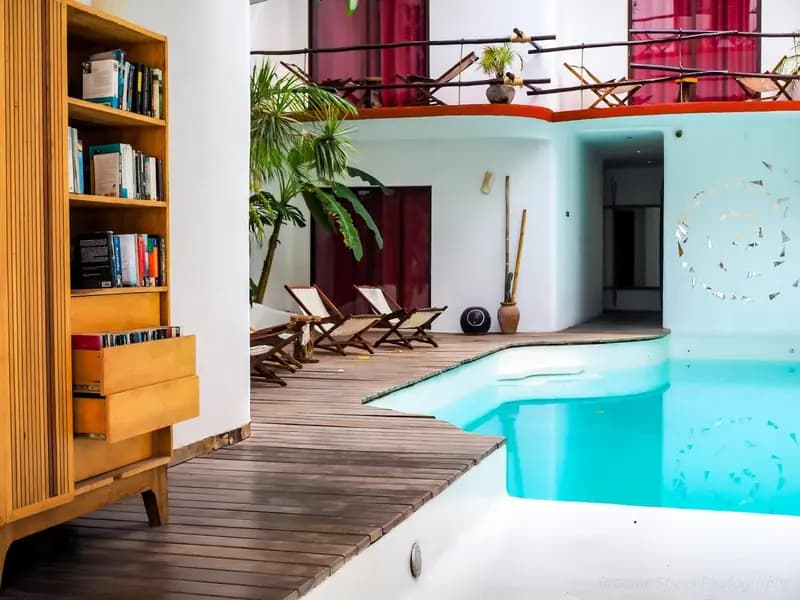
★★★★
★ 8.5/10 (955 reviews)
less than 1 km away as the crow flies
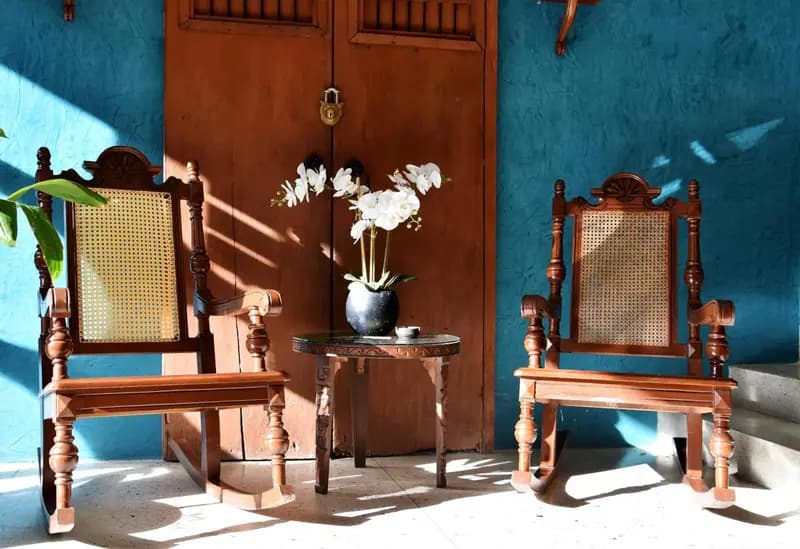
★★★
★ 8.6/10 (448 reviews)
18 km away as the crow flies
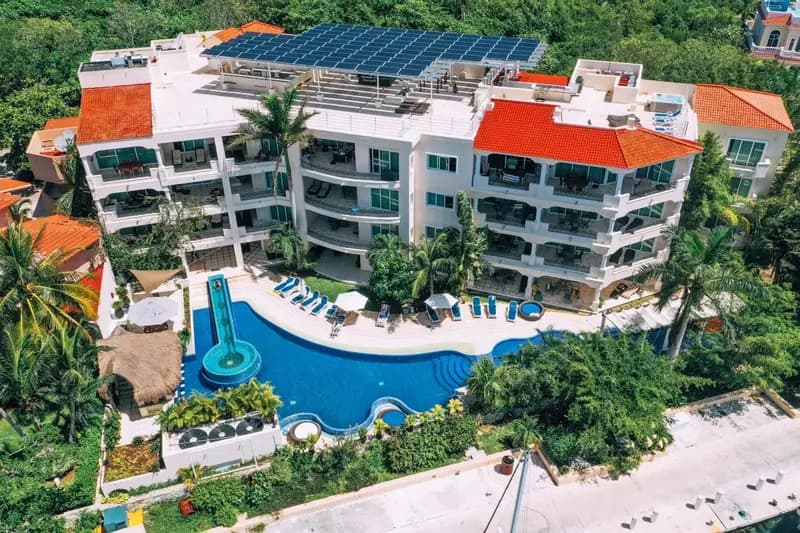
★ 9.2/10 (107 reviews)
21 km away as the crow flies