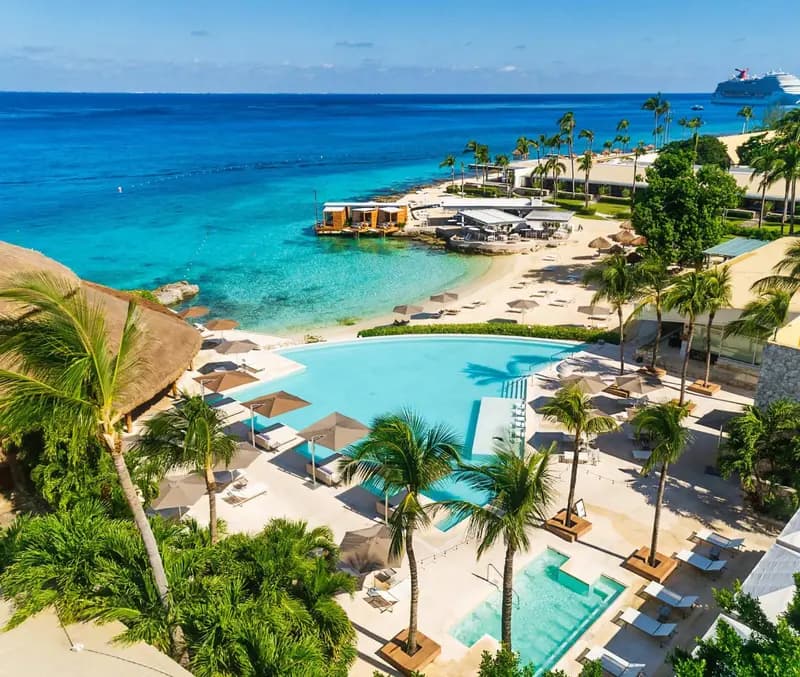
Presidente InterContinental Cozumel Resort & Spa by IHG
★★★★★
★ 9.3/10 (1,117 reviews)
20 km away as the crow flies
Dive centre · Riviera Maya · Mexico
4.7559 Google reviewsExplore the crystalline underground rivers of the Yucatan or dive the reef with an SSI and SNSI certified team.
For subtitles in English: start the video firstthen click the gearat the top right of the video, select “Subtitles/CC”, then “Auto-translate” and choose “English”.
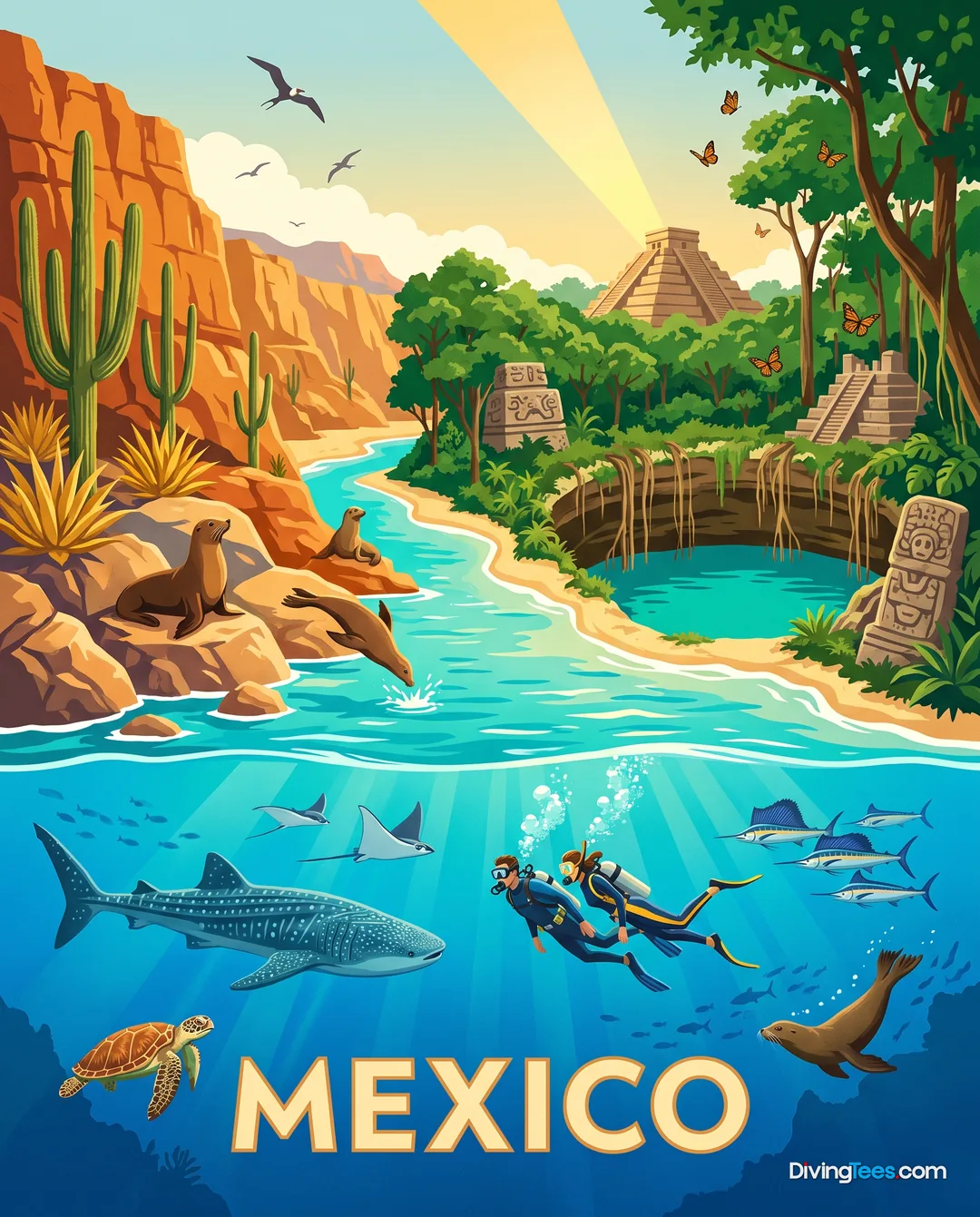
Located in Playa del Carmen, Phantom Divers provides access to some of the most diverse underwater environments in Mexico. You can spend your mornings exploring the vast, flooded cavern systems of the local cenotes or head out to the reef to experience the second largest barrier reef in the world.
The area is famous for its unique geological formations and exceptional visibility, particularly within the cenote systems where water clarity often exceeds 50 metres. Whether you are looking for the structure of a reef or the ethereal light of an underground river, the local topography offers something for every level of experience.
The centre operates with an affiliation to SSI and SNSI, providing a structured pathway for both recreational and professional divers. Their training programmes range from introductory courses for beginners to Dive Master certifications for those looking to enter the industry.
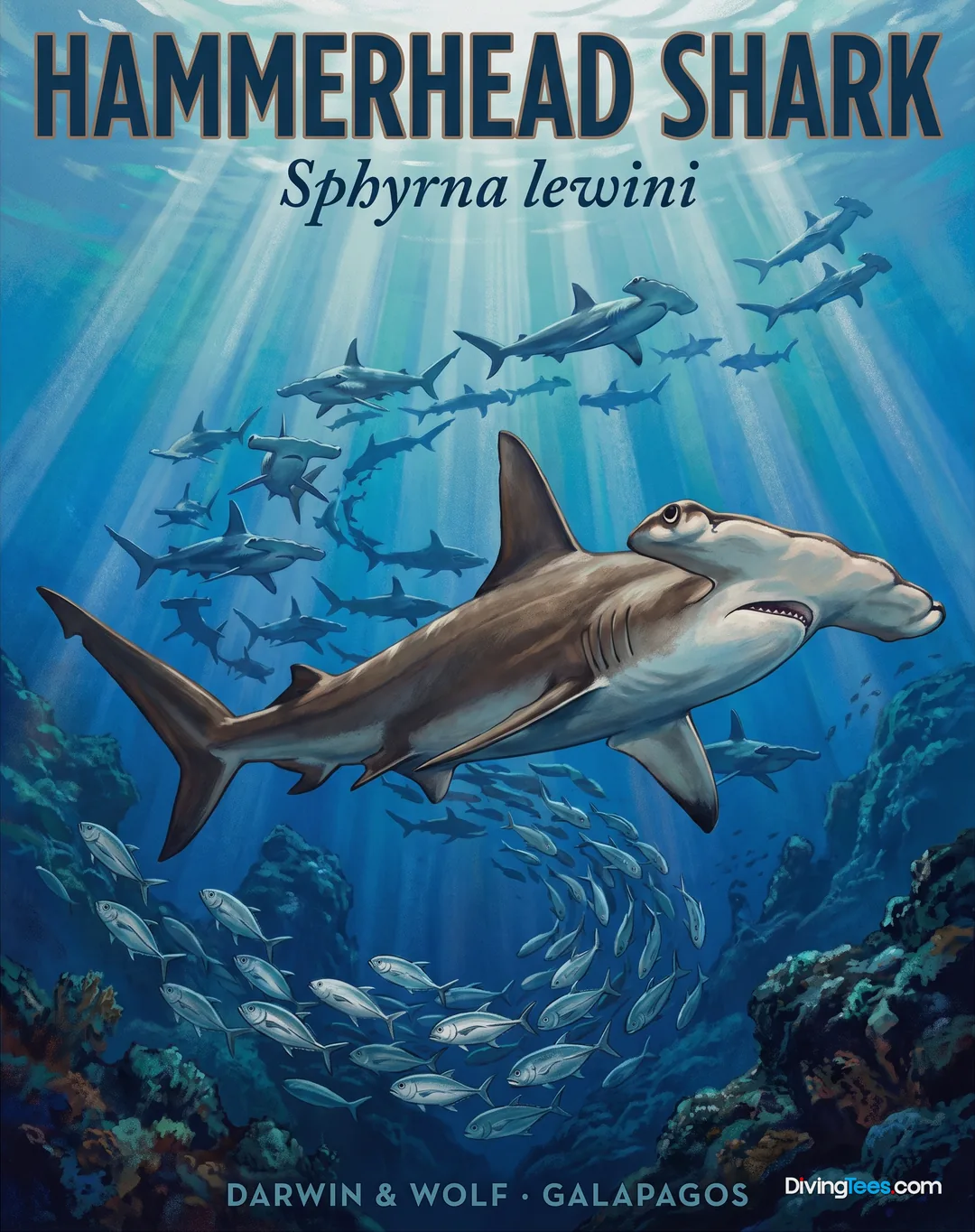
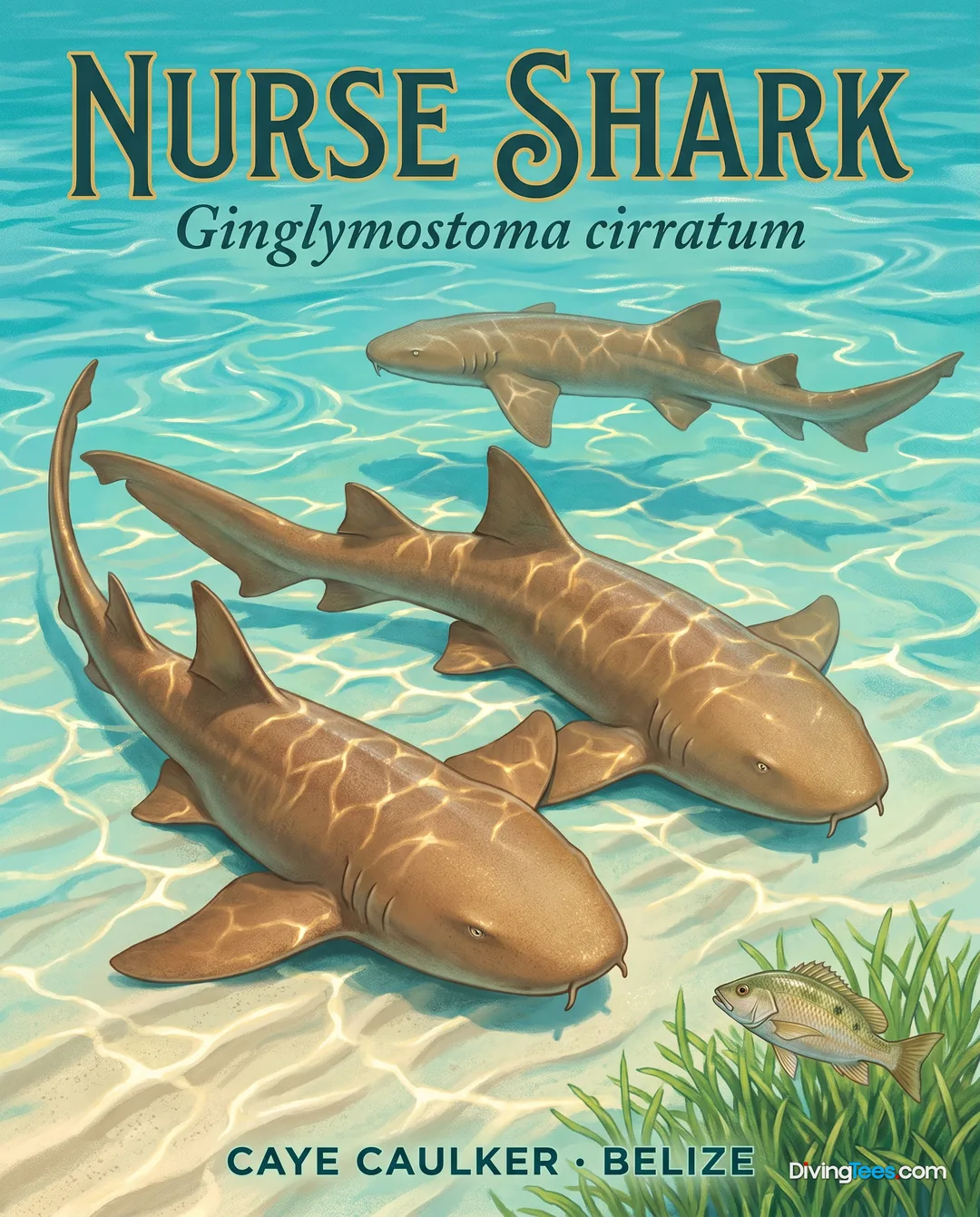
Beyond standard scuba instruction, the team focuses heavily on marine conservation. They are actively involved in shark conservation efforts in the Mexican Caribbean, aiming to educate divers on the vital role these predators play in the ecosystem.
Phantom Divers offers a comprehensive curriculum through SSI and SNSI. For those just starting, they provide Scuba Diving Introduction and Open Water Diver courses. Once you have your basic certification, you can progress through the Advanced Open Water Course or pursue various Specialties.
Professional training is also available for those aiming for a career in diving, including the Dive Master programme. The centre also conducts specialised excursions, such as dedicated Cenote Diving and Shark Diving sessions, as well as First Aid & CPR training.
Cenotes (general) are flooded cavern systems that define the region, offering crystalline water and visibility of over 50 metres. These sites are a must-do for any diver looking to experience the unique underground rivers of the Yucatan.
Pared Verde and Chuzumbul are excellent options for those who enjoy diving along a wall. These sites provide vertical structure and a different perspective compared to the shallower reef flats.
The Hole is a specific cavern site designated for advanced divers. It requires a higher level of buoyancy control and experience to navigate the unique overhead environment safely.
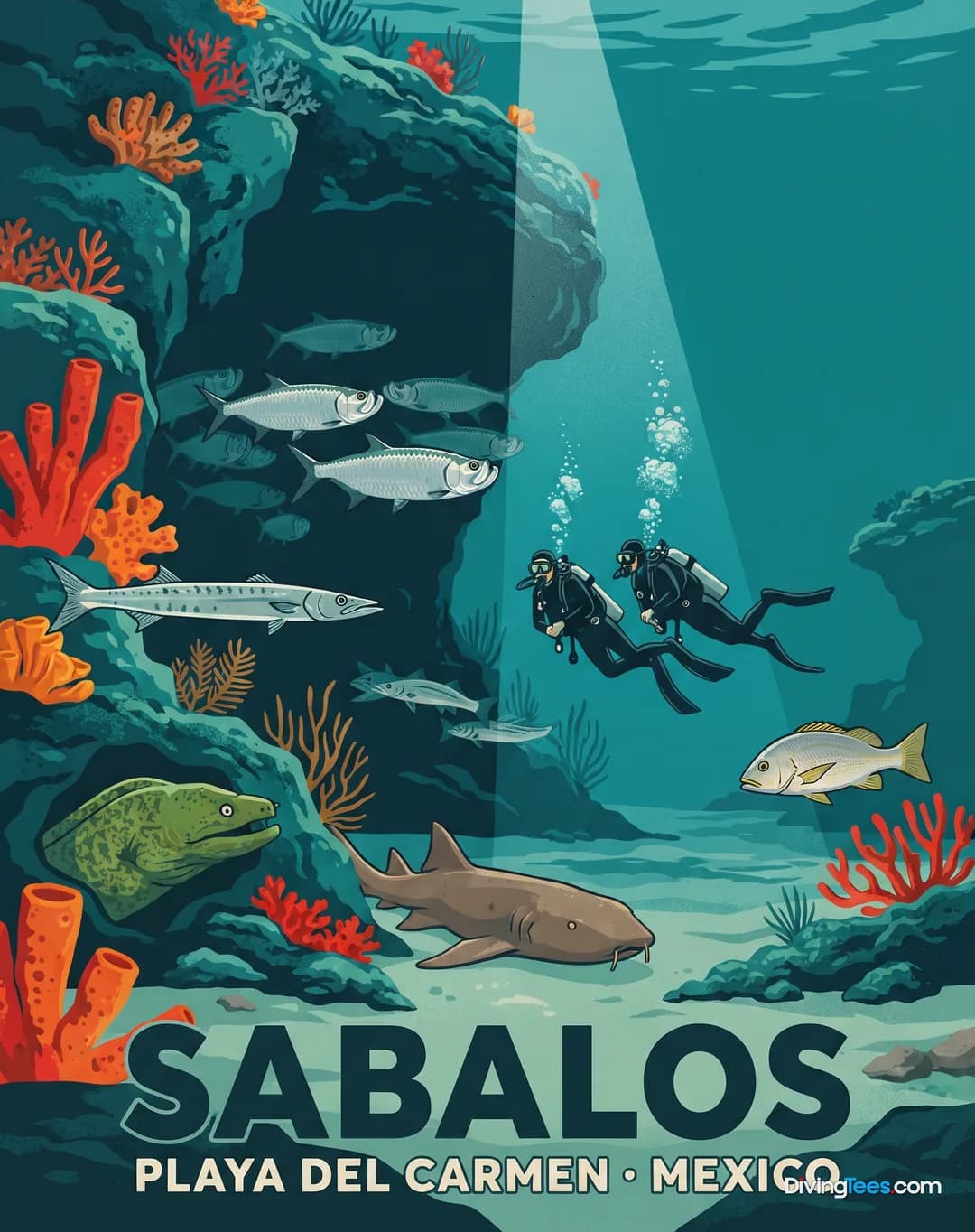
down to 15 m
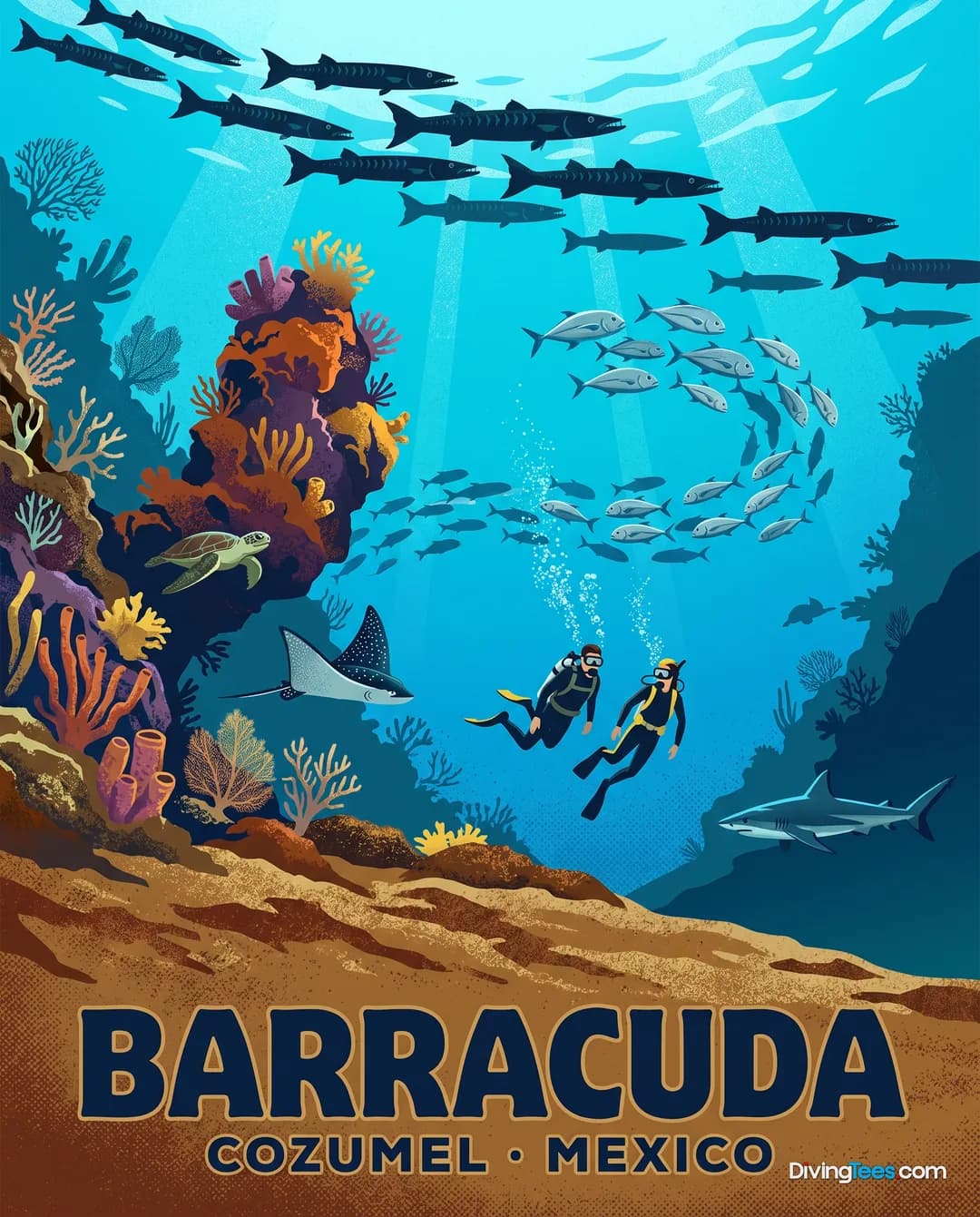
down to 40 m
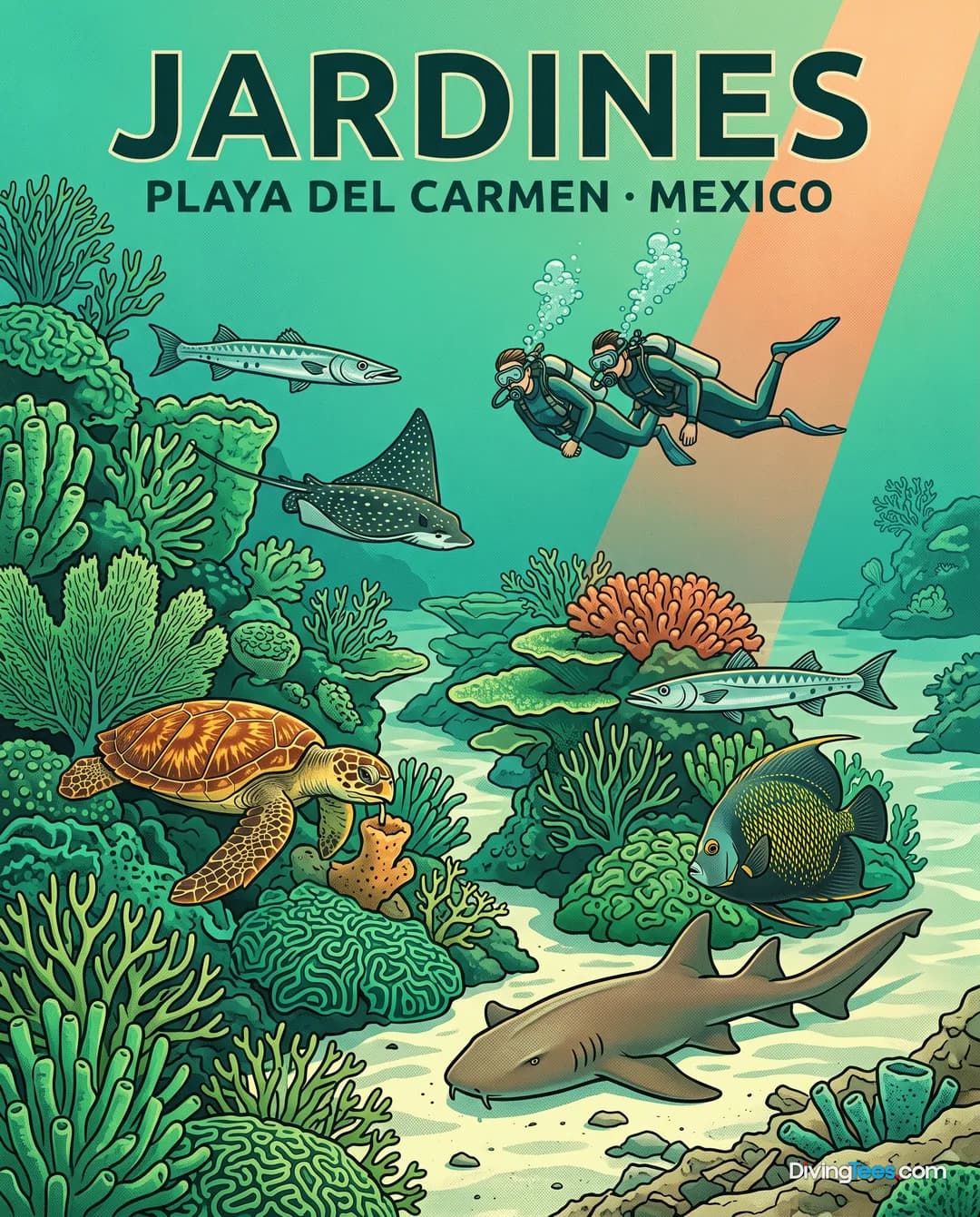
down to 15 m
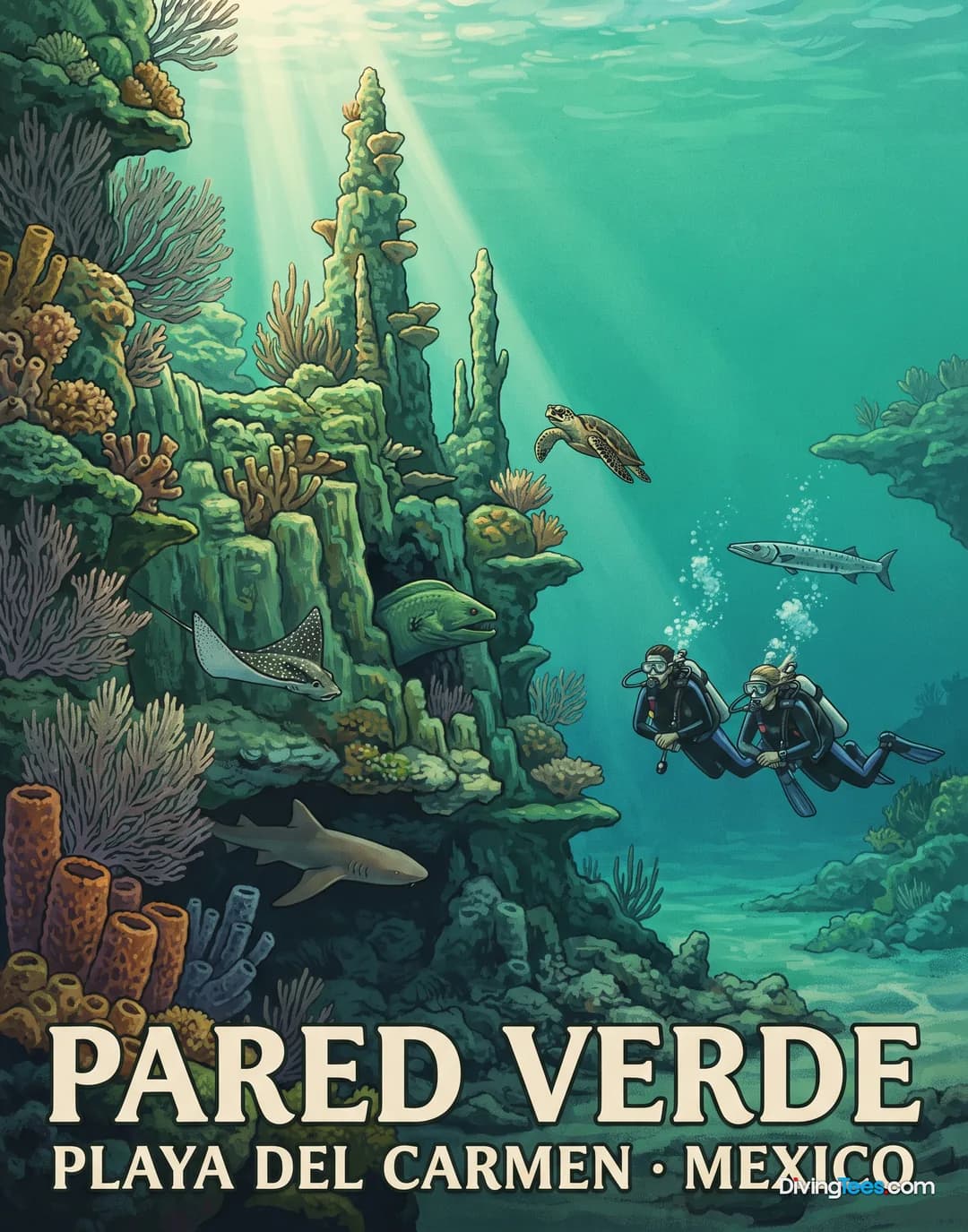
down to 30.5 m
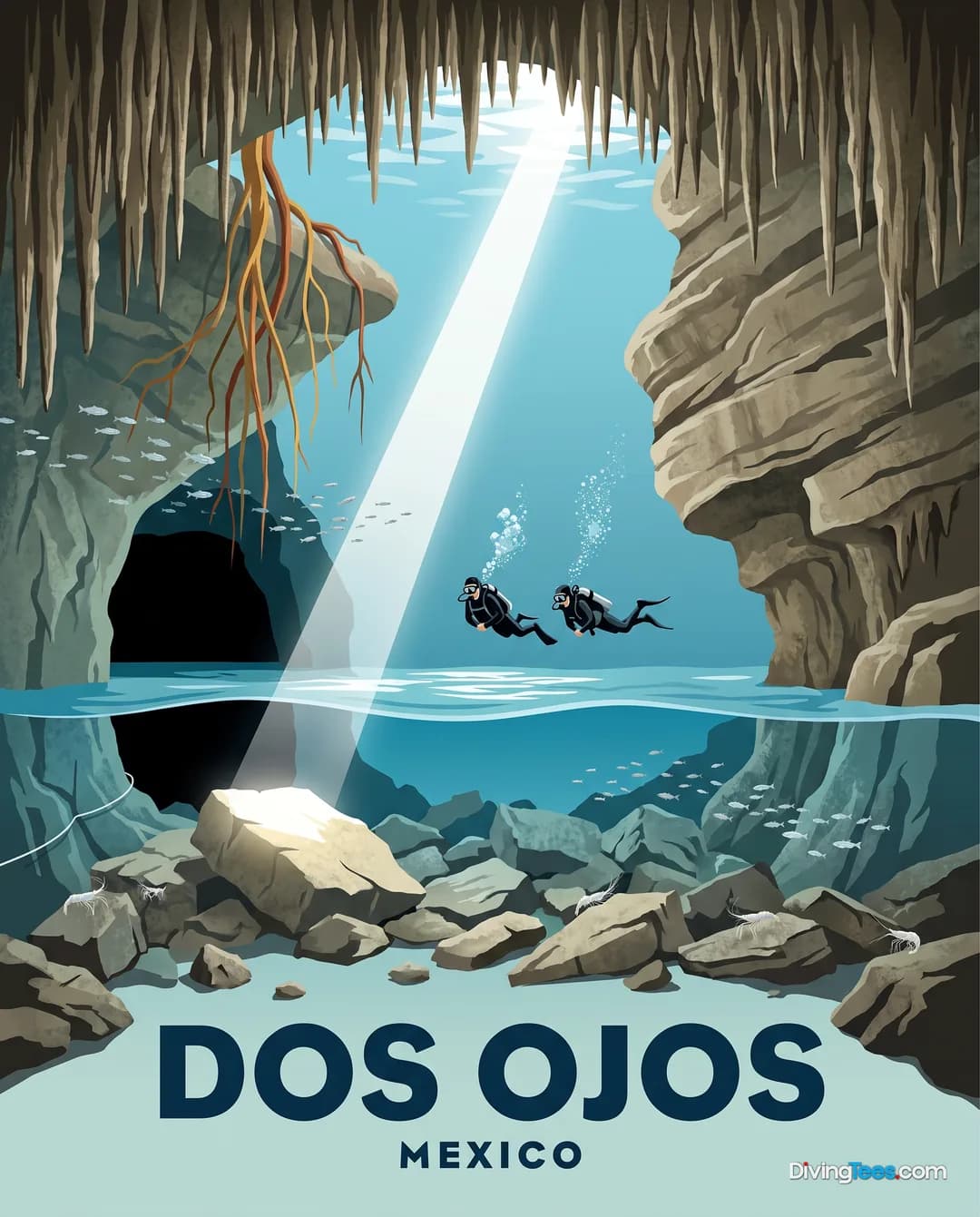
down to 17 m
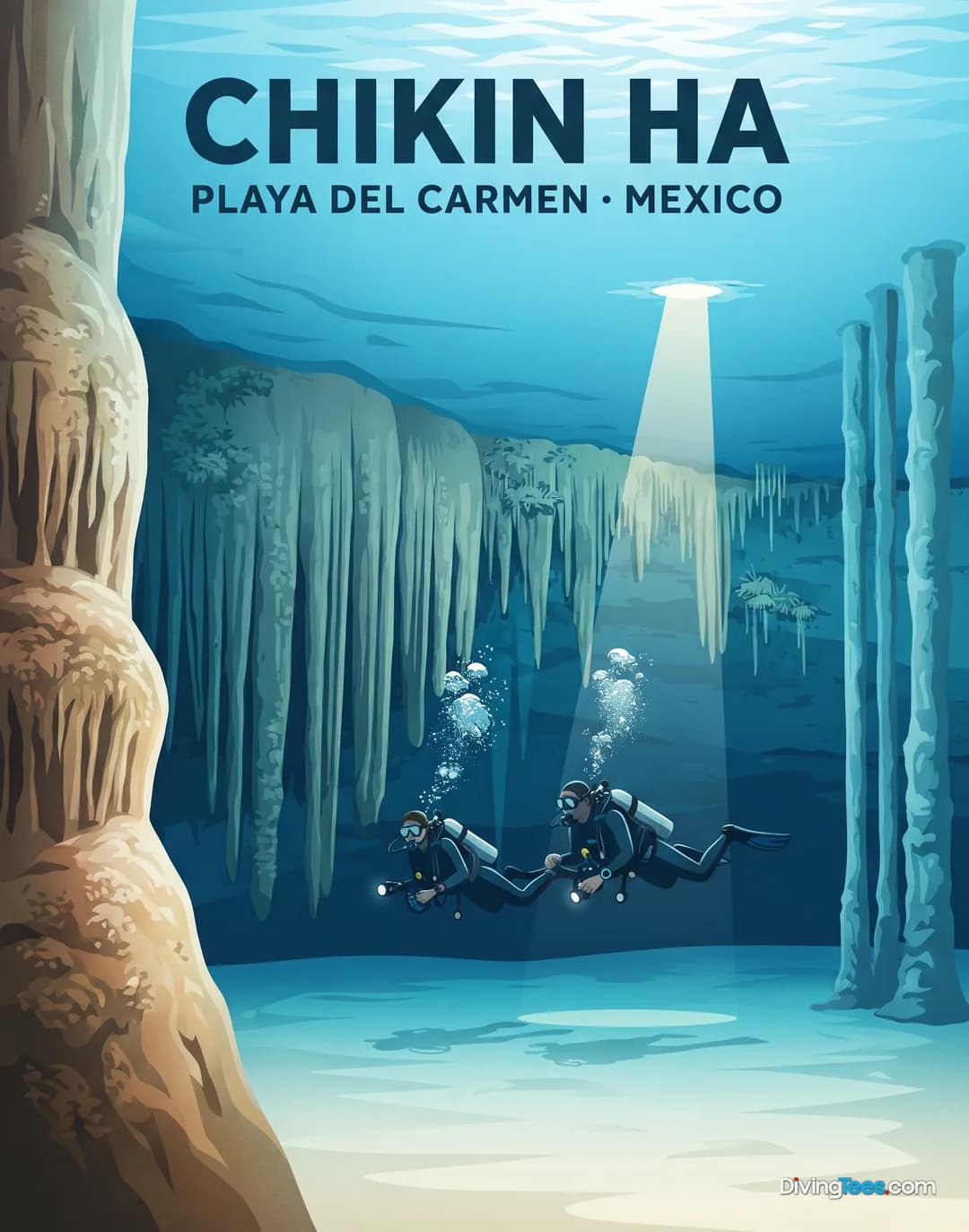
down to 15 m
And some of the dive sites the centre runs.
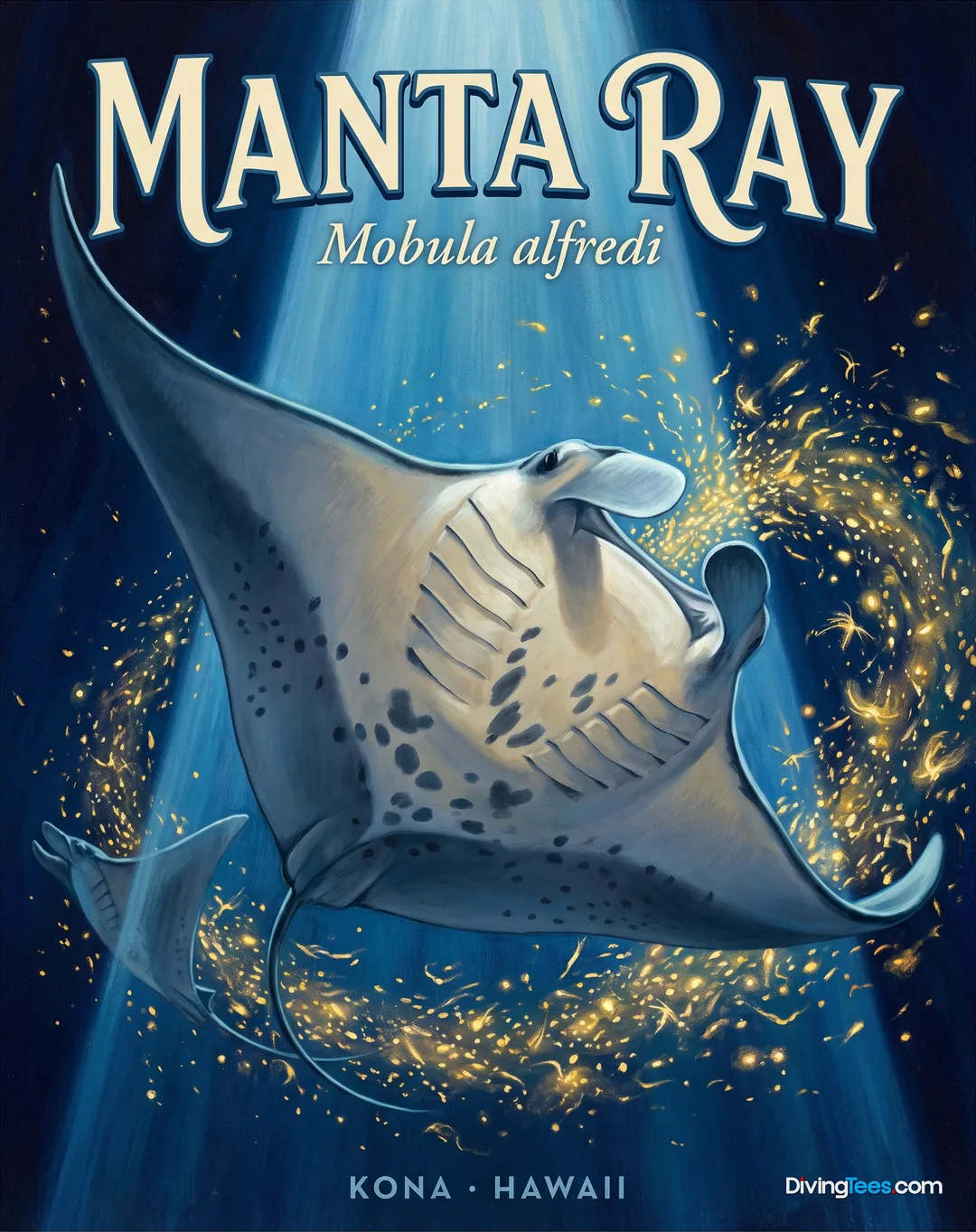
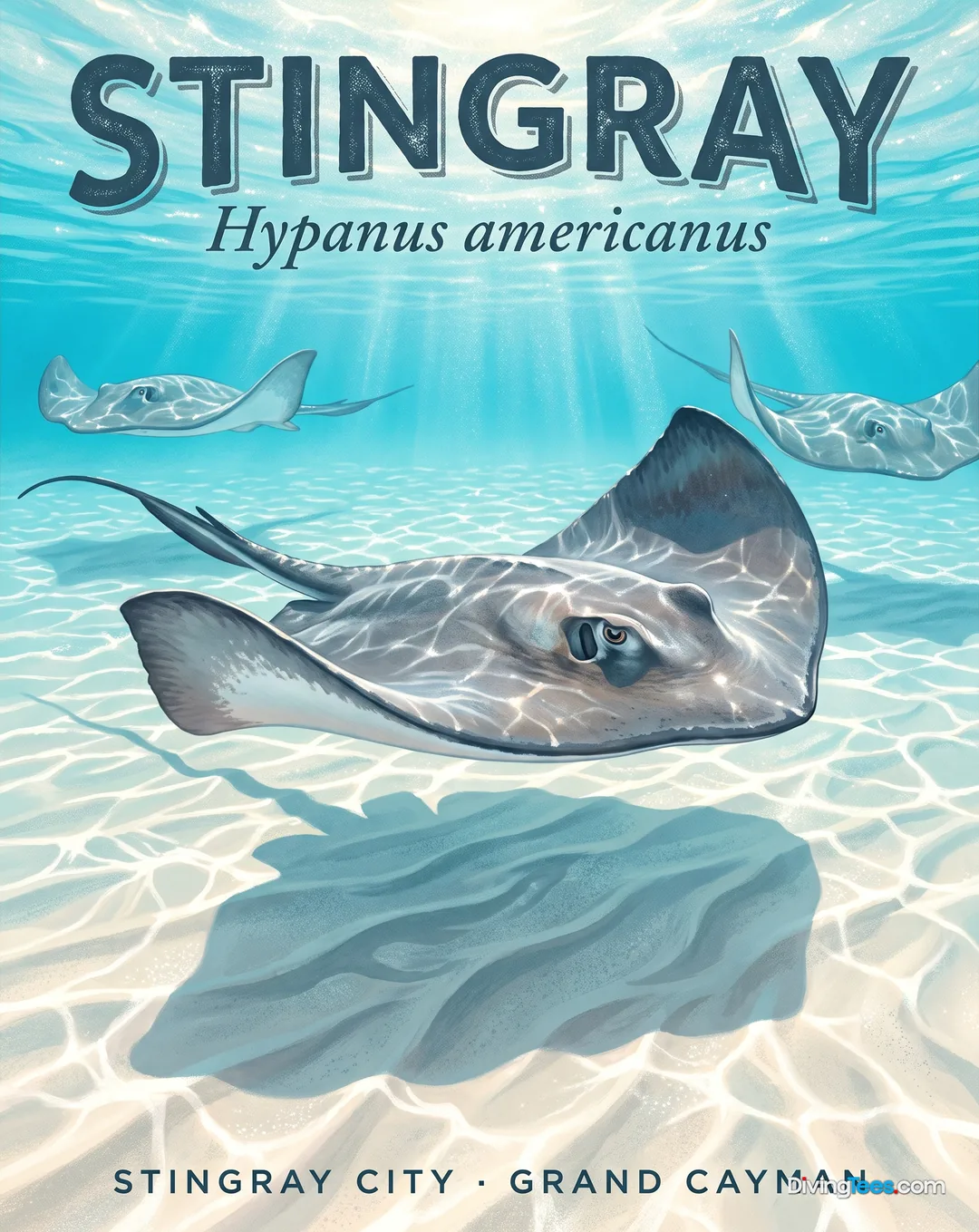
The reef environments are teeming with life, including sea turtles (Cheloniidae), various species of ray (Batoidea), and large schools of fish. You will frequently encounter parrotfish (Calotomus), surgeonfish (Acanthuridae), and various species of snapper (Lutjanus). Large predators like the Great barracuda (Sphyraena barracuda) and various sharks are also part of the regular ecosystem.
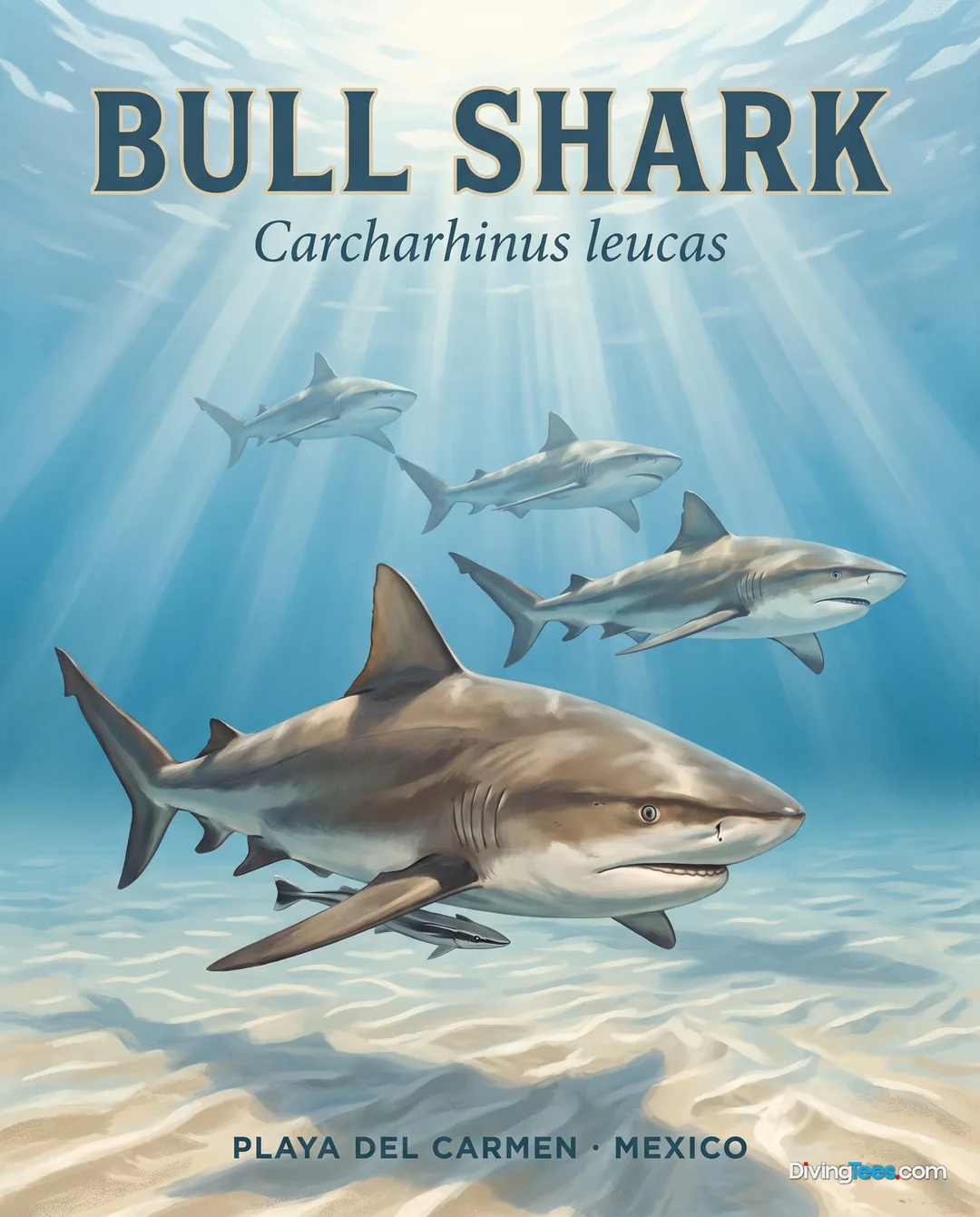
Seasonal visitors add to the diversity of the area. From November to February, you may encounter bull sharks (Carcharhinus leucas). Between May and September, whale sharks arrive, drawn to the seasonal plankton blooms. You might also see sailfish, blue marlin, and various species of marlin during the month of May.
The seafloor and reef structures are decorated with a variety of fixed life, including hard corals (Scleractinia), soft corals (Alcyonacea), and various sponges (Porifera). Sea fans (Gorgoniidae) and anemones (Actiniaria) provide habitat for many smaller species.
For those interested in macro life, the area offers plenty to observe. Look for nudibranchs (Chromodoris willani), seahorses (Hippocampus kuda), and various crustaceans such as lobster (Homaridae) and crab (Brachyura). You can also find octopus (Octopus vulgaris), shrimp (Caridea), and several types of moray eel (Muraenidae) tucked into the crevices.
Diving in the Playa del Carmen area is influenced by the seasonal presence of plankton, which is particularly important for the arrival of whale sharks. The cenote systems offer very stable, sheltered environments, though they require specific cavern diving skills.
When diving the open reef, you should be prepared for varying conditions typical of the Caribbean, though the cenotes provide a consistent, calm alternative for those preferring enclosed environments.
Hello, I'm Marina, DivingDeal.com's AI assistant. I answer in detail about hotels, dive centres and liveaboards.

Thinking about the whole trip and the flights? Talk it over with Edith →
Marina is an AI. Some links are affiliate links: DivingDeal may earn a commission, at no extra cost to you. Bookings are made with the partner.
★★★★★
★ 9.3/10 (1,117 reviews)
20 km away as the crow flies
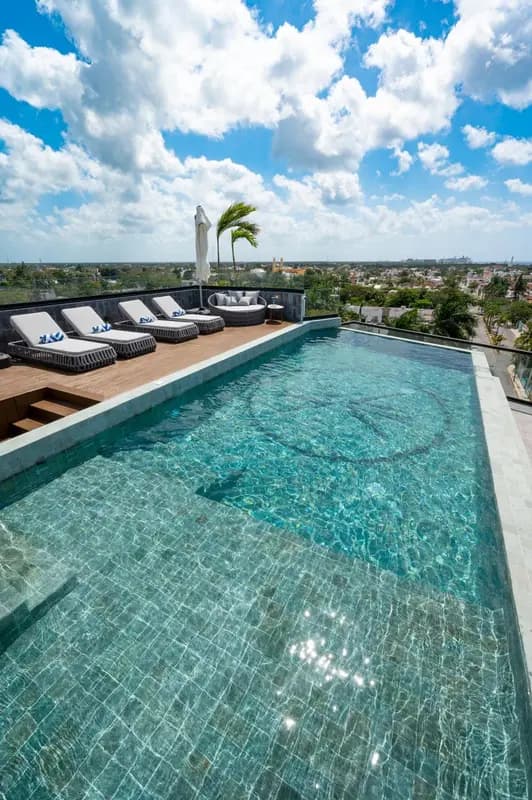
★ 9.2/10 (267 reviews)
18 km away as the crow flies
★★★★
★ 8.5/10 (955 reviews)
less than 1 km away as the crow flies

★★★
★ 8.6/10 (448 reviews)
18 km away as the crow flies