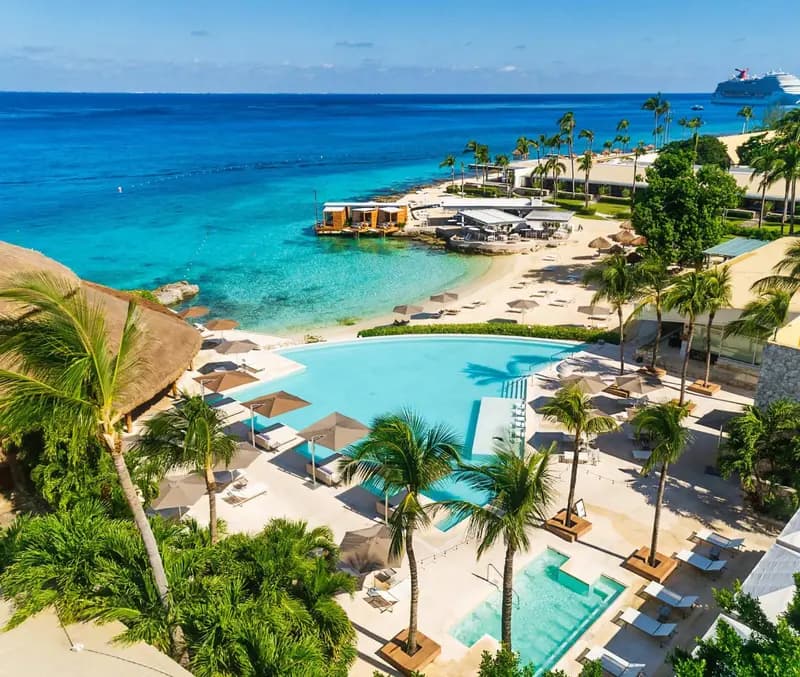
Presidente InterContinental Cozumel Resort & Spa by IHG
★★★★★
★ 9.3/10 (1,117 reviews)
44 km away as the crow flies
Dive centre · Riviera Maya · Mexico
5.0474 Google reviewsExplore the diverse underwater landscapes of Puerto Morelos, from the historic C-56 wreck to the intricate cave systems of the nearby cenotes.
For subtitles in English: start the video firstthen click the gearat the top right of the video, select “Subtitles/CC”, then “Auto-translate” and choose “English”.
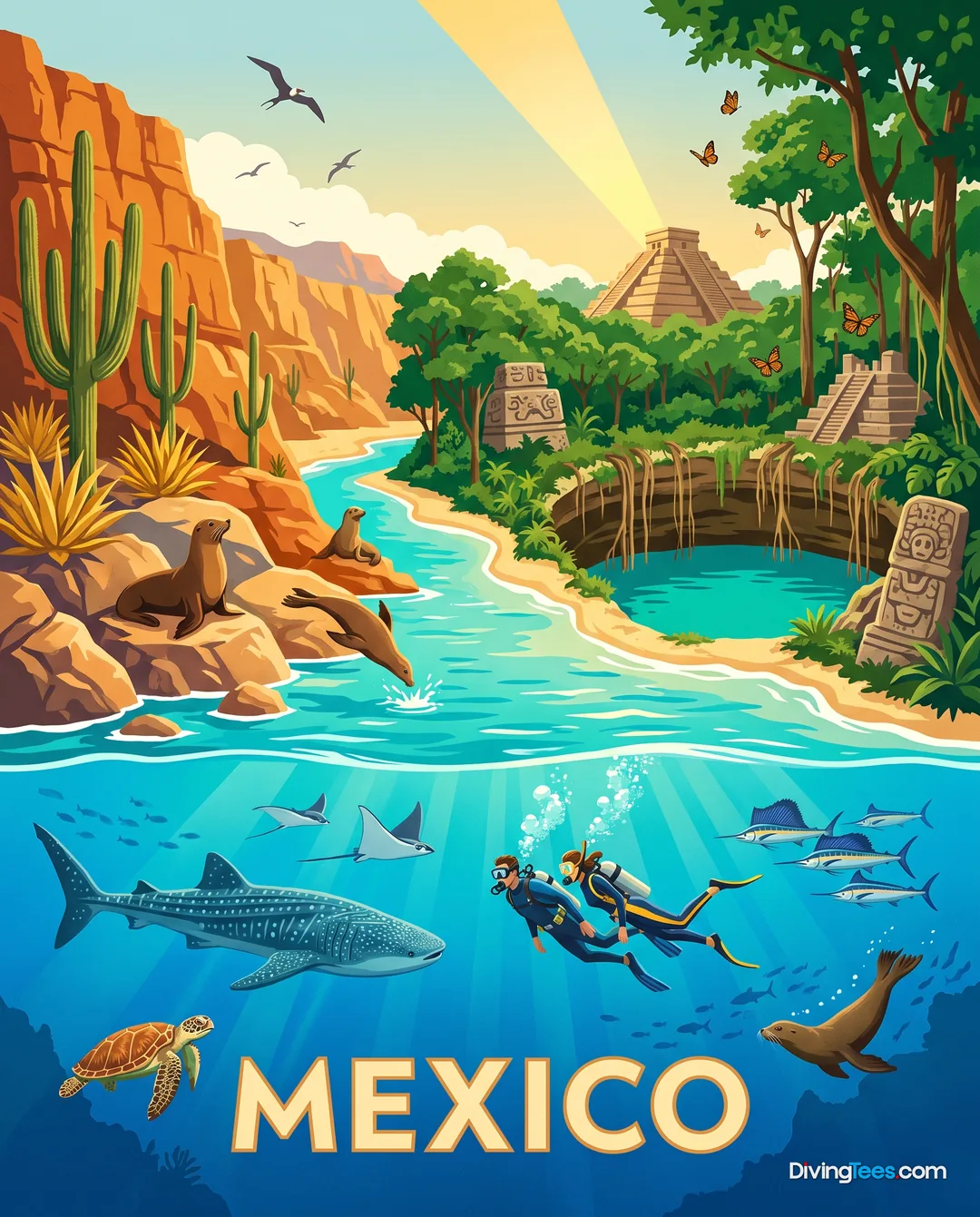
Scuba Public operates out of Puerto Morelos, a key location situated along the second largest coral reef system in the world. The centre is positioned to provide access to a wide variety of environments, ranging from the vibrant reef flats of the National Marine Park to the unique freshwater ecosystems of the Yucatan peninsula.
Whether you are looking to experience your first breath underwater or are a seasoned diver seeking the adrenaline of a shark dive, the centre covers the essential highlights of the region. Their programmes are designed to facilitate exploration across reefs, wrecks, and the famous Mexican cenotes.
The team at Scuba Public is composed of experienced instructors and guides dedicated to safe and educational diving. They work with both PADI and SSI affiliations, ensuring that certifications and training meet international standards.
Their approach focuses on building a supportive diving community, making the underwater world accessible to divers of all ages and abilities. They provide guidance for those starting their journey as well as those looking to expand their skills through advanced certifications.
The centre offers a comprehensive range of training through PADI and SSI. Beginners can start with the Open Water Diver course, while those looking to progress can work through various advanced certifications.
Beyond standard recreational courses, Scuba Public facilitates specialised diving experiences, such as dedicated programmes for exploring the cenotes. This allows divers to gain confidence and skills in unique freshwater environments.
For divers travelling light, the centre provides a full range of equipment hire, including regulators, wetsuits, fins, and masks. This allows you to focus on the diving without worrying about the logistics of transporting heavy kit.
Night diving is a regular part of the local offering, and the centre ensures you have the necessary illumination to explore the nocturnal marine life. They also provide snacks and refreshments during trips to Cozumel and the shark diving sites to keep you energised between immersions.
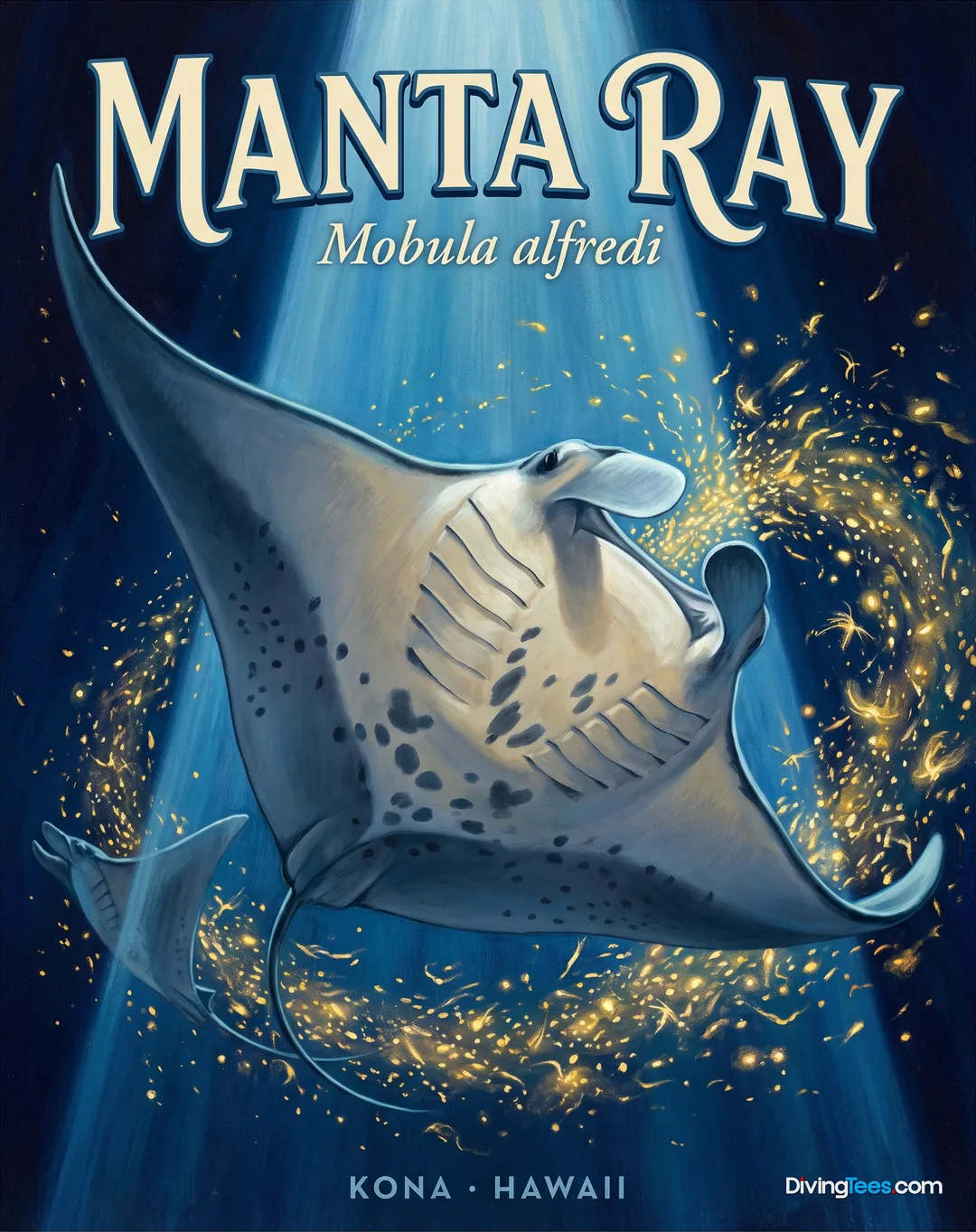
The Barco Hundido C-56 is a significant wreck located in Puerto Morelos, sunk in 2000 during the Second World War. The hull remains in excellent condition, providing a massive structure for corals and fish, and it is a regular site for spotting eagle rays (Aetobatus).
Cenote diving offers a completely different experience, with sites like Dos Ojos, The Pit, and Angelita providing stunning cave and swim-through environments. These freshwater systems are accessible from the Open Water Diver level and are famous for their unique geological formations.
Cozumel is world-renowned for its dramatic coral walls and high-quality reef structures. These sites offer some of the most impressive vertical drops and marine biodiversity in the Caribbean.
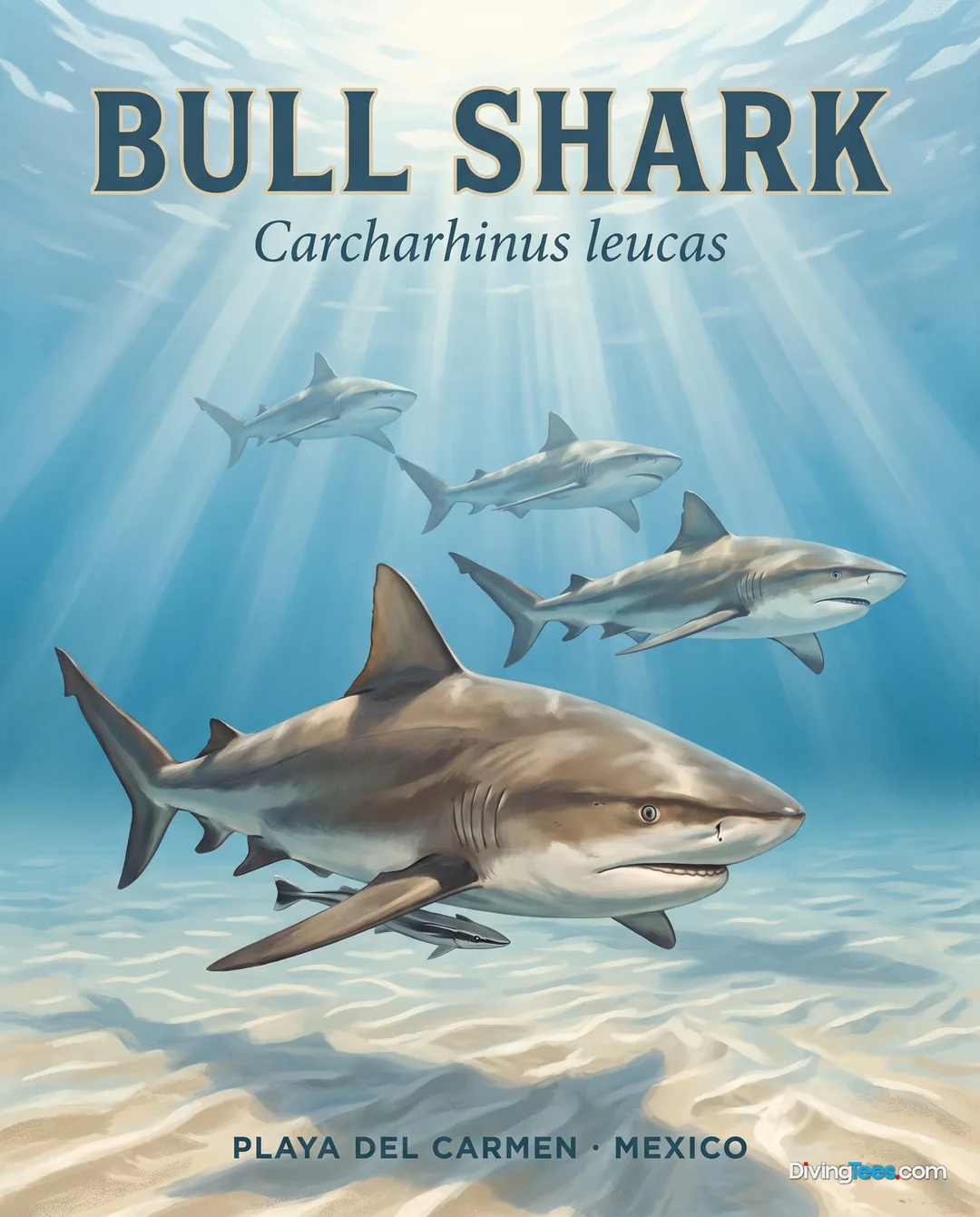
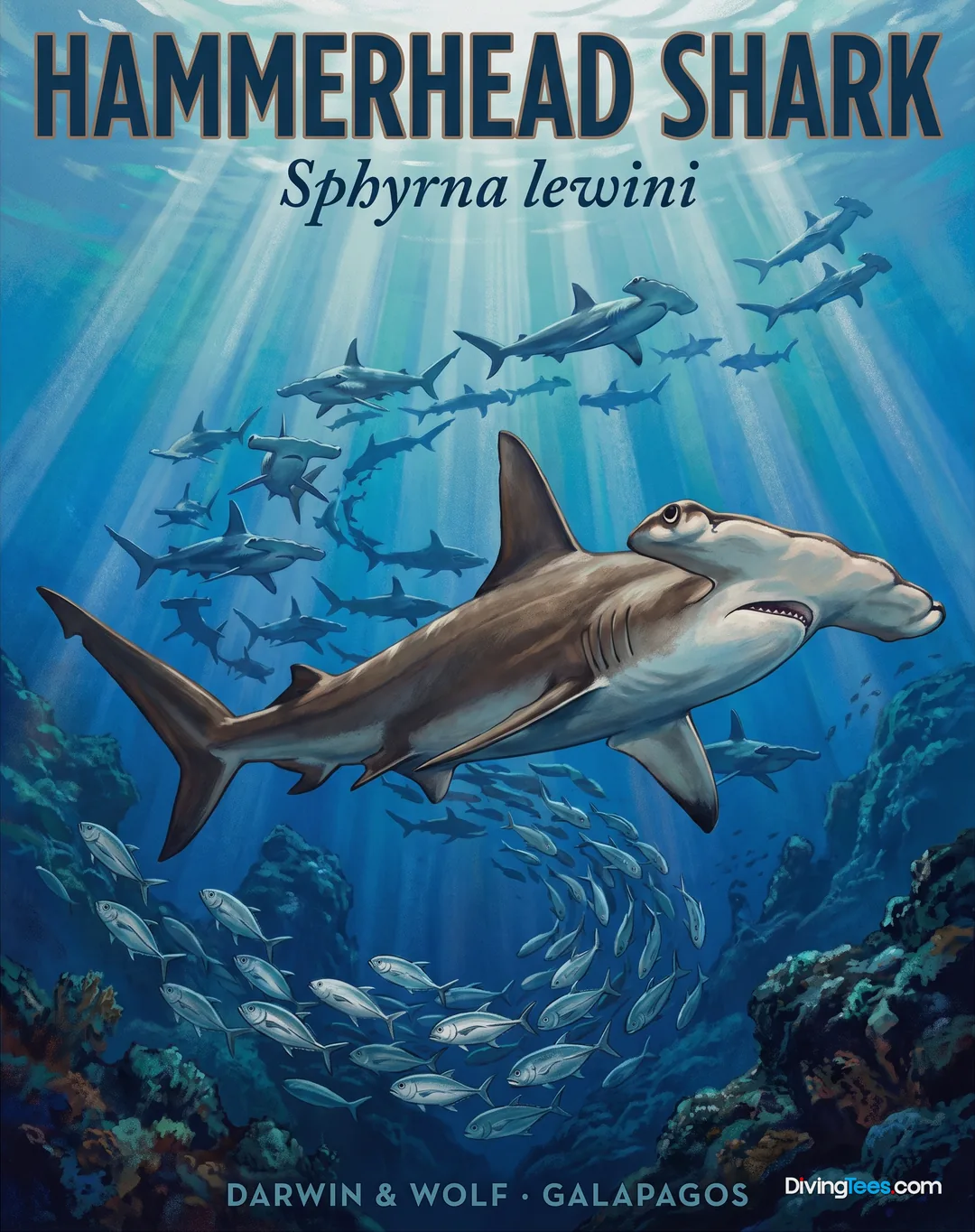
Tiburón Toro provides a high-adrenaline opportunity to dive with bull sharks. This experience is seasonal, occurring between November and February, and is managed with a strict focus on diver safety and shark welfare.
And some of the dive sites the centre runs.
The reefs around Puerto Morelos are teeming with life, where you will regularly encounter schools of fish and various corals. Large pelagics like the eagle ray (Aetobatus) are known to pass through the area, adding a sense of scale to the reef dives.
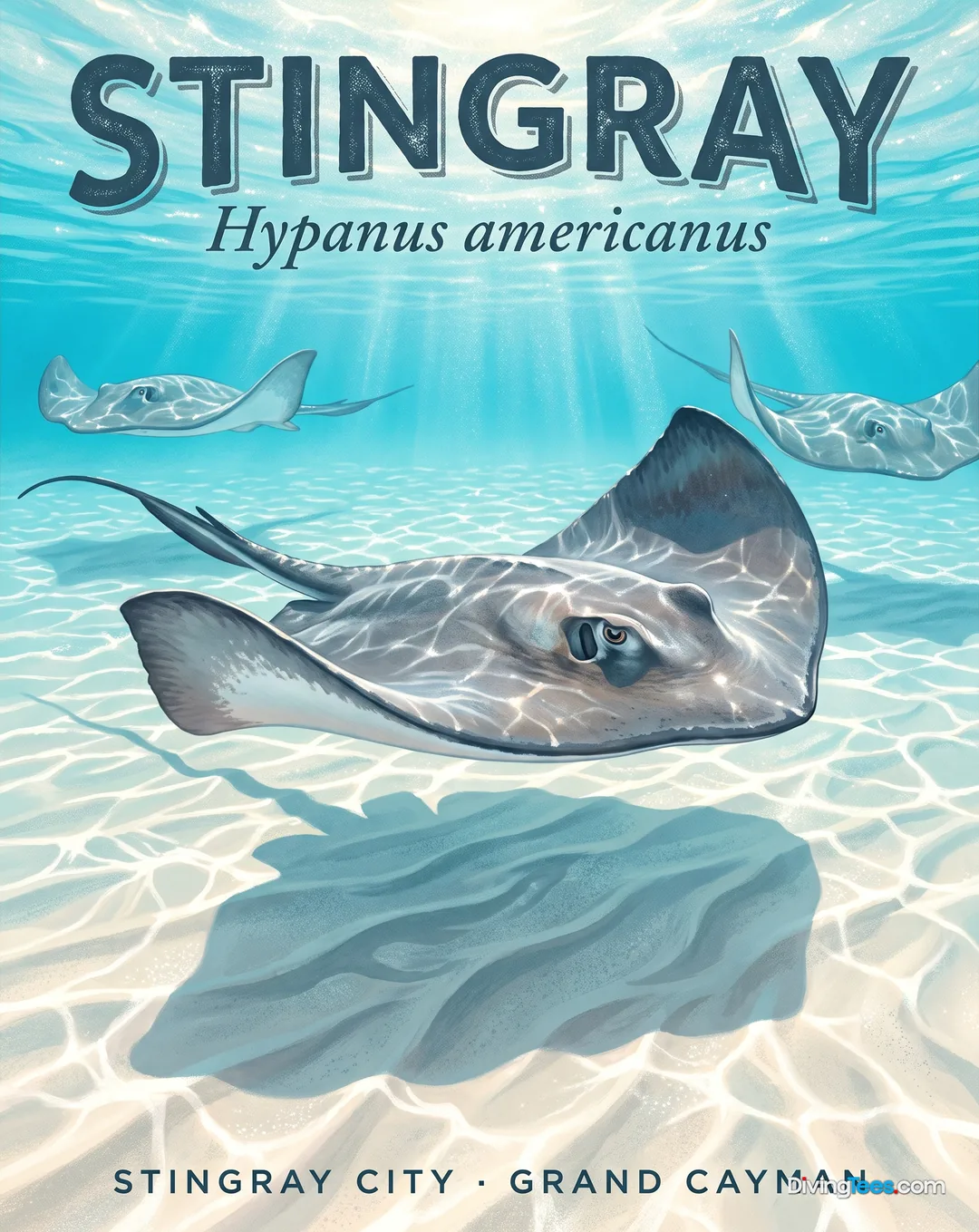
On the wreck of the C-56, the structure itself has become a thriving habitat, hosting thousands of fish and extensive coral growth. You may also spot the Southern stingray (Hypanus americanus) patrolling the sandy patches near the reef.
Macro life and smaller residents include various species of Grouper (Epinephelus) and Great barracuda (Sphyraena barracuda) that frequent the ledges and crevices. The reef is a complex ecosystem where every nook and cranny holds something to observe.
For those seeking larger predators, the Tiburón Toro site offers the chance to encounter bull sharks during the months of November to February.
Diving in the region is influenced by the different environments; cenote diving involves freshwater systems, while the offshore sites are subject to Caribbean sea conditions. Cozumel trips involve travel from Puerto Morelos, typically departing in the early morning.
Seasonal patterns are most notable for specific wildlife encounters, such as the shark diving window in the winter months. Divers should plan their trips according to whether they are seeking the stability of the reef or the seasonal presence of larger pelagics.
Hello, I'm Marina, DivingDeal.com's AI assistant. I answer in detail about hotels, dive centres and liveaboards.

Thinking about the whole trip and the flights? Talk it over with Edith →
Marina is an AI. Some links are affiliate links: DivingDeal may earn a commission, at no extra cost to you. Bookings are made with the partner.
★★★★★
★ 9.3/10 (1,117 reviews)
44 km away as the crow flies
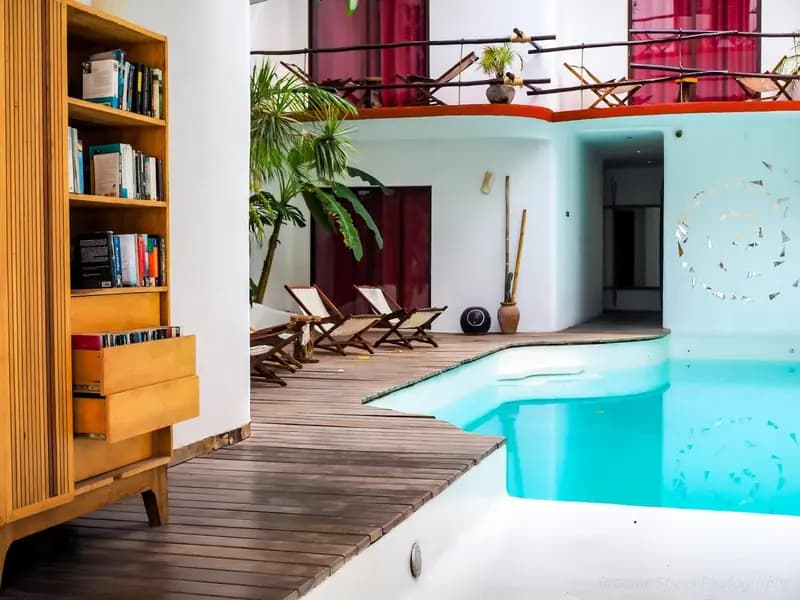
★★★★
★ 8.5/10 (955 reviews)
32 km away as the crow flies
★★★
★ 8.6/10 (448 reviews)
39 km away as the crow flies
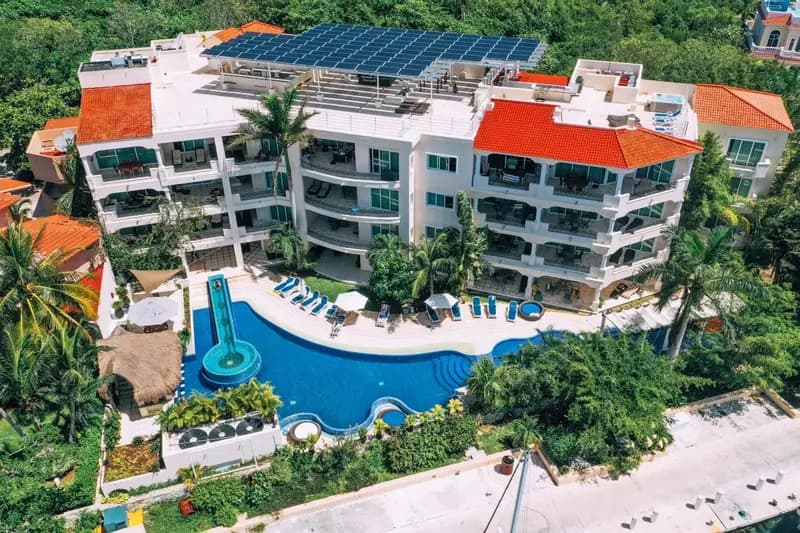
★ 9.2/10 (107 reviews)
53 km away as the crow flies