Liveaboards · Indonesia
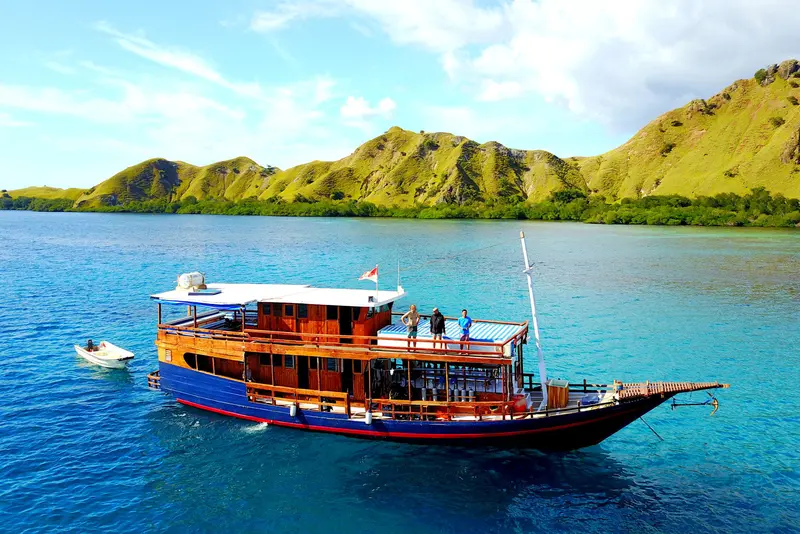
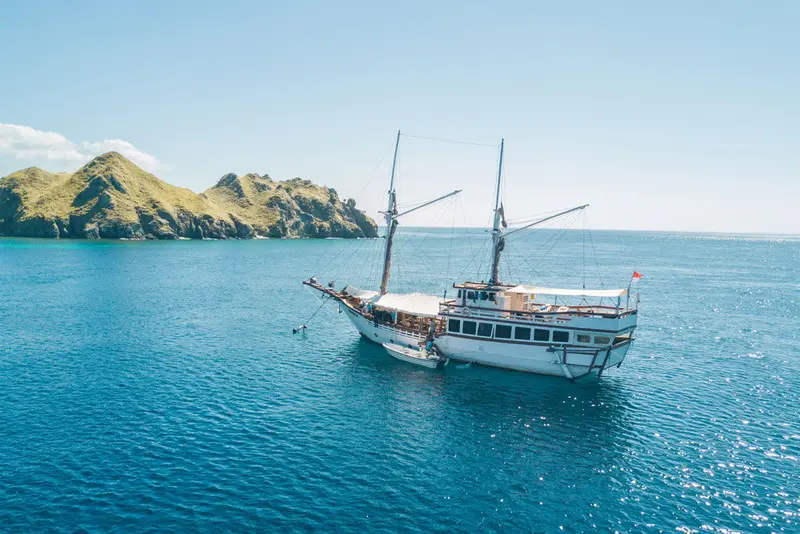
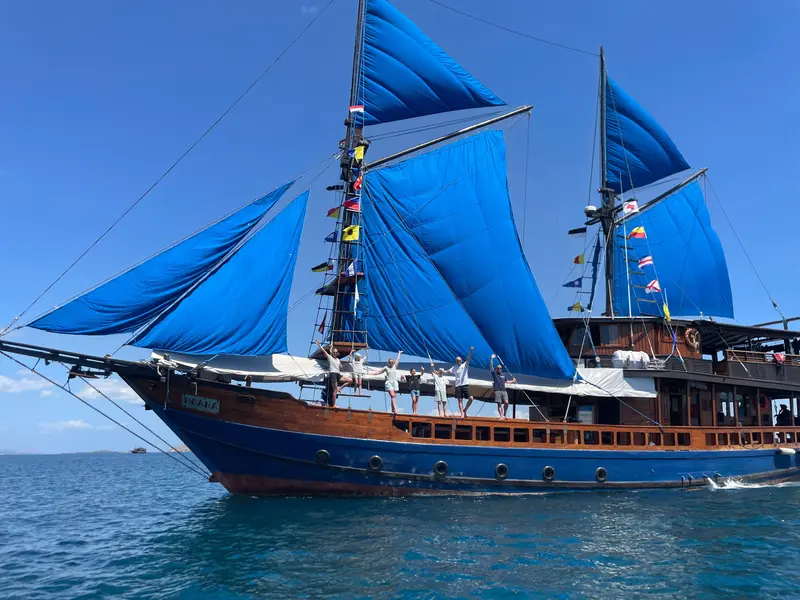
Mikumba Dua — a traditional phinisi built around Komodo diving
What makes this boat unique
- A teak-built Indonesian phinisi offering five-day, four-night Komodo cruises from Labuan Bajo and back.
- The shaded stern dive platform works with two rigid inflatable tenders for access to remote sites, beaches and trekking areas.
- Cabins are air-conditioned and en suite, with panoramic sea-facing windows and accessible balconies in the upper-deck cabins.
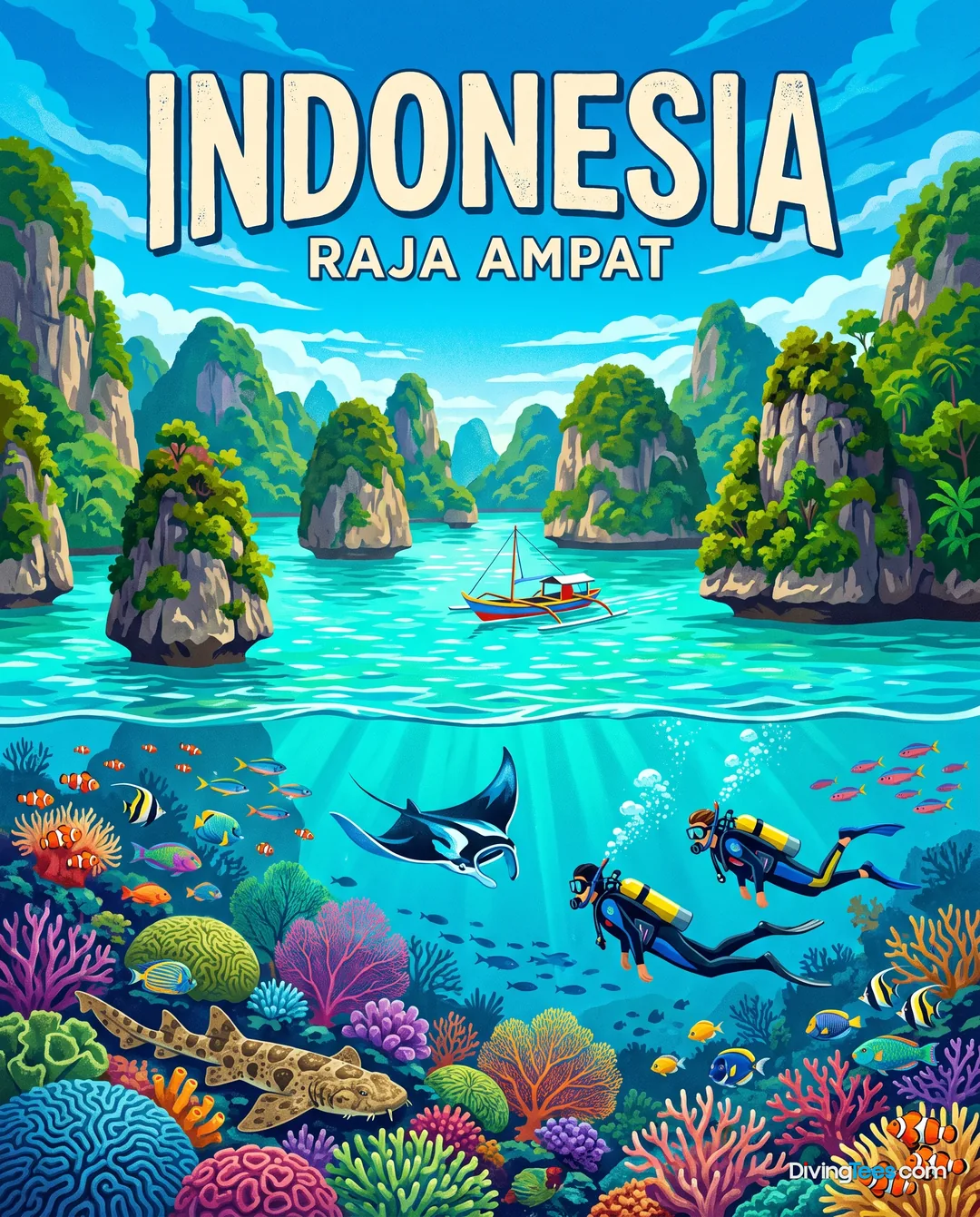
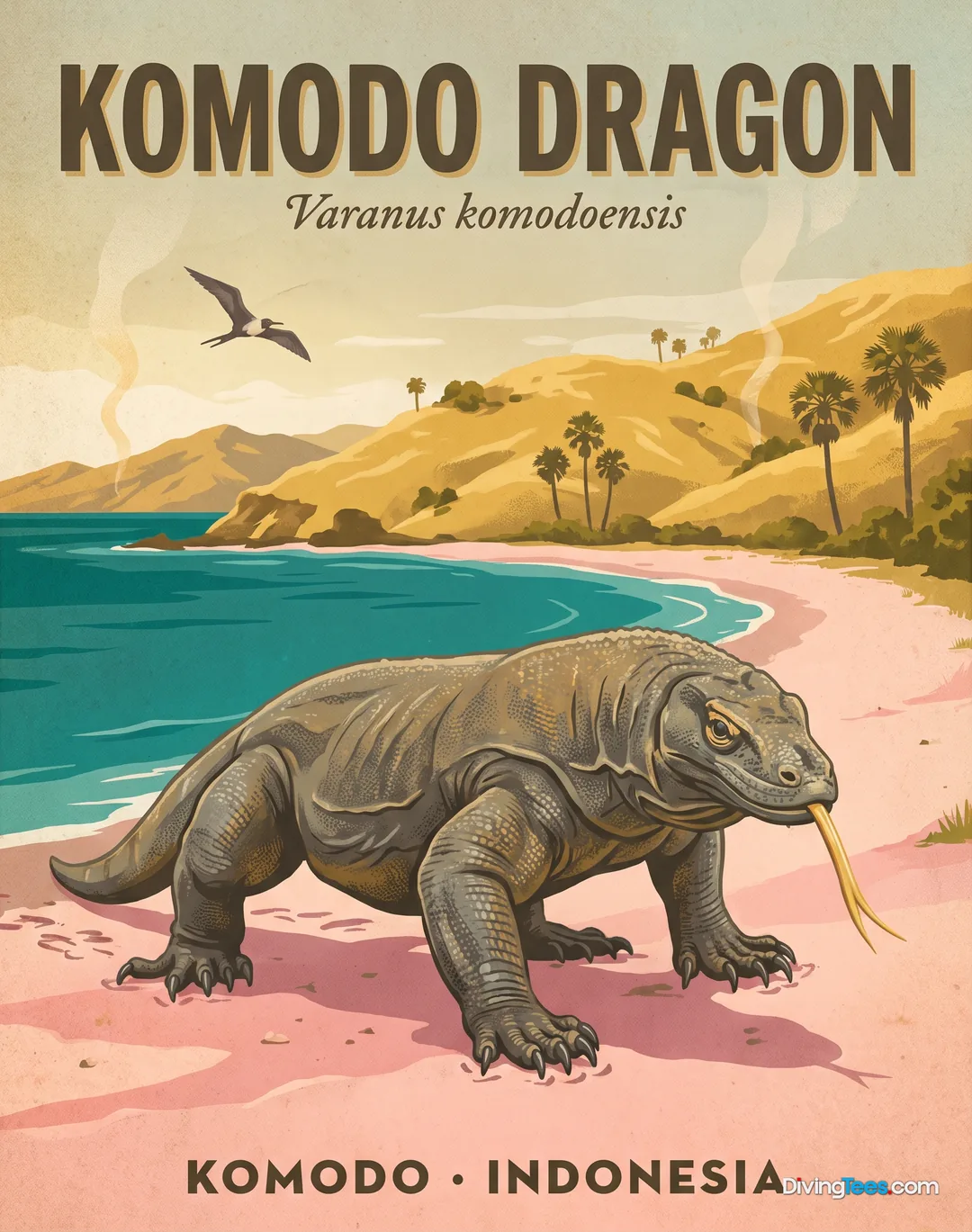
- Komodo departures combine 14 dives with island excursions, including dragon treks and the Padar viewpoint.
- Snorkelers and non-divers are welcome and can join guided snorkeling outings.
For subtitles in English: start the video firstthen click the gearat the top right of the video, select “Subtitles/CC”, then “Auto-translate” and choose “English”.
The invitation
Mikumba Dua suits divers who want Komodo's current-filled channels without giving up the character of a real Indonesian phinisi. The boat is built in teak, shaped around open decks and traditional details, but organised for a serious week in the water: a full-width stern dive platform, dedicated equipment storage and two tenders that can reach sites beyond the boat's immediate anchorage. The five-day, four-night route returns to Labuan Bajo after 14 dives, with dragon treks, beaches and Padar added between the underwater work. That combination is the reason to choose her. She is not simply a cabin on a route; she is a small liveaboard where diving remains the main event and the land excursions keep the trip from becoming fourteen versions of the same day. Private charters can also be arranged for groups that want to shape the itinerary around their own priorities.
Boarding
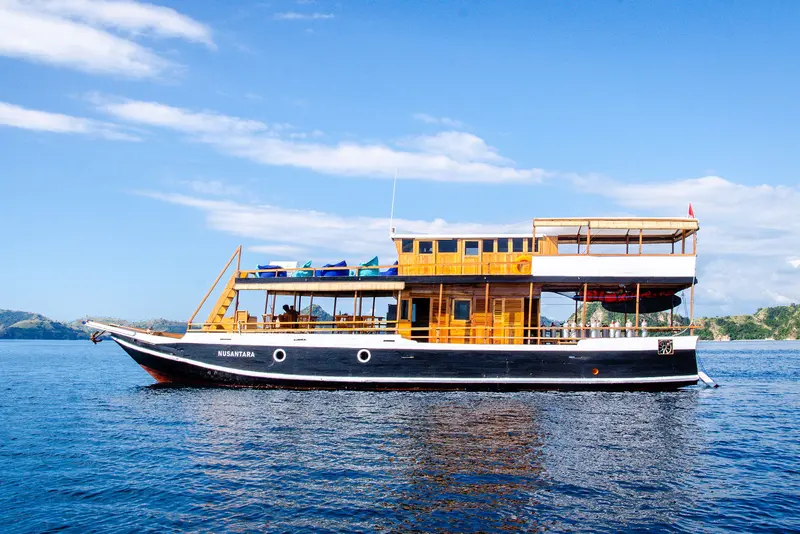
Mikumba Dua arrives as a working phinisi rather than a polished white hotel: hand-finished teak, rattan ceilings and ikat fabrics give the interior its Indonesian identity. Built in 2006 and renovated in 2018, she keeps the traditional sailing-boat feel while carrying the systems and dive layout needed for Komodo. From the dock, the useful detail is at the stern: the boat opens into a broad scuba platform instead of forcing divers to work in a narrow side area. Inside, the saloon combines dining space, lounge, bar and cinema room; outside, several levels create separate places to sit. The scale is small enough that the crew is close to the dive operation and passengers are not lost in a crowd. The engine is part of the boat's presence, as it is on any traditional liveaboard, but the layout gives the dive deck its own working zone.
The atmosphere on board
The atmosphere is energetic without being formal. Passengers describe a crew that stays close to the operation, helps prepare equipment, carries it back after the dive and keeps enough energy for the land excursions. With ten guests at most and a crew-to-passenger ratio close to one, help is visible rather than summoned from across a large vessel. The saloon becomes the indoor meeting point for meals, drinks and films; later, people spread across the decks or gather outside for dinner. The crew's role is not limited to serving food. They shape the pace of a day that includes tenders, current dives, beach landings and treks, and their planning is one of the boat's strongest assets. The result is a small group that spends the week sharing demanding dives and ordinary moments in the same few spaces.
The sites you’ll dive
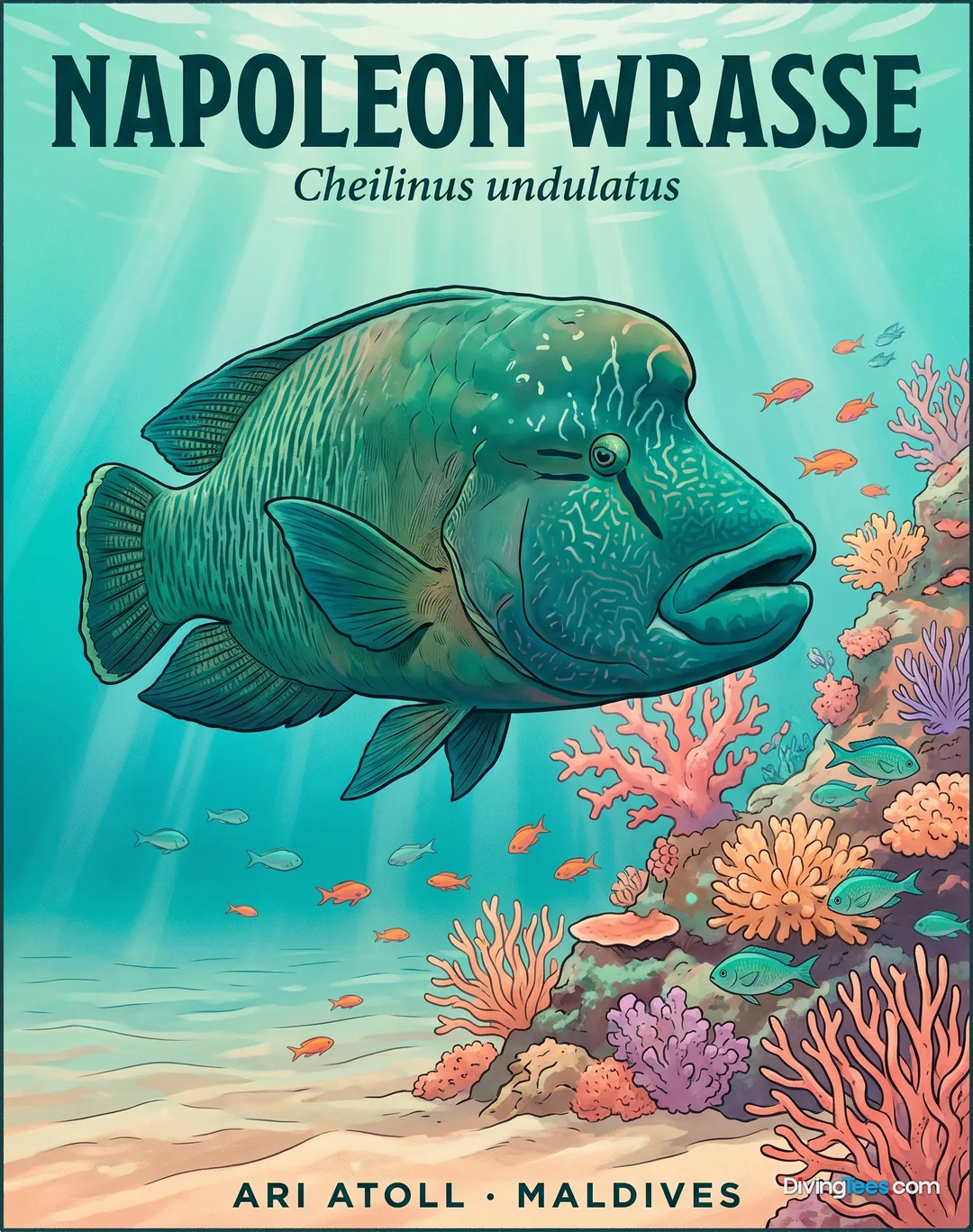
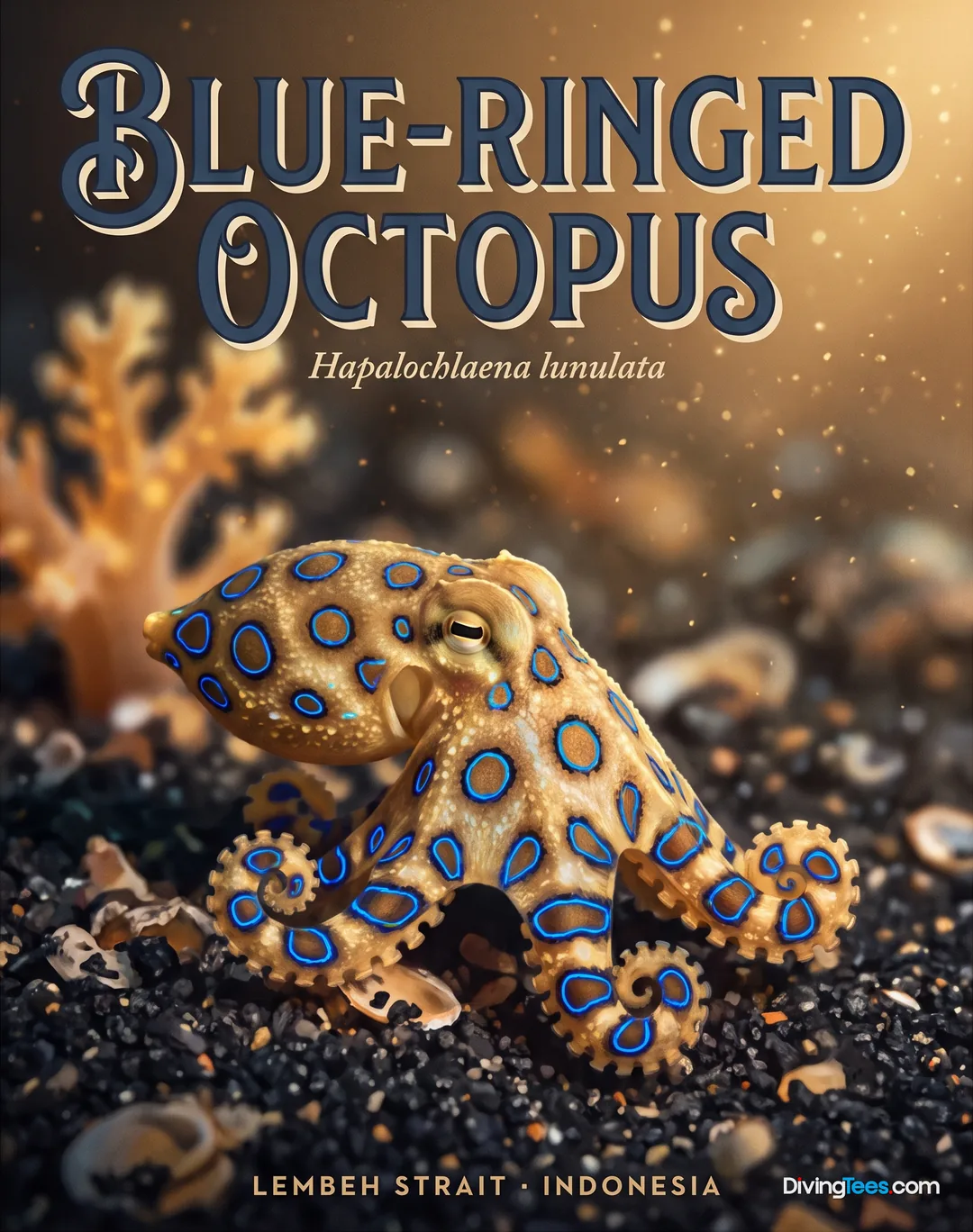
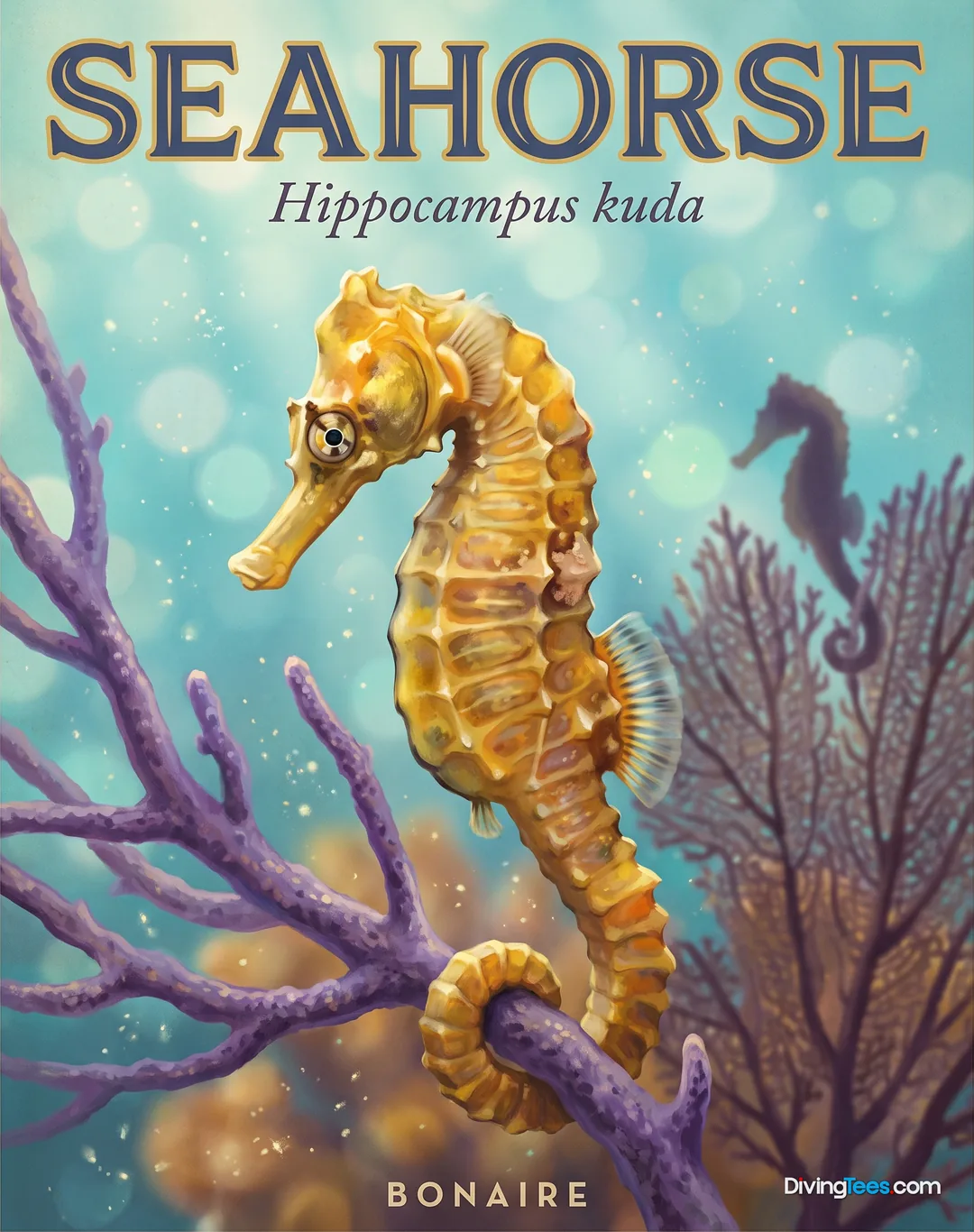
The route is a five-day, four-night Komodo circuit from Labuan Bajo to Labuan Bajo, with 14 dives and land time around Padar, Central and North Komodo. Batu Bolong is a tiny pinnacle with dense coral, giant trevally, Napoleon wrasse and reef sharks down to -40m. Castle Rock drops to -30m on a submerged pinnacle where nutrient-rich currents draw white-tip and grey reef sharks, eagle rays and barracuda. Crystal Rock, also -30m, sits in the Lintah Strait and concentrates pelagic life around an exposed pinnacle. For gentler water, Siaba Besar reaches -18m and hides frogfish, blue-ringed octopus, seahorses and turtles among coral bommies; its site records also include ghostfish and unicornfish. Shotgun and Golden Passage are current dives: Shotgun reaches -25m along a wall where mantas and sharks gather, while Golden Passage reaches -30m through a narrow channel carrying pelagic life. Tatawa Besar offers soft coral, turtles and reef sharks to -25m; Cannibal Rock reaches -30m with macro life and schooling pelagics in Horseshoe Bay. Sebayur Kecil is a shallow coral introduction to -25m, and Wainilu trades spectacle for a sandy macro slope near Rinca. Manta Alley is the focused stop for groups of manta rays, with a maximum depth of -20m. Siaba Kecil, Tatawa Kecil and Pengah Kecil add drift dives, coral gardens, pinnacles and variable currents, each to -30m, -30m and -25m respectively.
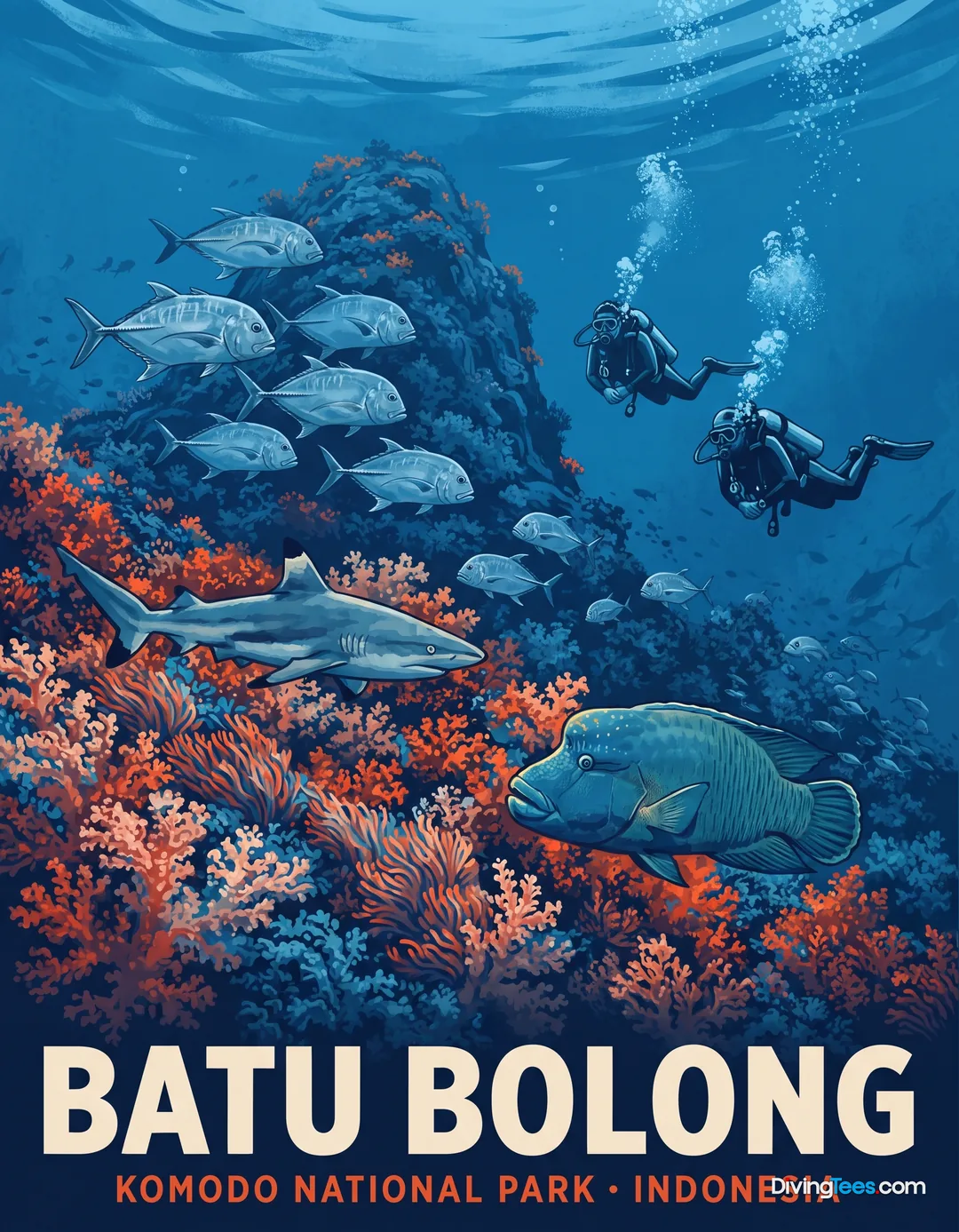
Batu Bolong →
Max. depth · 40 m
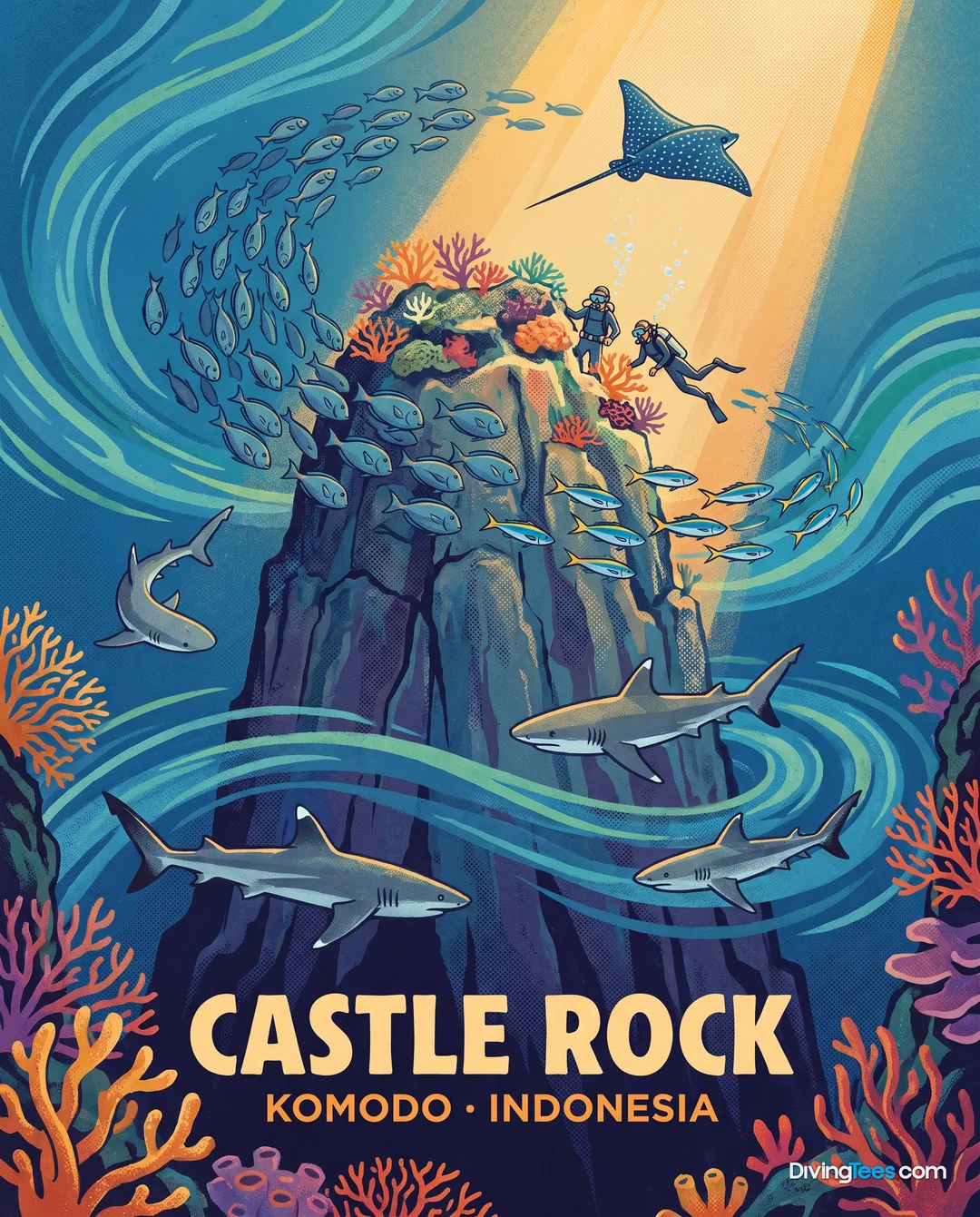
Castle Rock →
Max. depth · 30 m
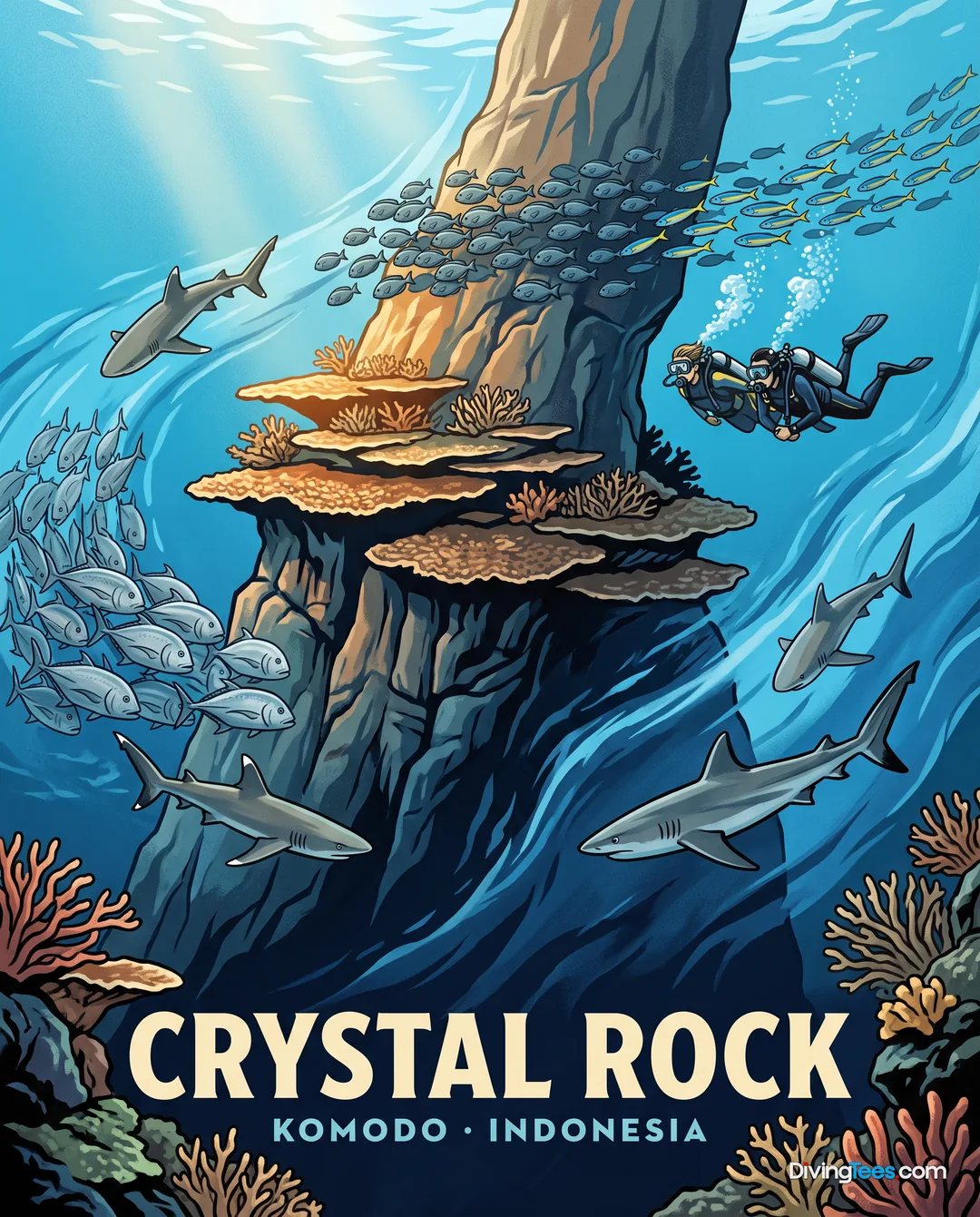
Crystal Rock →
Max. depth · 30 m
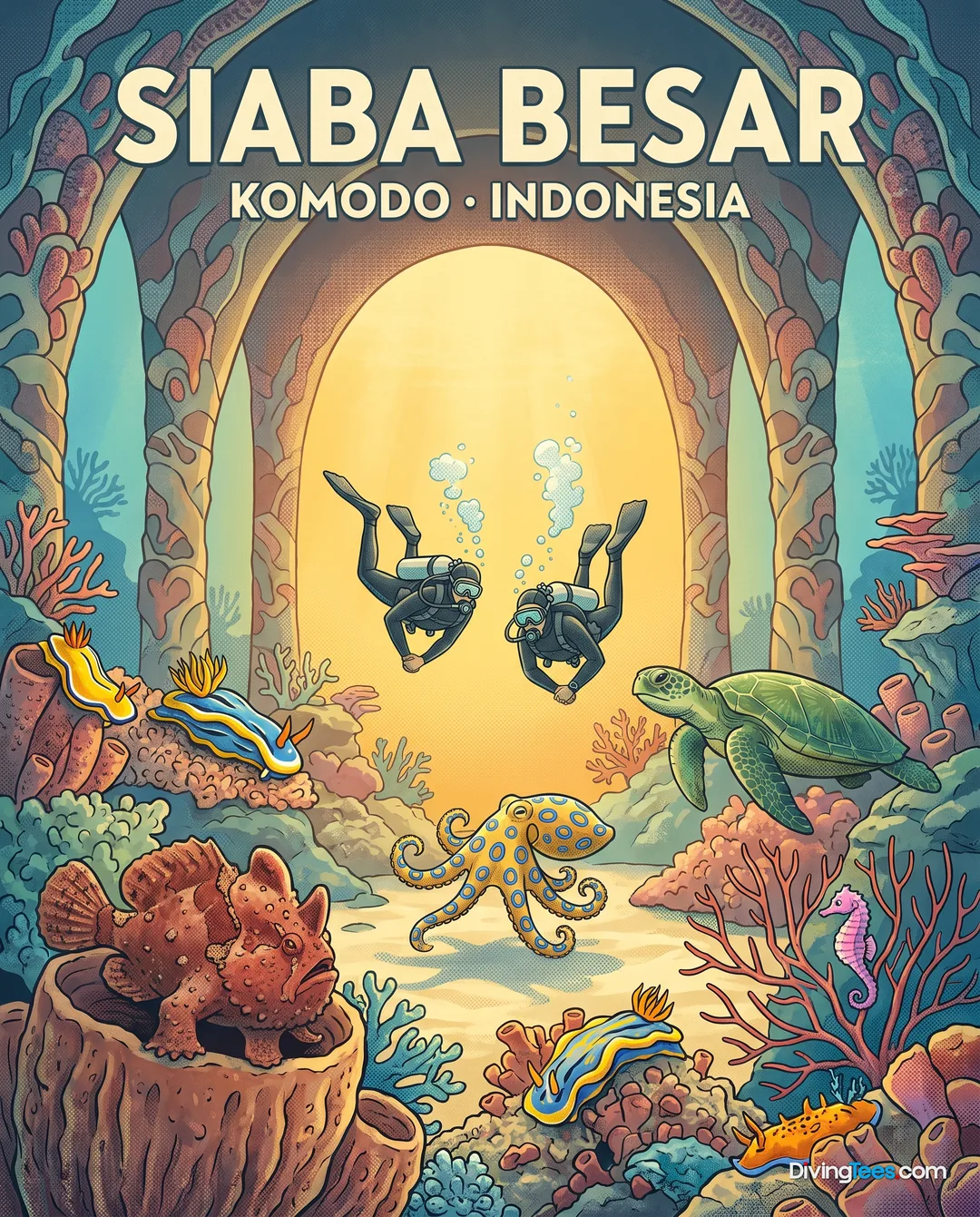
Siaba Besar →
Max. depth · 18 m
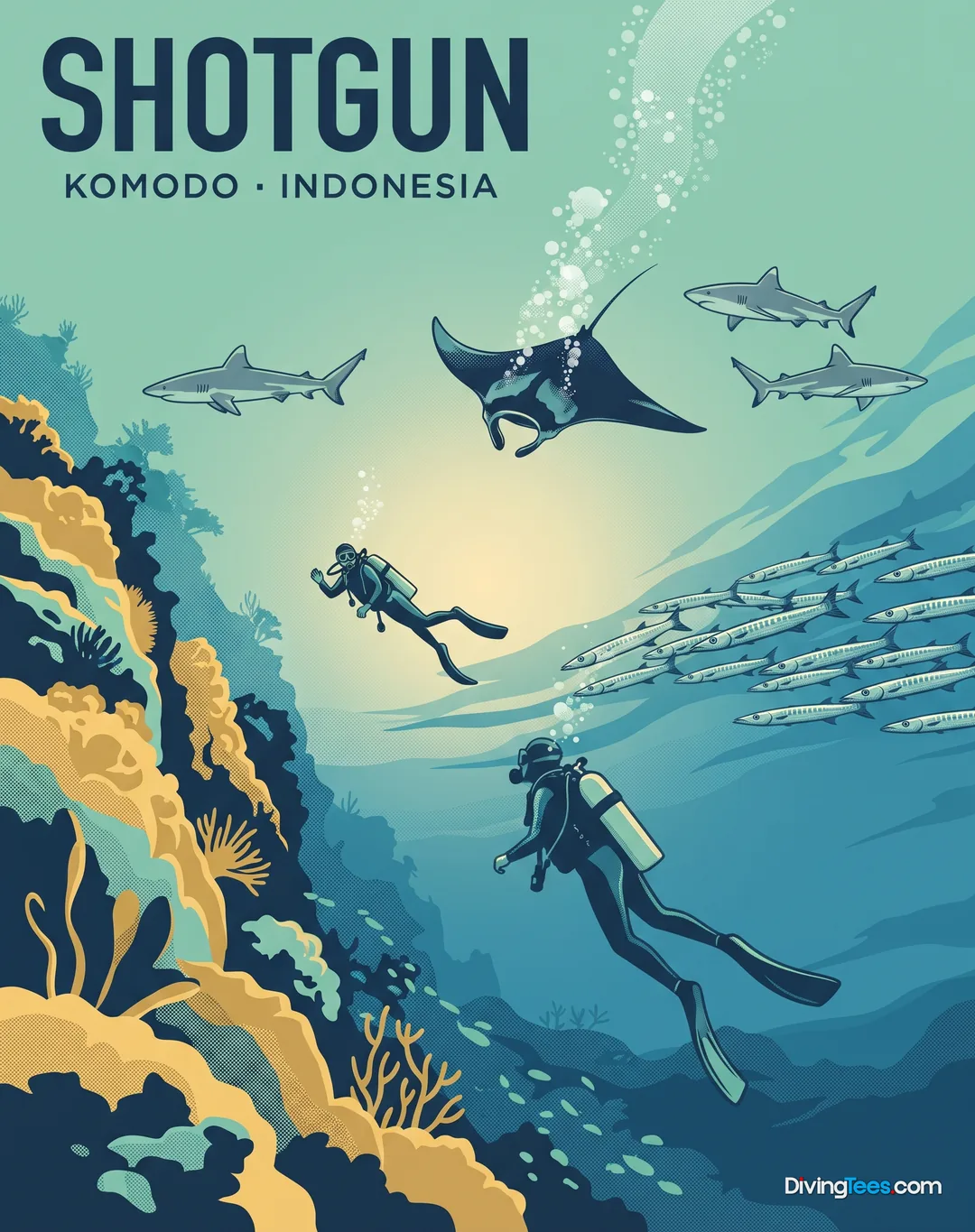
Shotgun →
Max. depth · 25 m
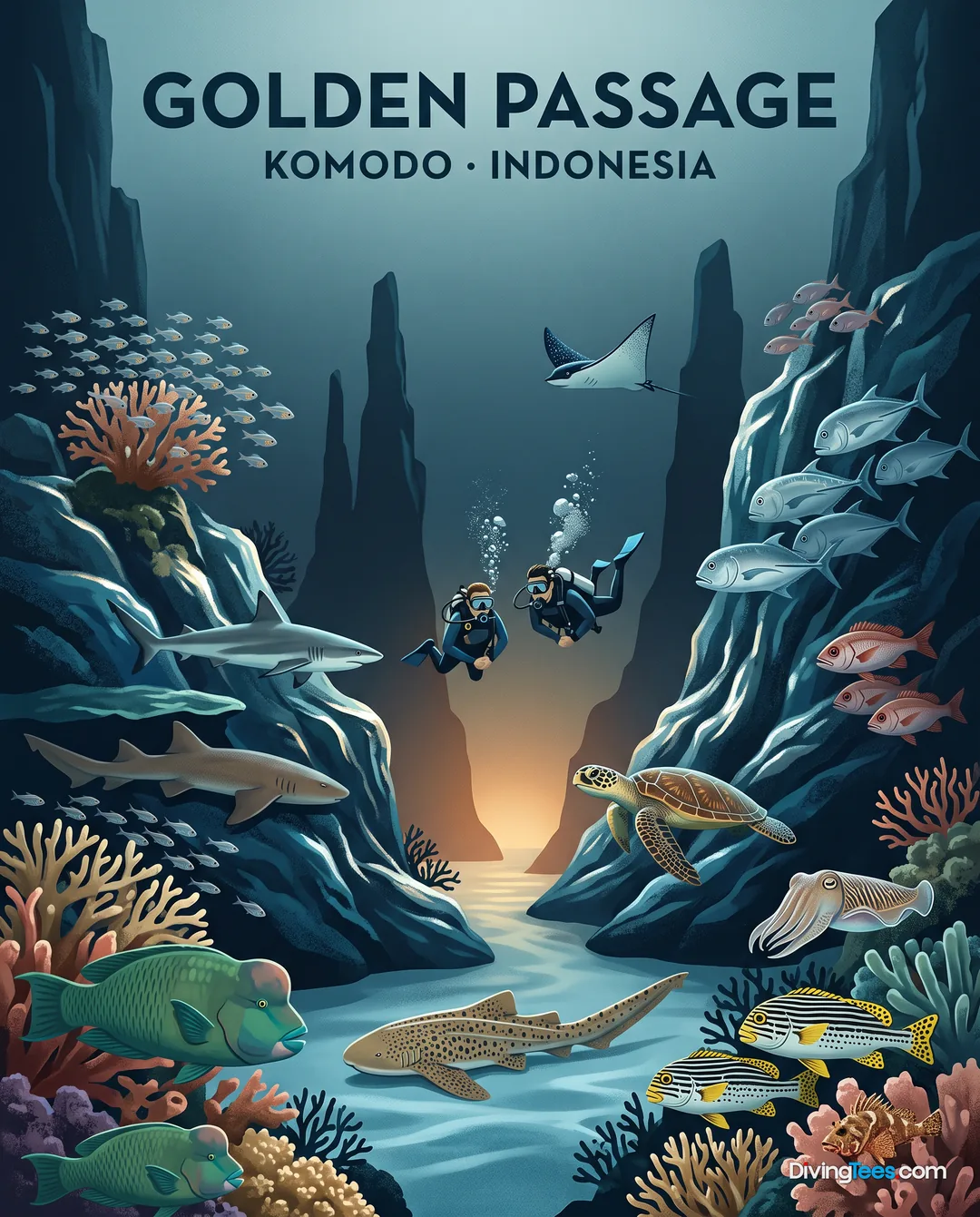
Golden Passage →
Max. depth · 30 m
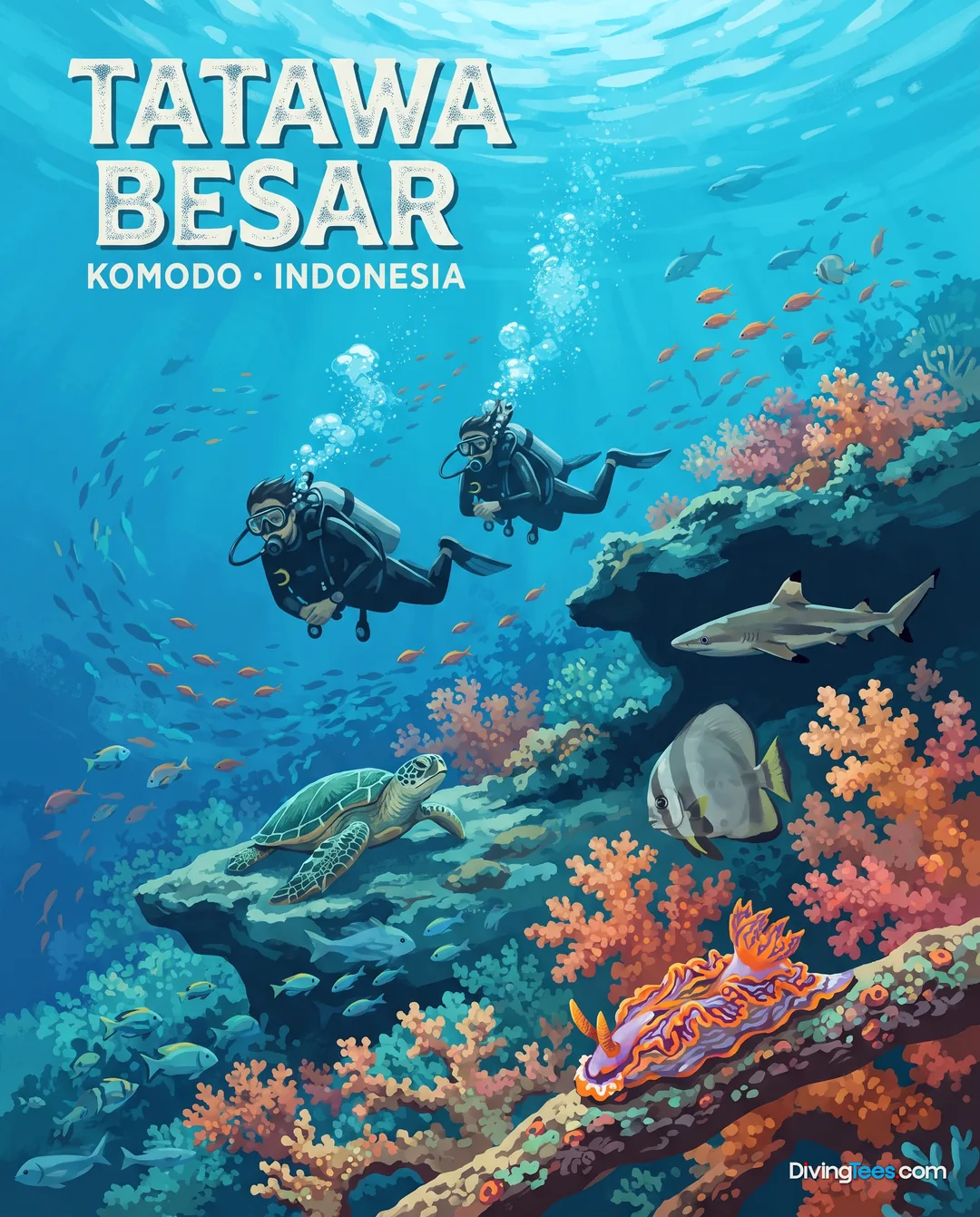
Tatawa Besar →
Max. depth · 25 m
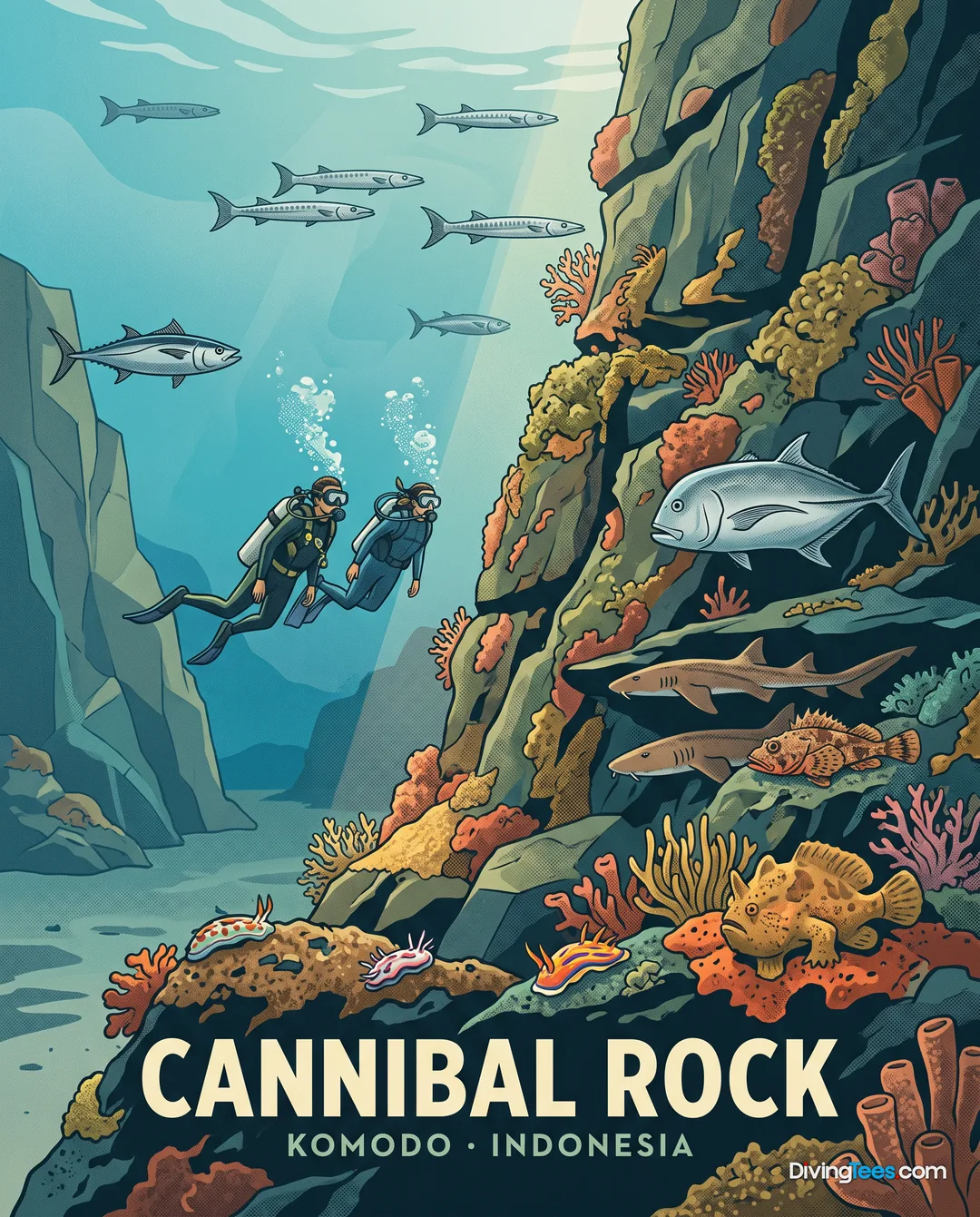
Cannibal Rock →
Max. depth · 30 m
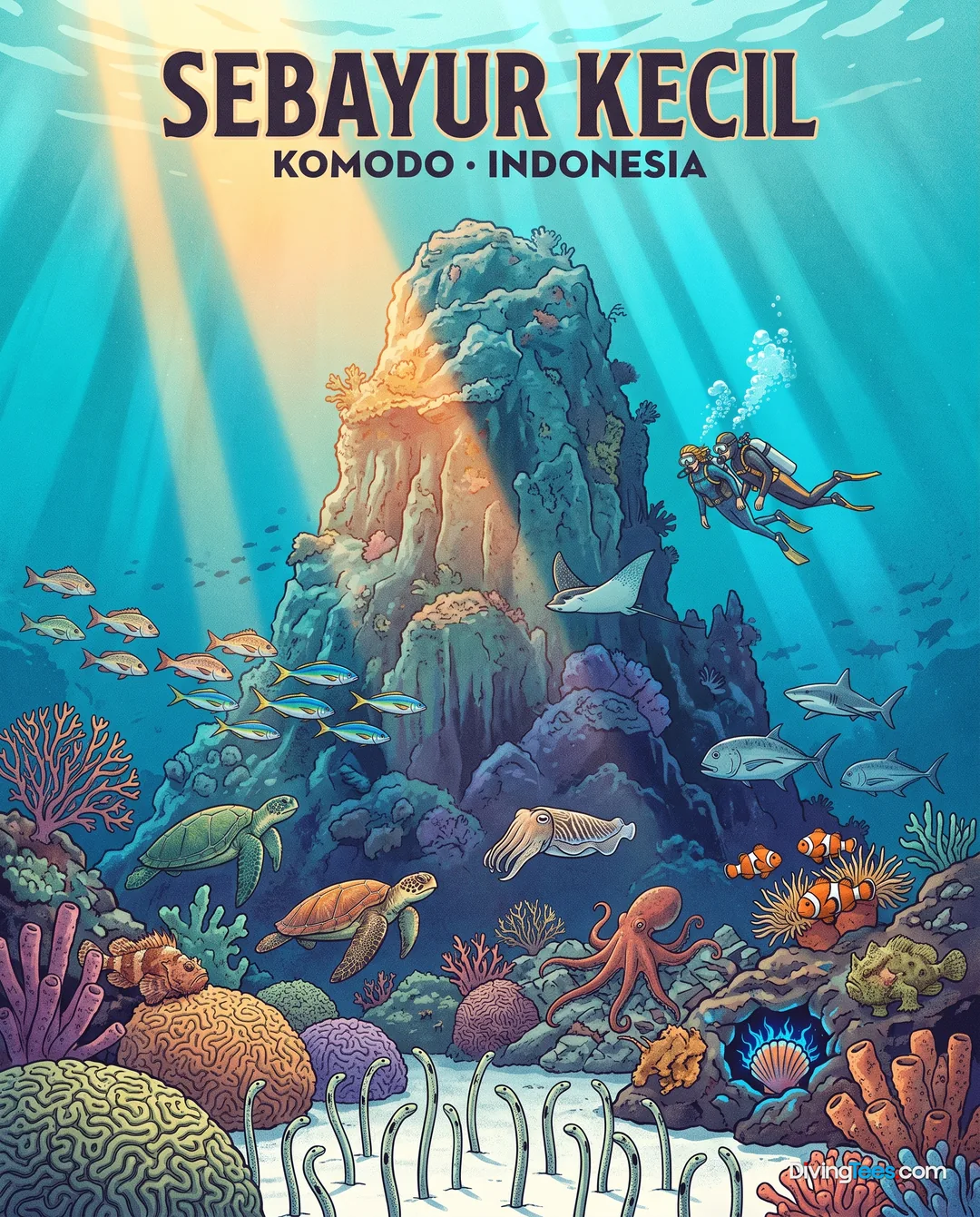
Sebayur Kecil →
Max. depth · 25 m
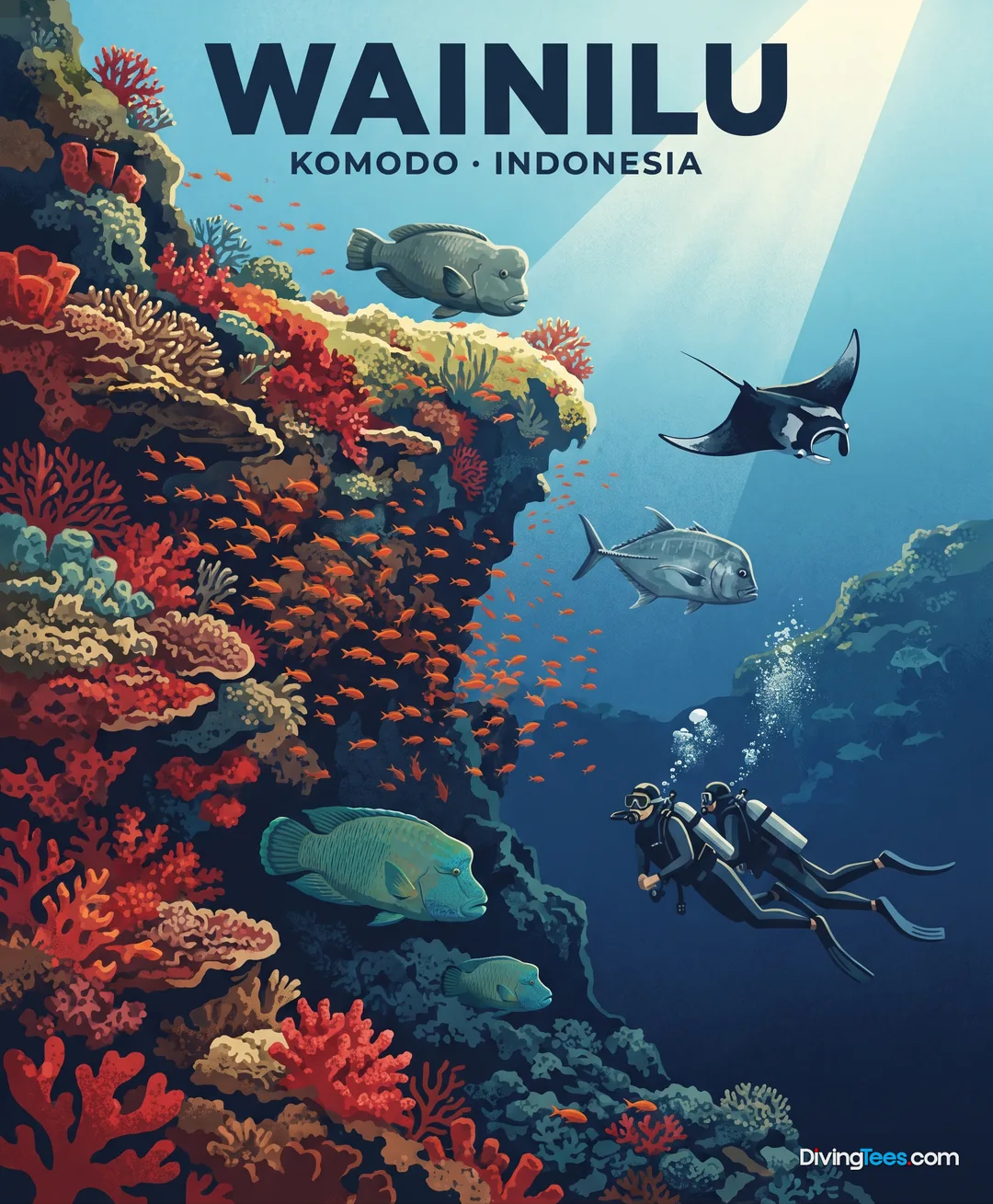
Wainilu →
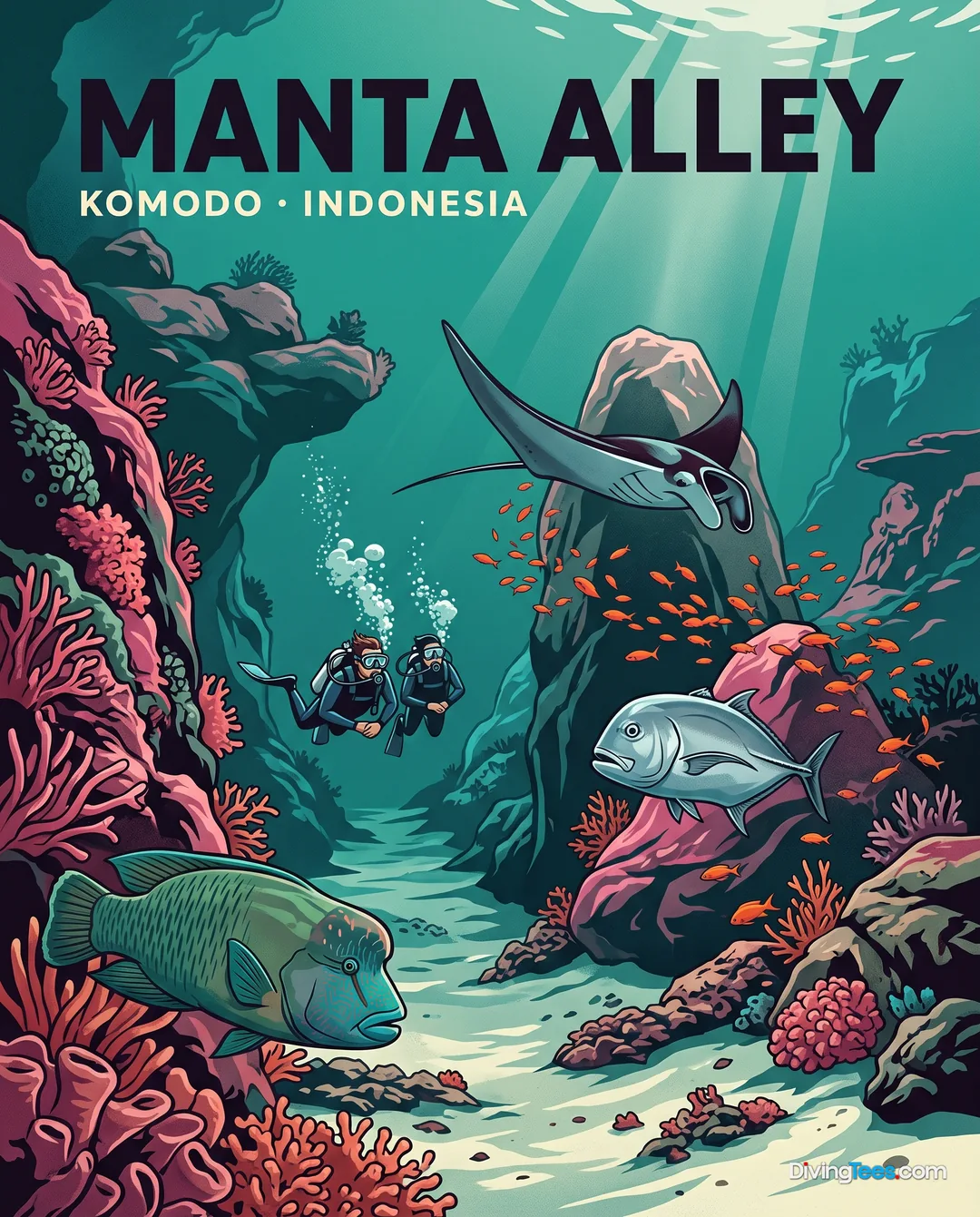
Manta Alley →
Max. depth · 20 m
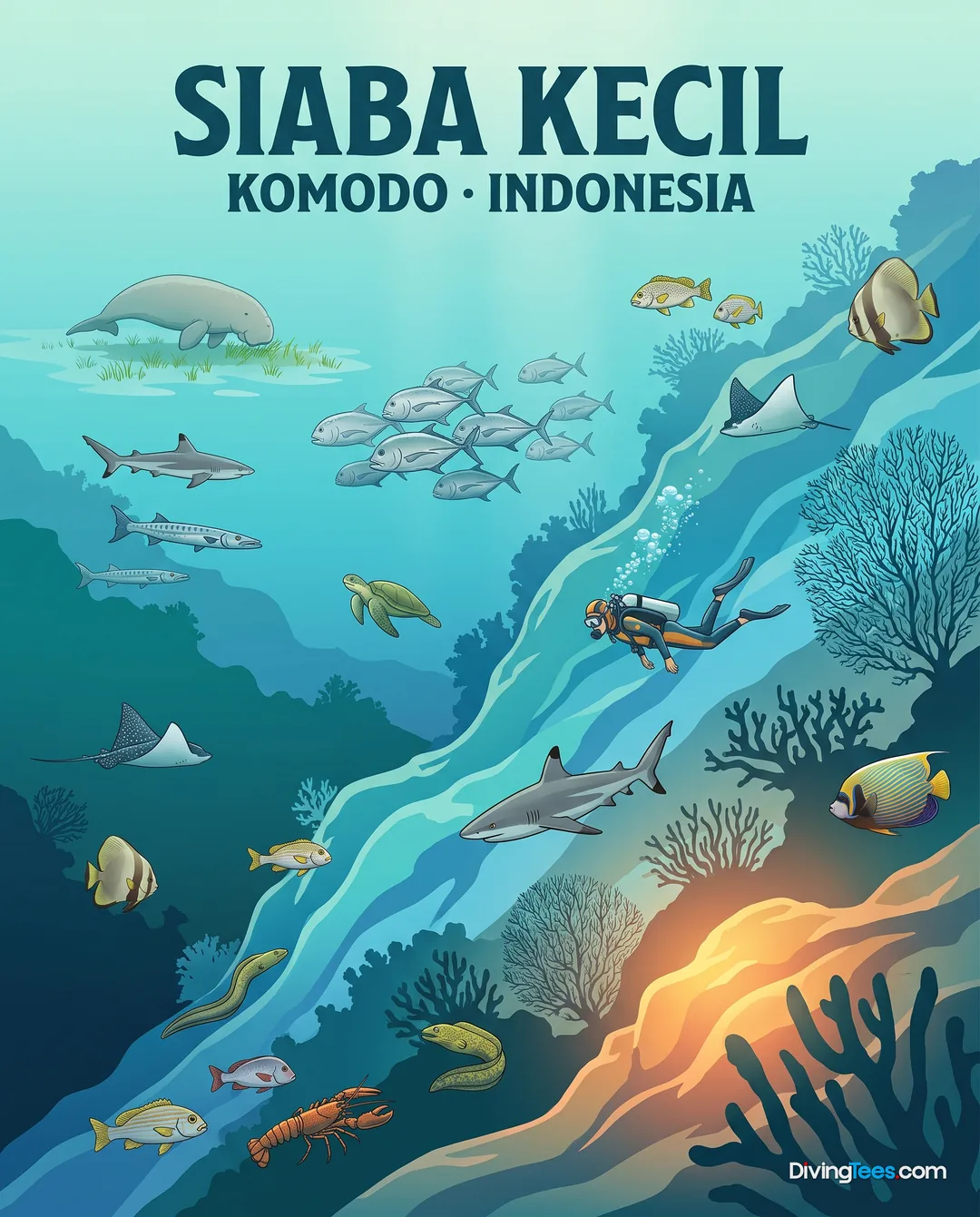
Siaba Kecil →
Max. depth · 30 m
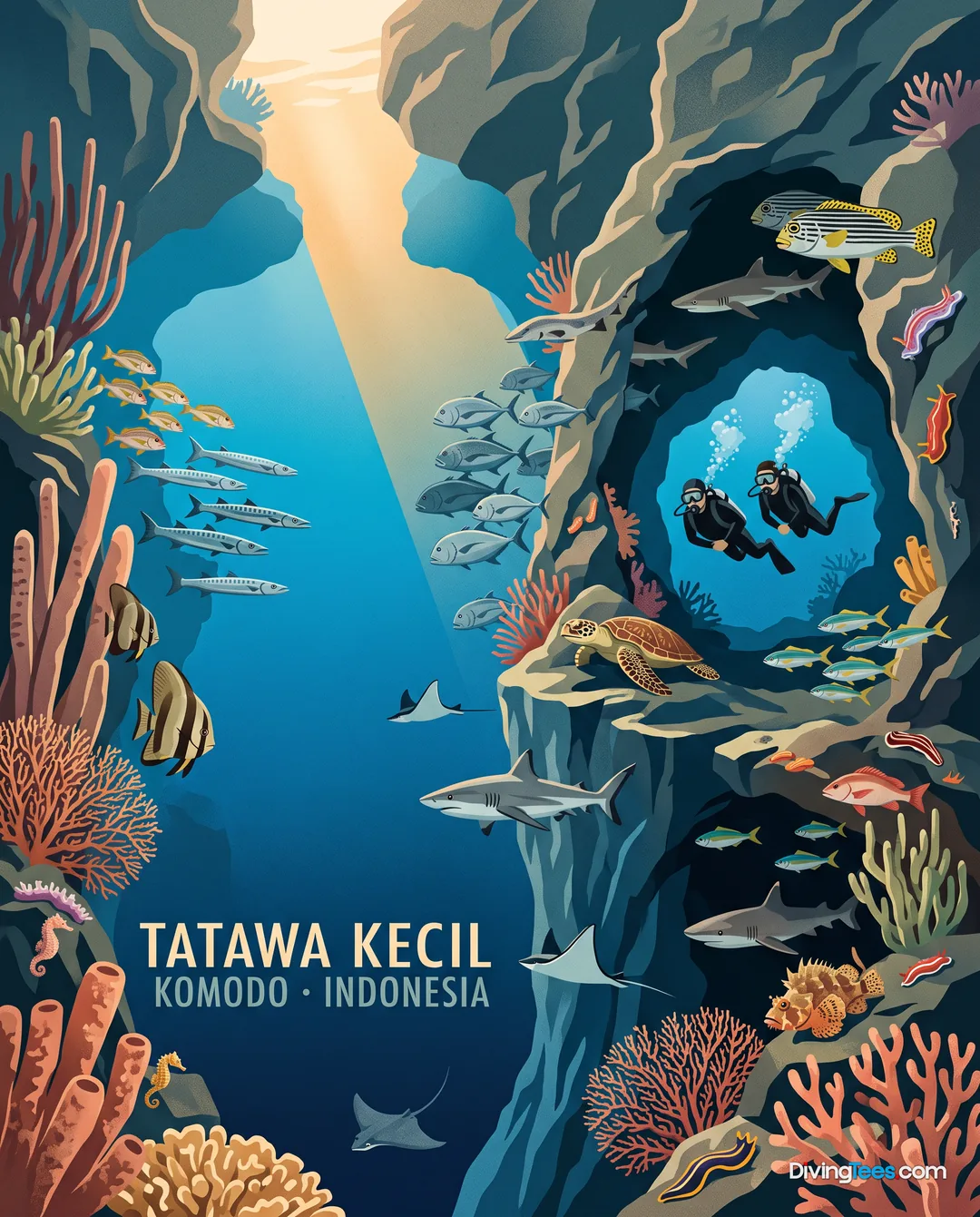
Tatawa Kecil →
Max. depth · 30 m
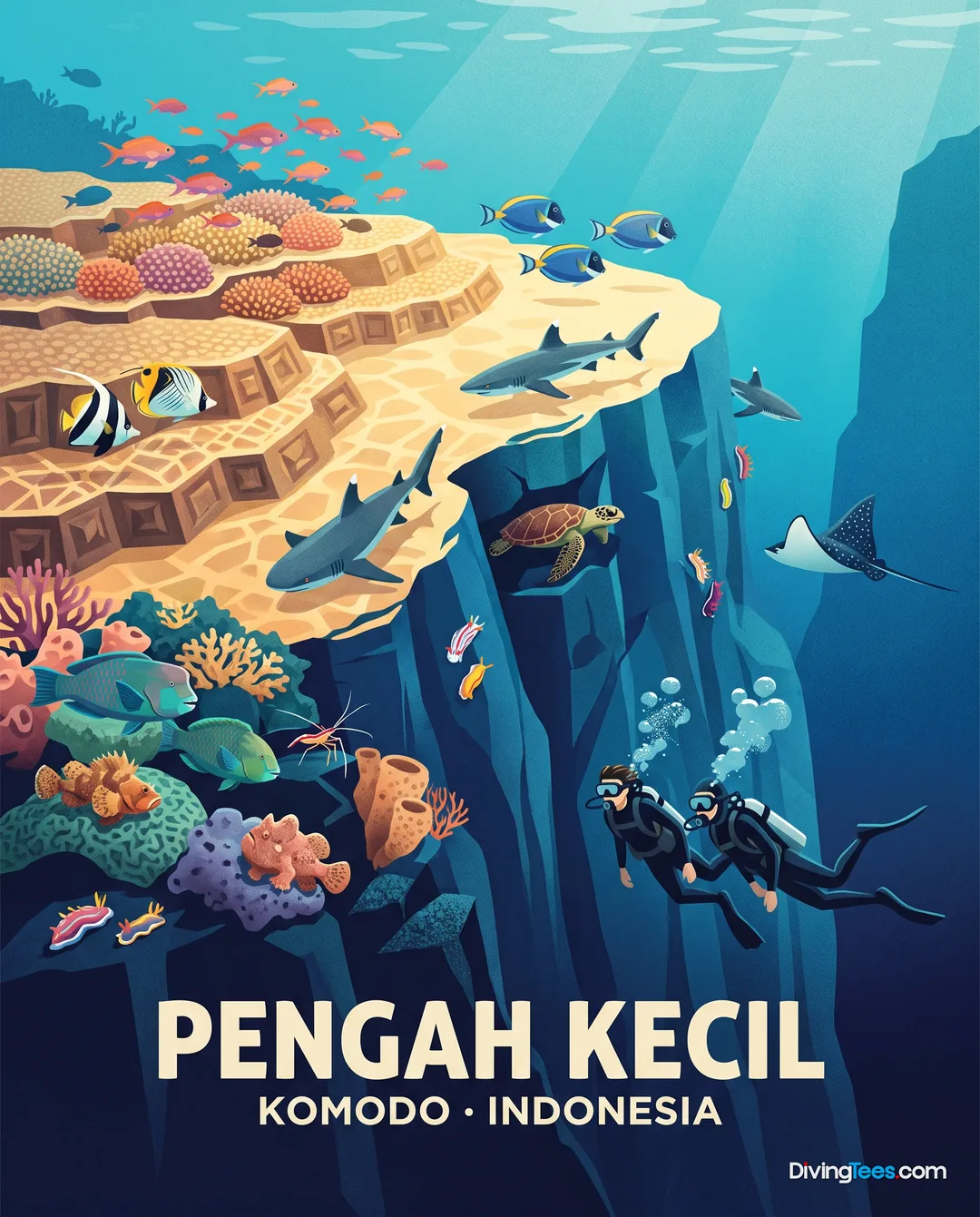
Pengah Kecil →
Max. depth · 25 m
Itineraries, dates and prices
Prices per person. Each month shows its lowest price: click a month, or pick an itinerary.
Next departures · 41 departuresfrom £1,235$1,651€1,475
October 2026
November 2026
December 2026
See dates and prices
If you click these links and make a purchase on the partner site, DivingDeal may earn a commission, at no extra cost to you.
Dates and prices taken from liveaboard.com, updated 24 October 2026
What you’ll meet underwater
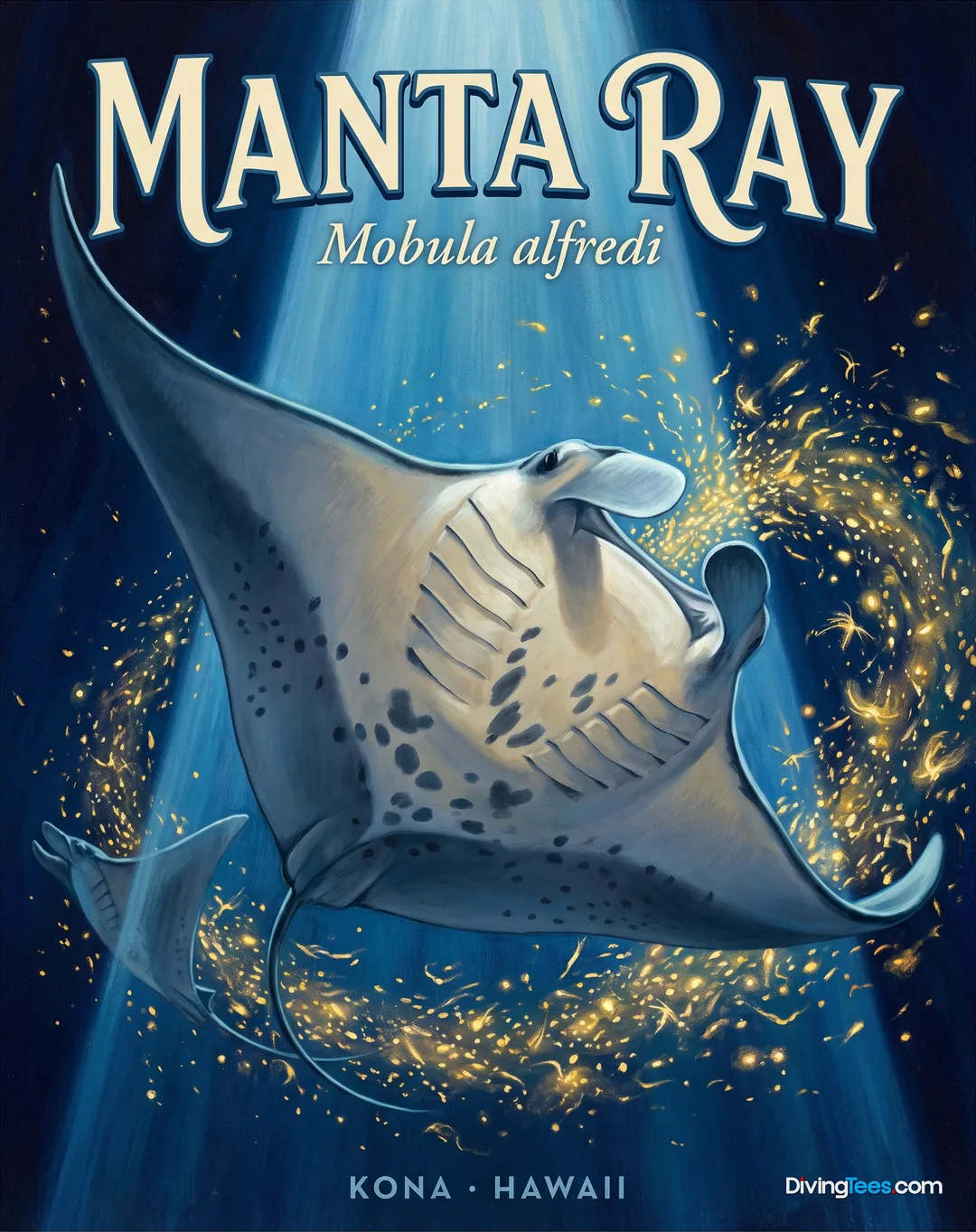
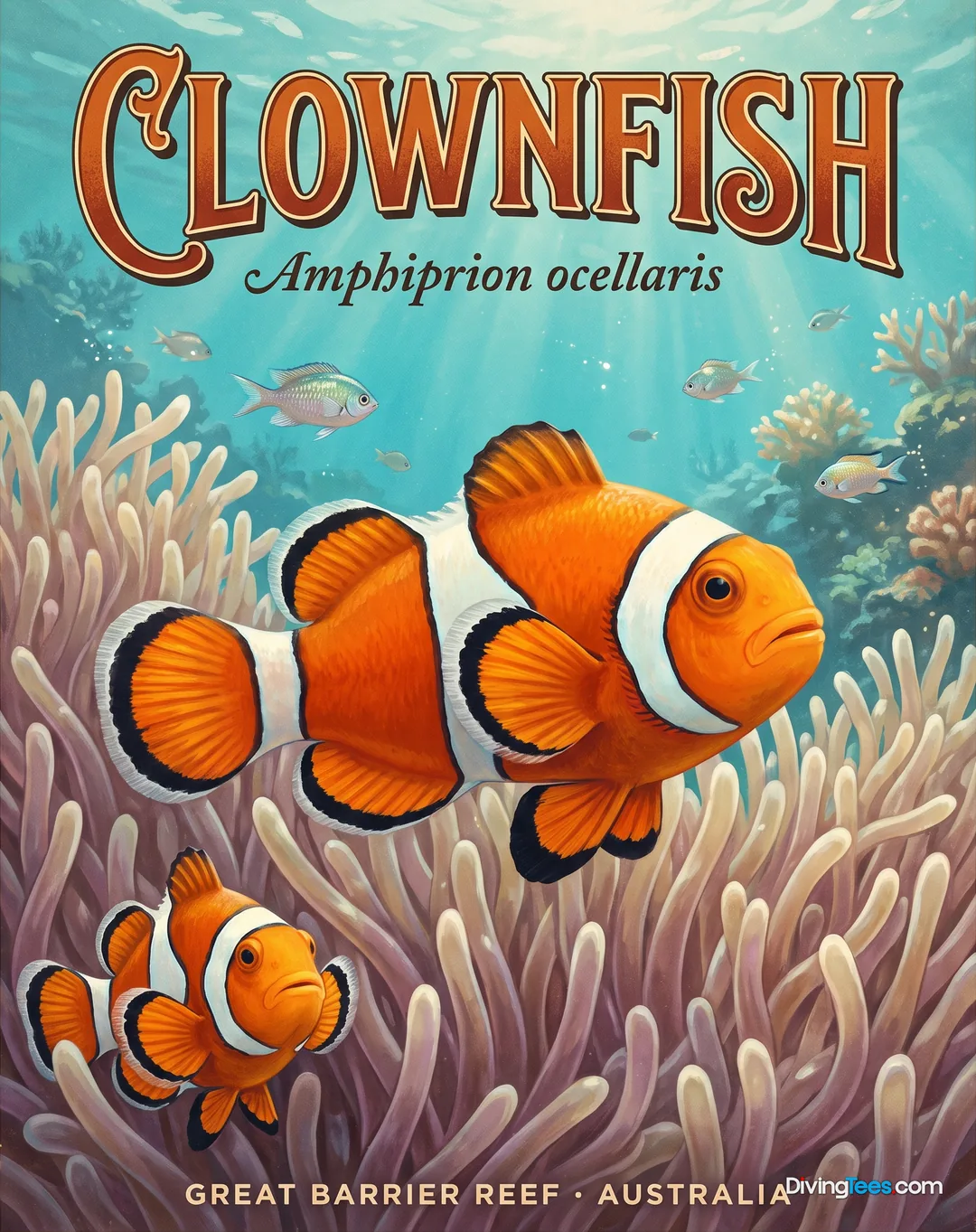
Mantas, reef sharks, sea turtles and nudibranchs are the recurring cast across this route, with eagle rays, giant trevally, soft corals, barracuda and Napoleon wrasse appearing at many of the listed sites. Currents explain much of the larger action: they carry food through Komodo's channels and draw sharks, rays and schooling fish toward pinnacles and walls. The more unusual sightings give certain dives their purpose. Golden Passage is the place in these records for leopard sharks and glassfish; Siaba Kecil for lobsters and angelfish; Sebayur Kecil for clownfish and filefish. Wainilu is the macro stop for mandarinfish, alongside nudibranchs, frogfish, seahorses, flamboyant cuttlefish and harlequin shrimp. Siaba Besar is where ghostfish and unicornfish are recorded, as well as its frogfish and blue-ringed octopus. These are possibilities, not promises. The route earns its reputation by putting divers in productive water repeatedly, not by guaranteeing a particular animal on a particular descent.

Who puts you in the water
A PADI diving instructor and local dive guides accompany every voyage. The crew speaks English and Indonesian, so briefings and practical instructions can be handled in both languages. Komodo is not presented as a first-ever liveaboard destination: guests must hold Open Water or Advanced Open Water certification and have at least 30 logged dives. That threshold suits a route that includes strong currents, drift dives and tender entries at exposed pinnacles. Briefings cover the site and conditions before the crew helps divers kit up on the platform. Oxygen, first-aid kits and the boat's navigation and communications equipment are carried on board.
The dive deck and the gear
The stern has a full-width, shaded scuba platform with an allocated place for each guest's dive or snorkeling equipment. Crew members help with preparation before the dive and carry equipment back when the dive is over. The platform has DIN adapters, rinse tanks and a dedicated camera rinse area, with separate camera rinsing for photographers. Two rigid inflatable tenders, each five metres long and fitted with Yamaha 40-horsepower outboards, carry divers to the sites; ladders make reboarding easier from the water. The tenders also handle beach and trekking landings. Rental equipment is available as an optional extra.
Between dives
The gaps between dives belong to the open decks. Shade on the dive platform protects the equipment and gives wet divers somewhere practical to sit; the higher decks provide sun, air and views over Komodo's dry hills and narrow channels. Kayaks and stand-up paddleboards can be used at suitable locations, while tenders take guests ashore for beaches, viewpoints and guided excursions. Padar's viewpoint and a Komodo dragon trek on Rinca are not decorative add-ons: they change the body and the eye after several hours underwater. When the boat is moving, the best place is simply where the wind reaches you. The saloon remains available for air-conditioned rest, reading, photography and quiet time, but Mikumba Dua is designed to make the outside hard to resist.
A day on board
A day begins with breakfast before the first briefing and first entry, then builds around several dives rather than one long excursion. The published route starts with a check dive at Penga, continues to Secret Garden at Padar, and uses the spaces between dives for lunch and the passage to the next anchorage. On the following day, a Rinca dragon trek comes before the main breakfast and the diving resumes with Police Point, Mauan for mantas and Siaba's calmer turtle reef. Meals divide the day into workable pieces: eat, prepare, dive, rinse, rest, then repeat. Tender rides take divers from the phinisi to the remote sites and return them to the stern platform, while afternoon landings provide a change of pace. On the final day, the last dive is at 10:00 am before the boat returns to Labuan Bajo at approximately 16:00. There is no need to force a night dive into the schedule; the strength of this itinerary is its daylight sequence of water, shore and open sea.
What you eat aboard
Meals arrive as full buffet service, with breakfast, lunch and dinner arranged around the diving rather than treated as formal restaurant appointments. The galley covers both local and Western dishes and can handle vegetarian, vegan and allergy-related requirements. Non-alcoholic drinks, water, tea and coffee are available throughout the trip, while snacks fill the gaps between dives. Beer and wine are available on board for an extra charge. After a morning in current or a long tender ride, the buffet matters because nobody has to wait for a fixed plate or choose between eating and preparing for the next dive. It also gives the group a shared pause: plates are filled, dive stories are compared, and the next briefing is never far away.
Nights at sea
The cabins are private, air-conditioned and fitted with their own bathrooms, with fans available when the climate allows the door or window to stay open. The upper-deck master cabins sit aft and have panoramic windows with accessible balconies, so the sea is part of the room rather than something seen only from the saloon. Lower Deck Cabins and the two Master Cabin categories cover the available choices. Bed linen, blankets, shower towels and beach towels are provided. The cabins are furnished for a liveaboard week, not an overnight ferry, but the boat still has its limits: this is a 30-metre phinisi, not a resort with corridors and spare rooms. The most valuable feature after a long dive is therefore not decoration. It is having a cool, private place to close the door, rinse the salt from the day and sleep while the boat carries the group toward the next site.
Lower Deck Cabins
Master Cabin 2
Master Cabin 1
What to know before boarding
Mikumba Dua departs from Labuan Bajo harbour, KP3, and returns to the same harbour. Hotel and airport transfers in Labuan Bajo are included; hotel pickup is at 09:00, while guests arriving at Komodo Airport on departure day should choose a flight landing no later than 09:10. The boat leaves at approximately 10:00. Arriving in Labuan Bajo the night before keeps the transfer simple and protects the start of the trip from a delayed flight.
Deck plan
- Year built
- 2006
- Year renovated
- 2018
- Length
- 30 m
- Beam
- 7 m
- Maximum number of passengers
- 10
- Number of cabins
- 5
- Number of bathrooms
- 5
- Engines
- Mitsubishi 8dc 350 hp
- Cruising speed
- 8-10 knots
- Tenders
- 2
- Website
- mikumbadua.com ↗
Hello, I'm Marina, DivingDeal.com's AI assistant. I answer in detail about hotels, dive centres and liveaboards.
Thinking about the whole trip and the flights? Talk it over with Edith →
Marina is an AI. Some links are affiliate links: DivingDeal may earn a commission, at no extra cost to you. Bookings are made with the partner.