
Dive In Bintan
Google 4.2/5 (22 reviews)
Indonesia · Asia
Nudibranchs among Trikora’s reefs, sandy shallows around Mapur, and the Igara and Nikoi wrecks make Bintan an intriguing boat-diving base.
A nudibranch on a sandy patch, a ghost pipefish beside a reef slope, or a turtle crossing the blue: Bintan rewards the diver who looks closely. The most worthwhile diving lies around Trikora, Mapur and the southern islands, where shallow reefs sit alongside drop-offs and wrecks. It is a sensible choice for a mixed diving holiday rather than a trip built around diving alone, with beaches, mangroves and inland excursions for non-divers.
Bintan is mainly a boat-diving destination, and the eastern coast provides the clearest sense of its range. Around Trikora and Mapur, dives move from sandy bottoms and shallow sloping reefs to walls and deeper water, with sites reaching roughly 10 to 35 metres. The Igara Wreck and Nikoi Wreck add a different sort of terrain, but should not be treated as simple sightseeing dives. Currents are variable, so the day may involve a gentle reef exploration, a downcurrent section or a drift dive, depending on the site and conditions. Northern visibility is less predictable, with silt, strong tides, currents and boat traffic all playing a part. Several outings across the east and south make more sense than relying on one area to deliver identical conditions every day.
Bintan’s eastern and southern reefs are for patient searching rather than rapid sightseeing. Nudibranchs, shrimps and crabs turn the reef and sand into a series of small discoveries, while ghost pipefish, seahorses, frogfish and pipefish reward a careful scan of sponges, rubble and seagrass-like cover. Turtles and rays provide the larger encounters, and are regularly reported alongside the macro subjects. Trikora and Mapur are the natural focus when small animals matter most, with the southern islands adding further scope for quiet reef searches. The wildlife is not tied here to a clearly defined calendar, so several days and more than one sector improve the chances of finding the animals that brought you.
Bintan is best approached with a flexible season rather than a single supposedly perfect month. Conditions can differ sharply between the northern, eastern and southern coasts, and visibility may be affected by silt, tides, currents and maritime traffic. A five-to-seven-day stay gives the weather and sea conditions room to change without turning one poor day into a failed trip. Keep a reserve day for the sea, and plan more than one eastern or southern outing. This is particularly useful when macro life is the priority, since a productive search depends as much on calm, workable conditions as on the calendar.
The reefs and shallows suit beginners and divers returning to the water, provided they are comfortable diving from a boat and managing variable current. Advanced Open Water is useful for the deeper walls and sites approaching 35 metres. The Igara and Nikoi wrecks call for appropriate wreck training and experience, especially if penetration is planned. A steady safety stop and good buoyancy matter on the sloping reefs, while the right level for any wreck dive depends on depth, access and conditions that day.
From London Heathrow, Gatwick or Manchester, the practical route is via Singapore, followed by the Bintan Resort Ferries service from Tanah Merah Ferry Terminal to Bandar Bentan Telani on Bintan’s north-west coast. The ferry crossing takes about 1 hour 10 minutes. Allow a generous margin between the UK flight, arrival in Singapore and the ferry departure, since the crossing and port procedures leave little room for a tight connection. Once on Bintan, the eastern and southern dive areas require road transfers before boarding the dive boat. Depending on where you stay, reach the departure point by resort shuttle, taxi or a pre-arranged land transfer. Domestic flights to Raja Haji Fisabilillah are possible, but they do not remove the need for onward road and boat travel.
Ask specifically for Trikora or Mapur when the priority is macro life, rather than accepting an itinerary confined to the Lagoi area. Take a macro lens or other small-subject equipment if nudibranchs, shrimps and seahorses are the reason for coming, as the best searches may be slow and close to the bottom. Do not build the trip around northern sites alone: silt, tides, current and boat traffic can make visibility frustratingly changeable. Leave proper time between the ferry and any eastern or southern boat departure, because the road transfer across the island is part of the journey. The same caution applies on the way home, so avoid linking a ferry directly to an important onward connection. For the Igara and Nikoi wrecks, check depth, penetration and your wreck qualification before booking. Keep one day free for conditions, and another non-diving period before flying after deep wall or wreck dives.
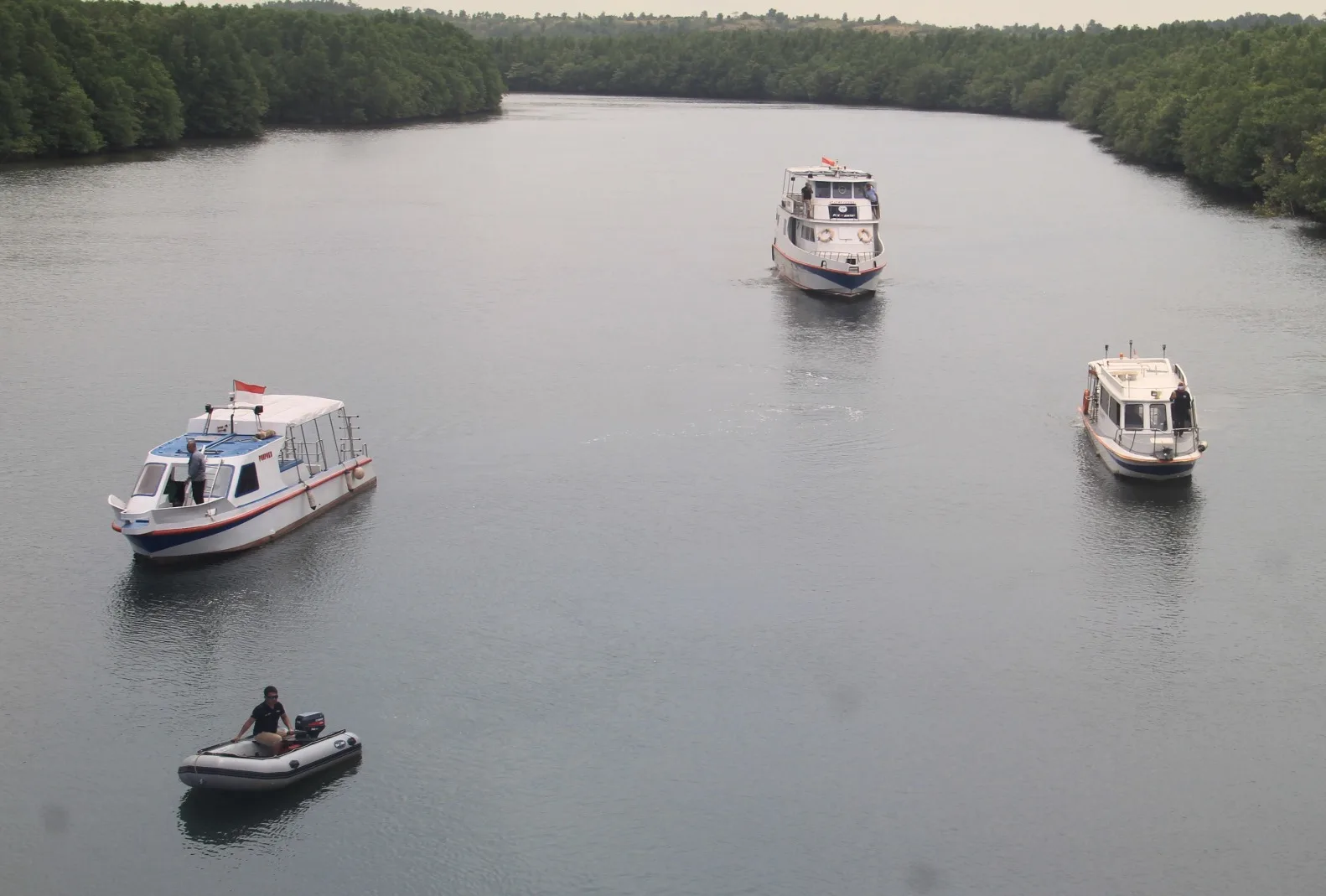
Bintan works best as a land-based stay with day boats, rather than as a liveaboard destination. Accommodation on the tourist side can be paired with road transfers to the eastern or southern departure points, using a resort shuttle, taxi or arranged transport. Five to seven days allows several diving days, a reserve for sea conditions and time away from the water. Non-divers can fill the stay with beaches, non-motorised watersports, mangrove excursions, villages and light inland walks.
Hello, I'm Marina, DivingDeal.com's AI assistant. I guide you through destinations, areas and countries.
Thinking about the whole trip and the flights? Talk it over with Edith →
Marina is an AI. Some links are affiliate links: DivingDeal may earn a commission, at no extra cost to you. Bookings are made with the partner.
Choose Bintan Island with a flexible season in mind, because conditions vary between the northern, eastern and southern coasts. Silt, tides, currents and boat traffic can affect visibility. Allow several diving days, keep a reserve day for the sea, and plan more than one eastern or southern outing for better opportunities.
Bintan Island suits beginners and divers returning to the water who are comfortable diving from boats and managing variable current. Advanced Open Water experience helps with deeper walls and sites approaching thirty-five metres. The Igara and Nikoi wrecks require suitable wreck training and experience, especially when penetration is planned.
Bintan Island offers close-up searches for nudibranchs, shrimps, crabs, ghost pipefish, seahorses, frogfish and pipefish around Trikora and Mapur. Turtles and rays appear across eastern and southern sites. Sloping reefs, sandy shallows, walls and the Igara and Nikoi wrecks provide varied settings for patient exploration.
Plan Bintan Island as a land-based holiday using day boats, with road transfers to eastern or southern departure points. Build in flexibility for sea conditions and leave generous time around ferry connections. Staying beyond the diving days also suits beaches, mangroves, villages, inland walks and non-motorised watersports.