
Southern Dreams Diving Club
Google 5/5 (230 reviews)
Indonesia · Asia
Rocky islets, reef sharks and occasional mola mola shape Candidasa, where demanding offshore dives sit alongside sheltered sites around nearby Padangbai.
For subtitles in English: start the video firstthen click the gearat the top right of the video, select “Subtitles/CC”, then “Auto-translate” and choose “English”.
Tepekong, Mimpang and Biaha are the reason to base yourself in Candidasa: exposed rocky islets where current, swell and open-water descents are part of the dive. This is not simply a beach-entry alternative to Amed or Tulamben. It is a shore-based stay built around boat trips from nearby Padangbai, with more sheltered diving available when the offshore sites are unsuitable. Reef sharks and seasonal mola mola add interest, while the coast, villages and landscapes of eastern Bali give non-divers plenty to do.
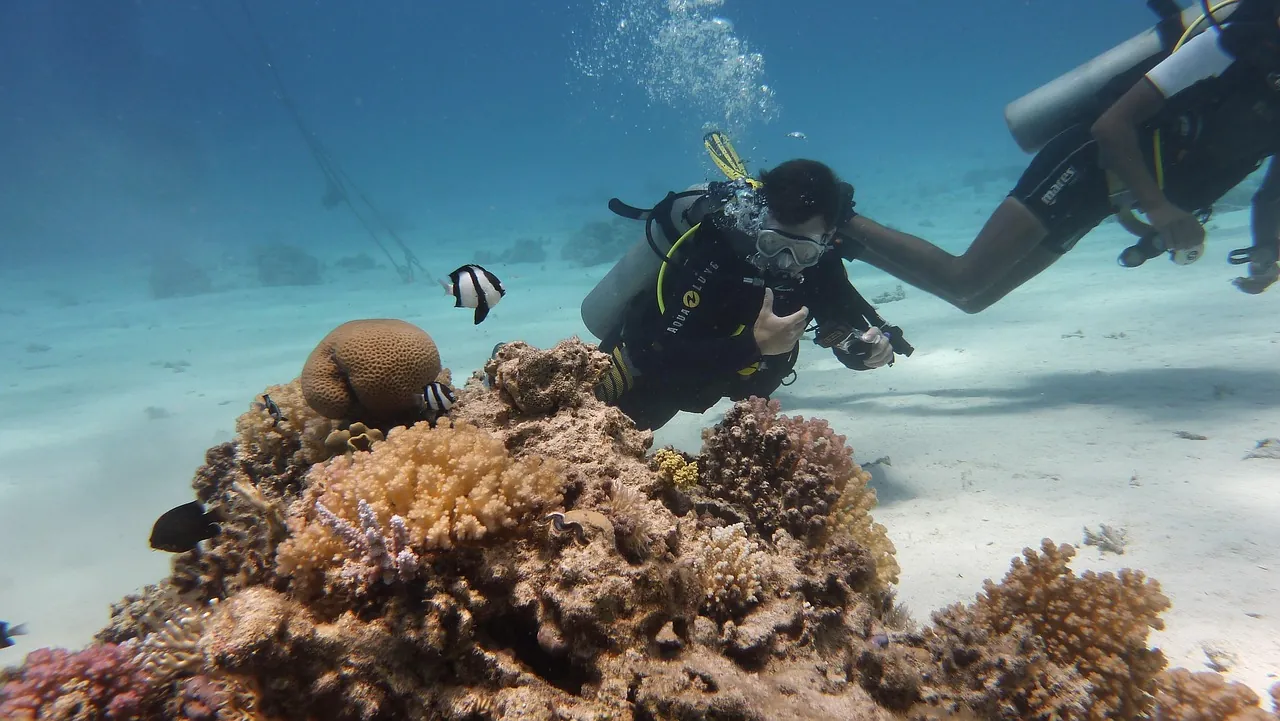
The offshore sites are built around rocky pinnacles, drop-offs and exposed underwater relief rather than long, shallow reef tours. Currents can be strong, variable and difficult to predict, with downcurrent movement, swell, surge and occasional vertical movement affecting the descent and the return to the boat. A drift dive may be the practical way to read the site, but the briefing and regrouping plan matter more here than any fixed route. Visibility is commonly between ten and thirty metres from April to November, although tide, rainfall runoff, swell and cold-water upwelling can change it locally. The boat normally leaves Padangbai, so a Candidasa day begins with a road transfer. When Tepekong, Mimpang or Biaha are too lively, the more sheltered Padangbai sites provide a sensible alternative rather than a disappointing consolation.
Reef sharks are the most dependable pelagic interest around the offshore sites, with sightings possible throughout the year when conditions suit. Turtles may also appear, but they are occasional rather than a reason to expect one on every dive. The seasonal prize is the mola mola, associated particularly with the cold-water upwelling from June to October. Encounters remain occasional, so the attraction is the combination of cool, moving water and the possibility of a large animal appearing over the drop-off, not a guaranteed appointment. The rocky islets themselves bring the drama: exposed walls, current-swept relief and open water around Tepekong, Mimpang and Biaha.
April to November is generally the most practical period, when the dry season usually brings calmer conditions and better visibility. June to October adds the possibility of mola mola as cold-water upwelling reaches the area, though it can make the dives noticeably cooler. December, January and February fall in the rainy season and monsoon period, when rain, coastal runoff and rougher spells can reduce visibility or prevent access to the exposed islets. The busiest conditions tend to coincide with the dry-season high season and holidays, so early departures and the shoulder months can make boat operations less crowded.
Candidasa suits experienced divers who are comfortable with current, swell, a rapid descent and open-water regrouping. Advanced Open Water, or an equivalent qualification, is useful for deeper dives and drop-offs, while Drift Diving training is relevant to the offshore sites. Tepekong, Mimpang and Biaha are poor choices after a long break if current diving no longer feels routine. Beginners can use the more sheltered sites around Padangbai, but should not assume that the Candidasa offshore programme is an extension of easy coastal diving.
From London Heathrow, London Gatwick or Manchester, fly to Bali and continue by road from Denpasar airport to Candidasa. The complete journey commonly takes around eighteen to twenty-five hours, depending on connections and the onward transfer, while the road leg generally takes about an hour and a half to two and a half hours in traffic. Once based in Candidasa, allow for another road transfer to Padangbai for most dive departures. A taxi or arranged shuttle is normally needed, and walking is not a realistic solution from many Candidasa hotels to the harbour. Public ferries from Lombok serve Padangbai, but they are not needed when arriving from Bali.
Treat Tepekong, Mimpang and Biaha as conditional dives, not fixed appointments. Keep a spare day in the programme because swell or current can cancel an offshore departure or turn it into a Padangbai day. Ask for an early boat, when surface conditions and crowding are usually more favourable, and leave enough time for the transfer from Candidasa to Padangbai. Do not book a first dive on an exposed islet after a long lay-off if current work feels rusty. Bring more thermal protection than you might use on Bali’s warmer sites, particularly if several dives fall between June and October, when cold-water upwelling may coincide with mola mola sightings. Finally, judge visibility locally rather than trusting a general forecast: tide, runoff, swell and upwelling can make conditions at the islets quite different from those at the coast.
Plan on five to seven days in a Candidasa base. That gives the offshore sites several weather windows while leaving room for sheltered Padangbai diving and a change of pace on land. Candidasa offers a wider residential setting, whereas Padangbai is more convenient for the boats. Non-divers can join coastal outings, snorkelling when conditions allow, village and palace visits, or drives towards Amed, Tulamben and the interior of Karangasem. Keep the final day for land activities before flying.
Hello, I'm Marina, DivingDeal.com's AI assistant. I guide you through destinations, areas and countries.
Thinking about the whole trip and the flights? Talk it over with Edith →
Marina is an AI. Some links are affiliate links: DivingDeal may earn a commission, at no extra cost to you. Bookings are made with the partner.
Visit Candidasa between April and November, when the dry season usually brings calmer conditions and better visibility. June through October adds the possibility of mola mola, although cold-water upwelling can make dives cooler. During the rainy season, runoff, rougher spells and reduced visibility can prevent access to exposed offshore islets.
Candidasa suits you if you are comfortable with current, swell, rapid descents and open-water regrouping. Advanced Open Water or equivalent training is useful for deeper dives and drop-offs, while Drift Diving training is relevant offshore. If current diving feels unfamiliar after a long break, choose sheltered Padangbai sites instead.
You can explore exposed rocky pinnacles, walls, drop-offs and current-swept relief around Tepekong, Mimpang and Biaha. Reef sharks are a regular possibility around the offshore sites, while turtles appear occasionally. From June to October, cold-water upwelling may bring an occasional mola mola over the drop-offs, but sightings are not guaranteed.
Base yourself in Candidasa and allow several days for offshore weather windows, sheltered Padangbai alternatives and time on land. Most dive boats leave from Padangbai, so arrange a taxi or shuttle and leave time for the road transfer. Keep an offshore day flexible, request an early departure and reserve your final day for land activities.