Liveaboards · Indonesia
Nusantara — a practical Komodo dive safari with nights under the stars
What makes this boat unique
- Nusantara carries up to 12 guests on 3- or 4-day Komodo trips from Labuan Bajo.
- The diving setup is built around a shaded aft deck, direct entries from the platform and one tender for site access.
- Accommodation is either an eight-bed dormitory with privacy curtains or a covered sleeping deck beneath the stars.
- Meals, rental equipment, night dives, land excursions and the full dive package are included.
The invitation
Nusantara is for divers who would rather spend their money and time on Komodo’s water than on a polished cabin. It is Mikumba Diving’s budget safari boat: recently refurbished, built from ironwood and teak, and arranged around the diving rather than around private accommodation. The choice is clear. Take the dormitory, sleep on deck, and use the boat as a base for current-rich reefs, manta searches and long hours outside. The reward is access to the central and northern Komodo National Park on a small boat where the crew, guides and other guests quickly become the people around whom the trip turns. Land excursions are part of the journey too, including visits to Padar and Rinca for the Komodo dragons. Nusantara suits divers who want a simple place to eat, sleep and kit up, with a crew that has earned stronger praise than the vessel itself. The boat is not pretending to be a floating resort. That is precisely why it works.
Boarding
From the dock, Nusantara looks like a working Indonesian liveaboard rather than a hotel moved onto the water. Ironwood and teak give the boat a practical warmth, while the open decks keep the sea and the islands close. Once aboard, movement is simple: bags go into the sleeping areas, equipment is set up aft, and the dining space sits forward on the main deck. The dive platform is at the back, so the route from tank to water is short and direct. Above, the sun deck and shaded areas give the boat its real living space. The single Mitsubishi engine is part of the experience rather than something to forget; this is a compact safari boat, and the machinery belongs to its character. The refurbishment brought the boat back into active service as a dive platform, not as a luxury vessel. Expect a straightforward boat with clear purpose, open air and very little wasted space.
The atmosphere on board
Nusantara’s atmosphere comes from the people more than from the hull. The boat carries a small group, and the shared dormitory, outdoor dining and deck sleeping make that visible from the start. Guides and crew stay close to the diving, helping with equipment, briefings and the small decisions that keep a short safari running cleanly. English and Indonesian are spoken aboard. The strongest impression from returning divers is consistent: the guides are knowledgeable and easy to be around, while the crew creates a warm atmosphere without making the boat feel staged. By evening, the group usually gathers on the deck with drinks, logbooks or a guitar nearby. That combination explains why the crew scores higher than the boat itself. Nusantara has limited private space and a basic layout; the people working aboard turn those limits into a trip that feels personal rather than impersonal.
The sites you’ll dive
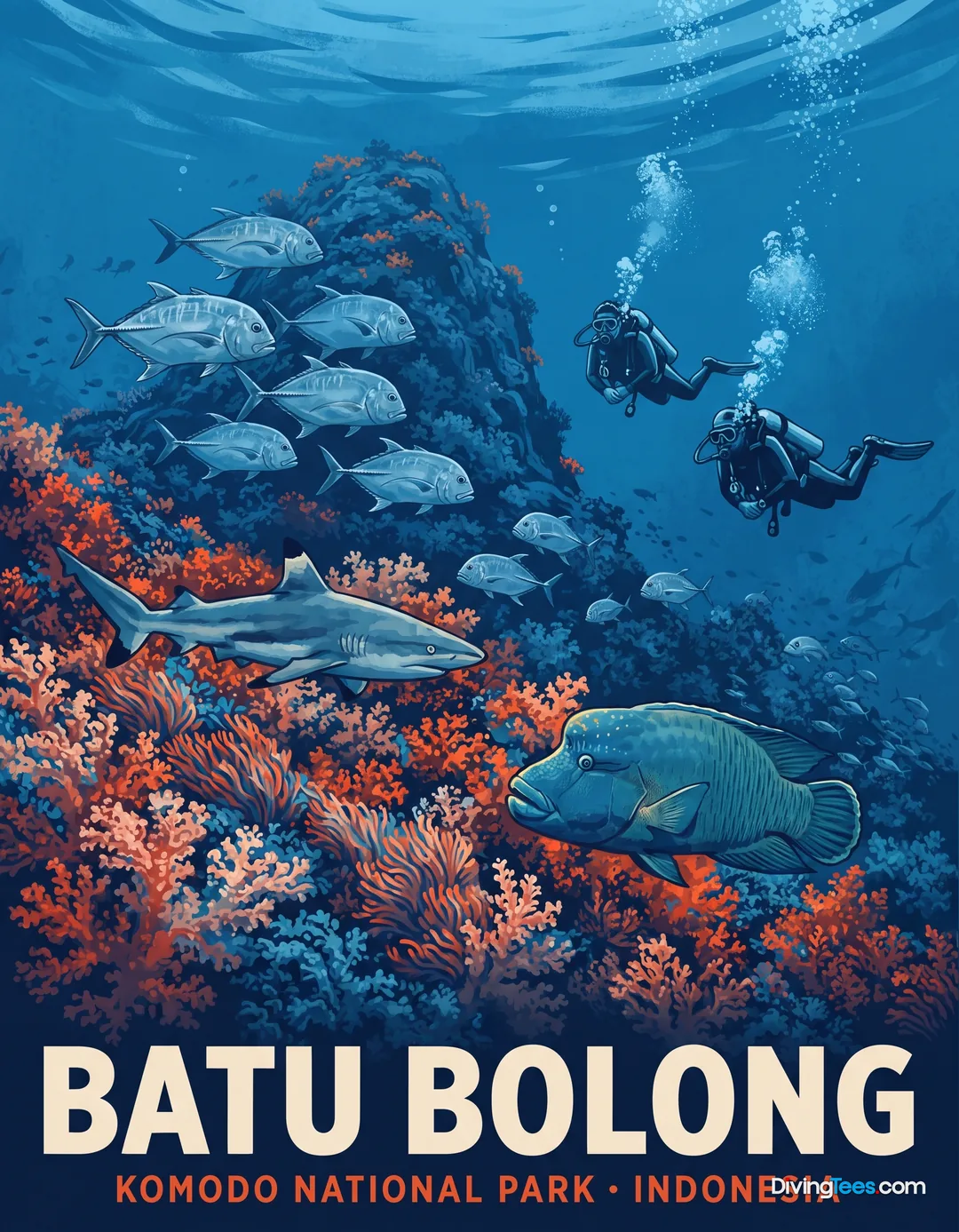
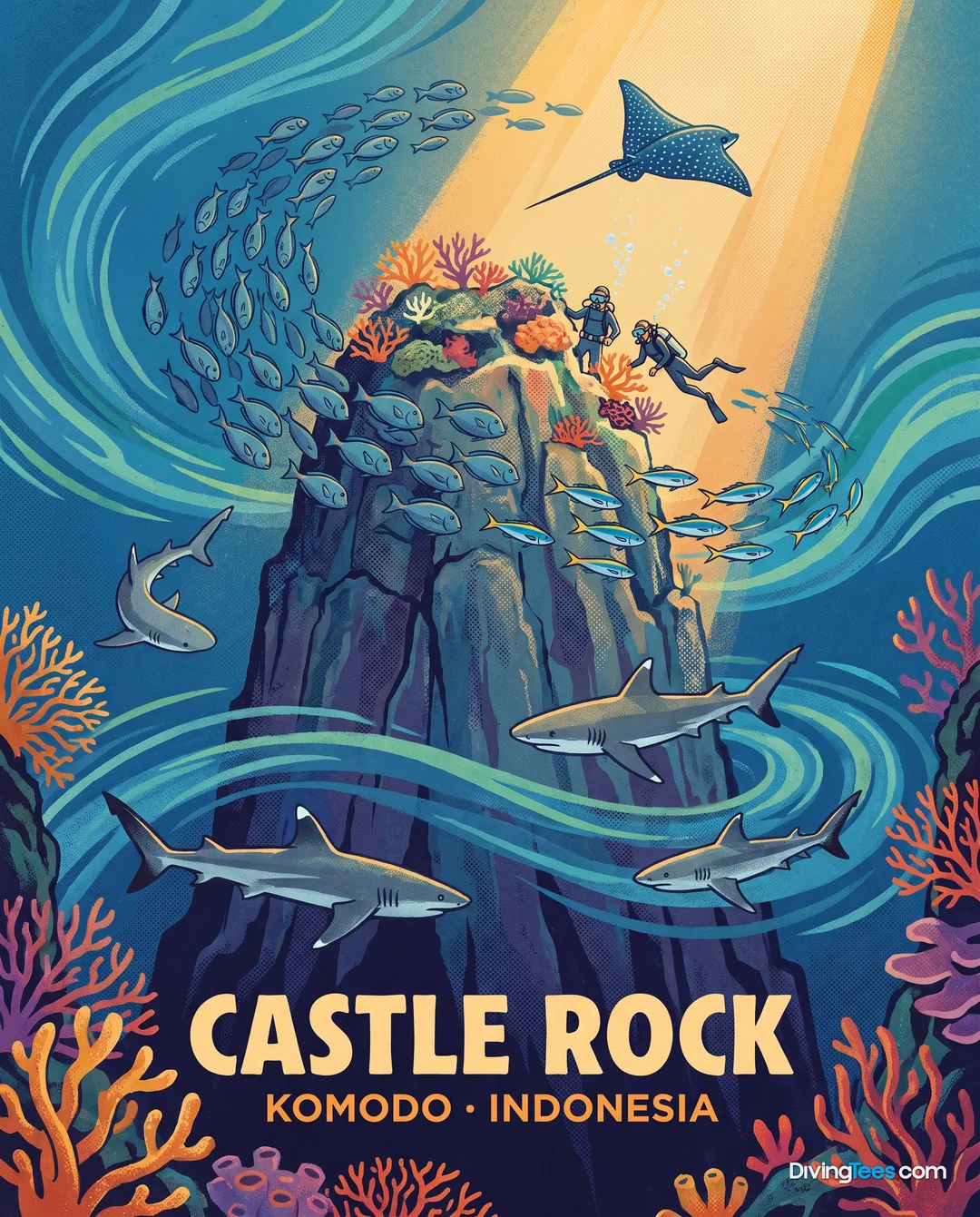
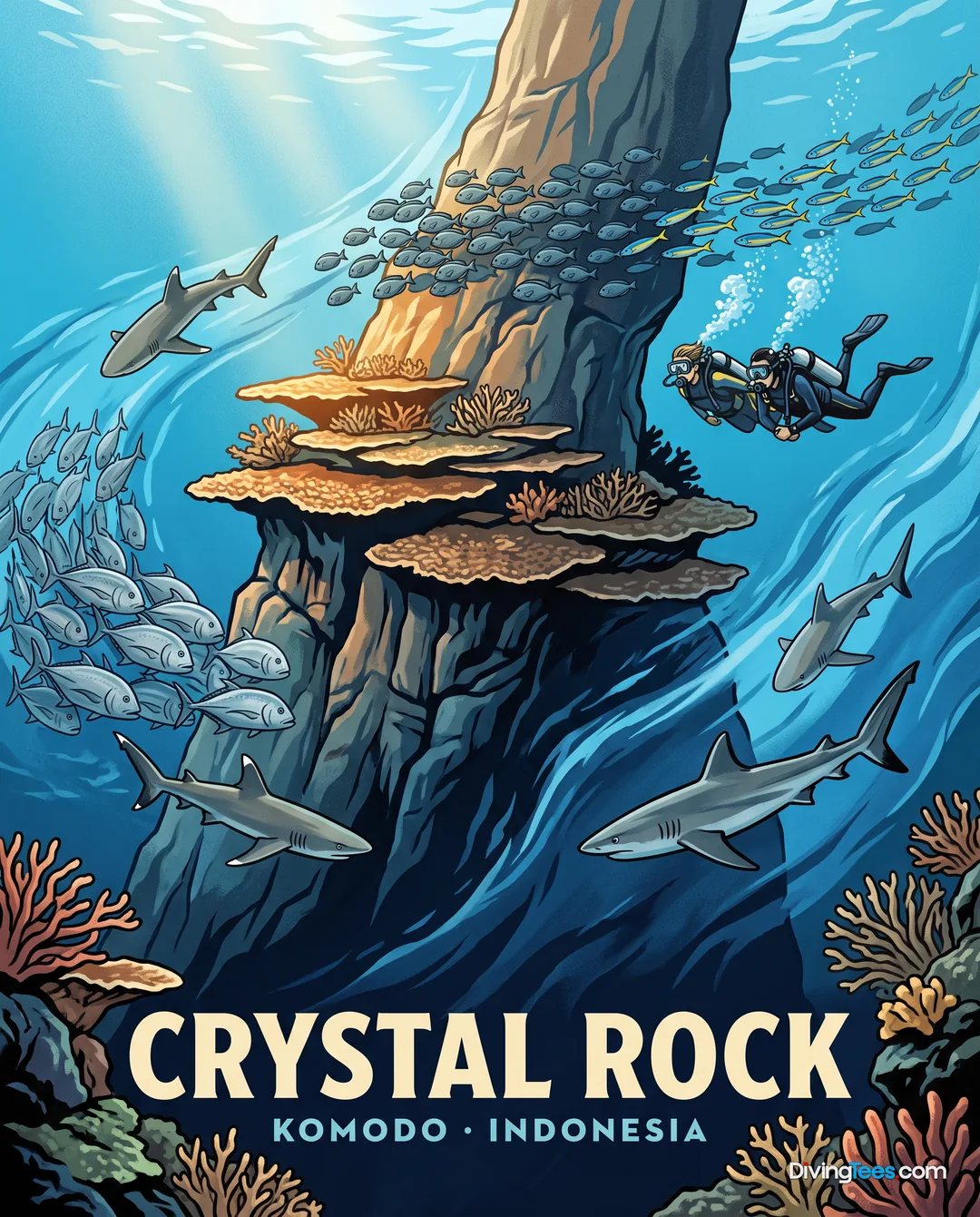
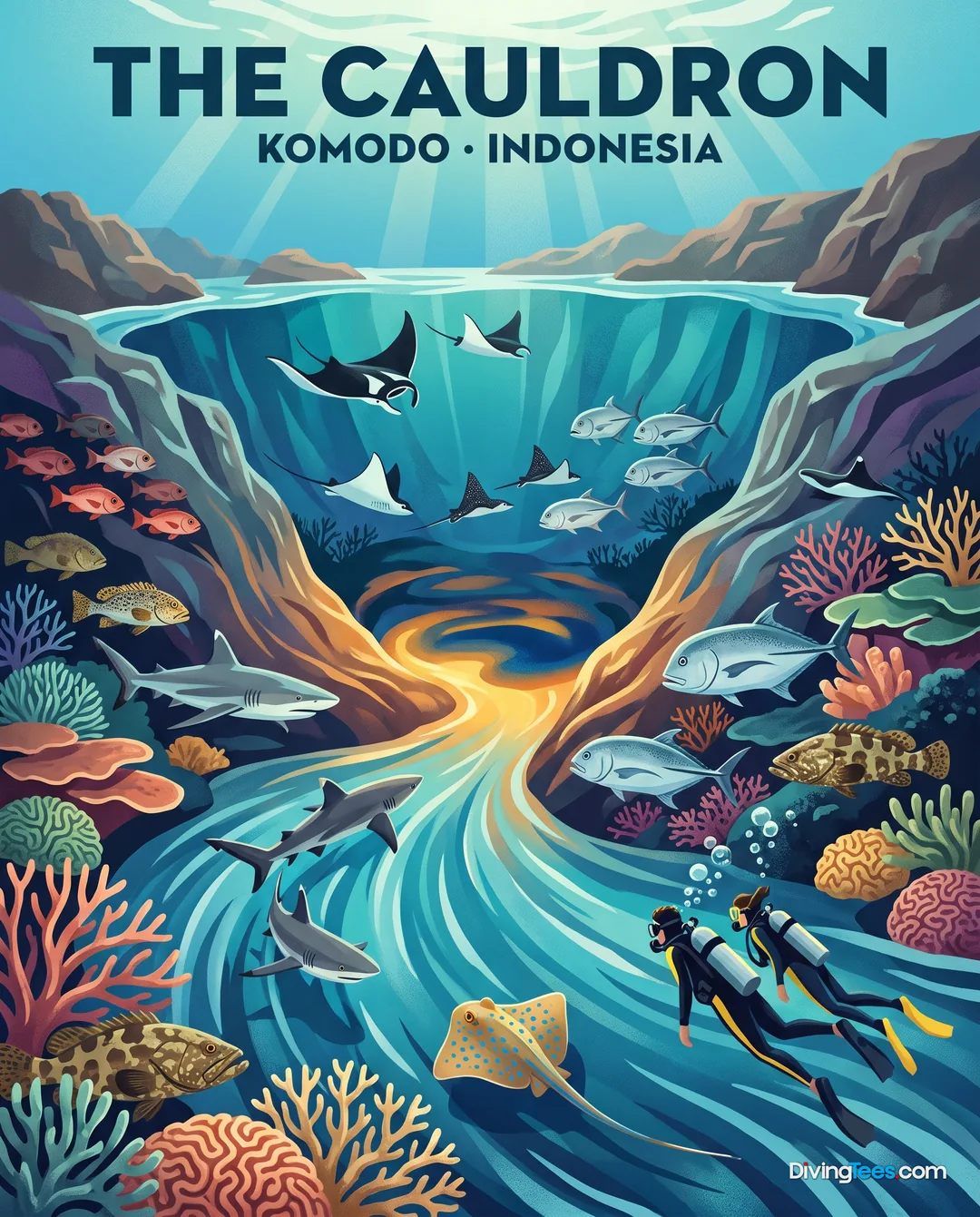
The recorded departures run from Labuan Bajo back to Labuan Bajo on Best of Komodo Central & North trips lasting either 3 days and 2 nights or 4 days and 3 nights. A short trip can include the central reefs and a move north; the longer version adds another day of diving and leaves more room to respond to tides, weather and manta conditions. The published diving examples include Batu Bolong and a possible manta dive in the central area, followed by Castle Rock, Crystal Rock and The Cauldron in the north. The itinerary is proposed, not fixed. The cruise director and captain assess sea conditions before choosing the actual route, and the named sites can change. Above the water, the route includes a guided dragon visit on Rinca and excursions around the park, with Padar included on the wider Komodo programme. There are no verified site depths attached to this boat page, so none are given here.
What you’ll meet underwater
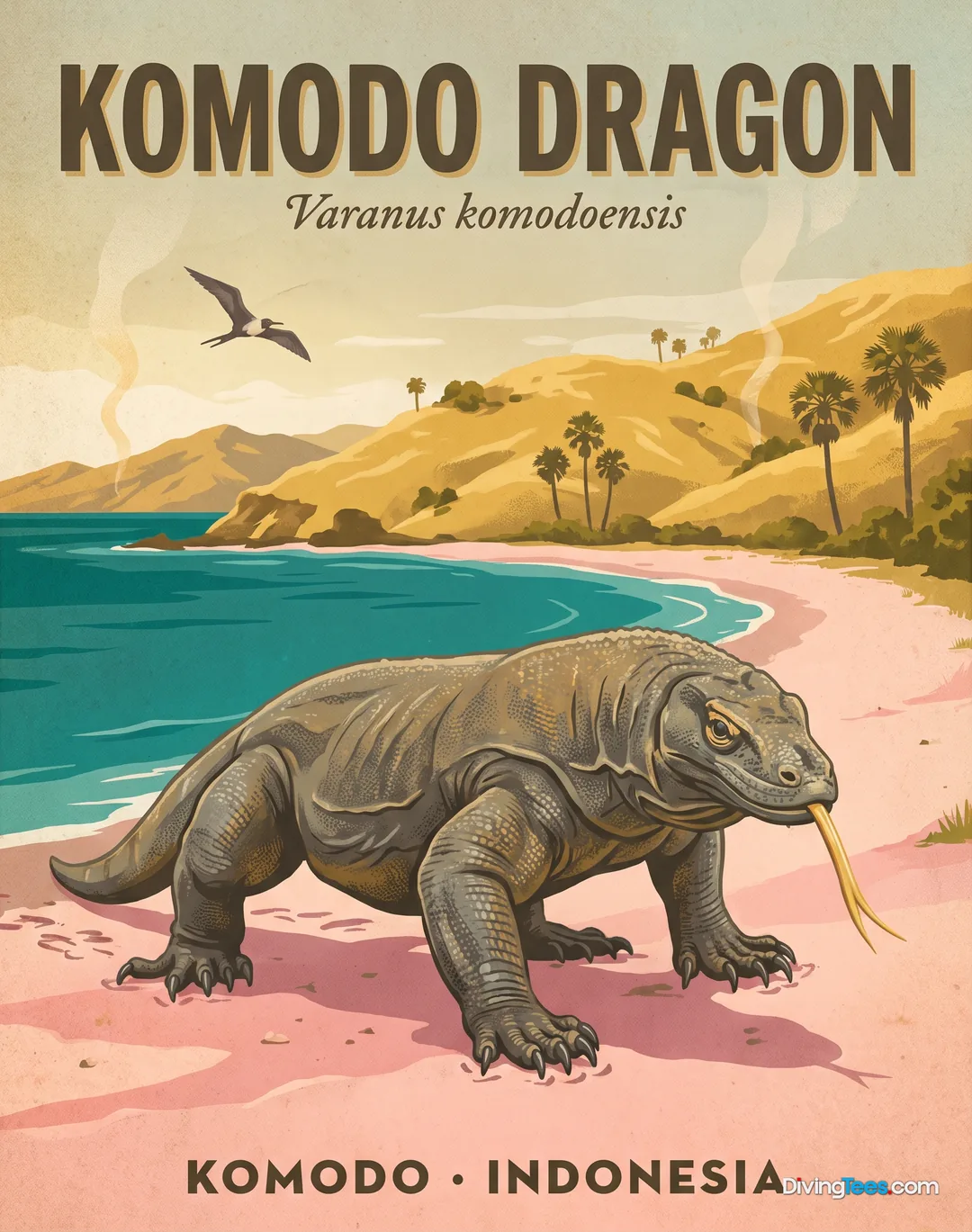
Komodo is the reason to accept Nusantara’s simple accommodation. The route is known for manta encounters, healthy coral gardens and drift dives where current brings more movement to the reef. A manta dive may be chosen in the central area when conditions and sightings make it worthwhile; the animal is never a promise attached to a departure. Divers may also spend the trip watching the reef itself rather than waiting for one headline species: schooling fish, dense coral growth and the changing life brought by current are what make the sites different from one dive to the next. The crew’s site choices follow tides and weather, so the best encounter may come from adapting the route rather than following a fixed list. On land, the dragons of Rinca provide the trip’s unmistakable surface encounter. The underwater spectacle is less tidy and more rewarding for it: a search, a current, a brief shape passing the blue.
Who puts you in the water
The dive guides and instructors work in English and Indonesian, and PADI courses can be taught on Nusantara. The programme includes introductory experiences, Open Water training and further adventure or specialty diving on request. The boat’s normal Komodo trips are designed around guided diving, with a check dive followed by site-specific briefings and groups organised by the dive crew. A private guide is available as an option. The operation carries emergency oxygen, first-aid kits, a radio, GPS, an EPIRB, life raft and other standard marine safety equipment; the boat also carries a fish finder and sonar. There is no stated minimum number of logged dives or fixed guide-to-diver ratio for these trips, so experience requirements depend on the itinerary and conditions rather than a published number. Current, tide and weather can change the plan, and the cruise director and captain make that call each day. That flexibility is important in Komodo, where a good site at the wrong tide is not a good dive.
The dive deck and the gear
The dive deck is the boat’s strongest argument. It is shaded, spacious enough to gear up without a queue, and arranged so divers can step straight onto the platform for entry. The equipment list includes 11-litre tanks with both DIN and INT fittings, plus two 15-litre tanks. An Alkin air compressor fills the tanks, and Suunto dive computers are available. Rental equipment is included in the package. After the dive, divers return to the platform, rinse equipment in the dedicated bins and use the hot showers in the shared bathrooms. Cameras have their own rinse area, keeping salt and fins away from housings. One speedboat tender, powered by twin 40-horsepower Yamaha outboards, takes divers to sites when the boat cannot sit directly over the entry point and collects them after the dive. Nitrox, SMBs and a dedicated camera table are not described for Nusantara, so divers who rely on them should not assume they are part of this setup.
Between dives
Between dives, most people settle on the oversized beanbags spread across the sun decks. The forward deck takes the sun; the shaded rear area is better for reading, drying off or lying down without turning into a piece of overheated neoprene. The boat also has an outdoor dining area, so meals do not require retreating indoors. During transfers through the park, the islands provide the view and the deck provides the reason to stay awake. A stand-up paddleboard is available, and land excursions add time ashore, including the dragon visit on Rinca and viewpoints around Padar. When there is no dive planned, the gap is best used simply: shower, eat, log the previous dive, then watch the coastline pass. The crew may sing and play guitar in the evening, but the boat does not need a programme to fill every minute.
A day on board
A 3-day trip begins at the dive centre at 08:00, with boarding at 08:30, a welcome drink and boat briefing at 09:00, then equipment setup and safety briefing. The check dive follows at 11:00. Lunch lands at 12:30, a second-dive briefing comes at 15:00, and the night-dive briefing at 18:30 leads into dinner at 20:00. The next morning starts at 06:00 with a small breakfast, then the early dragon tour leaves at 06:45 before the crowds. A larger breakfast follows, with three central dives and the boat heading north. On the following day, briefings for Castle Rock, Crystal Rock and The Cauldron break up the morning and afternoon. After the final diving, the boat turns back toward Labuan Bajo while guests relax on the beanbags and complete their logbooks. Return is generally between 15:00 and 16:00, depending on the last dive site.
What you eat aboard
The galley serves freshly prepared local Indonesian food, with Western dishes available as part of the wider menu. Meals arrive around the diving rather than at hotel-style dining hours: breakfast follows the first early activity, lunch breaks the main run of dives, and dinner closes the day after the last briefing. Fresh fruit and snacks remain available between meals, with tea, coffee and drinking water on hand. Vegetarian and vegan options can be arranged. The food is one of Nusantara’s strongest points, and that is not a small thing on a compact liveaboard. Four dives, wet gear and current can make a diver hungry in a hurry. A proper plate after the water gives the afternoon its reset; dinner becomes the place where the day’s sightings, mistakes and best moments are compared. The table is outdoors, close enough to the water that the route remains part of the meal.
Nights at sea
Nusantara offers two ways to sleep, and neither is built around privacy or air conditioning. The dormitory cabin sleeps eight, with a curtain at each bed, a fan, a light, power sockets and storage. It is the sensible choice if the aim is to keep gear and luggage organised while sharing the boat’s main sleeping space. The other option is the covered sleeping deck: a mattress, open air and the sound of the boat moving through Komodo at night. On a clear evening, the sky becomes part of the cabin. The two bathrooms are shared and have western-style toilets, showers and hot water. After a day of salt, sunscreen and repeated entries, that matters more than decorative detail. The sleeping deck is the more distinctive option, but it also leaves the diver closer to wind, weather and engine noise. Nusantara’s nights are simple, communal and properly tied to the sea.
The Dorm Cabin
The Sleeping Deck
What to know before boarding
Nusantara departs from Labuan Bajo and returns to Labuan Bajo. Guests meet at Mikumba Diving’s dive centre before departure, and those booked directly or through an agent should check in there the day before departure before 16:00 so equipment can be prepared. The boat’s published meeting point is the dive centre on Jalan Soekarno Hatta, next to Eco Tree O’tel. Arriving in Labuan Bajo the night before keeps the boarding morning free of flight delays and last-minute transfers.
Deck plan
What the boat does for the ocean
Nusantara operates within Mikumba Diving’s Green Fins programme, whose crew receive regular environmental training and follow reef-protection guidelines during diving and snorkelling operations. The operator uses environmentally friendly soaps, shampoos and cleaning products on the boats and provides reef-safe sunscreen. Mikumba Diving is also a PADI Eco Centre and participates in the Dive Operators Collaboration of Komodo, linking the boat’s operation to local marine-conservation standards. These measures do not change the boat’s basic layout, but they make the way it enters and uses Komodo’s reefs part of the decision.
- Year built
- 2017
- Year renovated
- 2021
- Length
- 21 m
- Beam
- 3 m
- Maximum number of passengers
- 12
- Number of cabins
- 2
- Number of bathrooms
- 2
- Engines
- Mitsubishi 6d16 cylinder engine
- Cruising speed
- 7 knots
- Tenders
- 1
- Website
- mikumbadiving.com ↗
Hello, I'm Marina, DivingDeal.com's AI assistant. I answer in detail about hotels, dive centres and liveaboards.

Thinking about the whole trip and the flights? Talk it over with Edith →
Marina is an AI. Some links are affiliate links: DivingDeal may earn a commission, at no extra cost to you. Bookings are made with the partner.