Liveaboards · Indonesia
Sokaraja — an intimate wooden liveaboard built around Komodo diving
What makes this boat unique
- A small Komodo liveaboard for a maximum of 10 guests, with two private cabins and one shared cabin.
- The 4-day/3-night route offers 12 dives, including a night dive; the 5-day/4-night route offers 15 dives.
- Dive groups are kept to a maximum of four divers per guide.
- The boat combines Indonesian wooden craftsmanship with a shaded dive deck, small-group guiding and freshly prepared local food.
- Rinca Island trekking and the flying fox sunset at Kalong Island can sit alongside the diving.
For subtitles in English: start the video firstthen click the gearat the top right of the video, select “Subtitles/CC”, then “Auto-translate” and choose “English”.
The invitation
Sokaraja suits divers who want Komodo’s currents, mantas, sharks and macro life without joining a large floating operation. The boat takes no more than 10 guests, and the dive groups stay small enough for a guide to keep track of each diver rather than simply point the way into the blue. That matters in Komodo, where the current can turn a calm reef into a fast-moving dive in a few minutes. The attraction is not polished resort living. It is a compact Indonesian wooden boat, a crew that keeps the diving organised, and enough time between dives to sit down with coffee, eat properly and watch the islands pass. The 4-day/3-night and 5-day/4-night trips combine named Komodo sites with Rinca Island and Kalong Island. Choose Sokaraja for close guiding, strong food and a route that treats the surface world as part of the expedition—not as scenery between dives.
Boarding
Sokaraja makes the impression of a working wooden dive boat rather than a hotel moved onto the water. Its traditional Indonesian craftsmanship keeps the setting connected to Komodo, while the 2024 renovation gives the boat a more cared-for feel where it matters between dives. There are several places to sit, eat and stretch out, so 10 guests do not need to occupy the same patch of deck all day. The layout is practical: cabins are on the main and upper levels, the dining area gives the group a place to come together, and the dive operation stays close at hand. The boat moves at a measured cruising pace, leaving the islands and channels to shape the trip rather than turning the crossing into the main event. Sokaraja is best understood as a small expedition boat with a relaxed social centre. By the second day, the limited guest list becomes an advantage: names, gear and diving preferences are easy for the crew to remember.
The atmosphere on board
Sokaraja’s atmosphere is warm and informal, with the crew’s attention most visible in the small transitions that make a diving day work. Briefings are clear, equipment is kept in order, and the dive team remains present between dives rather than disappearing after the entry. Guests describe the boat as relaxed and homelike, but the feeling comes from practical care: coffee arriving, food being ready, and help appearing before a minor problem becomes a nuisance. The small capacity shapes the social life. Ten guests share the same meals, surface intervals and evening deck, so the group becomes familiar quickly without needing organised entertainment. After the last dive, the pace drops. People talk through what they saw, sit under the evening sky and listen to the boat around them. The crew is the strongest part of Sokaraja’s character. The boat itself is compact and not aimed at luxury; the gain is a team that makes the diving feel considered, safe and personal.
The sites you’ll dive
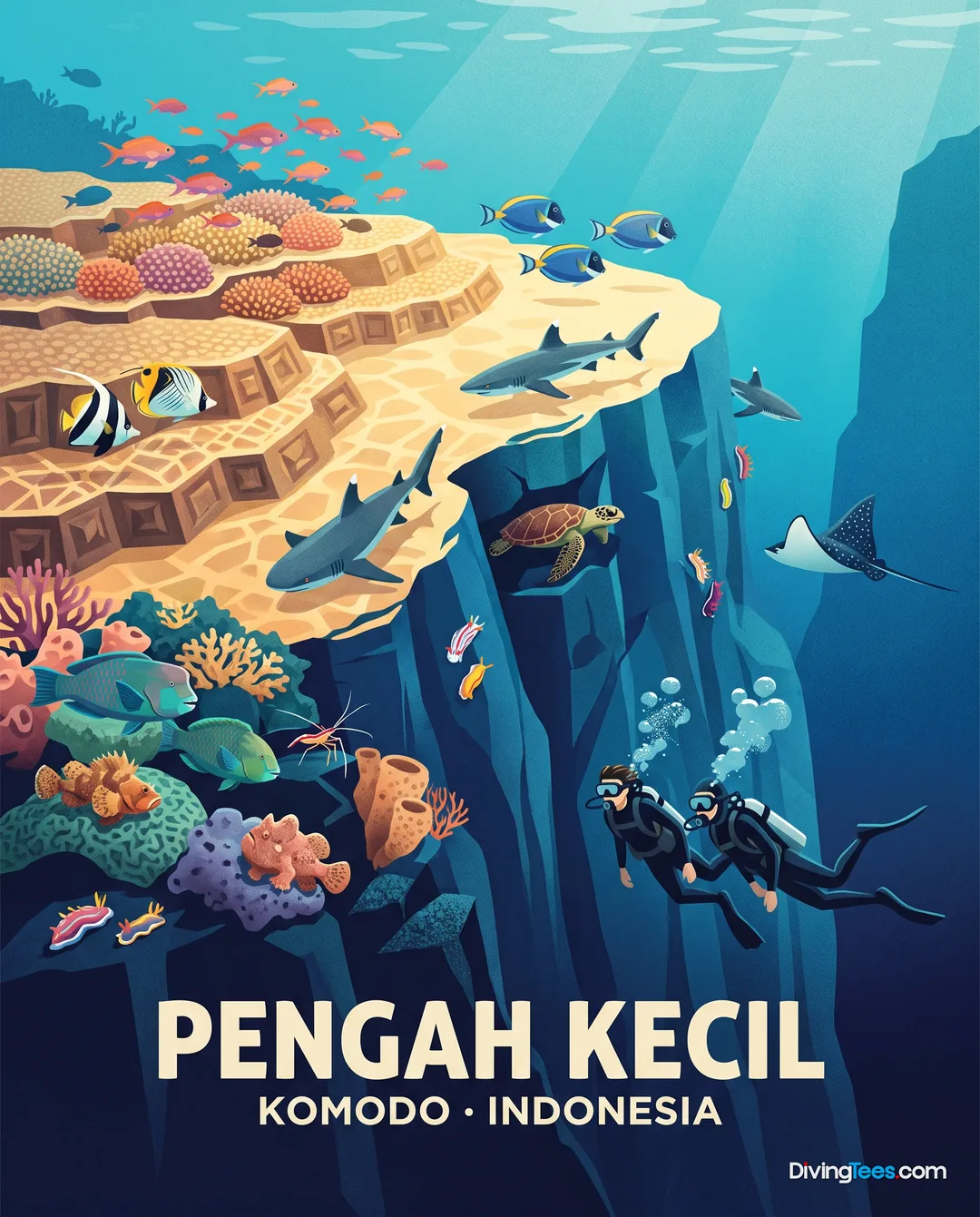
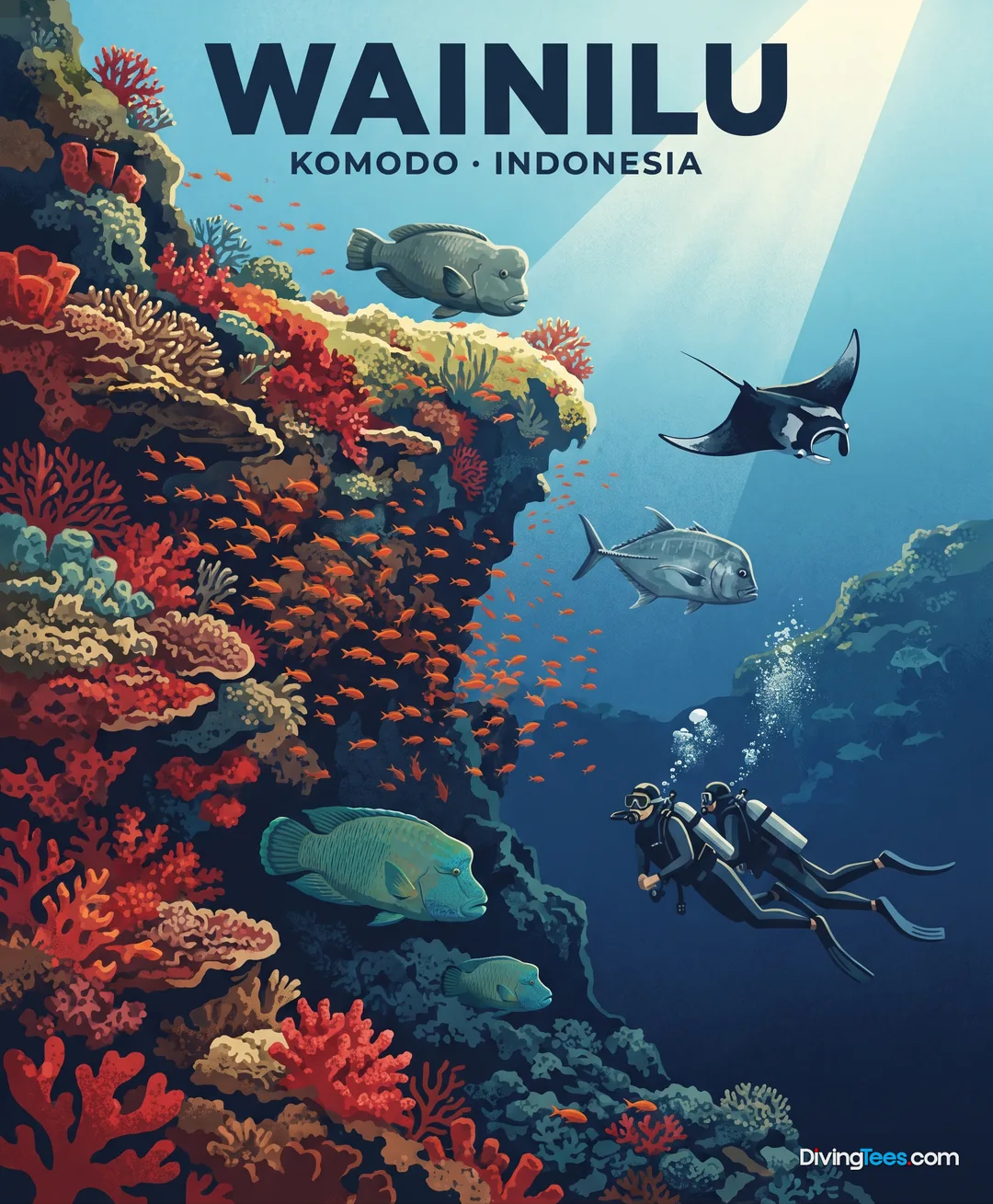
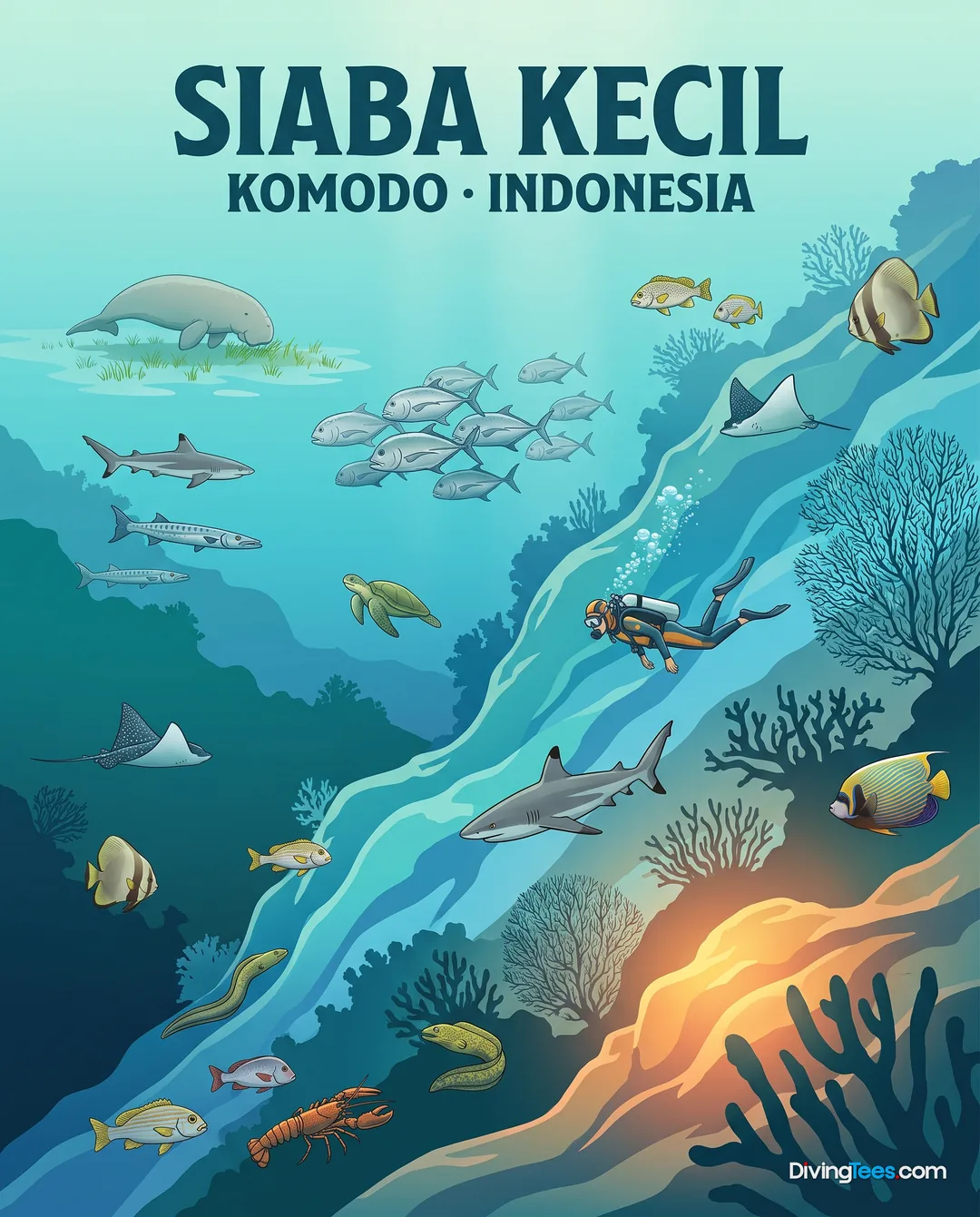
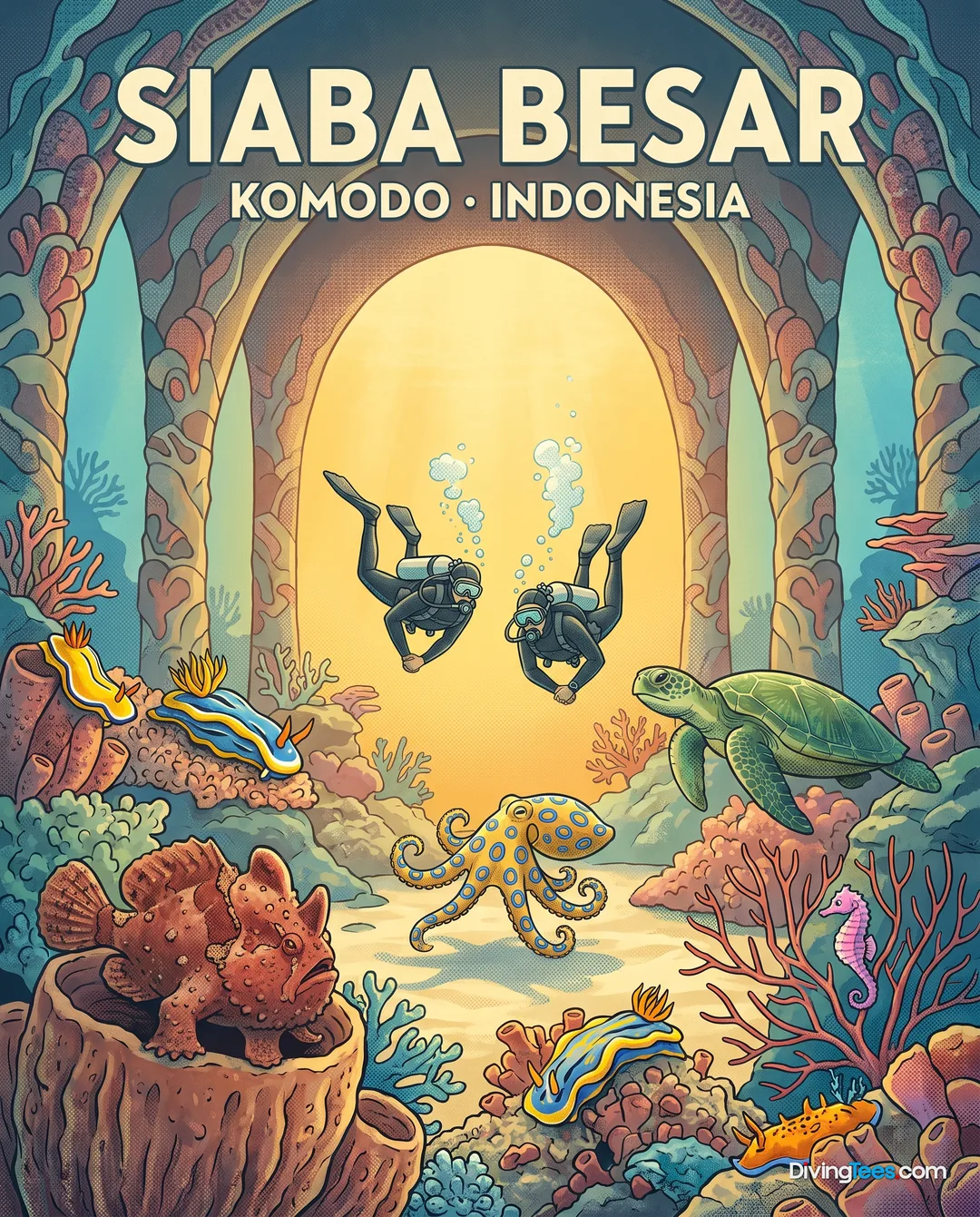
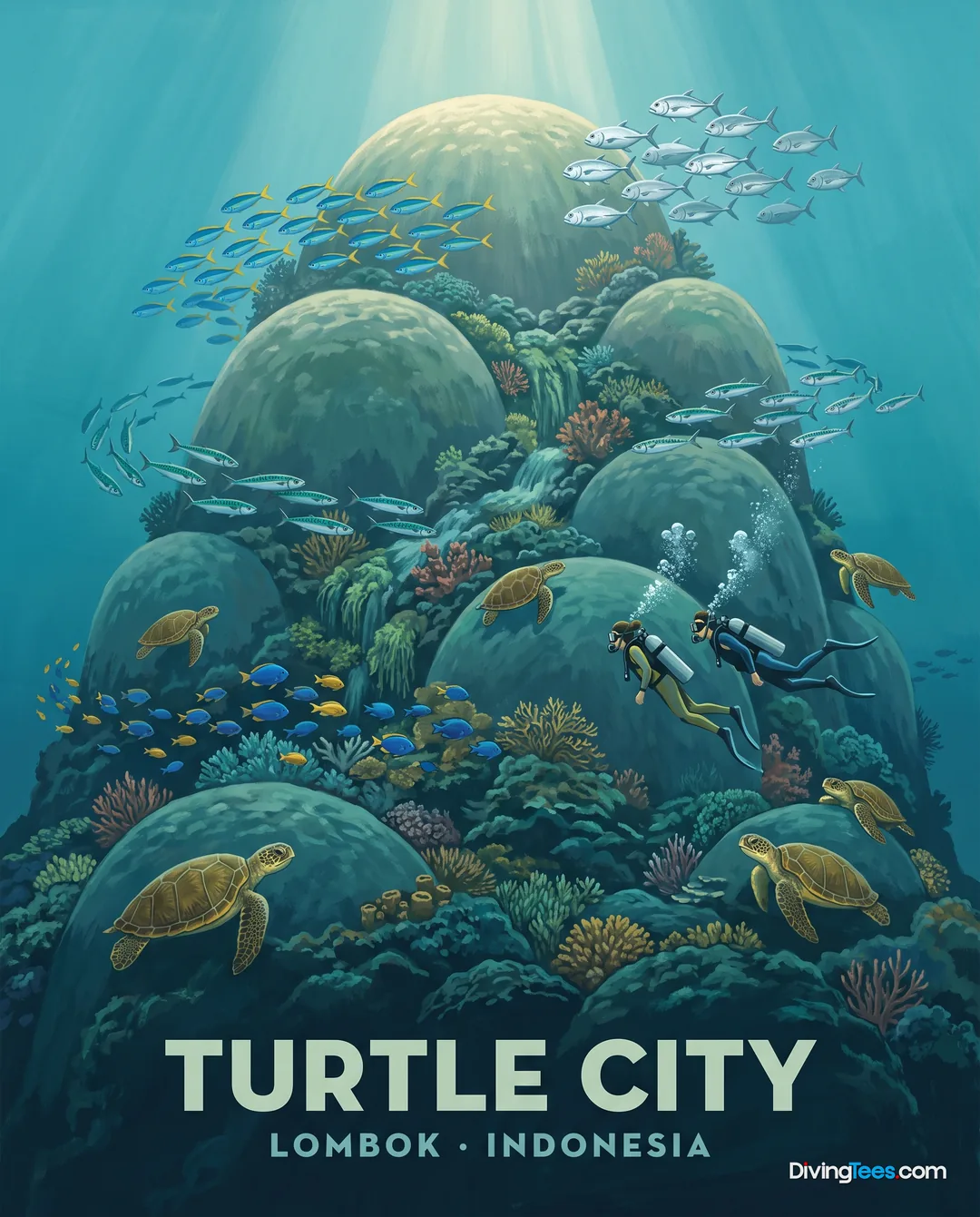
The Komodo trips run round-trip from Labuan Bajo. The 4-day/3-night version includes 12 dives; the 5-day/4-night version includes 15, with a night dive in the programme and island activities between dives. The first day begins with a check dive on a sloping reef descending from 5-18 metres, sheltered from current in particular conditions. Pengah Kecil then brings walls, slopes and plateaus down to 30 metres, with eagle rays, juvenile white-tip reef sharks, parrotfish and a strong chance of macro subjects such as frogfish, nudibranchs and shrimp. After the sunset at Kalong Island, Wainilu is used for the night dive. On the second day, the boat combines the Rinca Island Komodo dragon trek with Siaba Kecil, a drift dive through overhangs and steep reefs in strong current, and Siaba Besar, known as Turtle City. Siaba Besar averages 14 metres and mixes green turtles over coral reefs and seagrass with the possibility of flamboyant cuttlefish, mimic octopus and Rhinopias. Tides and weather can change the order.
What you’ll meet underwater
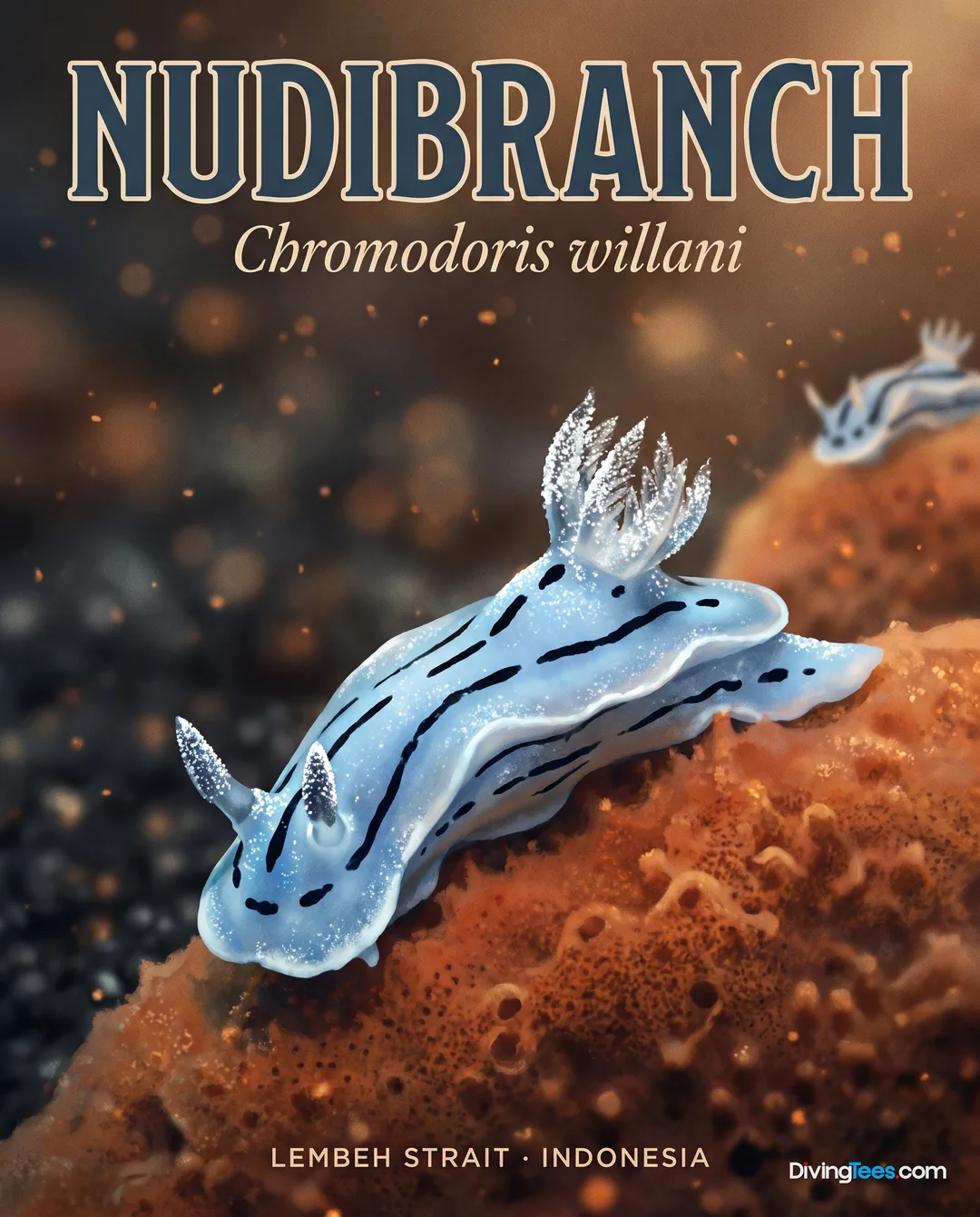
Komodo’s appeal on Sokaraja is the contrast between large encounters and tiny discoveries on the same itinerary. The reefs and channels can bring white-tip reef sharks, eagle rays, turtles, giant trevally, sweetlips and snapper, while the sheltered slopes and seagrass invite a slower search for frogfish, nudibranchs and shrimp. Siaba Besar is the clearest example of that range. Its sheltered bay and seagrass bed are used by green turtles, while the macro search can turn up flamboyant cuttlefish, mimic octopus or Rhinopias when conditions and luck align. At Pengah Kecil, the terrain brings eagle rays and juvenile white-tip sharks into the wider view, then rewards a diver who checks the reef closely. The route also reaches beyond daylight reef scenes: Wainilu’s night dive changes the behaviour and appearance of the reef, and Kalong Island adds flying foxes above the water. Mantas and reef sharks are among the headline possibilities, not promises; the guides choose sites and timing around conditions.
Who puts you in the water
The guides and instructors work in groups of no more than four divers per guide, a useful ratio for Komodo’s changing currents and for divers who want help finding small life without losing contact with the group. The crew combines Indonesian and international staff and speaks English, Spanish, Indonesian and Italian. Briefings are detailed and condition-led. The guide plans around tide, current and weather, and can change the itinerary when those conditions demand it. That is the right approach for Komodo: the most attractive site is not automatically the right site at every stage of the tide. Safety equipment on board includes oxygen, first-aid kits, fire alarms and extinguishers, life rafts, lifejackets, marine radios and satellite communication. Guests need at least Open Water certification, 30 logged dives and Deep Dive certification to join the liveaboard. A Deep Dive Adventure can be completed on board, and an Advanced Open Water course is also available. The cruise director, divemaster or instructor remains responsible for deciding whether a diver is fit to enter the water.
The dive deck and the gear
The dive operation is built for a small group rather than a crowd moving through a narrow queue. Sokaraja has a shaded dive area, diver tenders, DIN adaptors, tank racks and separate rinse tanks for cameras and general equipment. A single tender supports the water operation, carrying divers to and from the sites and collecting them after the dive. There are outdoor showers for rinsing salt and current from the skin. Basic diving items such as masks, belts, weights, booties, torches and cylinders are part of the dive package. Other rental equipment can be arranged as an optional extra, and extra dives or a private guide are also available as options. Camera users get a separate rinse area, a detail that matters when the trip includes both manta encounters and small subjects such as frogfish, nudibranchs and shrimp. DIN adaptors are available. The boat does not present nitrox as part of the standard operation, and the available information does not give tank material or volume, compressor type, fill speed, SMB provision or a camera workbench.
Between dives
Between dives, Sokaraja gives guests a choice of shade, open deck and the water around the boat. The shaded dive area is useful after a current dive, while the observation and relaxation areas provide space to lie down, dry off or watch the islands during a crossing. Outdoor dining keeps meals connected to the weather and the view. The gaps are filled in simple ways: coffee, snacks, conversation, a book, a camera rinse and the quiet work of drying equipment before the next briefing. On the itinerary, the non-diving time can also become a Rinca Island trek or the wait for sunset at Kalong Island, when flying foxes leave the island over the water. This is not a boat built around a long list of distractions. Its strength is that the places guests use most—the shaded deck, the eating area and the open observation space—are close enough to keep the day moving without making the surface interval feel hurried.
A day on board
A diving day starts early, with the first briefing followed by the check dive or morning site. Breakfast comes around the diving, then a second dive explores a different part of the park before lunch and a longer surface interval. The afternoon may bring another dive, a drift through a channel or time on an island, depending on the route and the conditions. On the first day, the sequence can continue from Pengah Kecil to the Kalong Island sunset and then a night dive at Wainilu. Another day may put the Rinca Island Komodo dragon trek between underwater sessions. The point is not a fixed clock but a clear order: briefing, dive, food, recovery, another dive, then either a land excursion or the next entry. The shorter trip carries 12 dives across four days and three nights; the longer carries 15 across five days and four nights. Meals and snacks keep appearing between the dives, while the boat moves when the route requires it. By evening, the deck becomes the place to compare sightings before sleep.
What you eat aboard
Meals are prepared fresh on board and served buffet-style, with Indonesian cooking at the centre of the table. Fish, chicken, meat, vegetables and rice feature in the local-style spread, with vegetarian and vegan choices available. Snacks appear during the day, alongside unlimited drinking water, coffee and tea; beer and other alcoholic drinks are optional. The buffet format works well on a dive boat because nobody has to wait for a plated course while watching the clock for the next briefing. Divers can take what they need after surfacing, then return for more when the appetite catches up. The food is one of Sokaraja’s strongest points: varied, generous and substantial enough for repeated dives and a Komodo trek. It also gives the trip a local centre of gravity. Between the current-heavy dives and the island crossings, the most reliable meeting place is the table.
Nights at sea
The cabins are simple, private and intended for sleep after diving rather than for spending the whole day indoors. Sokaraja has private double cabins on the main and upper decks, plus a shared dormitory, with standard windows and fans rather than air-conditioning. Two bathrooms serve the boat. That gives the nights a distinctly liveaboard character. The boat is compact, the air moves through the cabins, and the sound of life on deck remains part of the setting. Guests who need a large cabin, hotel-style separation or silence from every other person should look elsewhere. Guests who care more about a clean bunk, a shower and getting back on deck before the next dive will find the arrangement easier to accept. The real luxury is the small group. After the evening meal, there is room to sit outside, talk through the day and watch the light leave the islands. Then the boat settles around the next morning’s diving.
Private Double Cabin - Main Deck
Private Double Cabin - Upper Deck
Dorm
What to know before boarding
Sokaraja departs from Dermaga KP3 in Labuan Bajo, with departure scheduled for 08:30. The return is after the last dive, with arrival in Labuan Bajo approximately between 15:00 and 16:00. Airport and hotel transfers can be arranged as optional extras rather than being included in the trip. Guests should plan to reach Labuan Bajo the night before departure so a delayed flight does not put the boat at risk.
What the boat does for the ocean
Sokaraja requires reef-safe sunscreen during onboard and water activities and follows Green Fins guidance for lower-impact diving. The boat also works to minimise single-use plastic and encourages guests to use reusable water bottles and dispose of waste responsibly. Divers are asked to secure loose equipment, maintain buoyancy and avoid touching or chasing marine life, which is especially important in Komodo’s strong currents.
- Year renovated
- 2024
- Length
- 25 m
- Beam
- 5.5 m
- Maximum number of passengers
- 10
- Number of cabins
- 3
- Number of bathrooms
- 2
- Engines
- Mitsubishi 220 hp
- Cruising speed
- 9 knots
- Tenders
- 1
- Website
- sokaraja.com ↗
Hello, I'm Marina, DivingDeal.com's AI assistant. I answer in detail about hotels, dive centres and liveaboards.

Thinking about the whole trip and the flights? Talk it over with Edith →
Marina is an AI. Some links are affiliate links: DivingDeal may earn a commission, at no extra cost to you. Bookings are made with the partner.