Uber Scuba Komodo
Google 5/5 (1,538 reviews)
24 km away as the crow flies
Komodo · Indonesia · Asia
Wainilu is where you descend into a seemingly barren sandy slope near Rinca Island to discover an ecosystem thriving with elusive macro life.
For subtitles in English: start the video firstthen click the gearat the top right of the video, select “Subtitles/CC”, then “Auto-translate” and choose “English”.
Dropping into Wainilu, the initial impression might be one of a sandy, somewhat uninspiring slope, especially when compared to the vibrant coral gardens found elsewhere in Komodo. However, this site thrives on close inspection; it's a dedicated muck dive, meaning the focus shifts from expansive reef vistas to the intricate details of what lives within this seemingly desolate environment. You'll spend your time moving slowly over the sandy bottom, peering into crevices and observing the detritus for movement, actively searching for the masters of camouflage that call this place home. The dive profile is generally shallow, allowing for extended bottom times dedicated to observation and photography.
The topography here is primarily a gentle slope composed of sand, rubble, and scattered bits of dead coral, which paradoxically creates the ideal hunting ground for macro enthusiasts. These substrate types, often overlooked, provide critical shelter and feeding grounds for a diverse range of cryptic creatures. As you progress, your dive guide will often point out the subtle signs that indicate the presence of a hidden animal. This isn't a dive where you drift along and watch the world go by; it requires active participation and a keen eye, training your perception to spot patterns and forms that break the natural camouflage.
Wainilu is renowned for its exceptional population of nudibranchs, with a variety that will surprise even seasoned macro photographers. These vibrant sea slugs, ranging from a few millimetres to several centimetres, are found in myriad colours and forms, often grazing on the sparse algae or hydroids. Beyond nudibranchs, you'll encounter different species of frogfish, masters of disguise that perfectly mimic their surroundings, blending seamlessly with sponges or rubble. Patience is key when seeking them out, as their motionless posture and camouflaged skin make them particularly difficult to spot.
The site also supports populations of pipefishes and various seahorse species, small and delicate inhabitants that cling to hydroids or small pieces of debris. Harlequin shrimp are another highlight, often seen in pairs, identifiable by their striking colouration as they move across the substrate. Seamoths, unique bottom-dwelling fish with distinctive flattened bodies, are also frequently observed, slowly fanning their pectoral fins as they search for food. Every dive here feels like a treasure hunt, knowing that a rare find could be just inches away.
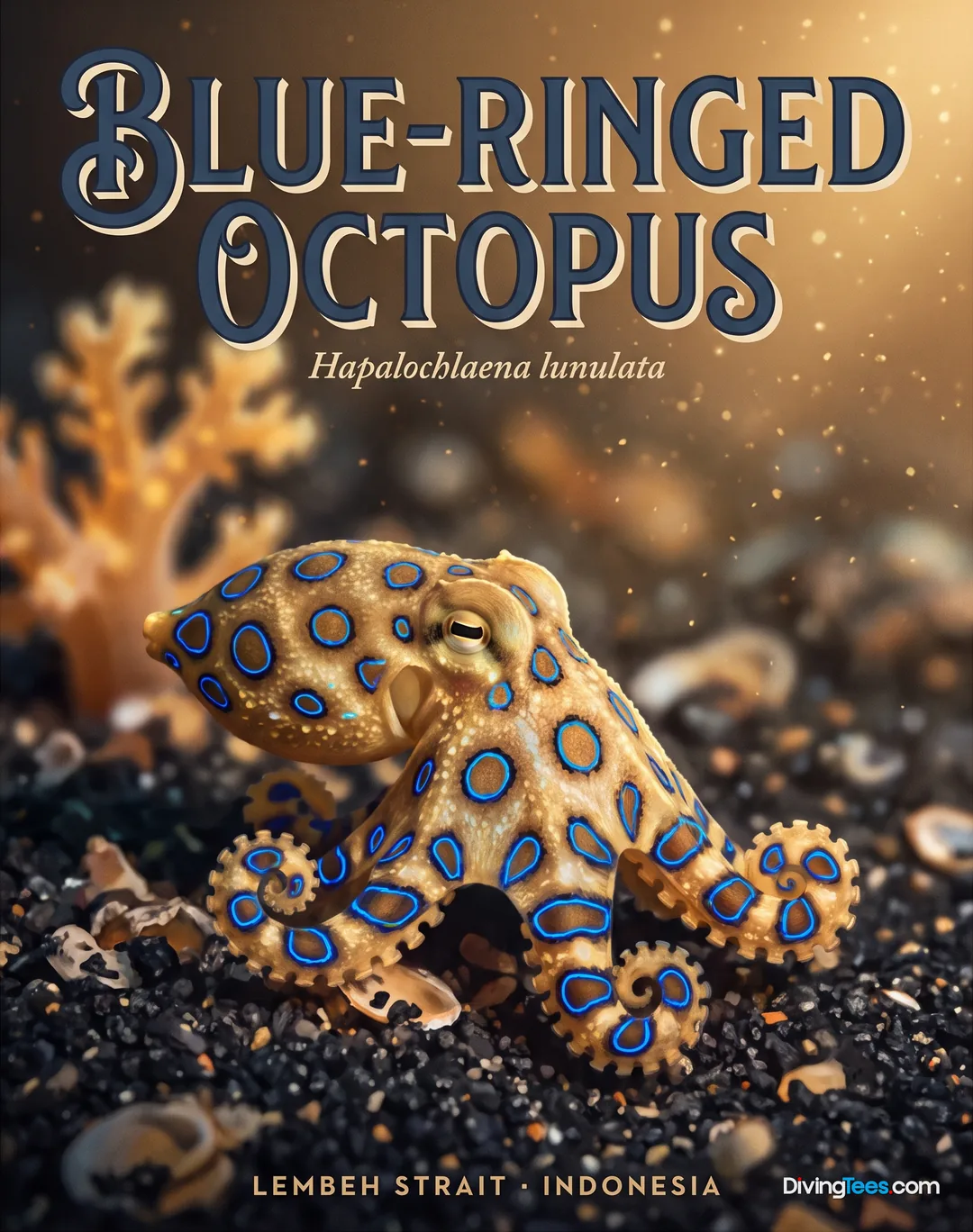
One of the most sought-after residents of Wainilu is the flamboyant cuttlefish, known for its dynamic colour changes and walking behaviour across the seafloor. Observing this cephalopod in its natural habitat is a testament to the rich biodiversity hidden within this muck environment. Other unusual octopuses, such as the mimic octopus with its ability to imitate other marine animals, and the blue-ringed octopus, with its potent venom and distinctive warning colours, have also been encountered here, requiring careful observation and respect for their space.
The site also offers opportunities for night dives, transforming the sandy bottom into a different hunting ground altogether. Many of the diurnal creatures settle down, while nocturnal predators and camouflaged hunters emerge. This change in activity patterns offers a unique perspective on the macro life, often revealing species that remain hidden during daylight hours. Mandarin fish, for example, typically engage in their intricate mating dances at dusk, providing a spectacular, albeit brief, viewing opportunity for those with the patience to wait.
For photographers, Wainilu presents an ideal canvas due to its relatively shallow depth and abundance of diverse subjects. The lack of strong currents often reported for this specific site allows for stable shooting conditions, crucial for capturing detailed macro shots. The challenge lies in isolating the subject against the often-uniform sandy background, but this also forces you to focus on composition and lighting, honing your underwater photography skills in a rewarding environment.
While Wainilu is undeniably a macro paradise, the occasional large reef resident, such as various butterflyfish, might pass through, adding another layer of observation. However, the true draw remains the small, the rare, and the highly camouflaged. It’s a site that teaches you to slow down, to look closer, and to appreciate the intricate web of life that flourishes in areas often dismissed as barren, proving that beauty and wonder aren't always found in grand gestures but in the hidden details.
This site is generally shallow, making it suitable for extended bottom times focusing on macro subjects. It is accessible for divers of all experience levels.
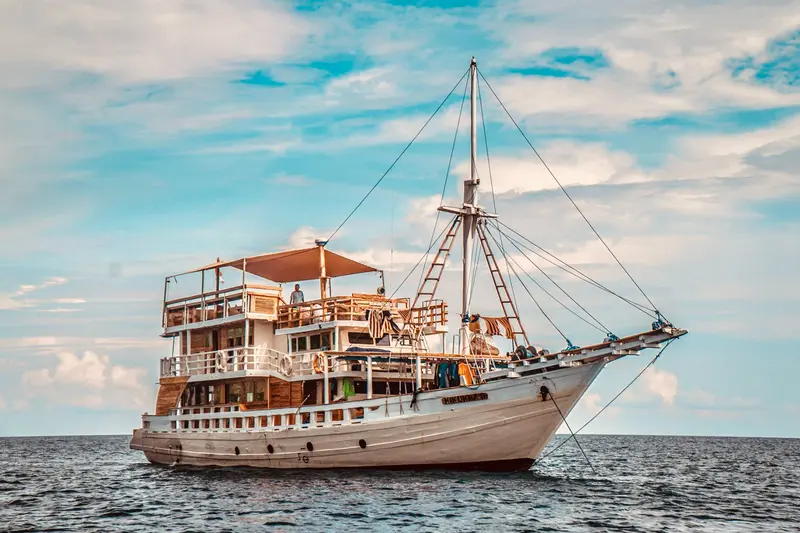
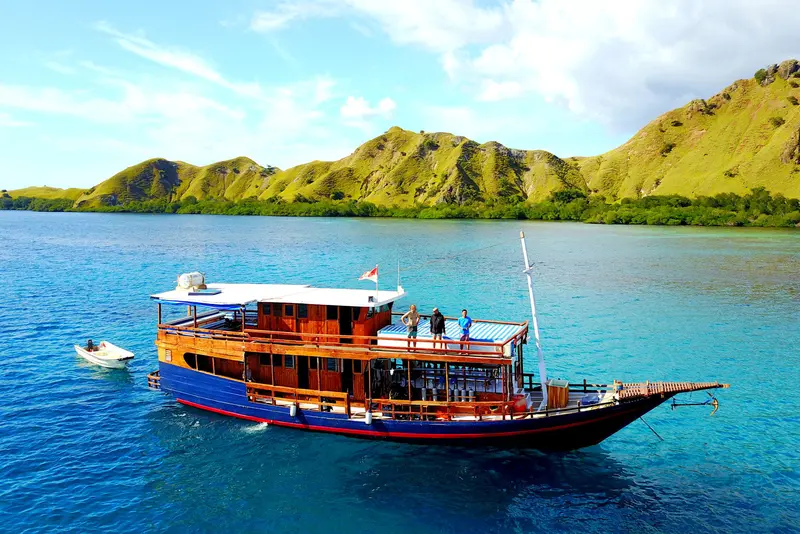
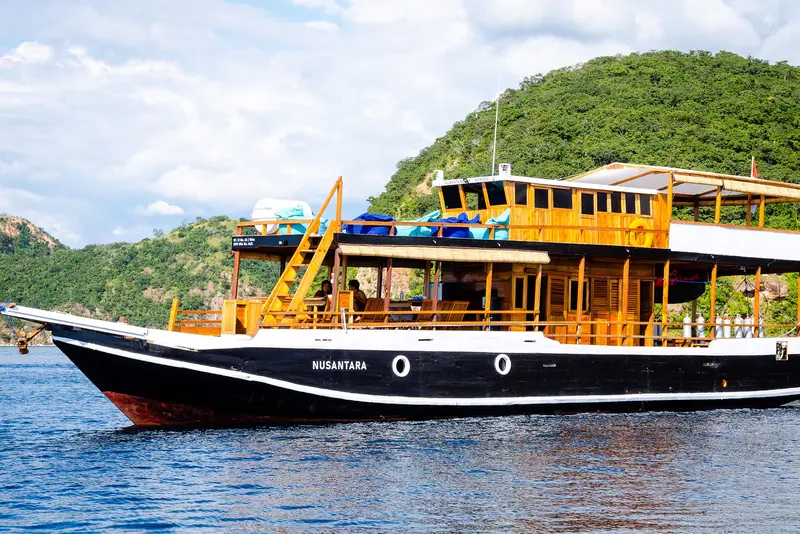
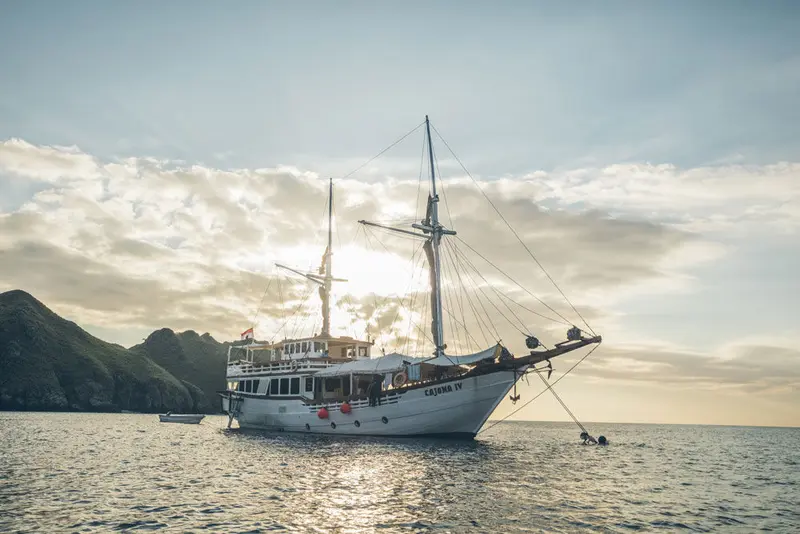
37 liveaboards depart from Komodo another way to explore the region, over several days at sea.
Wainilu can be explored during the day for nudibranchs, frogfish, seahorses, pipefishes, harlequin shrimp, seamoths, and flamboyant cuttlefish. Night diving changes the scene as nocturnal hunters emerge, while dusk may offer a chance to watch mandarin fish during their intricate mating dances. Patience and close observation are important.
Wainilu is accessible to divers of all experience levels. Its generally shallow profile and gentle sandy slope make it suitable for extended bottom times, while the main challenge is actively searching for well-camouflaged animals among sand, rubble, and dead coral. Move slowly, observe carefully, and respect unusual creatures such as octopuses.
Wainilu has a generally shallow dive profile rather than a stated maximum depth. This allows you to spend extended bottom times examining the sandy slope, rubble, scattered dead coral, and small habitats where macro life hides. The shallow setting also supports detailed underwater photography and patient searches for cryptic subjects.
Wainilu is reported to lack strong currents, providing stable conditions for macro photography. Expect a gentle sandy, rubble-covered slope rather than broad coral scenery. Look closely for dense nudibranch life, frogfish, flamboyant cuttlefish, harlequin shrimp, pipefishes, seahorses, seamoths, mimic octopuses, blue-ringed octopuses, and occasional butterflyfish.