

Dive In Alor
★ 4.9/5 (101 reviews)
3.8 km away as the crow flies
Alor · Indonesia · Asia
Descend the vibrant wall of Biatabang, where traditional Alorese 'bubu' fish traps integrate into the reef, offering shelter for marine life and a unique cultural connection.
Dropping into Biatabang, you immediately encounter a wall that lives up to its nickname, 'The Hanging Gardens of Babylon'. This site, off Ternate Island in West Alor, presents a stepped, sloping topography that begins shallow and descends, creating a series of ledges and overhangs. These formations are densely covered in a tapestry of colourful soft corals and sponges, thriving in the nutrient-rich waters. The way the reef unfolds makes it an ideal spot to ease into Alor's unique underwater environment, allowing you to take your time and observe the intricate details of the wall.
What sets Biatabang apart is the integration of traditional Alorese fishing culture directly into the reefscape. As you explore, you'll notice 'bubu' fish traps, crafted from bamboo by local fishermen, strategically placed among the corals. These traps are not just fishing gear; they become an integral part of the micro-habitat, offering refuge and structure for smaller reef dwellers. This interplay between natural growth and human tradition provides endless opportunities for observation, encouraging a slower, more deliberate pace to your dive, connecting you to the Alorese way of life.
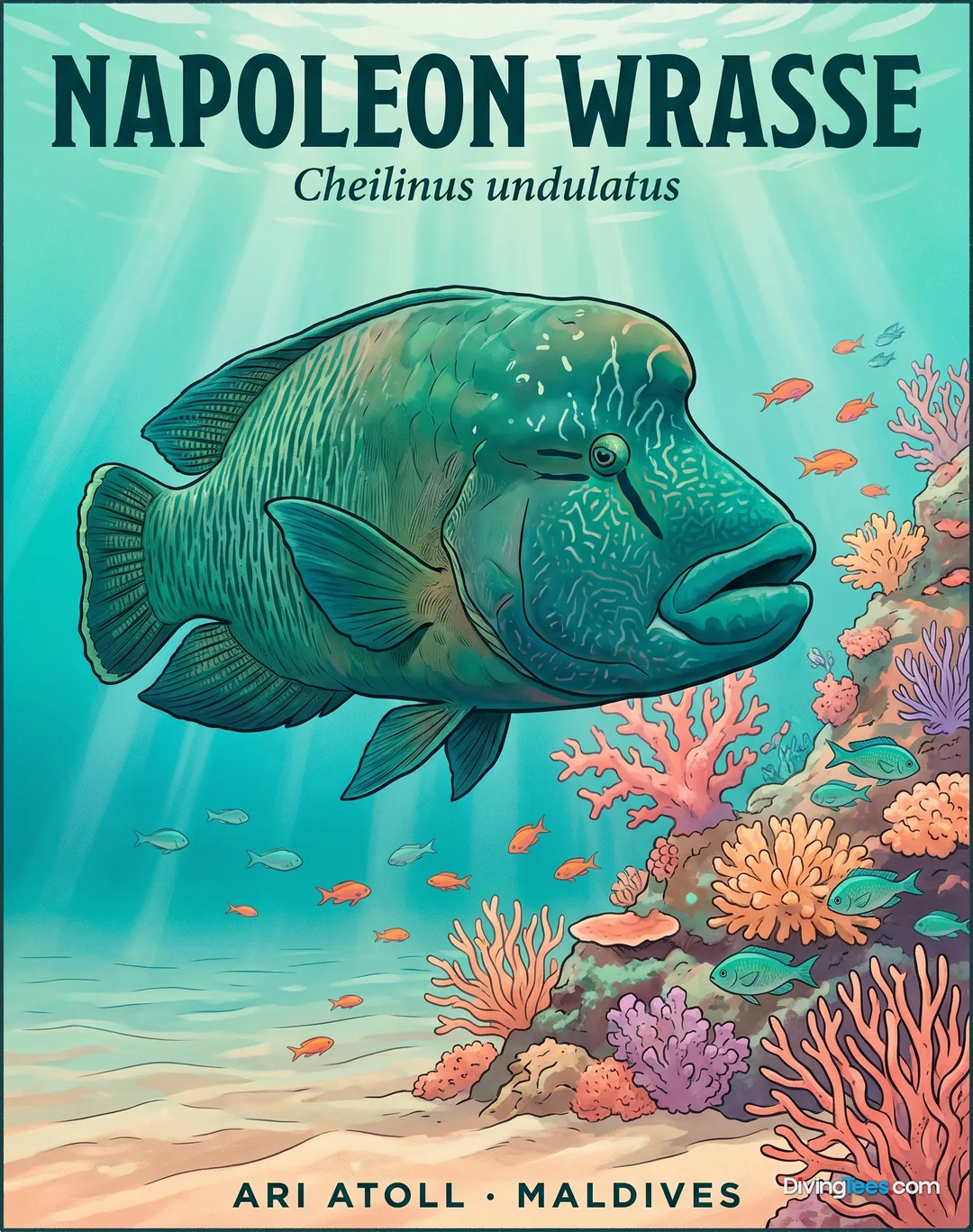
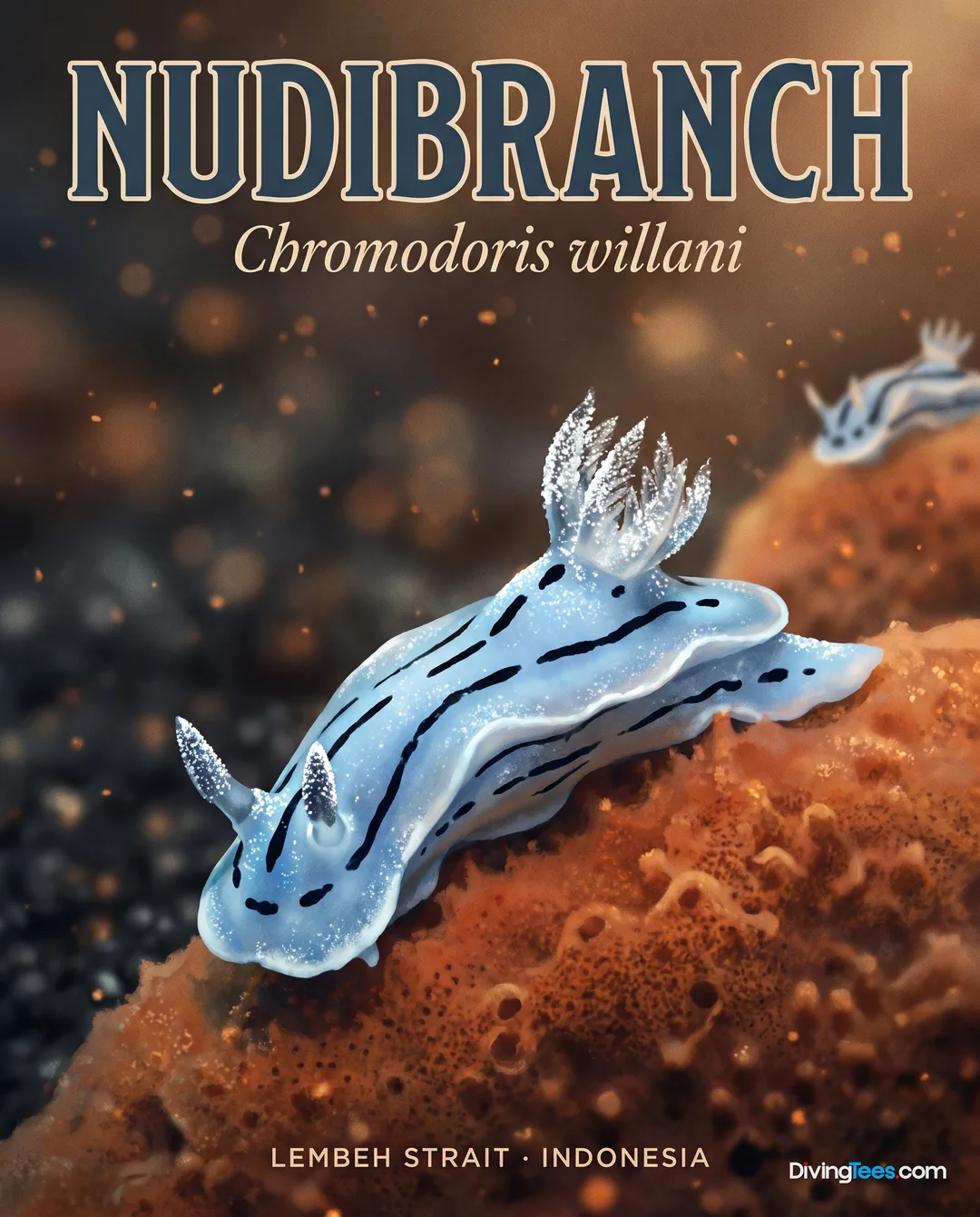
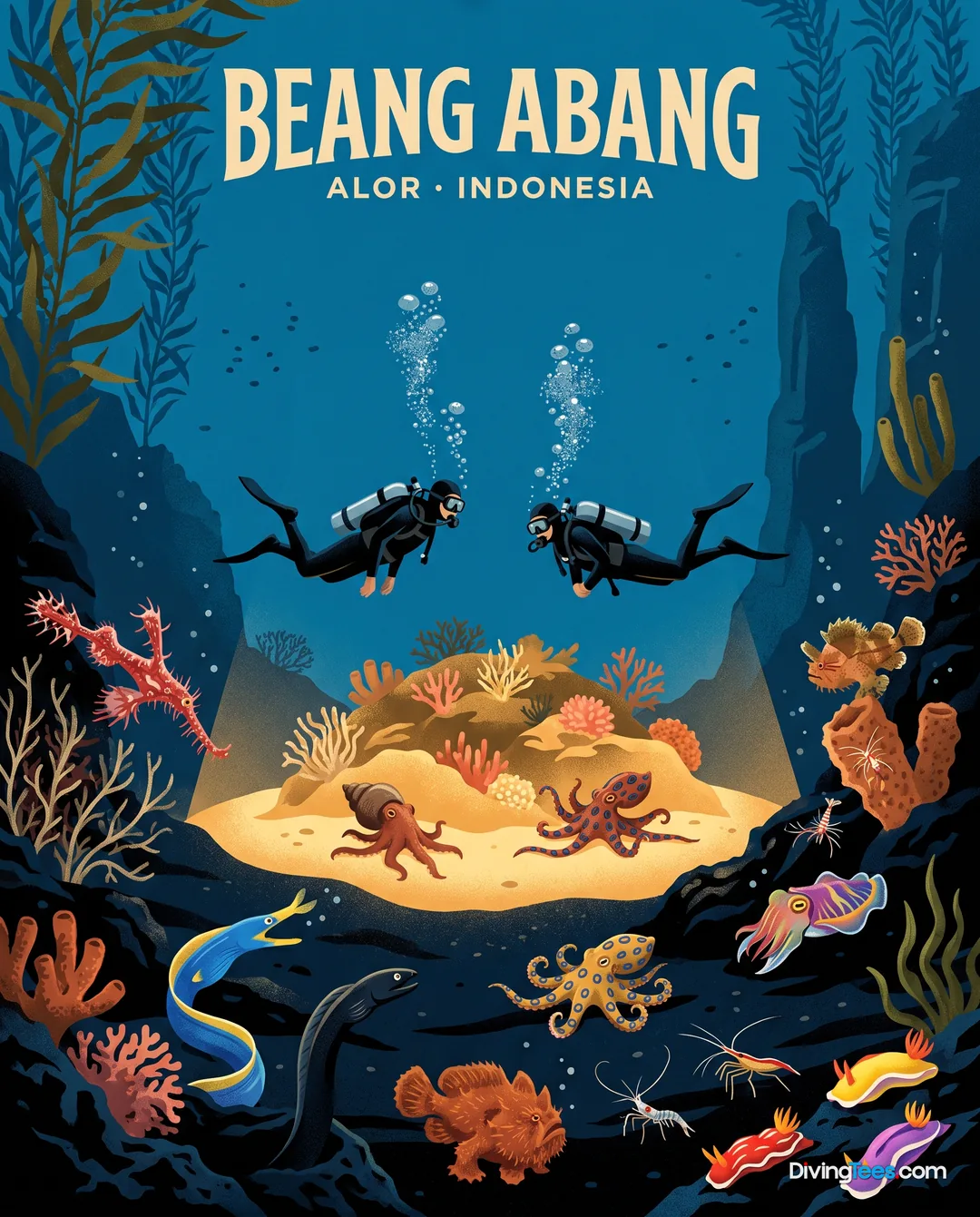
The reef here is a vibrant ecosystem, supporting a variety of resident species. Keep an eye out for Napoleon wrasse (Cheilinus undulatus) and bumphead parrotfish (Bolbometopon muricatum cruising the deeper sections of the wall. Closer inspection of the corals and the bubu traps often reveals leaf scorpionfish (Taenianotus triacanthus), various nudibranchs, and ghost pipefish (Solenostomus spp.), all masters of camouflage. The abundance of reef fish and sea stars further adds to the rich tapestry of life that thrives on this wall.
While the currents in the Pantar Strait can be a defining characteristic of Alor diving, Biatabang generally offers manageable conditions. However, it's important to be aware that the area is known for occasional cold upwellings and multiple thermoclines as you descend, which can create noticeable temperature shifts. These conditions are influenced by tidal exchanges and lunar phases, with stronger flows possible around new and full moons. Planning your dive during the half-moon phase can often provide milder currents, allowing for a more relaxed exploration of the wall.
Beyond the reef itself, Biatabang offers a unique cultural immersion. Above the surface, you might observe local Alorese fishermen preparing and placing their traditional bamboo bubu traps. Underwater, there's a chance to witness local free-divers engaging in ancient fishing practices without modern equipment. This firsthand observation of their connection to the sea adds a profound layer to your dive, bridging the gap between the underwater world and the human communities that depend on it, making your experience here more than just a dive.
The site's topography, with its shallow sections and generally manageable currents, makes it an excellent choice for a check dive or for re-acclimatizing to your gear and the environment. It allows you to get comfortable without being overwhelmed by the intensity of some of Alor's more current-swept sites. This allows for a relaxed and observant dive experience where the details of the reef, the marine life, and the cultural elements truly come to the fore, providing a comprehensive introduction to Alor's underwater offerings.
Biatabang is accessible from a minimum Open Water Diver certification, provided you are comfortable with moderate current and changing water temperatures. The dive depth ranges from 5 metres, making it suitable for shallower exploration, down the wall. Visibility typically ranges from 15 to 30 metres, with the clearest waters generally found during the dry season from May to October. Water temperatures can vary between 16 and 30°C, and multiple thermoclines are common during descent. While Alor can be dived year-round, the best overall conditions are usually from April to November, with cooler water and potentially stronger currents from September to November.
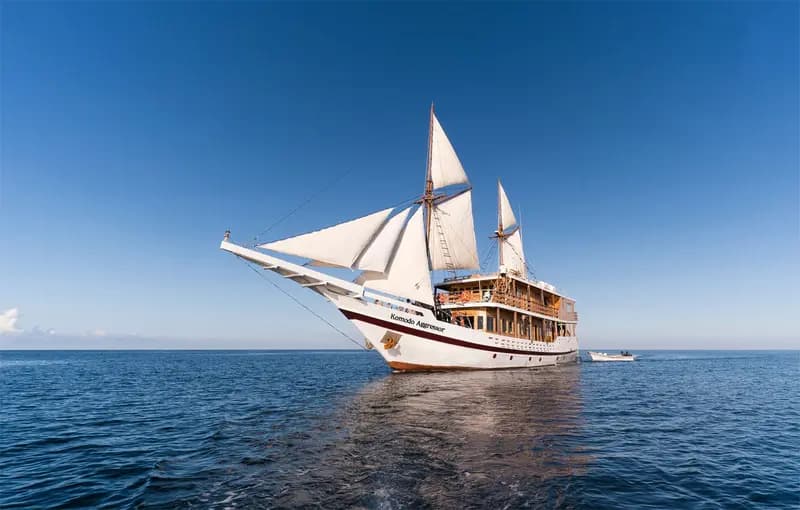
2 liveaboards depart from Alor another way to explore the region, over several days at sea.