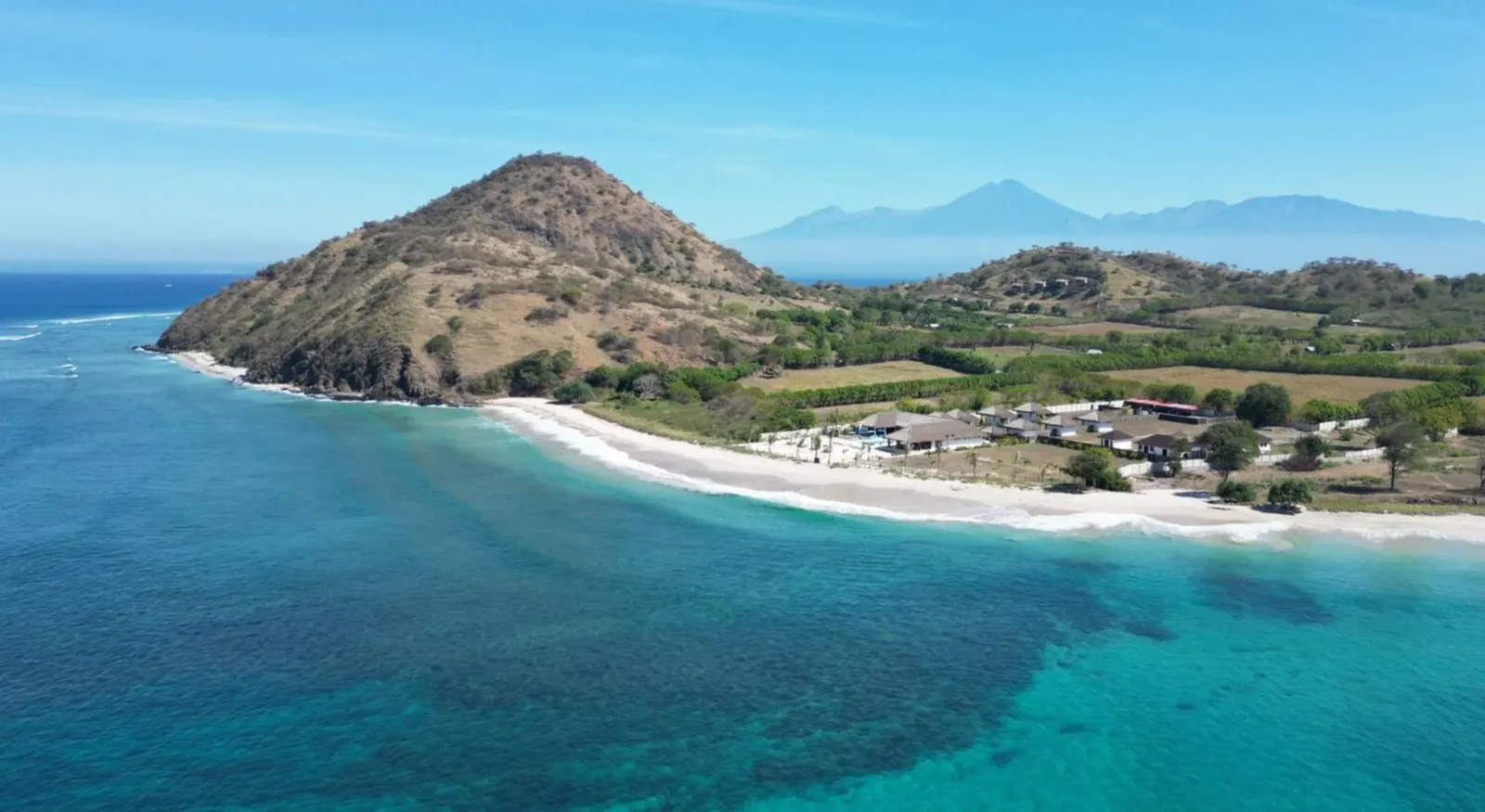

Mocean Beach Resort
Google 4.8/5 (130 reviews)
Indonesia · Asia
Moyo’s coral gardens, Sangeang’s volcanic formations and Saleh Bay’s whale sharks make Sumbawa a route-planning destination rather than a single-base holiday.
For subtitles in English: start the video firstthen click the gearat the top right of the video, select “Subtitles/CC”, then “Auto-translate” and choose “English”.
Sumbawa is for divers who would rather build a route than repeat the same local reef. Moyo brings coral gardens, sloping reefs and walls; Sangeang adds volcanic reliefs and underwater hot springs; Satonda offers sheltered night diving and macro life. Further east, Gili Banta brings current and open-water action, while Saleh Bay trades clear water for plankton and the chance of whale sharks. It is a nature-led trip, with boats and changing landscapes as important as the diving.
The diving changes noticeably from one sector to the next. Around Moyo, expect coral gardens and accessible slopes, with walls and outer reefs offering clearer water when conditions cooperate. Sangeang is about volcanic scenery, including underwater hot springs and rugged relief. Satonda suits sheltered dives, night entries and macro observation. Gili Banta is more exposed, with drift dives, current and pelagic possibilities around walls. Visibility commonly falls between 15 and 30 metres, but Saleh Bay is naturally more plankton-rich and often less clear. Most outings are boat-based, either from a liveaboard or a local vessel, and an afternoon wind can make exposed sites less attractive. Current is variable rather than constant, but downcurrent conditions and a fast-moving drift dive are part of the itinerary on exposed sites.
Saleh Bay is the main reason to accept less-than-perfect visibility. From May to October, plankton-rich water attracts whale sharks, often around the fishing platforms known locally as bagans. Encounters are seasonal and regular enough to shape an itinerary, but no wild animal is guaranteed. Manta rays are an occasional dry-season possibility, particularly from May to September depending on the site. Dry-season dives on exposed reefs can also bring trevally and reef sharks into the open water. Away from these larger animals, macro life and nocturnal species are available throughout the year, with Satonda and sheltered bays particularly useful when sea conditions restrict longer crossings. The result is a useful contrast between clear outer reefs and productive, more turbid water.
The most dependable period is the dry season, from April to October, with the steadiest general conditions usually from June to September. Calmer surfaces make the long crossings between islands easier and give outer reefs a better chance of clear visibility. The rainy season and north-west monsoon, from December to March, can make boat travel rougher and reduce visibility, although sheltered sites may still be diveable. April to October also overlaps with the regular whale-shark season in Saleh Bay and the period when manta rays and other pelagics are most likely. May to September is therefore the practical compromise for combining marine life with a workable boat itinerary.
Beginners can enjoy sheltered, shallow sites around Moyo, Satonda and protected bays, provided the daily plan stays within their experience. Advanced Open Water is useful for deeper dives, walls and exposed sites. A drift-diving qualification and genuine current experience become relevant around Gili Banta and other exposed passages, where a calm-looking entry can become a demanding drift dive. Comfortable boat diving, surface discipline and the ability to follow a guide in changing current matter more here than collecting another speciality card.
From London Heathrow, Gatwick or Manchester, allow for an international connection before the domestic leg to Sumbawa. The structural access is by domestic flight to Sumbawa Besar or Bima, followed by road and boat transfers, or by liveaboard from Bali, Lombok, Bima or a port on Sumbawa. Moyo is reached by boat from Sumbawa Besar or Ai Bari, with the crossing taking about two hours depending on departure point and conditions. Gili Banta, Satonda and parts of Saleh Bay are normally reached as stages of a boat itinerary rather than from one land base. Keep connections flexible: road transfers, boat departures and weather can alter the order of the journey.
Do not book Sumbawa as though it were one shore-based base. Decide first whether the trip centres on Moyo, or whether a liveaboard is needed to link Moyo, Sangeang, Satonda, Gili Banta and Saleh Bay. Ask for neighbouring sectors to be grouped together, rather than spending the best part of a day crossing between unrelated sites. Keep a proper margin before any flight, especially after diving from a remote island. On outer reefs, aim for the first dives of the day, before afternoon thermal winds commonly make conditions less settled. In Saleh Bay, do not judge the trip by visibility alone: the plankton that clouds the water is what brings the whale sharks. If currents are unfamiliar, treat Gili Banta and exposed walls as drift-dive territory, not as ordinary reef dives. Bring the macro and night-diving accessories you actually use, since replacement or rental options are less predictable in isolated areas. Satonda’s night diving is a worthwhile fallback when weather delays a crossing.
A coherent stay usually takes seven to ten days, because the useful combinations involve long maritime transfers. A liveaboard makes the most sense when the aim is to connect volcanic Sangeang, Moyo’s reefs, Satonda, Gili Banta and Saleh Bay. A land-based stay can work around Moyo or Sumbawa Besar, but it will cover a narrower area. Non-divers have beaches, forest, villages, volcanic landscapes, the Tambora region and Satonda’s crater lake to explore, although the emphasis remains firmly on nature rather than resort entertainment.
Hello, I'm Marina, DivingDeal.com's AI assistant. I guide you through destinations, areas and countries.
Thinking about the whole trip and the flights? Talk it over with Edith →
Marina is an AI. Some links are affiliate links: DivingDeal may earn a commission, at no extra cost to you. Bookings are made with the partner.
Visit Sumbawa during the dry season, from April to October, when calmer surfaces support crossings and outer reefs have a better chance of clear visibility. June to September generally brings steadier conditions. May to September is useful for combining workable boat travel with seasonal whale sharks and possible manta rays.
Beginners can enjoy sheltered, shallow sites around Moyo, Satonda and protected bays when the daily plan matches their experience. Advanced Open Water helps with deeper dives, walls and exposed reefs. Around Gili Banta, current experience, drift-diving ability, comfortable boat diving and strong surface discipline are important.
Sumbawa offers Moyo’s coral gardens, slopes, walls and clearer outer reefs, plus Sangeang’s volcanic reliefs and underwater hot springs. Satonda provides sheltered night dives and macro life, while Gili Banta brings drifts and pelagic possibilities. Saleh Bay has plankton-rich water, seasonal whale sharks, trevally and reef sharks.
Plan Sumbawa as a route rather than a single-base holiday. Choose between a Moyo-focused stay and a liveaboard linking Moyo, Sangeang, Satonda, Gili Banta and Saleh Bay. Group nearby sectors, keep travel connections flexible, allow a margin before flights, and expect road and boat transfers to shape the itinerary.