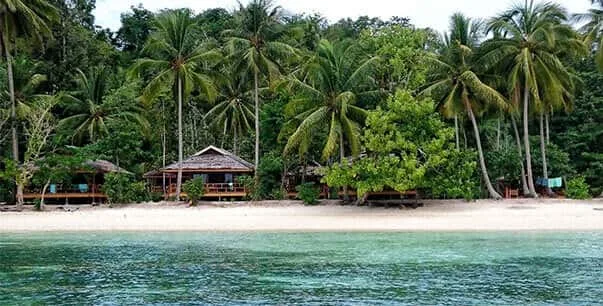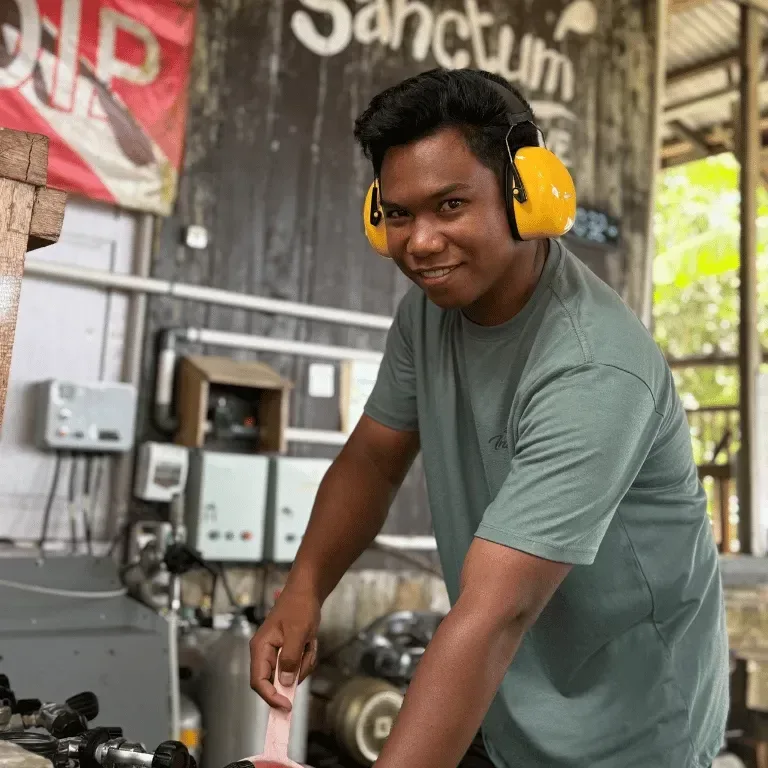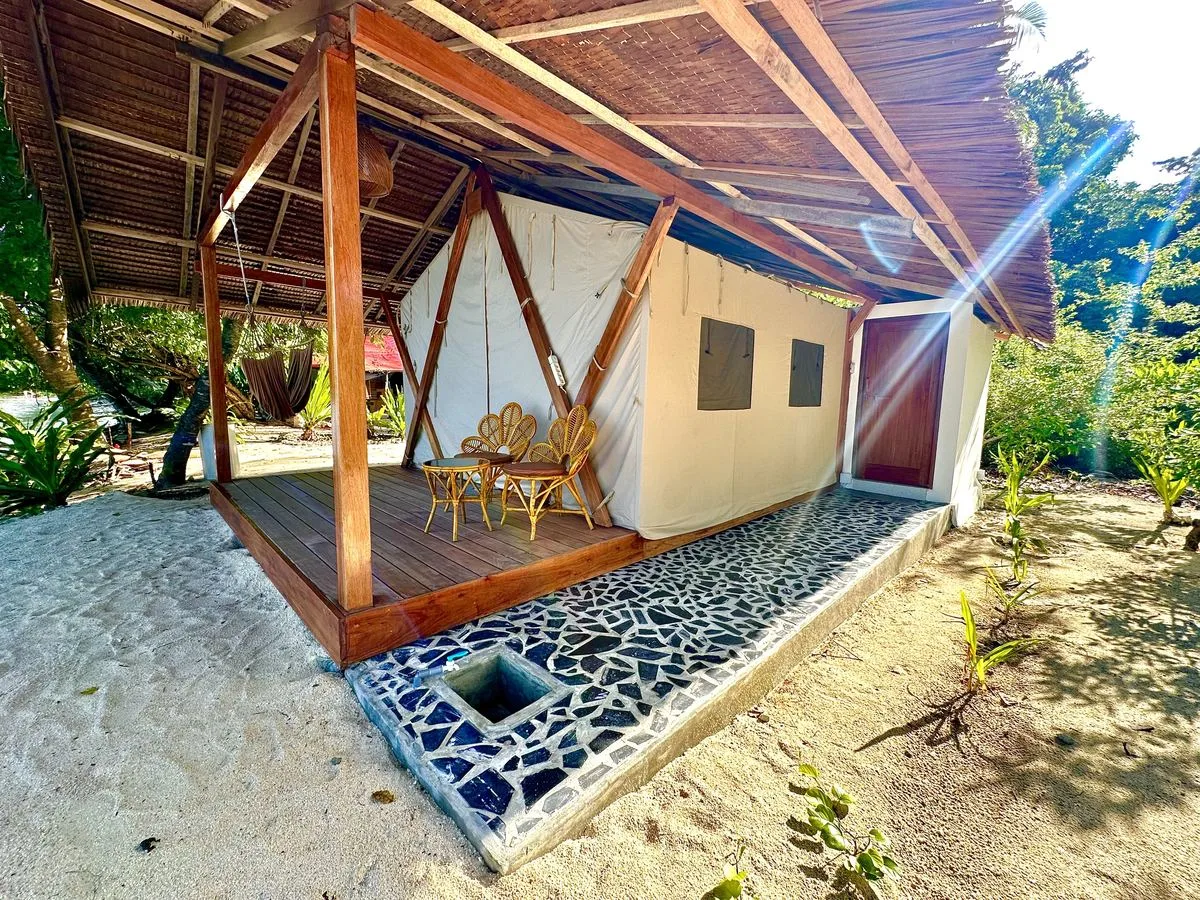

Reconnect -Private Island- resort & Dive Centre
Google 4.8/5 (808 reviews)
Indonesia · Asia
Coral gardens, mangroves, drop-offs and barracuda schools spread between the Togian Islands, with Una Una bringing a stronger pelagic character.
For subtitles in English: start the video firstthen click the gearat the top right of the video, select “Subtitles/CC”, then “Auto-translate” and choose “English”.
Coral reefs, steep drop-offs, mangroves and seagrass beds are the substance of diving in Tojo Una-Una, spread across the Togian Islands rather than gathered around one compact harbour. Una Una adds a more pelagic flavour, while the wider archipelago brings reef gardens, walls, wrecks and island crossings. This is a place for divers who enjoy days shaped by boats, weather and local geography, with fewer crowds than Indonesia's better-known dive centres and enough life above water to make a longer stay worthwhile.
Most diving is from a boat, travelling between island bases and sites where coral gardens, drop-offs, mangroves, seagrass beds and wrecks create a changing underwater landscape. Currents are variable, so one dive may be a relaxed look across a shallow reef while another calls for a controlled drift dive and attention to the guide's line. Visibility is generally more favourable from March to November, although conditions remain site- and weather-dependent. Una Una is the island to discuss when pelagic life is the priority, rather than assuming every part of the archipelago offers the same experience. The practical rhythm is a series of day outings, with surface intervals governed by the boat and the distance between islands. It is not a shore-diving destination, and a safety stop can finish with open water and a boat rather than a beach immediately below.
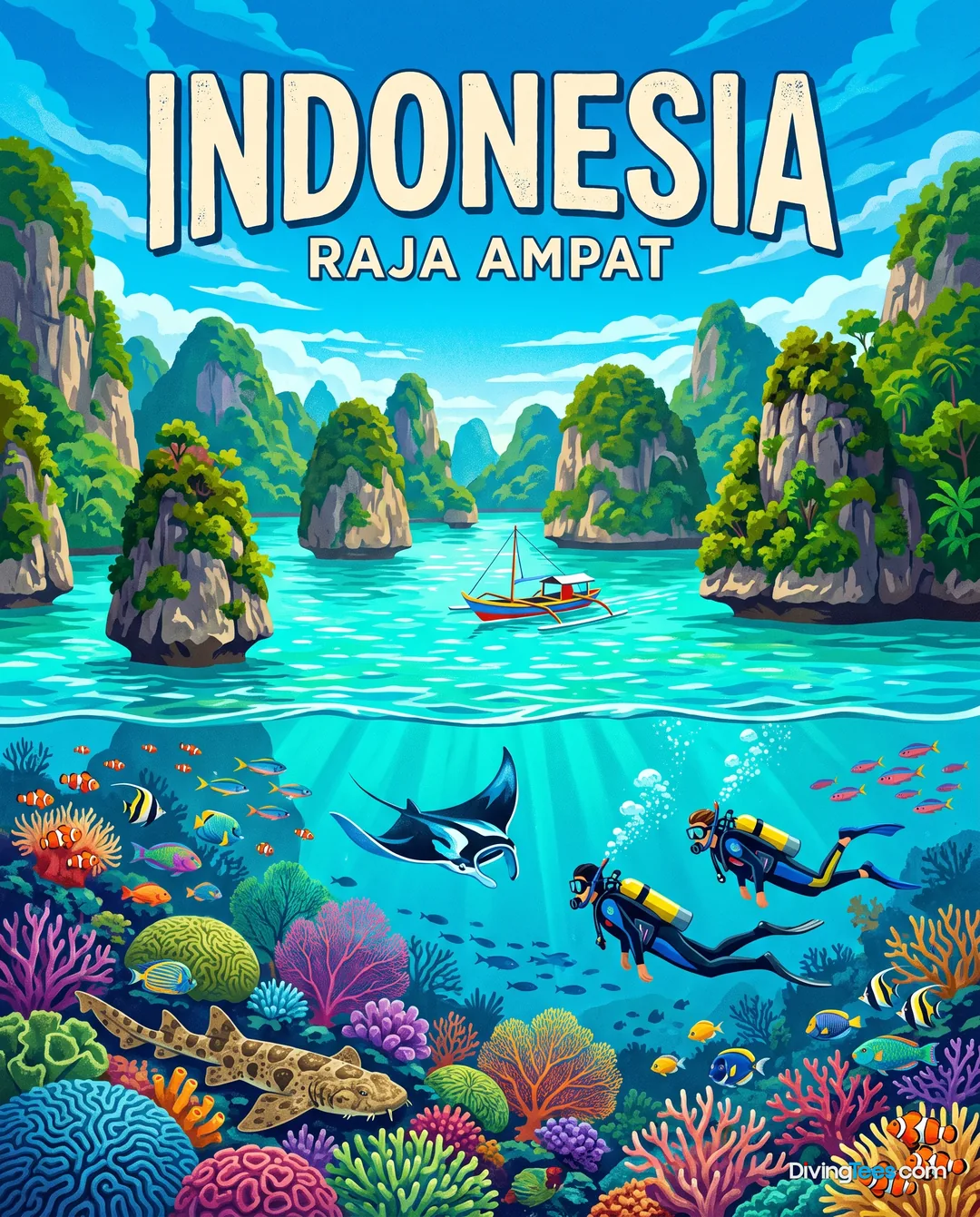
The visual appeal lies in the change of setting as much as in any single animal. Barracuda and trevally schools are part of the archipelago's more open-water character, particularly around Una Una, while Napoleon wrasse are also associated with the islands. Coral gardens provide the close reef work, and the combination of mangroves and seagrass beds adds habitats beyond the usual wall and slope. The marine park protects reefs, mangroves and seagrass, although fishing pressure, rubbish and anchoring have affected parts of the wider environment. March to November usually offers the clearest conditions for seeing this mixture of reef and pelagic life; there is no dependable seasonal wildlife calendar to build the trip around.
March to November is generally the sensible window, because the sea is calmer and visibility is usually better for the boat journeys linking the islands. From December to February, the rainy season and monsoon can bring more rain, wind and an irregular sea. Diving does not necessarily stop, but weather becomes a bigger factor in deciding which sites are reachable and how comfortable the crossings will be. June to September is the busier part of the season, especially for boats and accommodation, so the quietest experience is more likely towards the shoulders of the March to November period.
Tojo Una-Una can suit beginners when the chosen site is sheltered and conditions are favourable, but the variable current, boat access and remote setting demand sensible supervision. It is equally rewarding for an experienced diver who is comfortable adapting a plan to weather and local conditions. No specialist certification is essential for the destination itself, whether your qualification is through BSAC, PADI or SSI. Previous boat-diving experience is useful, and confident buoyancy matters particularly on shallow coral gardens where an awkward fin kick or anchor can cause lasting damage.
From London Heathrow, London Gatwick or Manchester, the journey continues to Sulawesi by air, usually via a regional airport such as Luwuk, Palu, Gorontalo or Manado. From there, travel by road to Ampana or Gorontalo, then take a public ferry, fast boat or chartered boat into the Togian Islands. Ampana to Wakai takes roughly two to four hours by fast boat or four to ten hours by ferry, depending on the service and destination. The overnight boat from Gorontalo takes around twelve to fourteen hours to Wakai. Allow roughly thirty to forty-five hours from Europe overall, and keep connections flexible. Once in the archipelago, movement between islands is by organised boat, not by road or taxi.
Treat the ferry timetable as part of the adventure's logistics, not as a guaranteed connection. Weather, breakdowns and local timetable changes can alter departures, so keep a buffer day and never put an onward flight on the same day as the return boat. Compare Ampana and Gorontalo before booking: Ampana generally shortens the sea crossing, while Gorontalo may mean the longer overnight boat. Fast boats have limited capacity, particularly from June to September, so confirm your place early. Pick the island base for the sites you actually want to dive, not simply for its beach, because inter-island distances and weather can reduce the day's diving. Bring the personal equipment that would be awkward to replace, especially a well-fitting mask, dive computer and essential spares. On Una Una, ask specifically for sites with pelagic activity. Keep anchors off coral, and leave a full day between the final crossing and any flight connection.
A seven- to ten-day stay makes sense because the sea journey takes time and inter-island transfers need flexibility. The usual arrangement is accommodation attached to, or immediately beside, a dive centre on an inhabited island, with daily boat trips to reefs, walls, wrecks and other islands. Non-divers can snorkel, visit villages, explore mangroves, relax on beaches or try the lake with non-stinging jellyfish when conditions and the itinerary allow. Life on land is peaceful but deliberately limited.
Hello, I'm Marina, DivingDeal.com's AI assistant. I guide you through destinations, areas and countries.
Thinking about the whole trip and the flights? Talk it over with Edith →
Marina is an AI. Some links are affiliate links: DivingDeal may earn a commission, at no extra cost to you. Bookings are made with the partner.
March to November is generally the sensible season for diving in Tojo Una-Una, with calmer seas and usually better visibility for boat journeys between islands. June to September is busier for boats and accommodation, while the shoulder periods may feel quieter. From December to February, rain, wind and irregular seas can affect access.
Tojo Una-Una can suit beginners when sites are sheltered and conditions are favourable, provided you have sensible supervision. Variable currents, boat access and the remote setting require adaptability. Boat-diving experience and confident buoyancy are useful, especially around shallow coral gardens. No specialist certification is required for the destination itself.
Diving in Tojo Una-Una ranges from coral gardens beside mangroves and seagrass beds to steep drop-offs, wrecks and more open-water reefs. Around Una Una, you may encounter barracuda and trevally schools, with Napoleon wrasse also associated with the islands. Non-diving excursions can include a lake with non-stinging jellyfish.
Plan Tojo Una-Una around an island base beside a dive centre and daily boat outings, choosing the base for your intended sites rather than only its beach. Keep connections flexible, allow a buffer day for ferry changes, and leave a full day between your final crossing and any flight. Bring essential personal equipment.