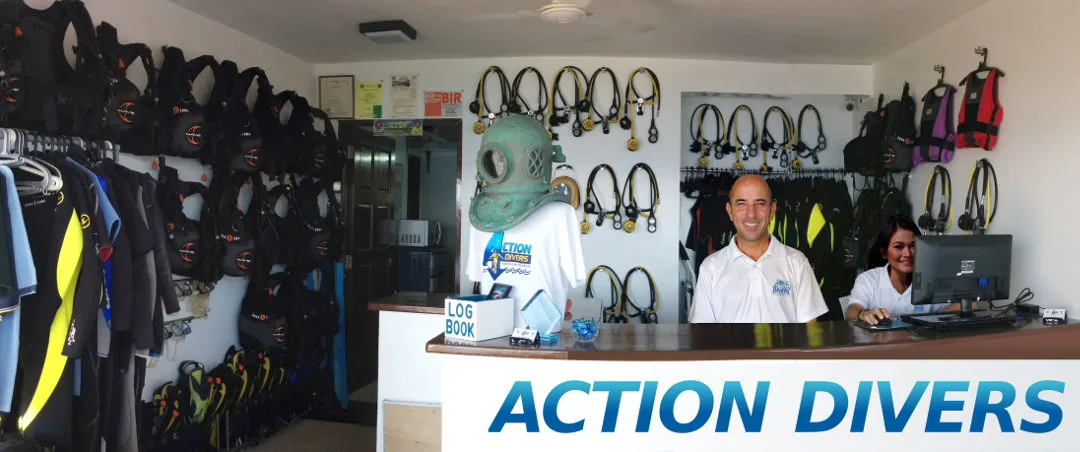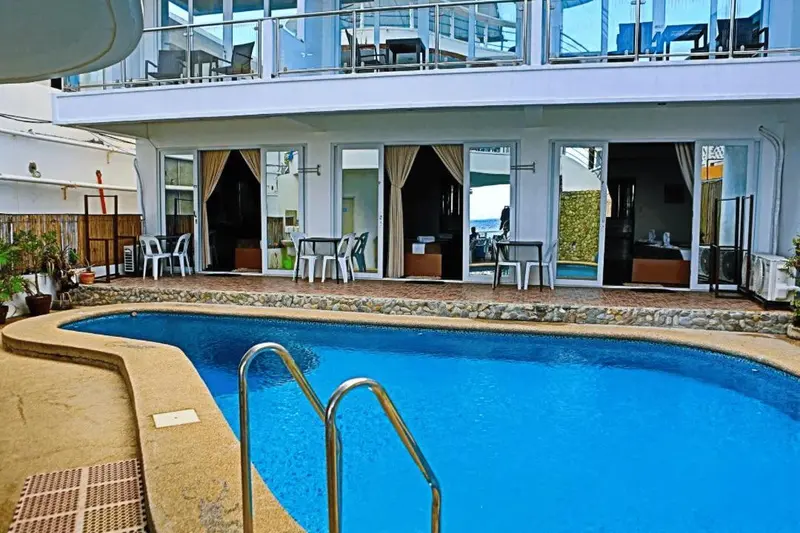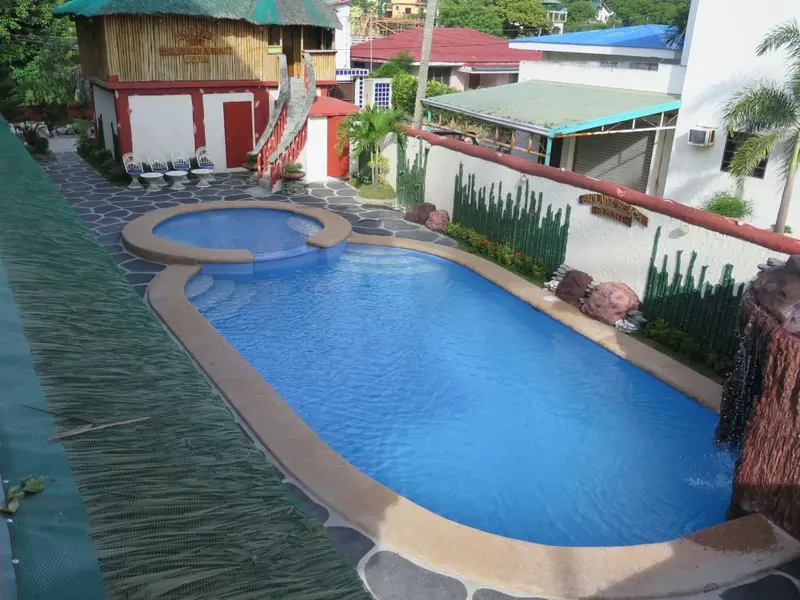

Reef Haven Scuba Diving School
Google 5/5 (331 reviews)
3.7 km away as the crow flies
Puerto Galera · Philippines · Asia
Max. depth · 40 mHibo Reef rises as a submerged mountain, its upper terraces giving way to vertical walls that drop well beyond recreational diving limits, offering consistent encounters with schooling pelagic fish and sharks.
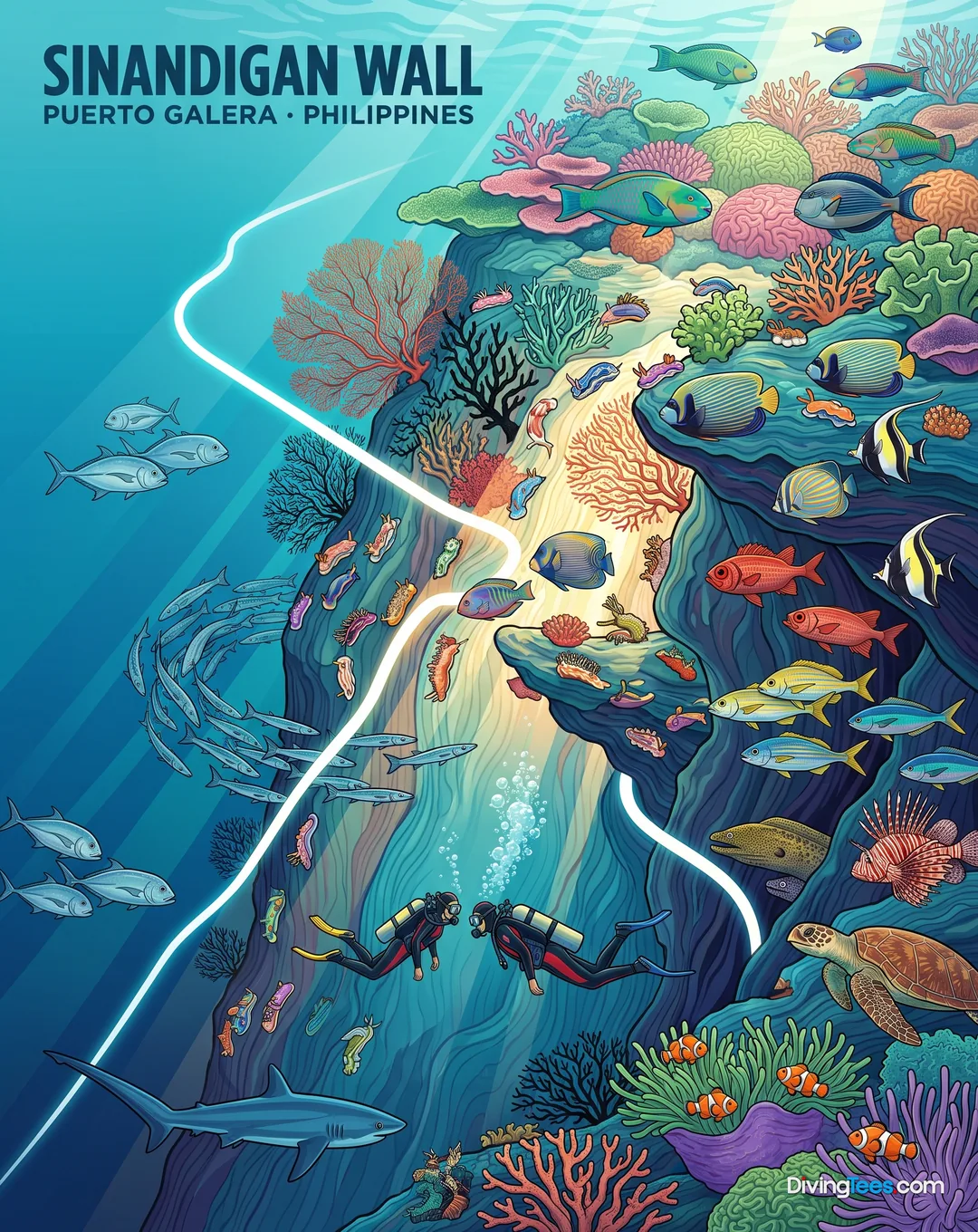
Hibo Reef presents itself as a significant submerged mountain, its upper reaches crowned with coral before a dramatic descent into vertical walls that disappear into the Philippine Sea. The scale of this site is immediate, giving a palpable sense of connection to the open ocean. Diving here often begins along the upper terraces, which transition quickly to steep drop-offs, making for a dive profile that demands attention to depth and gas management.
The topography alone makes Hibo Reef distinct. It's not a shallow coral garden; it’s a deep dive, with depths ranging from 16 metres on the terraces down to 40 metres as the wall plunges. This extreme depth range presents options for different dive profiles, but the most compelling action often unfolds along the wall itself, where the reef's exposure to oceanic currents brings in the larger species.
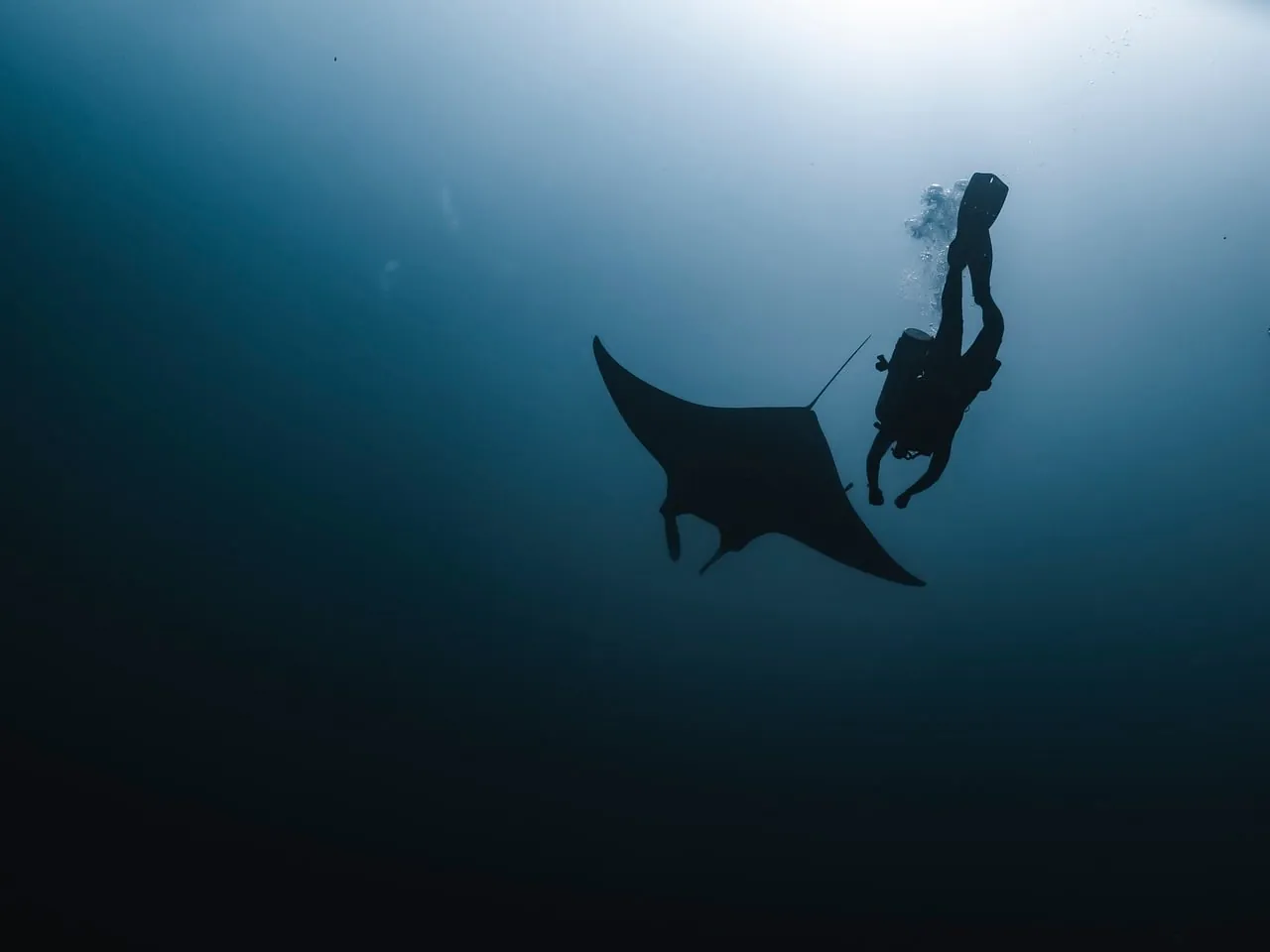
Pelagic activity is a defining characteristic of Hibo Reef. White-tip reef sharks, often around 1.5 metres in length, are residents here and are frequently seen swimming freely along the reef face. Gray reef sharks are also common, sharing this habitat with schools of Spanish mackerel, rainbow runners, tuna, and wahoos. Barracudas, batfish, and surgeonfish add to the dynamic schooling fish populations encountered along the wall.
Beyond the sharks and schooling fish, eagle rays are another regular sight, often gliding past the drop-offs. While the focus here is largely on the larger species, the reef itself supports a dense community of hard and soft corals on the ledges and upper parts of the wall. This coral growth provides shelter and feeding grounds for many reef fish, creating a vibrant backdrop to the pelagic action.
The currents at Hibo Reef are a significant factor to consider. Surface currents can often be strong, though conditions tend to be more manageable once you establish yourself along the wall. This exposure to moving water is precisely what attracts the pelagic life, making each dive dynamic. Visibility and pelagic activity are frequently linked to current strength, as plankton movement influences the presence of larger feeders. Divers should be prepared for variable conditions typical of an exposed oceanic reef.
Exploring Hibo Reef means understanding its nature as a deep-water site attracting open-ocean species. Unlike more sheltered reefs, the focus here is less on macro life and more on the larger inhabitants of the blue. You'll move through clear water, observing the interaction between the reef structure and the strong currents that bring nutrients and attract its diverse marine residents. This is an experience where the depth and the potential for big animal encounters define the dive.
Hibo Reef is an advanced dive, with depths reaching 40 metres. You should have an Advanced Open Water certification and at least 50 logged dives to manage the depth and potential currents. While visibility is generally excellent, between 15 to 30 metres, currents can be strong, especially at the surface and during tidal changes. The best diving season runs from November to July, with peak conditions from March to June.
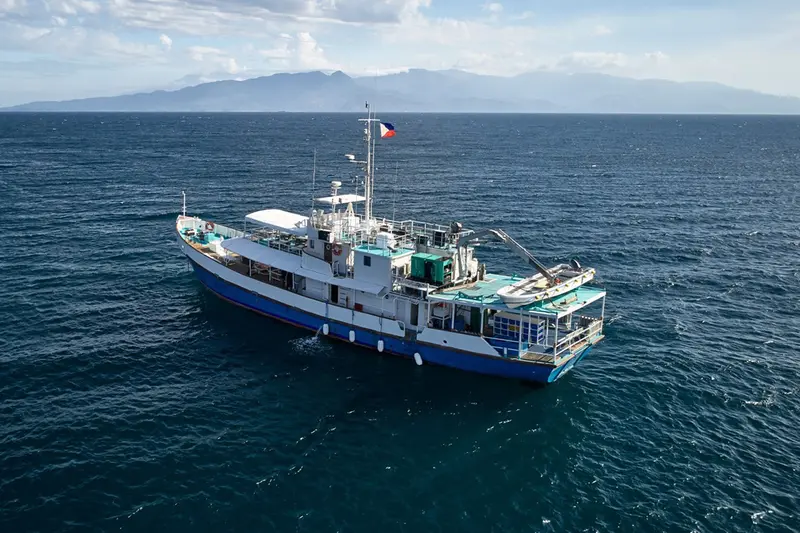
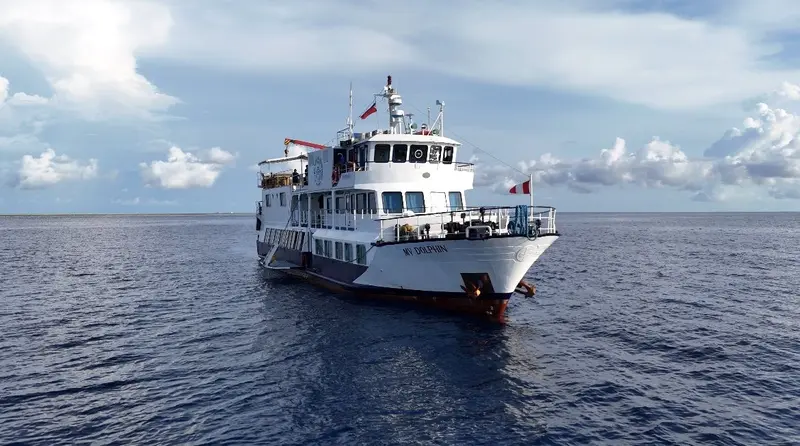
2 liveaboards run trips to Puerto Galera.
You can dive Hibo Reef from November to July, with peak conditions from March to June. Visibility is generally excellent, ranging between 15 and 30 metres. Conditions are linked to oceanic currents, and tidal changes can affect the strength of the water movement, so timing within the season remains relevant.
Hibo Reef is an advanced dive site because of its depth and potential currents. You should hold an Advanced Open Water certification and have at least 50 logged dives to manage the deep profile, gas requirements, vertical wall, and variable conditions associated with this exposed oceanic reef.
Hibo Reef ranges from 16 metres on the upper terraces to 40 metres along the vertical wall. The site begins over coral-covered terraces before descending sharply into the Philippine Sea. Its depth range allows different profiles, but the wall demands careful attention to depth and gas management throughout your dive.
Hibo Reef can have strong surface currents, particularly during tidal changes, while conditions may become more manageable along the wall. These currents attract white-tip and gray reef sharks, Spanish mackerel, rainbow runners, tuna, eagle rays, barracudas, and other schooling fish, with hard and soft corals covering the terraces and ledges.