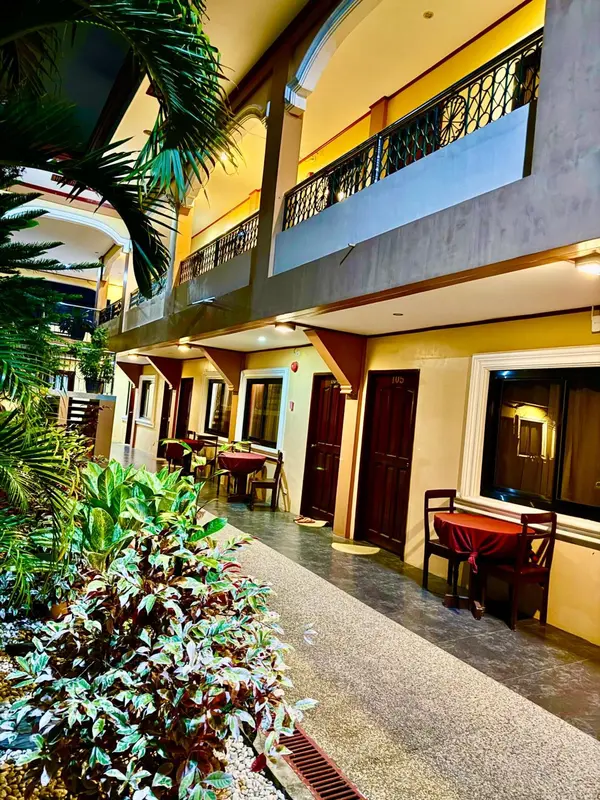
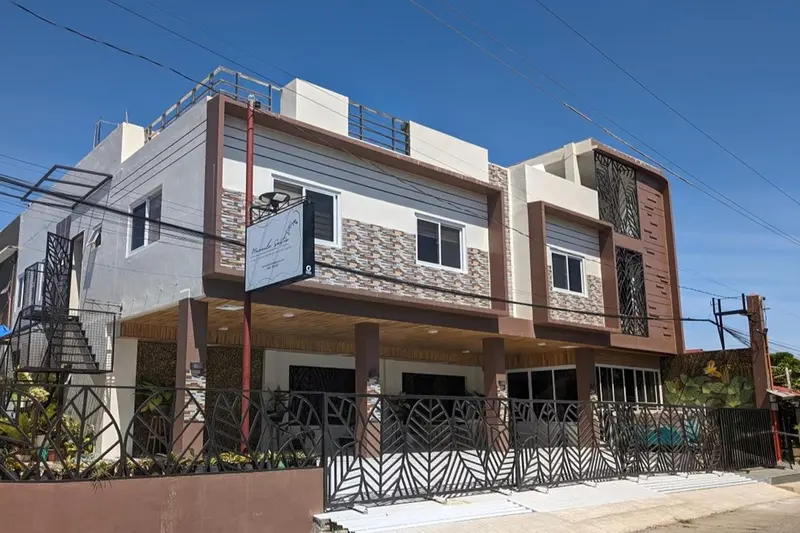
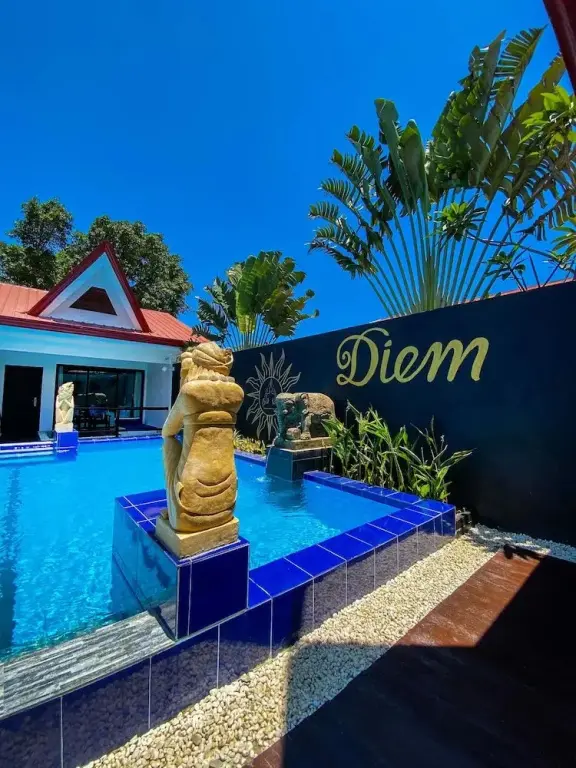
 Dive centre in the hotel
Carpe Diem Villas & Resort
★★★★
Google 4.6/5 (189 reviews)
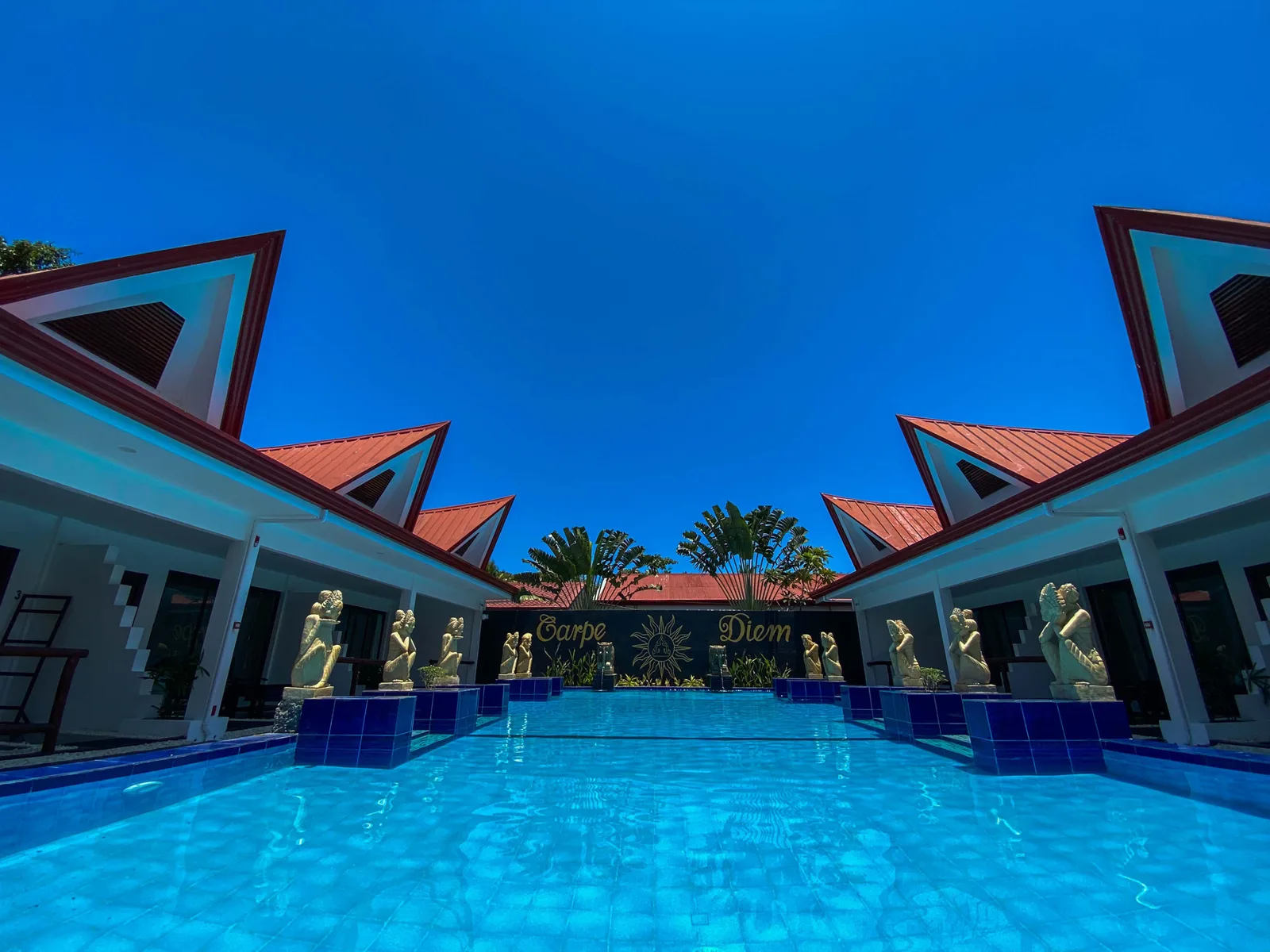
The dive centre
Shark Diving Palawan
SDI
Google 4.6/5 (23 reviews)
Dives: Mer de Sulu, Mer de Chine méridionale
Philippines · Asia
Hard-coral reefs, nudibranchs, drifting passages and Tubbataha liveaboards give Puerto Princesa a distinctly different face of Palawan.
For subtitles in English: start the video firstthen click the gearat the top right of the video, select “Subtitles/CC”, then “Auto-translate” and choose “English”.
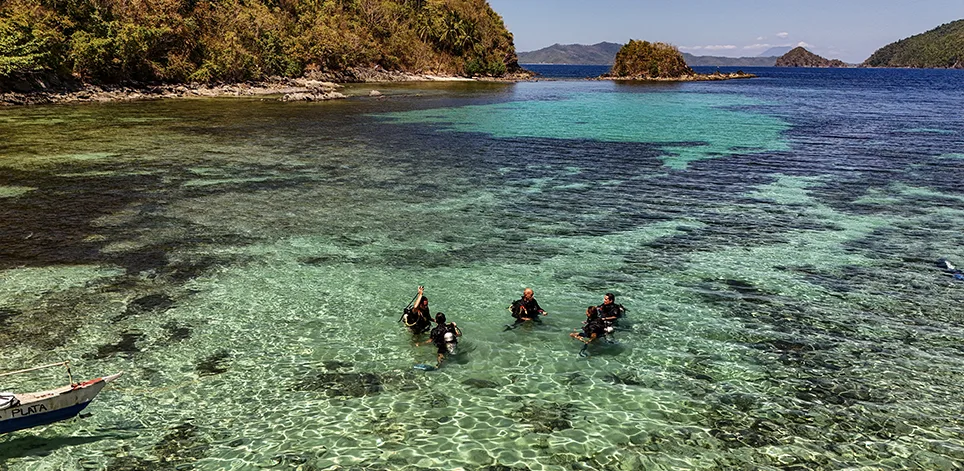
Puerto Princesa is a shore-based diving base built around boat trips into Puerto Princesa Bay and Honda Bay. Underwater, the emphasis is on hard-coral reefs, reef fish and nudibranchs, with muck sites that reward a slow search rather than a fast sightseeing dive. The city also serves as the departure point for Tubbataha, but that is a separate liveaboard expedition, not an extra day out from town. Above water, the bay, mangroves and underground river give non-diving days a useful purpose.
Most local diving is done from a boat, heading out to the reefs and muck sites of Honda Bay. Expect hard-coral growth, reef fish and small creatures hidden on the bottom, with the character changing from open reef to a more patient photographic search. Currents are variable. Pete’s Reef is described as a drift dive with a negative entry, so it demands a more decisive start than a sheltered beginner’s descent. Visibility is generally better from December to May, although rain, run-off and occasional winter plankton blooms can reduce it locally. Tubbataha is a different proposition altogether, with more exposed conditions reached after several days of open-water travel. The ordinary bay outings suit a flexible day-by-day plan, rather than a fixed promise of one particular underwater profile.
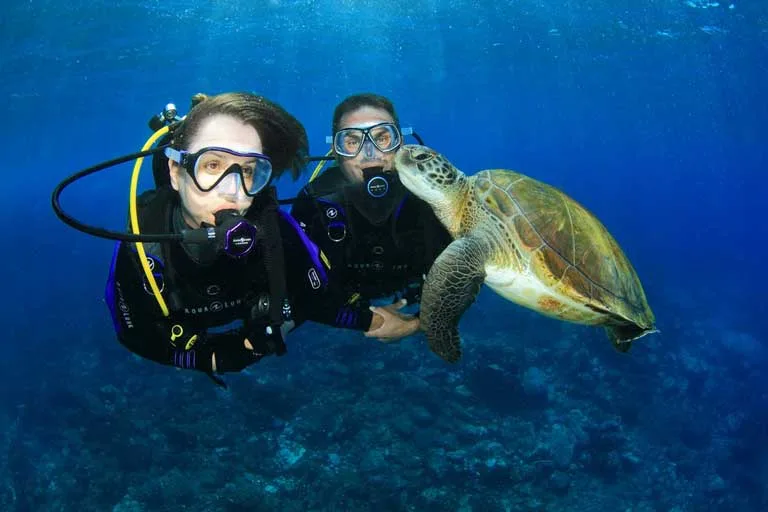
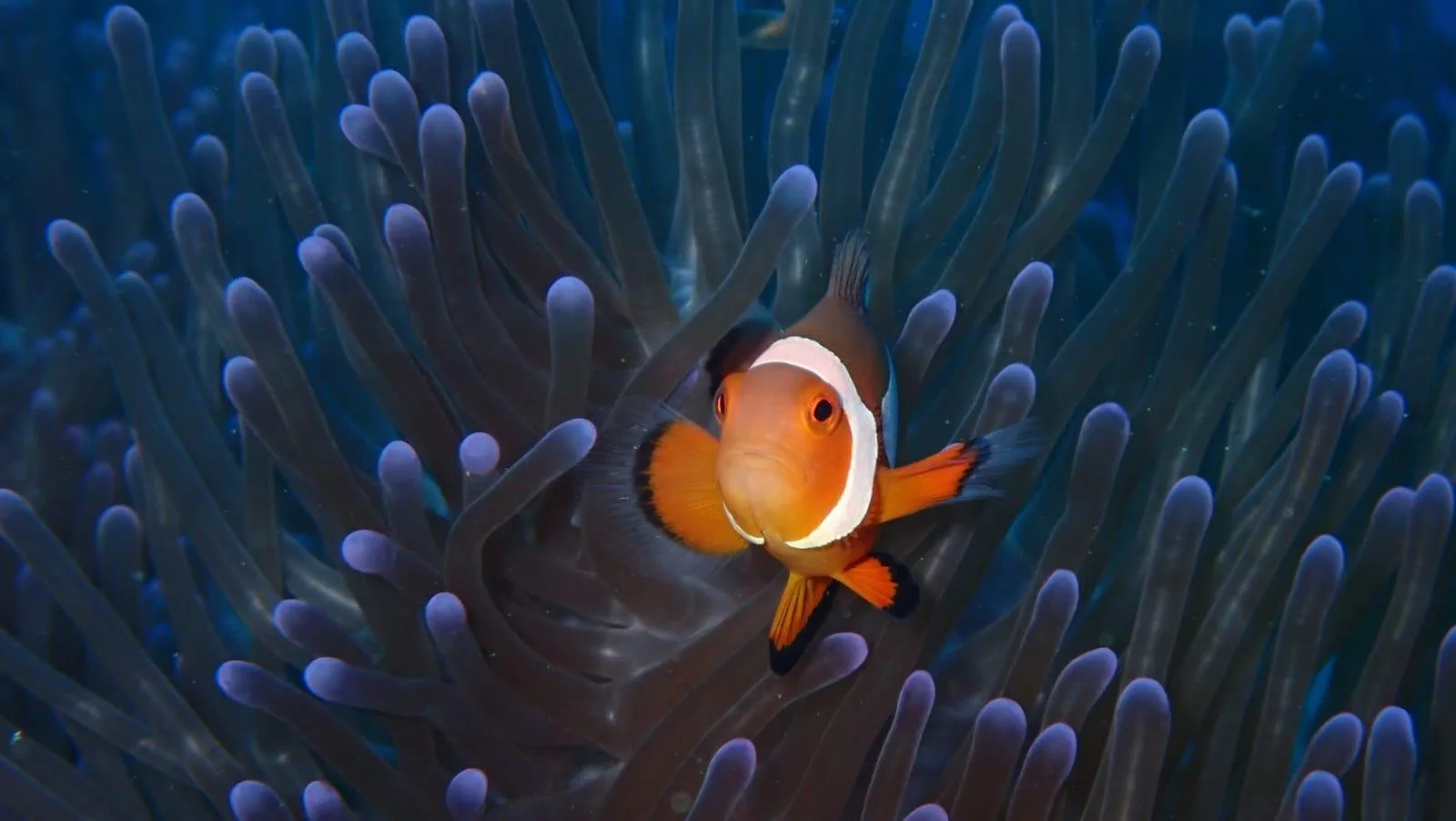
Honda Bay’s regular cast is made up of hard corals, reef fish and nudibranchs, with muck-diving areas adding the small, easily missed subjects that photographers travel for. A dive here may involve moving slowly over an unassuming bottom, checking the coral and rubble for colour and movement rather than looking only into blue water. The bay is therefore more attractive to divers who enjoy observation than to anyone expecting a single headline animal. Tubbataha adds a much broader protected reef environment, with important reef and pelagic life preserved by its isolation and strong national-park management. For local diving, plan around sea conditions and site choice, not a guaranteed seasonal animal encounter.
The most dependable period is December to May, when the sea is generally calmer and visibility is usually more favourable. That matters in Honda Bay because the diving is boat-based, and rain, run-off and rougher conditions can alter both the crossing and the view underwater. December to May is also the busier window for boat excursions and wider Palawan itineraries. Diving remains possible through the rainy season and monsoon months, but departures become less predictable and visibility may suffer. September to November is the awkward compromise: quieter underwater, perhaps, but less reliable for planning a run of boat days.
The bay is suitable for all levels, including newer divers who stay with the more straightforward reef outings and follow the day’s conditions. A BSAC, PADI or SSI recreational qualification should fit the ordinary local diving, with no specialist certification singled out for Honda Bay. Experience with current is useful, particularly for Pete’s Reef and its drift-dive entry. Tubbataha deserves a higher level of self-reliance because it is remote, exposed and reached on a liveaboard rather than a short local trip.
From London Heathrow, London Gatwick or Manchester, allow roughly eighteen to thirty hours to reach Puerto Princesa, normally with an Asian connection followed by a domestic Philippine flight. There is no need for a sea crossing to reach the Honda Bay diving. Puerto Princesa is also linked by road to El Nido, a journey of several hours by bus or minibus, while boat connections elsewhere in Palawan are more exposed to weather delays. Once in town, divers normally reach their meeting point by taxi, pre-arranged vehicle or the dive operation’s shuttle, depending on the accommodation. Keep connections generous when combining Puerto Princesa with El Nido, Coron or a Tubbataha liveaboard.
Treat Honda Bay and Tubbataha as two separate trips. If Tubbataha is the main reason for travelling, reserve the authorised liveaboard separately and well ahead, then keep a full day between arriving in Puerto Princesa and the boat’s departure. Do the same before a flight or another maritime connection after local diving, because a weather delay can break a tight plan. For Honda Bay, book several dive days rather than relying on one outing, allowing the operator to move sites when sea conditions change. Photographers should ask specifically about muck sites instead of assuming every trip will be a coral-reef tour. In the rainy season, check which departures are actually running before building a packed itinerary. Keep a land day available as a practical fallback, and remember that Tubbataha’s permit, protected rules and no-anchoring arrangements are part of the liveaboard plan, not the ordinary city outing.
A five- to seven-day stay works well as a land-based diving holiday: spread Honda Bay outings across several days and leave one or two days for the underground river, mangroves, islands or sandbanks. Hotels near the town centre may be walkable to some meeting points, but transfers are more commonly by taxi, reserved vehicle or shuttle. Add more time if the trip includes Tubbataha, particularly to absorb the arrival and departure margins around the liveaboard.
Hello, I'm Marina, DivingDeal.com's AI assistant. I guide you through destinations, areas and countries.
Thinking about the whole trip and the flights? Talk it over with Edith →
Marina is an AI. Some links are affiliate links: DivingDeal may earn a commission, at no extra cost to you. Bookings are made with the partner.
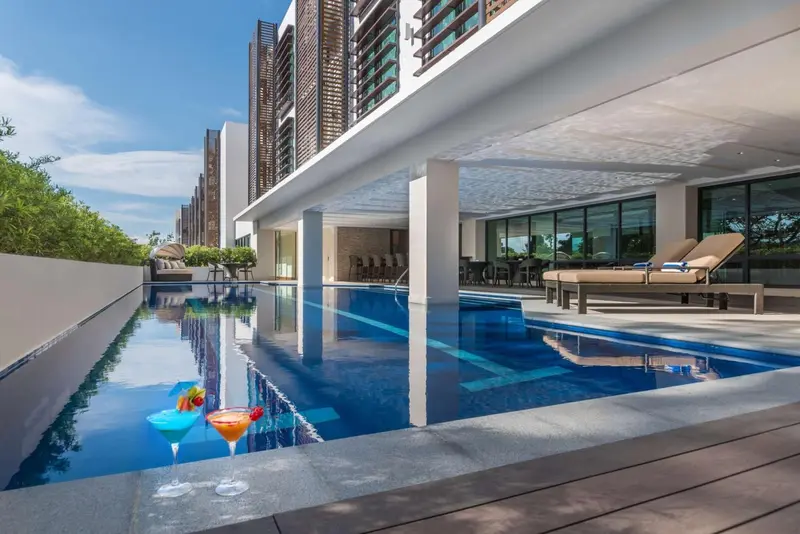
In each one, the dive centre is inside the hotel: step out of your room and go diving.
Dive centre in the hotel★★★★
Google 4.6/5 (189 reviews)
The dive centre
Shark Diving Palawan
SDI
Google 4.6/5 (23 reviews)
Dives: Mer de Sulu, Mer de Chine méridionale
December to May generally brings calmer seas and more favourable visibility for boat trips into Honda Bay. Rain, run-off and occasional winter plankton blooms can still affect local conditions. Diving is possible during the rainy season, but departures are less predictable and visibility may suffer, especially from September to November.
Puerto Princesa suits all levels on straightforward Honda Bay reef outings, and a recreational qualification from BSAC, PADI or SSI fits ordinary local diving. Experience with current is useful at Pete’s Reef, a drift dive with a negative entry. Tubbataha requires greater self-reliance because it is remote and exposed.
Diving around Puerto Princesa focuses on Honda Bay’s hard-coral reefs, reef fish and nudibranchs. Muck sites reward slow searching among coral and rubble for small photographic subjects. Pete’s Reef offers a drift dive, while Tubbataha provides a broader protected reef environment with reef and pelagic life preserved by its isolation.
Plan Honda Bay and Tubbataha as separate trips. Book several local dive days so operators can change sites with sea conditions, and ask specifically about muck sites if you photograph small creatures. Keep generous margins around flights, road travel and a Tubbataha liveaboard, with a land day available if weather delays departures.