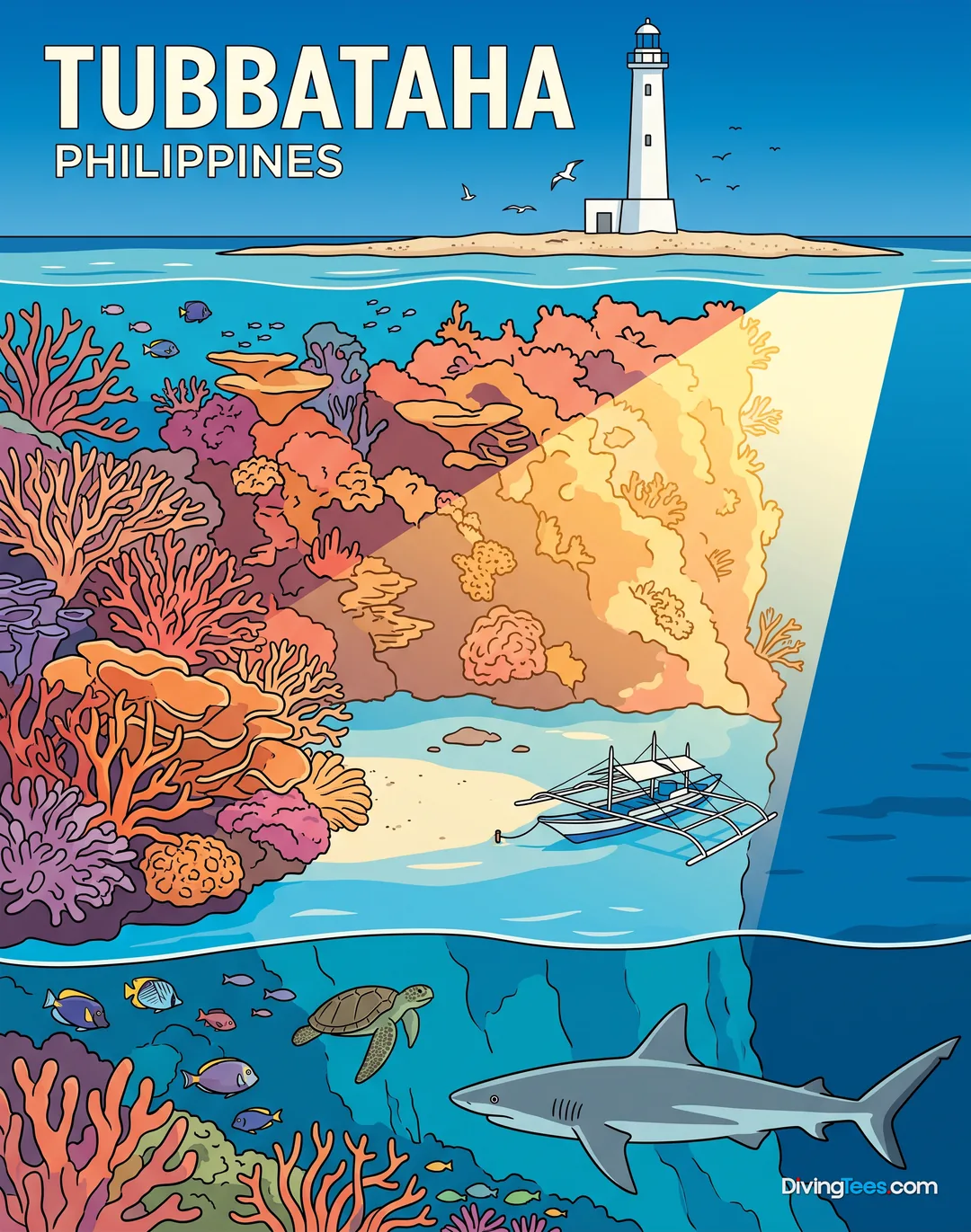
Tubbataha · Philippines · Asia
Max. depth · 40 mT-Wreck, Tubbataha: wreck diving on a sloping wall
Descend T-Wreck in Tubbataha and encounter whitetip reef sharks resting within the cargo holds of a supply vessel, set against a vibrant sloping wall.
What makes this site special
- Wreck of a supply vessel from 1994
- Whitetip reef sharks resting inside the wreck
- Sloping wall adorned with soft corals and gorgonian fans
- Napoleon wrasse patrolling sandy areas
- Resident schooling bumphead parrotfish at 5 meters
- Visibility typically between 25 and 37 meters
- Dive site on the northern tip of South Atoll
For subtitles in English: start the video firstthen click the gearat the top right of the video, select “Subtitles/CC”, then “Auto-translate” and choose “English”.
T-Wreck about the site
Located on the northern tip of Tubbataha's South Atoll, T-Wreck, also known as T Wreck or T-Wreck – South Islet NE wall, presents a distinct dive profile. The site is built around a supply vessel that sank in 1994, now an integrated part of the underwater landscape. From a shallow reef top at approximately 5 meters, a slanting wall descends into deeper water, adorned with a variety of soft corals, gorgonian sea fans, and barrel sponges. The wreck itself acts as a focal point, drawing marine life and providing structure to the dive.
Your dive at T-Wreck often begins with an encounter with schooling bumphead parrotfish (Bolbometopon muricatum) on the reef top at 5 meters. These large parrotfish are a resident population, foraging in the shallows. As you descend along the wall, the topography shifts from a coral-covered slope to a deeper, more exposed wall. This initial phase of the dive, near the surface, offers a different experience than the deeper sections, providing a distinct shallow water ecosystem.
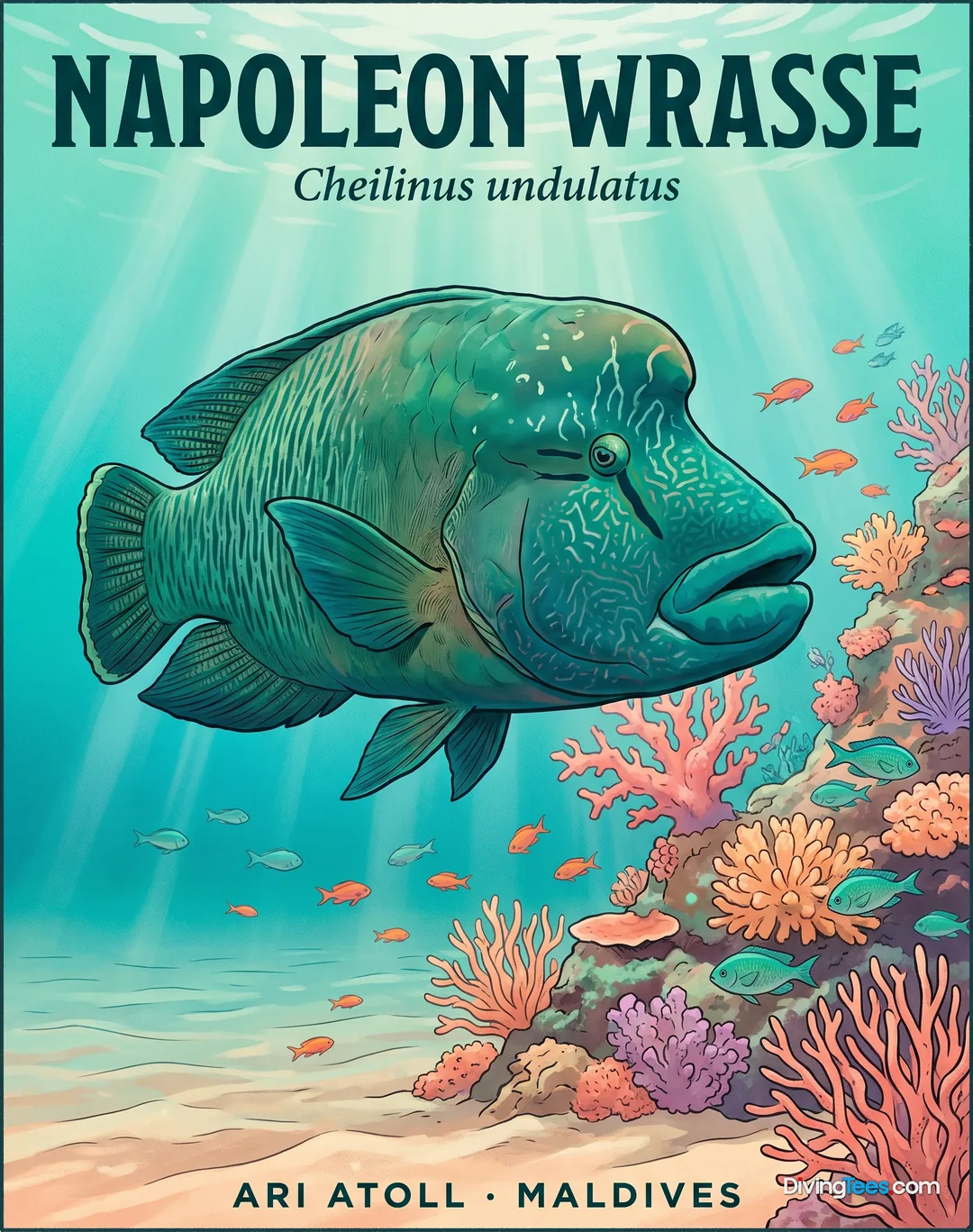
As you move further down the wall, the wreck comes into view. This supply vessel is now home to whitetip reef sharks (Triaenodon obesus), which are frequently found resting within its cargo holds. The wreck structure provides shelter, making it a reliable spot to observe them. Elsewhere around the wreck, Napoleon wrasse (Cheilinus undulatus) patrol the sandy bottom, adding to the diversity of large reef fish present. The interaction of the wreck with the natural reef creates a complex habitat.
The wall itself is a canvas of marine growth, with soft corals swaying gently and gorgonian sea fans filtering the water. Mixed schools of reef fish are common along the entire length of the wall, moving between the coral formations and the wreck structure. These schools provide constant movement and visual interest, especially when current brings nutrients past the reef. The visibility here typically ranges between 25 and 37 meters, offering clear views of both the macro and pelagic life.
While the area often experiences calm conditions, currents along this wall and slope can become strong at times. This variability is typically linked to ocean swells and can shift with seasons or weather patterns. Understanding these potential shifts in current is crucial for planning your dive, as stronger currents can bring pelagic life closer to the reef but also demand more attention to buoyancy and positioning along the wall. Moorings are available on the reef top for liveaboard operations.
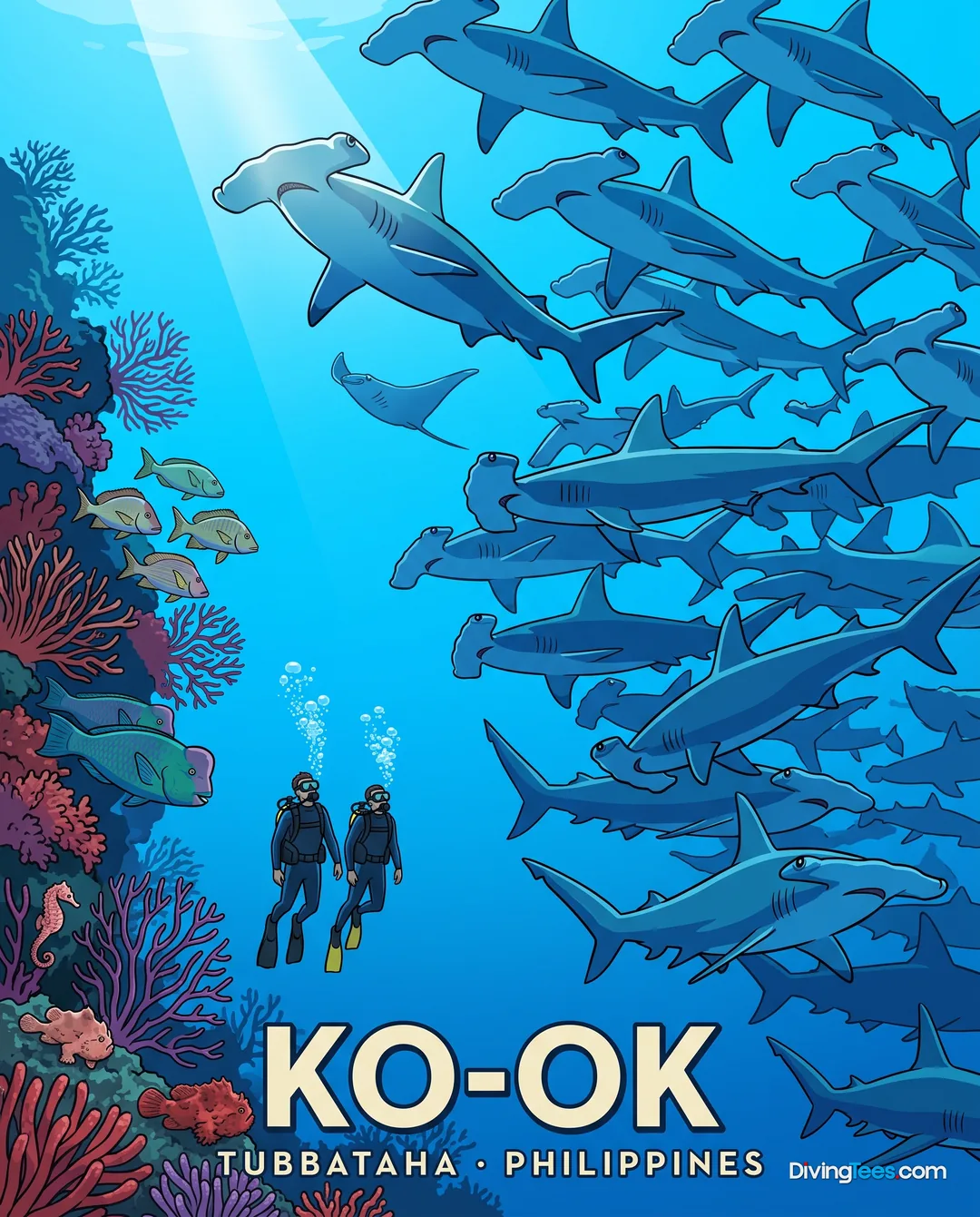
The dive profile often includes a return to the shallower reef top during the safety stop, providing another opportunity to observe the bumphead parrotfish. This feature distinguishes T-Wreck from other nearby wall dives in Tubbataha, such as Ko-Ok and Black Rock, where such a distinct shallow feeding ground may not be as prominent. The combination of the wreck, the vibrant wall, and the specific marine life encounters makes T-Wreck a diverse site.
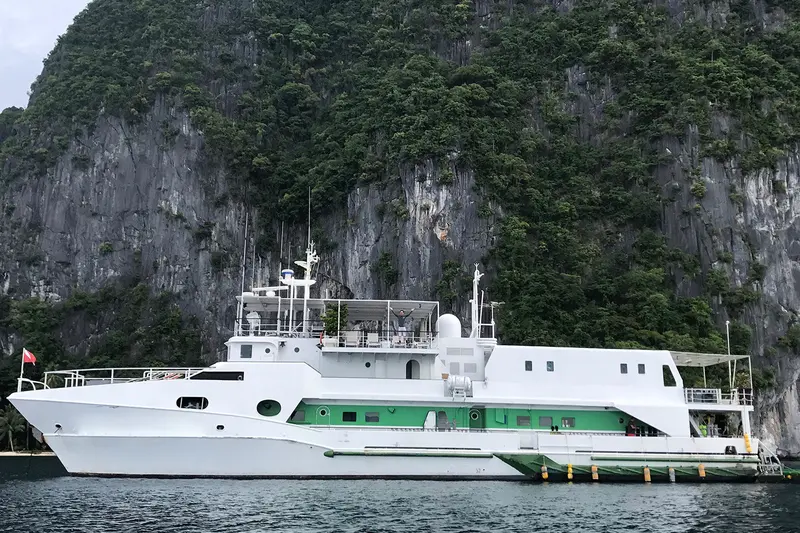
Access to T-Wreck is exclusively via liveaboard itineraries within the Tubbataha Reefs Natural Park, typically during the diving season from mid-March to mid-June. Dives are conducted along the wall from the liveaboard vessel, with buoys often marking the reef top. This operational setup ensures that the site remains pristine, limiting impact and preserving the delicate ecosystem of this remote reef system.
Diving T-Wreck: the marine life you’ll meet
Diving conditions
T-Wreck is an advanced dive, accessible to divers comfortable with wall diving and variable current conditions. Depths range from a minimum of 5 meters on the reef top down to a maximum of 40 meters. While generally calm, currents can occasionally become strong, particularly during ocean swells, so be prepared for changing conditions. Visibility typically ranges from 25 to 37 meters. The best time to dive T-Wreck is during the Tubbataha liveaboard season, from mid-March to mid-June.
Three dives not to miss
Map of dive sites in Tubbataha
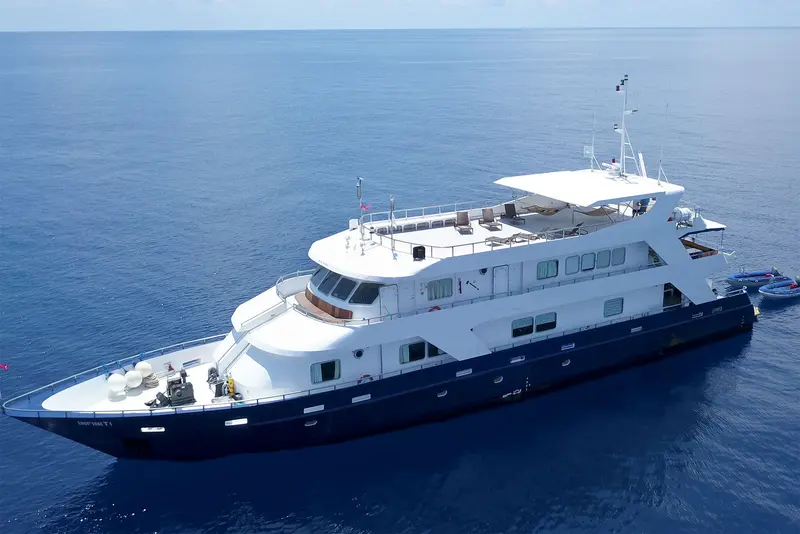
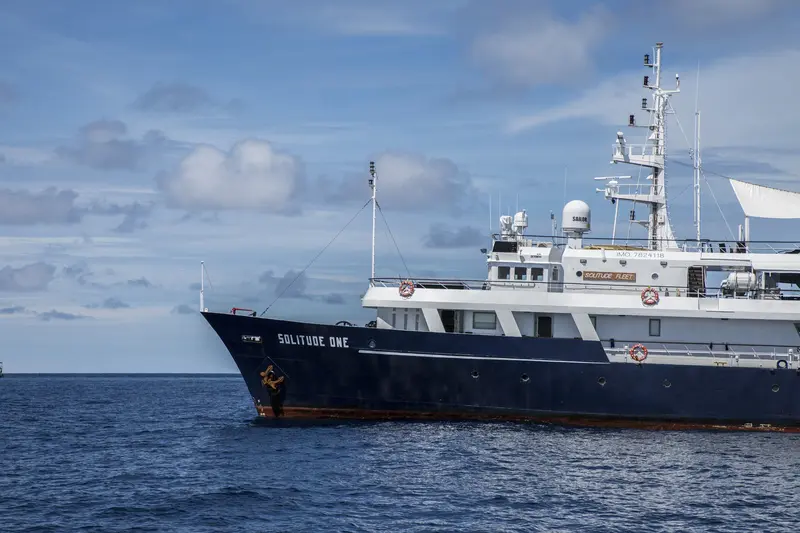
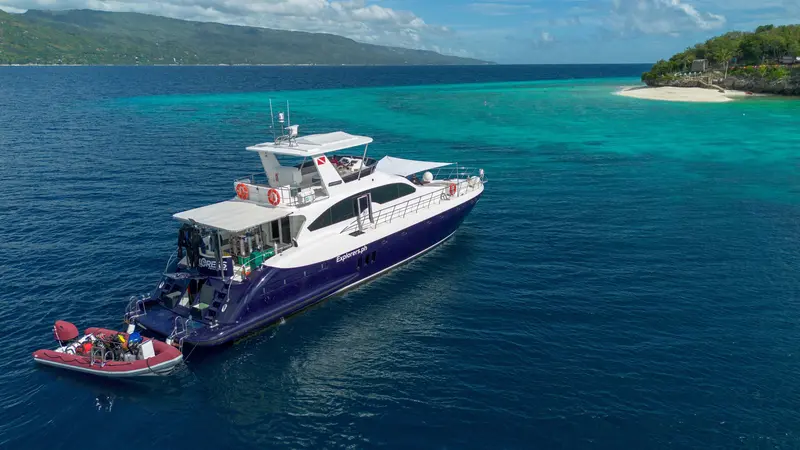
Dive liveaboards Tubbataha
14 liveaboards run trips to Tubbataha.
Frequently asked questions about T-Wreck
When can you dive T-Wreck?
T-Wreck is available through Tubbataha liveaboard itineraries during the diving season from mid-March to mid-June. The site lies within Tubbataha Reefs Natural Park and is reached from a liveaboard vessel. This seasonal access makes that period the relevant window for planning a dive at T-Wreck.
What experience level do you need for T-Wreck?
T-Wreck is an advanced dive for divers comfortable with wall diving and variable current conditions. You should be prepared for changing conditions, including occasional strong currents, particularly during ocean swells. The dive follows a sloping wall from the reef top toward the wreck, requiring attention to buoyancy and positioning.
How deep is T-Wreck?
T-Wreck ranges from 5 meters on the shallow reef top to 40 meters along the deeper wall. The profile combines shallow and deep sections, with the supply vessel integrated into the underwater landscape. The reef top can also feature schooling bumphead parrotfish during the shallower part of your dive.
What currents and marine life can you encounter at T-Wreck?
Currents at T-Wreck are generally calm but can occasionally become strong, particularly during ocean swells. Along the wall and wreck, you can encounter whitetip reef sharks resting inside the vessel, Napoleon wrasse over sandy areas, schooling bumphead parrotfish at 5 meters, mixed reef fish, soft corals, gorgonian fans, and barrel sponges.