Liveaboards · Thailand
Manta Queen 3 — a practical Andaman liveaboard built around the diving
What makes this boat unique
- Six days and five nights deliver 19 dives around the Similan and Surin national marine parks in the North Andaman Sea.
- The route links the Similan Islands, Koh Bon, Koh Tachai, Surin Islands, Richelieu Rock and Boonsung Wreck.
- Cabins are air-conditioned and fitted with panoramic windows, with double, twin bunk and four-bed options.
- Nitrox is available as an optional extra, and the dive deck has DIN adapters, shaded work areas and separate camera rinsing.
- Khao Lak-area transfers, meals, drinking water, Wi-Fi, towels and snorkeling equipment are included.
For subtitles in English: start the video firstthen click the gearat the top right of the video, select “Subtitles/CC”, then “Auto-translate” and choose “English”.
The invitation
Manta Queen 3 is for divers who want the North Andaman route without turning the trip into a resort stay. The reason to board is the diving: 19 dives across the Similan and Surin parks, with Koh Bon, Koh Tachai, Richelieu Rock and Boonsung Wreck in the same itinerary. That gives the week both open-water encounters and proper structure: granite boulders, walls, coral gardens and wrecks. The boat carries up to 28 guests, but the diving is organised in small groups, so the underwater experience is not simply a mass entry from a large vessel. Choose it for access to the sites, a crew-led operation and a cabin fleet that can accommodate couples, friends, families and solo divers sharing a bunk cabin.
Boarding
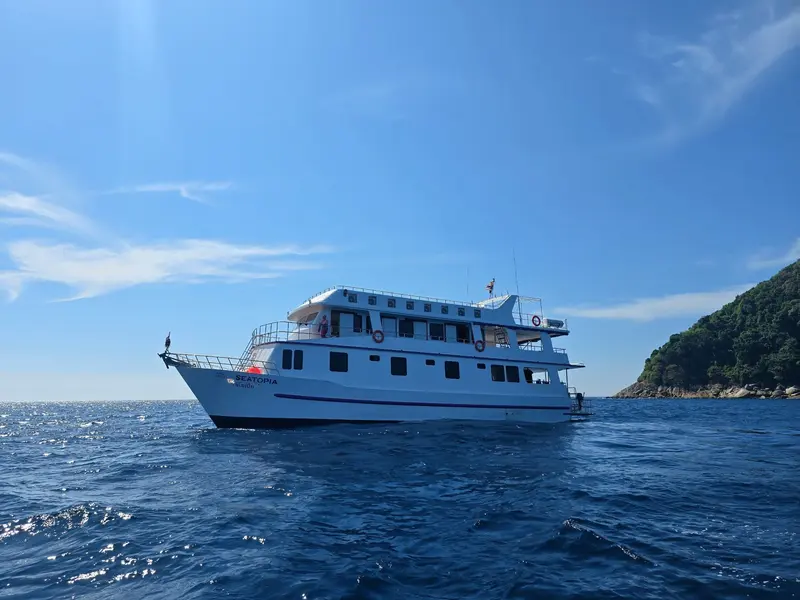
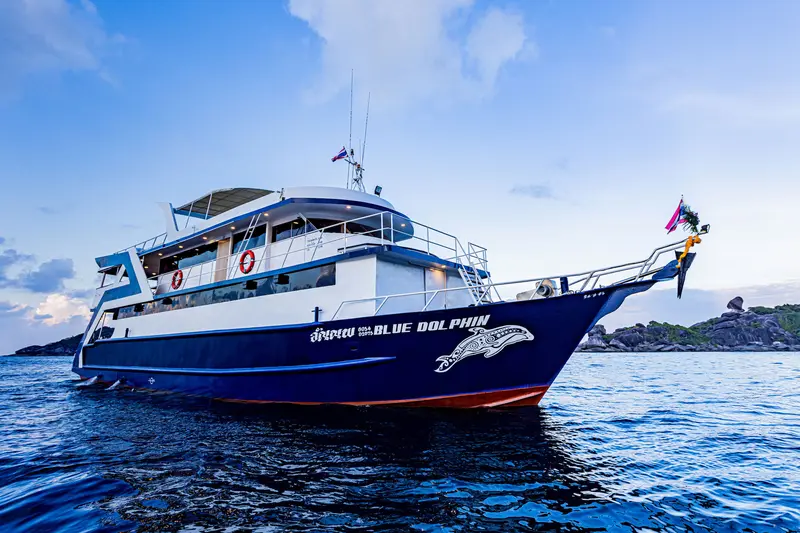
From the dock, Manta Queen 3 presents itself as a working dive boat rather than a polished yacht. Its layout is arranged around repeated entries, exits, meals and rest, with the dive platform and tenders doing the practical work between the boat and the sites. Once aboard, movement is straightforward: gear stays close to the dive area, wet equipment has its own rinsing points, and the shaded deck gives divers somewhere to sit without retreating immediately indoors. The interior saloon is air-conditioned, while the outdoor dining area and upper observation space open the boat back to the sea. It is a sizeable platform for the route, but not an anonymous floating hotel; the dive operation remains the centre of the design.
The atmosphere on board
The social shape of Manta Queen 3 comes from the number of people sharing the same dive sequence: by the second day, divers know who is carrying a camera, who wants the wrecks and who is hoping for manta rays. Five dive staff and six boat crew divide the work between guiding, moving equipment, serving meals and keeping the vessel running. English, Dutch, German, Spanish and Italian are spoken on board, which helps mixed groups settle into briefings without making the boat feel formal. The crew scores 8.6, while diving scores 9.3 and food 9.5; the boat itself scores 8.0. That gap is worth reading plainly: the vessel is valued more for the people and the diving operation than for luxury. The return is a well-run week underwater.
The sites you’ll dive
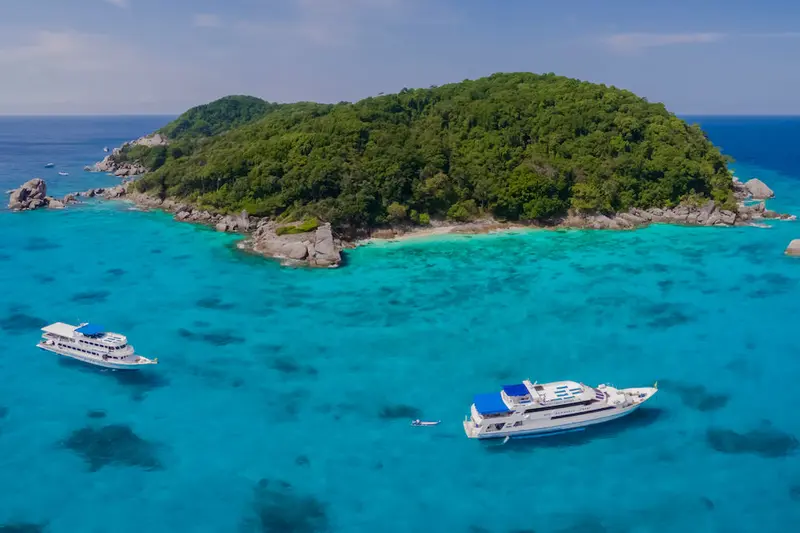
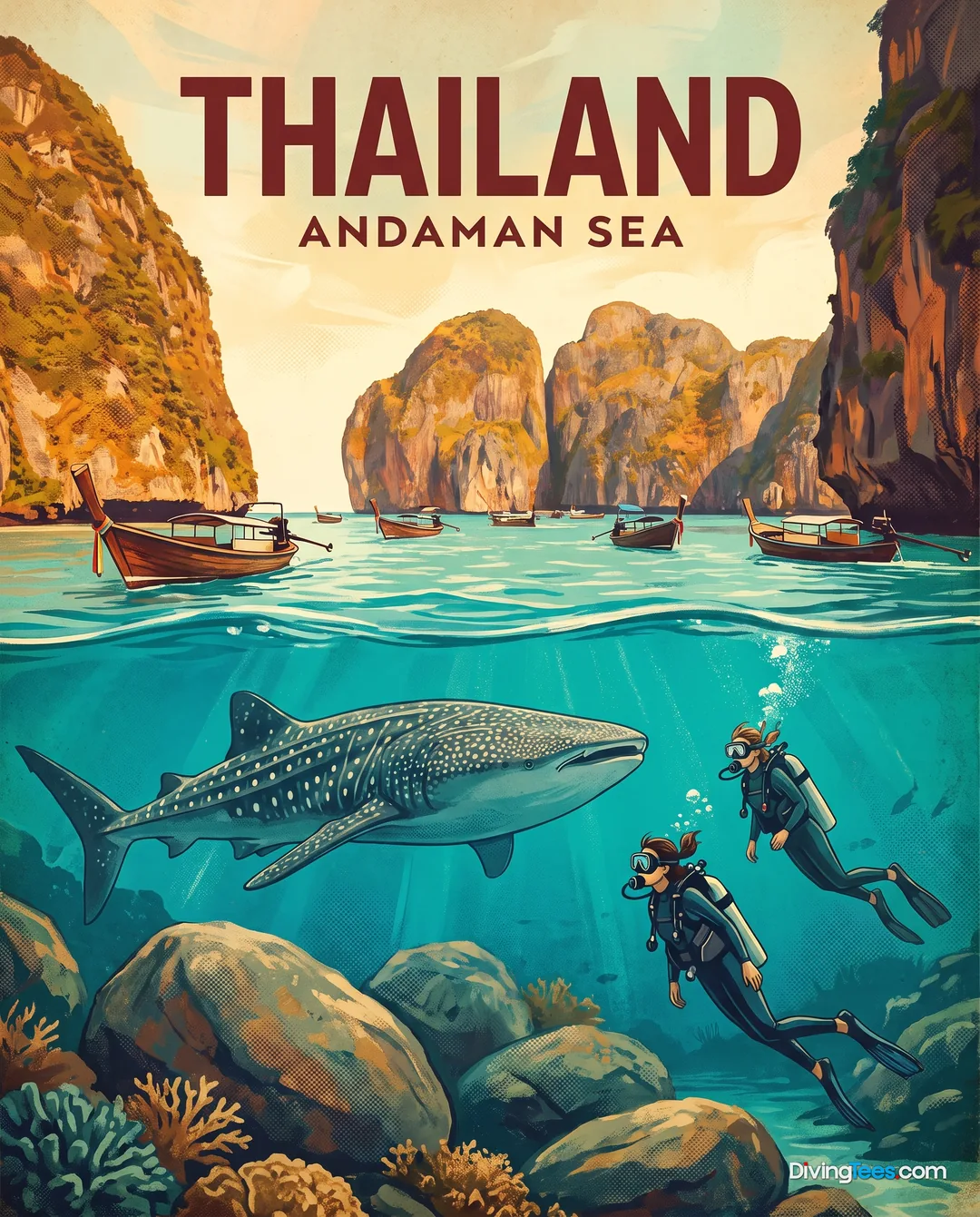
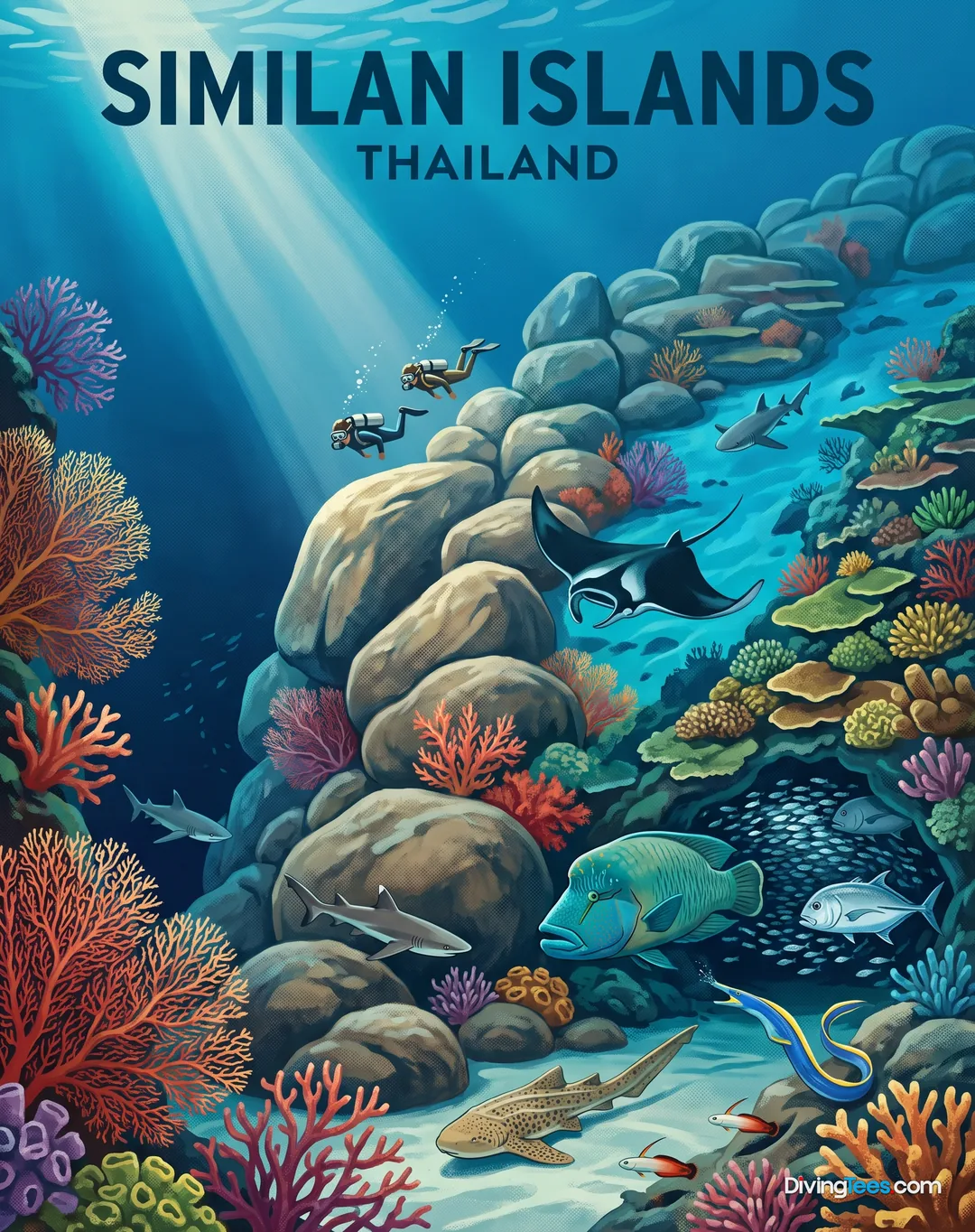
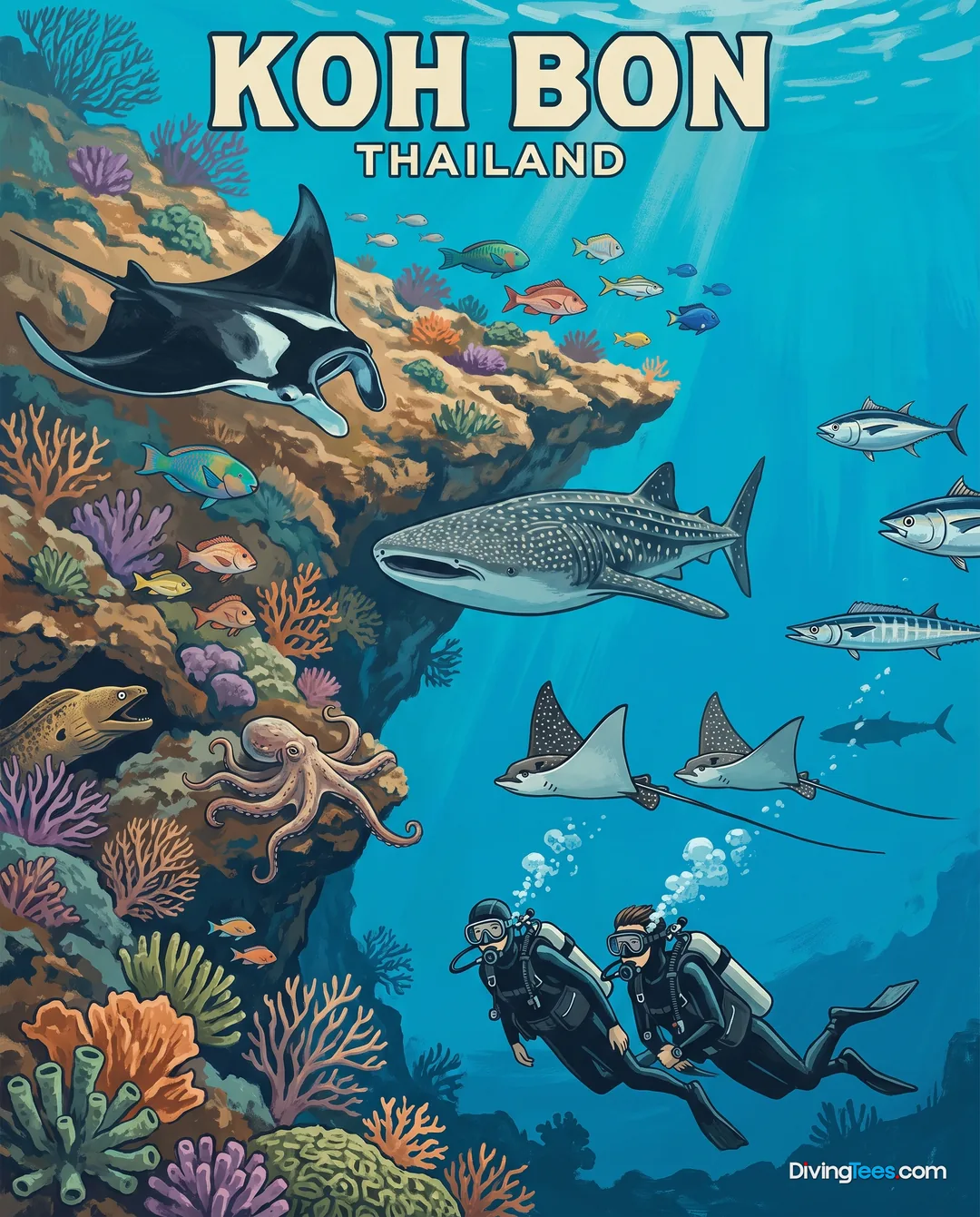
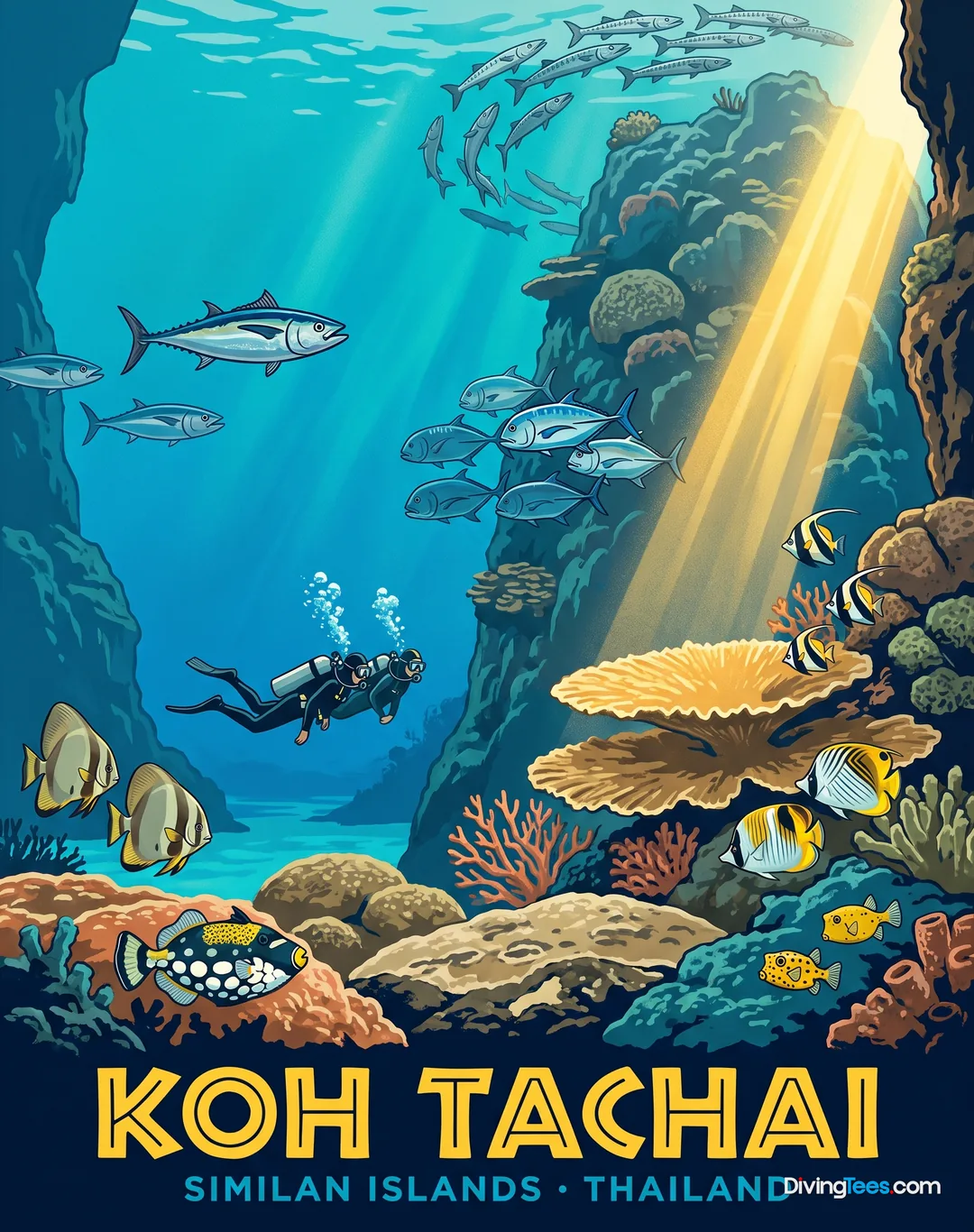
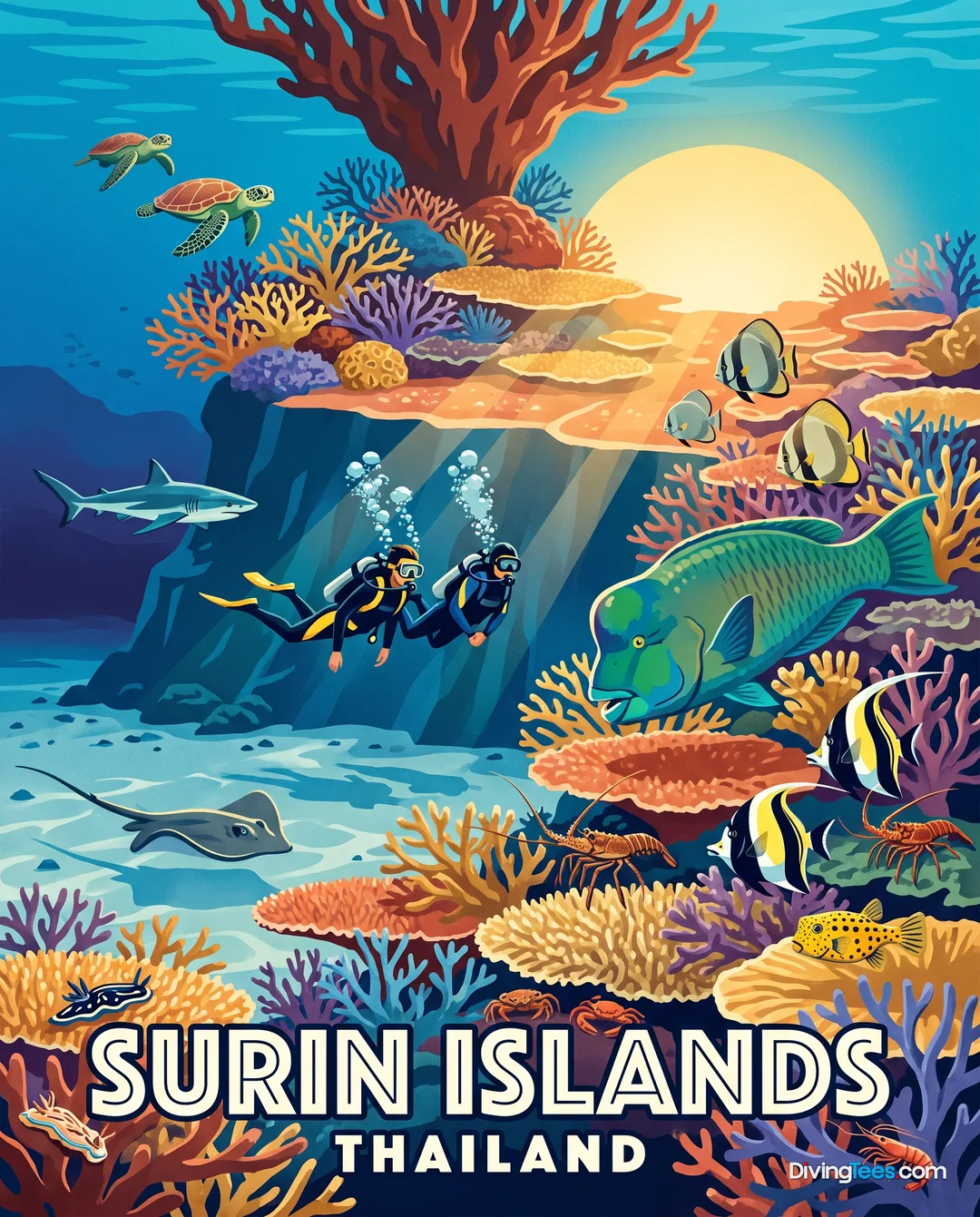
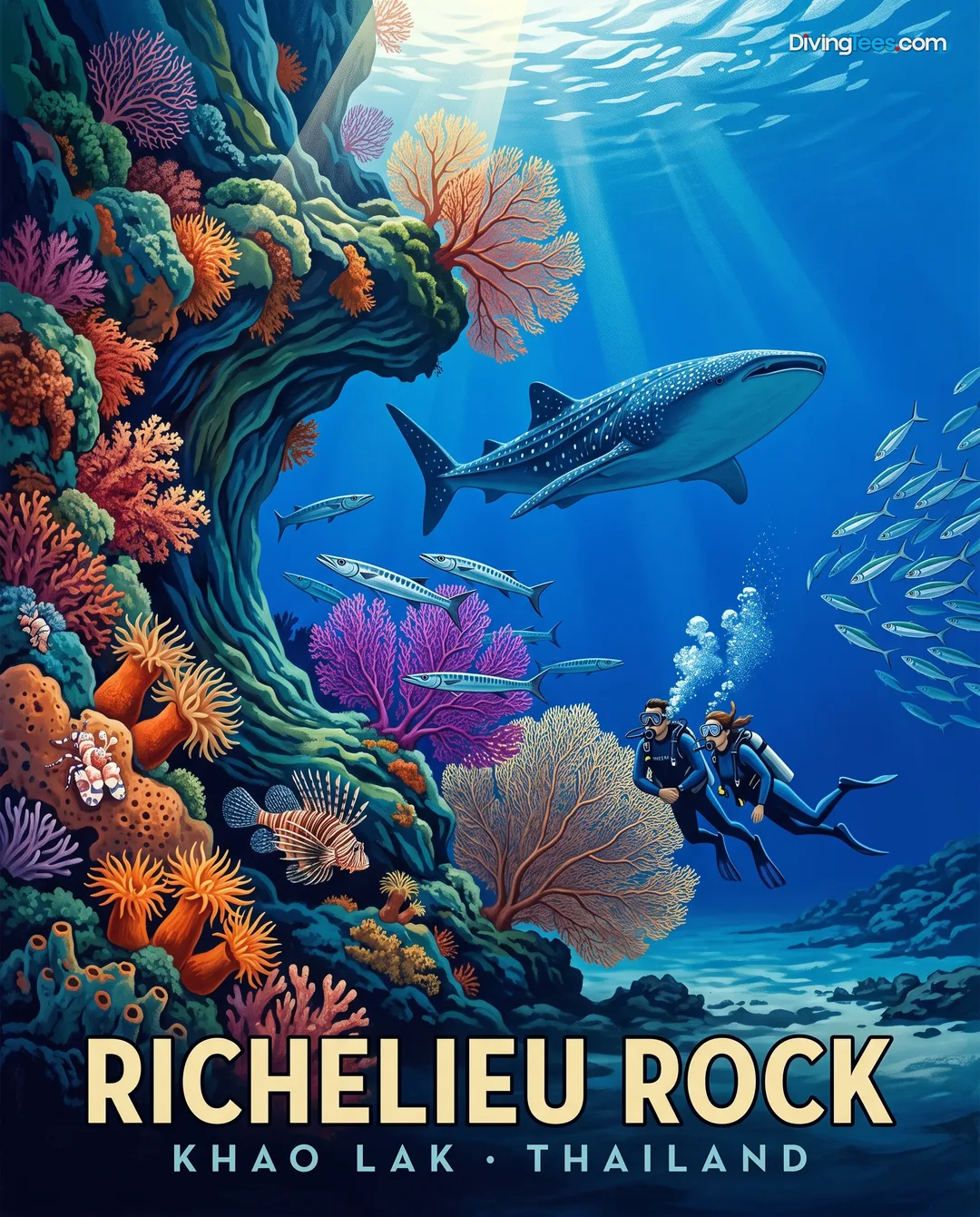
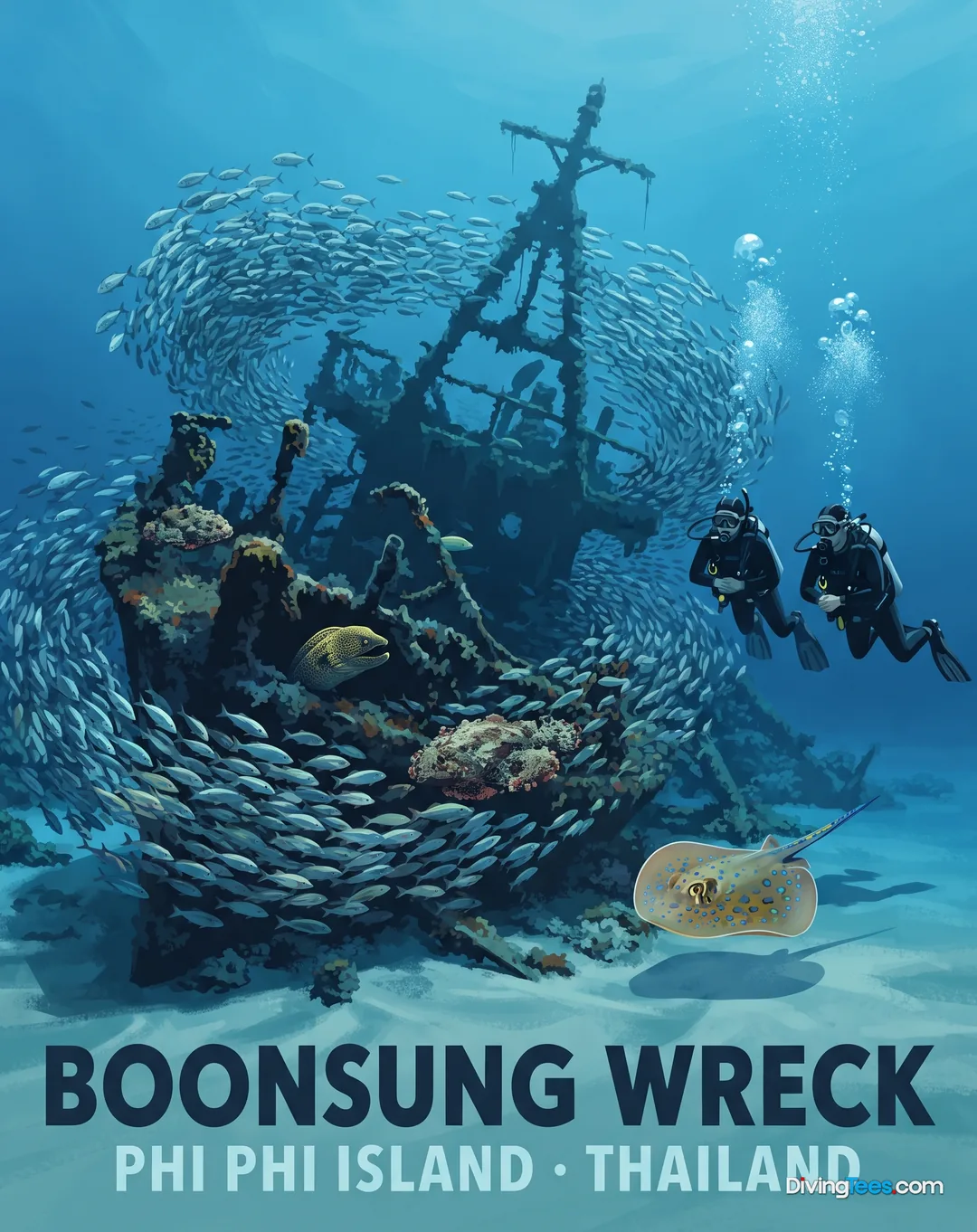
The six-day, five-night North Andaman route runs from Khao Lak to Khao Lak, linking the Similan Islands, Koh Bon, Koh Tachai, Surin Islands, Richelieu Rock and Boonsung Wreck for 19 dives. The Similan Islands combine coral reefs with granite boulder formations and reach a maximum of -40m. Koh Bon is the route's manta stop: its walls lead divers to a cleaning station where manta rays may arrive for maintenance, sometimes with pelagic hunters nearby. Koh Tachai reaches -40m around submerged pinnacles and coral gardens; its particular prize is the chance of a hawksbill turtle. Surin stays shallower, to -25m, with hard-coral gardens, granite outcrops and possible manta or whale shark encounters. Boonsung Wreck reaches -18m, an old tin dredger transformed into a dense artificial reef. Richelieu Rock completes the route. Conditions and park access shape the final sequence.
Itineraries, dates and prices
Prices per person. Each month shows its lowest price: click a month, or pick an itinerary.
Next departures · 48 departuresfrom £620$829€741
October 2026
November 2026
December 2026
See dates and prices
If you click these links and make a purchase on the partner site, DivingDeal may earn a commission, at no extra cost to you.
Dates and prices taken from Divebooker and liveaboard.com, updated 21 October 2026
What you’ll meet underwater
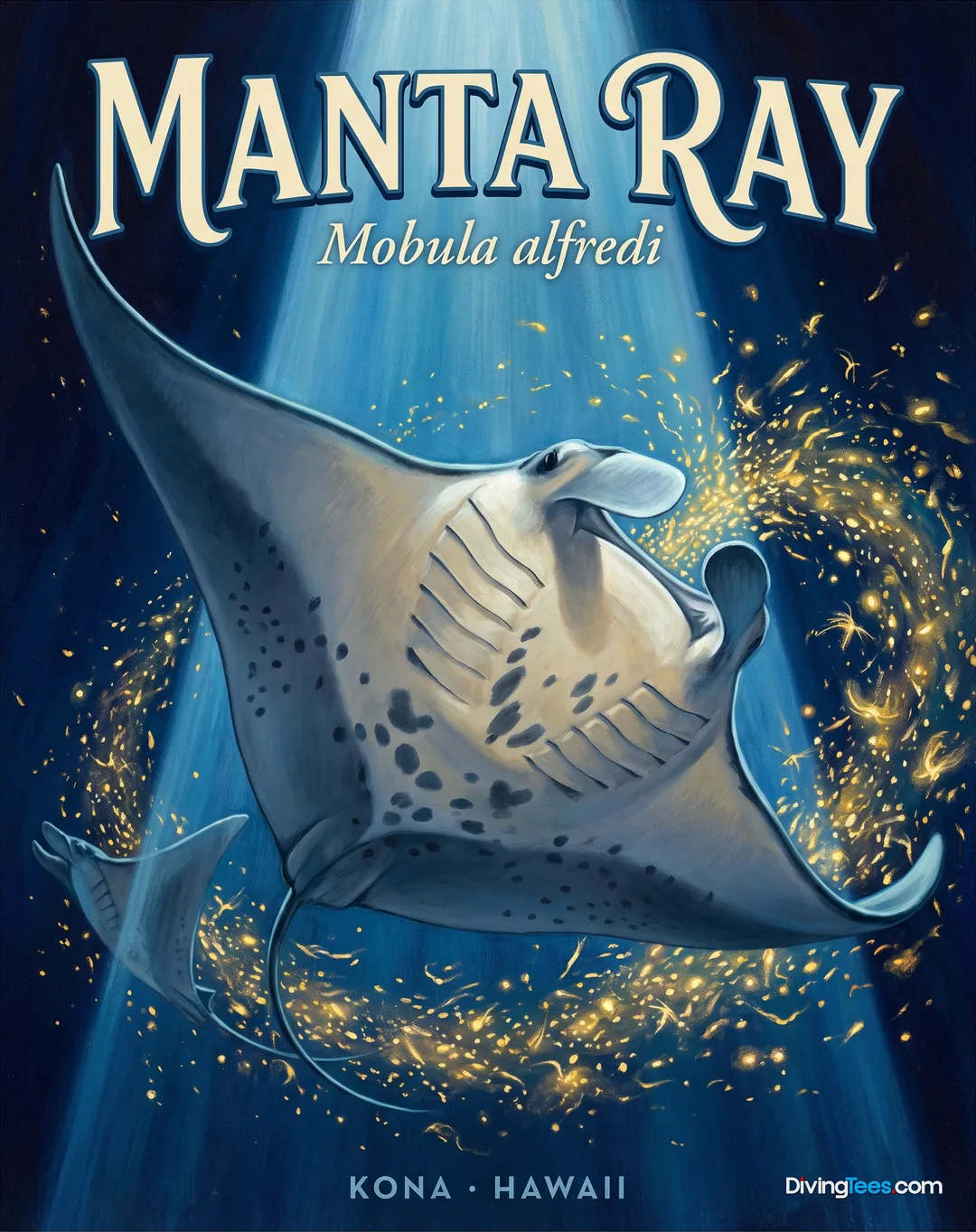
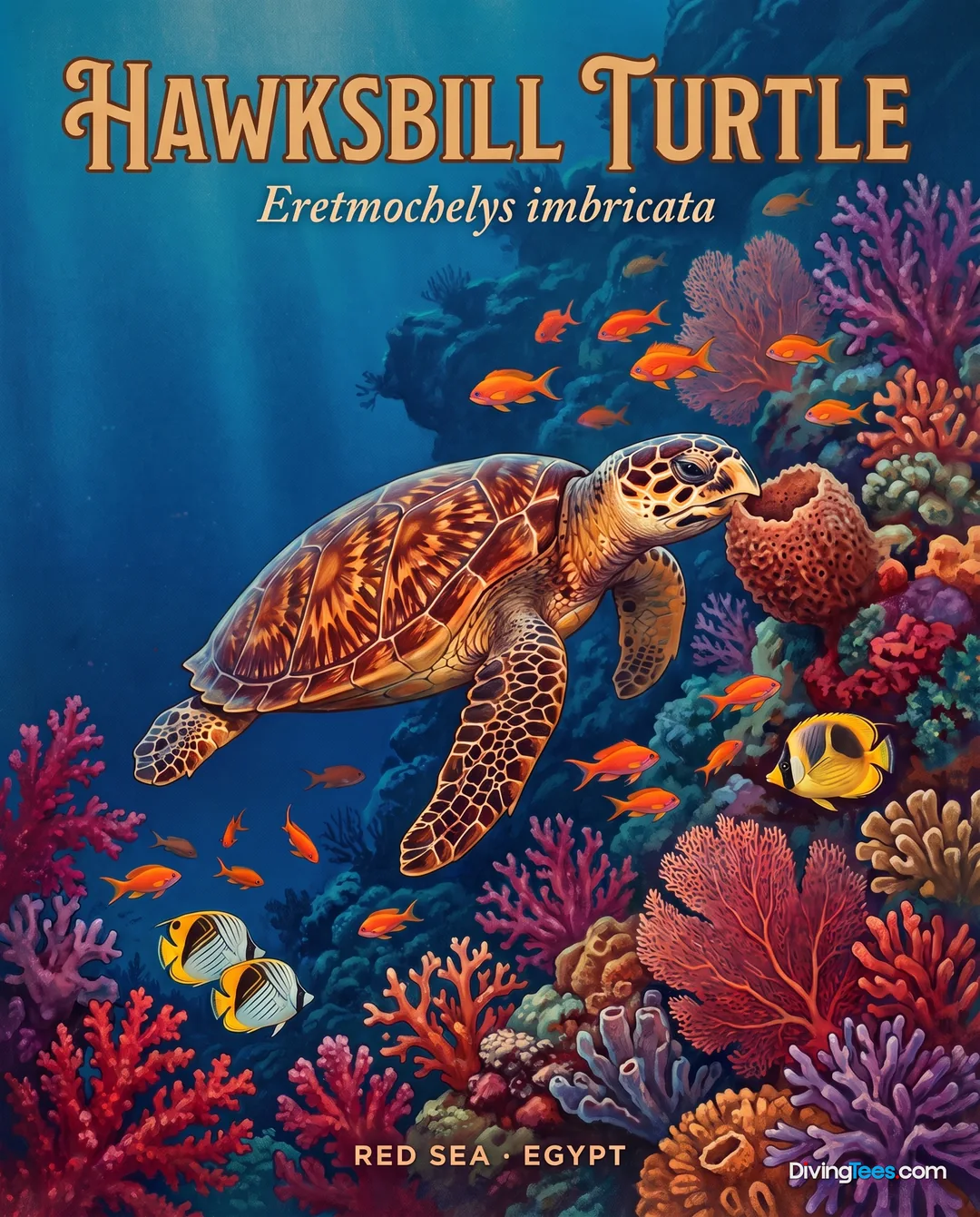
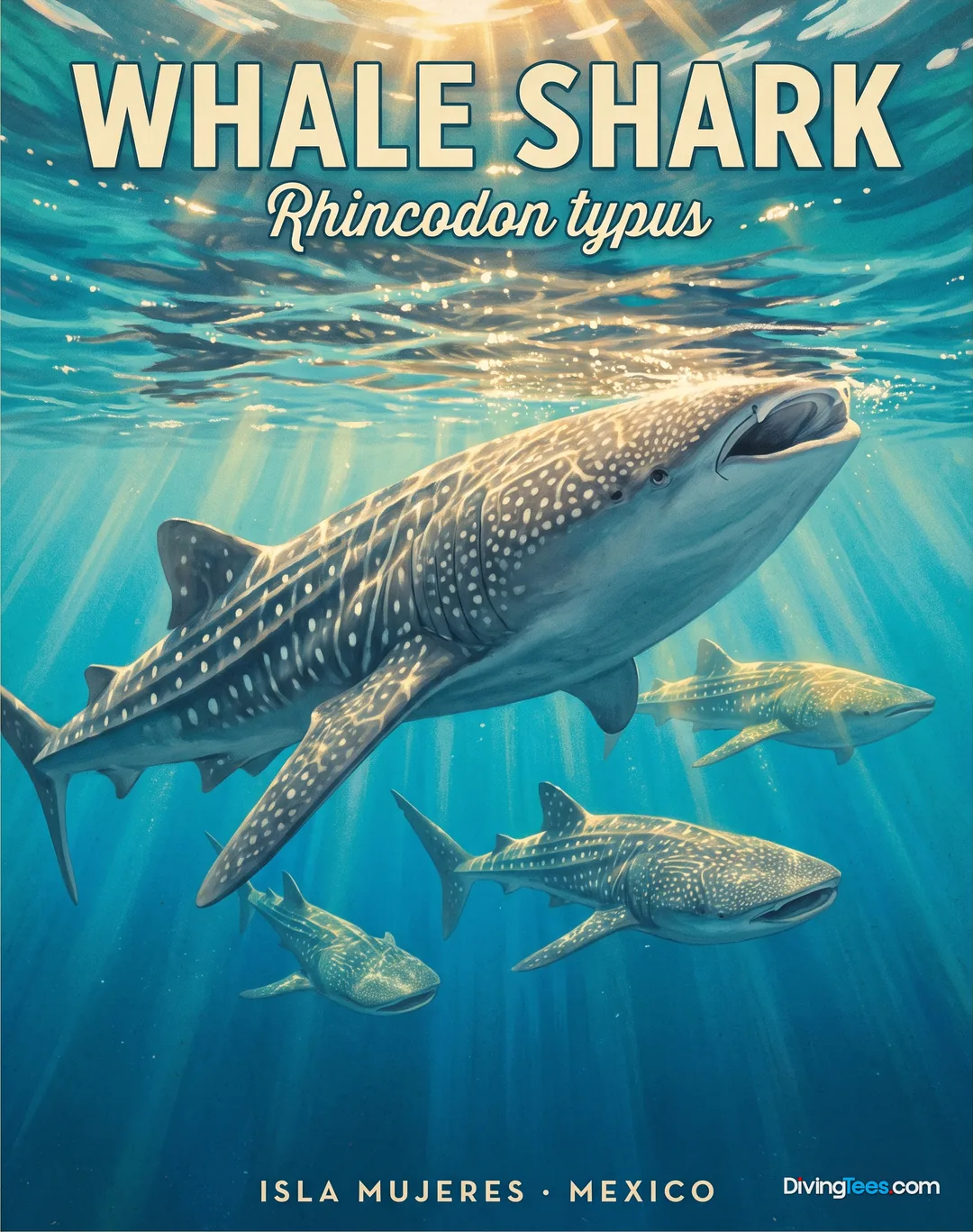
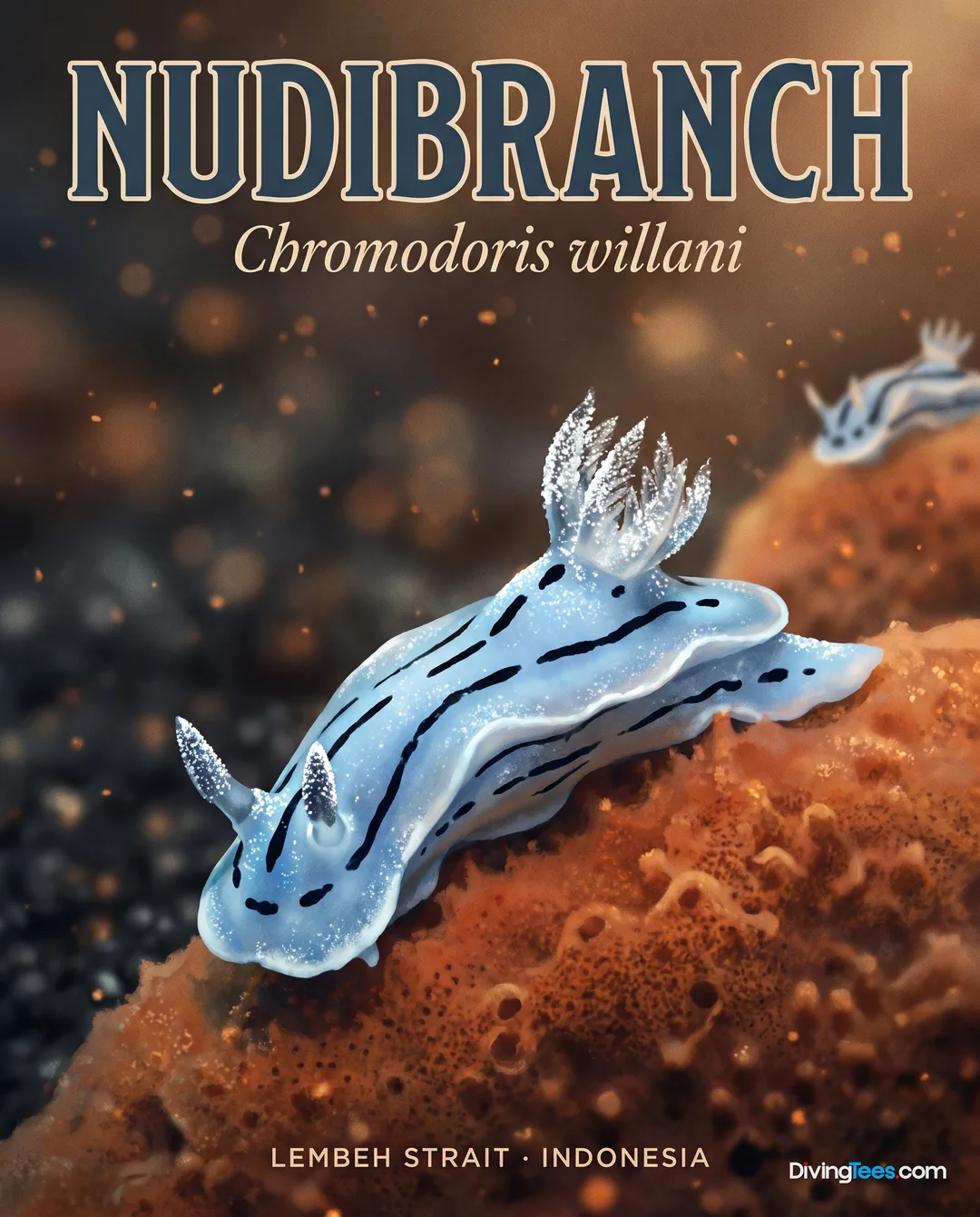
Barracudas, groupers, reef sharks, whale sharks, manta rays, turtles, tuna, trevallies, fusiliers, moray eels and nudibranchs appear across the wider collection of sites on this route, but none is guaranteed on a given dive. Koh Bon gives the best-defined reason to watch the blue water: manta rays use its cleaning station, where other pelagic species may pass through. The Similan Islands and Koh Tachai bring the possibility of larger animals over reefs and pinnacles, while Surin's hard-coral gardens can produce encounters with manta rays and whale sharks. Some sightings are tied to one particular stop. Surin Islands is the place to look for the humphead parrotfish; Boonsung Wreck has the recorded stonefish; Koh Tachai has the recorded hawksbill turtle. Elephant Head Rock and HTMS Khram Wreck are not on the stated six-day North Andaman itinerary, so their site-specific animals are not reasons to expect them on this trip.
Who puts you in the water
Five dive staff handle the guiding and instruction, and the dive groups are kept small, at four divers. The guides are PADI-certified, and the multilingual team speaks English, Dutch, German, Spanish and Italian. Briefings lead into a buddy check before entry, with the dive guide setting out the site, route and group plan before divers step onto the platform or into a tender. The boat supports courses including Open Water, Advanced Open Water, Deep, Wreck, Digital Underwater Photography and Enriched Air Nitrox. Oxygen, first-aid kits, fire equipment, life rafts, marine radios, GPS and radar are carried for emergencies.
The dive deck and the gear
The dive deck is shaded and built for repeated use, with a platform, rinse bins and tenders for getting divers to and from the sites. The standard tanks are 12-litre aluminium cylinders fitted with DIN and INT valves. 15-litre tanks and double sets can be arranged as rental equipment at extra cost, and DIN adapters are carried on board. Nitrox is available for 12- and 15-litre tanks as an optional extra. Rental equipment comes from ScubaPro and includes a BCD, regulator, short 3 mm wetsuit, mask and closed-heel fins; dive computers and prescription masks are also available to rent. Photographers get a separate camera rinse, charging stations and a dedicated photo area. The boat also carries hot showers, oxygen and first-aid kits.
Between dives
Between dives, the shaded dive area is the natural base: gear is close, the sea is in front of you and the next entry does not require a long walk through the boat. For a cooler break, the air-conditioned saloon offers seating, audio and video entertainment and reliable shelter from the midday heat. The terrace and observation deck are better for watching the islands and checking the surface conditions, while the outdoor dining area gives the group somewhere to gather without crowding the interior. Photographers have a dedicated camera-rinse arrangement separate from the general rinse area. Wi-Fi is available, although the connection can disappear offshore; the useful part of the gap between dives remains simple—drying off, eating, checking a camera and getting ready again.
A day on board
The day begins with the first briefing before the first dive, then the boat works through the route in the order set by the sites, weather and park conditions. Dives are separated by the practical intervals that make liveaboard diving work: climb out, rinse equipment, eat, rest, check the next plan and return to the deck. Across the trip, 19 dives are scheduled, with meals and snacks filling the surface time rather than interrupting it. When Manta Queen 3 moves between sites, the deck becomes the place to watch the islands pass, dry gear and prepare cameras. The air-conditioned saloon gives relief from the heat; the shaded dive area keeps divers close to their kit. After the final dive of the day, dinner brings the group together before the boat settles into another night at sea. Then the cycle starts again.
What you eat aboard
Meals are served buffet-style, with both Western and local Thai dishes, and the galley keeps vegetarian and vegan options available. Snacks are offered through the day, which matters more here than elaborate dining: after a dive, a diver needs food within reach before the next briefing, not a long wait for a formal service. Tea, coffee, drinking water and non-alcoholic drinks are included, and the outdoor dining area lets meals happen in the open air when conditions allow. The food is one of the boat's strongest points in passenger scoring, with a 9.5 rating, so the table is not an afterthought between dives. It is part of how the boat keeps 19 dives manageable.
Nights at sea
The cabins sit on the main deck, where panoramic windows give them a direct connection with the sea rather than a dark, enclosed feel. Every cabin is air-conditioned, and the choice runs from a four-bed cabin to twin bunk cabins, with both en-suite and non-en-suite versions, plus double en-suite cabins. Private bathrooms and hot showers are available in the en-suite categories, while shared bathrooms serve the non-en-suite option. The practical difference is privacy, not access to the diving. A cabin on this boat is a place to cool down, dry off and sleep between dives; the saloon, terrace and observation deck carry the rest of the day. Non-smokers will find designated cabin space rather than smoke drifting through the sleeping areas.
Quad Cabin
Twin Bunk Cabin (non en-suite)
Twin Bunk En-Suite
Double En-Suite Cabin
What to know before boarding
Manta Queen 3 departs from Khao Lak and returns to Khao Lak. Transfers in the Khao Lak area, including airport and hotel transfers, are included. Divers arriving from elsewhere should reach Khao Lak the night before, rather than trying to connect directly with the boat's departure.
- Length
- 36 m
- Beam
- 7 m
- Maximum number of passengers
- 28
- Number of cabins
- 12
- Number of bathrooms
- 7
- Engines
- 2 × Hino 450 hp, 10 cylinders
- Website
- mantaqueen.com ↗
Hello, I'm Marina, DivingDeal.com's AI assistant. I answer in detail about hotels, dive centres and liveaboards.
Thinking about the whole trip and the flights? Talk it over with Edith →
Marina is an AI. Some links are affiliate links: DivingDeal may earn a commission, at no extra cost to you. Bookings are made with the partner.