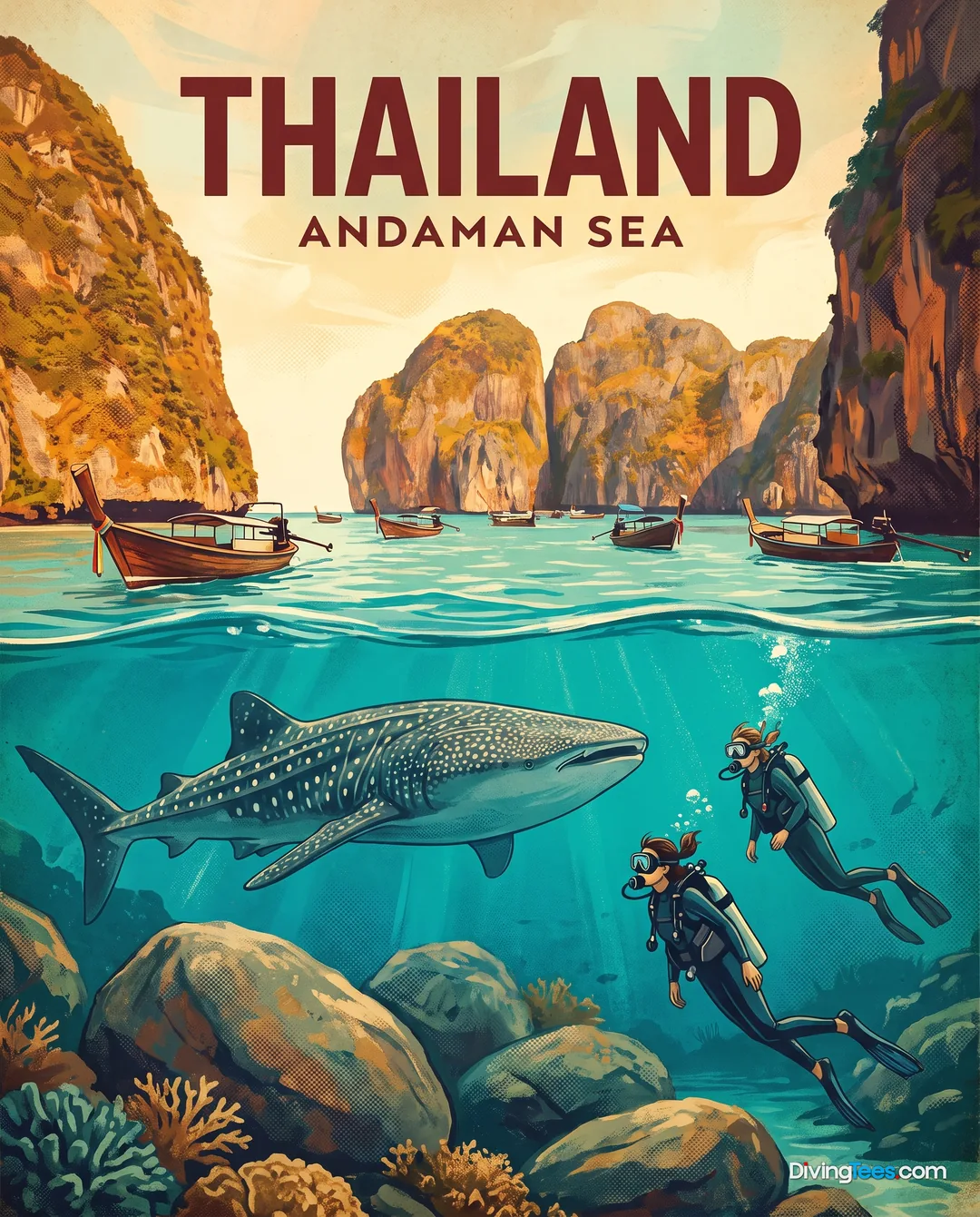
Liveaboards · Thailand
Marco Polo — a compact, dive-first Andaman liveaboard
Deal on this boat
Per person
£1,019$1,362€1,217 £509$681€608
Discount calculated by us, against the boat's usual price for a trip of the same length.
See all discounted dates ↓What makes this boat unique
- Groups are limited to four divers.
- All six air-conditioned bunk-bed cabins have ocean views and private bathrooms.
- Free nitrox, DIN adapters, shaded dive space, camera rinse tanks and charging stations are available on board.
- The five-day/four-night and six-day/five-night routes cover the Similan Islands, Koh Bon, Koh Tachai and Richelieu Rock.
For subtitles in English: start the video firstthen click the gearat the top right of the video, select “Subtitles/CC”, then “Auto-translate” and choose “English”.
The invitation
The Marco Polo is for divers who would rather spend their time in the water than in a large floating resort. The boat carries a maximum of twelve guests, so the dive groups stay small and the crew remains close at hand without the vessel feeling crowded. Its route links the Similan Islands with Koh Bon, Koh Tachai and Richelieu Rock, bringing together granite boulders, walls, pinnacles and wrecks rather than repeating one kind of reef. Free nitrox matters on a route built around several days of diving, while the four-diver group limit gives guides room to react when a manta, shark or small subject appears. The attraction is straightforward: a compact boat, a diving operation organised around the water, and access to some of the Andaman Sea's strongest sites from a liveaboard base.
Boarding
Boarding the Marco Polo feels more like joining a small expedition than checking into a floating hotel. The boat was built in 1998 and renovated in 2021, so its character comes from an older hull with a more recent working interior rather than from a brand-new yacht aesthetic. With only twelve guests, the saloon, terrace and dive areas stay on a human scale; by the second day, the faces around the boat are familiar. The crew can work in English, German and Thai, and transfers from the hotel are included for the boarding arrangement. Once aboard, the first practical priorities are simple: settle into the cabin, receive the briefing, and get equipment ready for the first sites. The Marco Polo makes sense for divers who value access and organisation over excess space.
The atmosphere on board
The Marco Polo's atmosphere comes from its scale and from how directly the crew works with the divers. A crew-to-passenger ratio close to one means help is near when tanks need moving, cameras need attention or a diver wants to discuss a site. The guides are described as strongly committed to diving and will extend time in the water when conditions and the dive plan allow. Small groups also make the guiding more responsive: a guide can slow down for macro life, change position when current shifts, or keep the group together without managing a crowd. English is spoken by the guides, while the wider crew also speaks German and Thai. In the evening, the boat settles around food, cameras and the day's sightings, with the same people sharing the saloon rather than dispersing through separate hotel spaces.
The sites you’ll dive
The Marco Polo's recorded routes run for five days and four nights or six days and five nights, departing from and returning to Andaman Pier or the Andaman Pier/Khao Lak arrangement. They combine the Similan Islands, Koh Bon, Koh Tachai and Richelieu Rock. At Koh Bon, the cleaning station is the reason to stay alert: manta rays may arrive over the walls, with pelagic hunters moving through the blue. The Similan Islands reach a maximum of -40m, shifting from coral reefs into granite boulder formations. Koh Tachai reaches -40m, where submerged pinnacles and coral gardens draw barracuda and other pelagics. Elephant Head Rock drops to -60m and is a maze of granite arches, tunnels and caverns where reef sharks and schooling fish can pass. Boonsung Wreck, to a maximum of -18m, is an old tin dredger turned artificial reef, dense with schooling fish. Other recorded sites add West of Eden at -40m, North Point at -35m, Anita's Reef at -35m and King Cruiser Wreck at -35m, an 85-metre twin-hulled ferry now covered in marine life.
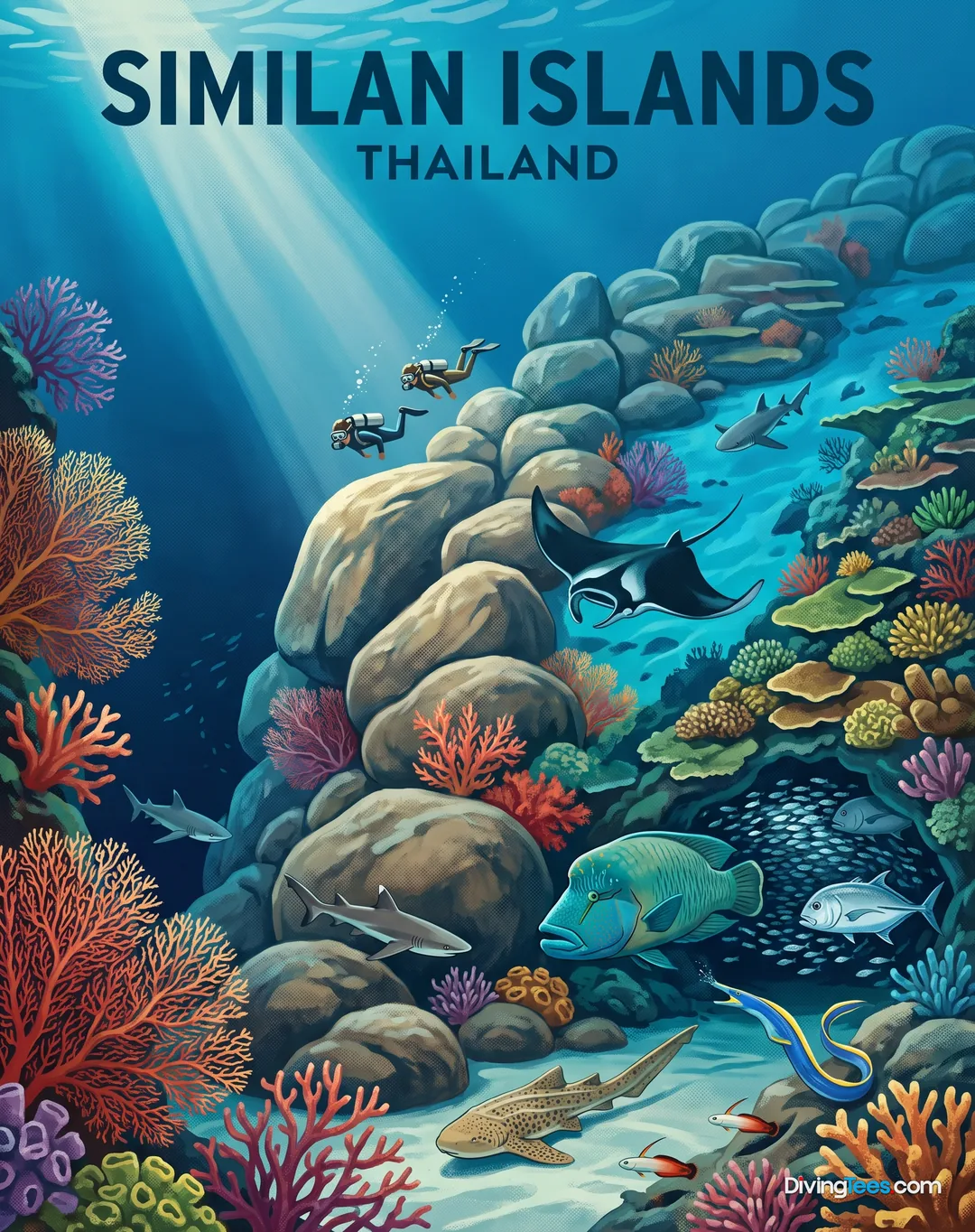
Similan Islands →
Max. depth · 40 m
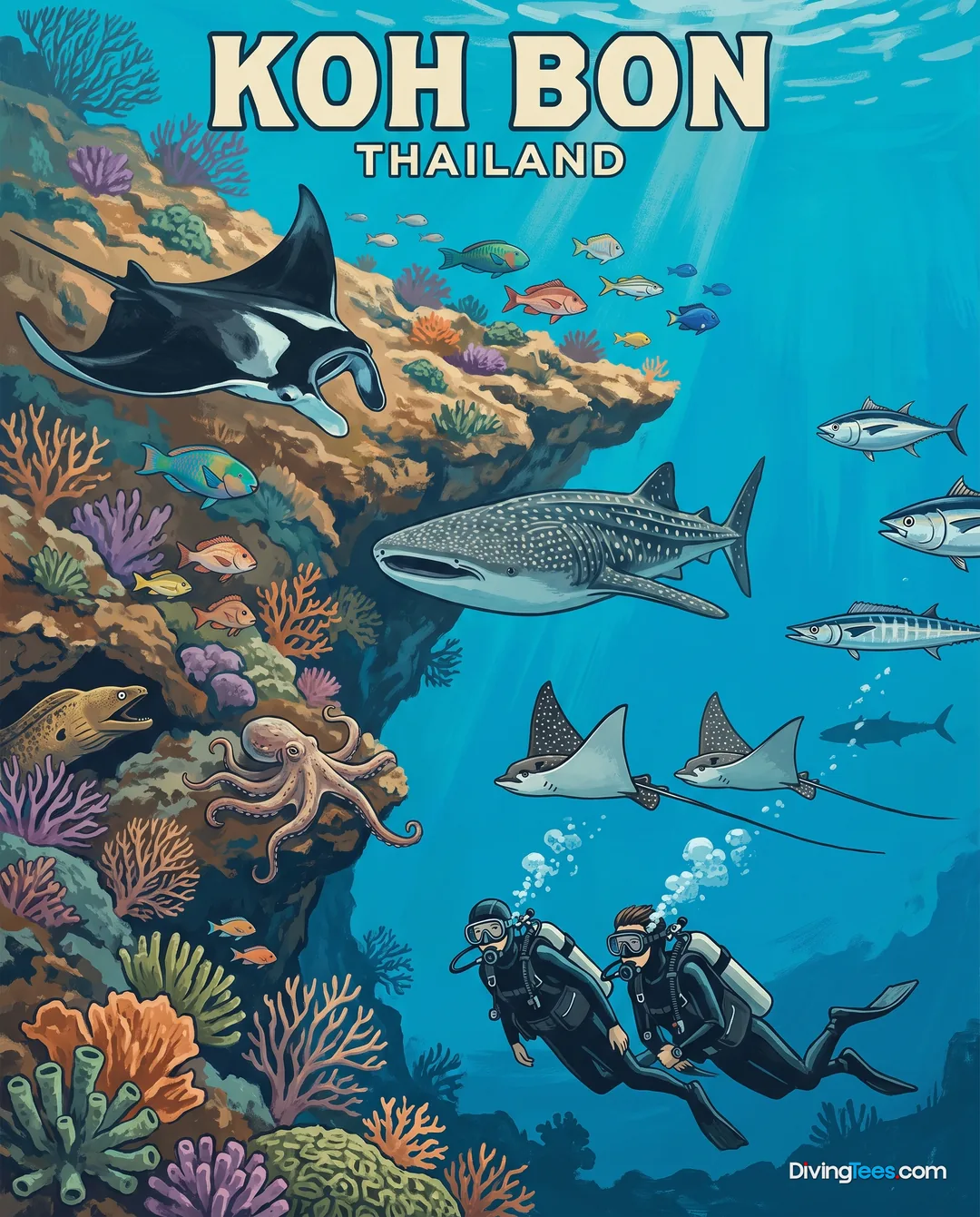
Koh Bon →
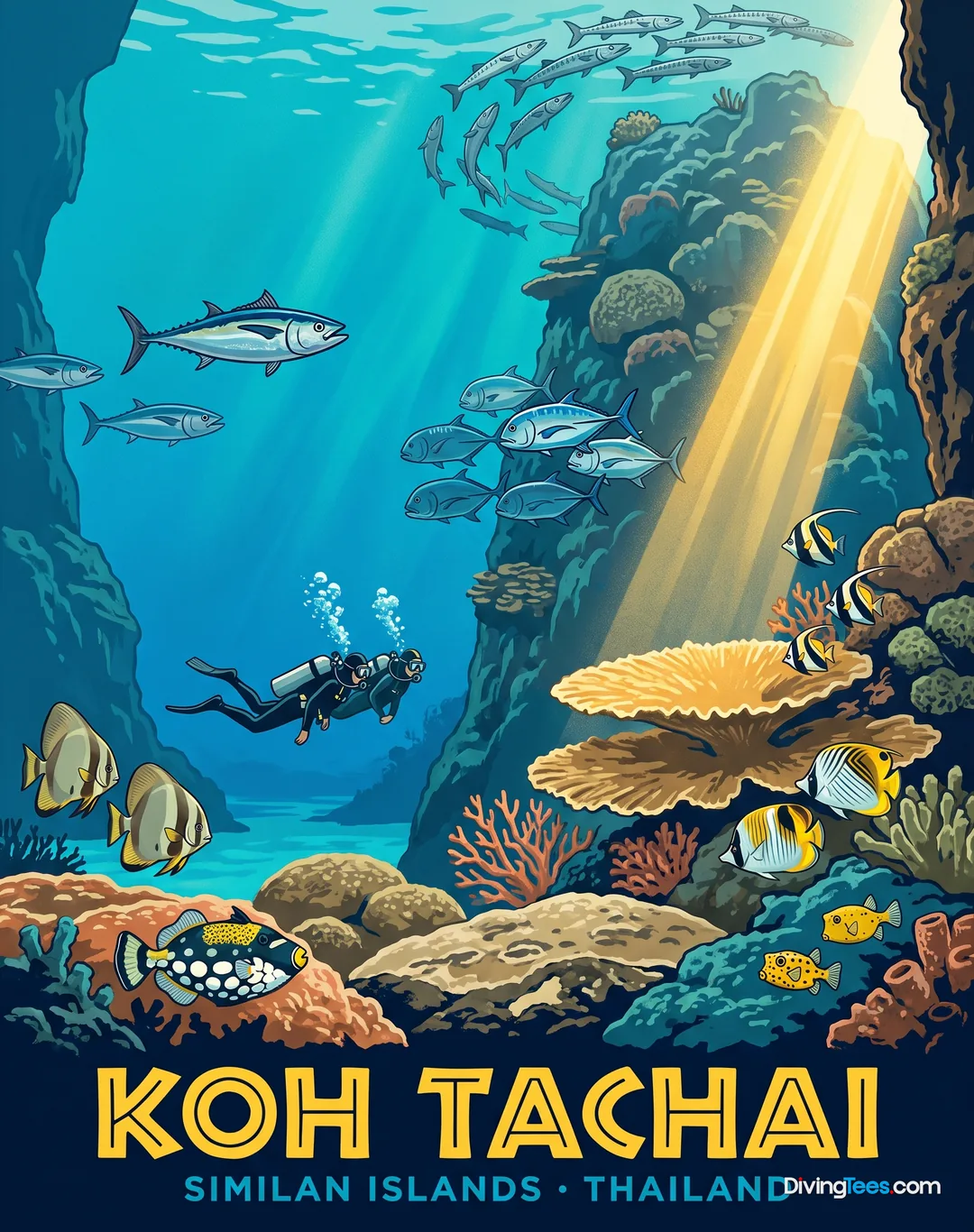
Koh Tachai →
Max. depth · 40 m
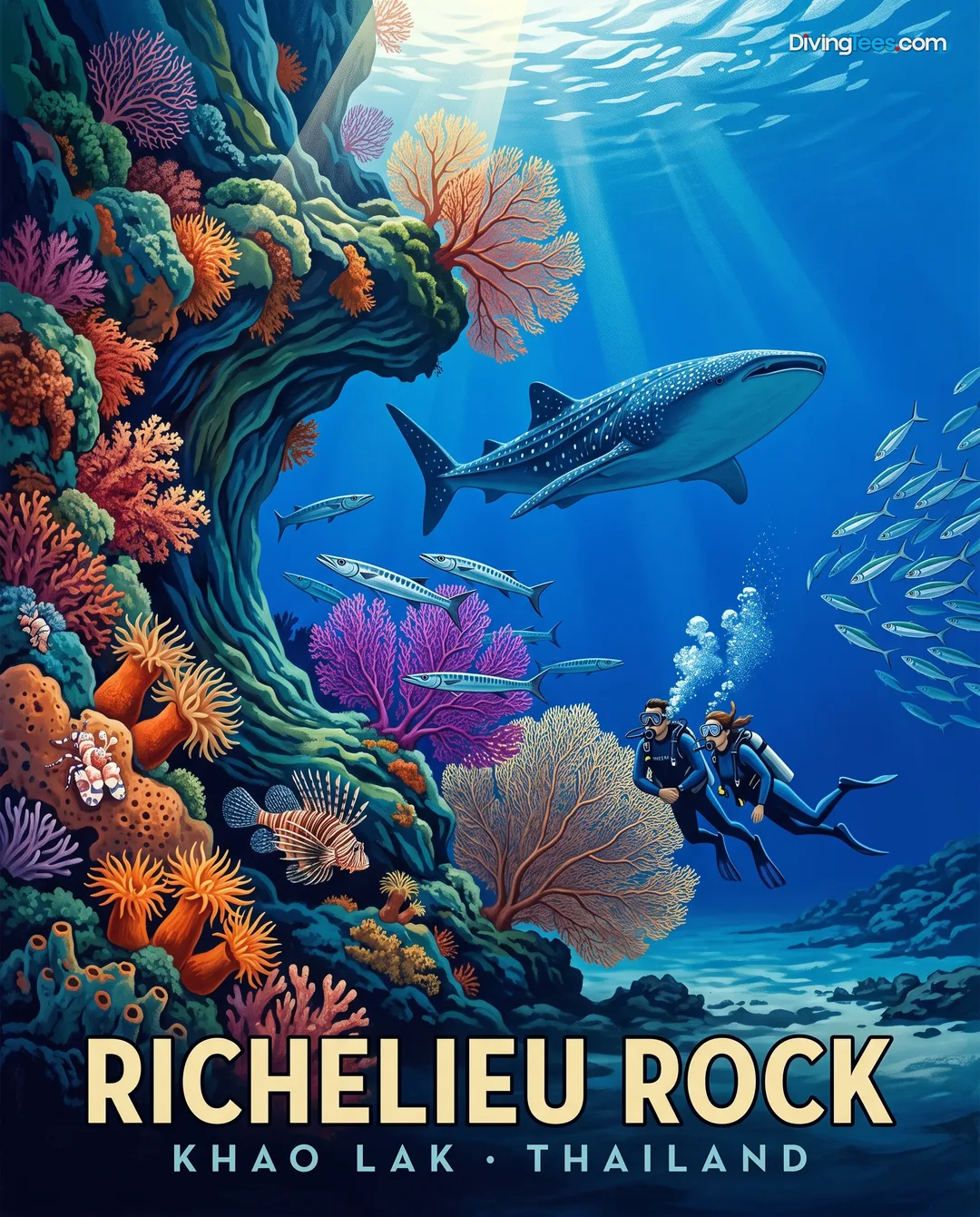
Richelieu Rock →
Max. depth · 35 m
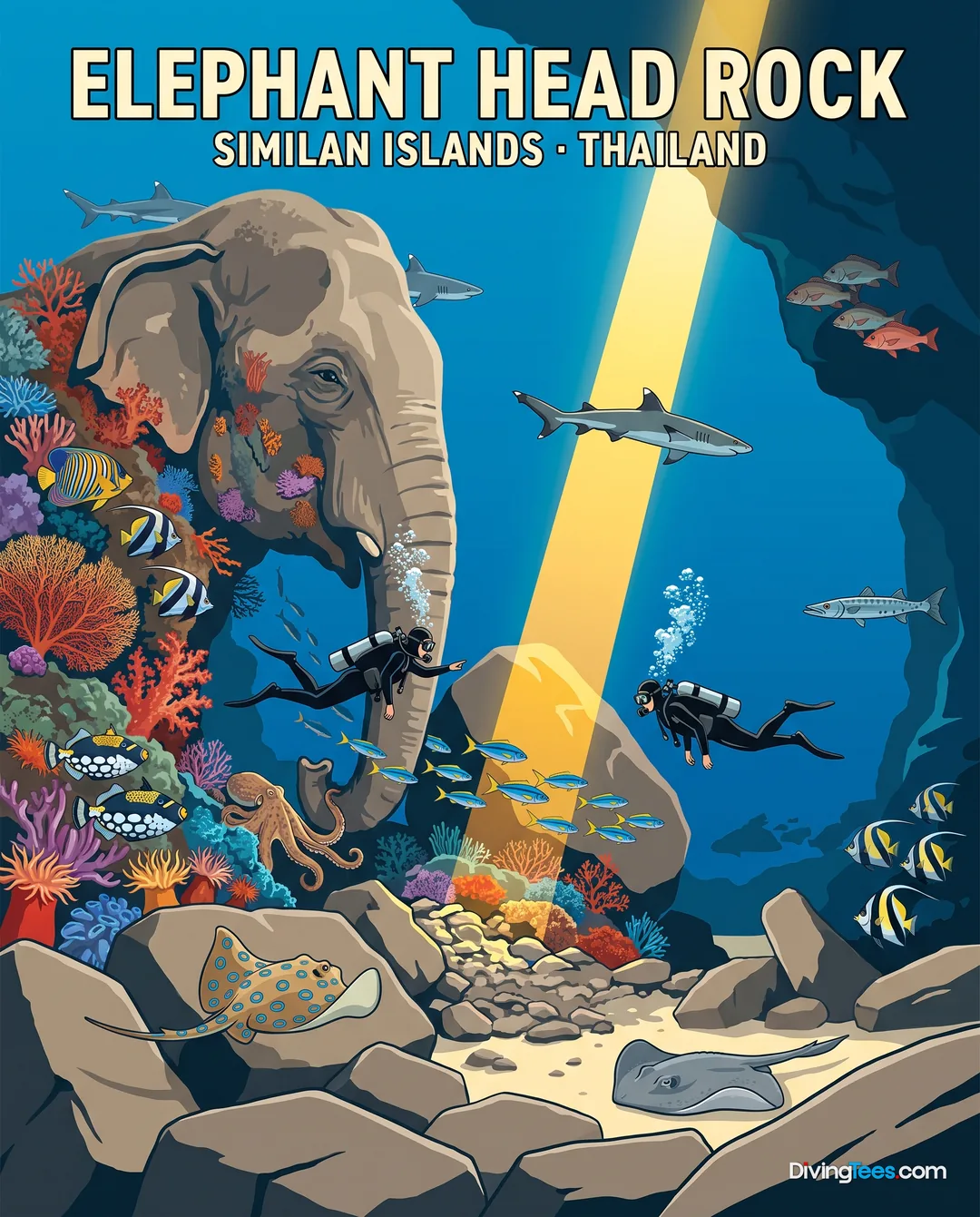
Elephant Head Rock →
Max. depth · 60 m
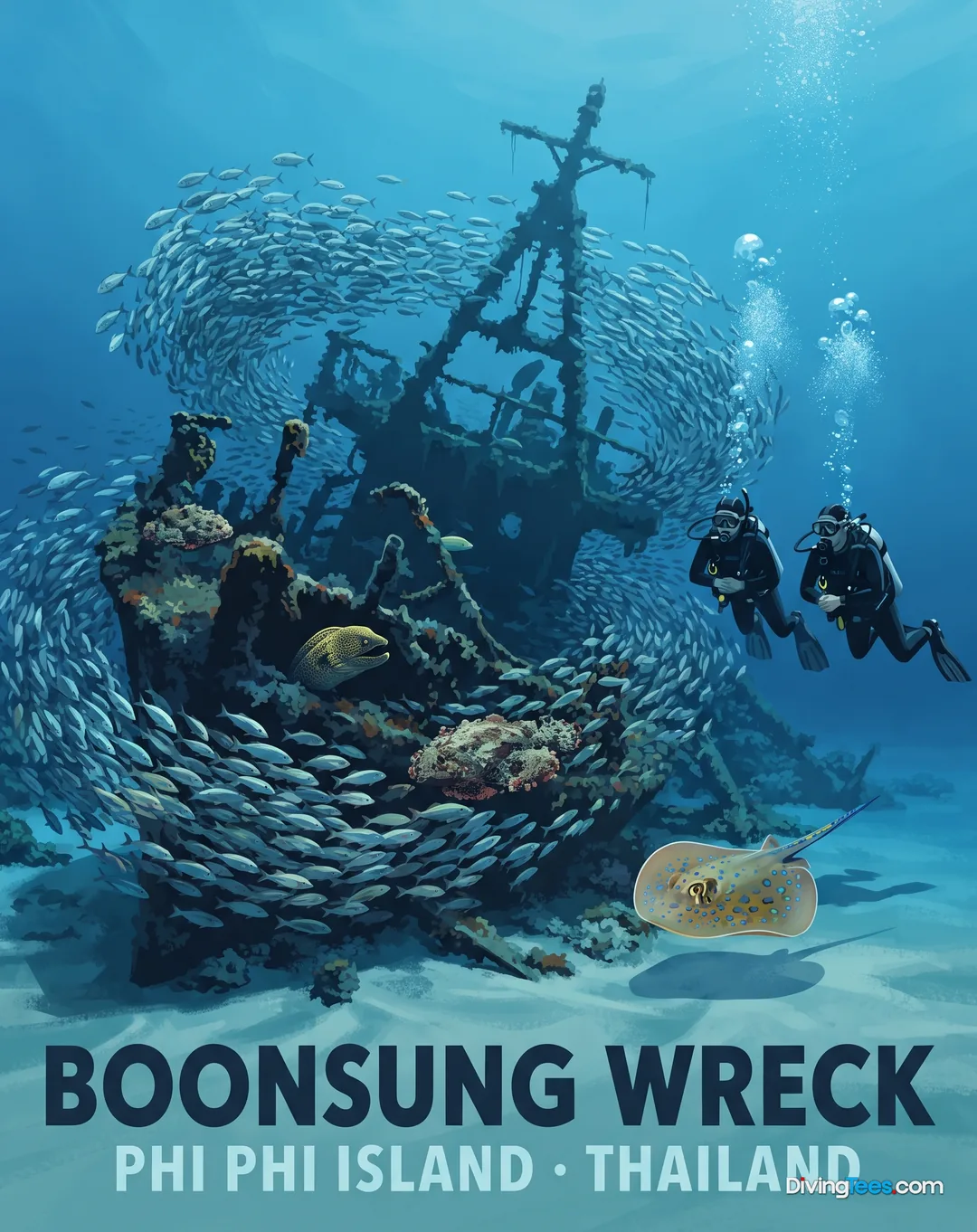
Boonsung Wreck →
Max. depth · 18 m
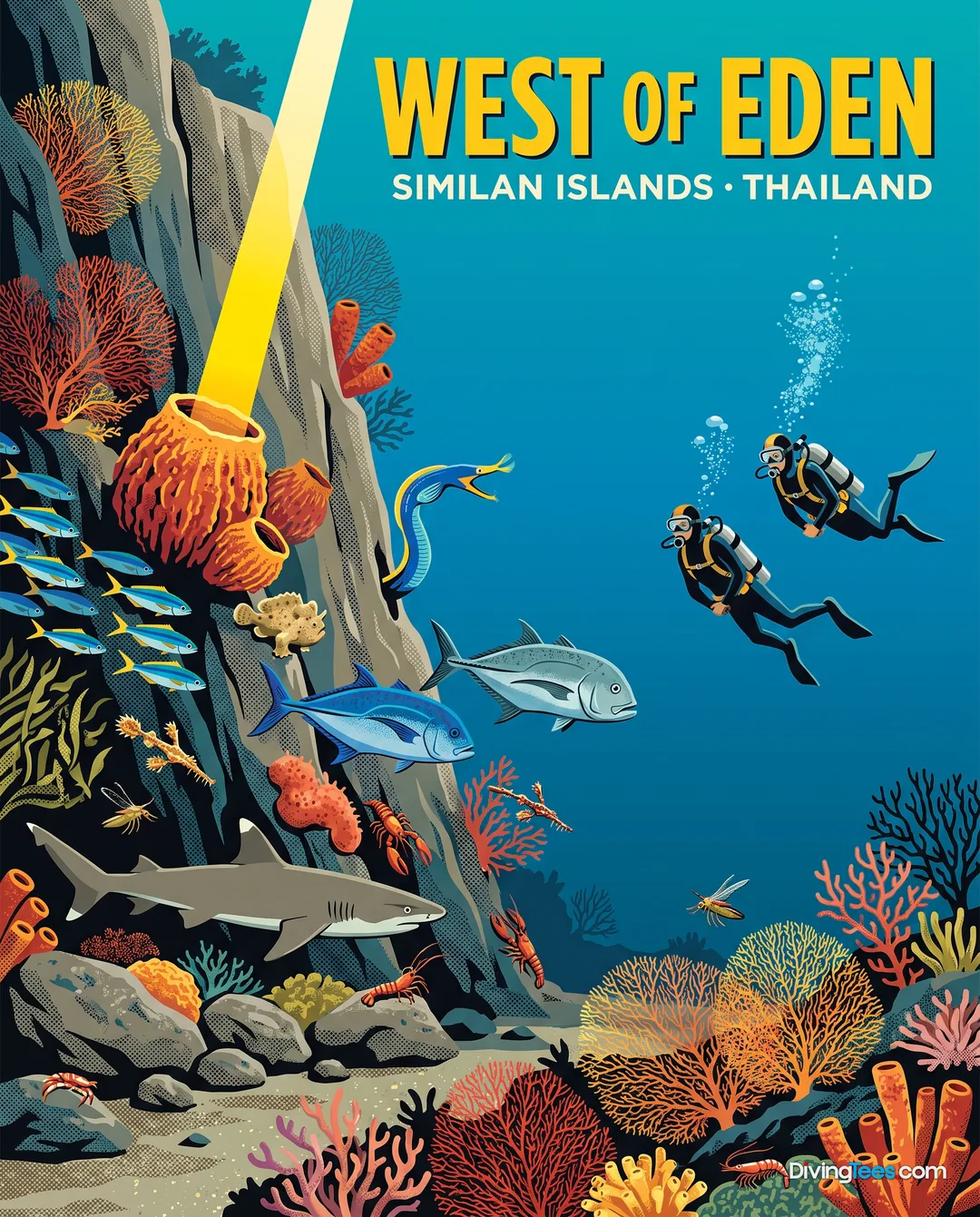
West of Eden →
Max. depth · 40 m
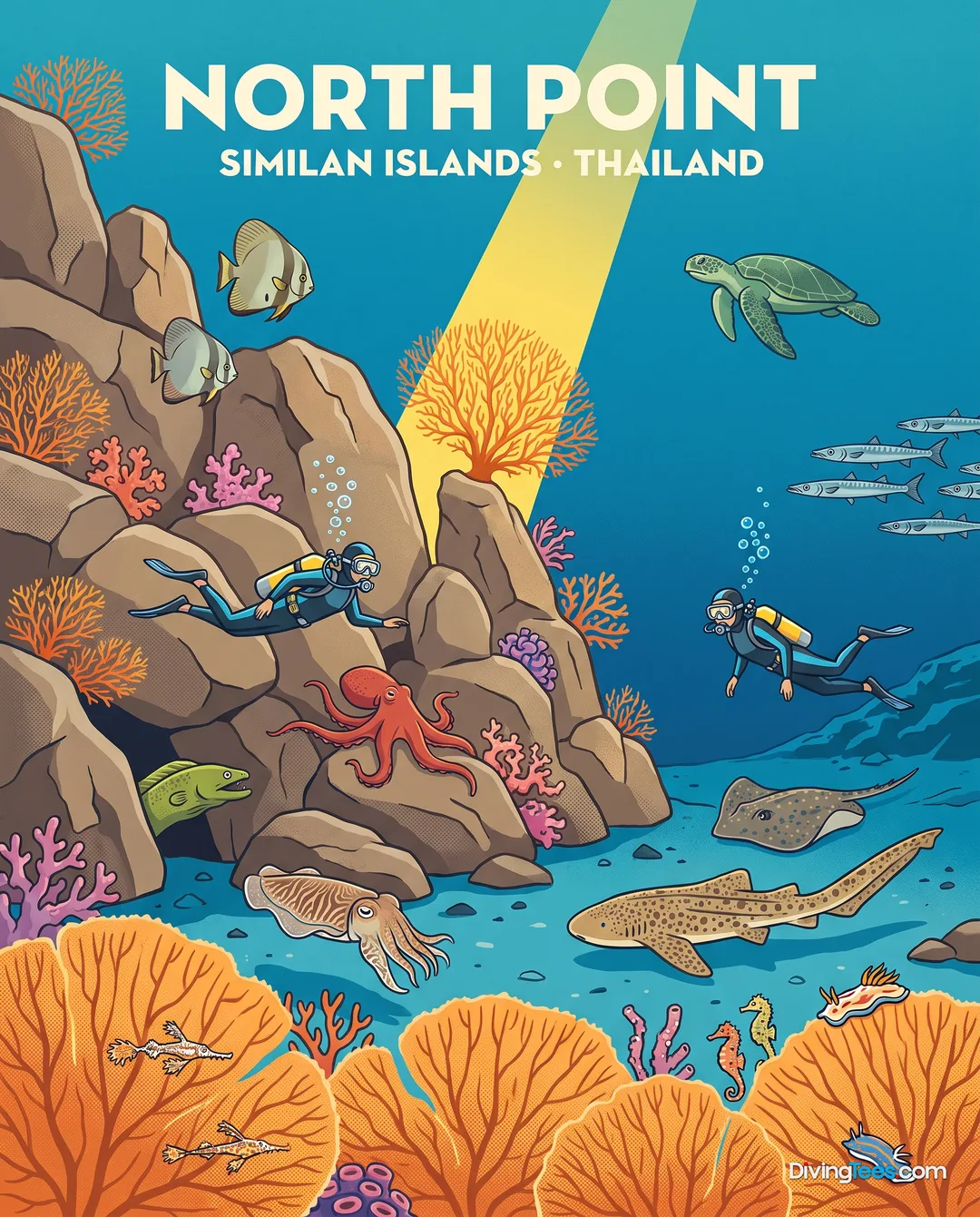
North Point →
Max. depth · 35 m
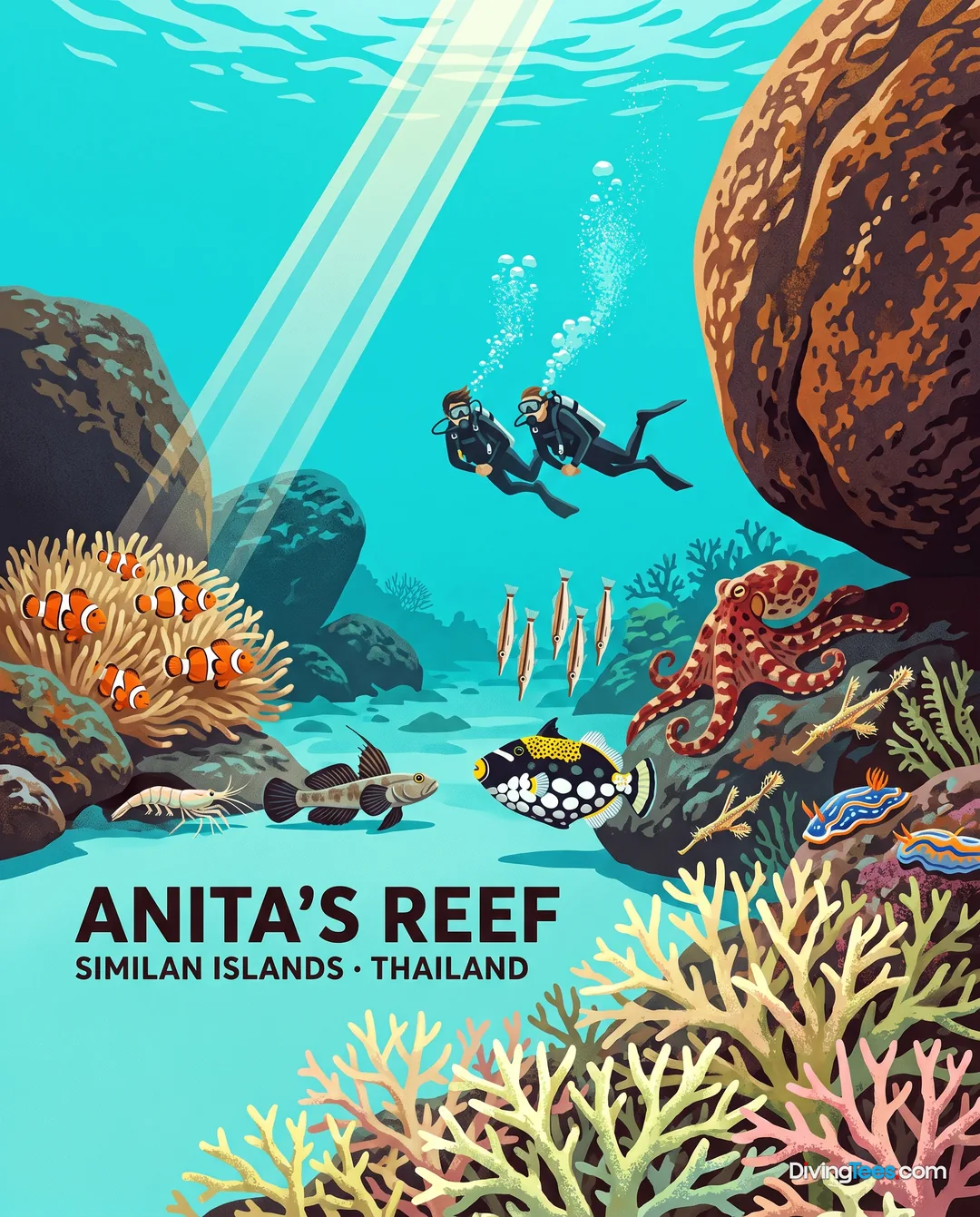
Anita's Reef →
Max. depth · 35 m
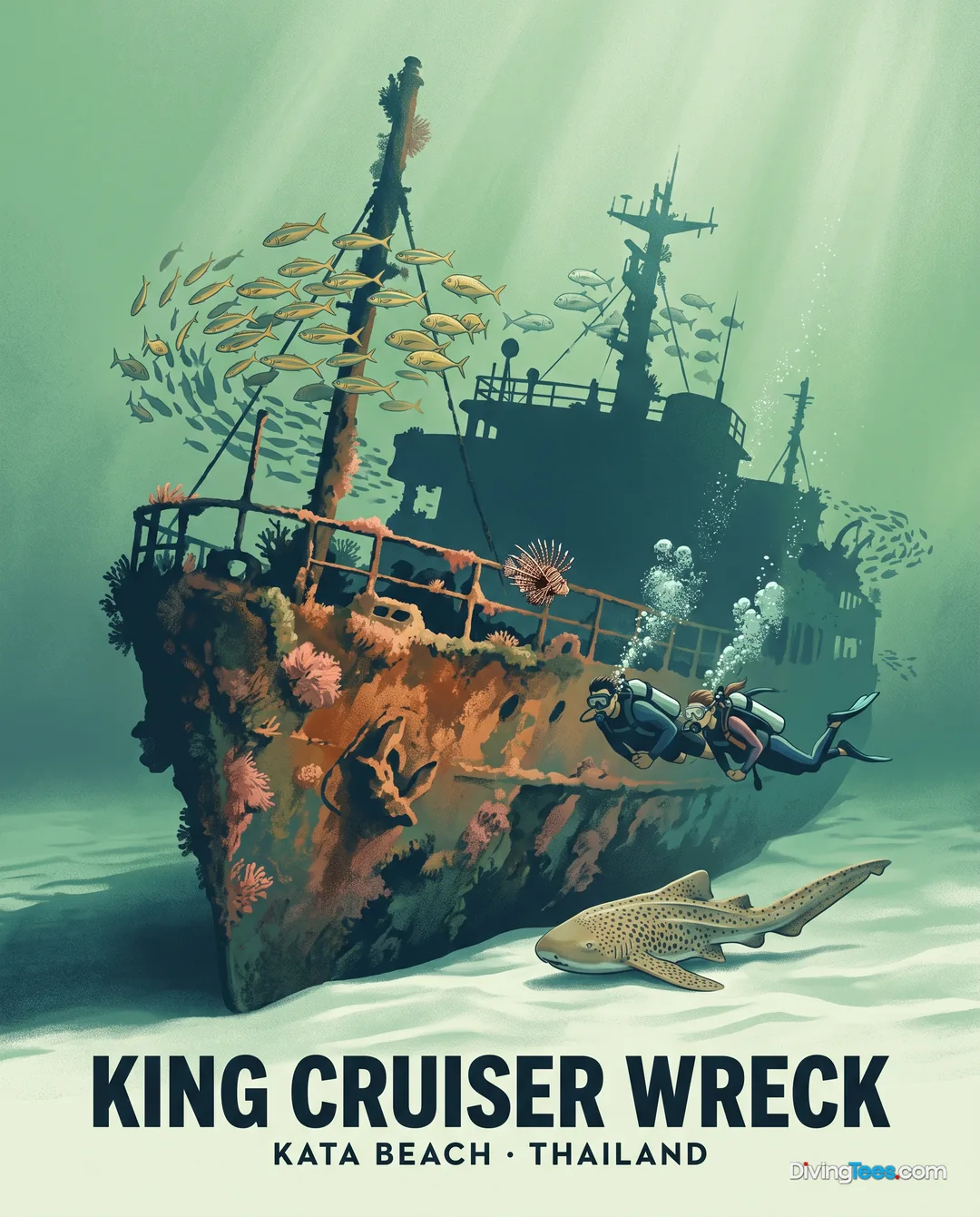
King Cruiser Wreck →
Max. depth · 35 m
Itineraries, dates and prices
Prices per person. Each month shows its lowest price: click a month, or pick an itinerary.
Next departures · 36 departuresfrom £509$681€608
October 2026
November 2026
Green dot: a discounted departure that month. Discount calculated by us, against the boat's usual price for a trip of the same length.
See dates and prices
If you click these links and make a purchase on the partner site, DivingDeal may earn a commission, at no extra cost to you.
Dates and prices taken from Divebooker and liveaboard.com, updated 26 October 2026
What you’ll meet underwater
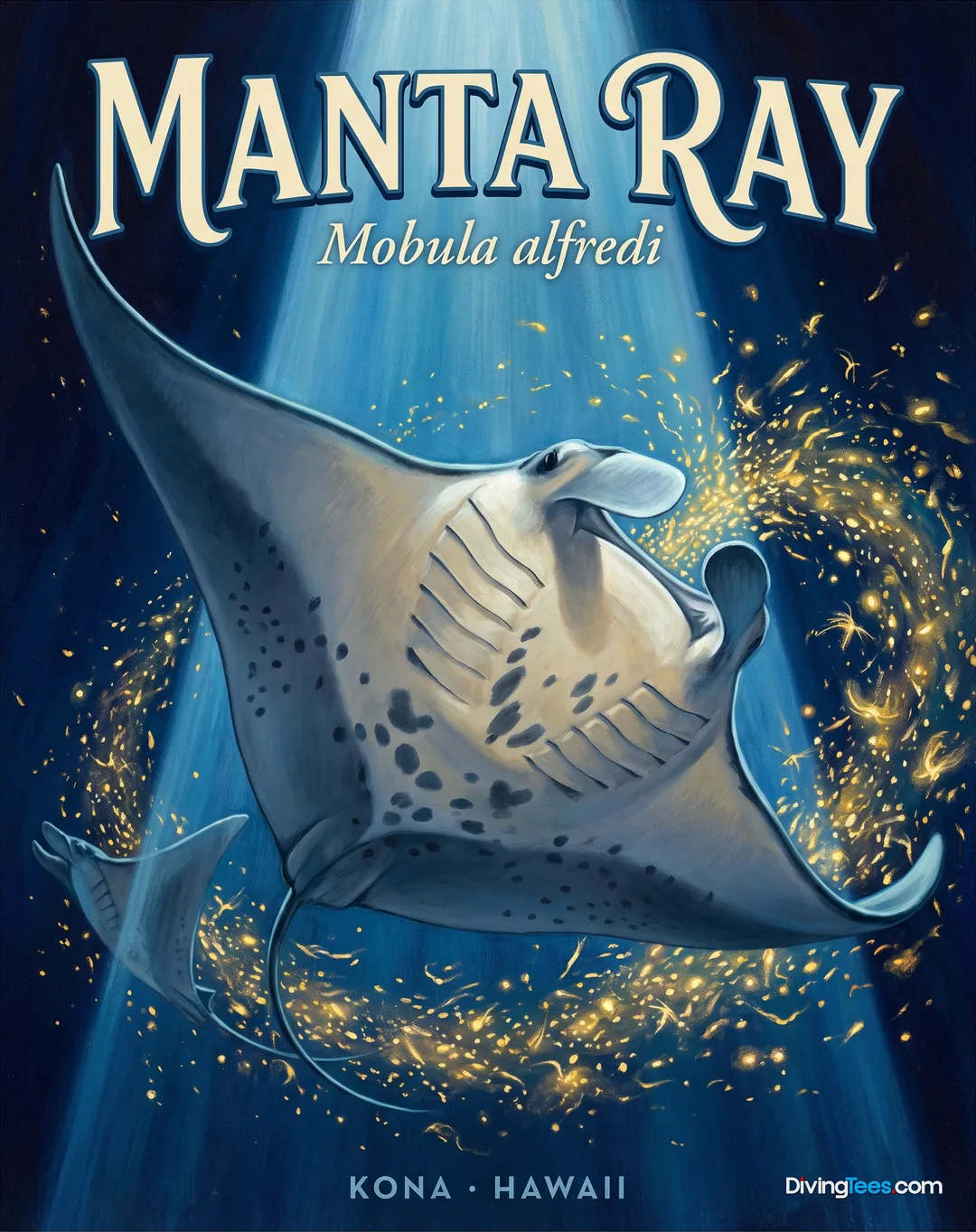
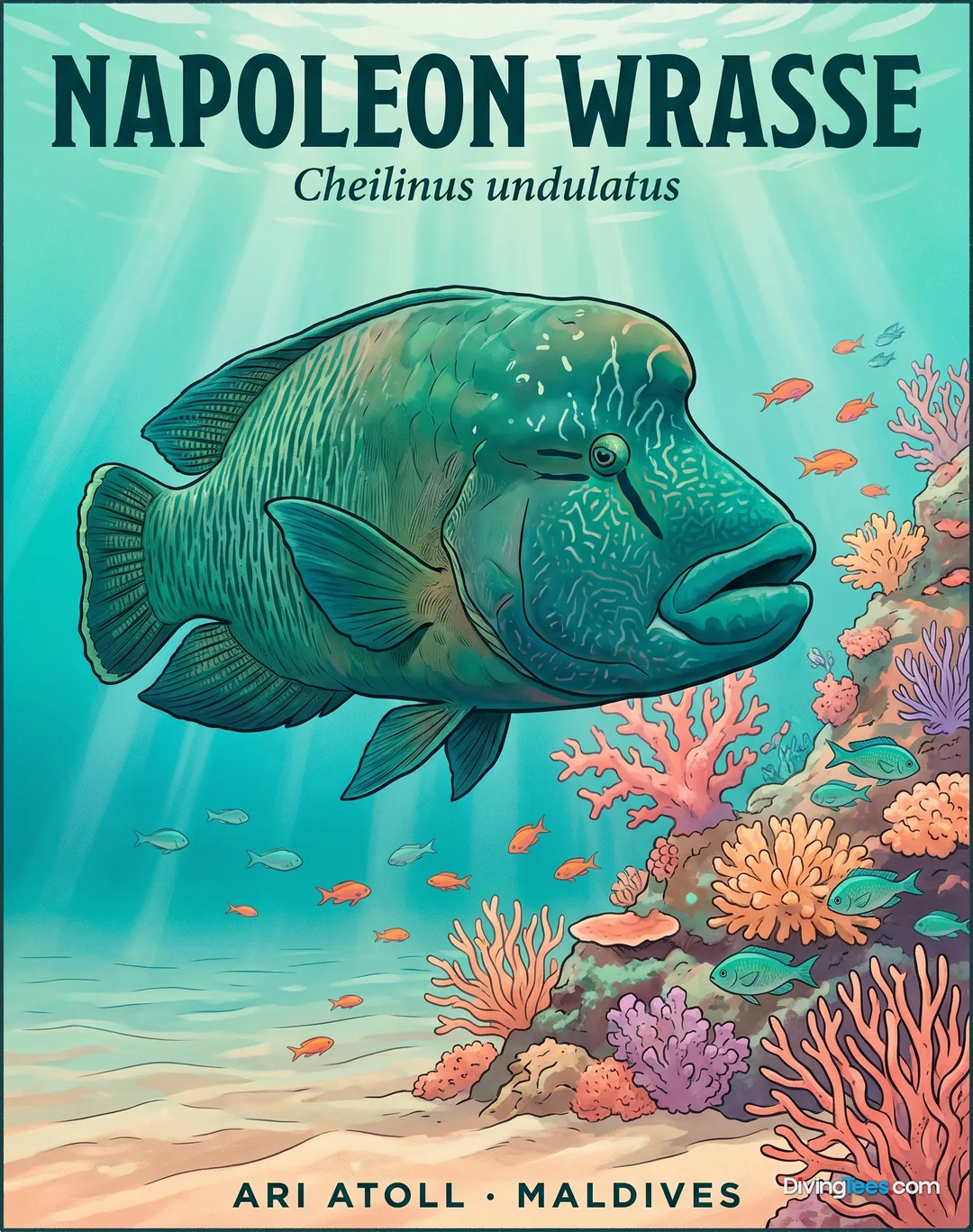
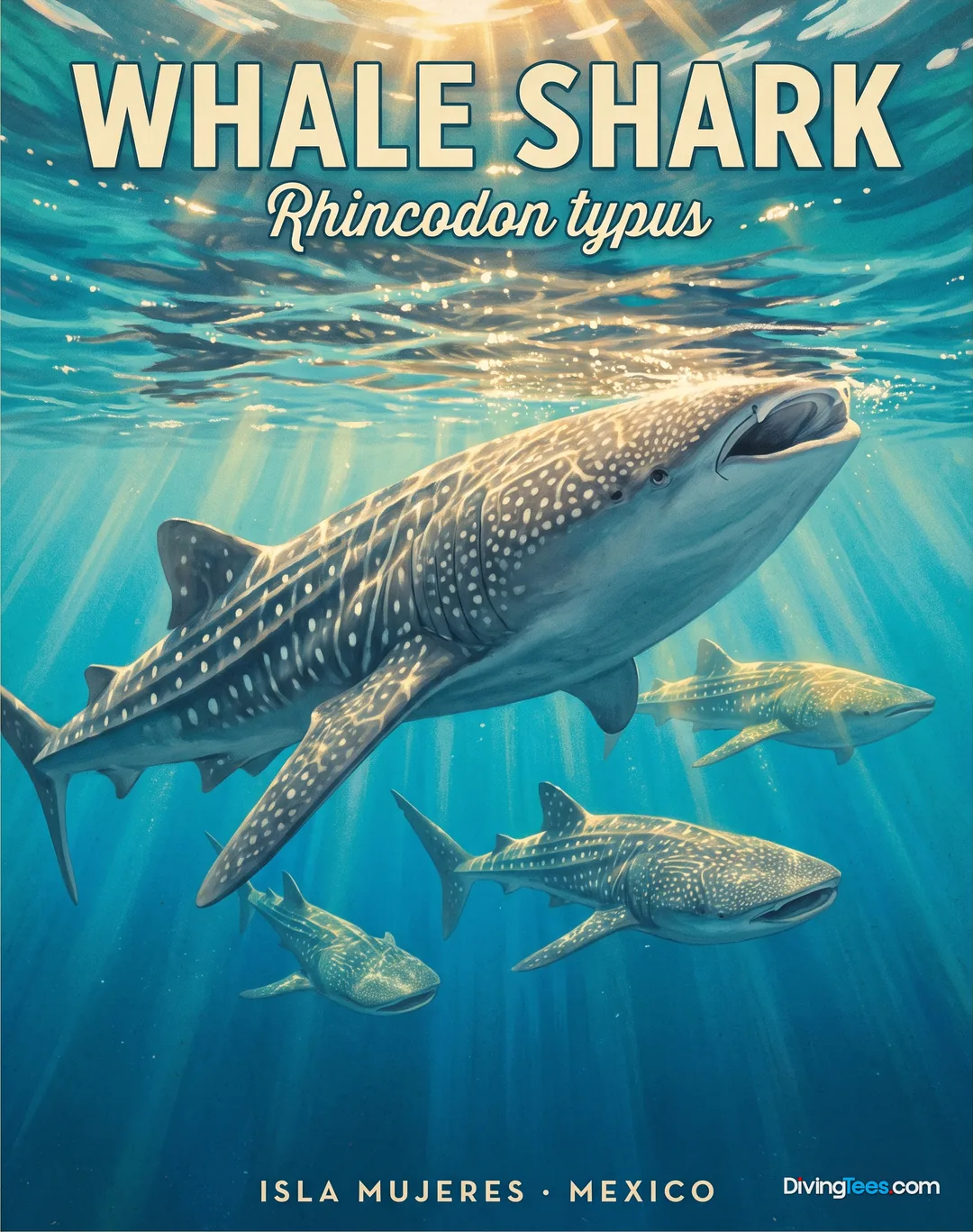
The broad pattern on this route is large movement over detailed reef life. Barracuda, reef sharks, white-tip reef sharks, tuna, leopard sharks, turtles, Napoleon wrasse, whale sharks, manta rays, groupers, jacks, morays, octopuses and nudibranchs recur across the sites, though no encounter is guaranteed. The reason to keep looking changes from dive to dive: Koh Bon's cleaning station can bring manta rays close, while the currents around pinnacles such as Koh Tachai Pinnacle sweep pelagic life across the reef. The one-site sightings are just as valuable. Boonsung Wreck is the place recorded for porcupinefish and stonefish; Elephant Head Rock for triggerfish; Deep Six for blennies; Christmas Point for anemones and the site's specifically recorded shark; King Cruiser Wreck for eels and bamboo sharks. That mix gives the route its character: blue-water animals above, then the patient search for a well-camouflaged subject in the reef.

Who puts you in the water
Dive groups are capped at four divers, giving the guides enough room to keep a proper visual check while still looking for the small life that disappears in a larger group. The guides speak English, and the wider team also works in German and Thai. Briefings are handled close to the diving operation, with the group size allowing the guide to explain the site's shape, current and likely points of interest without addressing a crowd. Instructors, guides and boat staff are trained and qualified in oxygen and first aid provision. Oxygen, first-aid kits, fire equipment, radio, GPS, radar, sonar and emergency flares are carried on board. Nitrox training and other SSI courses, including Advanced Adventurer, can be taken on the boat. No minimum logged-dive count or formal experience level is established here, so site suitability remains part of the guide's briefing and planning.
The dive deck and the gear
The shaded dive deck is arranged for repeated entries, with a platform, tank racks, rinse tanks, and indoor and outdoor showers. One tender supports surface operations, while cameras have a separate rinse area and charging stations keep batteries ready. Tanks use INT valves, with DIN adapters available. Nitrox is free on Marco Polo liveaboard trips, a useful advantage over several days of diving the Similan and northern Andaman sites. Rental equipment is available separately, including Aqualung gear, dive computers, and 15-litre tanks. The layout suits divers who bring cameras or prefer to keep their own equipment assembled.
Between dives
Between dives, the shaded dive area is the practical refuge from the tropical sun, while the terrace gives the boat a place to sit outside when the sea is kind. The indoor saloon offers air-conditioned shelter, a library and audio-video entertainment, and there is a dedicated photo area for downloading, sorting and discussing images. A separate camera rinse tank protects the equipment from the general wash-up. Non-divers and snorkellers are welcome, and a naturalist guide gives the surface hours more purpose than simply waiting for the next entry. Outdoor dining, a leisure area and internet access round out the gaps. The boat is not designed around a long list of resort facilities; it gives divers shade, a dry place for cameras and enough quiet space to reset.
A day on board
A day on the Marco Polo is built around the next entry. The boat moves into position, the guide gives the site briefing, and divers prepare on the shaded deck before descending from the platform. After the dive, the tender supports the surface return when needed, tanks are changed, cameras go into the separate rinse area and food appears before the next briefing. Surface intervals become time for a shower, a place in the shade, a look through the day's photographs or a short rest in the saloon. The route alternates between reef, pinnacle and wreck sites as the boat works through the Similan Islands, Koh Bon and Koh Tachai toward Richelieu Rock, then returns through the itinerary. Meals punctuate the diving; the sea crossing fills the longer gaps. By evening, the useful work is done: equipment is rinsed, sightings are compared and the cabins become quiet places to recover before the next day.
What you eat aboard
Food is one of the boat's stronger points. Meals are served buffet-style and combine local Thai cooking with Western dishes, with vegetarian and vegan options available. Fresh fruit and snacks are available throughout the day, which is exactly what divers need when the next entry comes before hunger has properly returned. Breakfast, lunch and dinner break up the diving rather than turning the trip into a formal dining experience, and dinner can be taken outdoors. Non-alcoholic drinks, tea and coffee are included; beer and wine are available separately. The table matters here because a liveaboard day leaves little room for elaborate dining rituals: divers need food that arrives reliably, offers enough choice, and can be eaten without losing the next briefing.
Nights at sea
The six cabins are air-conditioned bunk-bed cabins on the main deck, each with a standard window and an ocean view. They are compact, but the arrangement suits a boat where the cabin is mainly for sleeping between dives rather than spending the day indoors. Each cabin has its own bathroom, with a rain shower, modern toilet and LED-lit mirror. That is useful after repeated salt-water entries, when a proper shower and a dry bunk matter more than decorative space. Cabins are non-smoking, and daily housekeeping keeps the limited room usable through the trip. The Marco Polo does not offer a choice of large suites or private outdoor cabins; its appeal is a straightforward, comfortable place to recover while the boat moves between the Andaman Sea sites.
Bunk-bed Cabins
What to know before boarding
The Marco Polo departs from and returns to Andaman Pier, with some departures and returns arranged through Khao Lak. Hotel transfer is included; airport transfer is an optional extra. Arriving in Khao Lak the night before is the sensible choice, leaving the boarding transfer separate from the flight day and protecting the start of the trip from delays.
Deck plan
- Year built
- 1998
- Year renovated
- 2021
- Length
- 23 m
- Maximum number of passengers
- 12
- Number of cabins
- 6
- Number of bathrooms
- 8
- Tenders
- 1
- Website
- sea-bees.com ↗
Hello, I'm Marina, DivingDeal.com's AI assistant. I answer in detail about hotels, dive centres and liveaboards.
Thinking about the whole trip and the flights? Talk it over with Edith →
Marina is an AI. Some links are affiliate links: DivingDeal may earn a commission, at no extra cost to you. Bookings are made with the partner.