
Khao Lak Scuba Adventures
★ 4.9/5 (1,490 reviews)
67 km away as the crow flies
Khao Lak · Thailand · Asia
Max. depth · 60 mNavigate a submerged labyrinth of colossal granite boulders, where arches, tunnels, and caverns provide refuge for reef sharks and a diverse schooling fish population.
For subtitles in English: start the video firstthen click the gearat the top right of the video, select “Subtitles/CC”, then “Auto-translate” and choose “English”.
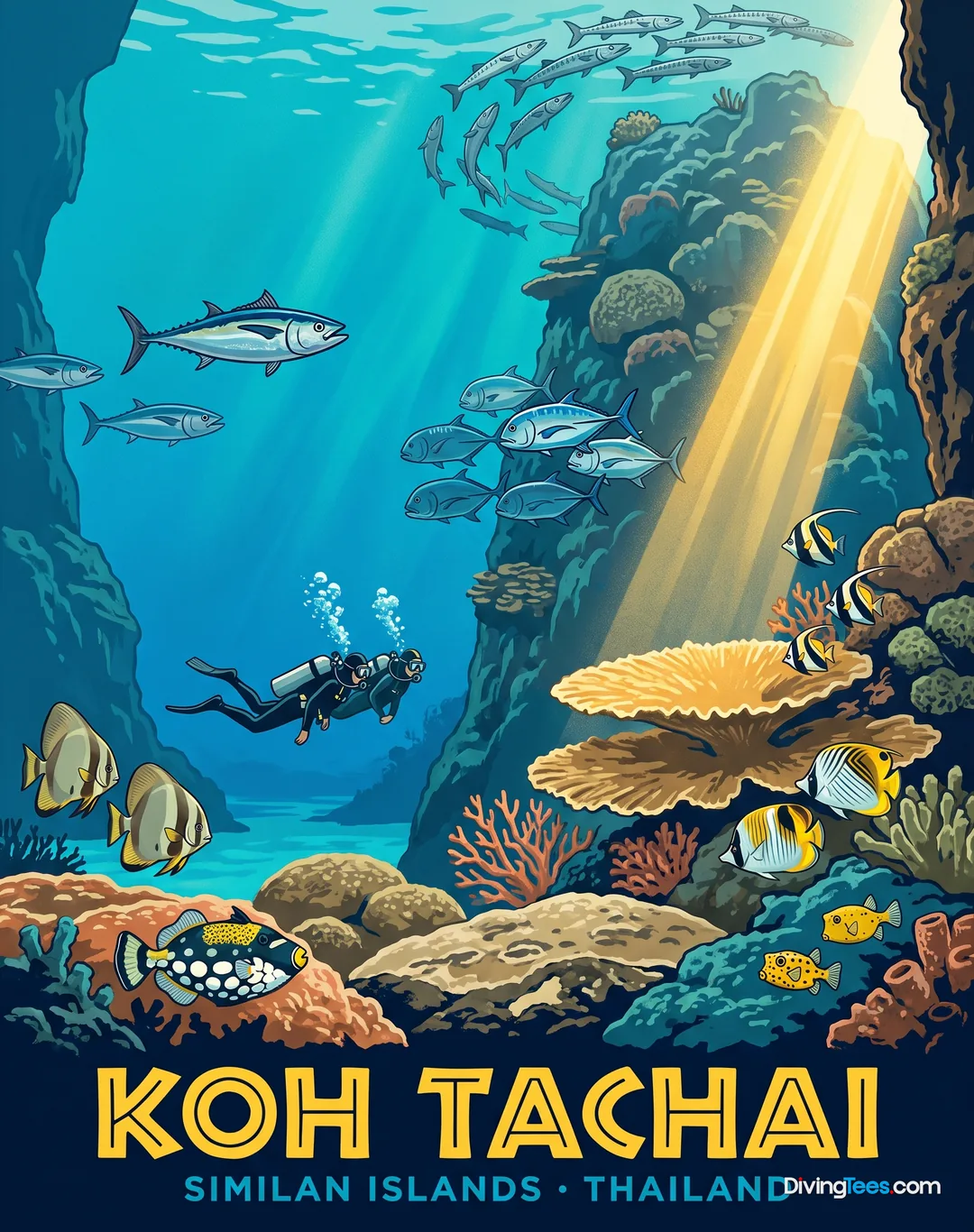
Elephant Head Rock, located near Similan Islands numbers 7 and 8, is defined by its massive granite boulder formations. The site takes its name from a prominent rock that, from certain angles, resembles an elephant’s head. As typical of the Similan National Park, the underwater landscape is shaped by these large granite blocks, which create a complex environment of channels, passages, and hidden openings. Your descent immediately brings you into this geological maze, with the primary dive area extending from 5 metres down to 40 metres, though diveable structures continue to 60 metres.
Navigating Elephant Head Rock involves exploring a series of bold, deep channels and tunnels formed by individually placed and stacked granite blocks, some of which are over 30 metres in height. These formations create a dynamic topography, allowing for numerous swim-throughs and sheltered areas. As you move through these structures, the light changes, highlighting crevices and smaller rocks at around 12 metres, and a distinct crevice at 7 metres which adds to the site's intriguing architecture. The deepest known swim-through descends to roughly 29 metres, offering a sense of deeper exploration.
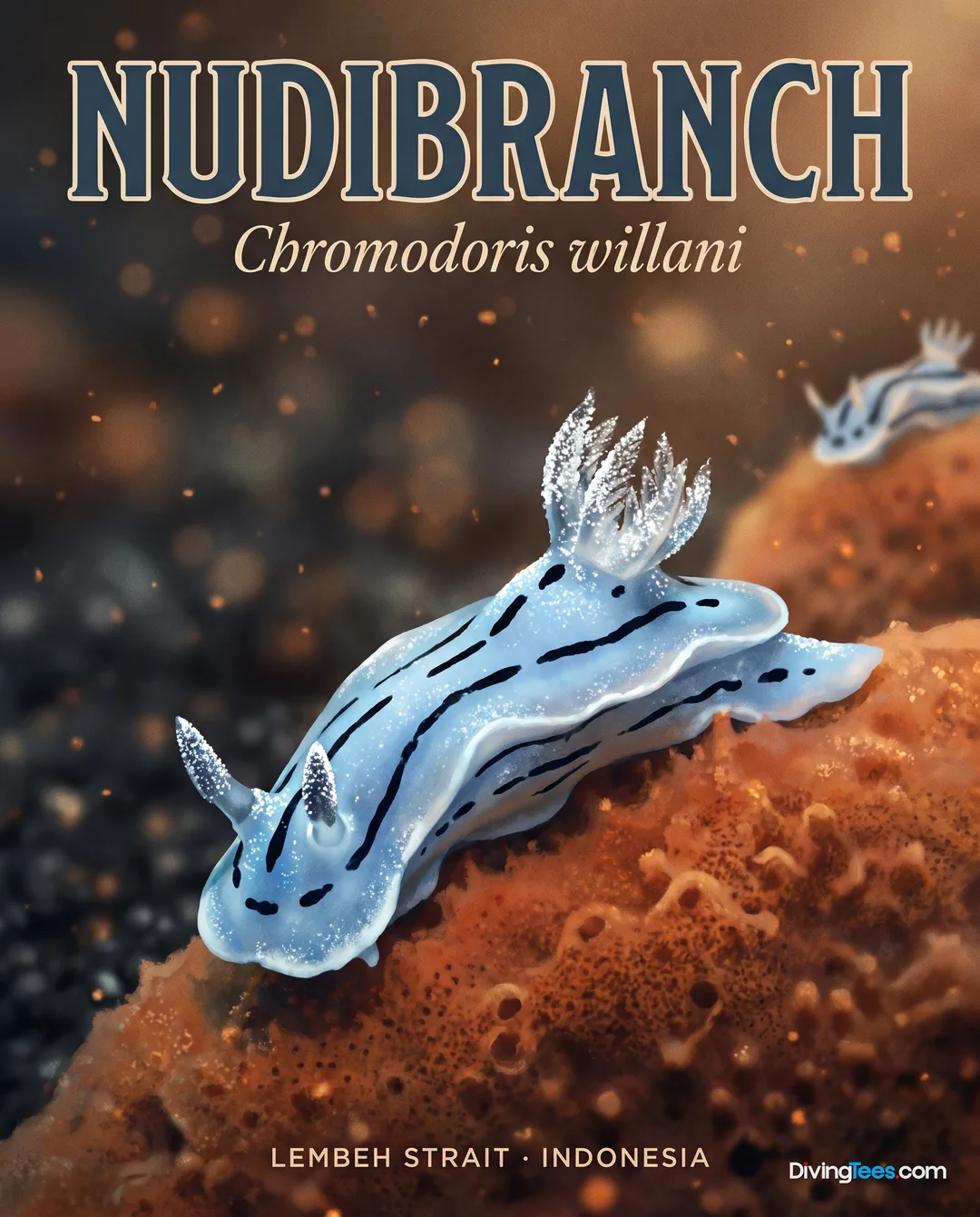
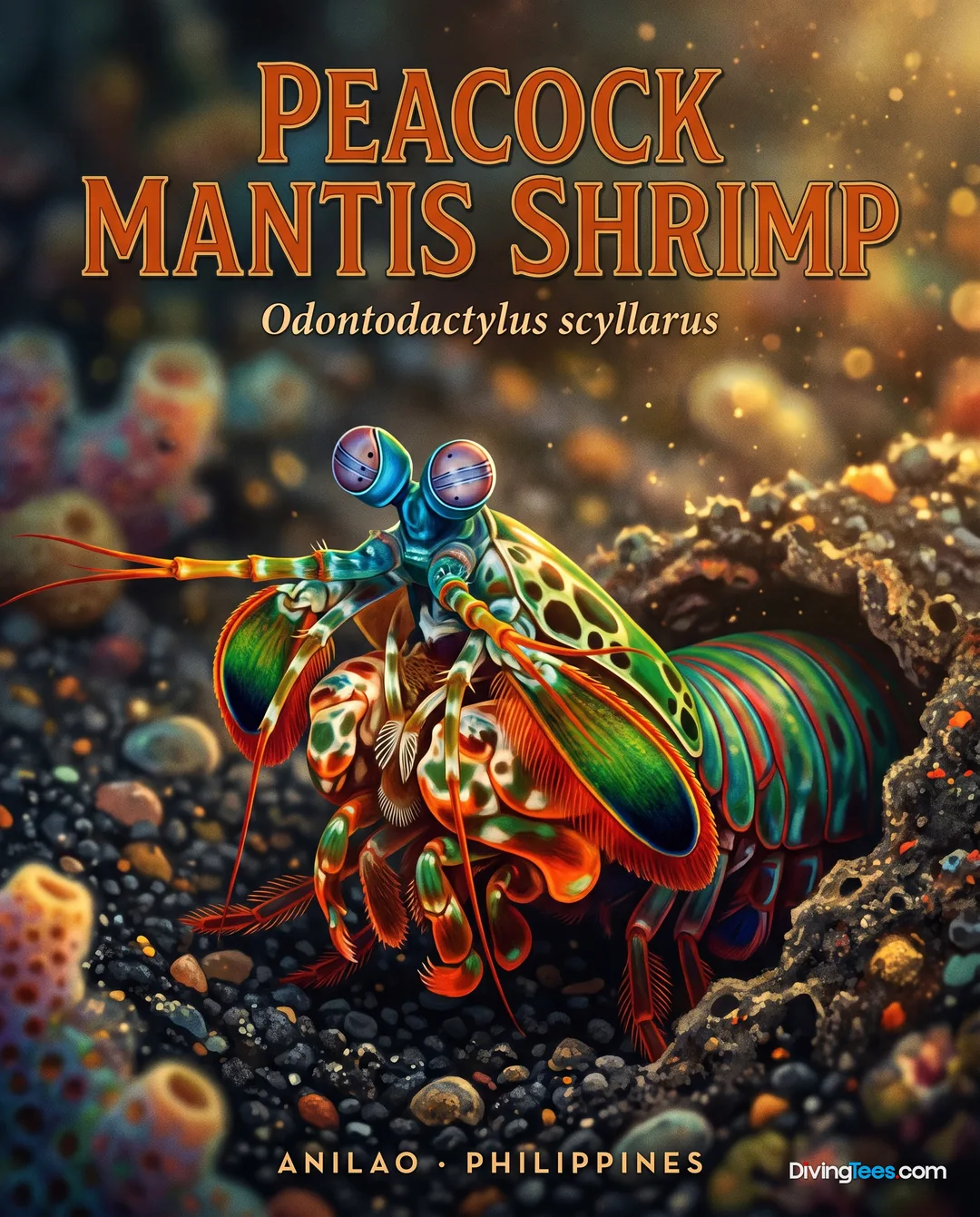
The resident marine life at Elephant Head Rock thrives within this varied landscape. Angel fish and triggerfish are commonly observed navigating the boulder surfaces, while schools of fusiliers and juvenile snapper often congregate around the less exposed areas. Octopus are regularly encountered, often tucked into the nooks and crannies of the granite. You will also see peacock mantis shrimp (Odontodactylus scyllarus) and various nudibranchs on closer inspection of the rock faces.
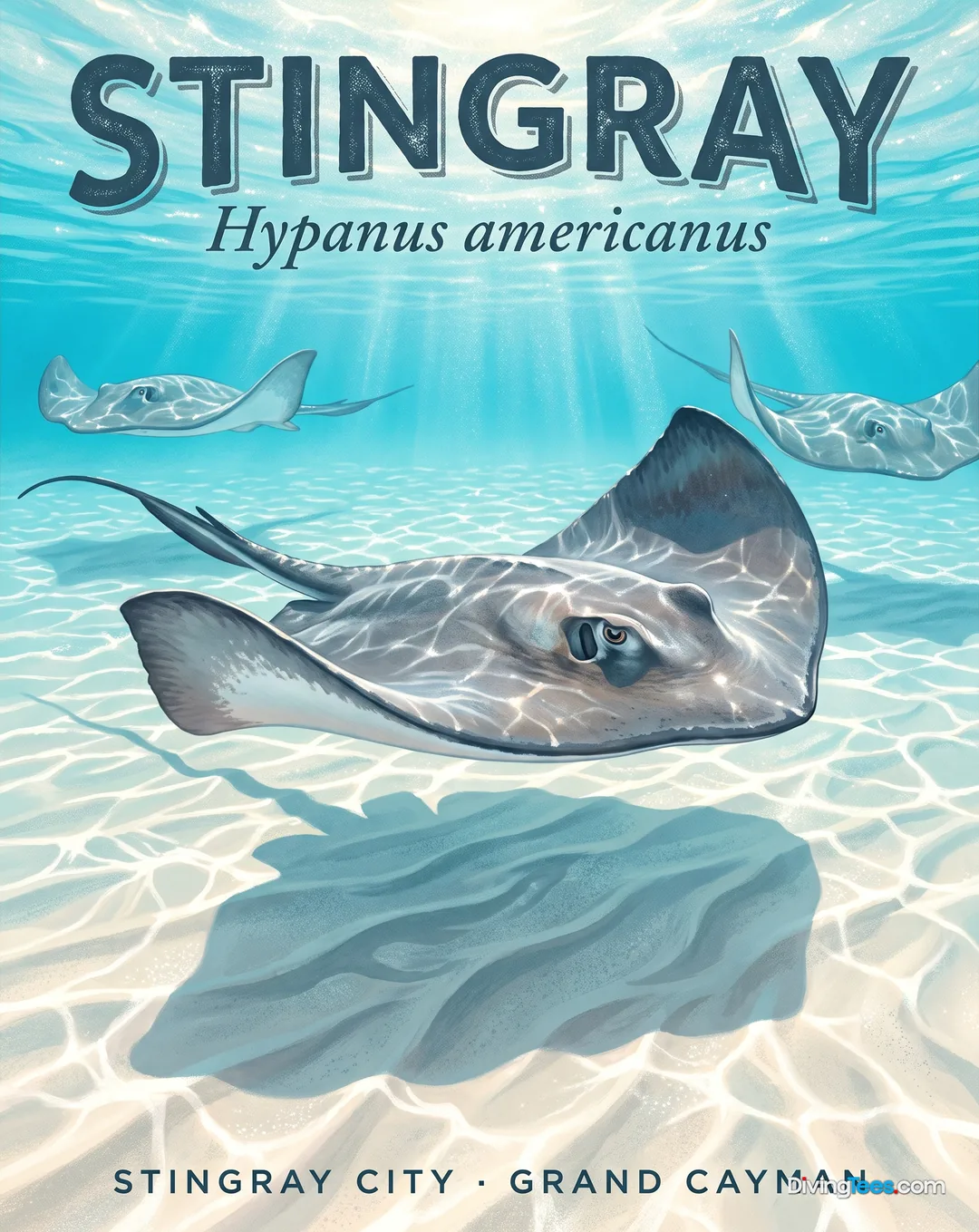
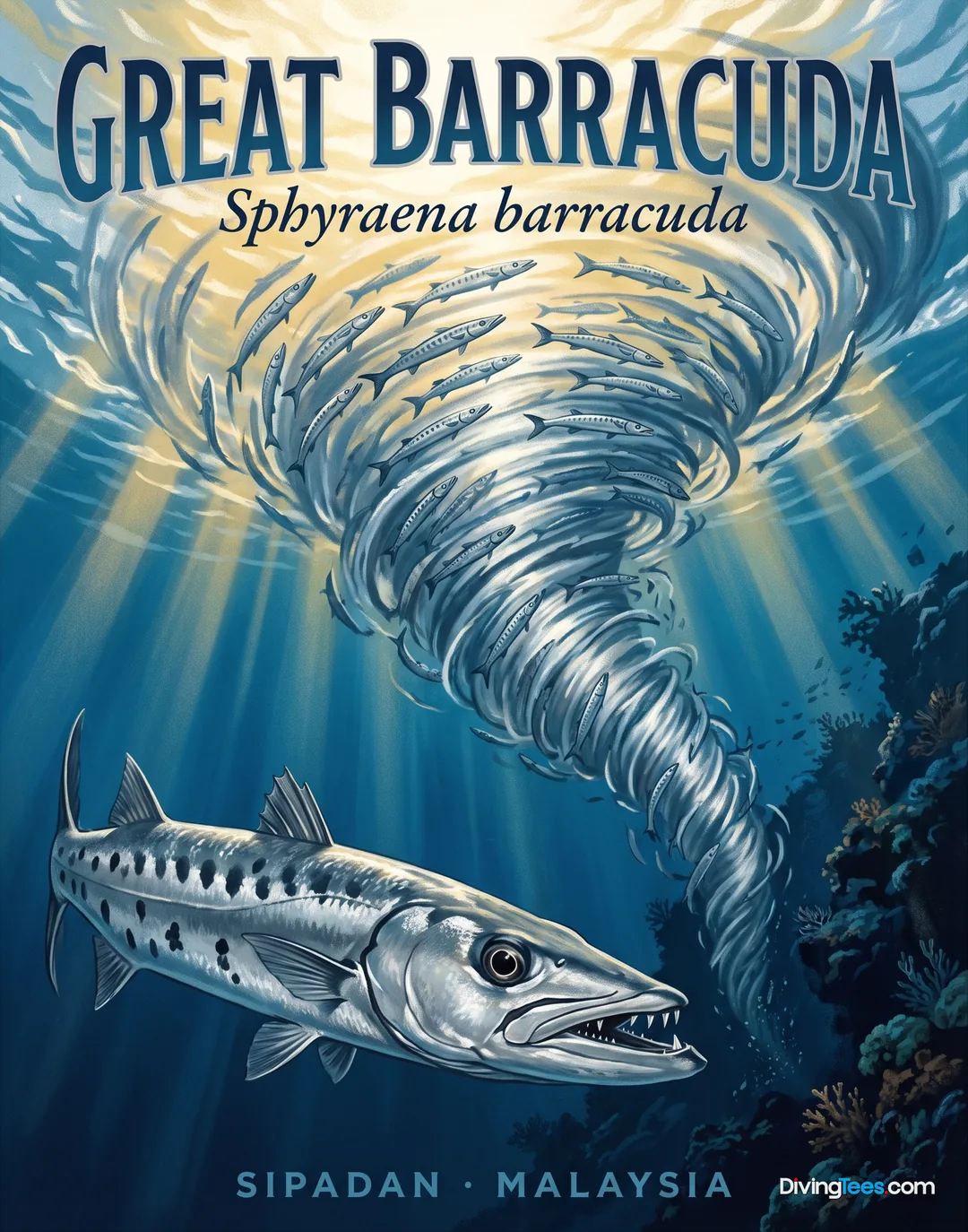
This site is also known for encounters with larger pelagic species. Whitetip reef sharks (Triaenodon obesus) are a regular sight, often patrolling the edges of the main boulder formations or resting in sheltered ledges. Barracudas (Sphyraena barracuda) and trevally (Caranx ignobilis) are also present, often moving through the channels, particularly when currents are active. Keep an eye out for blue spotted stingrays (Neotrygon kuhlii) on the sand patches between the rocks.
Predatory fish, including dogtooth tuna (Gymnosarda unicolor) and mackerels (Scomber japonicus), are attracted to the baitfish schools found here. Moray eels (Muraenidae), scorpionfish (Scorpaenidae), and snapper (Lutjanidae) inhabit various crevices and overhangs, utilizing the complex structure for shelter and hunting. Emperors (Lethrinidae) and goatfish (Mullidae) can be seen foraging near the base of the boulders, adding to the site's rich biodiversity.
Visibility at Elephant Head Rock typically ranges from 10 to 40 metres, varying with conditions. Currents here can fluctuate from moderate to strong, creating a 'washing machine' effect within the channels when stronger. This variable current contributes to the site’s dynamic ecosystem, bringing nutrients and attracting active marine life, but it requires mindful navigation. Stronger currents typically affect the deeper sections and channels, while more sheltered areas offer respite.
The intricate boulder formations naturally shape the dive experience, making it distinct from typical reef dives. The sense of exploring an underwater maze, with light filtering through the overhead gaps and walls, is a unique aspect of Elephant Head Rock. It’s a site that rewards multiple dives, as conditions and marine life encounters can differ significantly depending on your path and the prevailing current. Experienced divers can explore its deeper, more exposed sections, while the shallower areas offer a wealth of macro life.
Depths at Elephant Head Rock range from a minimum of 5 metres down to 40 metres, with deeper sections accessible to 60 metres. The site is rated for intermediate to advanced divers; strong and unpredictable currents, including washing machine effects within the channels, require good buoyancy control and experience in variable conditions. Visibility generally spans 10 to 40 metres. The best period for diving, with optimal sea conditions and visibility, is from January to March, though the site is accessible during the Similan National Park’s open season from October to May.
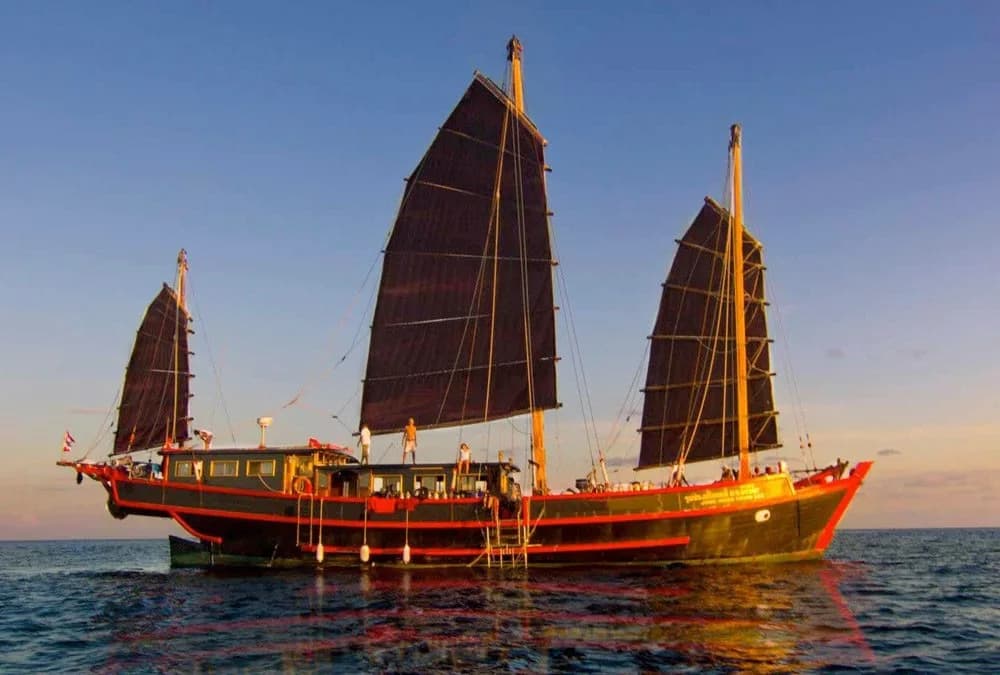
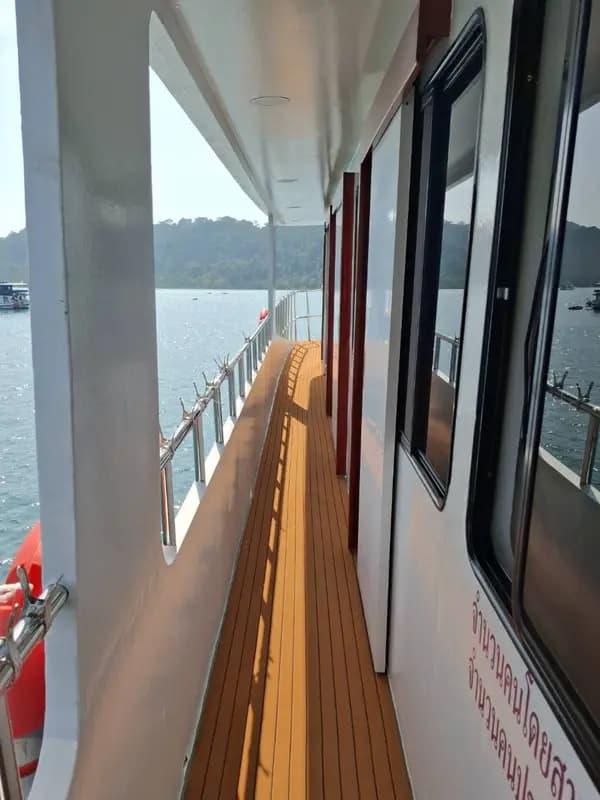
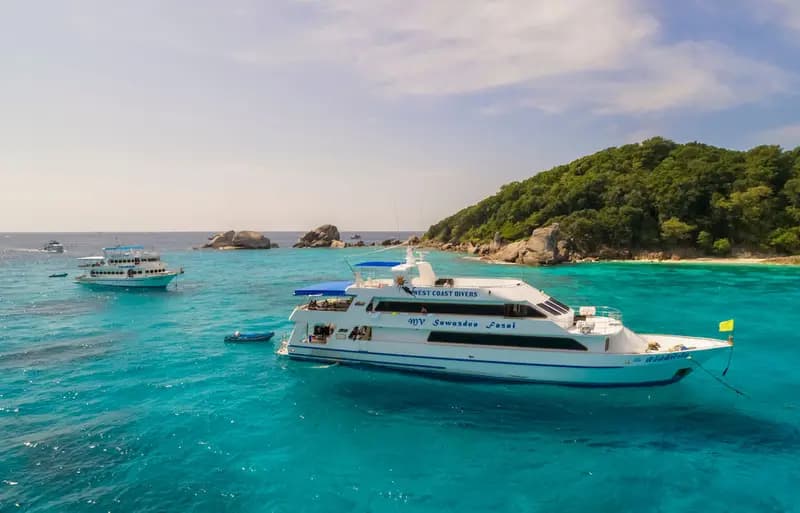
23 liveaboards depart from Khao Lak another way to explore the region, over several days at sea.
Departing from Thap Lamu
★ 9.6/10 (80 reviews)
from 113 €/day
Discover this boat →

Departing from Thap Lamu
★ 9.7/10 (60 reviews)
from 152 €/day
Discover this boat →
Departing from Thap Lamu
★ 9.2/10 (304 reviews)
from 163 €/day
Discover this boat →
Departing from Thap Lamu
★ 9.2/10 (179 reviews)
from 141 €/day
Discover this boat →