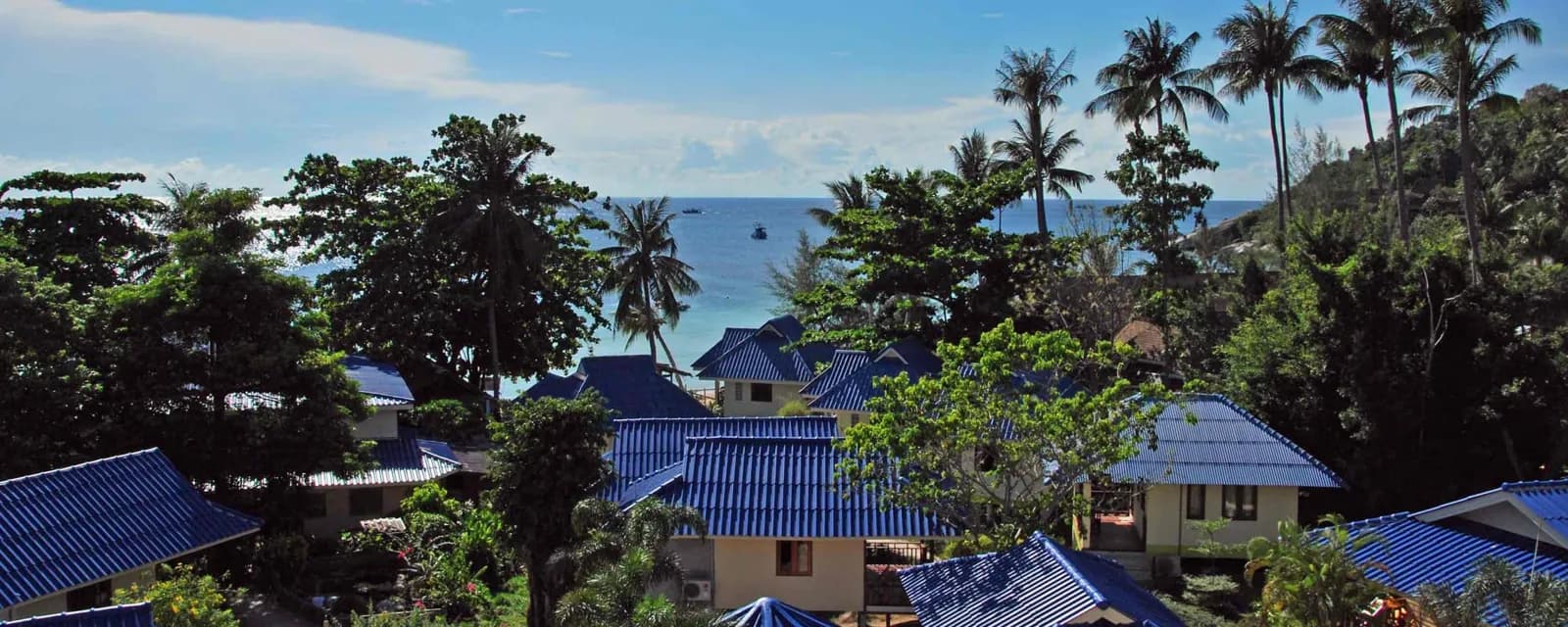

Big Blue Diving, Koh Tao
★ 5/5 (5,415 reviews)
2 km away as the crow flies
Koh Tao · Thailand · Asia
Max. depth · 28 mWhite Rock offers an expansive and vibrant reef ecosystem, teeming with diverse marine life and unique topography, making it a captivating dive for all levels.
For subtitles in English: start the video firstthen click the gearat the top right of the video, select “Subtitles/CC”, then “Auto-translate” and choose “English”.
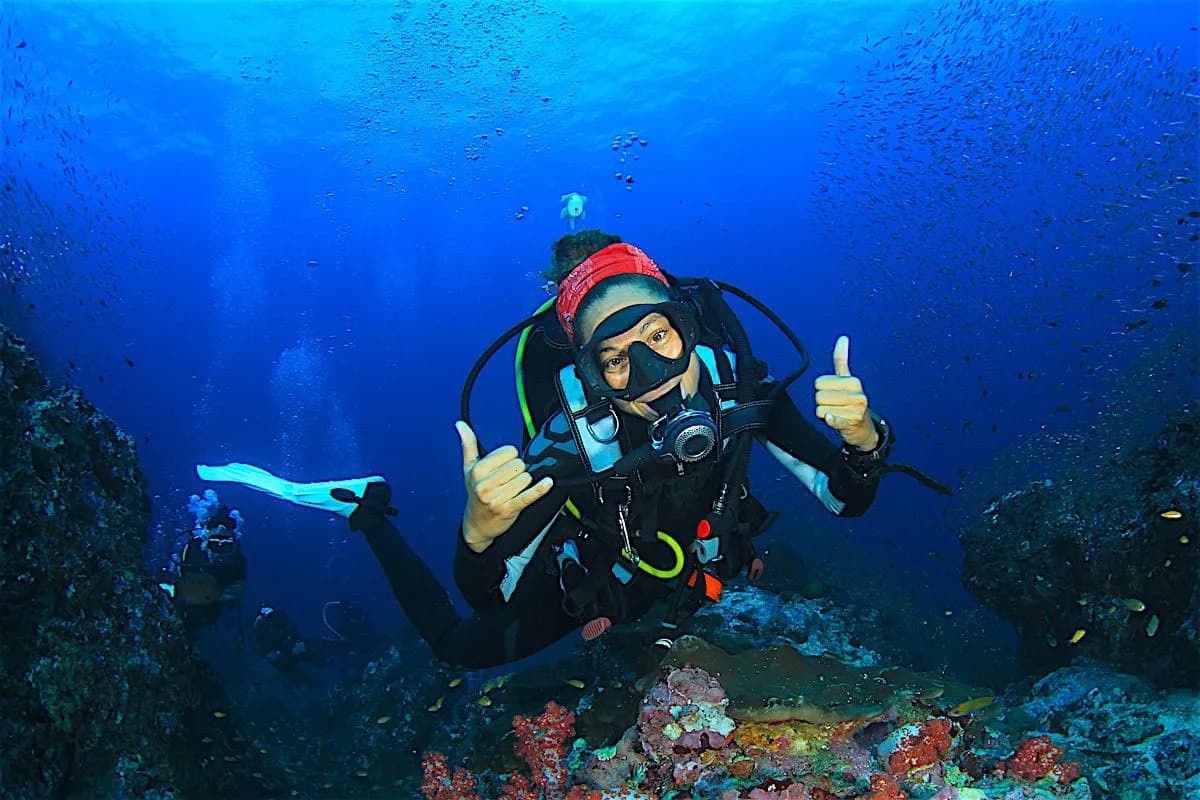
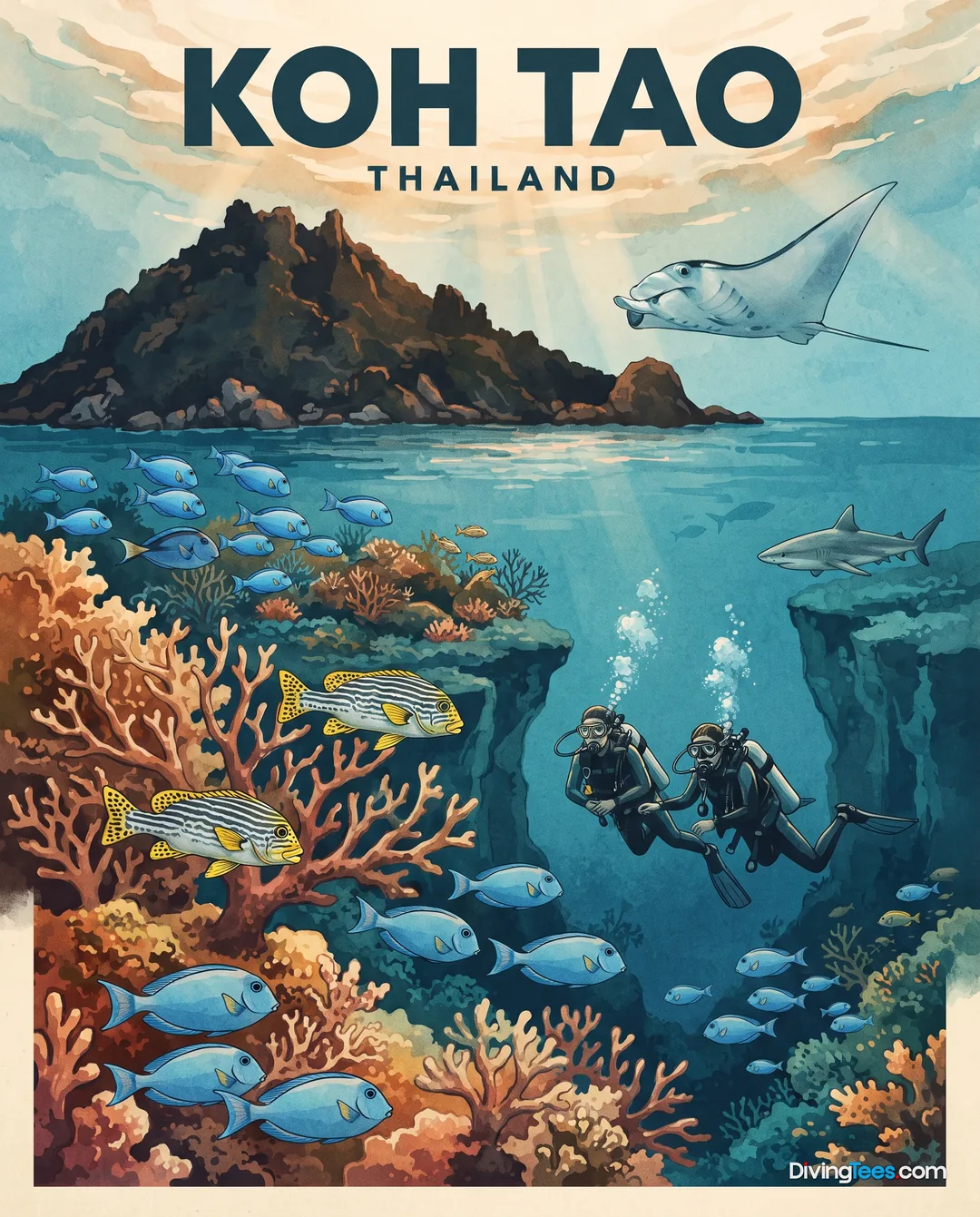
White Rock, located on the west side of Koh Tao between Koh Nang Yuan and Sairee Beach, stands as one of the island's most extensive and dynamic dive sites. It is structured around two significant granite rock formations, with a rich coral garden extending between them. One pinnacle rises to within 2 meters of the surface in the north, while another, deeper pinnacle lies to the south, creating a varied and complex underwater topography. Divers will find themselves immersed in a vibrant reef ecosystem, exploring unique arrangements of hard and soft corals that cover numerous shelves and slopes, providing shelter and hunting grounds for a wide range of marine species. The interplay of light and shadow highlights the intricate structures as one navigates the pinnacles and bommies, revealing a thriving biodiversity where every corner promises a new encounter.
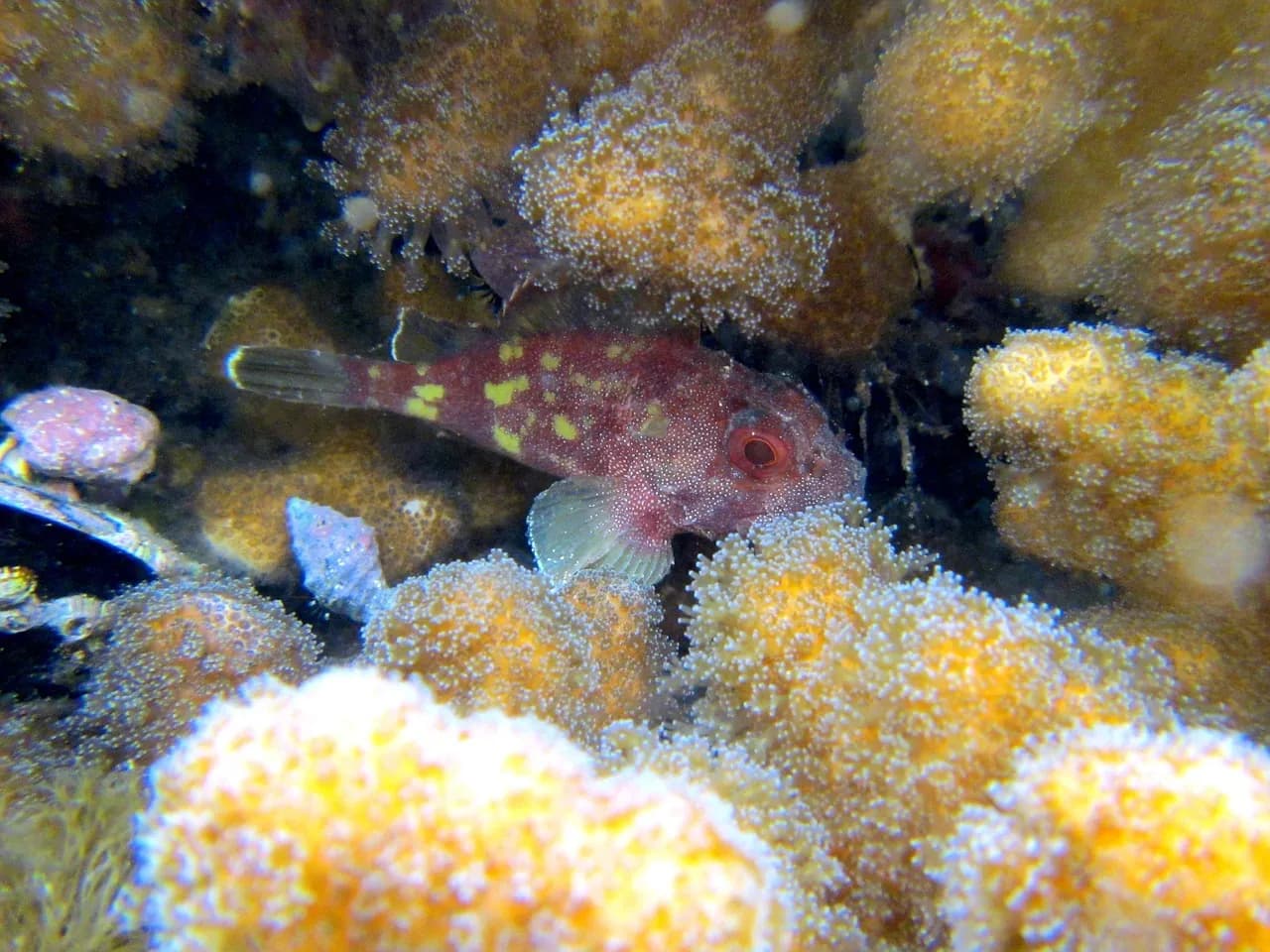
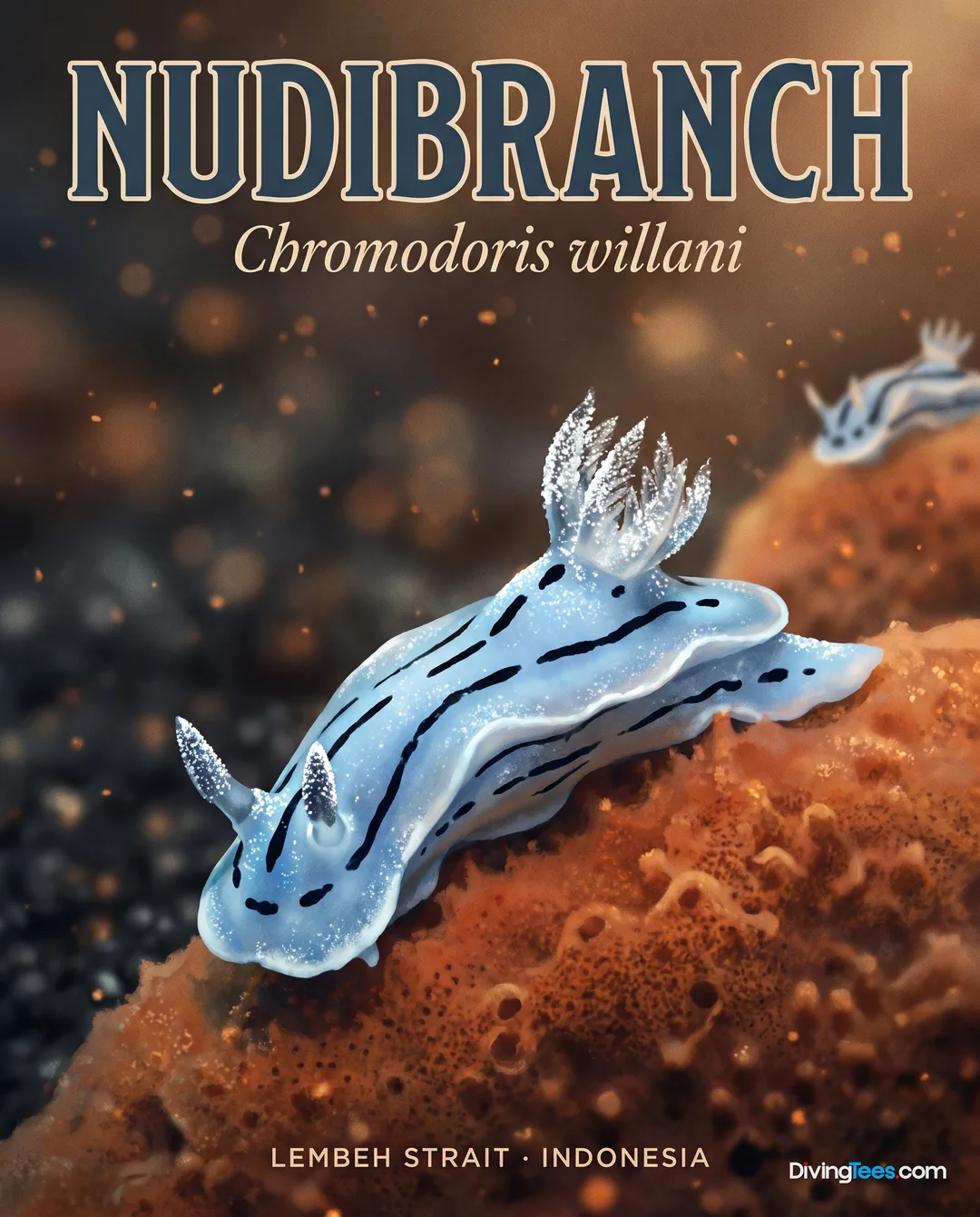
The dive profile at White Rock typically ranges from 2 meters to a maximum of 28 meters, though most activity and interest lies between 5 and 22 meters. The shallower sections are well-lit and feature extensive staghorn coral formations, colorful sea anemones, and gorgonians. As you descend, the reef slopes gradually, revealing deeper sections. The diverse coral formations, including healthy hard and soft corals, support a rich macro life, with nudibranchs common across the reef and numerous crustaceans inhabiting the cracks and crevices of the rock formations. The sheer variety of habitats, from coral gardens to sandy patches and rock overhangs, ensures a continuous stream of observations.
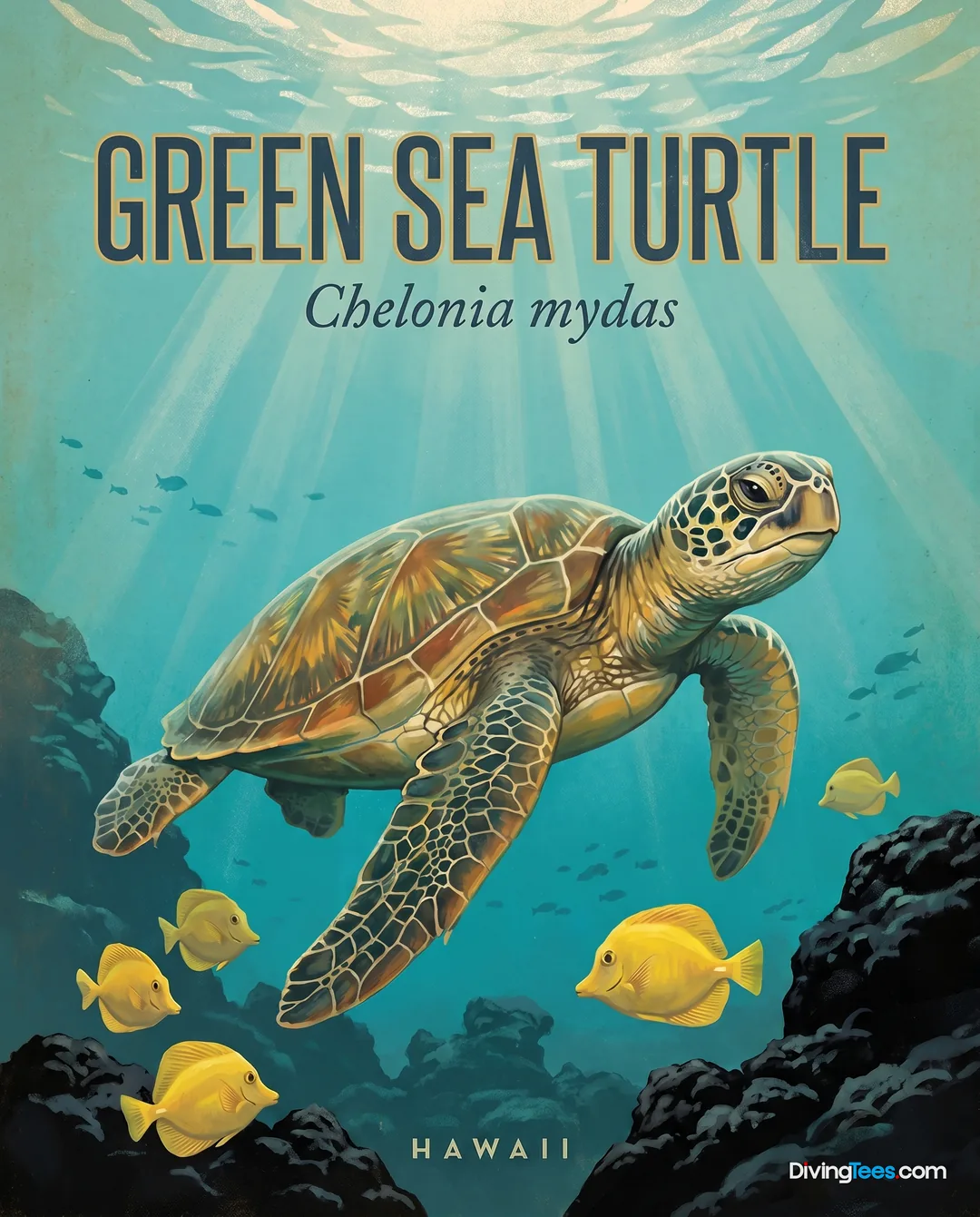
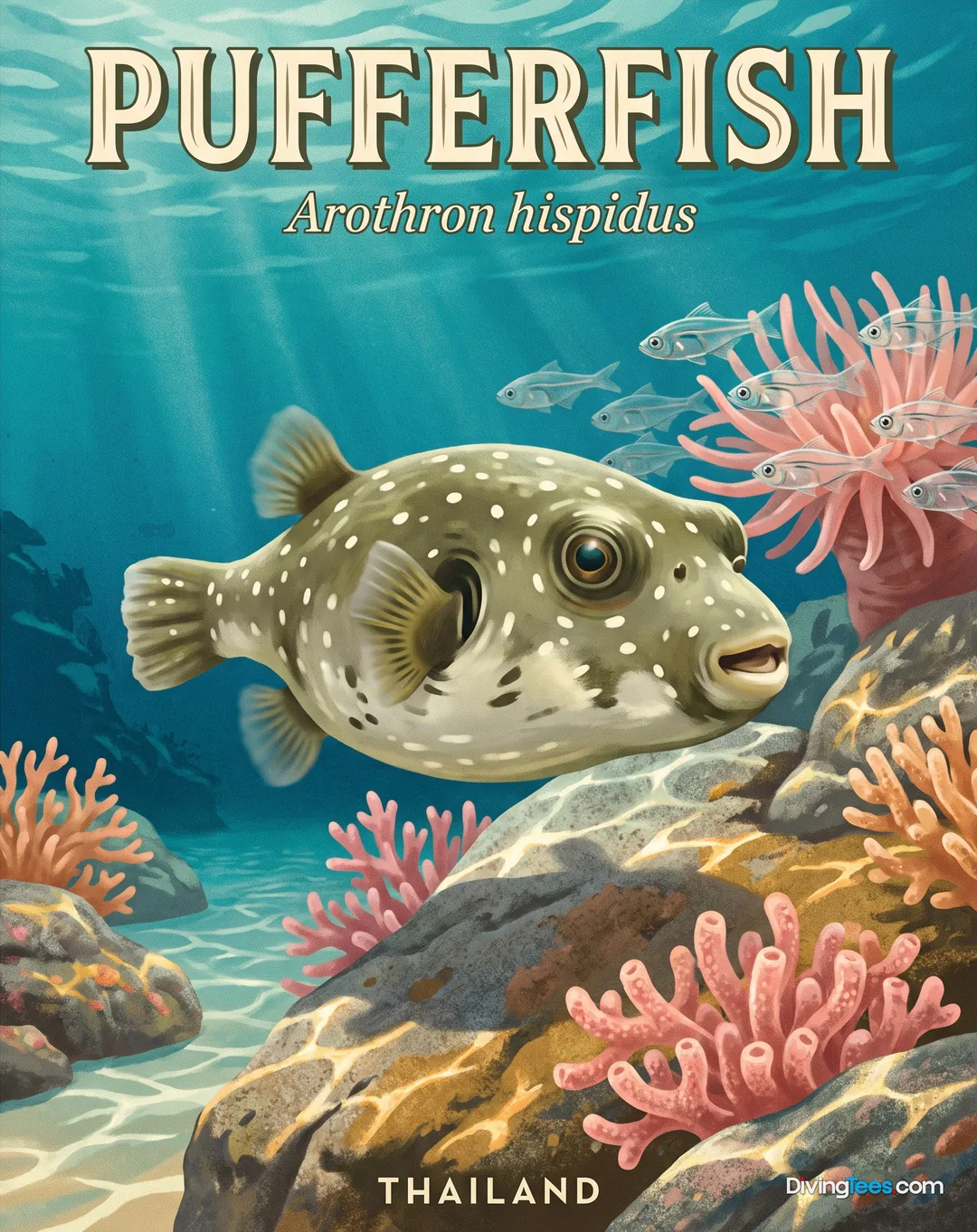
White Rock is renowned for its resident green sea turtles (Chelonia mydas), which are frequently seen gracefully gliding over the corals or feeding among them. Blue-spotted rays (Taeniura lymma) are often spotted resting on the sandy bottom or navigating the reef. Moray eels (Muraenidae family) are frequently seen peering from their rocky hideouts, and triggerfish (Balistidae family), including the Titan triggerfish (Balistoides viridescens), are a constant presence, patrolling their territories. While Titan triggerfish can be territorial, especially during nesting season, their bright colors and distinctive swimming patterns make them easy to identify. Among the schooling fish, divers will encounter fusiliers (Caesionidae), butterflyfish (Chaetodontidae), and pufferfish (Tetraodontidae). Giant groupers (Epinephelus lanceolatus) are also frequently present, often observing divers from their rocky perches or patrolling the deeper sections.
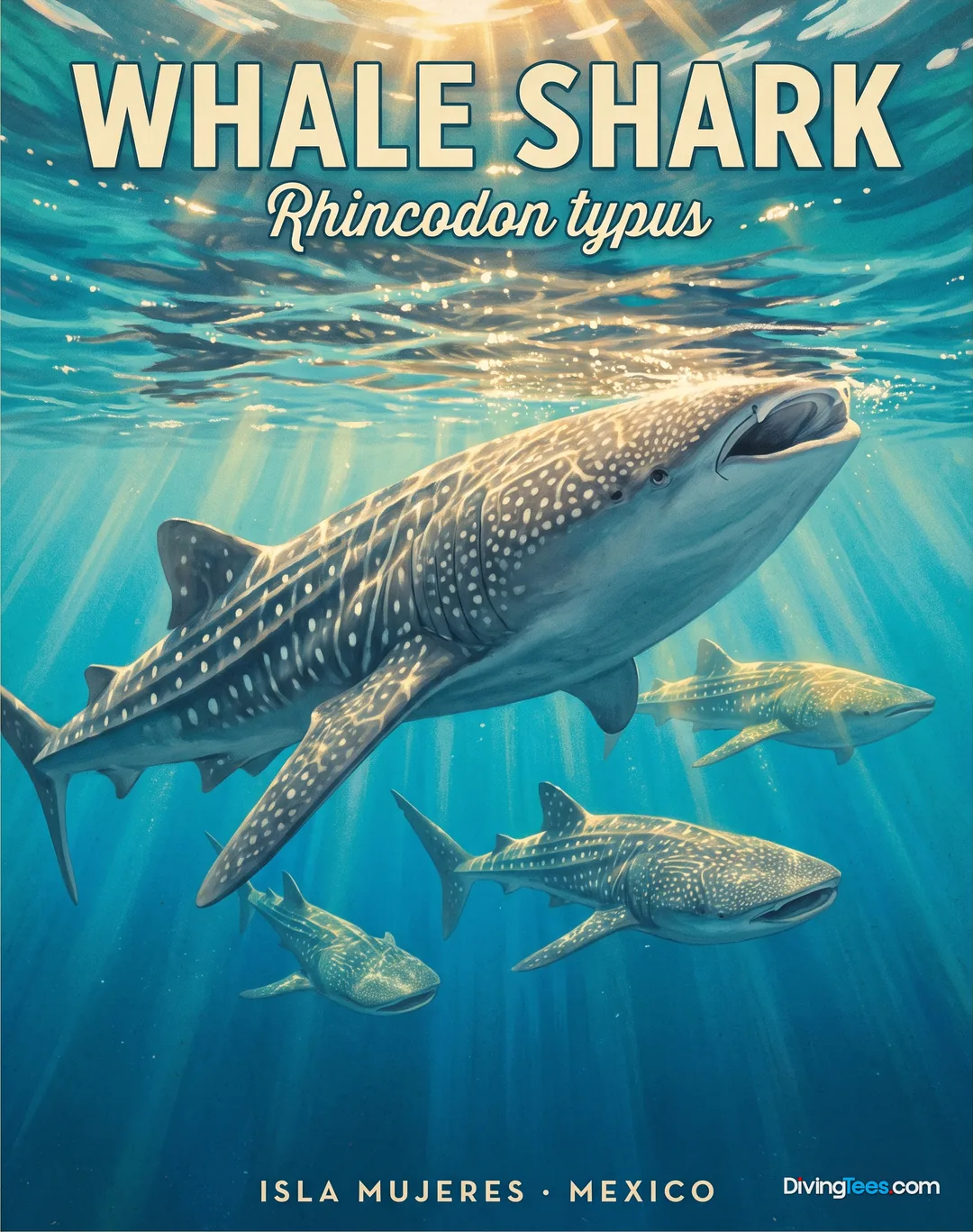
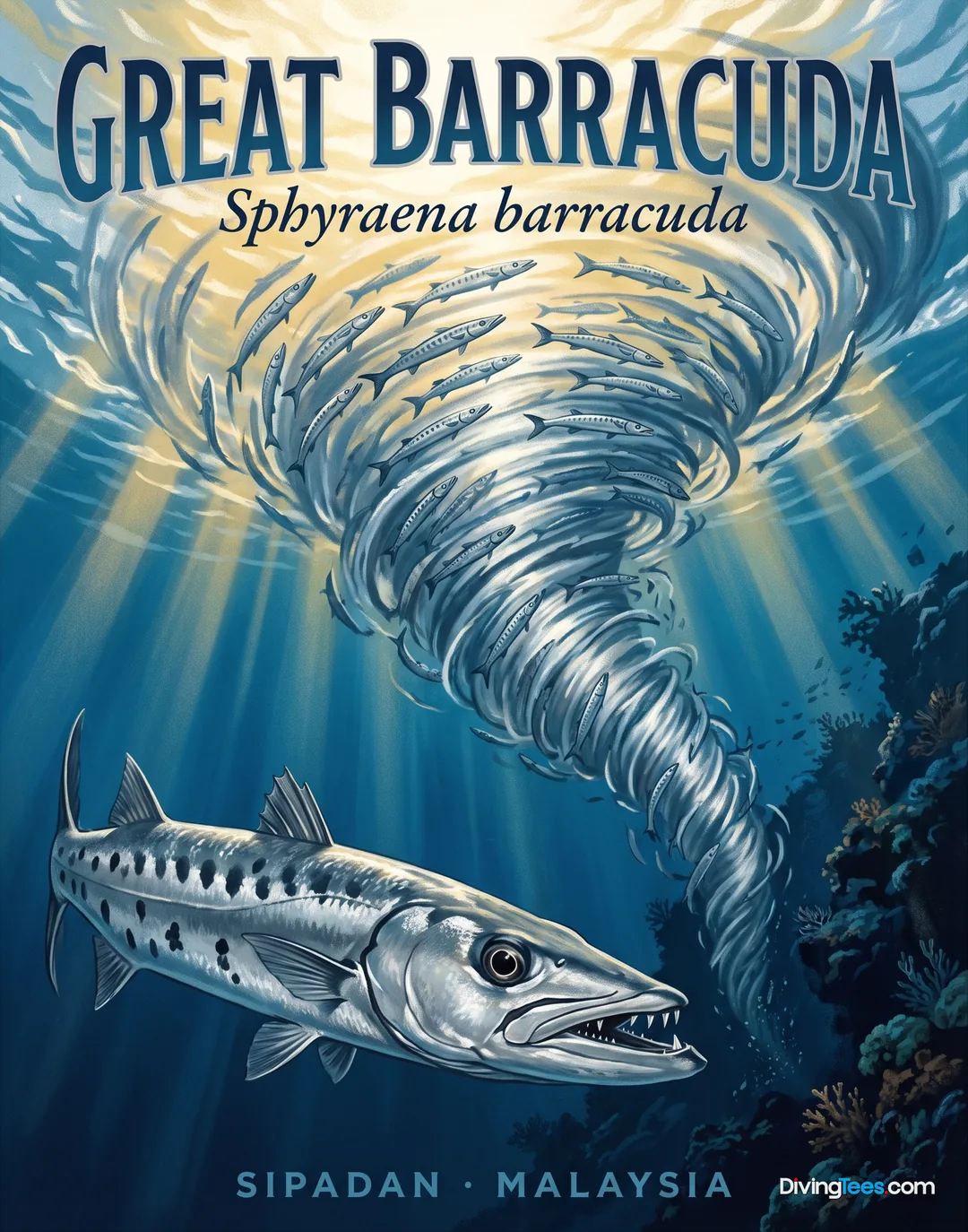
The site also attracts larger pelagics; great barracuda (Sphyraena barracuda) and various species of trevally (Caranx) may be encountered. Blacktip reef sharks (Carcharhinus melanopterus) are present, often making passes along the deeper fringes, and whale sharks (Rhincodon typus) are occasionally spotted, adding another dimension to open-water pelagic encounters at depth.
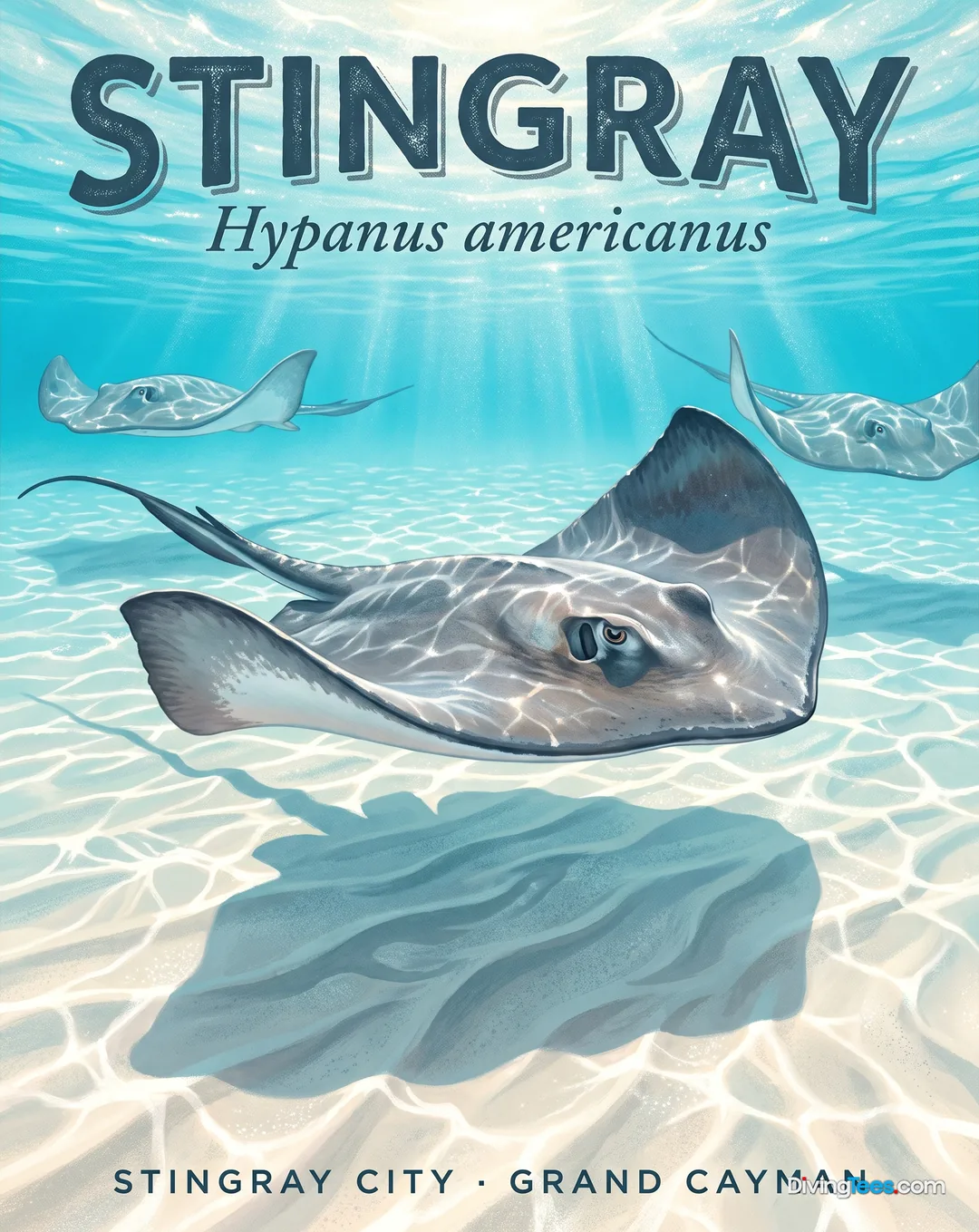
This site is particularly celebrated for its night diving. As dusk falls, the reef ecosystem transforms. Great and Chevron barracudas (Sphyraena putnamae) become active hunters, patrolling the reef for small fish. Nocturnal stingrays venture out from the sand to forage, and various crabs and shrimp emerge from their daytime hiding spots. Divers can also spot sleeping parrotfish (Scaridae) and hunting moray eels, all under the eerie glow of bioluminescence that can sometimes illuminate the water.
White Rock is accessible to Open Water Divers and beginners, with depths ranging from 2 meters to a maximum of 28 meters, though most activity is between 5 and 22 meters. The site generally experiences mild currents, providing calm diving conditions suitable for all experience levels, though regional conditions can vary from weak to moderate. Visibility typically averages 10 meters, but can reach 15 to 30 meters during optimal periods. The best time to dive here is generally from January to April, when conditions are calmest and visibility is at its best, preceding the peak season for whale shark sightings. Diving is possible year-round, outside of November, which brings monsoon conditions impacting sea state and visibility.