


Go Shark Azores
Google 4.9/5 (83 reviews)
113 km away as the crow flies
Faial · Azores · Atlantic
Max. depth · 60 mPrincessa Alice is an offshore seamount in the Azores, rising from the deep to a flat top at 35 metres, attracting pelagic life.
Princessa Alice is a submerged seamount that presents a distinct blue-water diving experience in the Azores. Unlike typical reef dives, this site emerges from the deep ocean floor, with its broad top plateau beginning at 35 metres. The topography is less about intricate reef structures and more about an exposed oceanic peak, where the seamount drops away abruptly in places, creating a dramatic backdrop for encounters with pelagic life. Divers often work the top area, using a descent line to manage the offshore conditions and maintain position.
The dive profile at Princessa Alice begins with a descent into open blue water, often following an anchor or drift line due to the strong currents typical of the site. Once on the broad platform, which averages around 35 metres in depth, the focus shifts to observing the diverse pelagic activity. While the top is relatively flat, the edges plunge into deeper water, providing a natural aggregation point for oceanic species. Maintaining good buoyancy control is essential here, especially when the current picks up, to stay with the group and conserve gas.
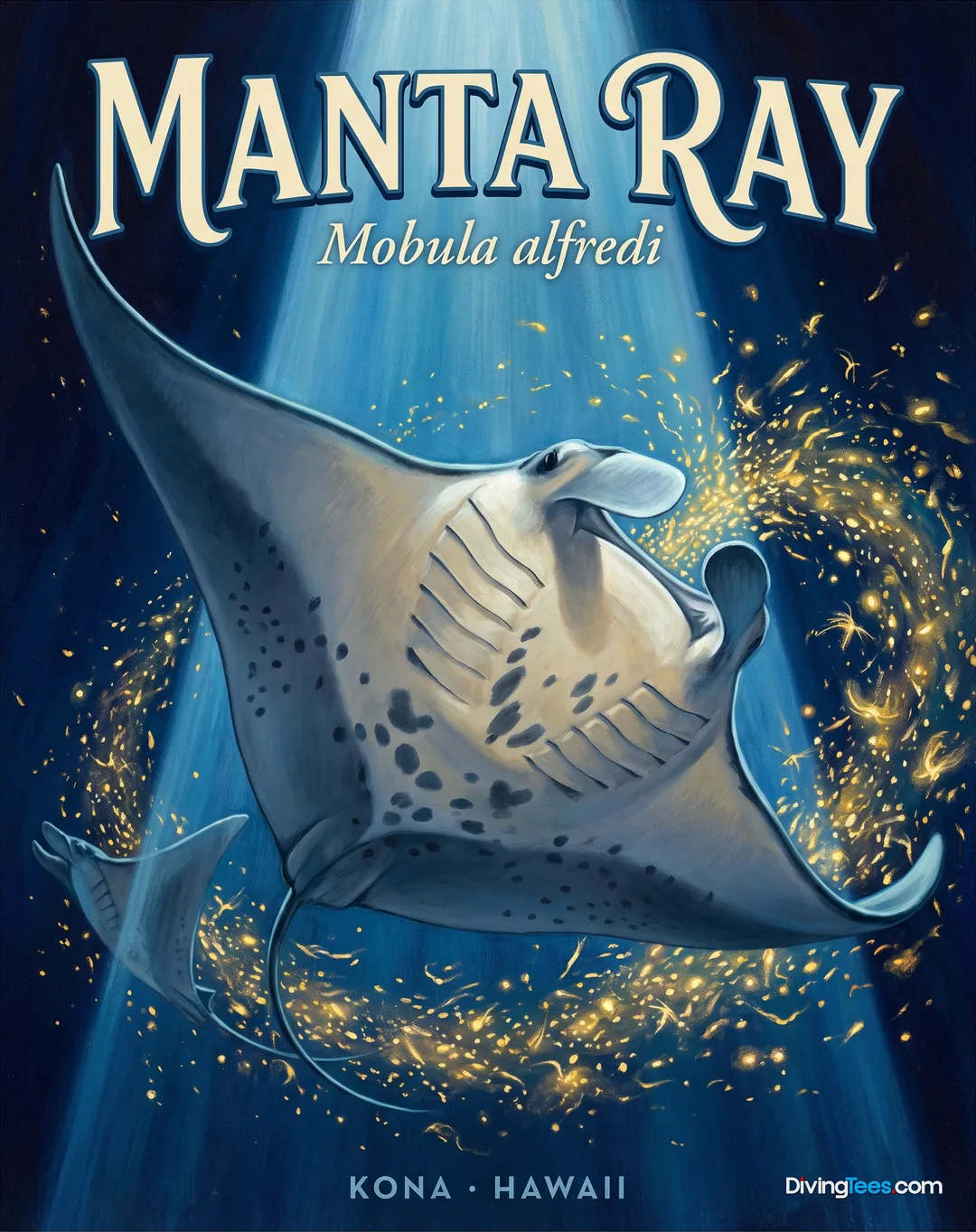
One of the primary draws of Princessa Alice is the aggregation of mobula rays, particularly during the summer months. These rays are frequently observed in midwater, often forming 'spinning' or 'carousel' formations, a behaviour that sets this site apart from many other pelagic encounters. Beyond the mobulas, large schools of jacks and amberjacks patrol the seamount, alongside barracudas and various tuna species like Atlantic bonito and skipjack tuna. The sheer volume of schooling fish contributes to the vibrant ecosystem of the bank.
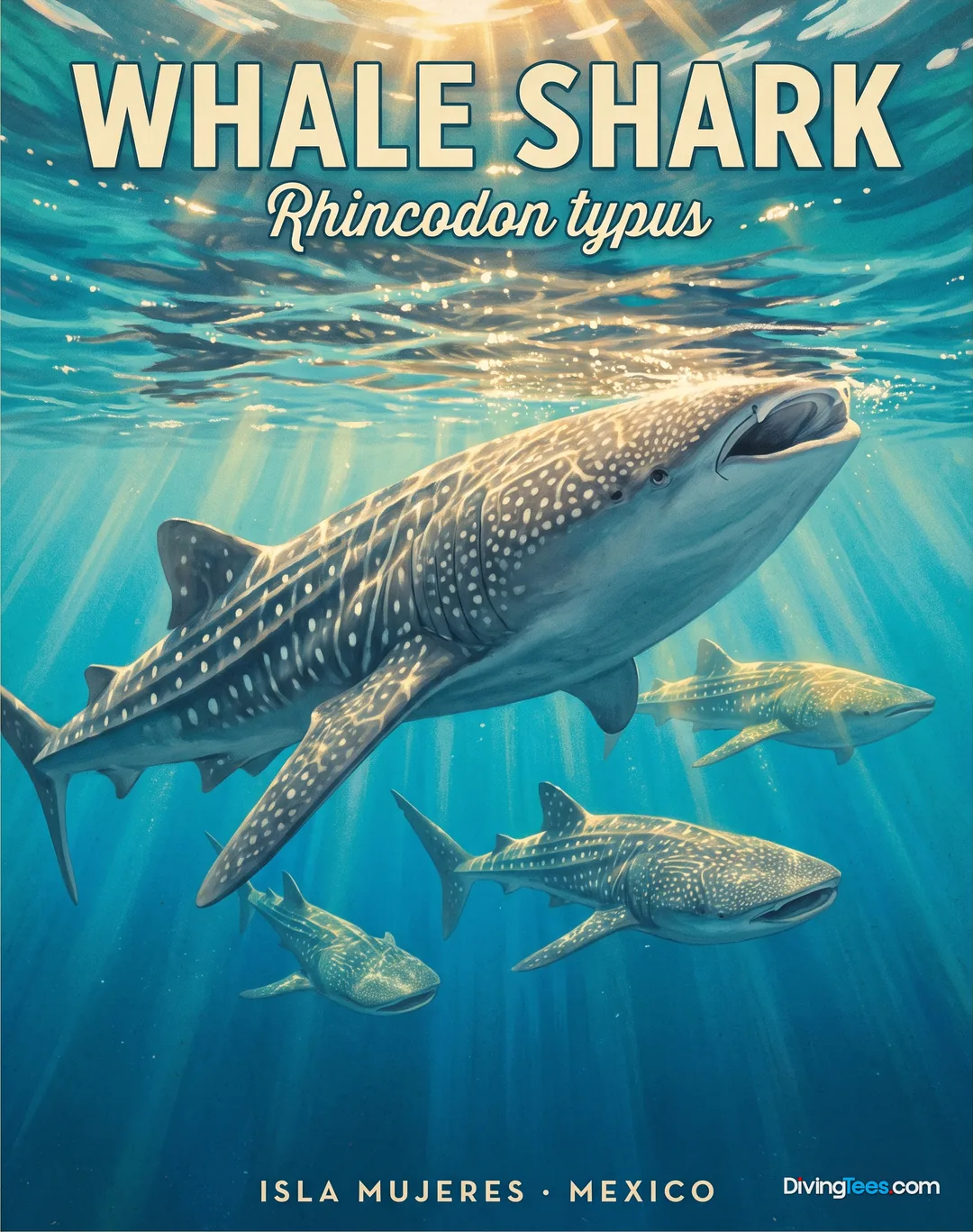
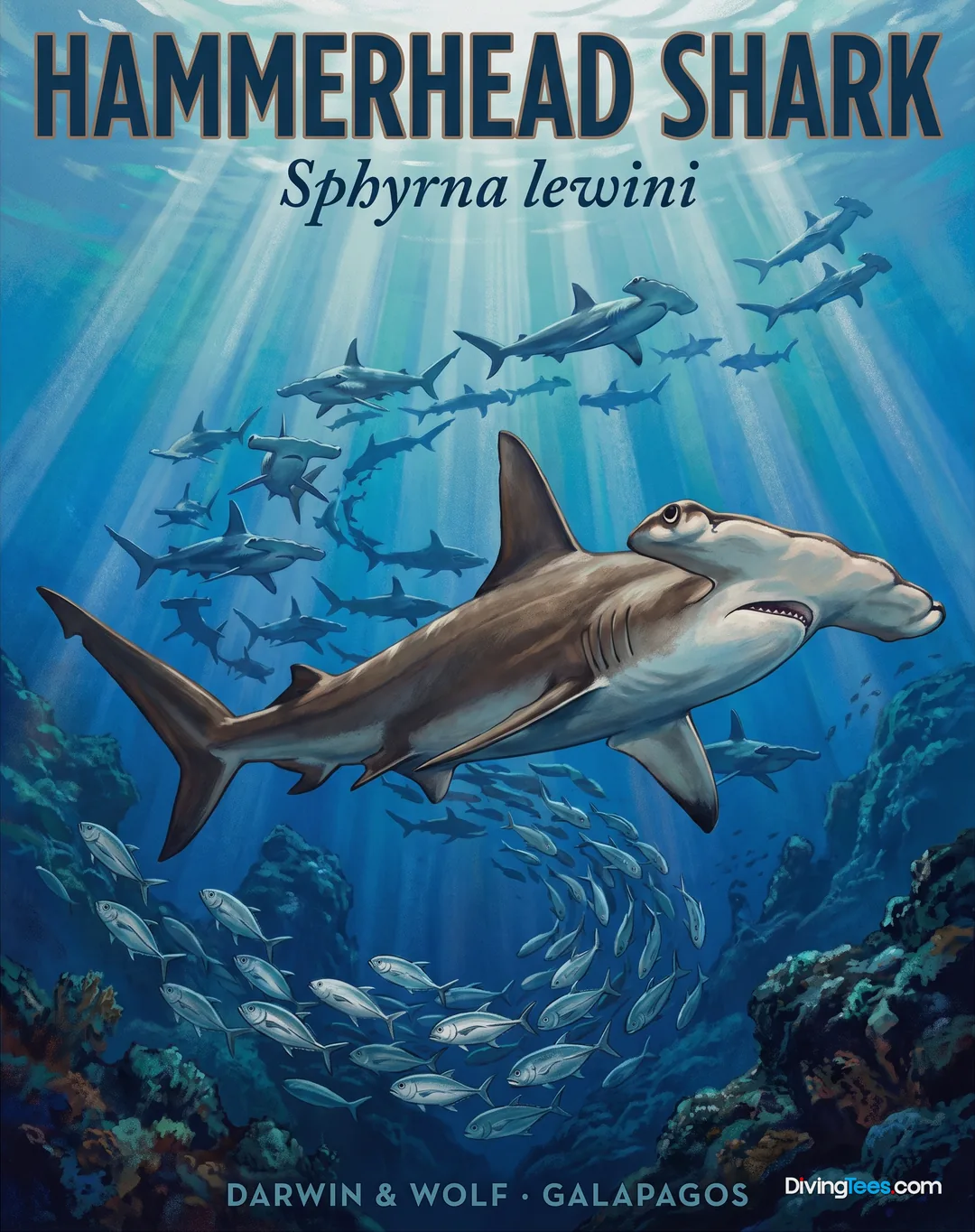
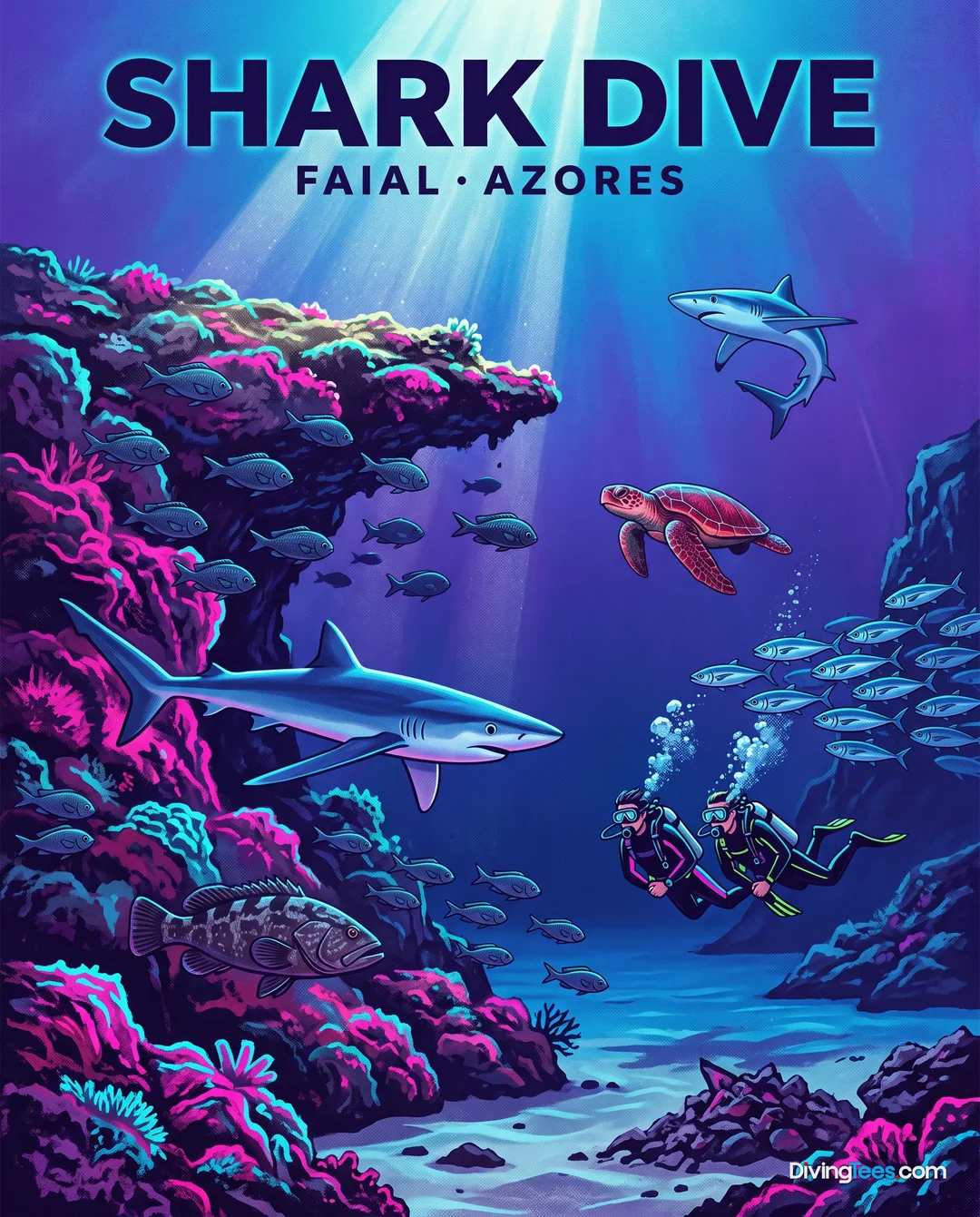
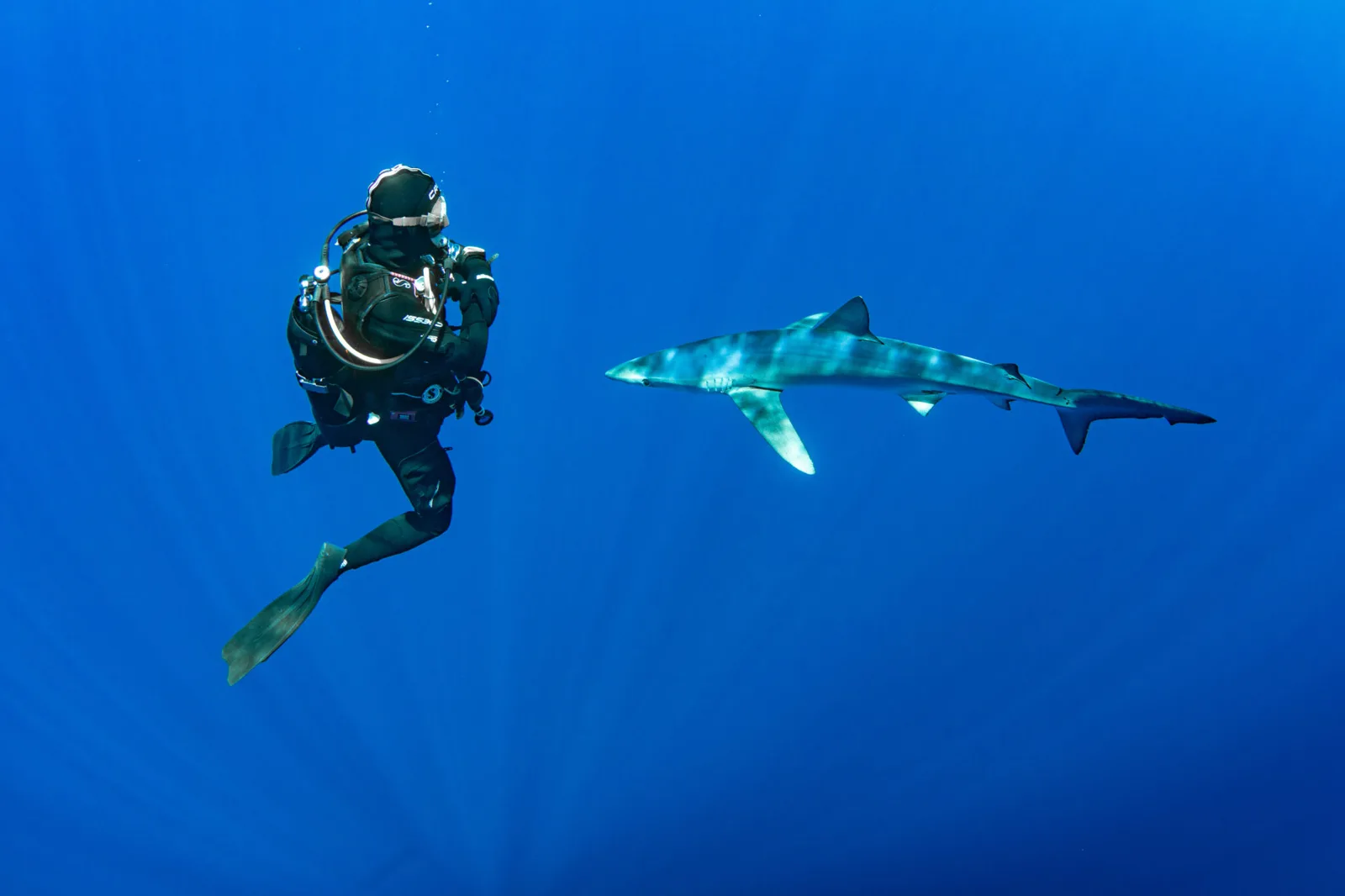
The larger pelagic predators are a consistent presence at Princessa Alice. Hammerhead sharks are regularly sighted, cruising the deeper edges of the bank or emerging from the blue. Whale sharks, Galapagos sharks, and pelagic stingrays also visit the seamount, making each dive an opportunity for a significant encounter. These large animals are drawn to the bank as a feeding ground and cleaning station, highlighting its importance as an oceanic waypoint.
Beyond the prominent pelagics, the seamount supports a rich resident fauna on its structure. Dusky grouper and island grouper find shelter in the crevices, while smaller reef fish like barred hogfish, ornate wrasse, and Mediterranean rainbow wrasse are visible closer to the rock. Triggerfish and blacktail combers also inhabit the bank, contributing to the diversity of life you encounter, even when your attention is drawn to the larger, transient visitors.
Visibility at Princessa Alice is generally excellent, ranging from 15 to over 30 metres, providing clear views of the extensive marine life. However, the site is known for its strong, unpredictable currents. This exposure to open ocean conditions means that divers must be prepared for a dynamic environment, often needing to hold onto a line or maintain close proximity to the group. The conditions require constant awareness, making it a dive for those comfortable managing current.
Princessa Alice is distinguished by its remote, offshore nature, demanding calm sea conditions for safe access and diving. This makes it more of a blue-water expedition than a typical island dive, emphasizing its status as an exposed oceanic pinnacle. The confluence of deep-ocean upwellings and the seamount's topography creates a nutrient-rich environment that acts as a magnet for an exceptional range of pelagic marine life, cementing its reputation as a premier destination for big animal encounters in the Atlantic.
Diving at Princessa Alice is accessible for Advanced Open Water divers or experienced divers with at least 50 logged dives. The depth range is from 35 metres at the top of the seamount down to 60 metres along its slopes. The site is known for strong currents, requiring divers to be proficient in managing variable conditions, often using a descent or drift line. Visibility typically ranges from 15 to over 30 metres. The best season for diving is between July and September, extending into mid-October in some years, when sea conditions are most favourable for the offshore journey.
You should plan Princessa Alice between July and September, when sea conditions are most favourable for the offshore journey. In some years, the suitable season extends into mid-October. This exposed seamount depends on calm sea conditions for safe access, so seasonal timing is important for reaching the site and diving it.
Princessa Alice is accessible to Advanced Open Water divers or experienced divers with at least 50 logged dives. You need to manage strong, unpredictable currents and variable open-water conditions. Good buoyancy control, constant awareness, and the ability to use a descent or drift line and remain close to your group are important.
Princessa Alice ranges from 35 metres at the top of the seamount to 60 metres along its slopes. The broad platform begins at 35 metres, while its edges drop into deeper water. You should be prepared for a deep profile in open blue water, with the topography changing sharply around the seamount.
At Princessa Alice, you can see summer aggregations of mobula rays in midwater, along with hammerhead sharks and whale sharks. Schools of jacks, amberjacks, barracudas, and tuna patrol the seamount, while groupers, wrasse, triggerfish, and blacktail combers inhabit the rock. Visibility typically ranges from 15 to over 30 metres.