Liveaboards · Maldives
Dune Black Manta — a new, spacious Maldives dive liveaboard built around the water
What makes this boat unique
- Built and renovated in 2024, the Black Manta is a 42-metre Maldivian liveaboard with 15 air-conditioned cabins and private bathrooms.
- The shaded dive area has a dive platform, rinse tanks, a separate camera rinse, diver tenders and sidemount support.
- Nitrox, night dives, kayaks, stand-up paddleboards, excursions and a deserted-island barbecue are included.
- The boat welcomes up to 28 passengers, including non-divers and snorkellers, with crew support in English, German, French, Chinese and Spanish.
For subtitles in English: start the video firstthen click the gearat the top right of the video, select “Subtitles/CC”, then “Auto-translate” and choose “English”.
The invitation
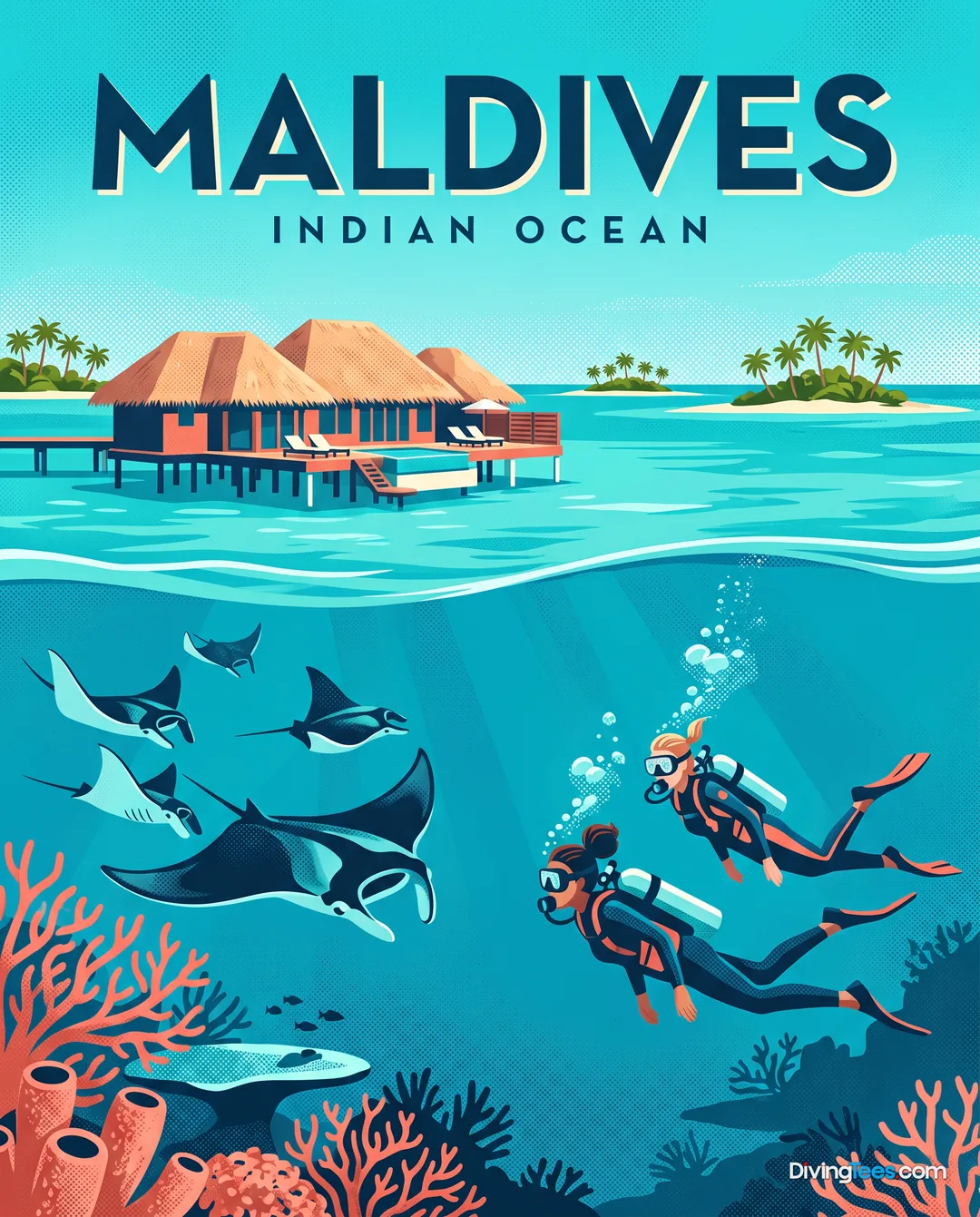
The Black Manta is for divers who want the Maldives with room to move between dives. It is a new boat, built in the Maldives in 2024, with a large deck, a dedicated dive setup and enough space to take the trip beyond the next reef. The attraction is not only the familiar mix of manta rays, sharks, turtles and schooling fish. This route links central Maldivian sites where channels, thilas, cleaning stations and open reef create very different dives from one day to the next. The boat also leaves space for the parts of a liveaboard week that happen above water: a barbecue on a deserted island, local-island visits, kayaking and time on deck. It suits divers who want a serious diving base without giving up the social and travelling side of a Maldives cruise.
Boarding
The first impression is of a purpose-built vessel rather than a converted hotel boat. The Black Manta was built in the Maldives and entered service as a new dive liveaboard in 2024, so the spaces are designed around current cruising and diving use rather than adapted from an older hull. The upper deck carries the cabins, while the middle of the boat is reserved for cabin locations with panoramic windows. A large outdoor deck gives the boat its main character: guests can eat outside, move between shaded and open areas, and keep the ocean in view instead of retreating indoors after every dive. Inside, the air-conditioned lounge provides a quieter place between outings. The single Doosan engine is rated at 800 HP, but the useful point for a diver is simpler: this is a substantial boat with room for a full group, a proper dive platform and a tender dedicated to getting divers to the sites.
The atmosphere on board
The Black Manta is large enough to carry a full group, but the liveaboard still has a clear social centre: meals outside, the air-conditioned lounge and the open deck after the last dive. The crew is part of that rhythm rather than an invisible service layer. French, English, German, Chinese and Spanish are spoken on board, while DUNE provides French-speaking support for the cruise. The crew and food receive strong scores, and that matters here because a large boat can otherwise feel anonymous. The practical gain is not formal luxury; it is having people who can keep the day moving from briefing to tender to meal, then make room for a massage, a drink or a quiet seat at sunset. Non-divers and snorkellers are welcome, so a mixed group can share the trip without forcing everyone into the same underwater schedule.
The sites you’ll dive
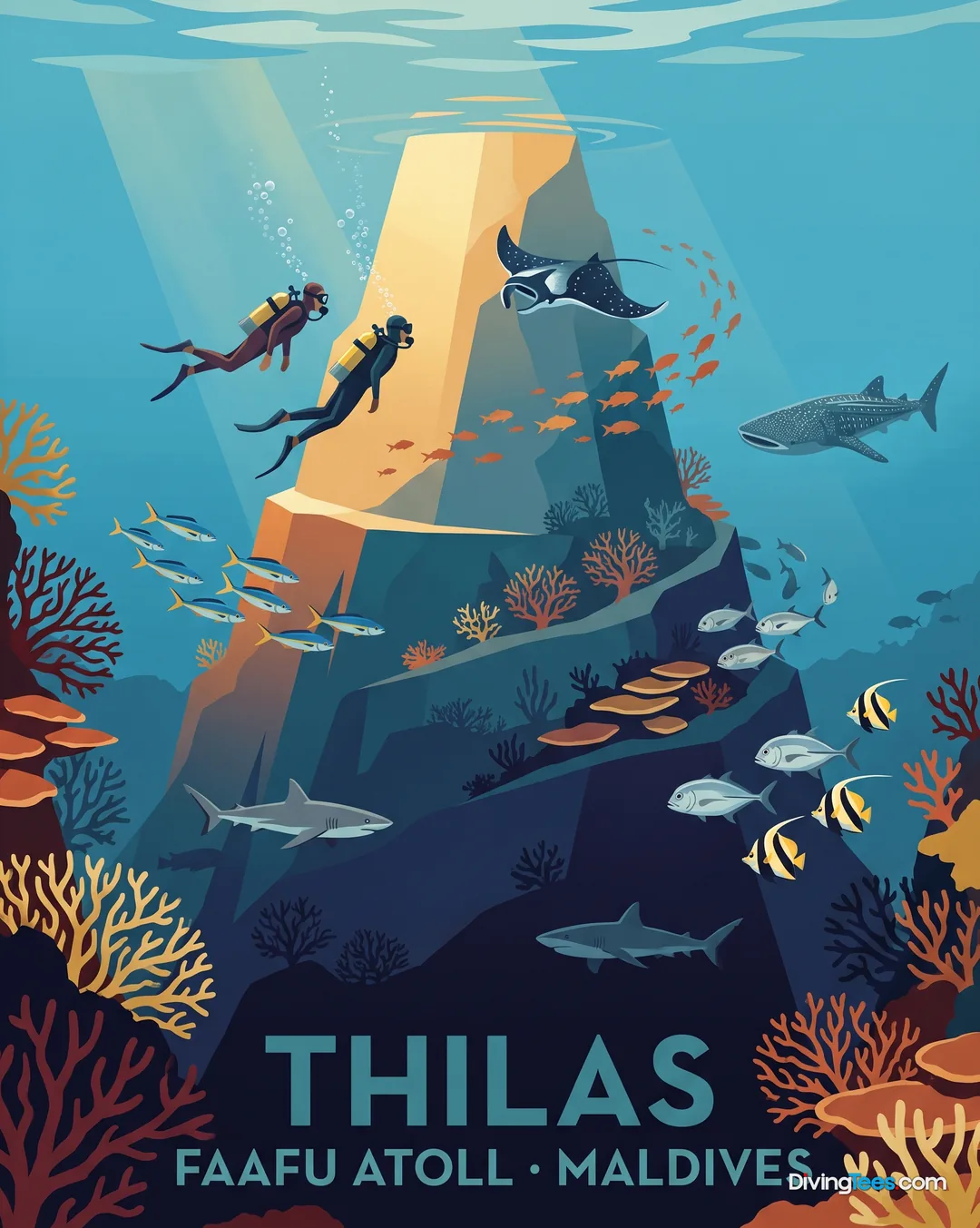
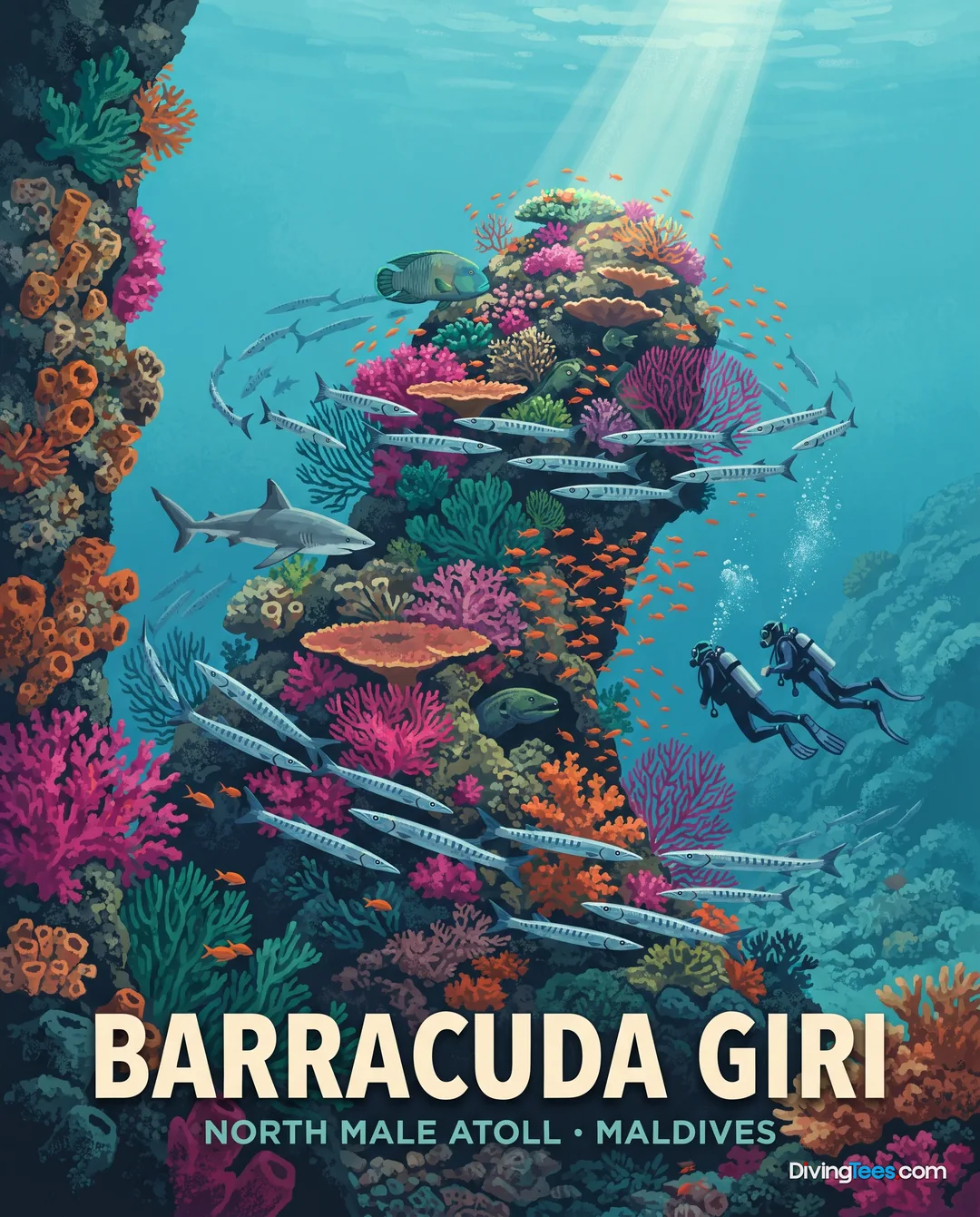
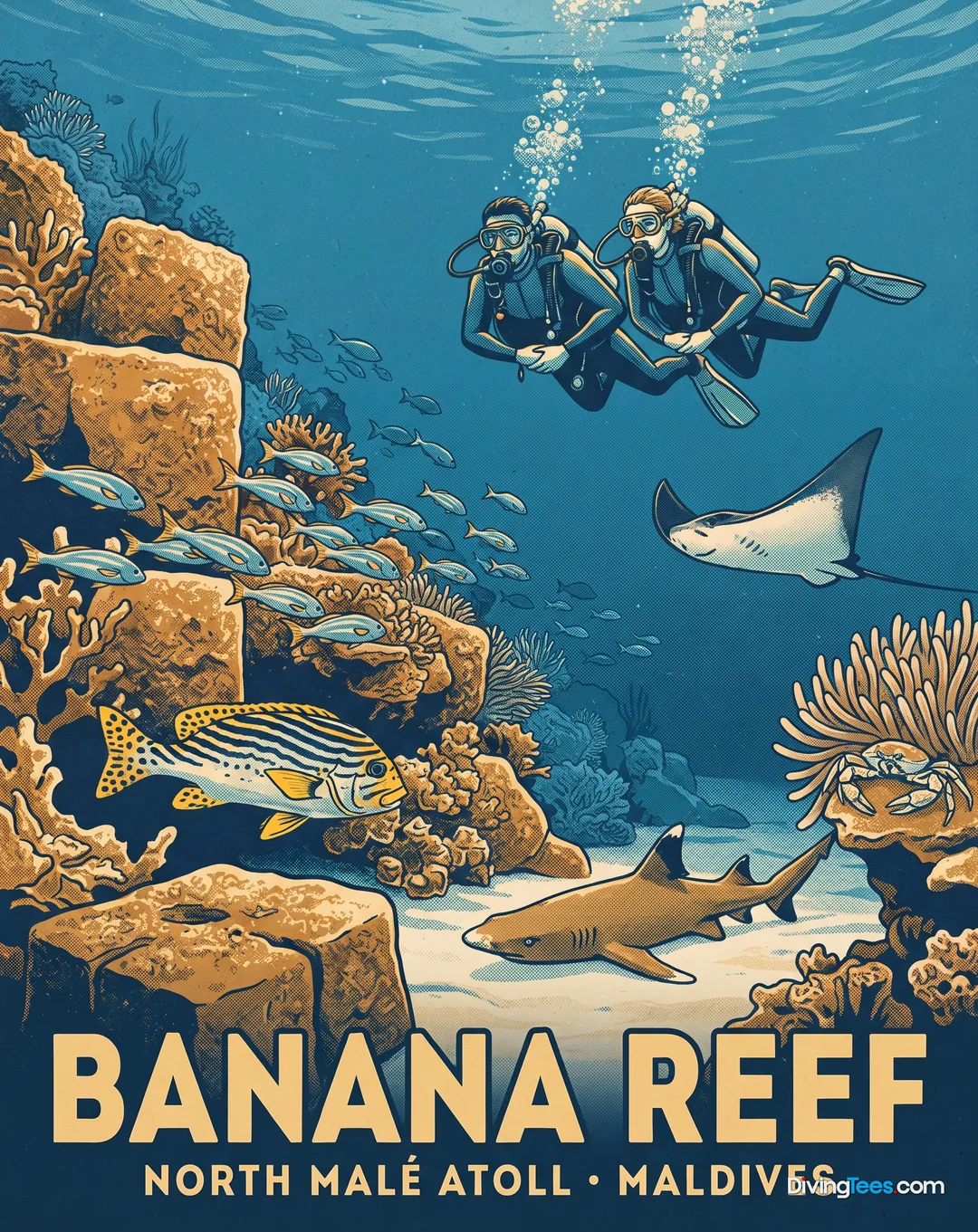
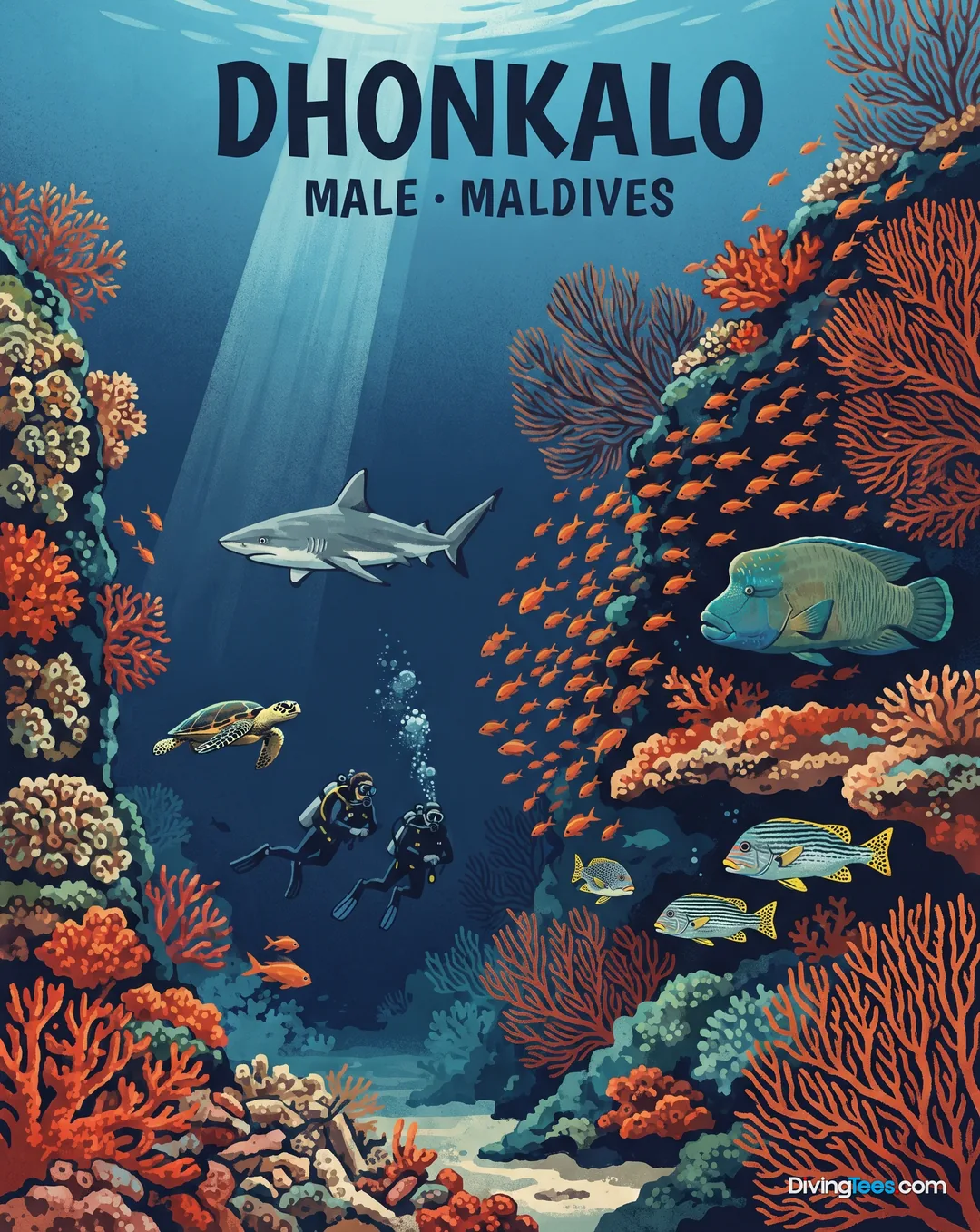
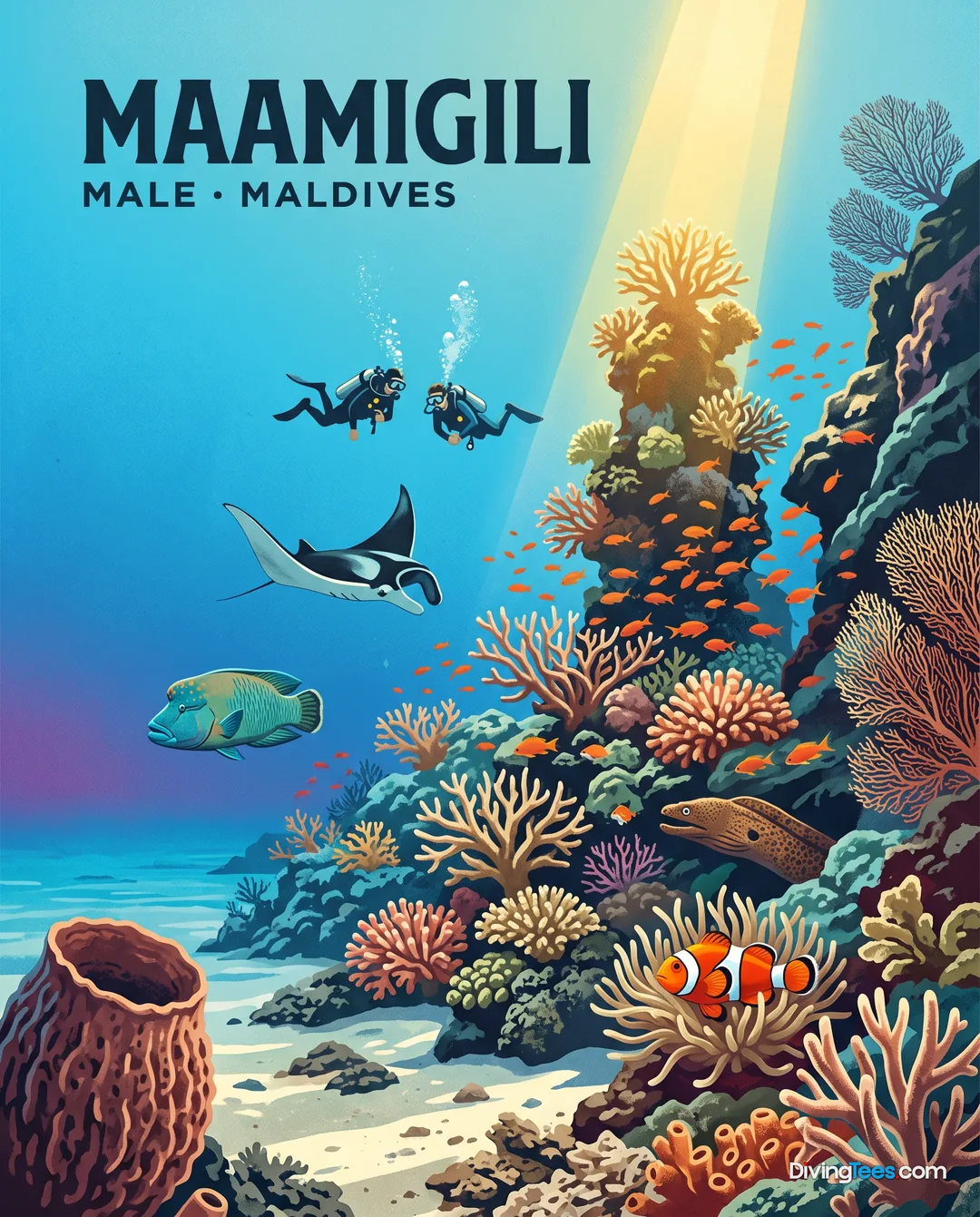
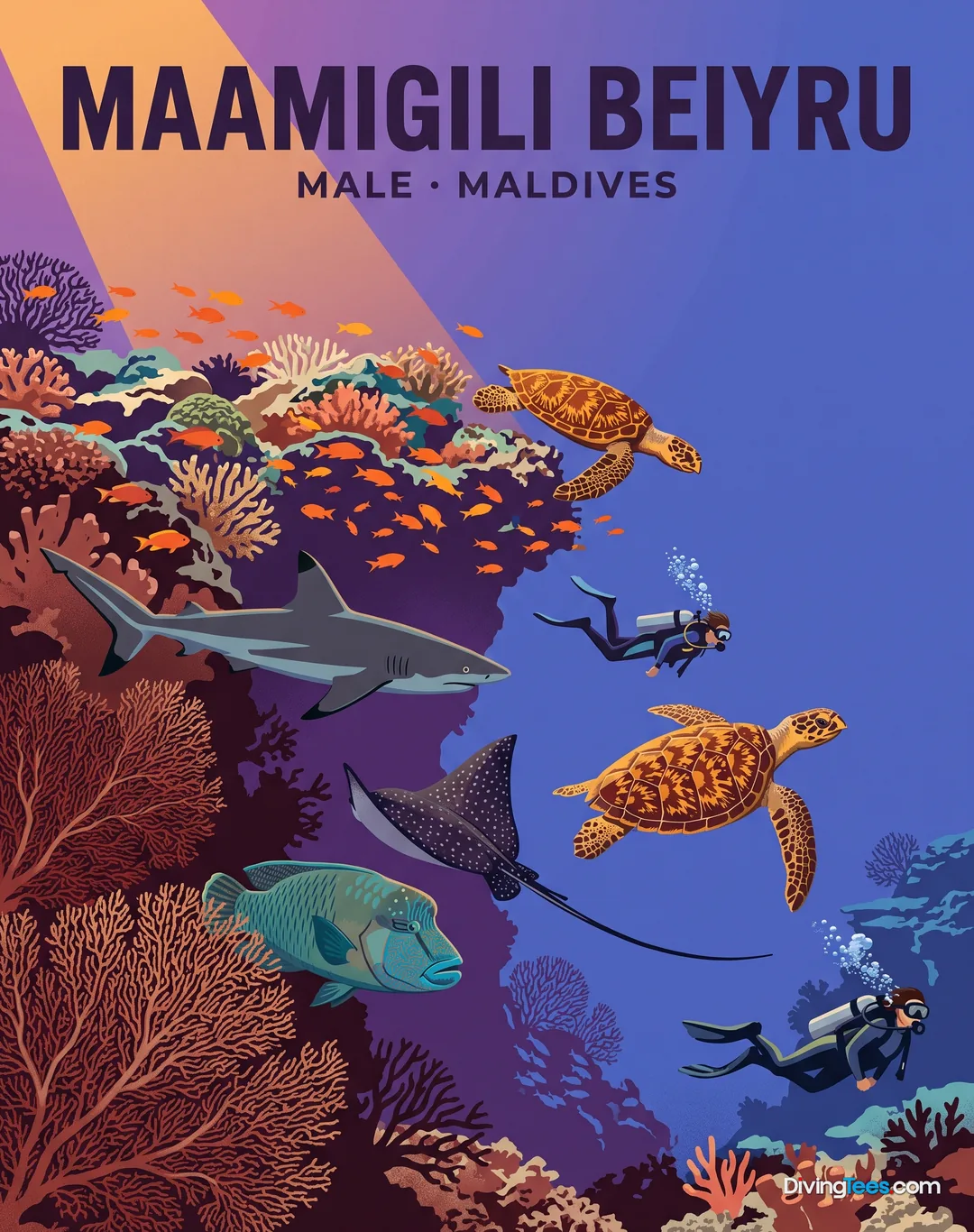
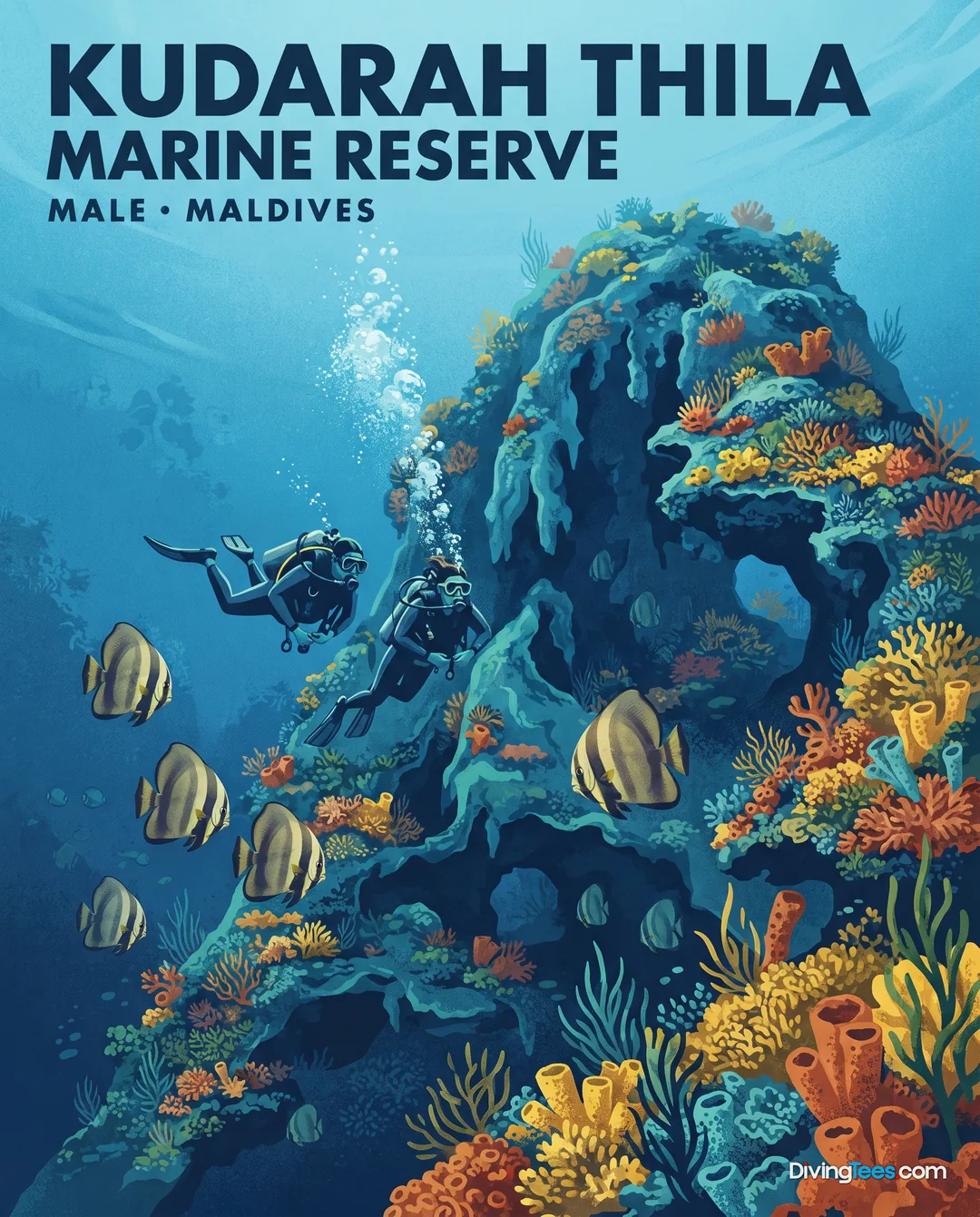
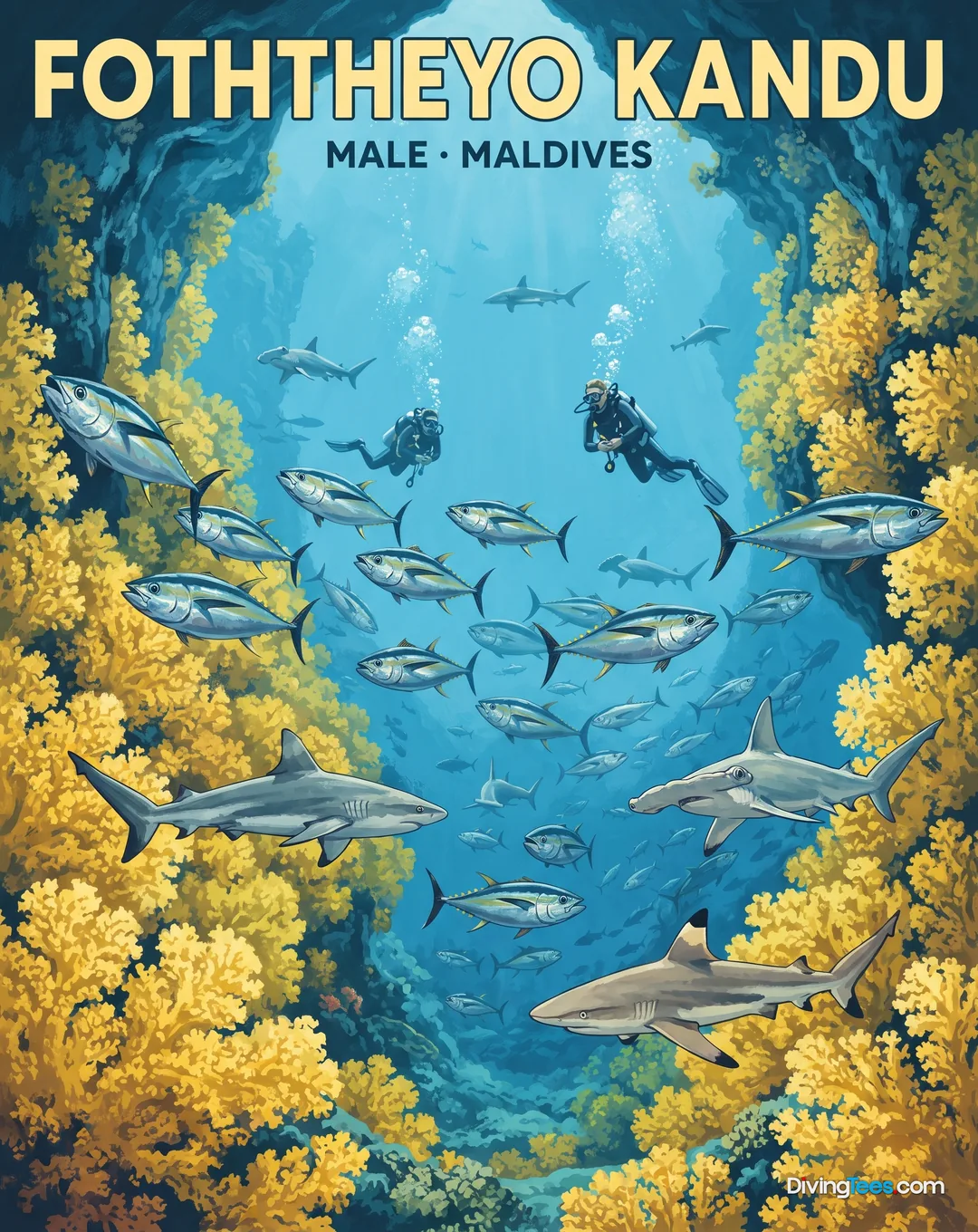
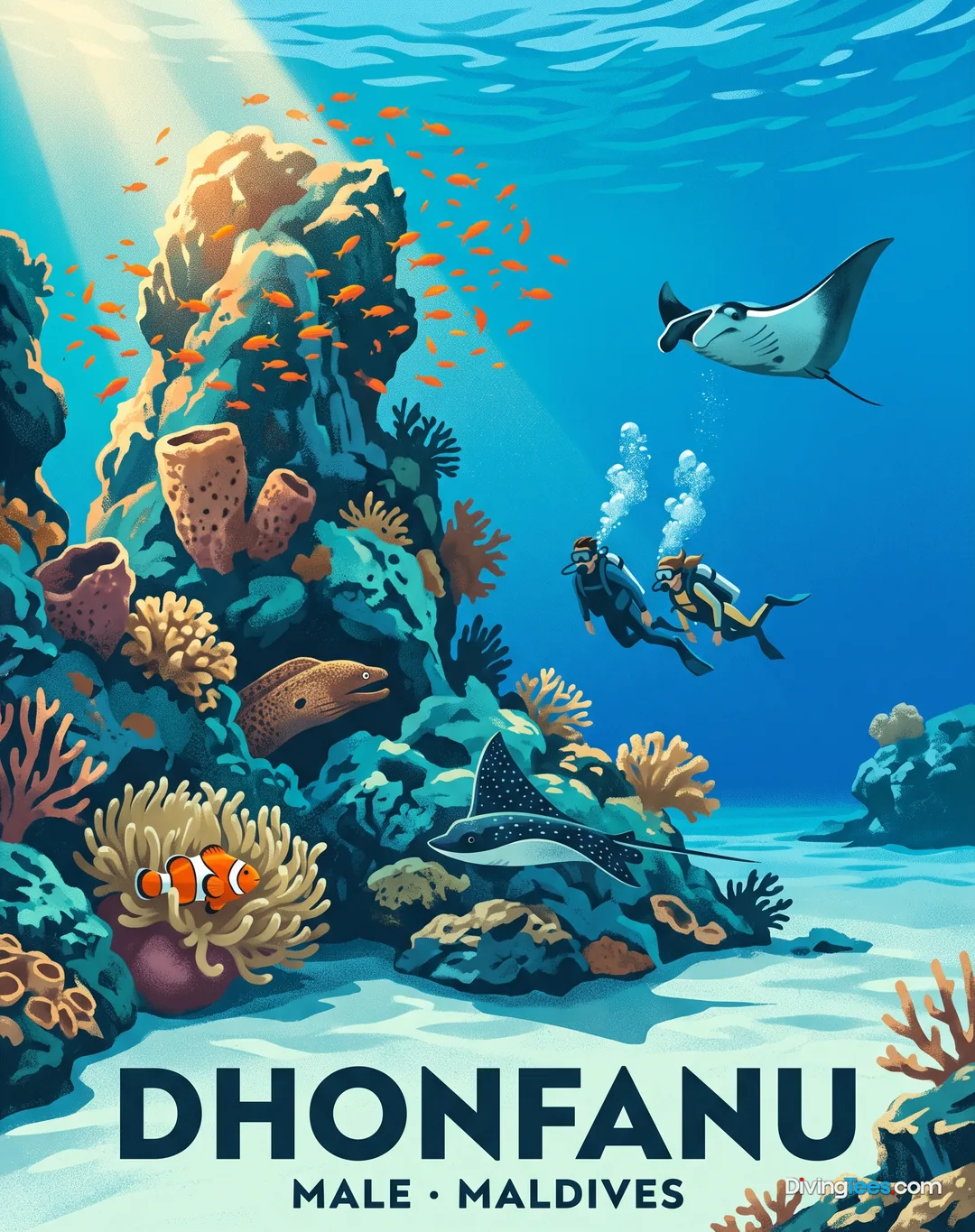
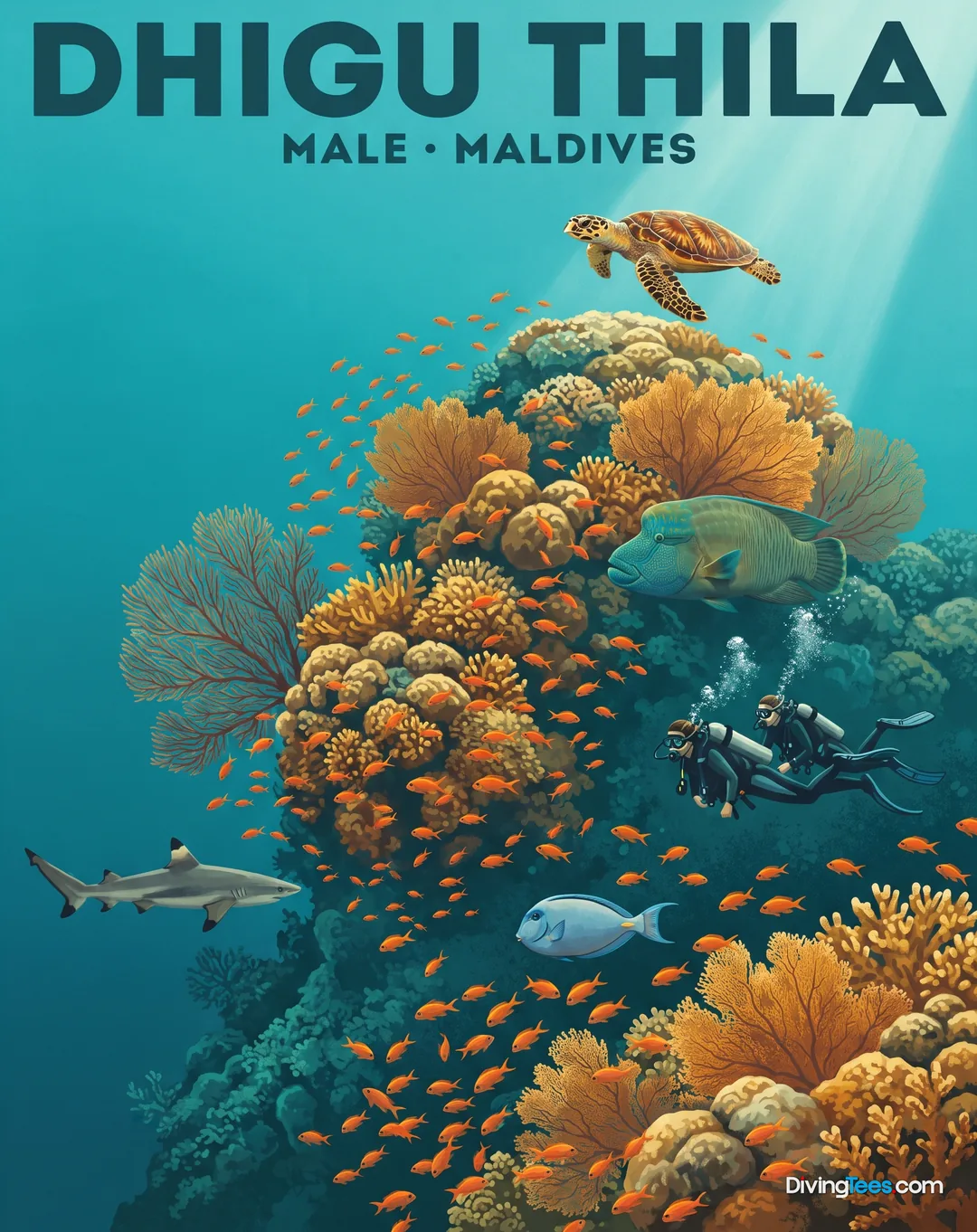
Recorded departures run from Malé to Malé over 8 days and 7 nights, through the central atolls. The sites range from current-swept channels to isolated thilas and reef pinnacles. At Barracuda Giri, three submerged pinnacles drop to a maximum of -30 m, where current brings barracudas, tunas, jacks and fusiliers over the reef. Banana Reef offers a lively reef ecosystem near Thulhagiri Island Resort, with reef sharks and eagle rays among the possible encounters. Mushimasmigili Thila reaches -30 m and is known for grey reef sharks at its up-current pinnacle. Dhonkalo is a manta cleaning station in a sandy channel, while Maamigili and Maamigili Beiyru reach -30 m and sit within South Ari’s protected waters, where whale sharks and mantas are possible. Kudarah Thila Marine Reserve adds clefts, overhangs and caves to a -30 m pinnacle. Deeper, stronger-water options include Foththeyo Kandu at -40 m, with caves covered in yellow soft corals, and Fushifaru Thila at -35 m, known for manta cleaning stations. Other recorded sites include Guraidhoo, Myaru Kandu, Dhigalhi Haa, Dhonfanu and Dhigu Thila, generally to -30 m where a maximum depth is given.
Itineraries, dates and prices
Prices per person. Each month shows its lowest price: click a month, or pick an itinerary.
Next departures · 68 departuresfrom £1,774$2,372€2,119
October 2026
November 2026
December 2026
See dates and prices
If you click these links and make a purchase on the partner site, DivingDeal may earn a commission, at no extra cost to you.
Dates and prices taken from Divebooker and liveaboard.com, updated 21 October 2026
What you’ll meet underwater
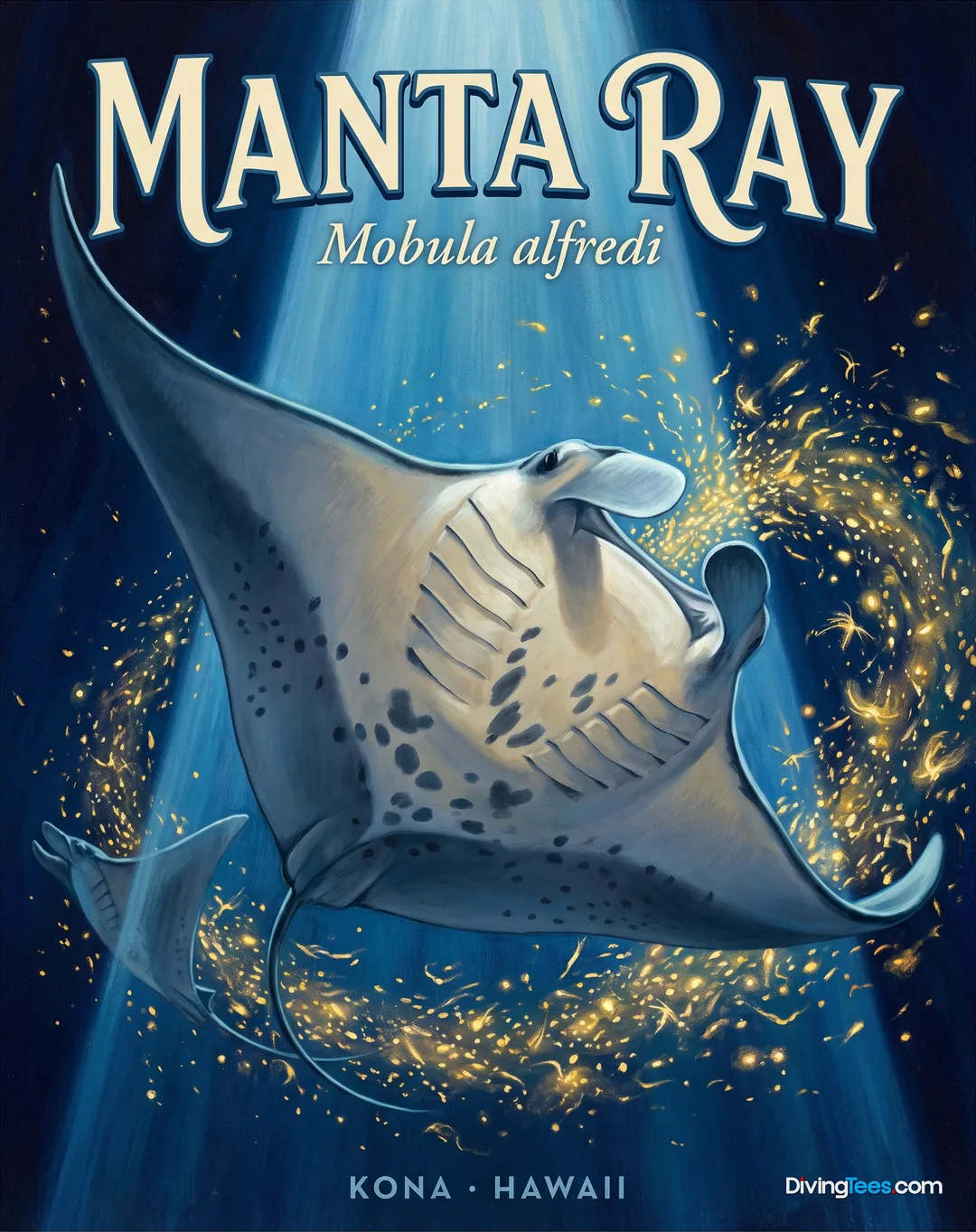
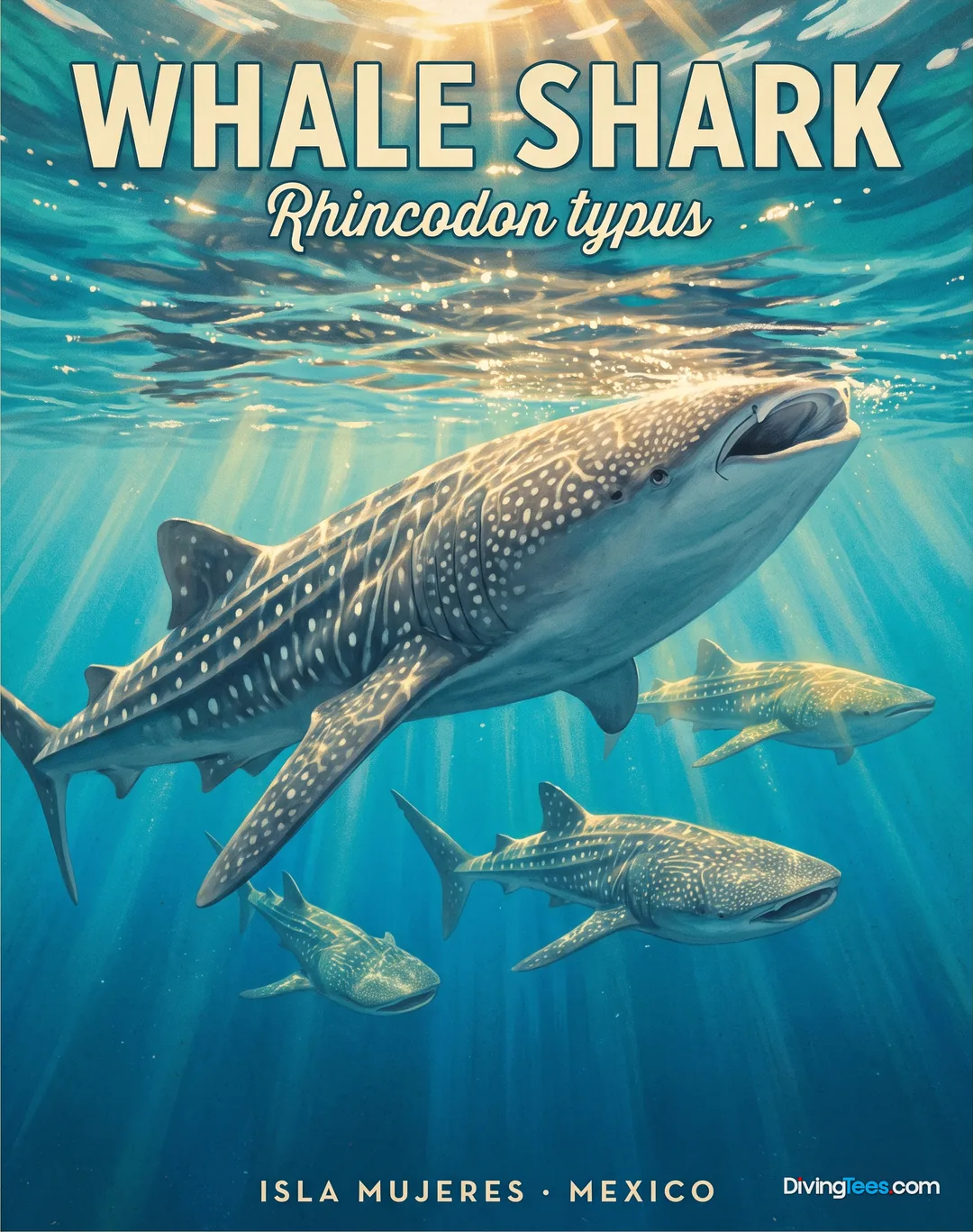
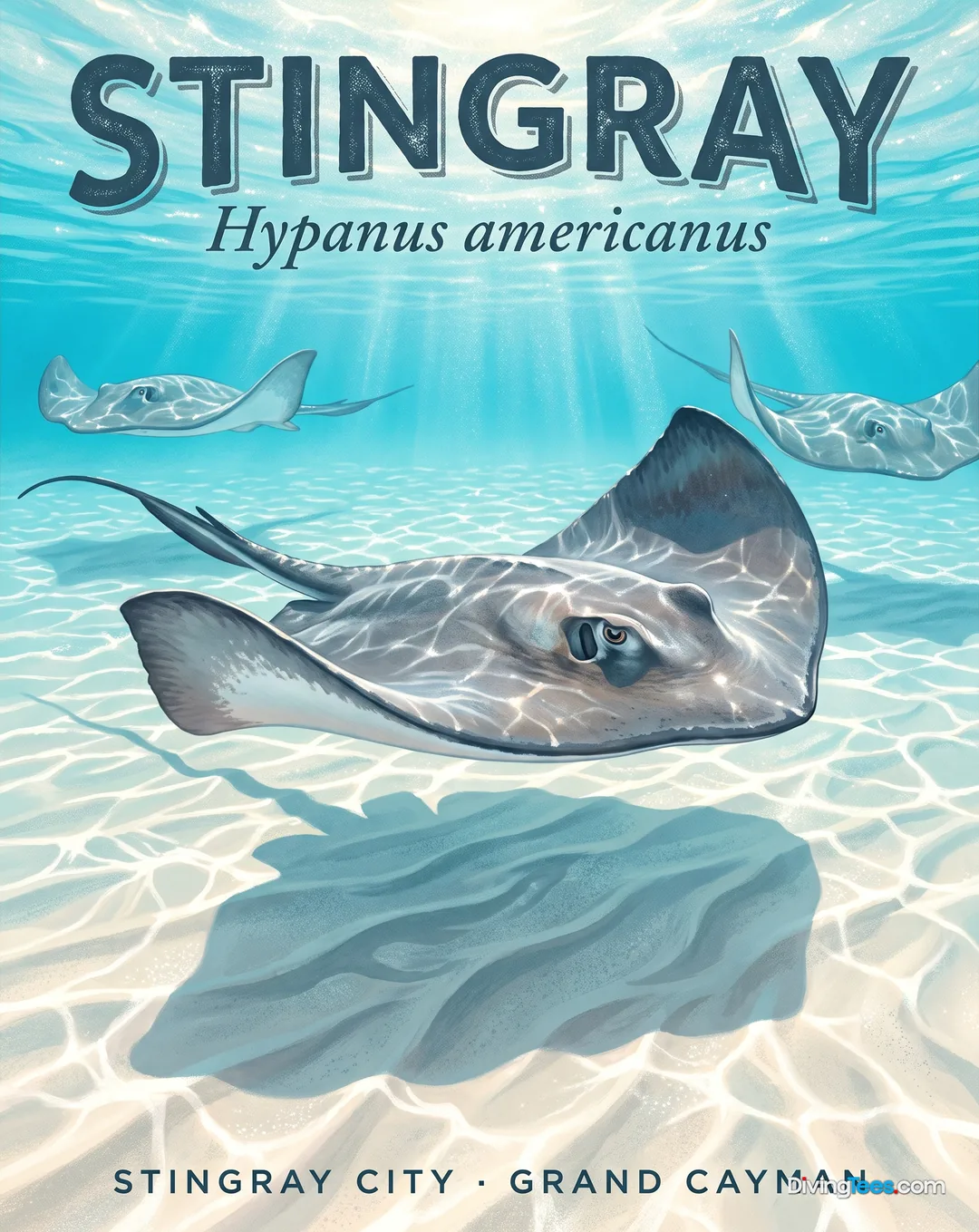
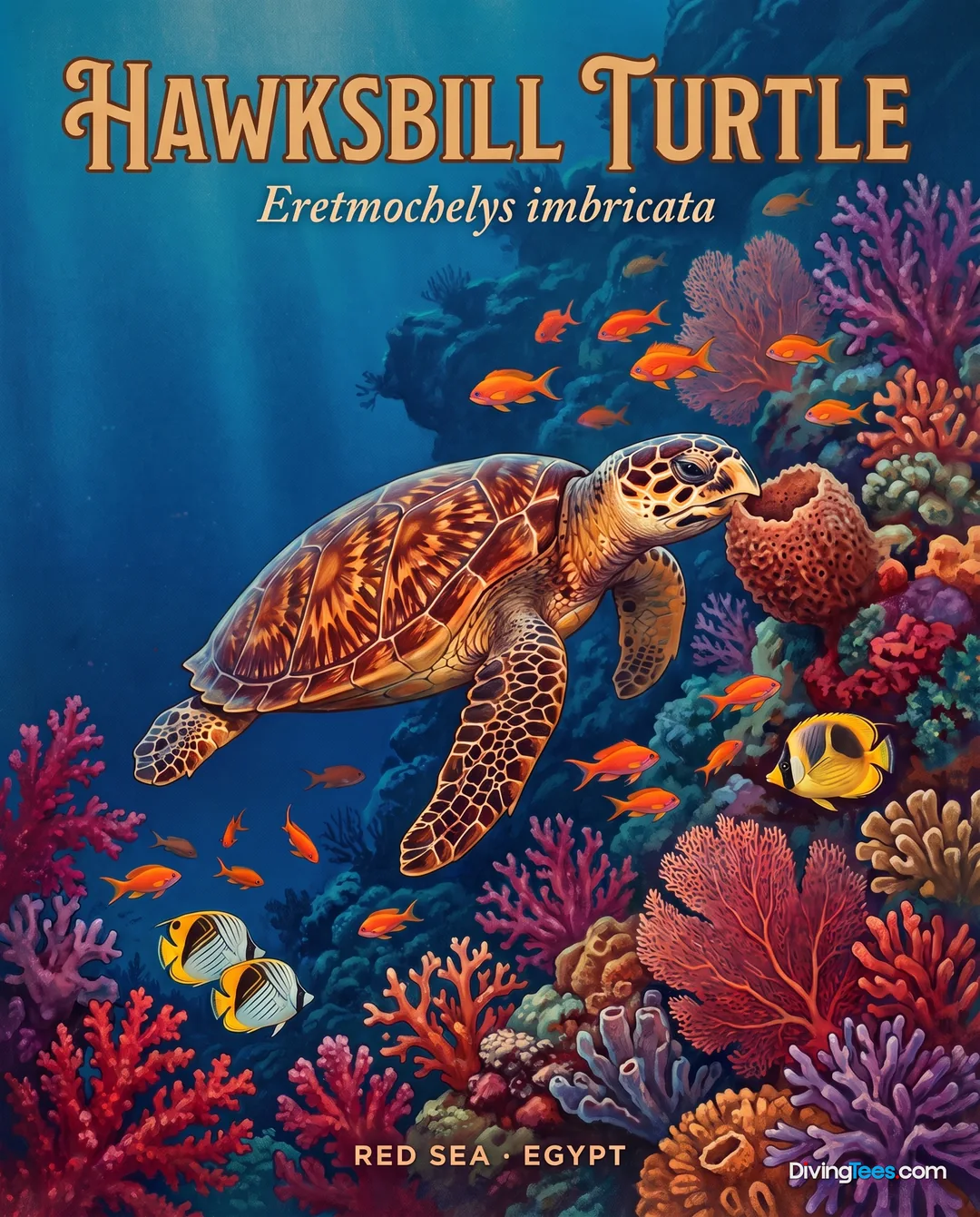
The regular cast is made up of Napoleons and fusiliers, both recorded at nine sites, grey reef sharks at nine, sea turtles at eight, eagle rays at eight, and barracudas, manta rays and tuna at seven sites each. Jacks, trevally, white-tip reef sharks, moray eels, batfish and reef fish fill the spaces between the larger encounters. The reason to stay alert is that the route also keeps a few particular animals tied to particular dives. Barracuda Giri is the site for groupers and anthias; Banana Reef is the place where anemones appear in the records. Maamigili is associated with sweetlips and porcupinefish, while Dhigalhi Haa Marine Reserve stands out for soft coral and gorgonians among its red coralline algae and acropora corals. Fushifaru Thila Marine Reserve is the only listed site for a stingray, and Dhigu Thila for a hawksbill turtle. Cleaning stations and up-current pinnacles explain why manta rays and reef sharks gather at sites such as Dhonkalo and Mushimasmigili, while channels can pull pelagic fish into view.
Who puts you in the water
DUNE support on the cruise is French-speaking, and the wider crew can also communicate in English, German, Chinese and Spanish. The trip includes briefings and a safety presentation. Oxygen, first-aid kits, fire alarms and extinguishers, radar, GPS, VHF/DSC/SSB radio, emergency beacons and rescue boats are carried on board. The boat also has a fish finder, mobile and satellite telephones, a bilge pump, searchlight and engine-room video surveillance.
The dive deck and the gear
The dive deck is shaded and built for repeated entries, with a proper dive platform and a tender to carry divers to the sites. The tender is powered by a Yamaha 150 HP outboard, and the boat uses diver annexes rather than asking everyone to make long surface swims back to the hull. The return routine is practical: rinse tanks are provided for equipment, with a separate rinse for cameras, and an outdoor shower is available after the dive. The standard package includes a 12-litre tank, weights and nitrox for certified users; 14-litre tanks and rental equipment are optional. Sidemount diving is supported. Nitrox is included, while the nitrox certification course is an extra. Night dives are part of the included diving programme.
Between dives
Between dives, the Black Manta gives guests several ways to stay outside without standing in the working area of the dive deck. The terrace and observation deck are for shade, sun and watching the atolls pass; the air-conditioned lounge is the retreat when the heat catches up. Kayaks and stand-up paddleboards let non-divers and divers explore the surface, while snorkelling equipment and a naturalist guide open the reef to people who are not joining every scuba dive. There is also a jacuzzi, spa and massage service, all useful on a day when the body wants less activity rather than another excursion. The boat carries a photo area and a separate camera rinse, so photographers can work without turning the general rinse space into a permanent staging table. Deserted-island barbecues and local-island visits add a reason to leave the boat.
A day on board
A day begins with the dive operation rather than a fixed clock: briefing first, then the tender takes each group from the platform to the reef or channel. The central-atoll programme combines daytime dives with night dives, so the day is divided by water, food and recovery instead of one long excursion. After surfacing, divers return to the boat for the camera rinse, equipment rinse and outdoor shower before the next meal and the next briefing. The gaps can be spent in the shaded dive area, on the terrace, in the air-conditioned lounge or on a kayak or paddleboard. On suitable sections of the itinerary, the Black Manta gets underway between sites; elsewhere the boat becomes a floating base while the tender does the work. A night dive changes the final part of the day: the deck is quieter afterwards, equipment is secured, and dinner or a drink leads into the next morning's start.
What you eat aboard
Meals are served in buffet and à la carte formats, with both local and Western cooking on the menu. Vegetarian and vegan options are available, and snacks are served throughout the day rather than leaving divers to bridge the gap between meals. Non-alcoholic drinks, water, tea and coffee are included; beer, wine, cocktails and other alcoholic drinks are available separately. The outdoor dining area is more than a change of scenery after a dive. It gives the group a place to sit together while the boat is moving or the crew is preparing the next part of the trip. One meal is taken seriously as an outing in its own right: the included barbecue on a deserted island. For a week built around repeated dives, that shift from boat table to sand is a useful break without taking the focus away from diving.
Nights at sea
The cabins sit on the upper deck, in the middle of the boat, with panoramic windows facing the sea. That location gives the standard, premium, deluxe and superior categories a better connection with the outside than a dark lower-deck berth, while air conditioning and private bathrooms take care of the practical side of Maldivian heat. The cabin range includes shared double or twin arrangements and single-double options, with upgraded cabins available for those who want more space or a different position on board. Daily housekeeping keeps the room from becoming a second gear locker. The real benefit is what happens outside the cabin: after a dive, there is a shaded dive area, an outdoor terrace and an observation deck rather than one narrow corridor for the whole group. Cabins are non-smoking, and the boat also provides charging stations for cameras and other equipment.
Standard Cabins (#1,2,5,6,7,8)
Premium Cabins (#9,10)
Deluxe Cabin (#13,14)
Superior Cabins (#11,12,15)
Standard Single Double Cabin (#3)
Superior Single Double Cabin (#16)
What to know before boarding
Recorded departures leave from Malé and return to Malé. Airport transfers to and from the boat are included, with the arrangements communicated for the relevant departure. Arriving in Malé the night before boarding is the sensible choice, especially when flights are involved. The final transfer after disembarkation also returns to the airport.
Deck plan
- Year built
- 2024
- Year renovated
- 2024
- Length
- 42 m
- Beam
- 9 m
- Maximum number of passengers
- 28
- Number of cabins
- 15
- Number of bathrooms
- 15
- Engines
- 1 × Doosan 800 hp
- Cruising speed
- 8
- Tenders
- 1 × Yamaha 150 hp
- Website
- dune-world.com ↗
Hello, I'm Marina, DivingDeal.com's AI assistant. I answer in detail about hotels, dive centres and liveaboards.
Thinking about the whole trip and the flights? Talk it over with Edith →
Marina is an AI. Some links are affiliate links: DivingDeal may earn a commission, at no extra cost to you. Bookings are made with the partner.