

Moorea Blue Diving
Google 5/5 (404 reviews)
Moorea · French Polynesia · Pacific
Max. depth · 35 mNavigate a complex topography of underwater gorges and walls where lemon sharks and blacktip reef sharks are frequent residents.
The Opunohu Canyons sit on the outer reef edge near the Opunohu pass on Moorea's north coast. Unlike the sheltered lagoon, this site is shaped by the direct influence of the open ocean, creating a rugged terrain of deep canyons, narrow gorges, and structural faults. These formations are woven between massive coral structures, offering a complex three-dimensional environment. As you descend, the topography shifts from coral heads into steep walls and overhangs that plunge toward the deep blue. The site is physically defined by these breaks in the reef, which channel water and nutrients into the canyon systems.
Approaching the site usually involves a short boat ride from the northern coast, with the vessel anchoring near the outer reef edge. Once you enter the water, the descent takes you through different depth zones that transition from shallower reef sections to much deeper territory. At around 35 metres, the terrain begins to interface with the deeper area known as the Rose Garden. This verticality means you are constantly moving between different light levels and pressure zones. The transition from the reef plateau into the canyon walls provides a sense of scale that is unique to this specific location.
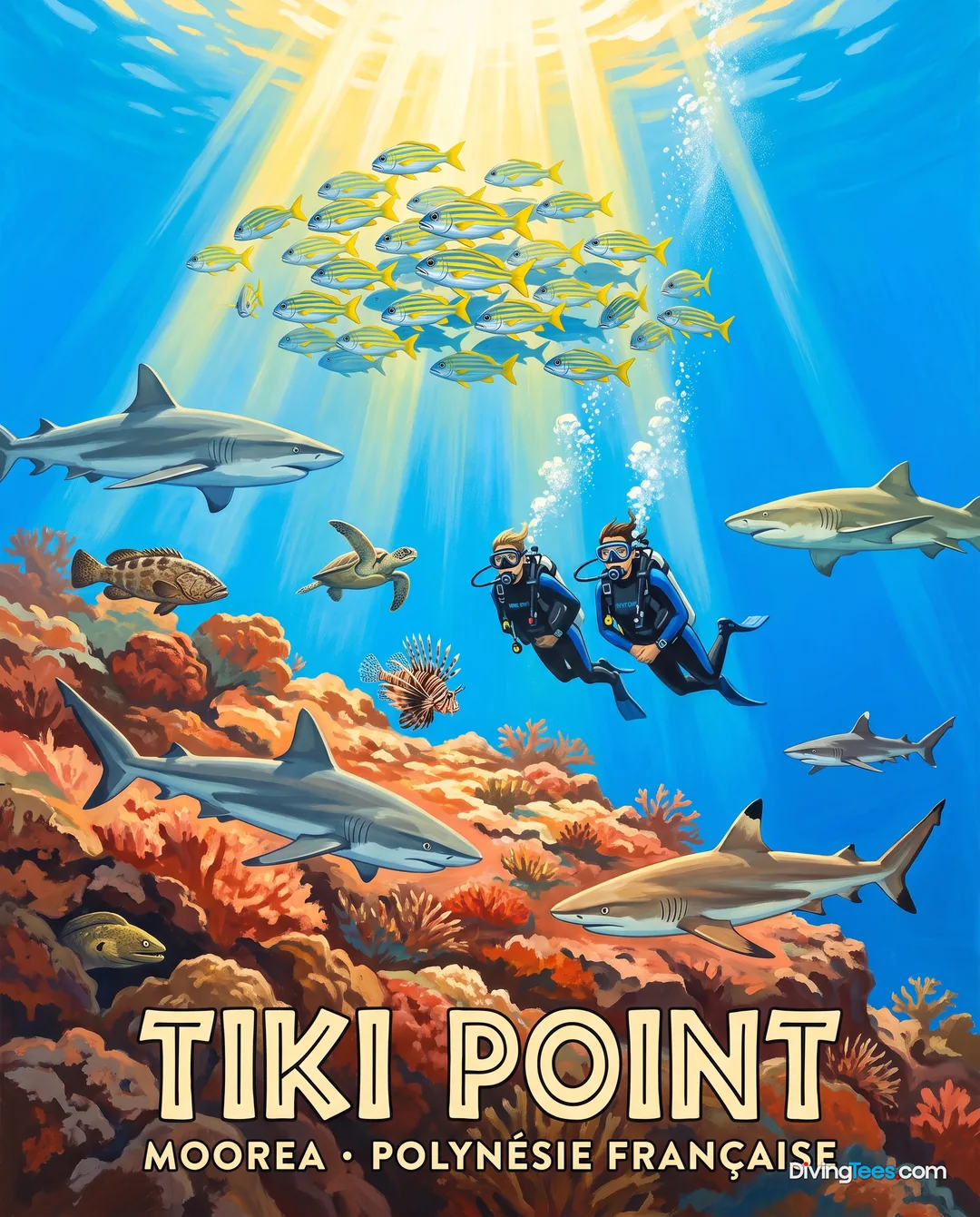
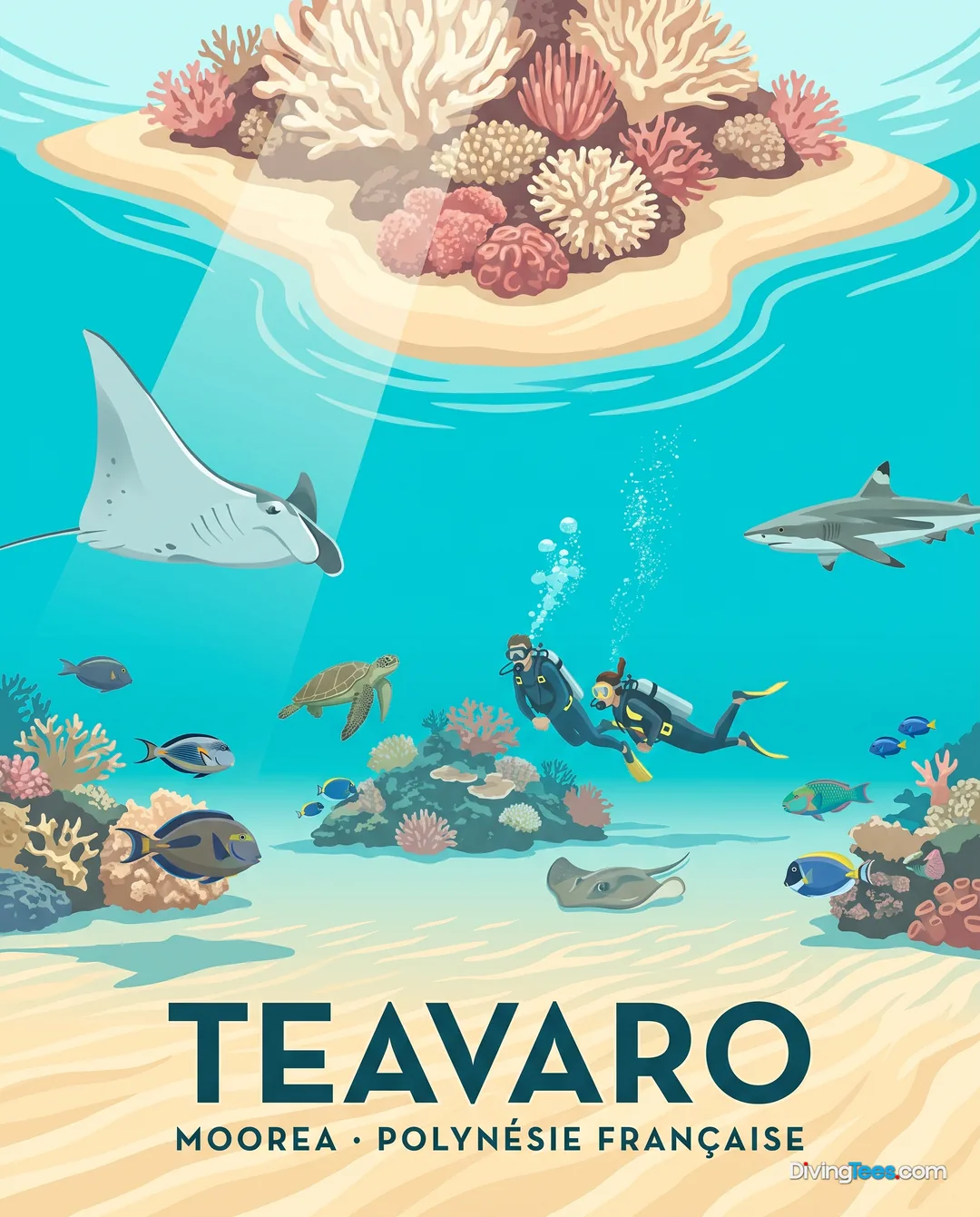
The most significant feature of the Opunohu Canyons is the frequent presence of large sharks, which has earned the site local nicknames like Lemon Shark Valley. You will regularly encounter lemon sharks (Negaprion brevirostris) patrolling the canyon edges and deeper sections. Blacktip reef sharks (Carcharhinus limbatus) are also common, often moving through the water column or hovering near the reef structure. These predators do not behave like curiosities but rather as integrated parts of the ecosystem, moving with purpose through the currents. Their presence is a defining characteristic of the dive experience here.
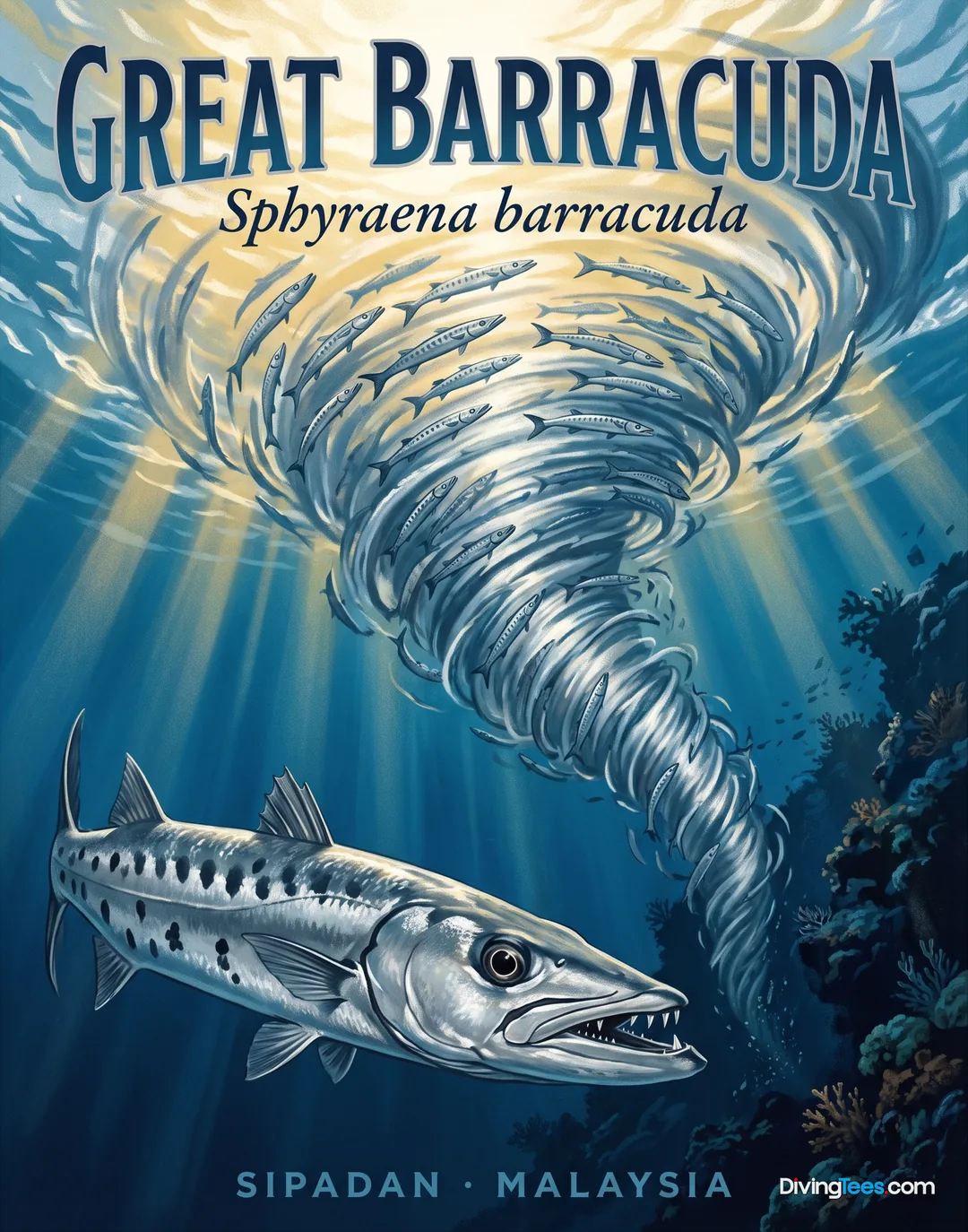
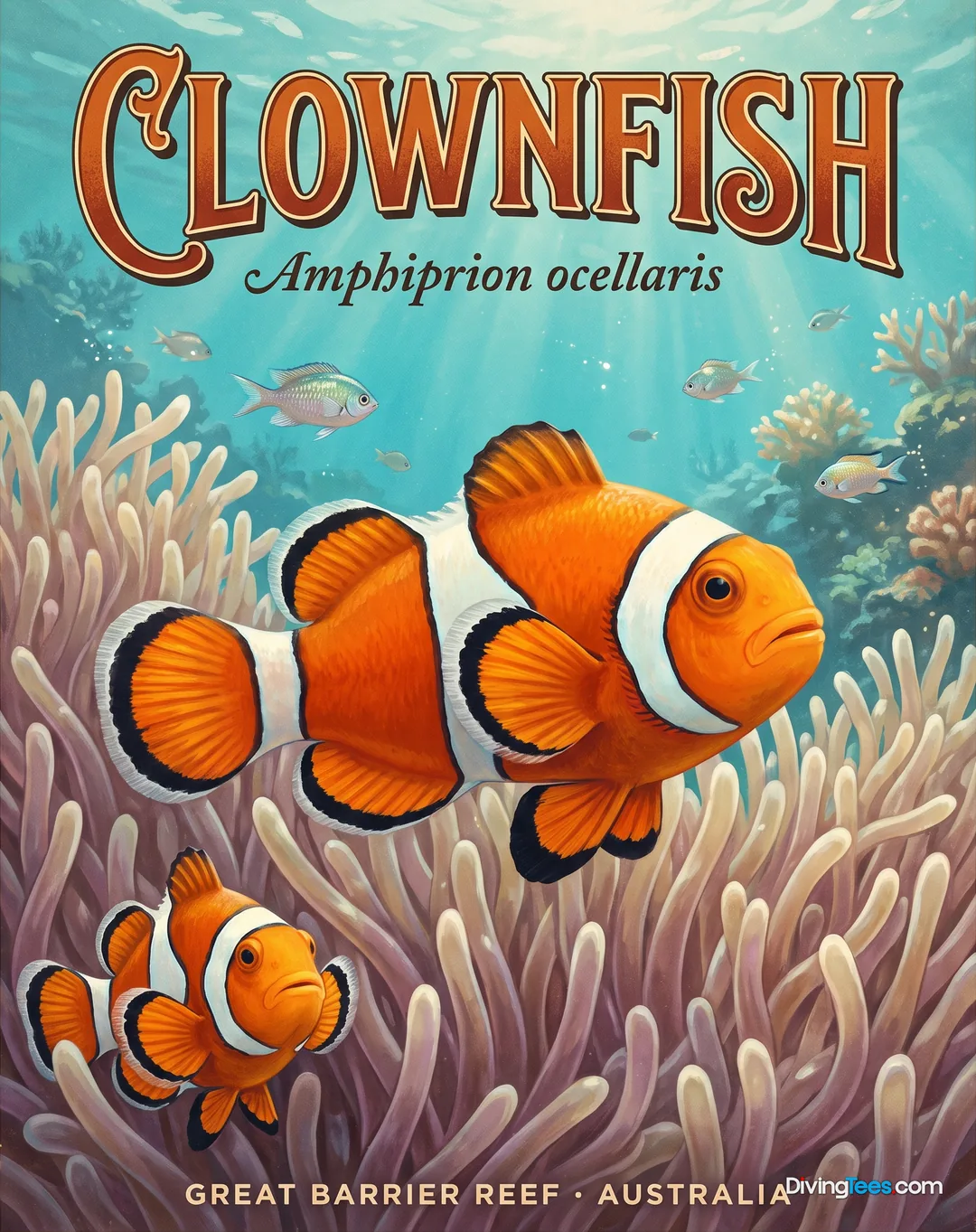
Beyond the large pelagic species, the reef itself is a busy habitat for a variety of resident marine life. You will see schools of snappers and surgeonfish navigating the currents around the coral heads and canyon lips. Barracuda often cruise the perimeter of the deeper walls, appearing as silver silhouettes against the blue. In the smaller crevices and coral branches, clownfish can be found within their host anemones. The diversity of the reef structure provides numerous hiding spots for these species, making the site a constant point of interest for those watching the reef wall.
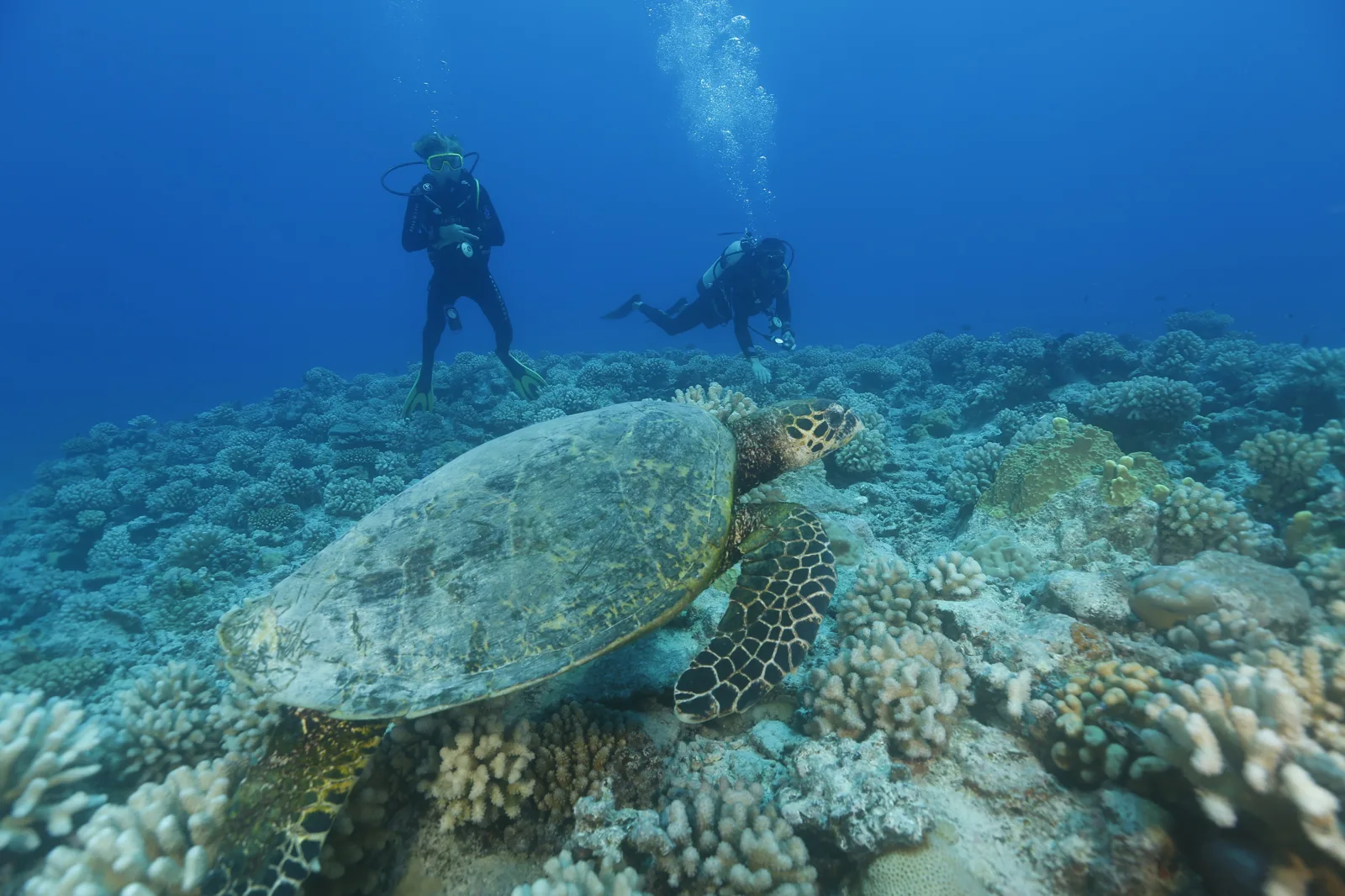
Green sea turtles (Chelonia mydas) are another frequent sight, often found grazing or resting near the reef slopes. The movement of these turtles through the canyon area adds to the sense of a living, functioning maritime corridor. While the sharks command much of the attention, the interaction between the larger predators and the resident reef fish creates a balanced biological scene. You can observe the subtle ways the smaller fish react to the presence of sharks, finding refuge in the complex coral architecture of the canyons.
The light at Opunohu Canyons changes significantly as you move from the shallower reef towards the canyon floors. In the upper sections, sunlight illuminates the vibrant coral formations, but as you descend toward the 30 or 35-metre mark, the environment becomes more monochromatic and atmospheric. This depth provides a sense of isolation from the surface, emphasizing the scale of the canyons. The visibility in these waters typically remains between 20 and 30 metres, allowing you to see the dramatic drop-offs and the movement of sharks from a considerable distance.
Currents at this site are closely linked to the swell and the proximity to the Opunohu pass. While you may find calm conditions, the water can move with notable strength depending on the tide and sea state. These currents are what drive the nutrient-rich water through the canyons, supporting the high density of shark life. Understanding how to manage your buoyancy in these varying conditions is essential, especially when navigating near the canyon walls or overhanging sections. The interplay between the topography and the moving water defines the technical nature of the site.
What distinguishes the Opunohu Canyons from other reef sites in Moorea is this specific combination of deep canyon topography and predictable shark activity. It is not just a simple wall dive; it is a navigation through a fractured landscape that offers both macro-scale views of large predators and detailed reef inspection. The proximity to the deeper Rose Garden ensures that the site remains biologically active and physically demanding. It remains one of the most geographically diverse diving locations on the island's northern coast.
The site features depths ranging from 9 to 35 metres. It is accessible from Open Water Diver level, though the presence of deep canyons and variable currents requires divers to be comfortable in open ocean environments and with shark encounters. Visibility is typically between 20 and 30 metres. Currents can be calm or moderate, but they may become strong depending on the swell and the tide near the pass.
You can expect visibility of 20 to 30 metres, but conditions vary with the swell and tide near the pass. Currents may be calm or moderate, and can become strong. The site is reached by a short boat ride from the northern coast, with the vessel anchoring near the outer reef edge.
The Opunohu Canyons are accessible from Open Water Diver level, with depths from 9 to 35 metres. You should be comfortable in open ocean environments, with deep canyons, changing depth zones, and shark encounters. The descent moves from shallower reef sections toward steep walls and overhangs.
Currents at The Opunohu Canyons are linked to the swell and the nearby Opunohu pass. You may find calm or moderate water, but the current can become strong with the tide and sea state. Managing your buoyancy is important near the canyon walls and overhanging sections.
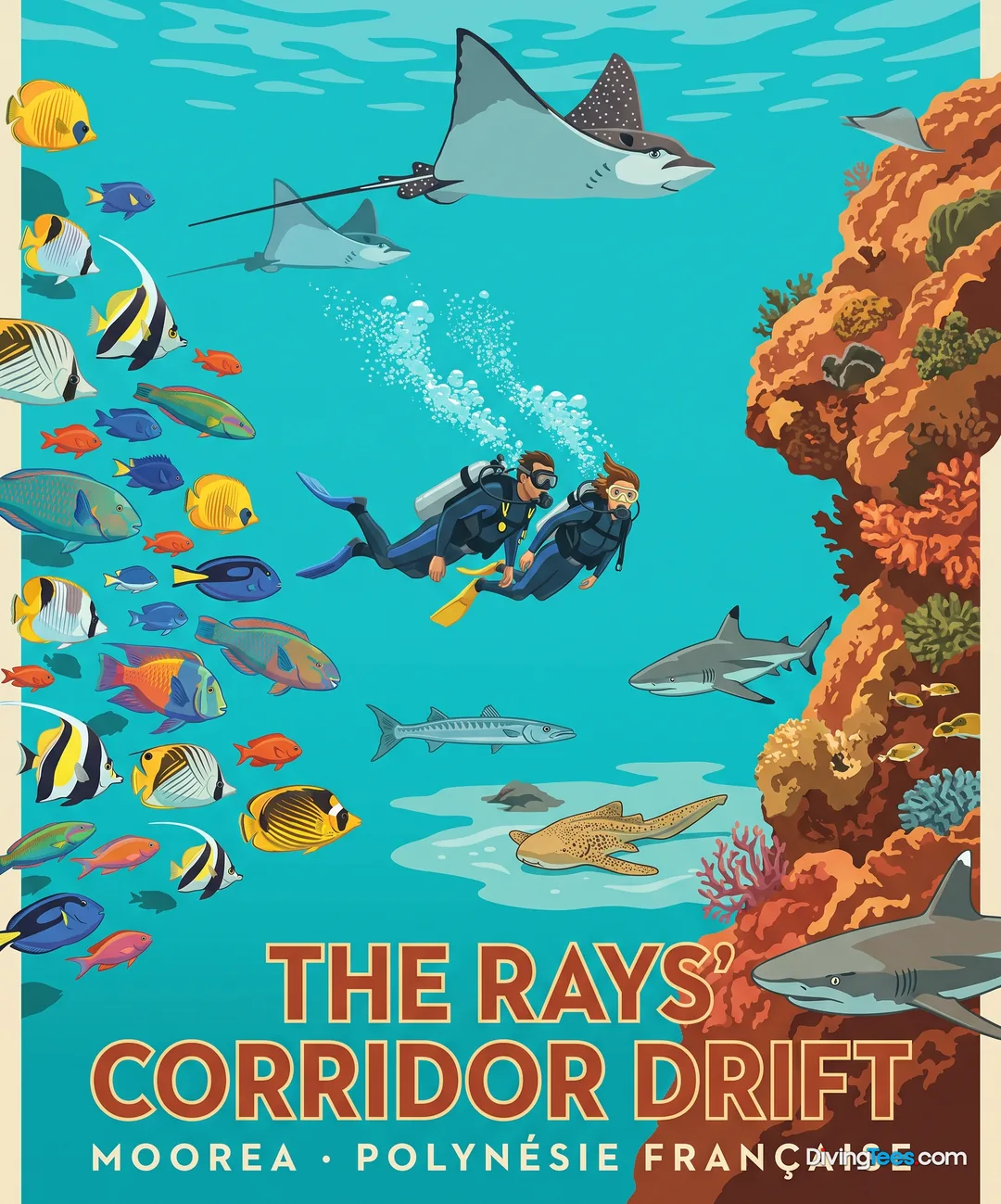
At The Opunohu Canyons, you may see frequent lemon sharks and blacktip reef sharks around the canyon edges and reef structure. Resident life includes snappers, surgeonfish, barracuda, clownfish in anemones, and green sea turtles. Deep canyons, narrow gorges, coral structures, steep walls, and overhangs shape the dive.