

Moorea Blue Diving
Google 5/5 (404 reviews)
Moorea · French Polynesia · Pacific
Max. depth · 27 mA sheltered reef system featuring rose coral gardens, deep canyons, and consistent shark activity.
The Opunohu Coral Wall is a complex reef system situated just outside Opunohu Bay on the north coast of Moorea. The topography is defined by substantial coral walls that are frequently interrupted by deep canyons and corridors between large coral blocks. These formations create a varied landscape where the reef doesn't just drop away, but instead forms a series of interconnected structures and gentle outer-reef slopes. Because the site is positioned near the bay, it benefits from a level of protection from the open ocean swell that many other Moorea sites lack. This makes the approach and the descent much more controlled for most divers.
When you descend, the profile typically moves through several distinct zones, starting with shallower reef sections before reaching the main wall. One of the most specific features you will encounter is a rose coral garden, a dedicated area where the coral growth is particularly dense and colorful. From here, the topography transitions into long, continuous wall sections that drop towards the edge of the reef. The lack of a true bottom within normal recreational diving limits means you will spend your time navigating the vertical relief and the crevices of the wall. This verticality is broken up by the aforementioned canyons, which provide different perspectives on the reef structure.
The site is effectively organized into three linked dive routes, allowing for extended exploration over multiple tanks. The first route leads you down into the rose coral garden, focusing on the intricate details of the reef slope. The second leg follows the long wall section, where the scale of the coral formations is most apparent. The final route concludes at a specific area known as the Shark’s Dining Room. This modularity makes the site highly adaptable, whether you are looking for a shorter, shallower dive or a more extensive exploration of the deeper canyon systems.
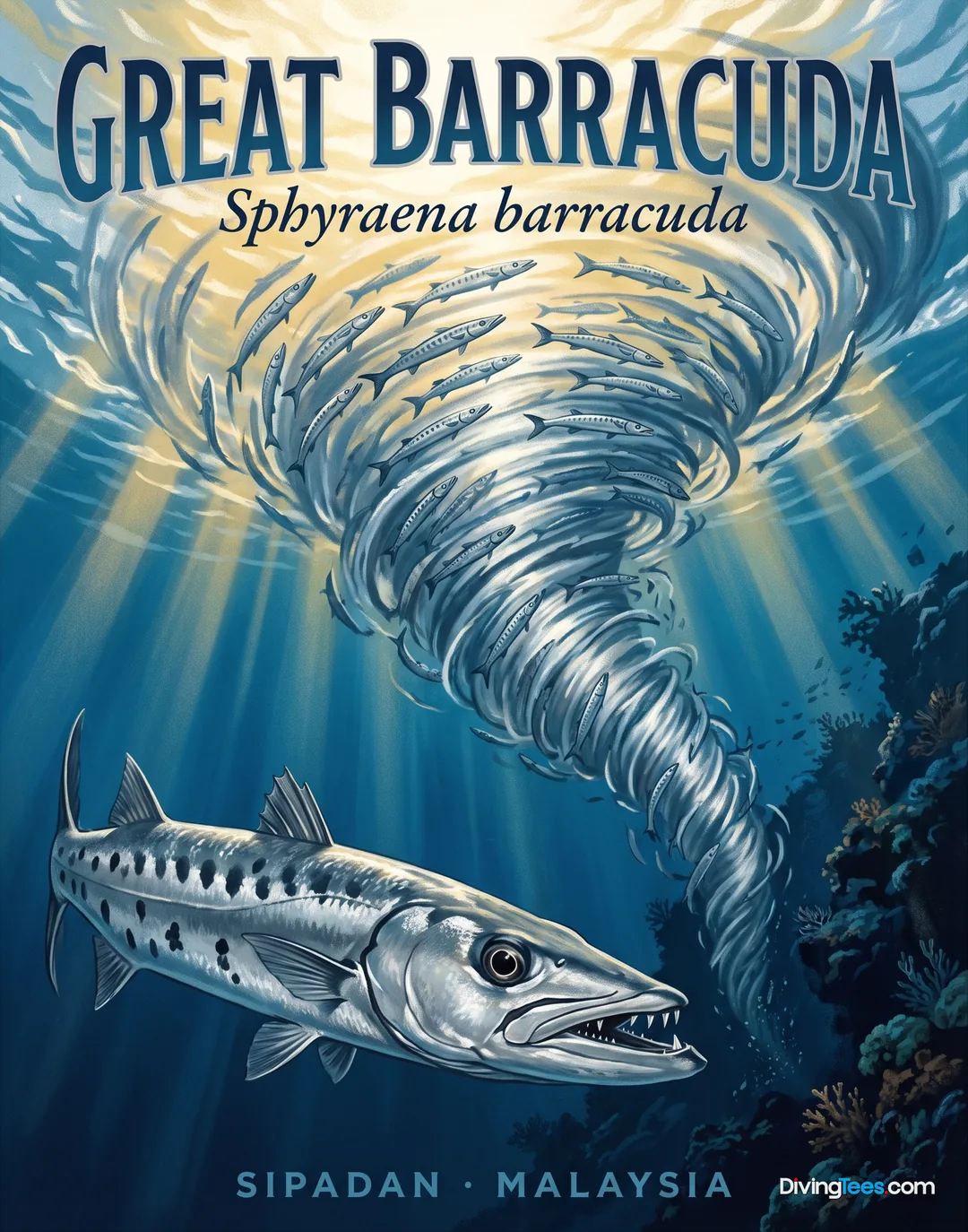
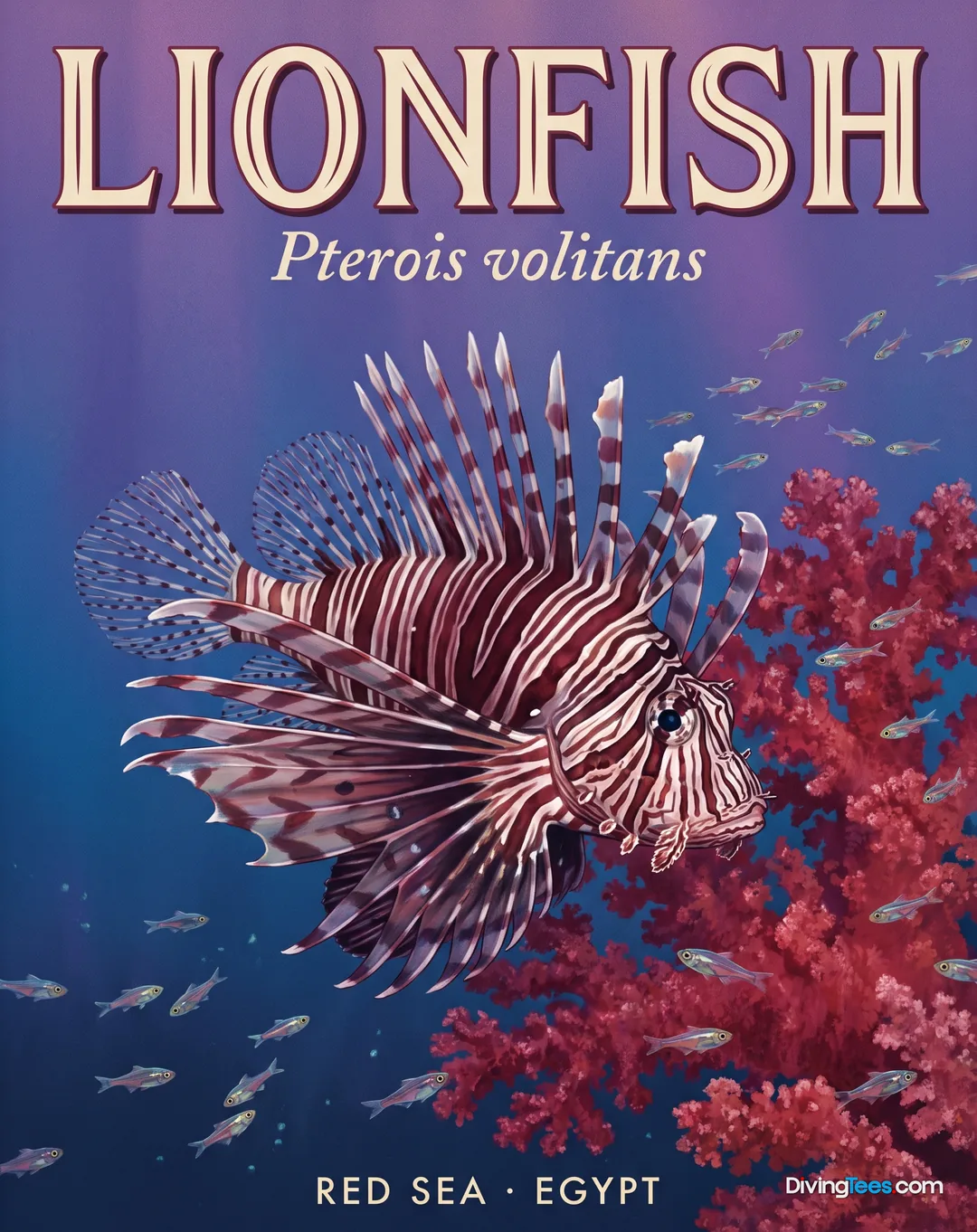
Marine life at Opunohu is highly resident and follows the structural complexity of the reef. You will frequently see large groupers and various species of eels, such as the Moray eel, tucked into the protective corridors and canyon entrances. The reef is heavily populated by colorful fish including angelfish, butterflyfish, and parrotfish, which graze across the coral surfaces. Smaller species like damselfish, pufferfish, and trumpetfish are common throughout the shallower sections. For those watching the mid-water column, barracuda and lionfish are regular sights near the reef edges.
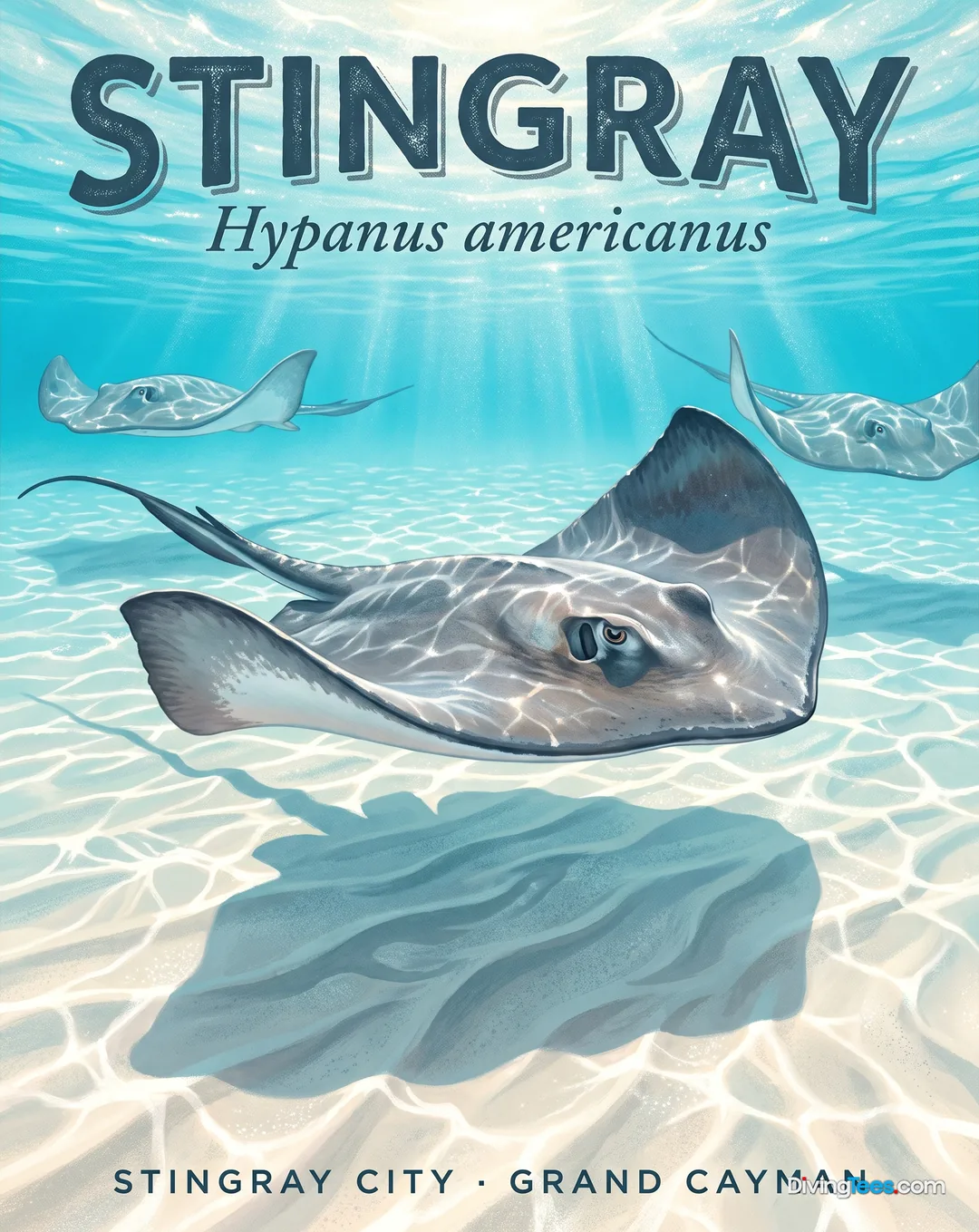
The presence of larger predators is one of the defining characteristics of this location. Blacktip reef sharks and lemon sharks are frequently observed patrolling the reef edges and the areas near the deeper canyon walls. These sharks tend to move with a predictable calm, often appearing in the more open sections of the wall. Their presence is a standard part of the ecosystem here, rather than a rare event. You might also encounter stingrays resting on the sandier patches near the base of the slopes or moving along the reef floor.
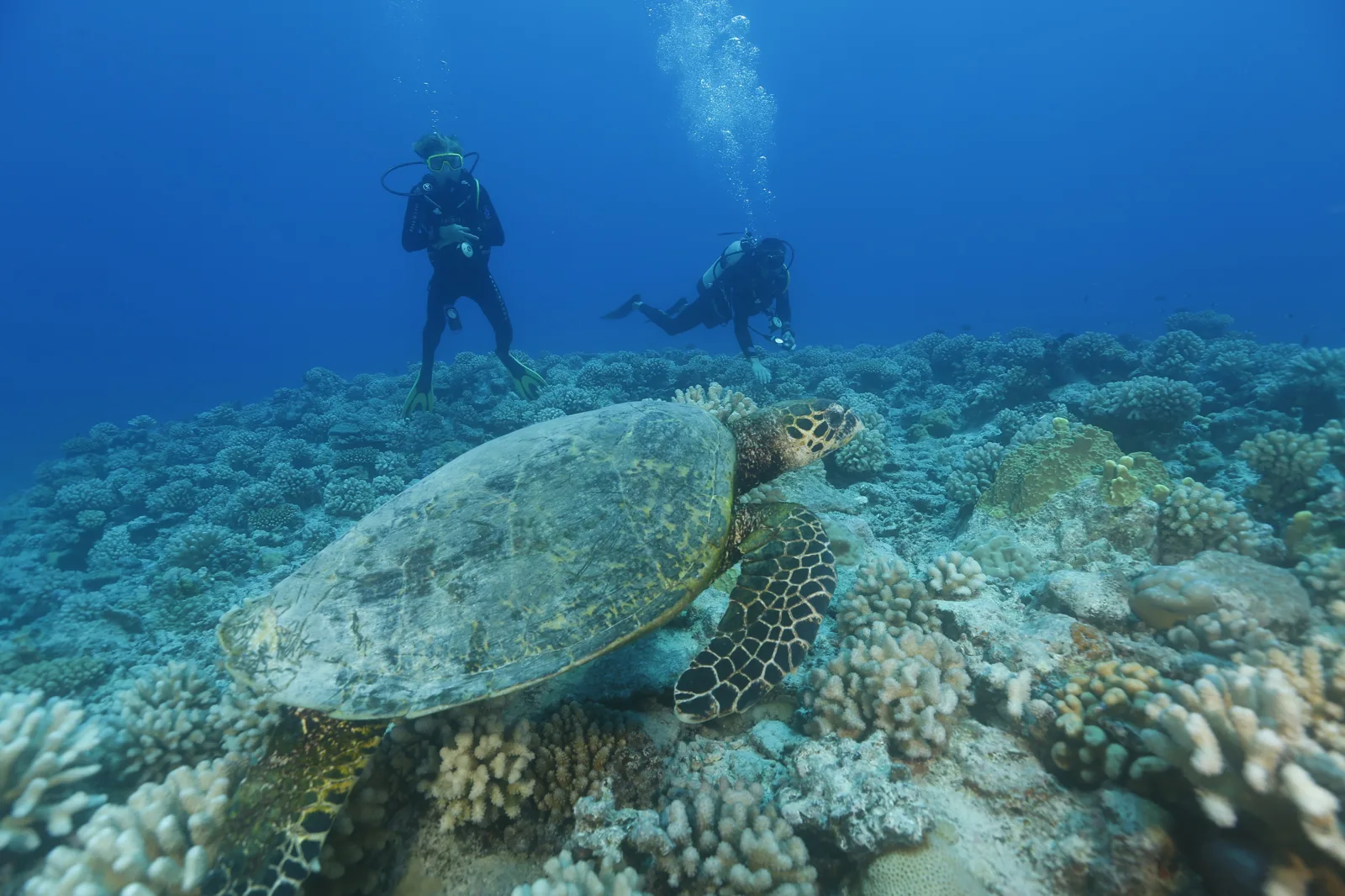
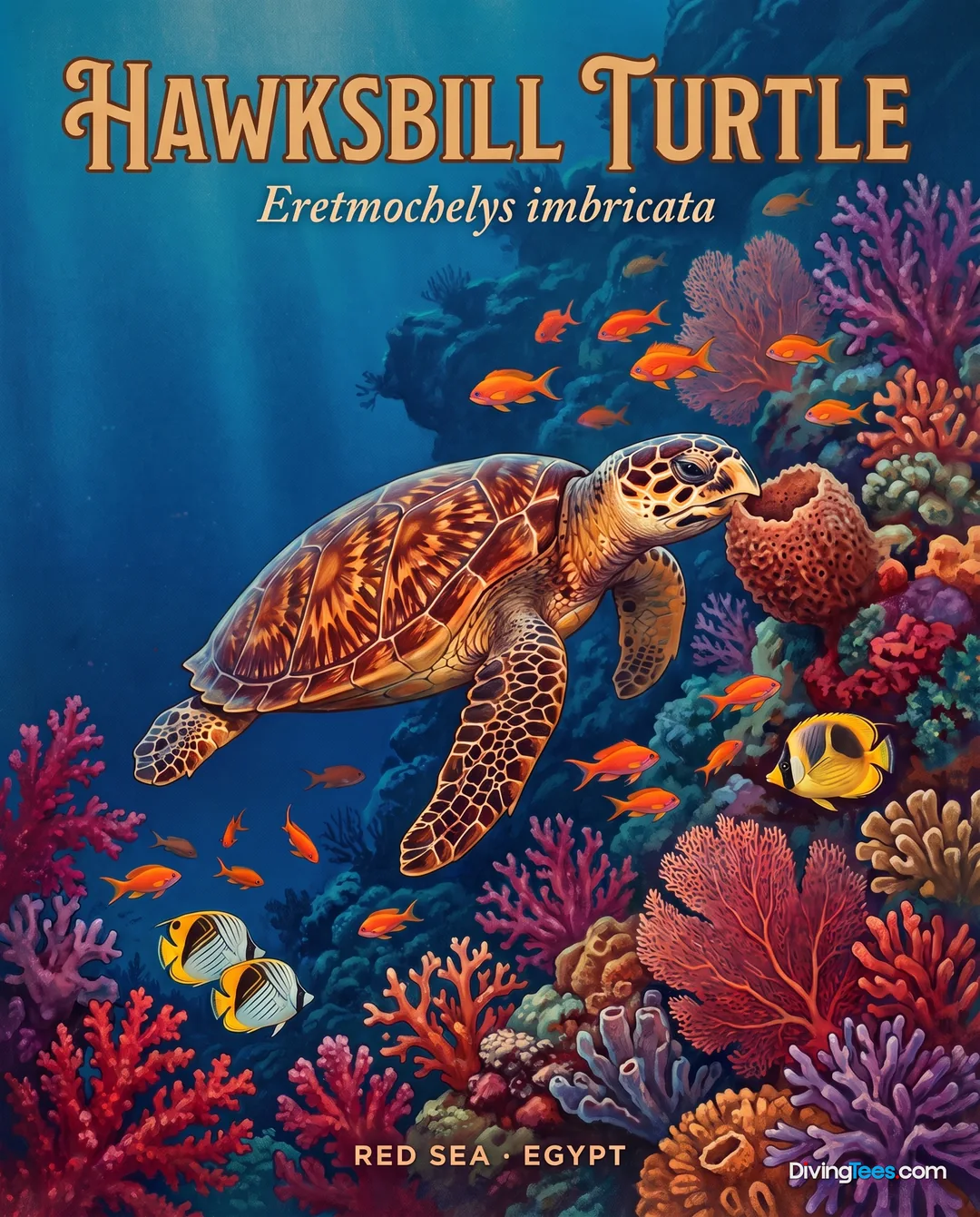
Turtles are a constant feature of the Opunohu Coral Wall, with both Green sea turtles and Hawksbill sea turtles being regularly sighted. They often move between the coral heads and the more open water, making them easy to spot during your drift along the wall. Observing their behavior is often a highlight of the dive, as they navigate the reef structures with ease. The combination of these large reptiles and the frequent shark sightings creates a very active biological environment throughout the different depth zones.
Conditions at this site are generally more stable than the more exposed sites on the outer reef. The primary influence on the water is seasonal swell and wind rather than strong tidal movements, which keeps the currents light and manageable. This sheltered nature makes the visibility, which typically stays between 20 and 30 metres, very reliable for photography and navigation. While the site is accessible to most certified divers, the depth and the potential for increased activity in the deeper sections mean that maintaining good buoyancy is essential when navigating the canyons.
Light penetration is excellent, especially during the dry season from May to October, which allows for clear views into the deeper recesses of the canyons. The way the light hits the rose coral gardens can change the appearance of the site significantly depending on the time of day. For divers looking to capture the scale of the walls, the high visibility and the structural complexity provide a high level of visual interest. The site remains a consistent choice for those who want to experience the dramatic relief of a coral wall without the constant struggle against heavy surge or high-velocity currents.
The dive depth ranges from 10 to 27 metres. The site is accessible to all certified divers, though intermediate experience is recommended for the deeper canyon sections and areas with higher shark activity. Currents are generally light due to the sheltered location near Opunohu Bay, though visibility is typically between 20 and 30 metres. The best time to dive is during the dry season from May to October for optimal sea conditions and visibility.
You can dive Opunohu Coral Wall throughout the year, with the dry season from May to October offering the most favorable sea conditions and visibility. During this period, light penetration into the deeper canyon recesses is especially good, and the rose coral garden can appear different as sunlight changes through the day.
Opunohu Coral Wall is accessible to all certified divers, with depths from 10 to 27 metres. Intermediate experience is recommended for the deeper canyon sections and areas with higher shark activity. Good buoyancy control is important while moving through the canyons and along the vertical coral walls.
Opunohu Coral Wall is sheltered near Opunohu Bay, so currents are generally light and manageable. Seasonal swell and wind influence the water more than strong tidal movements. Visibility typically ranges from 20 to 30 metres, supporting clear navigation and photography around the walls, corridors, and coral formations.
At Opunohu Coral Wall, you can explore a rose coral garden, deep canyons, coral corridors, and long wall sections. Blacktip reef sharks and lemon sharks frequently patrol the reef edges, while Green and Hawksbill turtles are regularly seen. Groupers, moray eels, angelfish, butterflyfish, parrotfish, barracuda, lionfish, and stingrays also occur.