

Nemo'z Diving
Google 4.9/5 (403 reviews)
Moorea · French Polynesia · Pacific
Max. depth · 23 mLarge aggregations of lemon and grey reef sharks patrol the clear, sloping reef at the northwestern tip of Moorea.
Tiki Point, often referred to locally as The Tiki, is situated near the northwestern tip of Moorea, positioned where the reef structure meets the deep blue of the open ocean. Unlike the vertical drop-offs found elsewhere in the archipelago, this site is characterized by a gently sloping reef and extensive coral gardens. The topography is relatively open, providing a sense of scale as the reef descends toward the edge of the shelf. Access is typically via boat, with a short 10 to 12-minute transit from the north coast dive centers. Most dives begin with a mooring at mid-reef depth followed by a controlled descent along the slope.
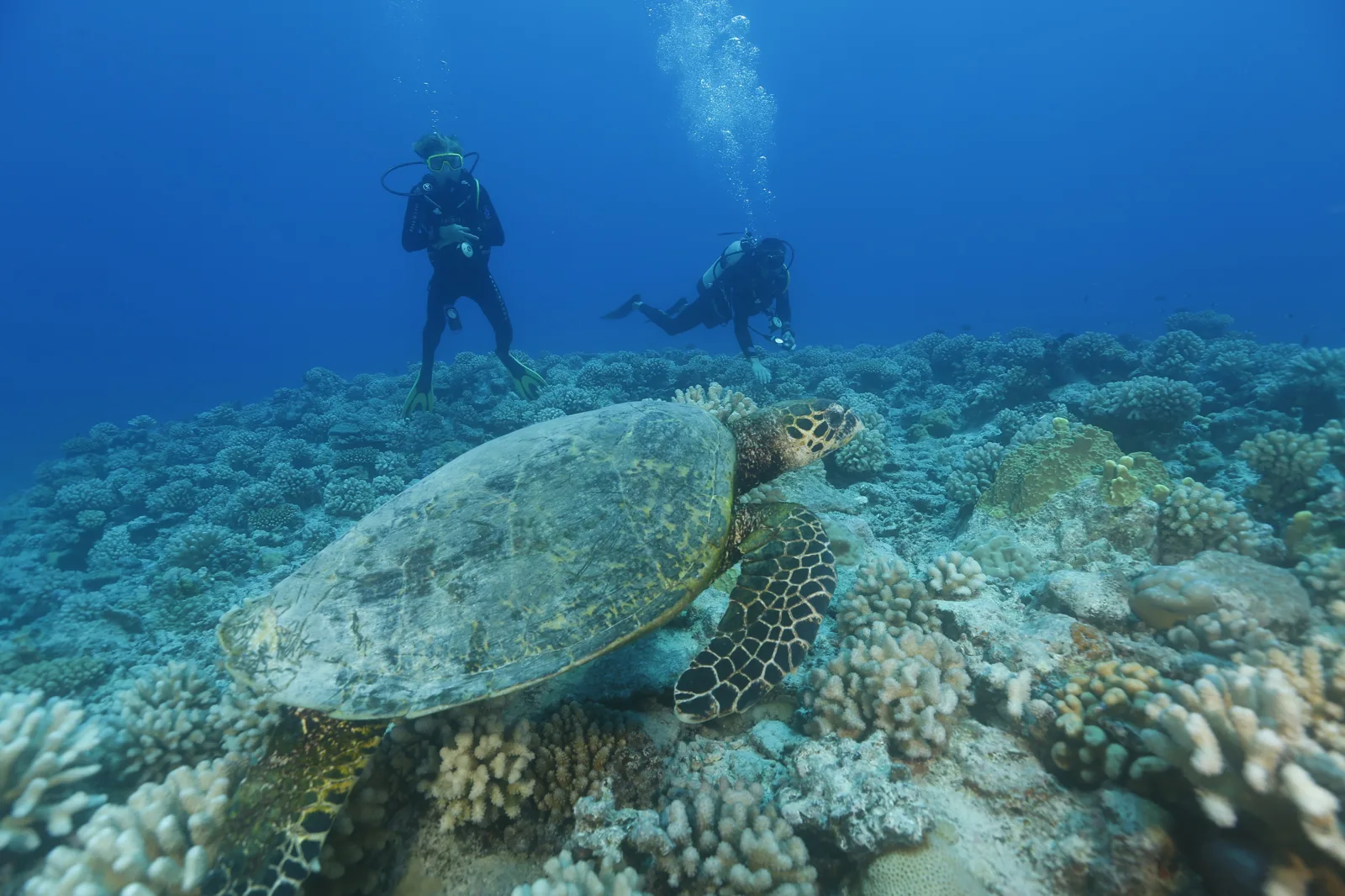
The reef structure itself is a healthy mix of hard and soft corals that provide a complex habitat for resident species. As you navigate the slope, you will encounter various reef inhabitants such as parrotfish, angelfish, and grouper moving through the coral heads. Smaller organisms like pipefish, trumpetfish, and various species of pufferfish and trunkfish inhabit the crevices of the reef. Moray eels and lionfish are also commonly found tucked into the reef structure, adding to the biodiversity of the bottom terrain. The layout allows for a relaxed drift or a stationary observation dive depending on the current.
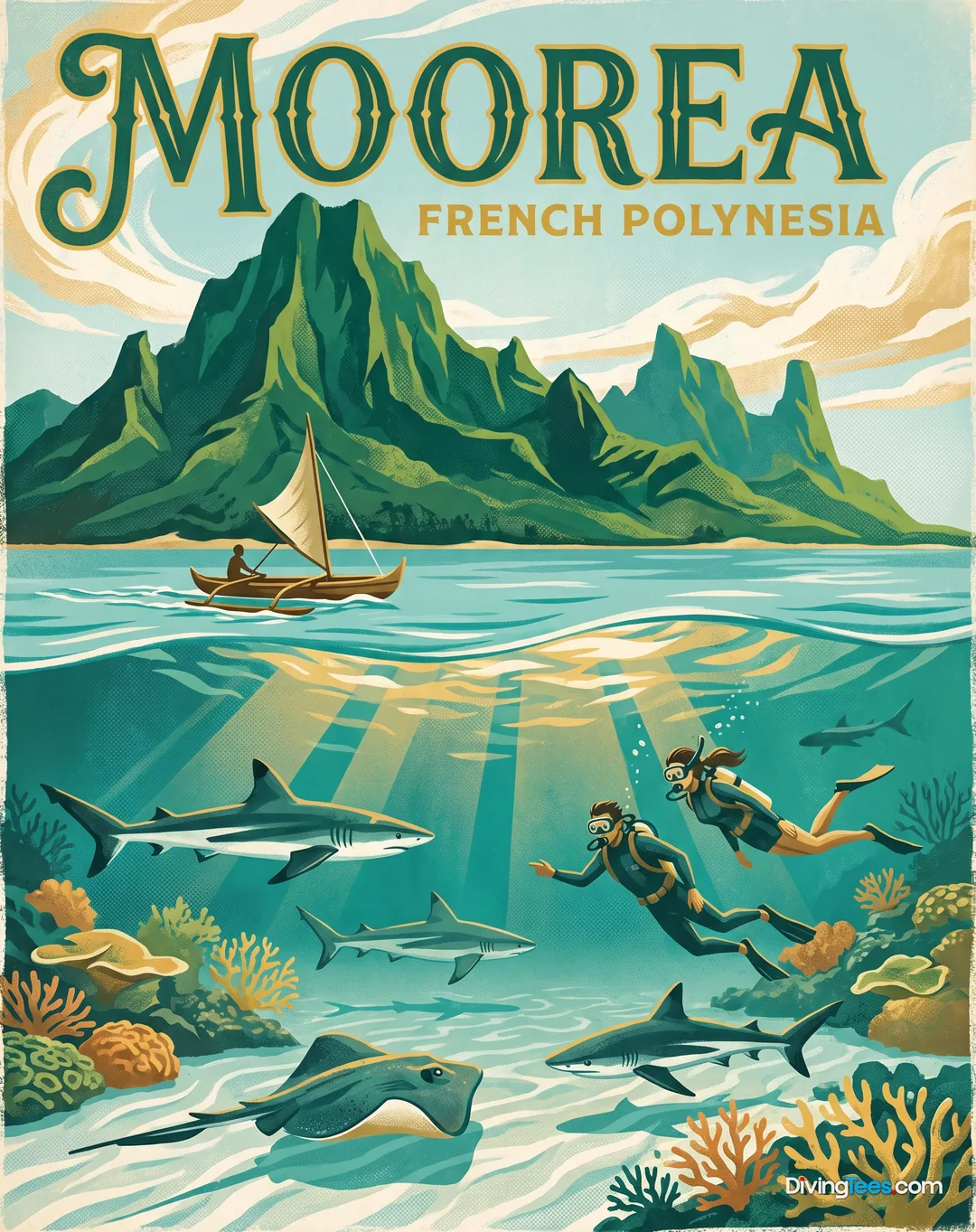
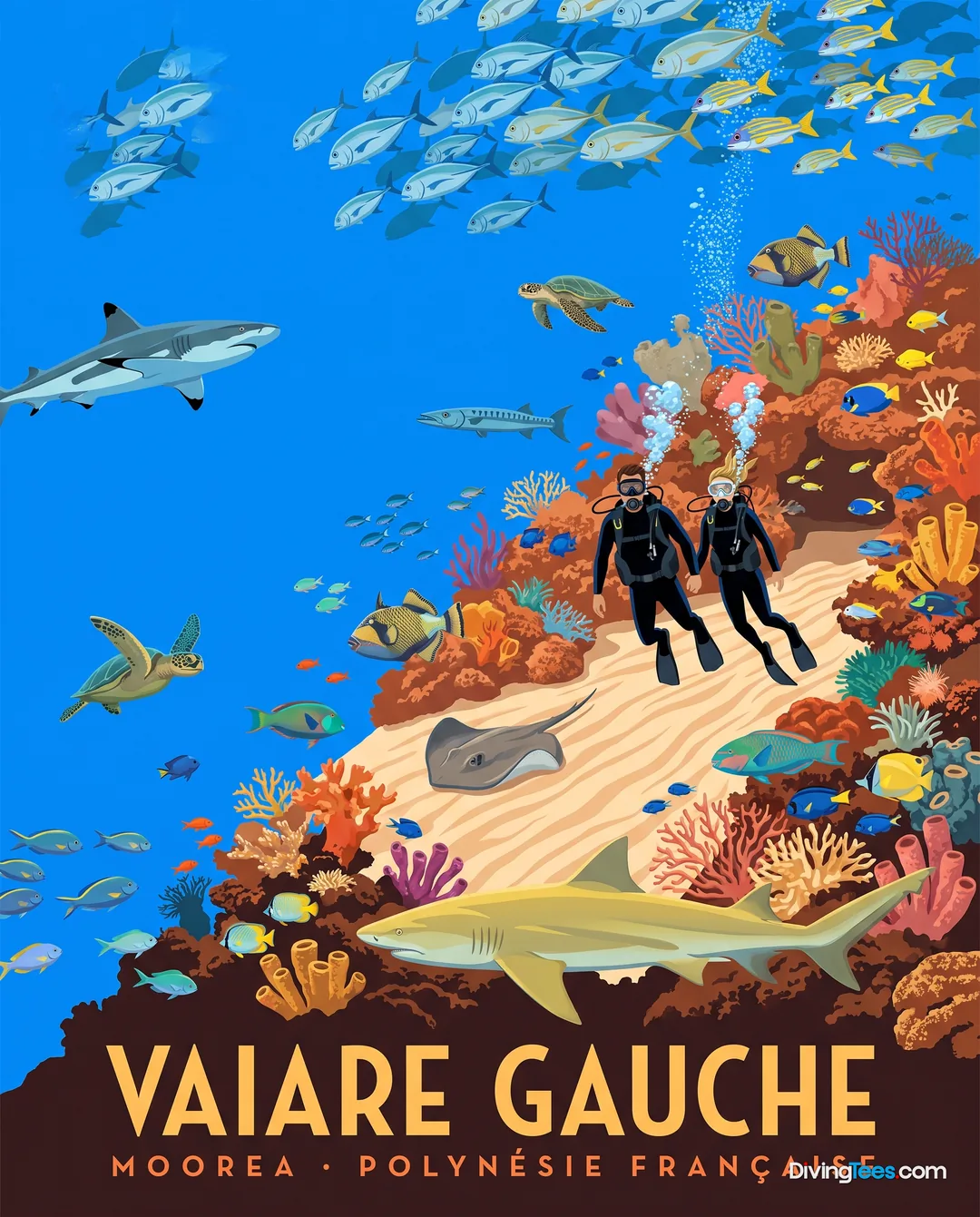
One of the primary reasons divers visit Tiki Point is the high concentration of sharks in the clear water. The site is a known hotspot for large aggregations, particularly of lemon sharks, grey reef sharks, and blacktip reef sharks. These predators are often seen cruising the upper sections of the reef or patrolling the perimeter where the slope meets the deeper water. Whitetip reef sharks are also frequently observed resting or moving along the seabed. For those looking for larger pelagic presence, the open nature of the site means you are often looking directly into the blue where these animals transit.
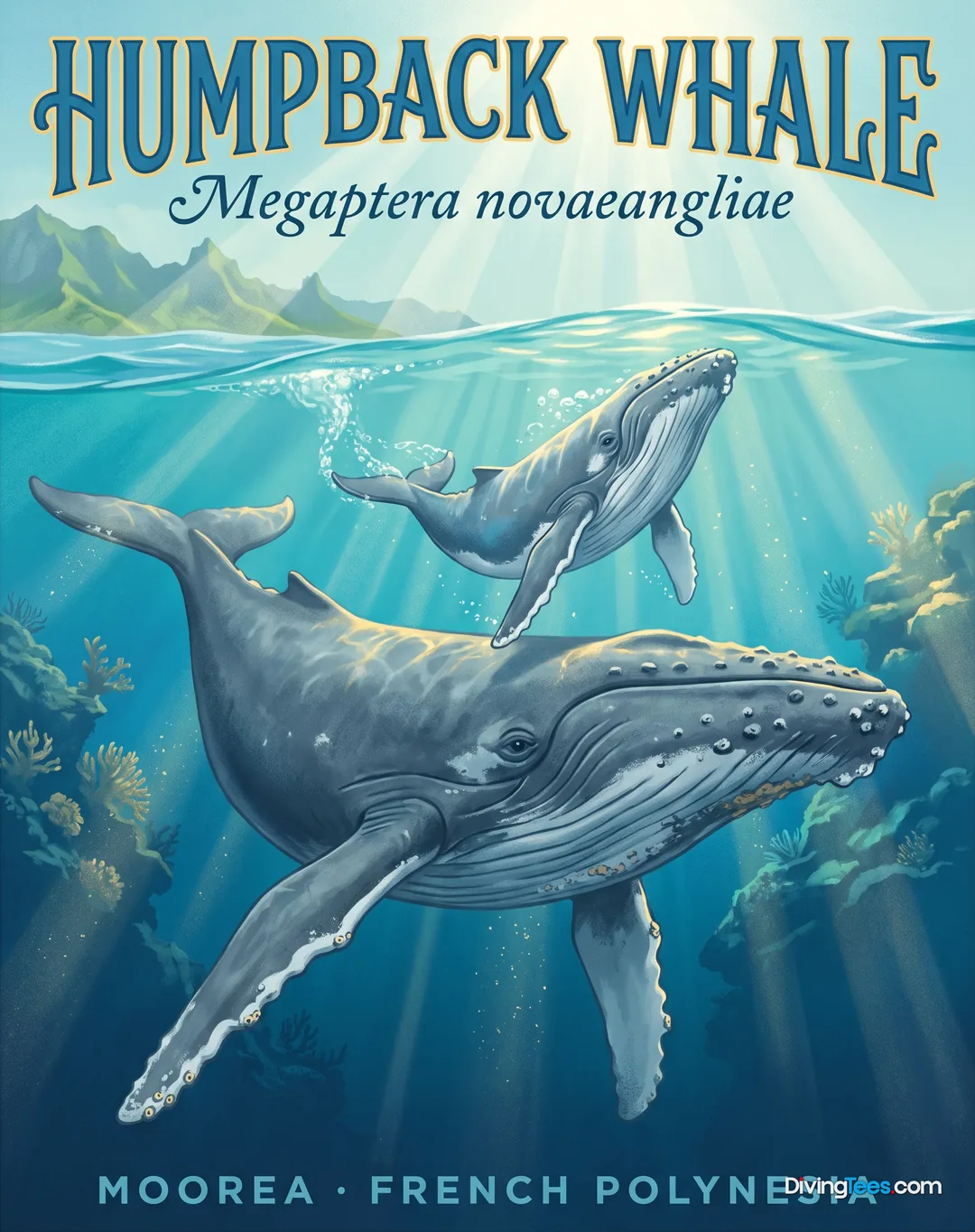
The presence of larger marine life extends beyond sharks, as the site's proximity to the open ocean facilitates encounters with more transient species. It is not uncommon to see spinner dolphins passing through the area or to encounter sea turtles grazing on the reef slope. During specific times of the year, the site offers the possibility of seeing humpback whales during their migration through Moorea's waters. This combination of resident reef fauna and large pelagic visitors makes the site a significant location for observing the natural hierarchy of the South Pacific ecosystem.
Visibility at Tiki Point is a defining characteristic, typically ranging between 20 and 30 metres. This clarity is essential for the site's primary draw: observing sharks and schooling fish like bluestripe snapper and barracuda from a distance. The light penetration at these depths allows for excellent color reproduction, which is why the site is highly regarded by marine photographers. The wide, open terrain ensures that even when looking towards the blue, the visibility remains consistent, allowing for long-range sightings of passing pelagics.
Current conditions at the site are influenced by the site's exposure to ocean swells and the tidal movements at the northwestern tip of the island. While some periods offer mild, manageable currents suitable for a relaxed experience, the site can quickly become highly exposed. Rapidly changing currents are a known factor here, particularly as the tide shifts or when weather conditions increase the swell. Divers should be prepared to adjust their buoyancy and positioning to stay on the reef slope or to maintain a stable position for photography when the water begins to move.
The dive profile is relatively modest, with depths staying between 5 and 23 metres. This relatively shallow range means that even at the deepest points, you are still well within the photic zone where coral growth is most active. The gentle slope allows for a gradual descent, making it easy to manage nitrogen loading and buoyancy. Because the site is not a vertical wall, you have more room to maneuver horizontally along the reef, which helps in tracking moving species like sharks or schooling fish without being pushed off the edge.
Planning a dive at Tiki Point requires attention to the local seasonal patterns and immediate environmental conditions. The period from May to October is generally recognized as the most stable time to visit, as the weather tends to be calmer and less affected by the main cyclone season. During this window, the combination of clear visibility and predictable weather provides the best window for spotting both the resident shark populations and migratory species like humpback whales. Monitoring local operator briefings is essential to account for the specific current strength on the day of the dive.
Depths range from 5 to 23 metres. The site is accessible from Open Water Diver level, but divers should be comfortable in open-ocean environments with potential shark encounters. Currents vary from mild to rapid depending on tides and swell exposure at the island's tip. Expected visibility is 20 to 30 metres. The best period for diving is May to October.
You will generally find the most stable diving conditions at Tiki Point from May to October, when weather is calmer and less affected by the main cyclone season. This period can offer clear visibility and more predictable conditions for seeing reef sharks, schooling fish, and possibly humpback whales during their migration.
Tiki Point is accessible from Open Water Diver level, but you should be comfortable in open-ocean environments and with potential shark encounters. The gently sloping reef ranges from 5 to 23 metres, allowing a gradual descent and room to move horizontally rather than along a vertical wall.
Currents at Tiki Point are influenced by tides, ocean swells, and the site's exposed position at Moorea's northwestern tip. They may be mild and manageable, but can also become rapid or change quickly as the tide shifts or swell increases. You should adjust your positioning and buoyancy accordingly.
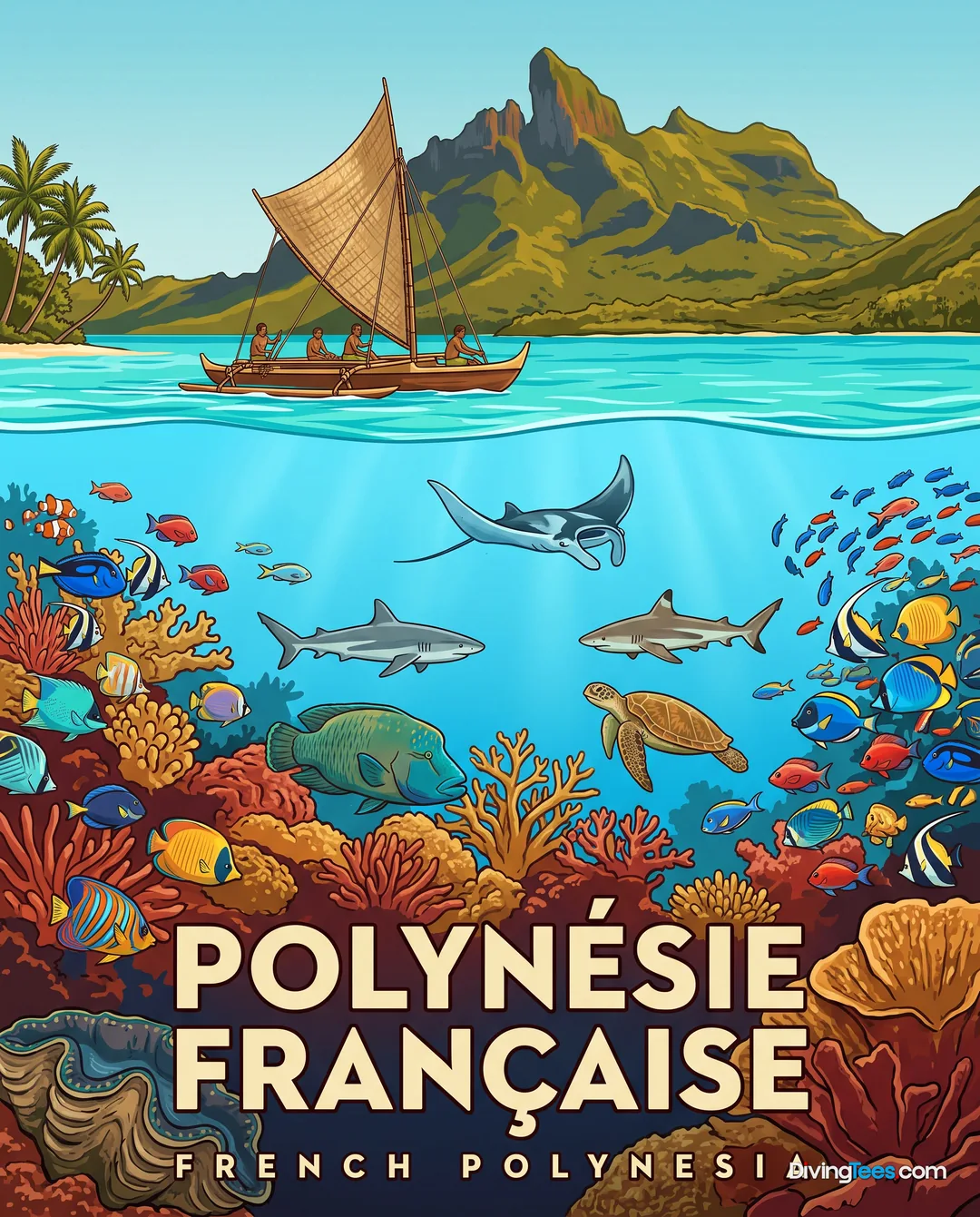
At Tiki Point, you can encounter lemon, grey reef, blacktip reef, and whitetip reef sharks, along with schooling bluestripe snapper and barracuda. Healthy hard and soft coral gardens shelter parrotfish, angelfish, grouper, moray eels, and lionfish. Sea turtles, spinner dolphins, and migrating humpback whales are also possible sightings.