
Moorea Blue Diving
Google 5/5 (404 reviews)
Moorea · French Polynesia · Pacific
Max. depth · 20 mNavigate through a tidal channel to witness large groups of spotted eagle rays cruising in formation.
The Rays' Corridor is a natural lagoon channel situated directly in front of the barrier reef on the northern side of Moorea. This topography creates a dedicated passage for tidal flows, effectively turning the area into a natural corridor for marine life moving between the open ocean and the lagoon. You will find yourself navigating a landscape of white sandy slopes and shallow patches, where coral bommies and low reef outcrops break up the bottom. This structure creates various small overhangs and sandy depressions that serve as resting spots for several shark species.
Diving here typically follows two distinct profiles depending on the boat's approach and the current state. Most operators focus on the drift version, where you enter the channel and allow the tidal flow to carry you through the corridor. For a calmer experience, some boats will moor or drop anchor closer to the lagoon entrance to avoid the stronger flows. This flexibility allows you to choose between a relaxed, shallow reef exploration or a more active drift dive through the main channel between the navigation buoys.
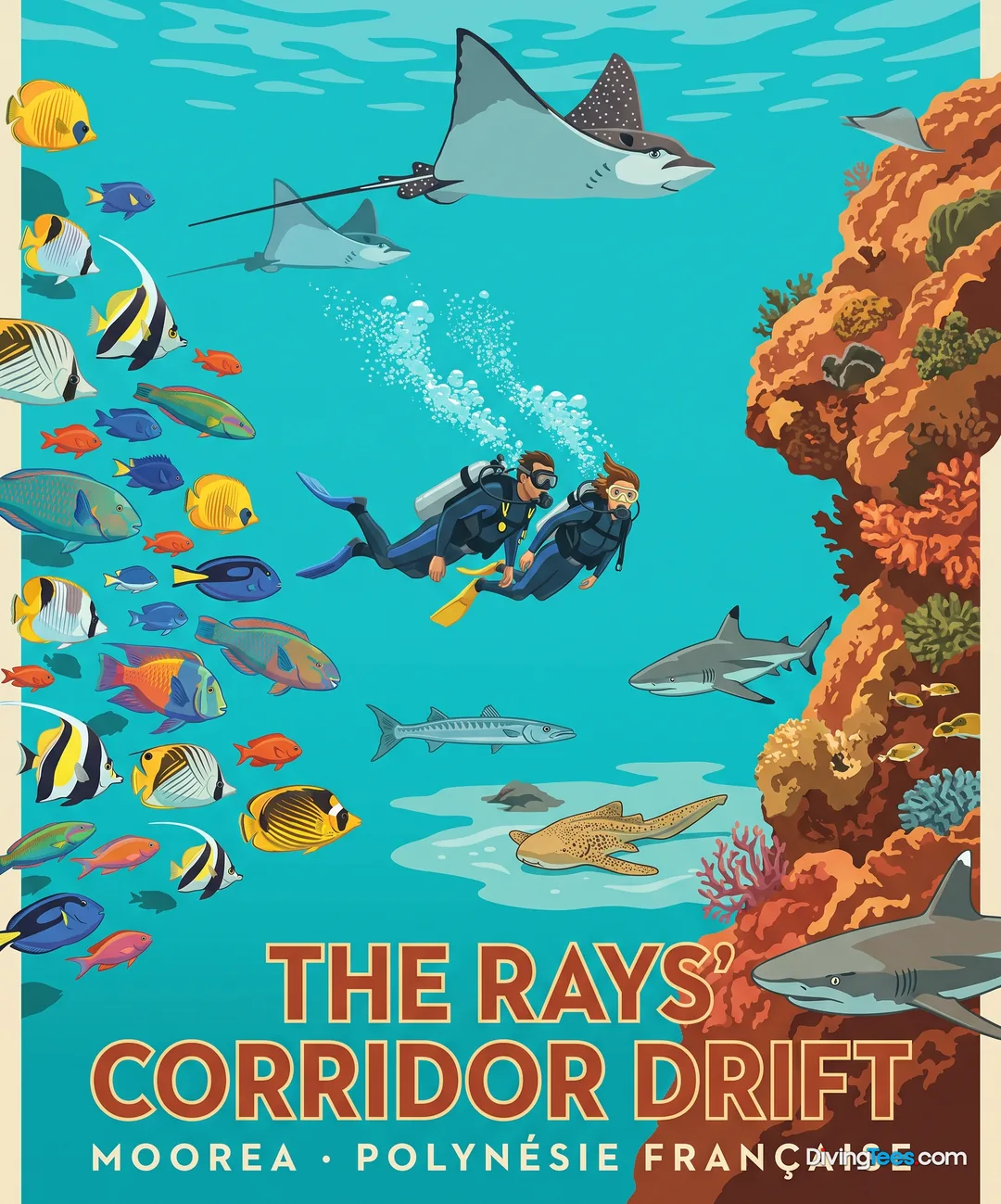
The site is named for the frequent presence of spotted eagle rays (Aetobatus narinari). These rays often travel in large groups or 'flights,' sometimes numbering several dozen individuals at once. You can expect to see them cruising or hovering in formation as they move through the channel. Their predictable movement through this specific corridor is what sets this site apart from the more chaotic shark dives found on the outer reef edges of Moorea.
Current is a fundamental part of the experience at this site. The flow is driven by the tidal movement through the channel and can vary from a gentle drift to a quite fast pace depending on the state of the tide and the ocean swell. You will typically encounter the strongest currents in the middle of the channel during a running tide. As you move closer to the lagoon or wait for slack water, the flow eases to a light current, making it a site that adapts to the tidal cycle.
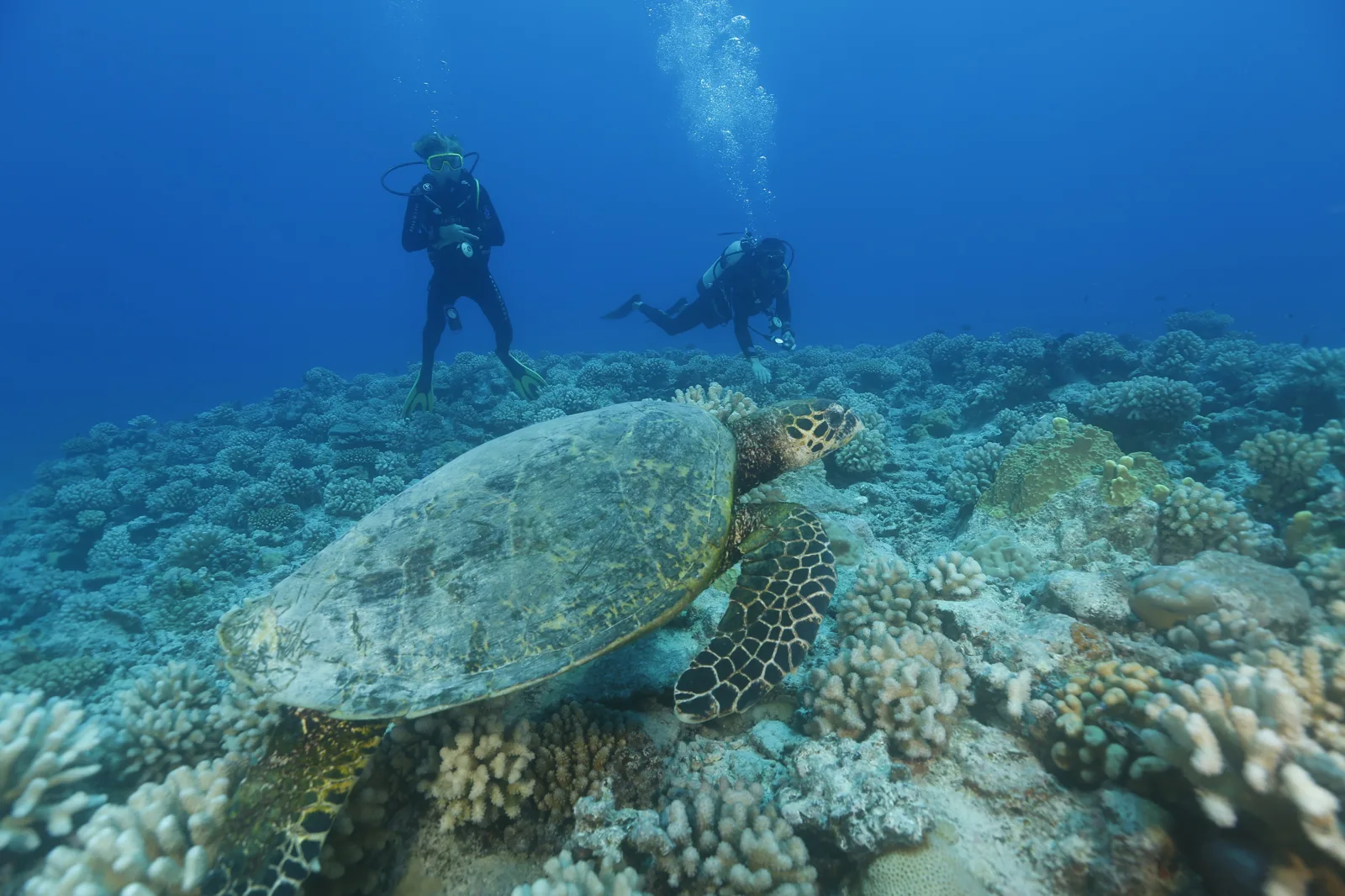
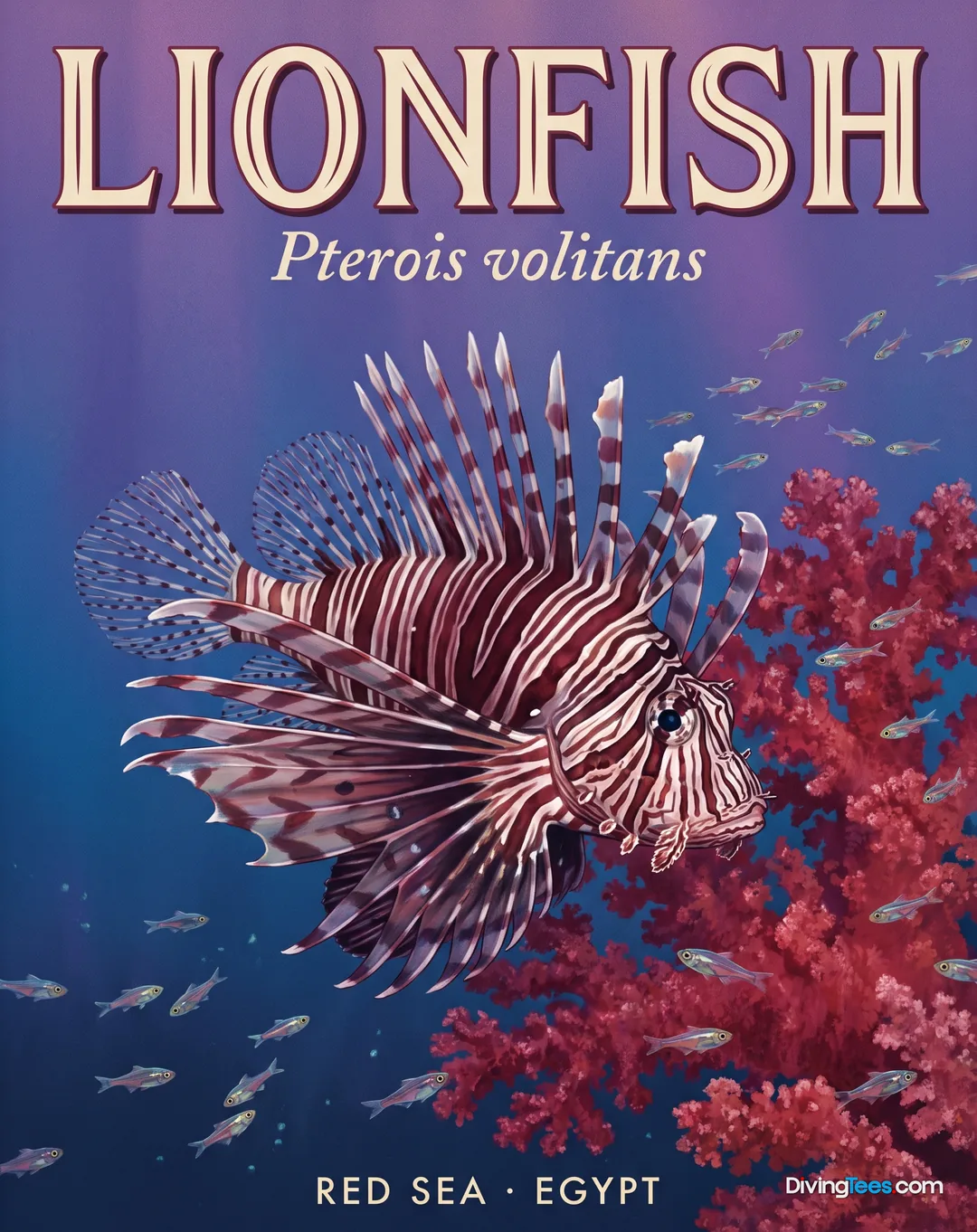
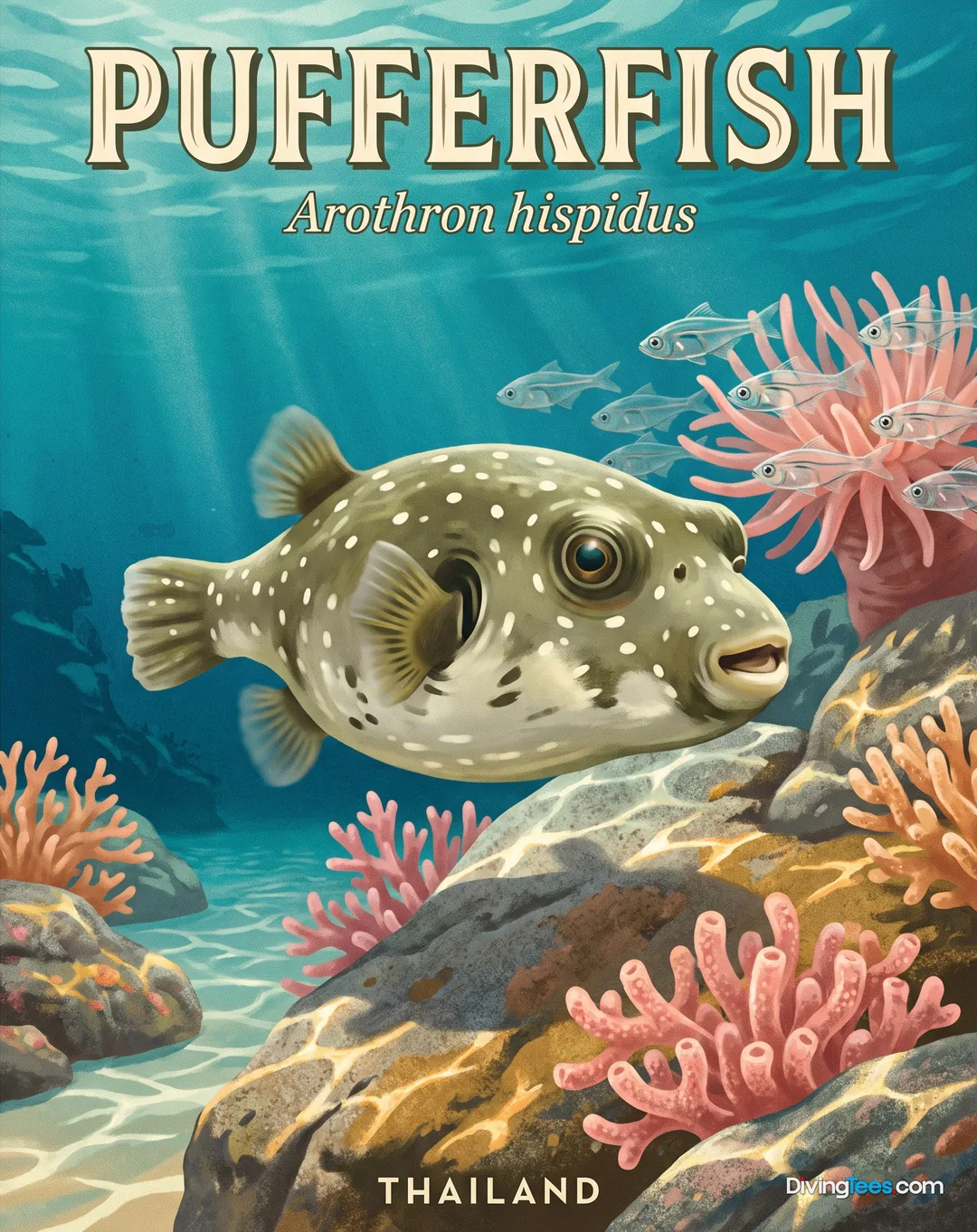
Beyond the rays, the biodiversity in the channel is high due to the constant movement of water. You will encounter various reef fish including Moorish idols, orangefin emperor, and various species of surgeonfish, tangs, and parrotfish. Small predatory species like lionfish (Pterois) and moray eels inhabit the reef outcrops and sandy depressions. You may also notice Trumpetfish, Cornetfish, and various species of pufferfish and porcupinefish navigating the reef edges.
The depth profile is relatively shallow, with the seafloor transitioning from 2 metres to approximately 20 metres. This shallow nature, combined with the sunlight penetrating the clear lagoon water, provides excellent light for photography and observation. Visibility is generally high, often ranging between 12 and 30 metres. This clarity is most consistent during the dry season, between March and November, when the water conditions are typically more stable.
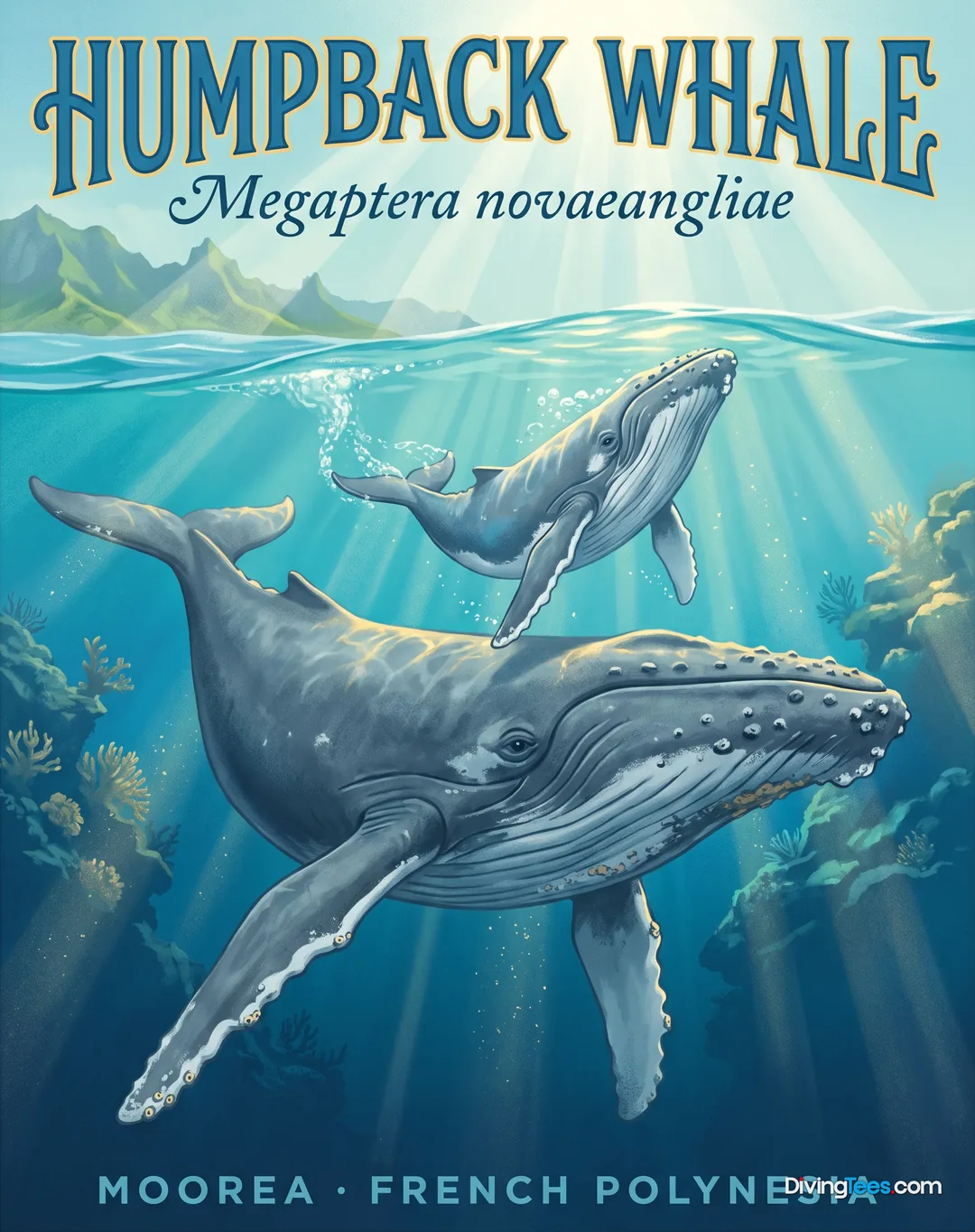
Large pelagic visitors are a regular occurrence in the deeper blue nearby. While you are focused on the reef and the rays within the channel, you might see humpback whales passing through the wider Moorea area during the seasonal peak from July to October. The presence of various reef sharks, including whitetip, blacktip, and grey reef sharks, adds to the dynamic nature of the site, as they often occupy the deeper edges of the channel or rest in the sandy pockets.
Depth ranges from 2 to 20 metres. The site is accessible from Open Water level, but requires comfort with basic drift diving in lagoon channels. Currents are moderate and driven by tidal flow, ranging from gentle to quite fast in the mid-channel. Visibility is typically between 12 and 30 metres. The best season is March through November.
You can dive The Rays' Corridor throughout the year, with March through November identified as the most favorable season. During this period, water conditions are typically more stable and visibility is generally clearest. The channel remains shaped by tidal movement, so the current experience can vary with the tide and ocean swell.
The Rays' Corridor is accessible to divers with Open Water level certification. You should be comfortable with basic drift diving in lagoon channels because the site follows tidal flow through a natural passage. Some boats can moor or anchor near the lagoon entrance, offering a calmer, shallow reef exploration away from stronger flows.
The Rays' Corridor ranges from 2 to approximately 20 metres deep, with white sandy slopes, shallow patches, coral bommies, and low reef outcrops. Tidal currents range from gentle to quite fast, with stronger flow in the mid-channel during a running tide. Near the lagoon or at slack water, the current eases.
At The Rays' Corridor, you may encounter large groups of spotted eagle rays cruising or hovering through the channel. Reef life includes Moorish idols, orangefin emperor, surgeonfish, tangs, parrotfish, lionfish, moray eels, trumpetfish, cornetfish, pufferfish, and porcupinefish. Reef sharks may rest in sandy pockets or occupy deeper channel edges.