


Rangiroa Diving Center
Google 4.9/5 (378 reviews)
3 km away as the crow flies
Rangiroa · French Polynesia · Pacific
Max. depth · 49 mDive La mi-éolienne by leveraging the reef's contours and counter-currents, offering a controlled drift into the vibrant life of Tiputa Pass.
Diving La mi-éolienne means engaging with the Tiputa Pass on its own terms, not fighting its main flow. Your descent begins approximately 150 metres outside the pass entrance, a deliberate positioning to find calmer waters. This initial setup ensures a controlled entry, allowing you to orient yourself and observe the immediate surroundings before the dynamic forces of the pass begin to influence your trajectory. It's a strategic start, designed to understand the pass's nuances rather than simply being swept through it.
The key to La mi-éolienne lies in its proximity to the pass's corner, where a series of counter-currents form. These eddies act as a natural antechamber to the wider oceanic flow, guiding you smoothly along the reef's edge. This precise deployment transforms what could be a challenging drift into a controlled, exploratory journey, allowing you to move inward without being pulled into the central, stronger currents. It's a testament to understanding the intricate movements of the ocean.
As these counter-currents carry you deeper into the site, the reef reveals a different character compared to the exposed outer walls. You'll find yourself drawn towards small grottoes and overhangs, carved into the coral structure. These formations provide shelter, creating pockets of vibrant life that thrive away from the direct impact of the outgoing current, inviting closer inspection of the smaller, yet equally captivating, reef inhabitants.
Exploring these small caves and crevices unveils a hidden world often overlooked in the faster-paced sections of the pass. The slower drift here grants you the time to observe resident species, appreciating the intricate ecosystems that populate these sheltered nooks. Light filters into these spaces, illuminating the details of the reef's structure and its inhabitants as you progress, fostering a more intimate connection with the environment.
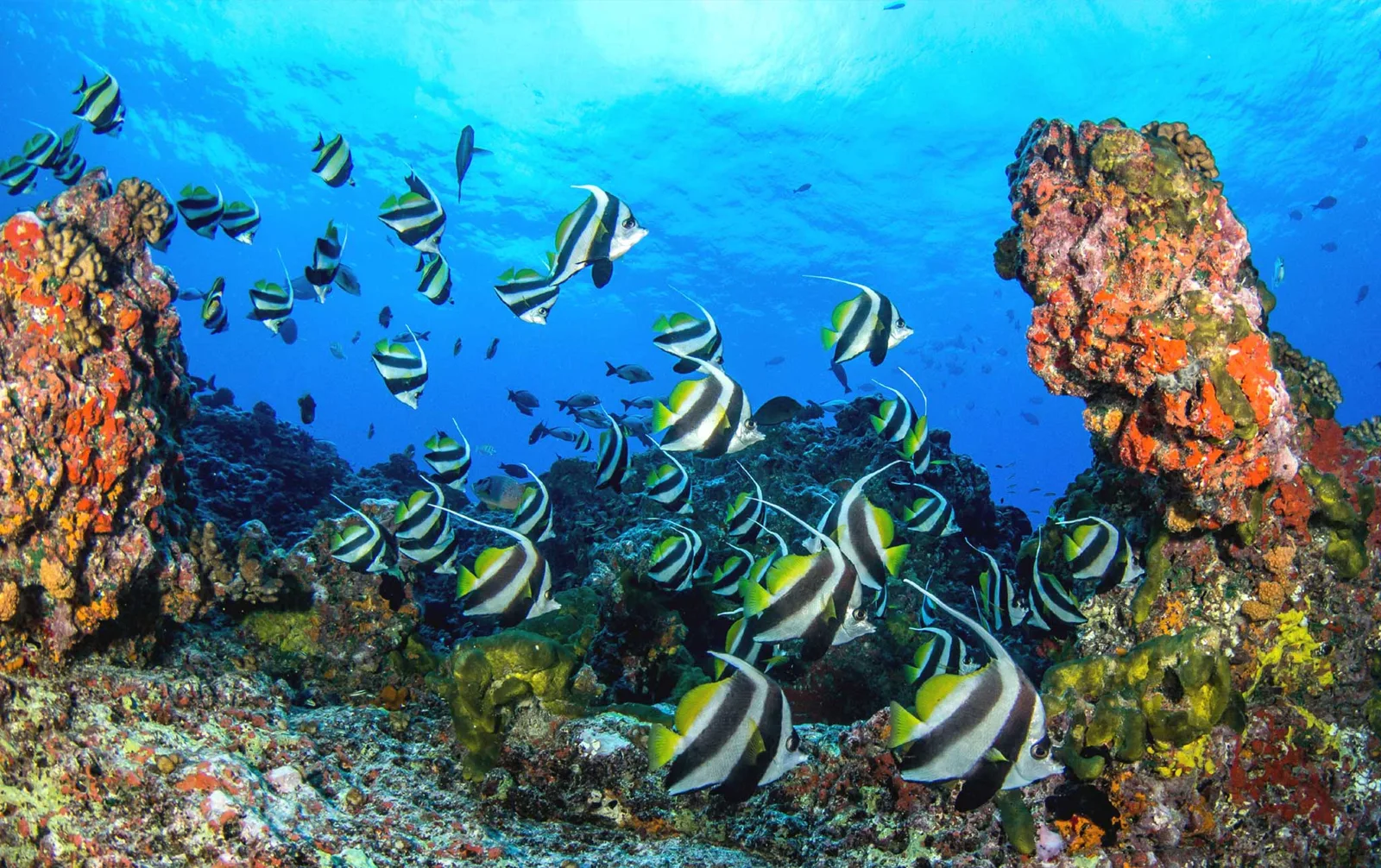
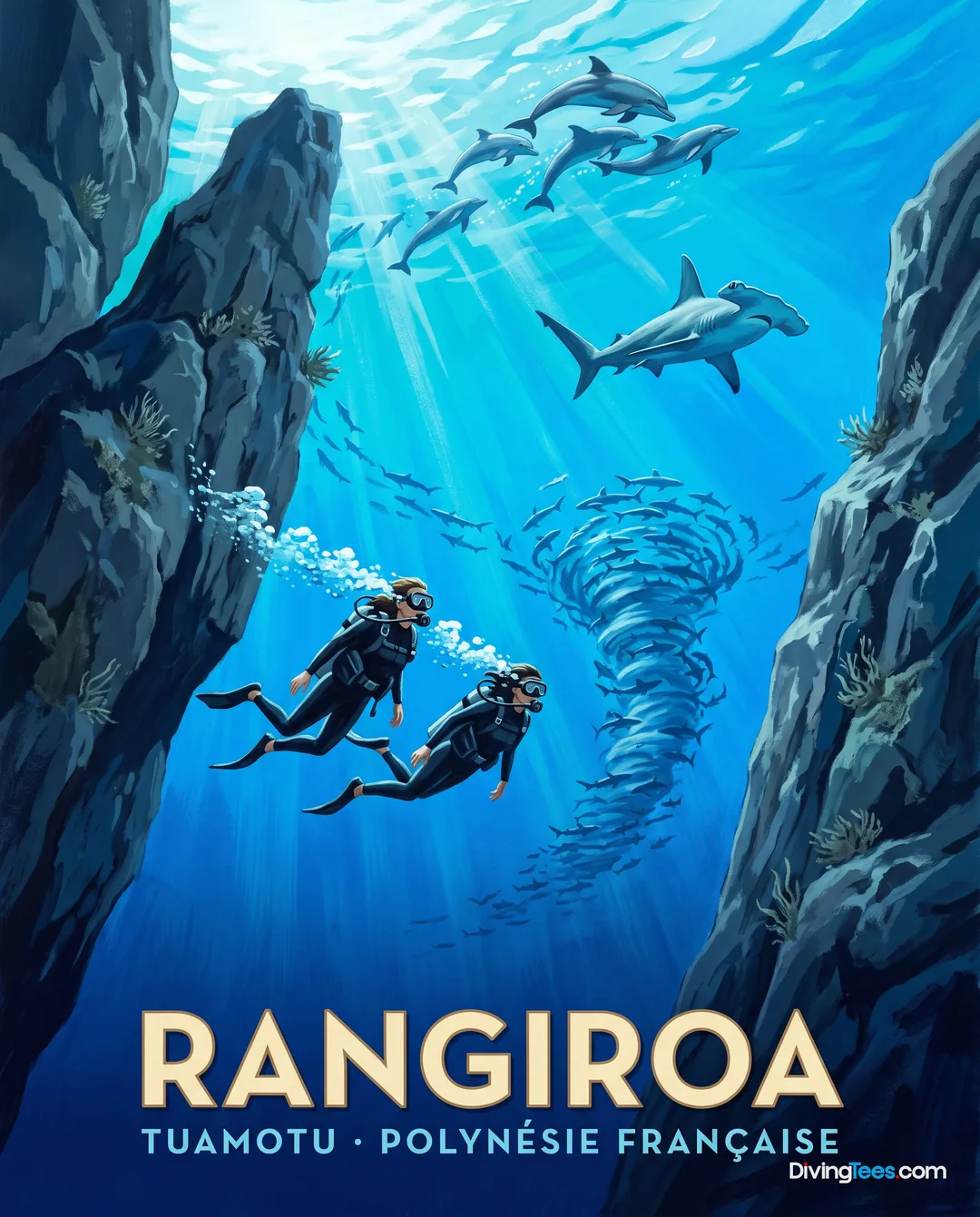
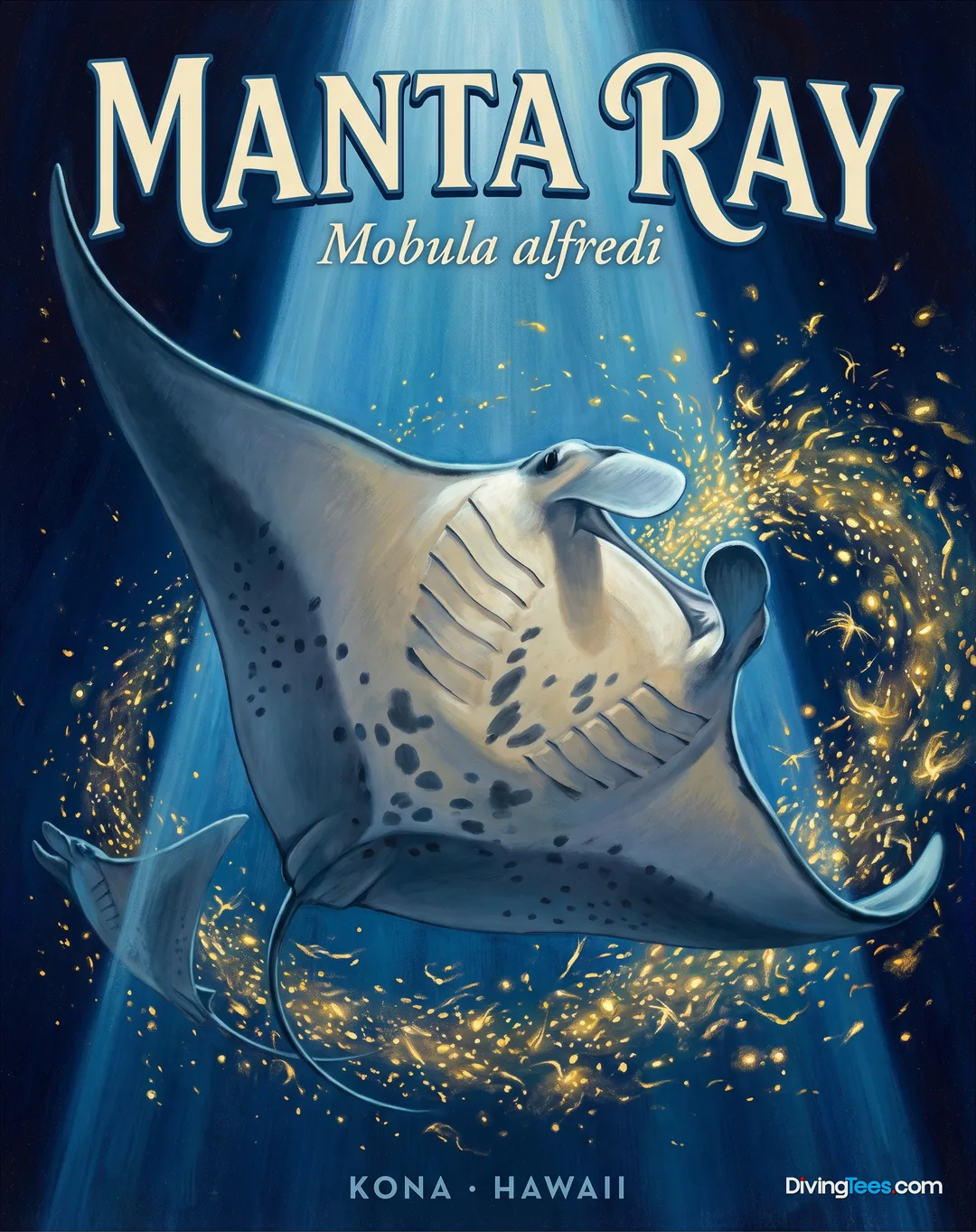
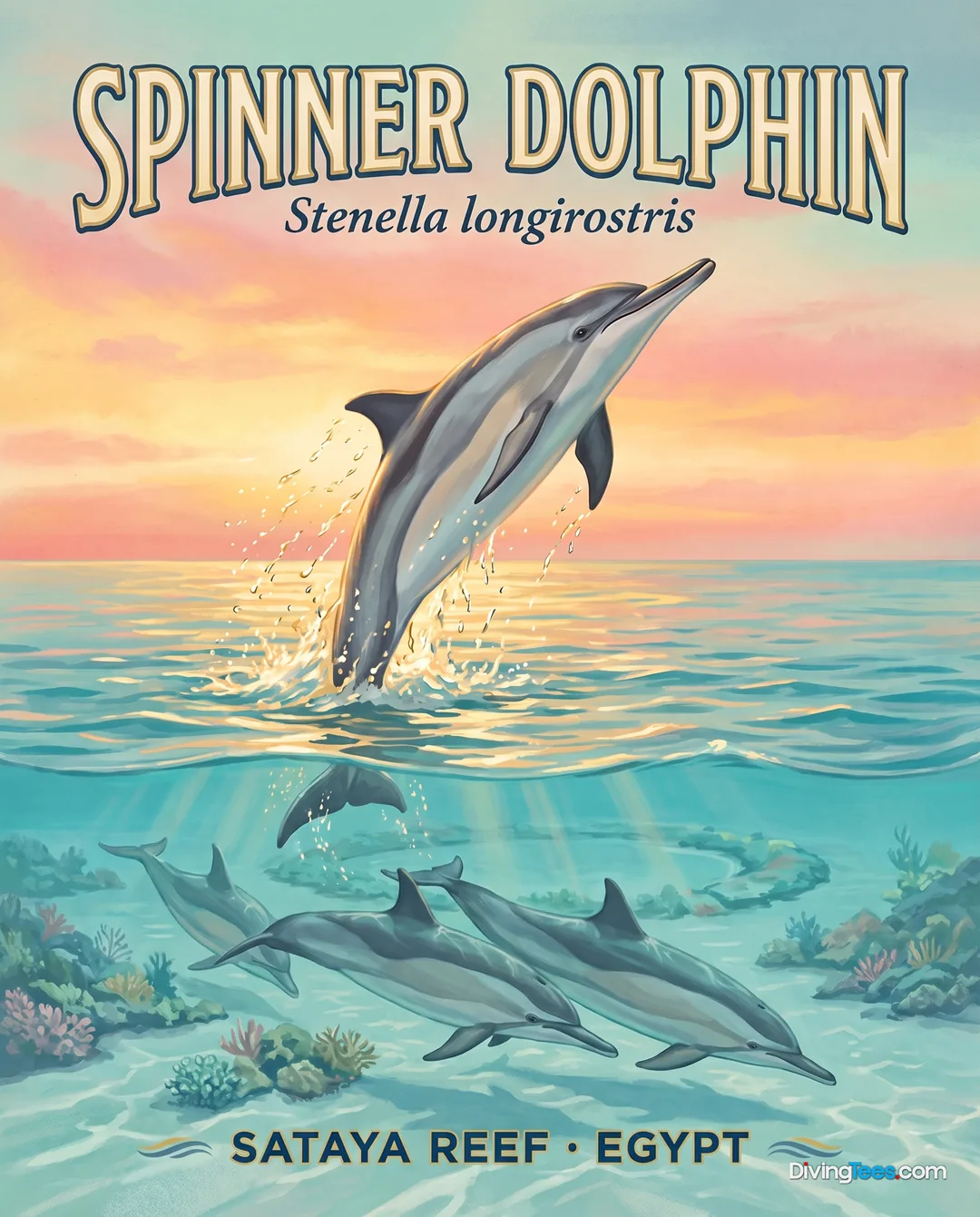
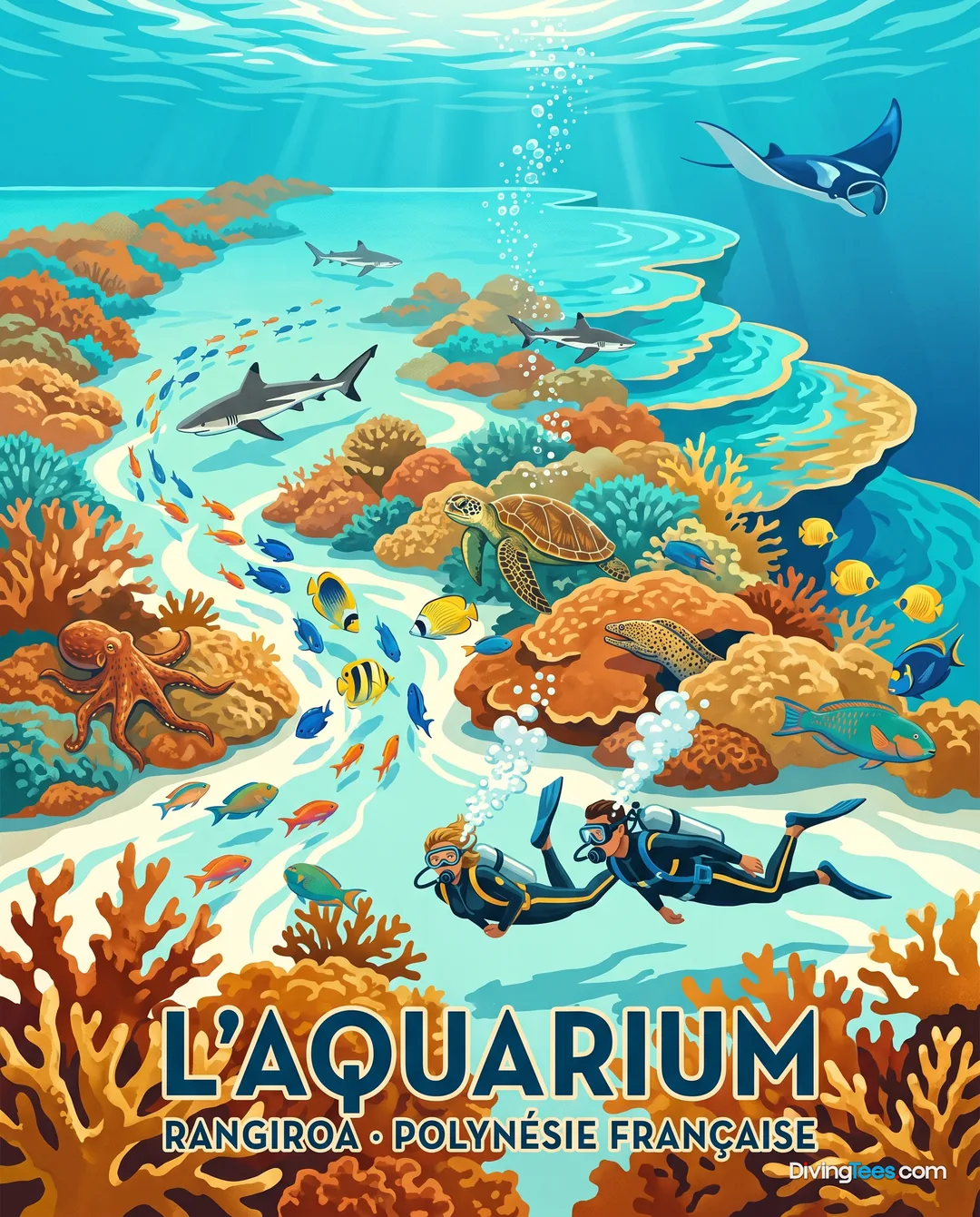
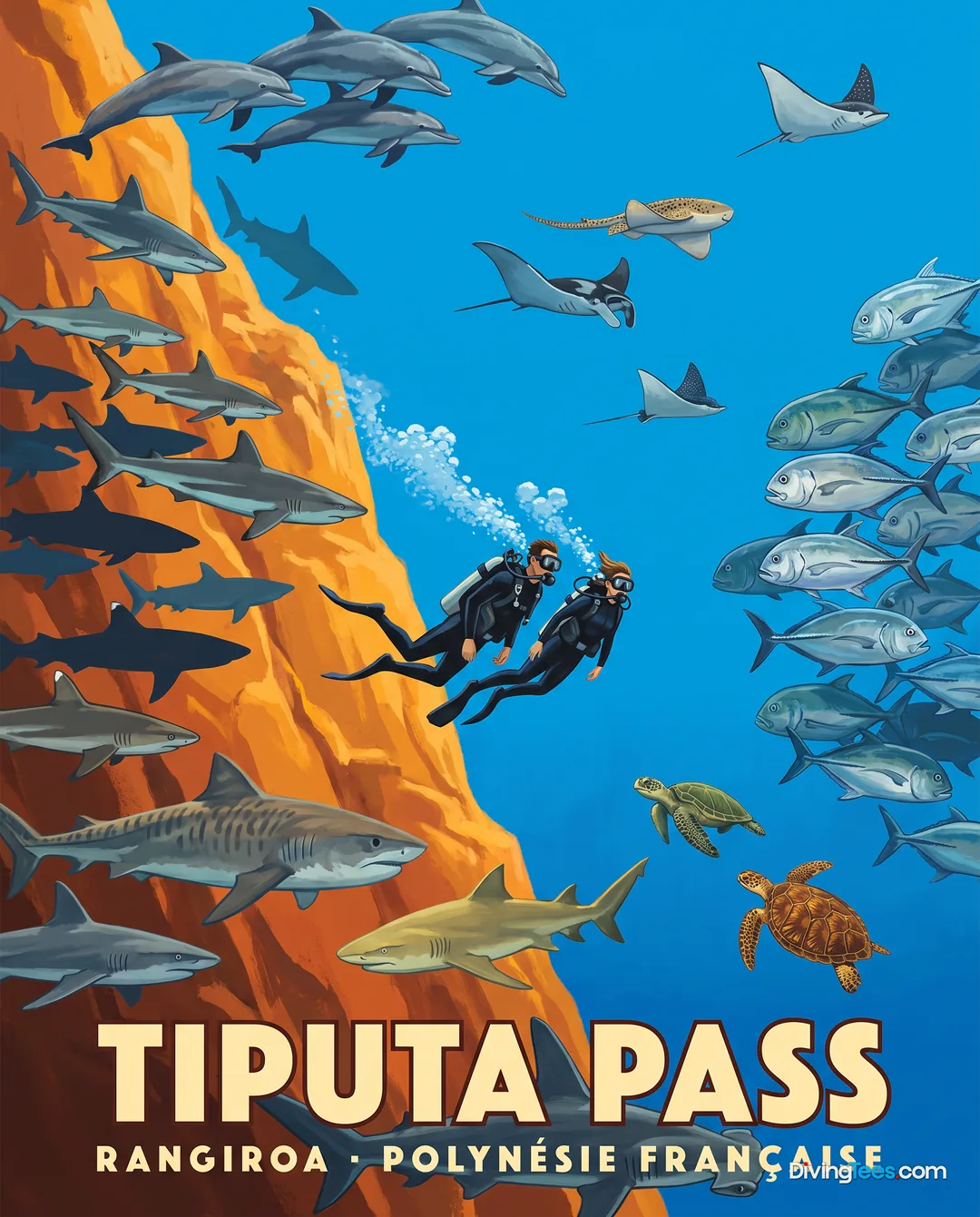
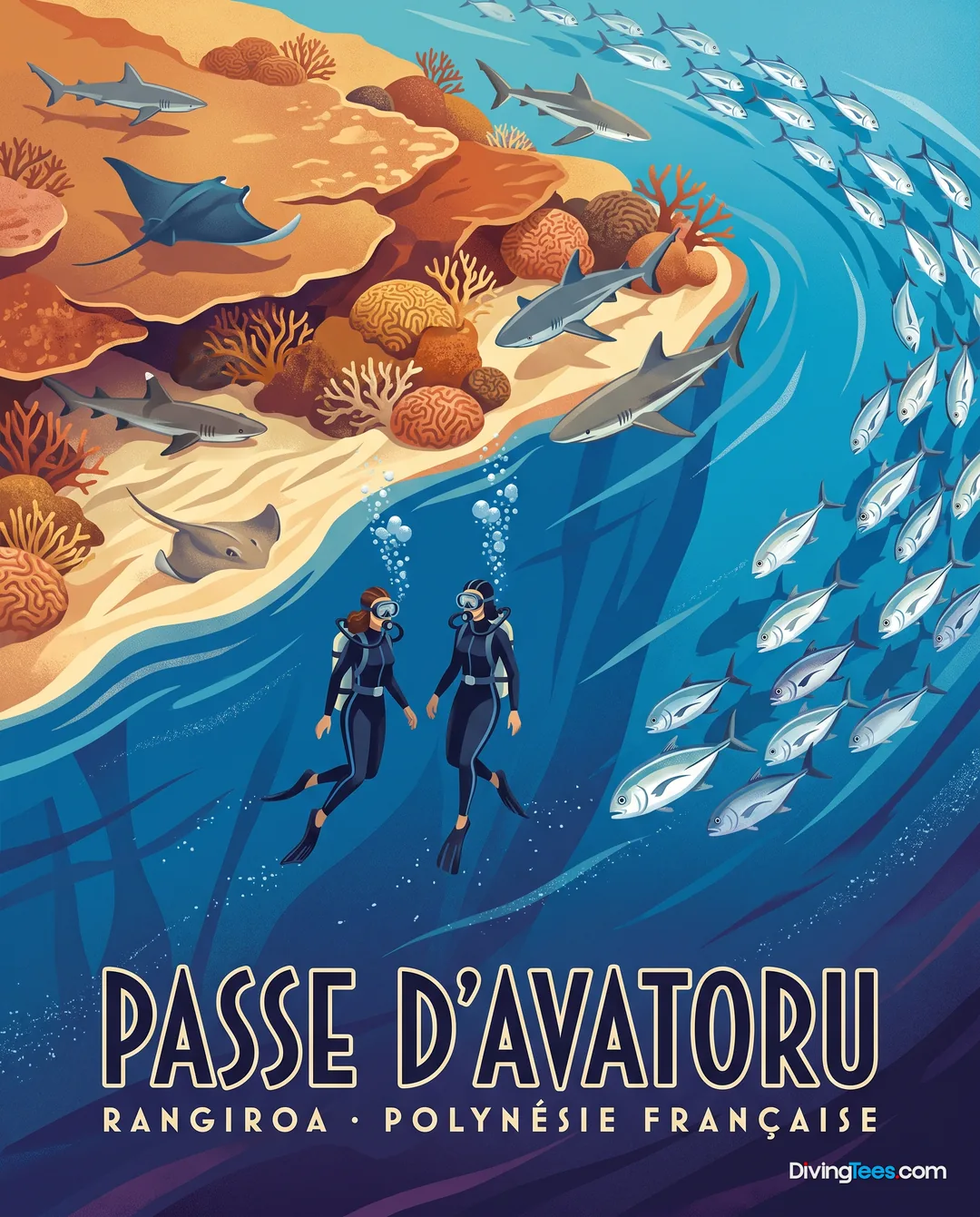
The marine life encountered here includes reef sharks, often seen patrolling the edges of the reef, and turtles navigating the currents. Spinner dolphins are known to frequent the pass, and you might spot manta rays gliding through the water. Schools of trevally and barracuda are common, alongside a variety of tropical reef fish that find refuge in the reef's protected areas.
La mi-éolienne is essentially a journey into the lifeblood of the pass, but on its own terms. By leveraging the counter-currents, you gain access to environments that would otherwise be inaccessible or passed too quickly in the central flow. This approach allows for a more contemplative dive, where detailed observation takes precedence over pure exhilaration, bringing the smaller details of the reef into sharper focus against the backdrop of Rangiroa's powerful, unseen currents.
The topography of La mi-éolienne is defined by the reef slope and pass contours, rather than a single wall or pinnacle, with depth gradually increasing along the drift. It's a recognized variation of the main L'éolienne drift, distinguished by its specific entry and current strategy. This site offers multiple profiles, with depths ranging from 12 metres to a maximum of 49 metres, allowing for varied exploration depending on your dive plan.
This drift dive is accessible to Advanced Open Water divers or those with equivalent experience in variable pass currents, particularly those with at least 50 logged dives. While the initial entry leverages calmer counter-currents, the currents within Rangiroa's passes can range from light to strong, varying with the tides. Visibility typically ranges from 10 to 40 metres or more. Diving is possible year-round, with May to October generally offering drier conditions, and January to March noted for increased hammerhead shark and eagle ray activity.
You can dive La mi-éolienne year-round. May to October generally brings drier conditions. From January to March, hammerhead sharks and eagle rays are noted with increased activity. Visibility typically ranges from 10 to 40 metres or more, giving you changing conditions to consider when planning your visit.
La mi-éolienne is accessible to Advanced Open Water divers or divers with equivalent experience in variable pass currents. The site particularly suits you if you have at least 50 logged dives, because the dive involves entering Tiputa Pass and managing changing current conditions during a controlled drift.
La mi-éolienne offers profiles from 12 to 49 metres. Depth increases gradually along the drift as the reef slope and pass contours develop. You can choose among different exploration profiles according to your dive plan, while the site’s topography remains defined by the reef and pass rather than one wall or pinnacle.
At La mi-éolienne, you descend about 150 metres outside Tiputa Pass, using calmer counter-currents before following eddies along the reef edge. Currents inside the pass range from light to strong with the tides. You may see reef sharks, turtles, spinner dolphins, manta rays, trevally, barracuda, and tropical reef fish near grottoes and overhangs.