
Rangiroa Diving Center
Google 4.9/5 (378 reviews)
Rangiroa · French Polynesia · Pacific
Max. depth · 30 mA concentrated drift dive through a narrow channel that offers some of the most vibrant coral cover in the Rangiroa area.
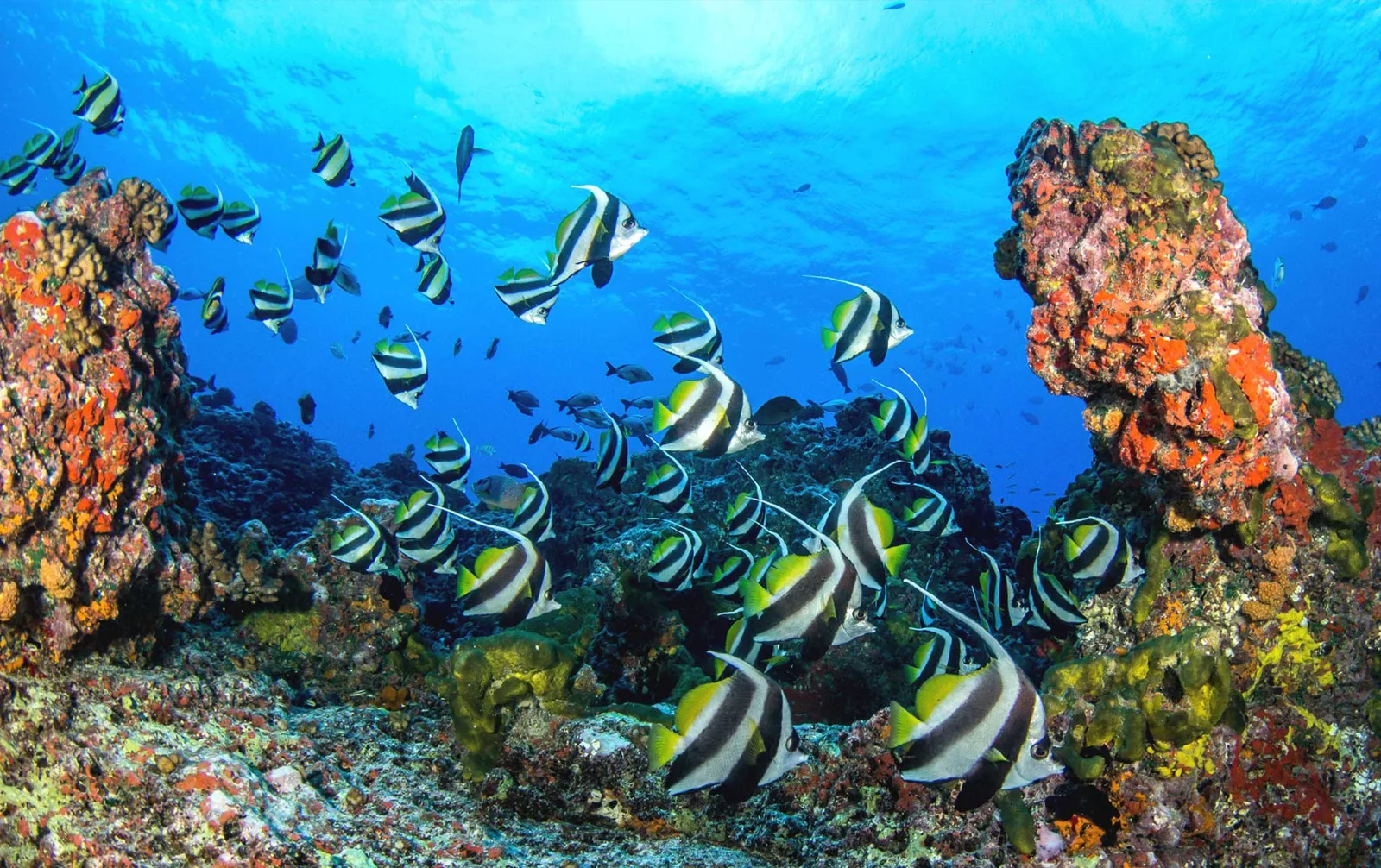
Small Pass serves as the narrow eastern entrance to the Avatoru Pass, physically separated from the main, wider channel by a small islet at the lagoon entrance. This geographic positioning is what defines the entire diving experience here. Because the channel is so much more confined than the main pass, the water movement is significantly more focused. You will enter the throat of this smaller channel, following the reef slopes that funnel you toward the lagoon.
The topography is characterized by steep, colorful reef slopes and walls that line the interior of the narrow channel. This area is noted for having some of the densest and most colorful coral cover in the Rangiroa region. As you navigate the channel, the terrain transitions from these intricate reef structures to the flatter, calmer lagoon floor. You will spend the majority of your time managing the drift along these rising reef walls.
Current is the dominant factor at Small Pass, as the narrowness of the channel accelerates water movement. These currents can be very strong and unpredictable, shifting based on the tidal state and ocean swell. You must be comfortable managing your buoyancy and position in heavy flow to make the most of the site. Once you exit the narrow throat and enter the lagoon interior, the water becomes significantly calmer and the drift slows.
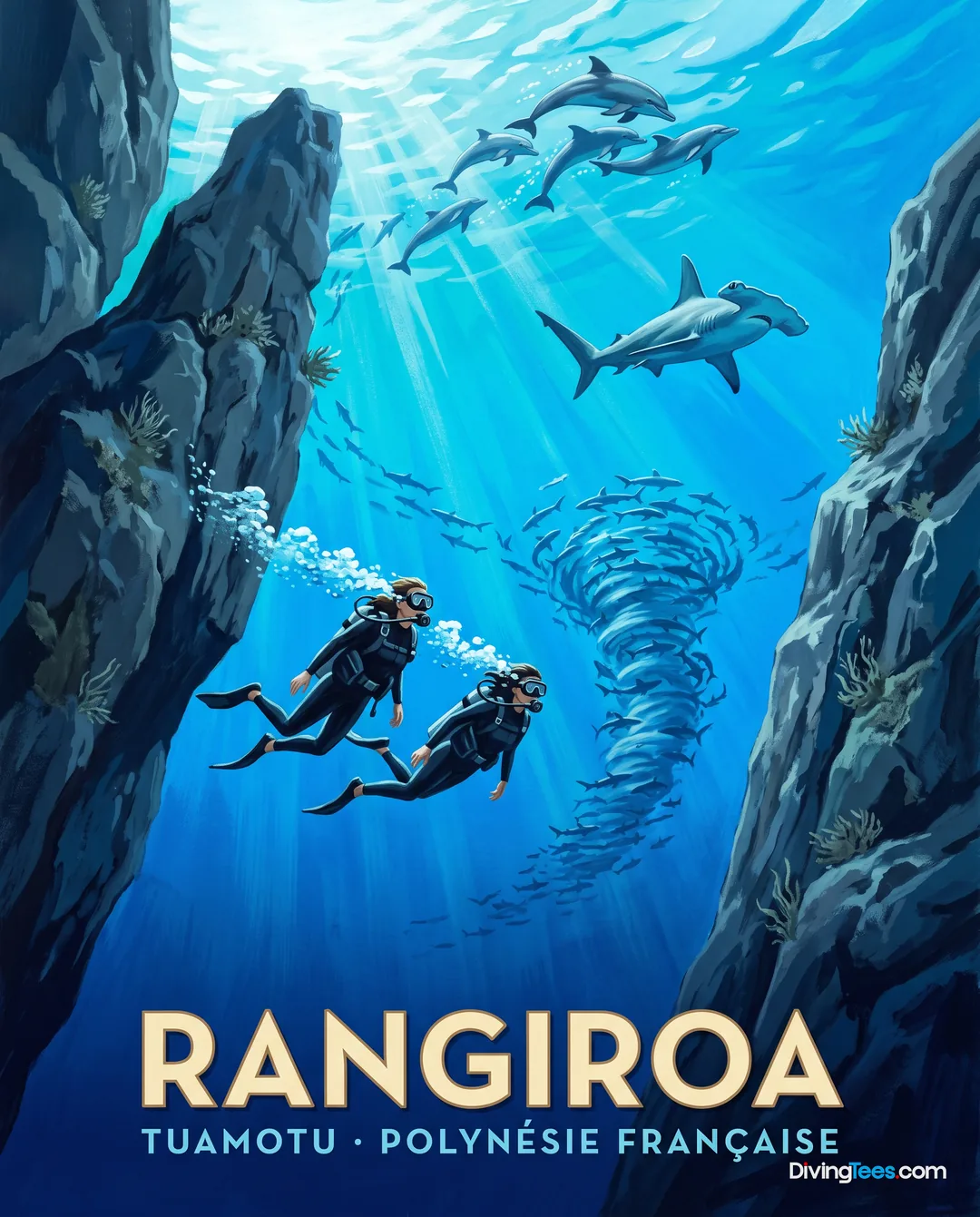
The pelagic presence at Small Pass is a primary draw for experienced divers. You can expect to see various shark species patrolling the edges of the channel or cruising in the surge. Gray reef sharks (Carcharhinus amblyrhynchos), whitetip reef sharks (Treqatina citrina), and silvertip sharks (Carcharhinus longimanus) are frequently encountered here. These encounters are part of the natural movement of the channel as water cycles between the ocean and the lagoon.
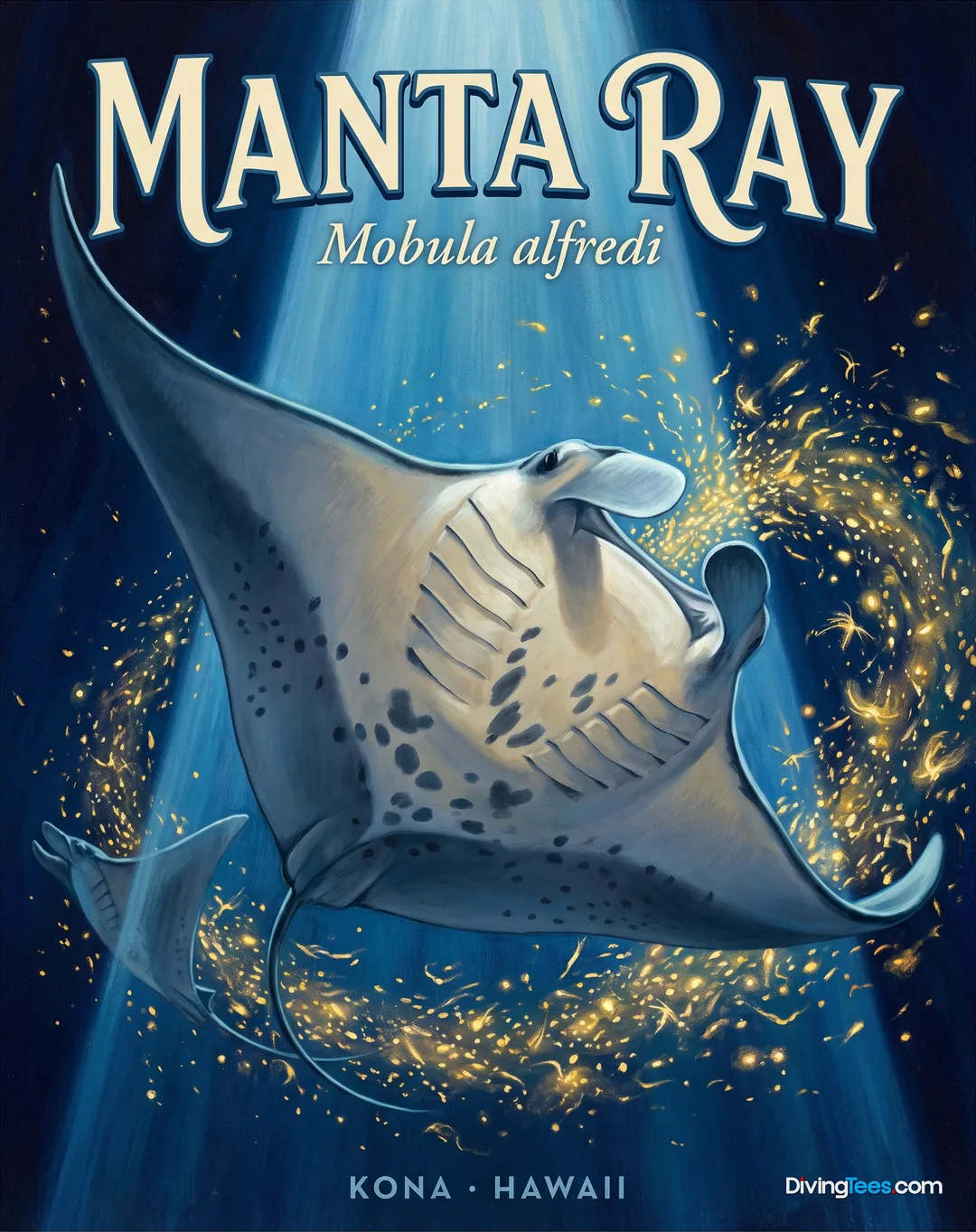
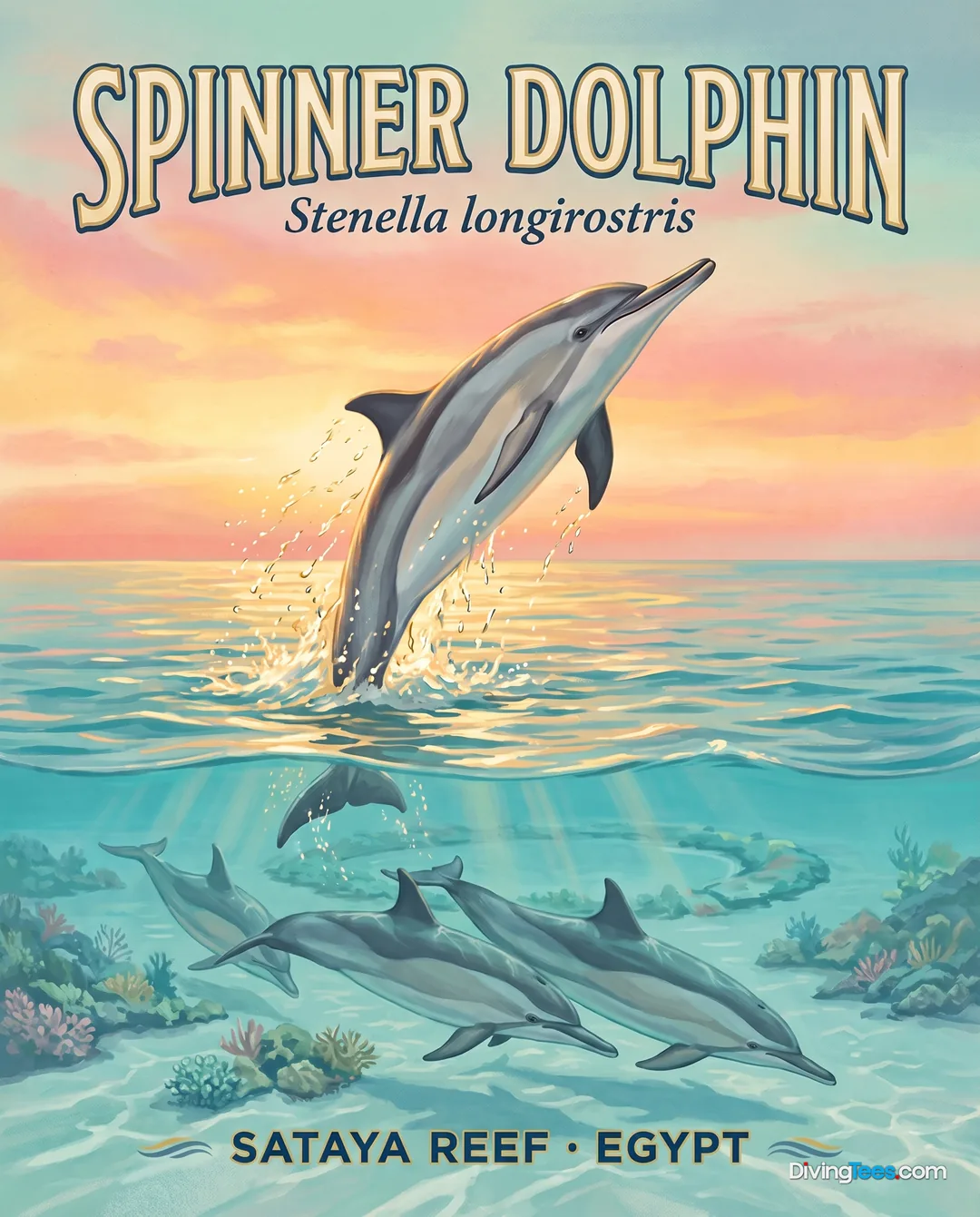
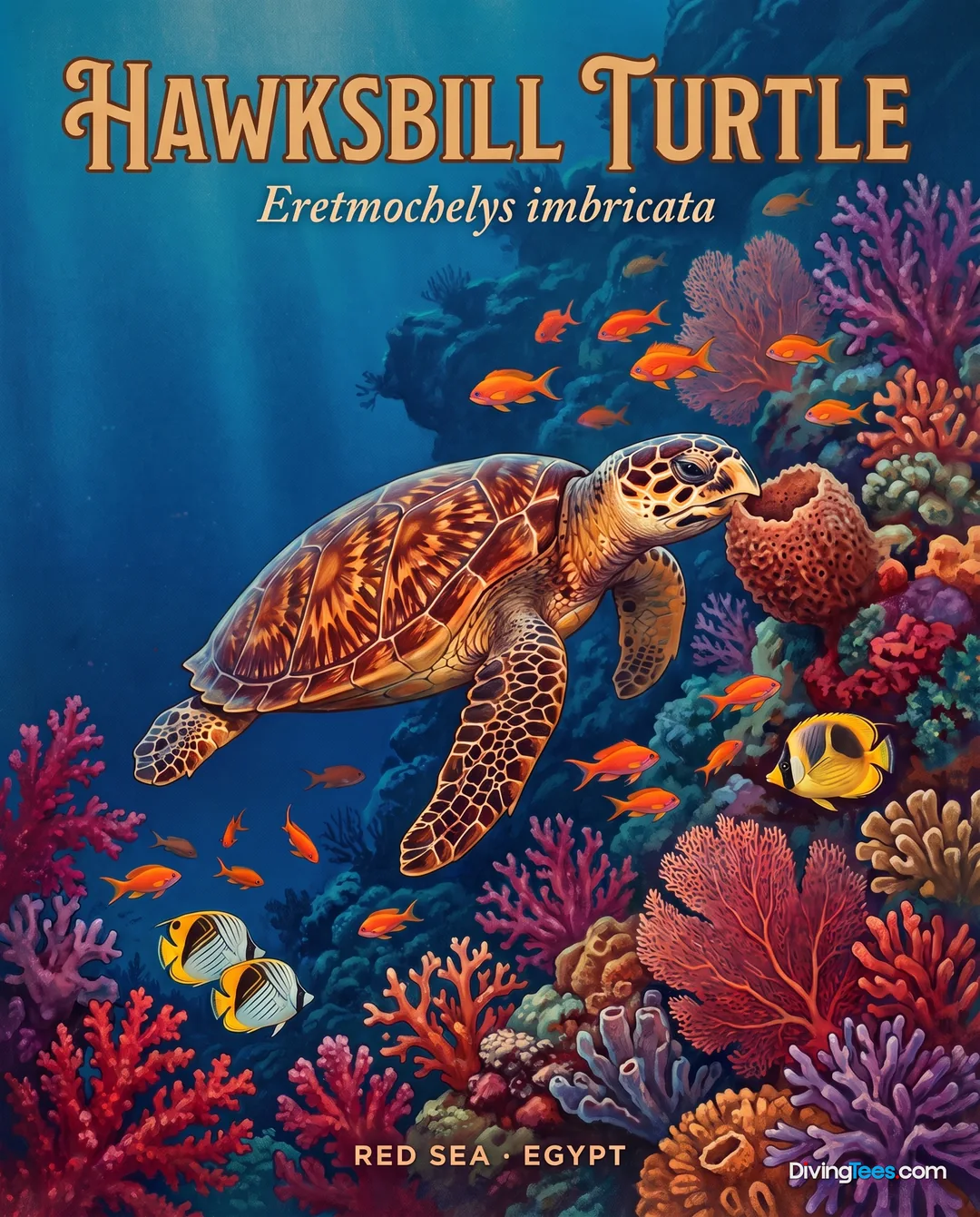
Large marine life, including manta rays, are often seen as they move through the pass. You might also encounter spinner dolphins (Stenella coeruleoimpressa) passing through the channel. Other resident species include green sea turtles (Chelonia mydas) and hawksbill sea turtles (Eretmochelys imbricata) navigating the reef slopes. The high nutrient content brought by the current supports a robust ecosystem within the pass.
The reef itself is inhabited by a variety of schooling fish and reef residents. You will commonly see black triggerfish (Melanurus lenis), various species of surgeonfish, butterflyfish, and parrotfish moving along the coral walls. This combination of high-velocity water and diverse reef structure creates a high-energy environment that supports a wide range of biological activity. It is a distinct contrast to the wider, less topographically complex sections of Avatoru Pass.
This site is intended for advanced divers only. You should be an experienced drift diver who is comfortable managing strong and unpredictable currents. The depth ranges from 10 to 30 metres. Visibility typically stays between 20 and 30 metres. While the channel itself can be very demanding, the dive concludes in the calm waters of the lagoon.
Small Pass is intended for advanced divers only. You should be an experienced drift diver who is comfortable managing strong, unpredictable currents. The confined channel creates focused water movement, so you need to manage your buoyancy and position in heavy flow before the dive concludes in the calmer lagoon.
Small Pass ranges from 10 to 30 metres deep. You follow steep, colorful reef slopes and walls inside the narrow channel, then move toward a flatter lagoon floor. Visibility typically stays between 20 and 30 metres, giving you a clear setting for the reef and passing marine life.
Currents are the dominant feature at Small Pass. The narrow channel accelerates water movement, creating strong and unpredictable flow that can shift with the tidal state and ocean swell. You will manage the drift along the reef slopes, then enter significantly calmer lagoon water as the channel widens.
At Small Pass, you can encounter gray reef sharks, whitetip reef sharks, silvertip sharks, manta rays, spinner dolphins, and green and hawksbill turtles. Dense, colorful coral covers the reef slopes, where schooling fish, surgeonfish, butterflyfish, parrotfish, and other reef residents move through the current.