
Ecole de Plongée de Tahiti
Google 5/5 (183 reviews)
8.2 km away as the crow flies
Tahiti · French Polynesia · Pacific
Max. depth · 21 mExplore the submerged remains of a PBY 5A seaplane, resting on the sandy lagoon floor off Tahiti, now a unique artificial reef.
Descending into the waters off Faa’a/Papeete, you'll find Le Catalina, a PBY 5A military seaplane intentionally scuttled in 1962. This isn't a deep, dark wreck; it rests on a sandy lagoon floor, with its structure still largely discernible. The dive begins as you approach the main fuselage, its form softened by decades underwater, now serving as a foundation for new marine growth. The light penetration in this shallow environment allows for clear views of the aircraft's outline, offering a different perspective than typical shipwrecks.
The seaplane's unique structure, unlike a conventional vessel, provides a distinct exploration experience. You can trace the contours of its wings and the main body, observing how marine life has adapted to this artificial habitat. The wreck is not about penetration, but rather about appreciating the transformation of a man-made object into an integral part of the ocean's ecosystem. Smaller reef inhabitants have claimed various sections, making it a living exhibit of historical preservation and biological adaptation.
As you circle the Catalina, the play of light across its metallic surfaces, once gleaming in the Tahitian sun, creates an atmospheric dive. This site offers a quiet, contemplative experience, inviting you to connect with a unique piece of aviation history. It stands apart from the larger, often deeper, maritime wrecks, providing a chance to witness the subtle integration of human artifacts into the natural world, all within the clear, warm waters of Tahiti.
The Catalina lies within the reef barrier, generally experiencing light to moderate currents that are manageable for supervised recreational dives. Dive operators typically plan entries to minimize drift, ensuring an easy return to the mooring line or descent line. Visibility here is consistently good, often ranging from 15 to 30 metres, allowing for clear views of the wreck and its resident marine life, enhancing the overall experience.
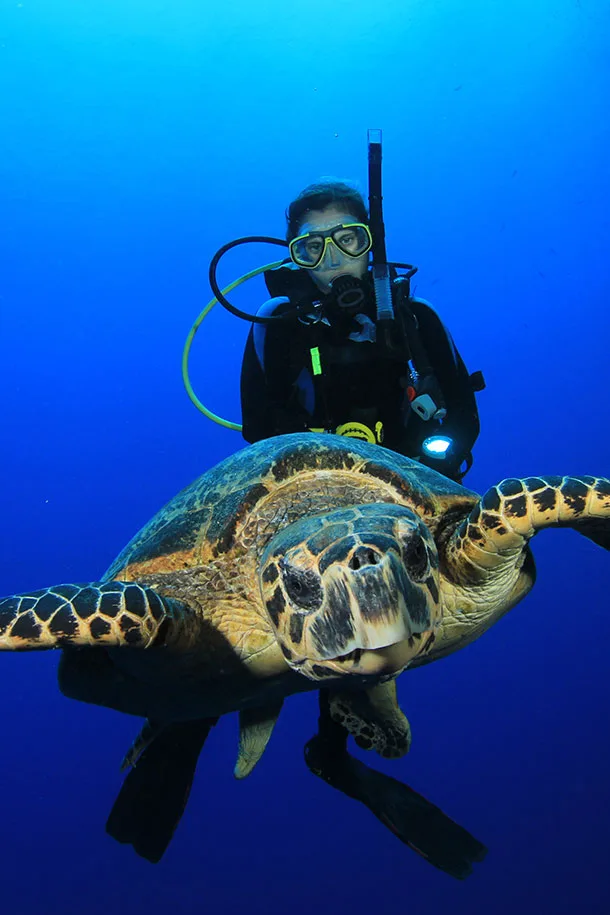
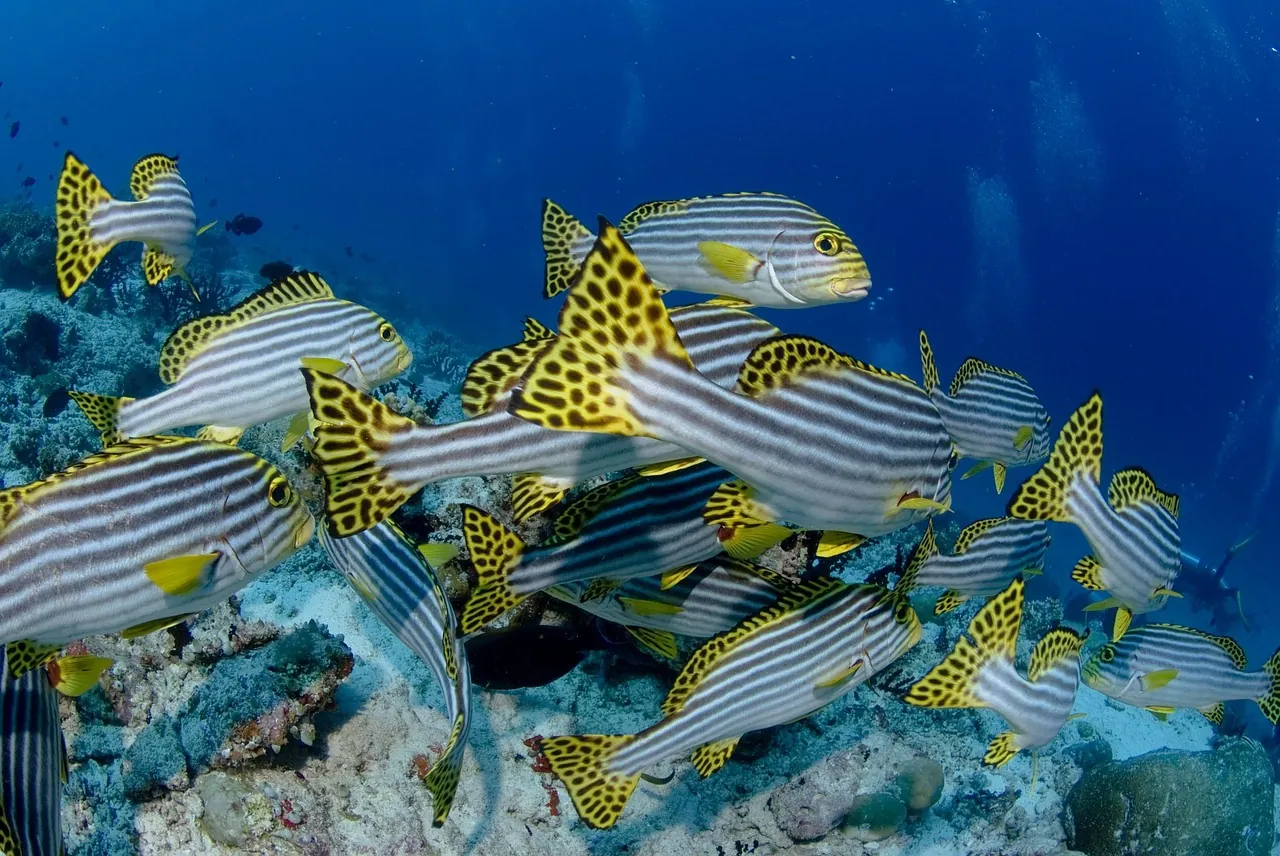
The wreck itself is a haven for a variety of reef fish, including butterflyfish, damselfish, wrasses, and parrotfish, which dart in and out of the seaplane's structure. You'll also encounter snappers and groupers taking shelter, along with the occasional lionfish. Moray eels are often found tucked into crevices, and it's not uncommon to spot turtles gracefully swimming around the site, adding to the diversity of marine encounters.
This site is frequently combined with a nearby small cargo ship wreck, offering a varied, shallow wreck diving experience. While not a site for large pelagics, it excels in showcasing reef life and the unique adaptation of marine species to an artificial reef environment. The combination of historical significance and accessible marine observation makes Le Catalina a distinctive dive within Tahiti's waters, suitable for those looking for a blend of history and biology.
Diving Le Catalina is possible year-round, though conditions are generally calmer and more consistent during the drier season, which typically runs from May to October. The site's location within the lagoon, off the coast of Faa’a/Papeete, makes it easily accessible by dive boat from the Punaauia/Faa’a or Papeete areas, ensuring a convenient and rewarding dive experience.
Le Catalina is accessible for certified recreational divers (Open Water or equivalent) who are comfortable with shallow wreck environments, under local supervision. The dive depth ranges from a minimum of 6 metres to a maximum of 21 metres. Currents are generally light to moderate, making for manageable conditions. Visibility typically ranges between 15 and 30 metres. The site can be dived year-round, with the dry season from May to October often offering the calmest and most consistent conditions.
You can dive Le Catalina year-round in Tahiti’s lagoon. Conditions are often calmer and more consistent during the dry season from May to October. The site is accessible by dive boat from the Punaauia, Faa’a, or Papeete areas, making it a convenient option for exploring a shallow aircraft wreck.
Le Catalina is suitable for certified recreational divers with Open Water certification or an equivalent qualification, provided you are comfortable in shallow wreck environments and dive under local supervision. The PBY 5A seaplane rests on a sandy lagoon floor between 6 and 21 metres, with its structure largely discernible.
You can expect generally light to moderate currents at Le Catalina, creating manageable conditions for supervised recreational diving. Operators typically plan entries to minimise drift and support an easy return to the mooring or descent line. Visibility is often good, ranging from 15 to 30 metres around the wreck.
At Le Catalina, you can explore the contours of a submerged PBY 5A military seaplane and observe marine life adapting to its structure. Reef fish, moray eels, turtles, snappers, groupers, and occasional lionfish inhabit the wreck, while wings and fuselage provide a historical setting for reef life.