

Dive And Sea Tahiti
Google 4.8/5 (308 reviews)
Tahiti · French Polynesia · Pacific
Max. depth · 39 mExplore a unique reef plateau where a submarine freshwater spring creates a visible halocline and brings together large sea turtles.
The topography of Turtle's Flat is characterized by a wide oceanic plateau that transitions into a series of small valleys and a significant reef drop-off. As you approach the site by boat, you will find a relatively flat area that sits at a minimum depth of 15 metres. This plateau acts as a primary zone for exploration before the seabed begins to slope more steeply toward the deeper ocean. The terrain is varied, offering a mix of open reef sections and more sheltered indentations within the small valleys.
The defining feature of this site is a submarine freshwater source located on the plateau. As you descend, you will notice a constant column of bubbles rising through the water column, signaling the spring's location. This discharge creates a visible halocline where the fresh water meets the salt water, distorting the light and creating a shimmering effect. Navigating near this feature requires good buoyancy control to avoid disturbing the sediment or losing orientation within the refractive layers.
The reef structure eventually gives way to a drop-off that reaches depths of up to 39 metres. This edge is heavily covered in coral, including blue coral, which provides a stark visual contrast to the lighter tones of the shallower plateau. The transition from the flat, sunlit areas to the darker, steeper slopes offers two distinct environments for observing marine life. Divers can choose to stay on the plateau to track resident species or follow the descent toward the wall to see different inhabitants.
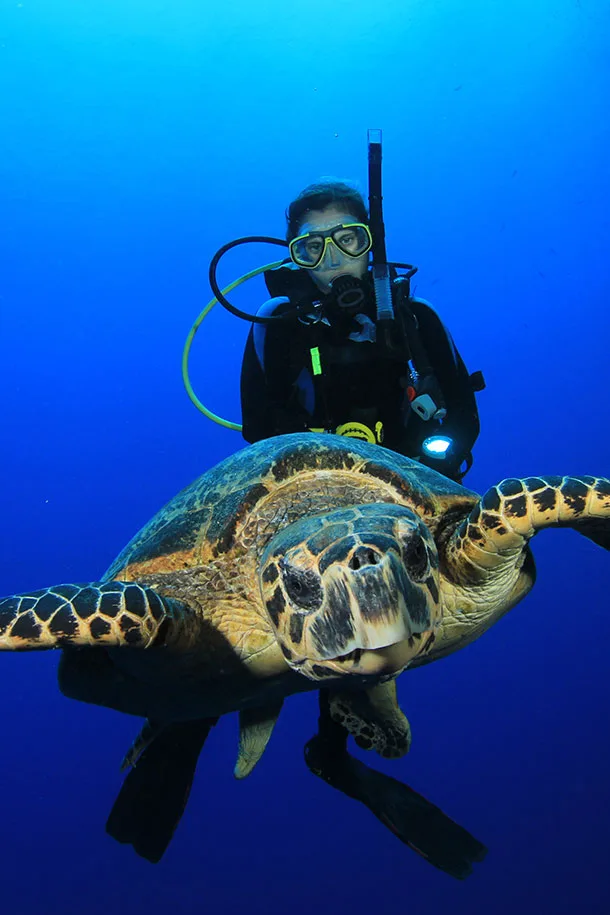
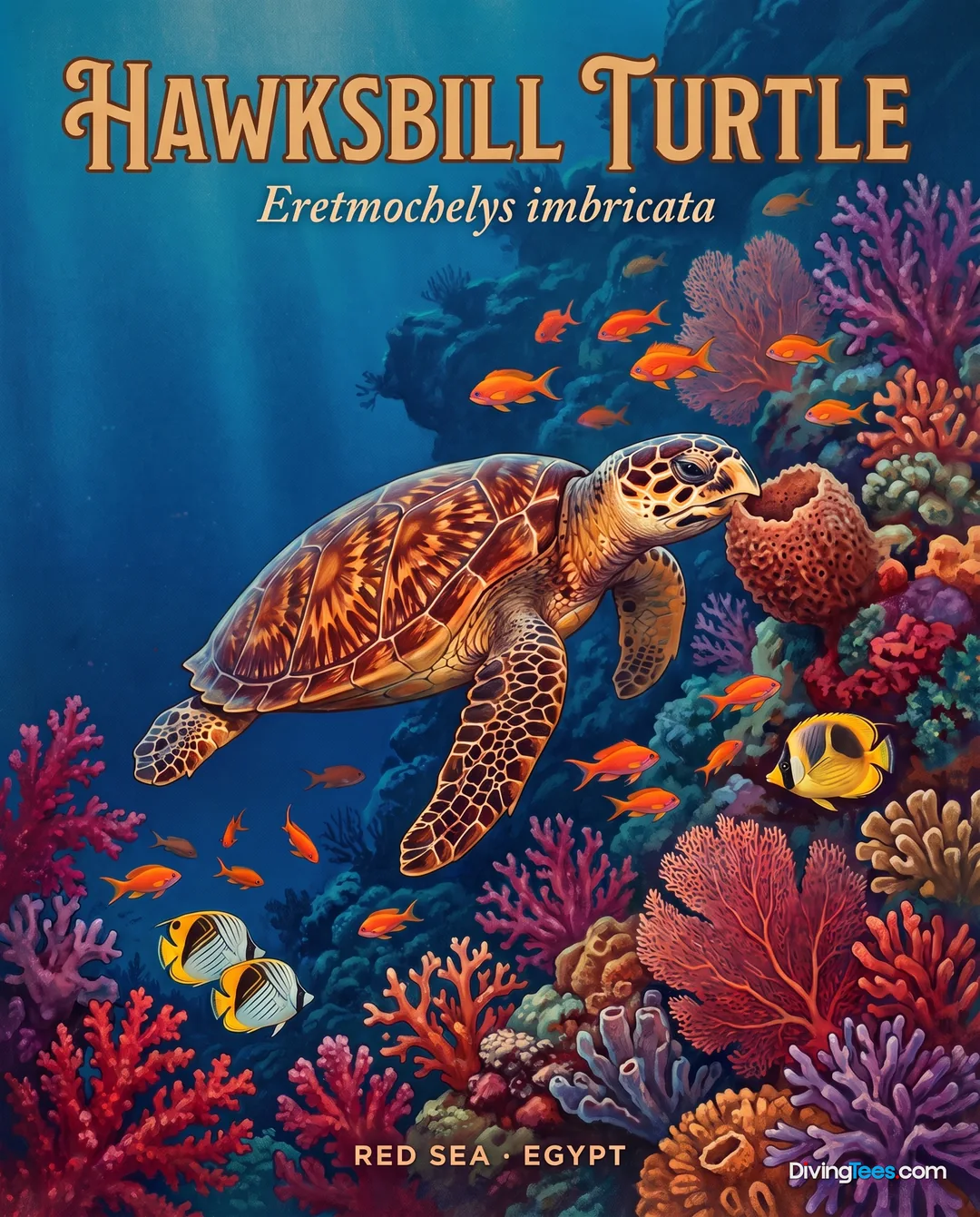
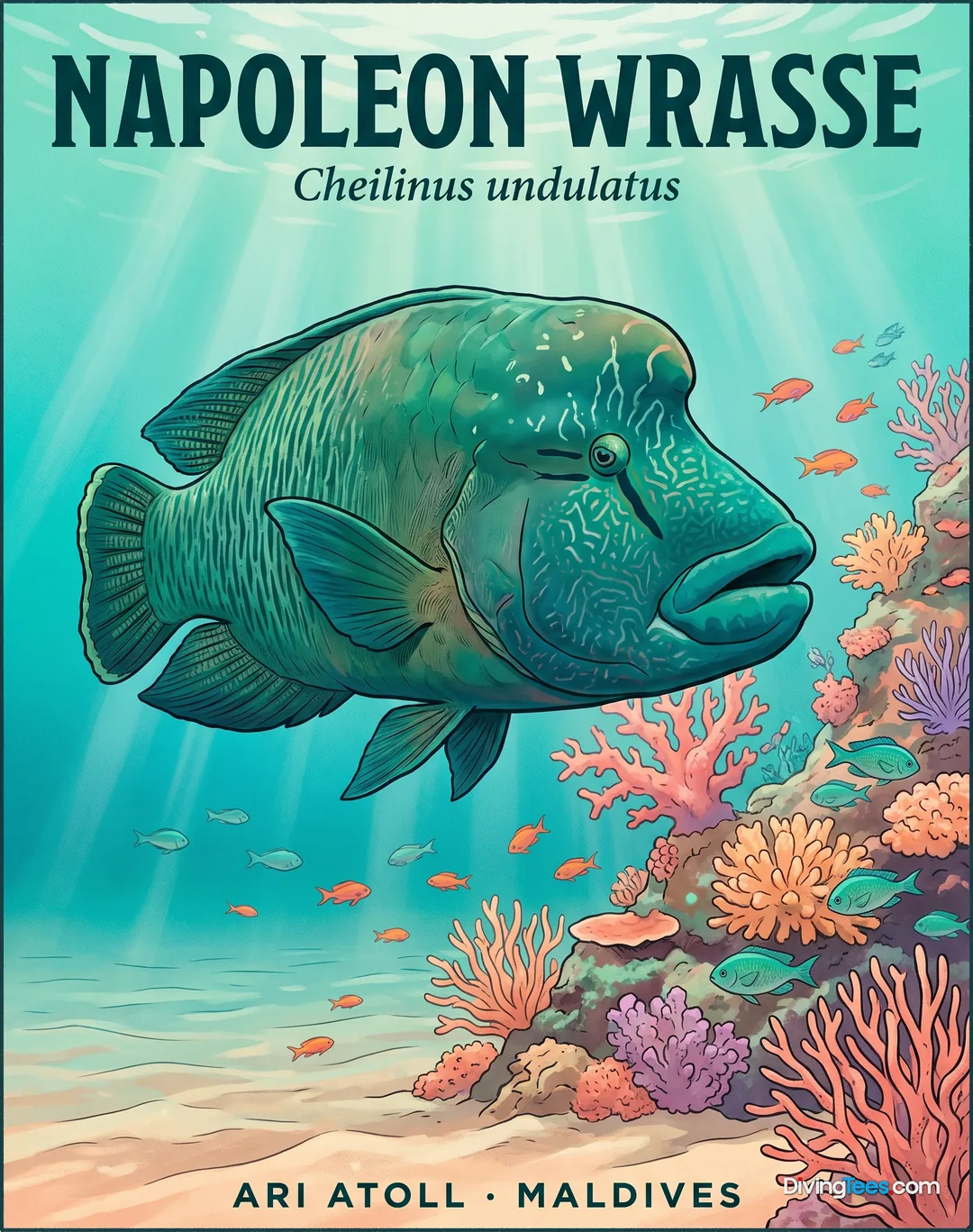
Green sea turtles and Hawksbill turtles are frequently encountered throughout the site, often resting on the plateau or moving slowly along the reef edges. Their presence is one of the main reasons for the site's name and they are often found in the shallower, calmer sections. You may also spot Humphead wrasse patrolling the reef, particularly near the larger coral formations. These encounters are usually relaxed, as the turtles and wrasse are accustomed to the local presence of divers.
For those looking toward the deeper sections or the edges of the drop-off, Grey reef sharks are known to patrol the area. They typically move along the reef margins rather than hovering in the open water, making them a common sight for divers monitoring the wall. The interaction between the currents and the reef structure often brings in the nutrients that support these predators. Observing them requires a steady position, as they tend to move with purpose along the contours of the seabed.
Current conditions at Turtle's Flat are generally light, making it an accessible site for those comfortable with minor drift. However, the specific topography of the plateau and the nearby drop-off means that conditions can shift. Near the reef edge or in the narrow passages between valleys, you might feel a slight increase in water movement depending on the tide. Maintaining a consistent trim is important to ensure you stay at your target depth while navigating these different zones.
Visibility at the site is typically between 20 and 30 metres, providing clear views of both the immediate reef structure and the distant drop-off. The light penetration on the plateau is excellent, which enhances the visibility of the bubbles from the freshwater spring. As you move toward the deeper sections of the wall, the light shifts, emphasizing the textures of the coral and the movement of the sharks. This clarity allows for effective scanning of the reef for smaller details or approaching pelagics.
The site has a depth range of 15 to 39 metres. It is accessible for Open Water Divers, provided they possess good buoyancy control and are comfortable with light drift. Visibility is expected to be between 20 and 30 metres.
Turtle's Flat is accessible to Open Water Divers who have good buoyancy control and feel comfortable with light drift. Buoyancy is particularly important near the submarine freshwater spring, where the halocline can distort light and affect orientation. You should also maintain consistent trim while moving across the plateau, valleys, and reef edge.
Turtle's Flat ranges from 15 to 39 metres. The wide oceanic plateau begins at 15 metres, with small valleys and open reef sections to explore before the seabed slopes toward the reef drop-off. The drop-off reaches 39 metres, offering a deeper route with blue coral and reef-margin marine life.
Currents at Turtle's Flat are generally light, with minor drift possible. Water movement may increase near the reef edge or in the narrow passages between valleys, depending on the tide. You should maintain consistent trim and good buoyancy control so you can remain at your target depth while crossing the site.
At Turtle's Flat, you can see a submarine freshwater spring marked by rising bubbles and a visible halocline on the plateau. Green and Hawksbill turtles frequent the calmer sections, while Humphead wrasse patrol the reef. Blue coral covers the drop-off, where Grey reef sharks move along the reef margins.