Liveaboards · Egypt
Bella 3 — a modern, dive-focused Red Sea liveaboard
For subtitles in English: start the video firstthen click the gearat the top right of the video, select “Subtitles/CC”, then “Auto-translate” and choose “English”.
The invitation
Bella 3 suits divers who want the classic northern Red Sea in a compact safari rather than a week spent crossing between unrelated sites. The route puts Ras Mohammed’s current-swept reefs, the Dunraven and SS Thistlegorm wrecks, and the walls of Tiran in one trip. That is the reason to choose her: the boat is arranged around diving, but the living spaces are comfortable enough that the surface intervals do not feel like an afterthought. The crew is the stronger part of the proposition. Passenger feedback gives the crew and food the highest marks, while the boat and diving still score 9 out of 10. In practical terms, Bella 3 is not being sold on extravagance; it earns its place through clean spaces, helpful service, well-run diving and meals that keep up with the programme. Board for the wrecks and reefs. Stay because the operation makes repeated dives straightforward.
Boarding
Bella 3 makes a clear first impression: a purpose-built diving boat with an uncomplicated route from cabin to salon to dive deck. The boat was built in 2020 and renovated in 2023, so the character is modern rather than nostalgic. Air-conditioned interiors give relief from the Egyptian sun, while the shaded outdoor area keeps divers close to the sea without leaving them exposed all day. The layout is made for a group of divers who need to move with equipment, cameras and wet towels without turning every passage into an obstacle course. The salon and dining area provide the indoor anchor; outside, the sun deck and bar give the boat its social side. Boarding begins at 18:00 on departure day, followed by settling into the cabin, the safety briefing and an overview of the trip. The first proper discovery comes underwater.
The atmosphere on board
Bella 3 feels like a boat run by people who notice the small jobs. Passenger feedback describes a crew that is professional, welcoming and helpful without hovering, with particular attention paid throughout the trip. That matters after several dives: tanks, towels, meals, cabins and transfers all become part of the same chain, and a crew that keeps that chain moving leaves divers with more energy for the water. A group of 20 guests is large enough to bring different habits and languages together, but the shared dive routine gives the boat its shape quickly. The salon is where the day settles after the last dive, while the deck remains the place to compare sightings, check cameras and talk through the wreck. Crew scores reach 10 out of 10, and the reason is not a staged friendliness. It is reliable attention repeated until the trip feels easy.
The sites you’ll dive
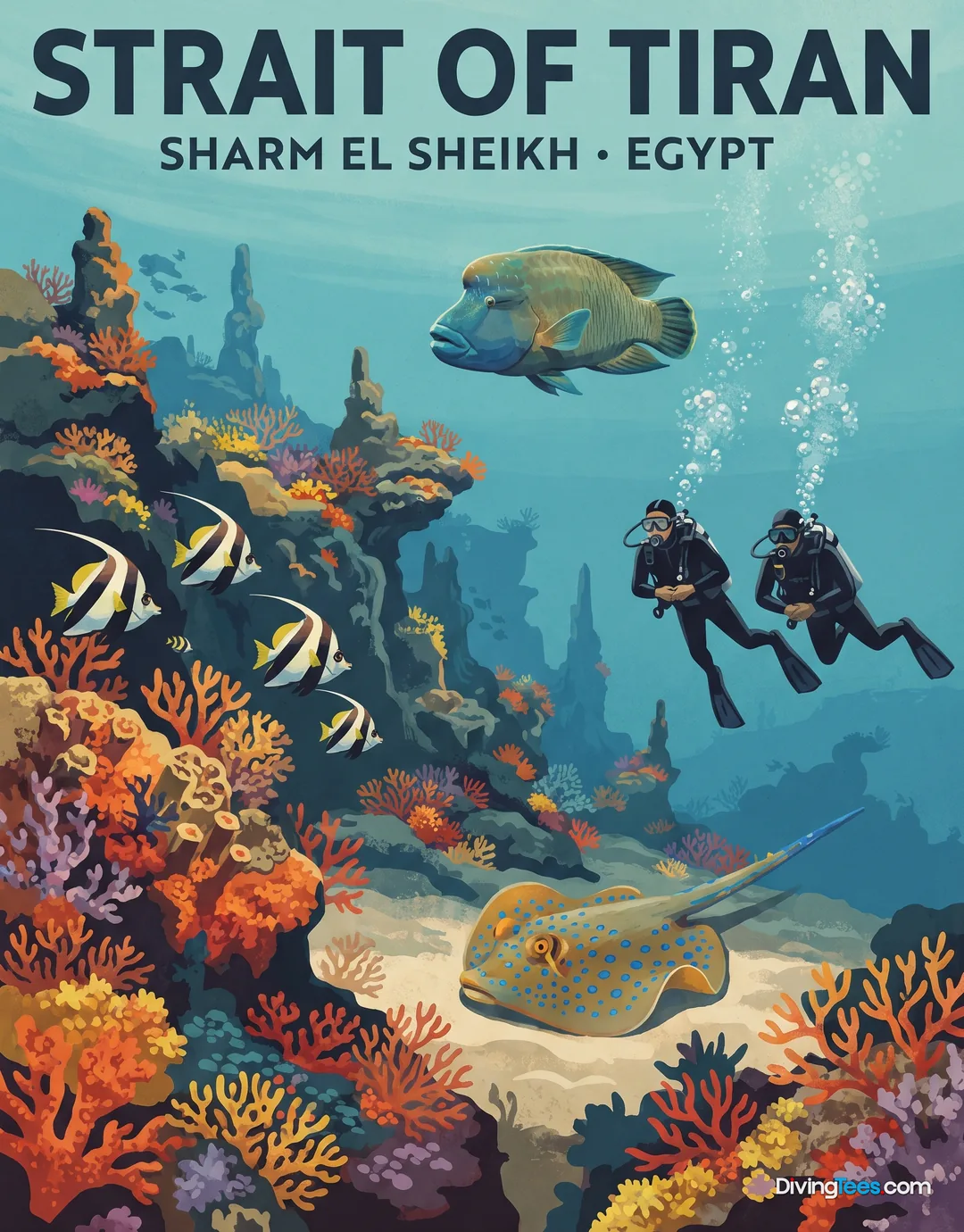
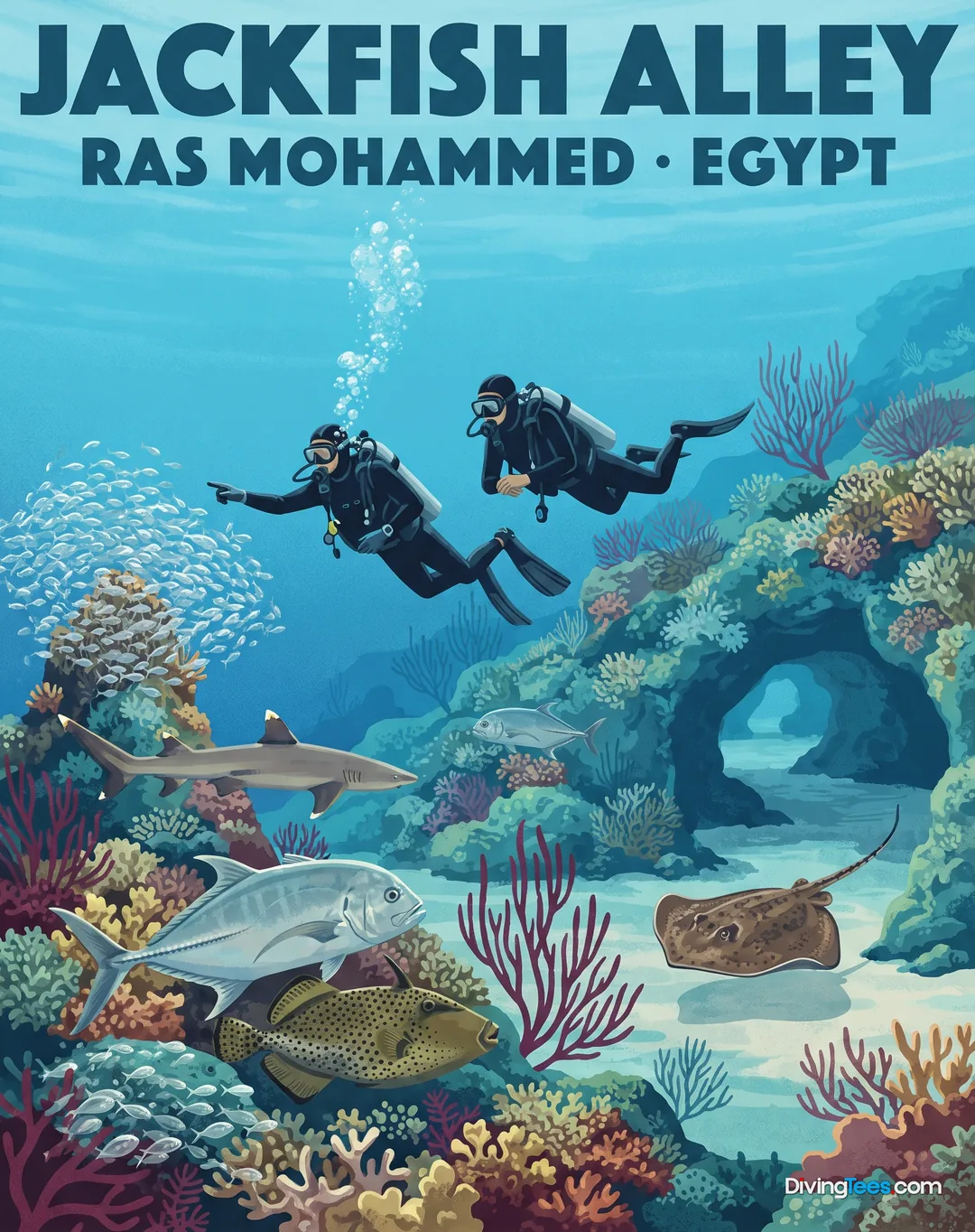
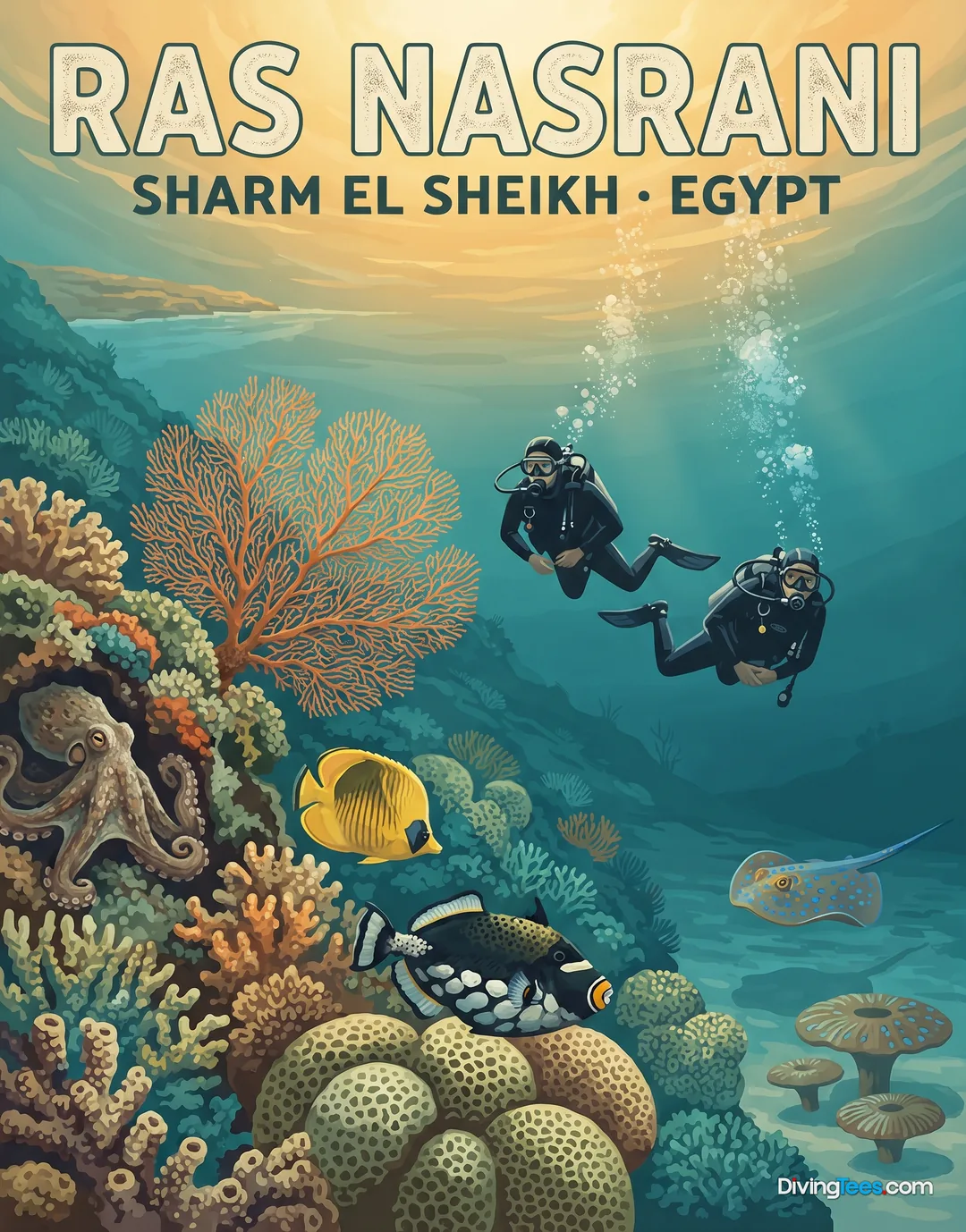
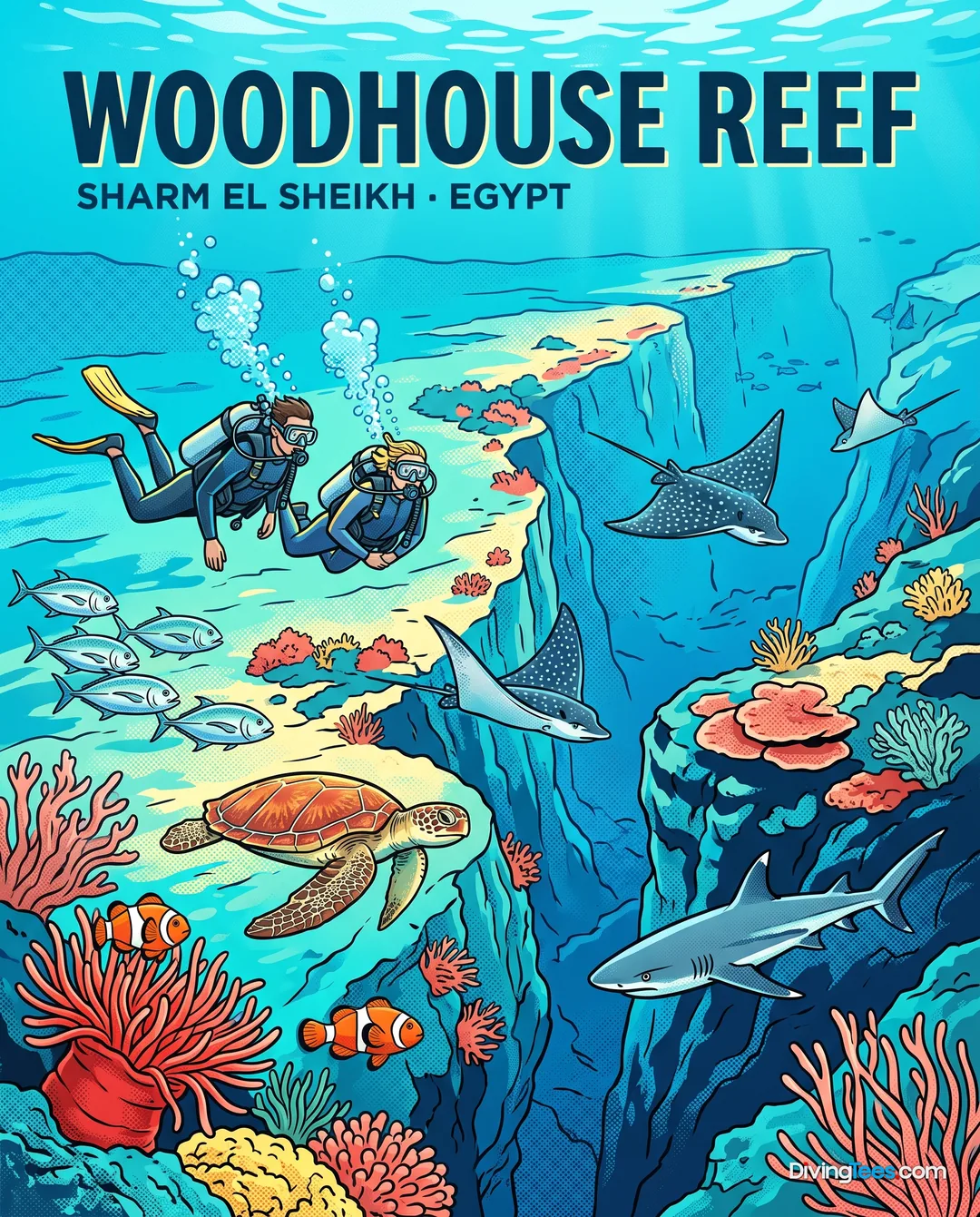
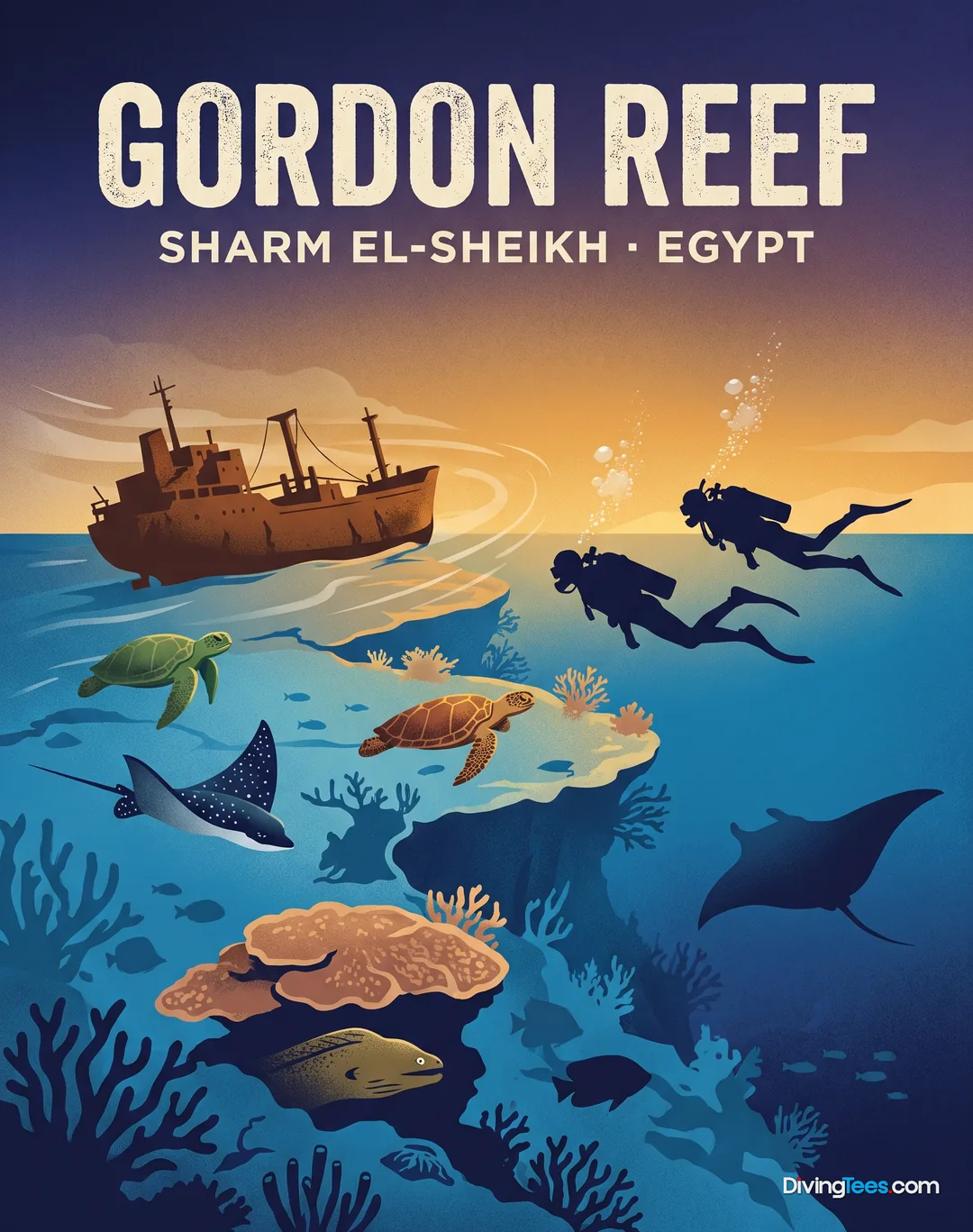
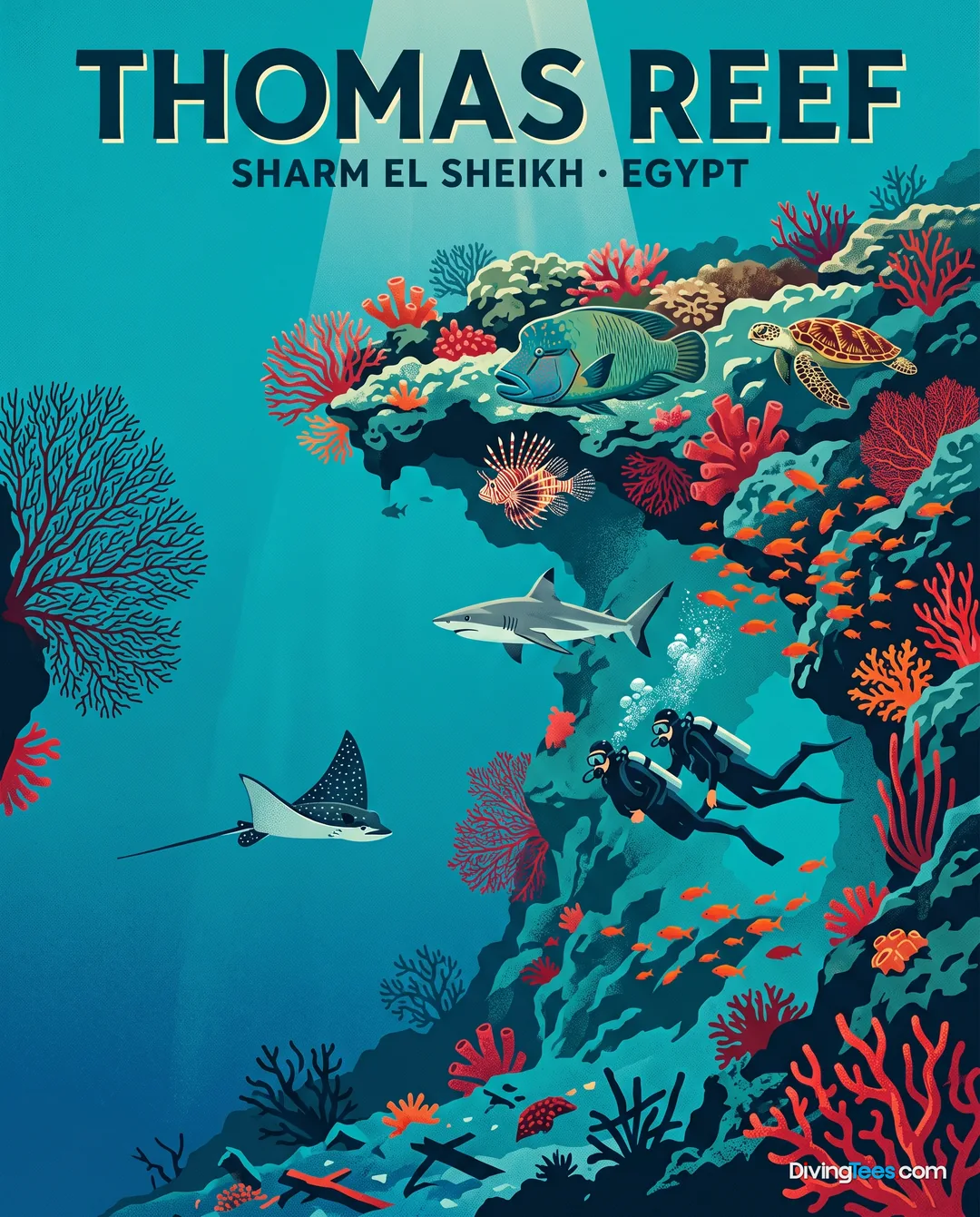
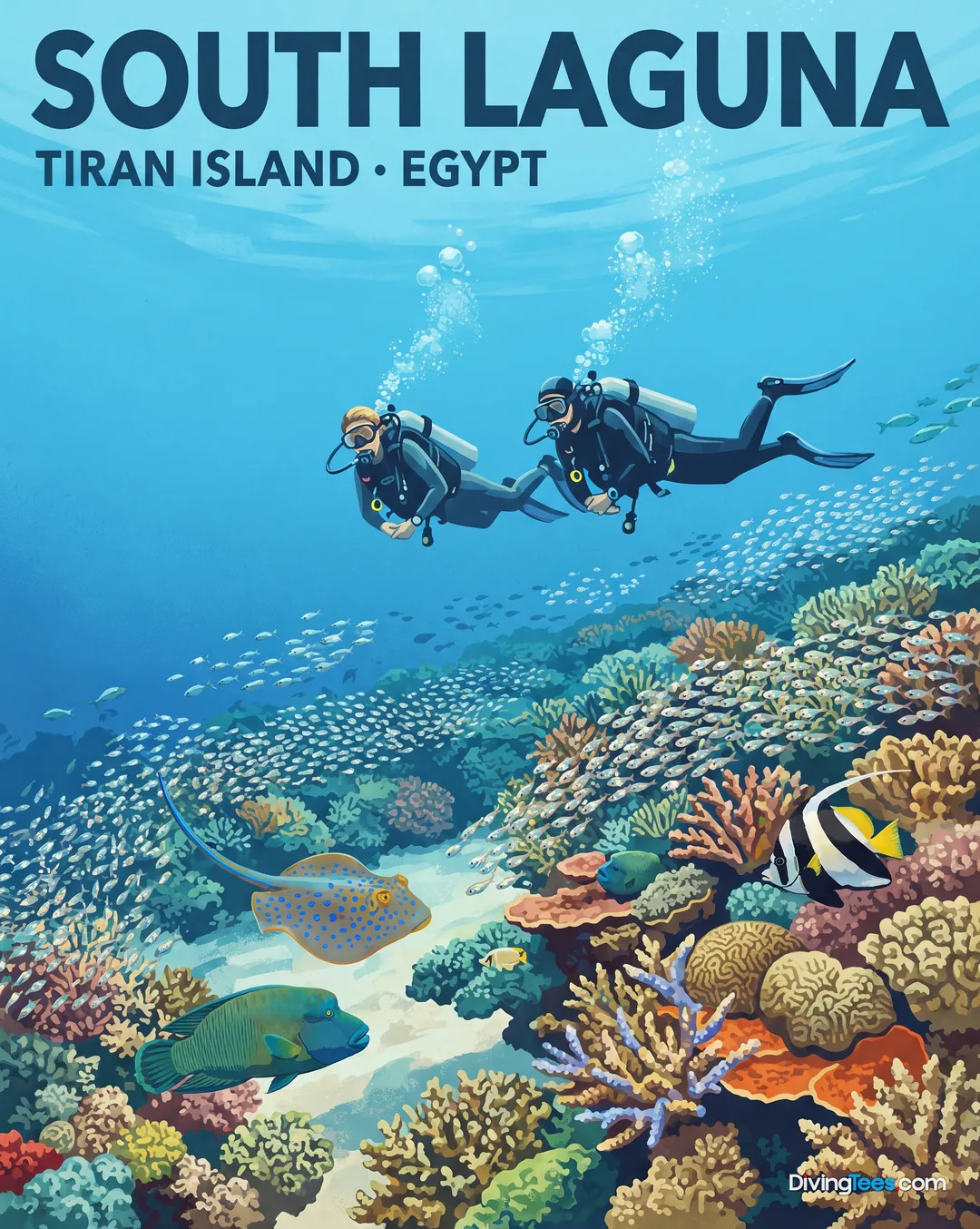
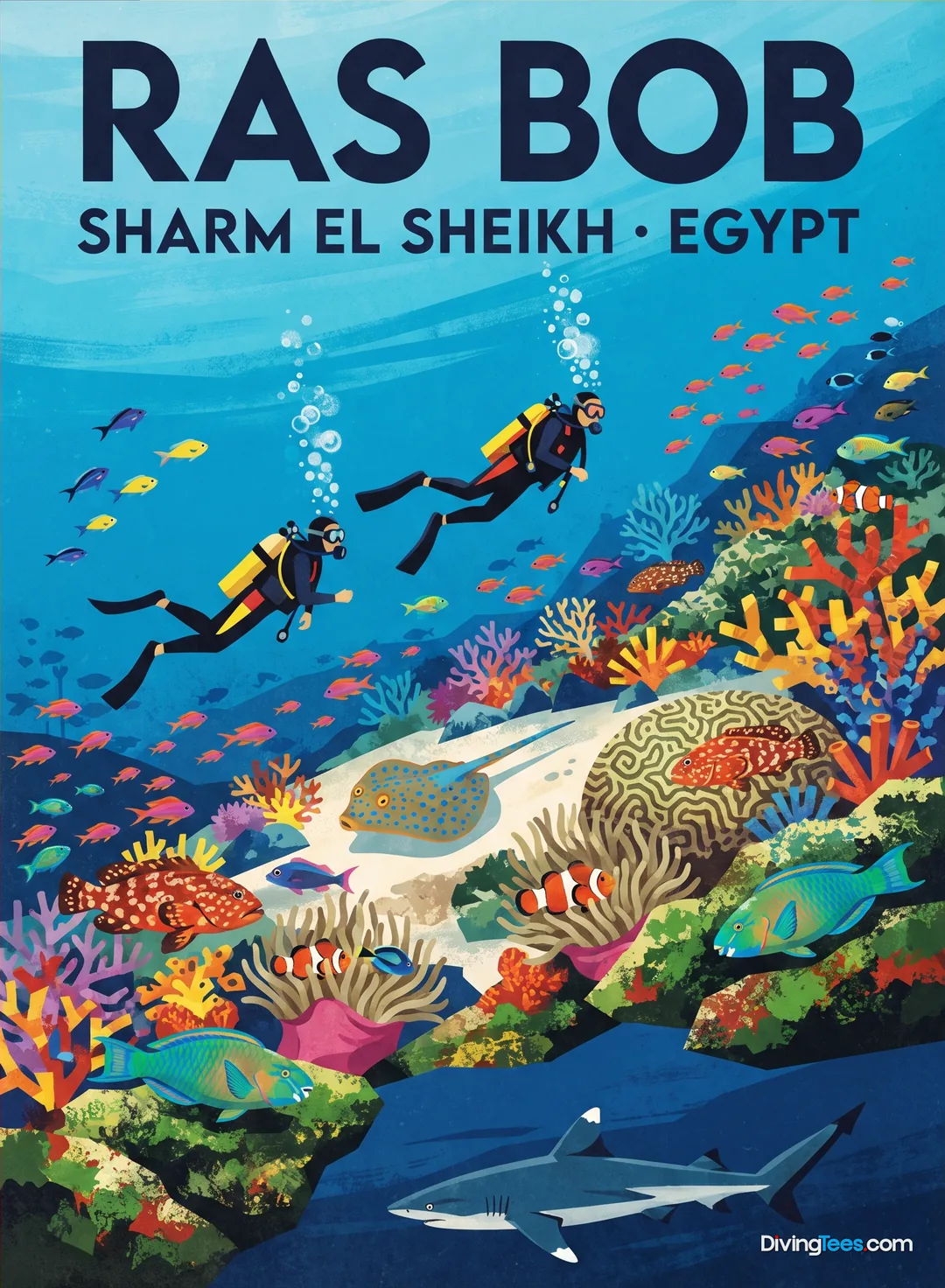
The recorded five-day, four-night route runs from Sharm El Sheikh and links Ras Mohammed, the Dunraven, the SS Thistlegorm and the Strait of Tiran. At Ras Mohammed, Jackfish Alley combines a drift with swim-throughs and a sandy channel where giant tuna, barracuda and turtles may pass; its listed range is 15–40 m. Ras Nasrani is a shallow reef swept by current, with gorgonian fans and mushroom corals, down to -60 m. The Dunraven brings wreck diving and marine growth, while the SS Thistlegorm is the historical centrepiece: wartime cargo holds, scooters and other relics lie to a maximum of -32 m, with barracudas, giant tuna, batfish, crocodilefish and large groupers around the wreck. Tiran adds the long drift lines of Woodhouse Reef, the current-swept southern plateau of Gordon Reef and Thomas Reef’s deep walls, soft corals and gorgonian forest to -90 m. South Laguna offers a sheltered lagoon or an outer-wall drift, with a maximum of -30 m; Ras Bob is the gentler option, from 5 to 15 m. The route’s strength is the contrast: wreck interiors, open-water current and coral walls in one compact departure.
Itineraries, dates and prices
Prices per person. Each month shows its lowest price: click a month, or pick an itinerary.
Next departures · 1 departurefrom £607$811€725
November 2026
See dates and prices
If you click these links and make a purchase on the partner site, DivingDeal may earn a commission, at no extra cost to you.
Dates and prices taken from Divebooker and liveaboard.com, updated 23 October 2026
What you’ll meet underwater
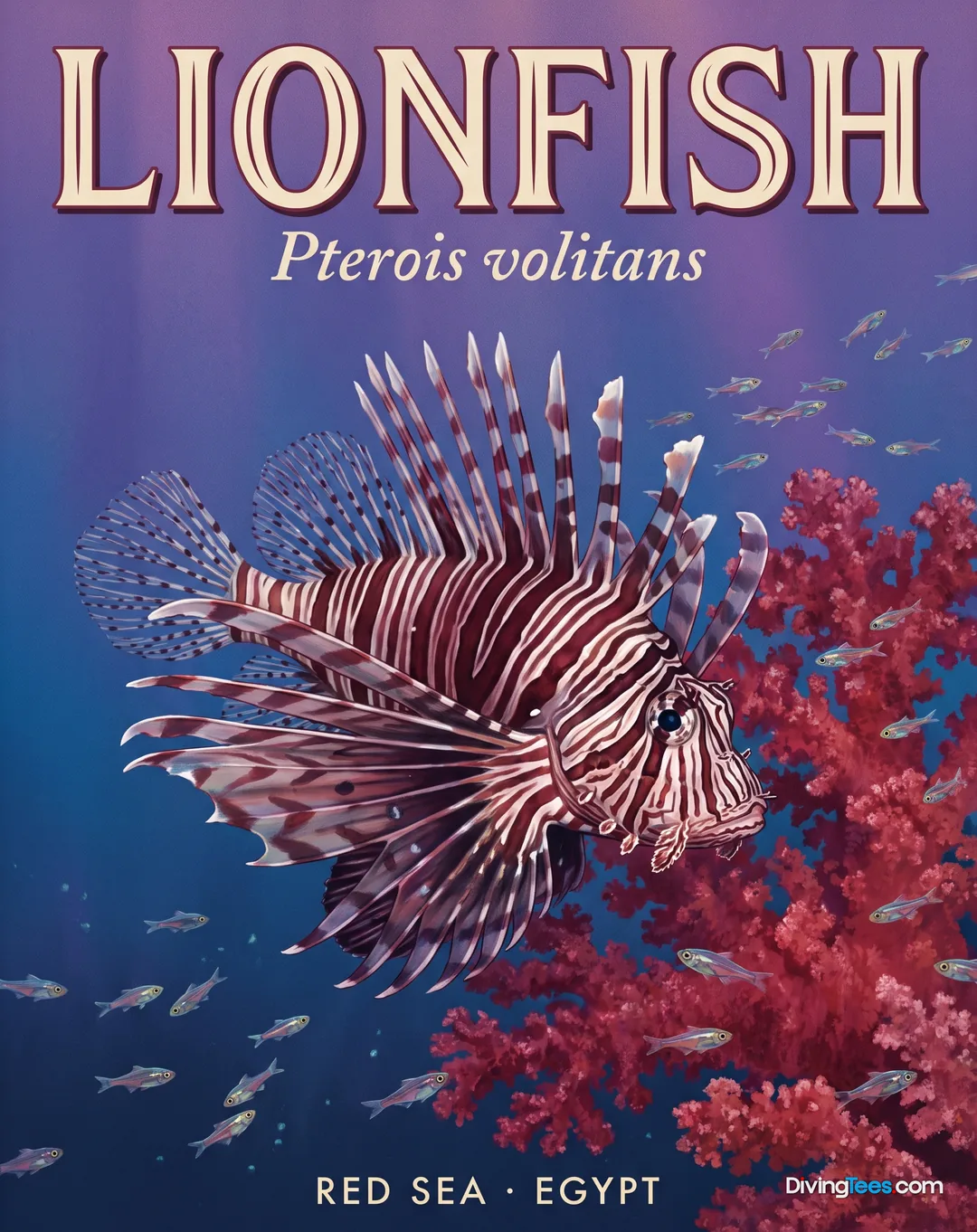
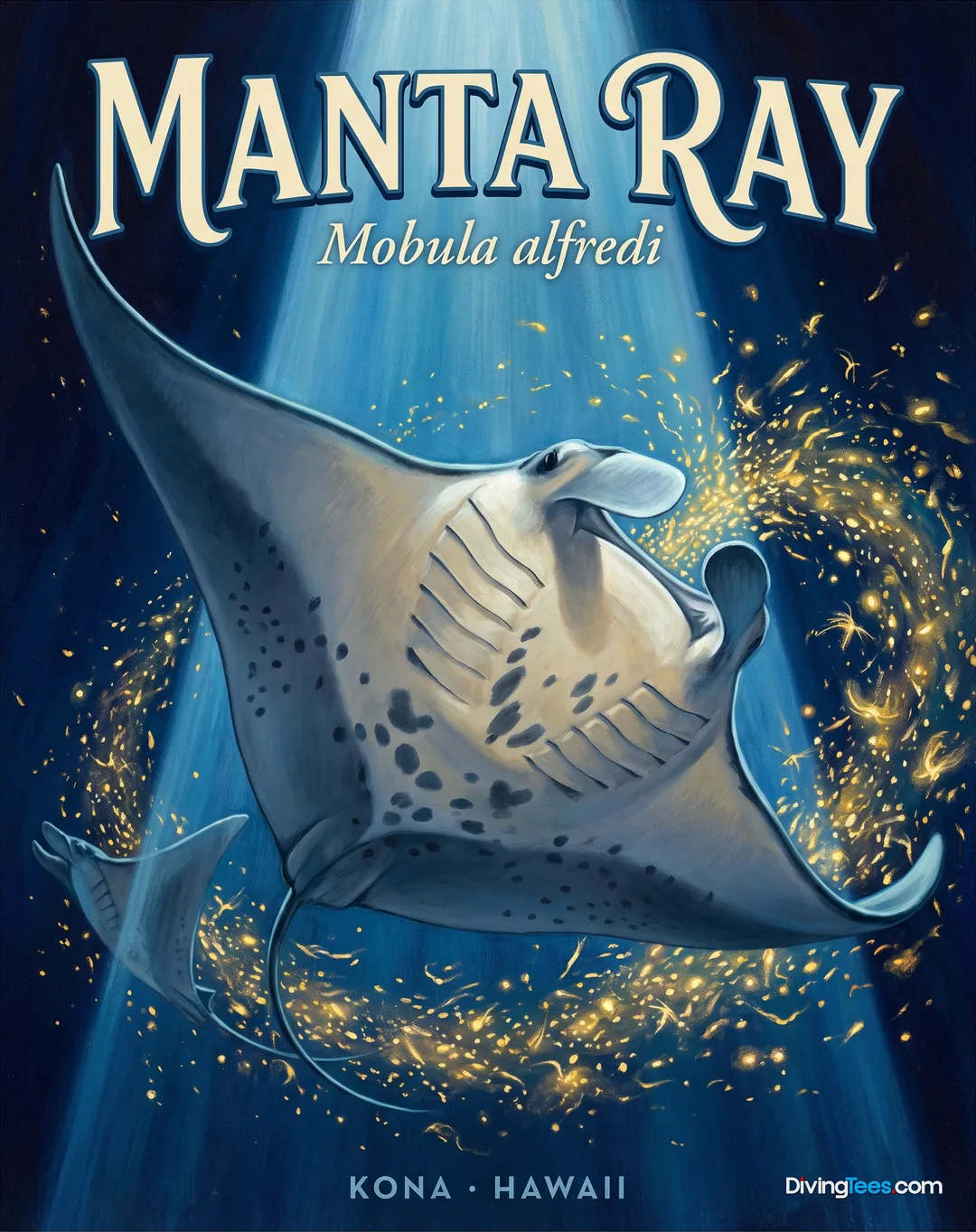
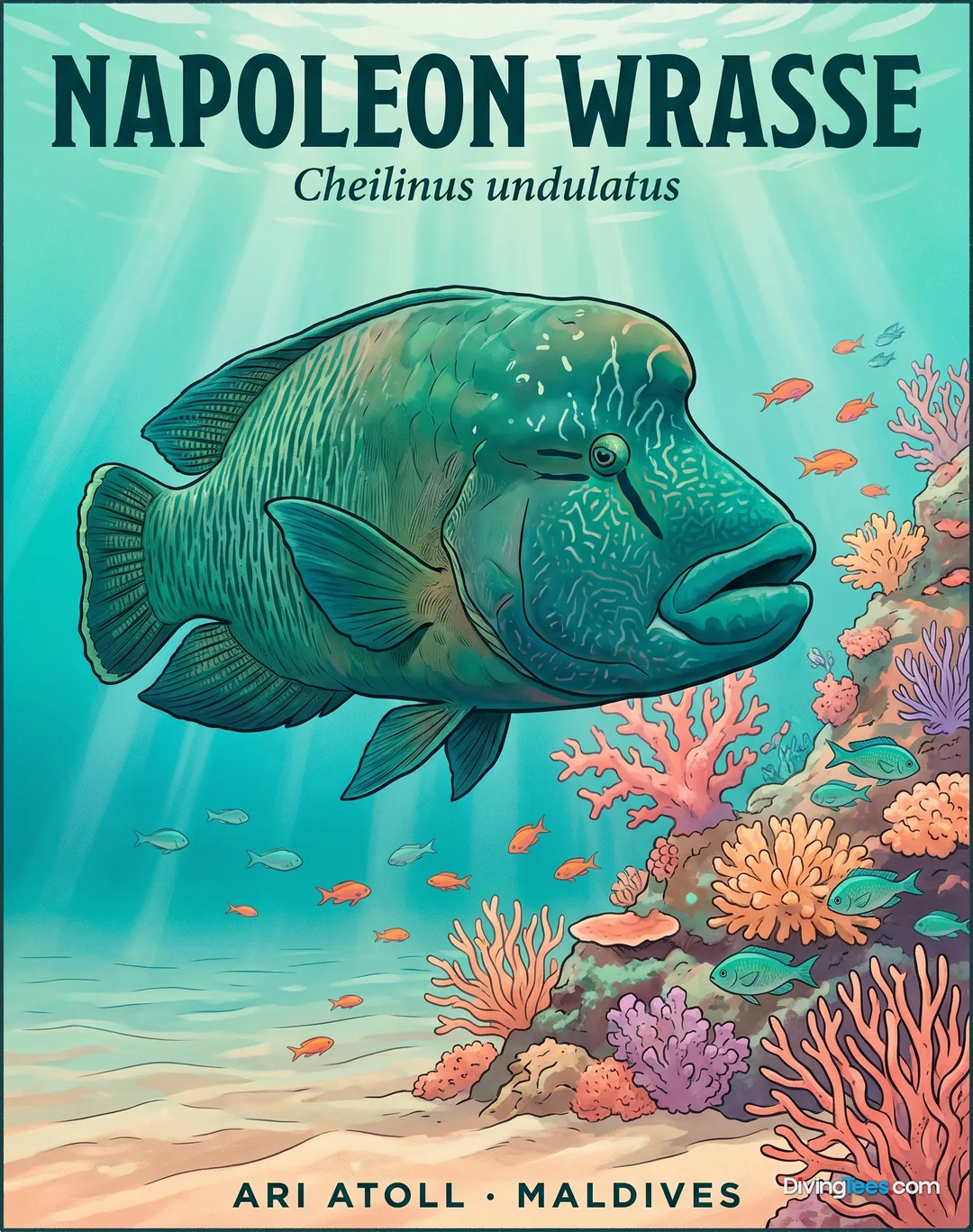
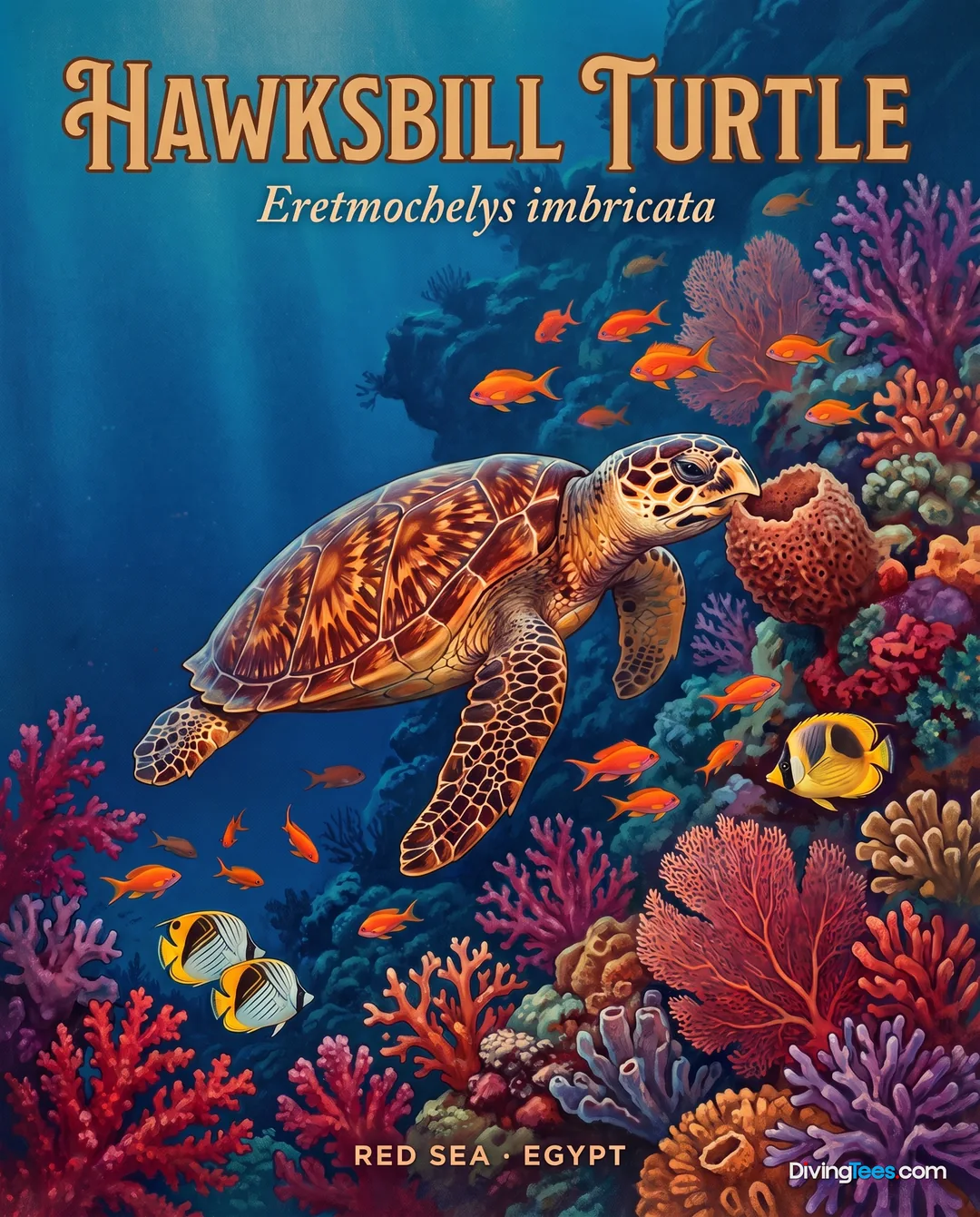
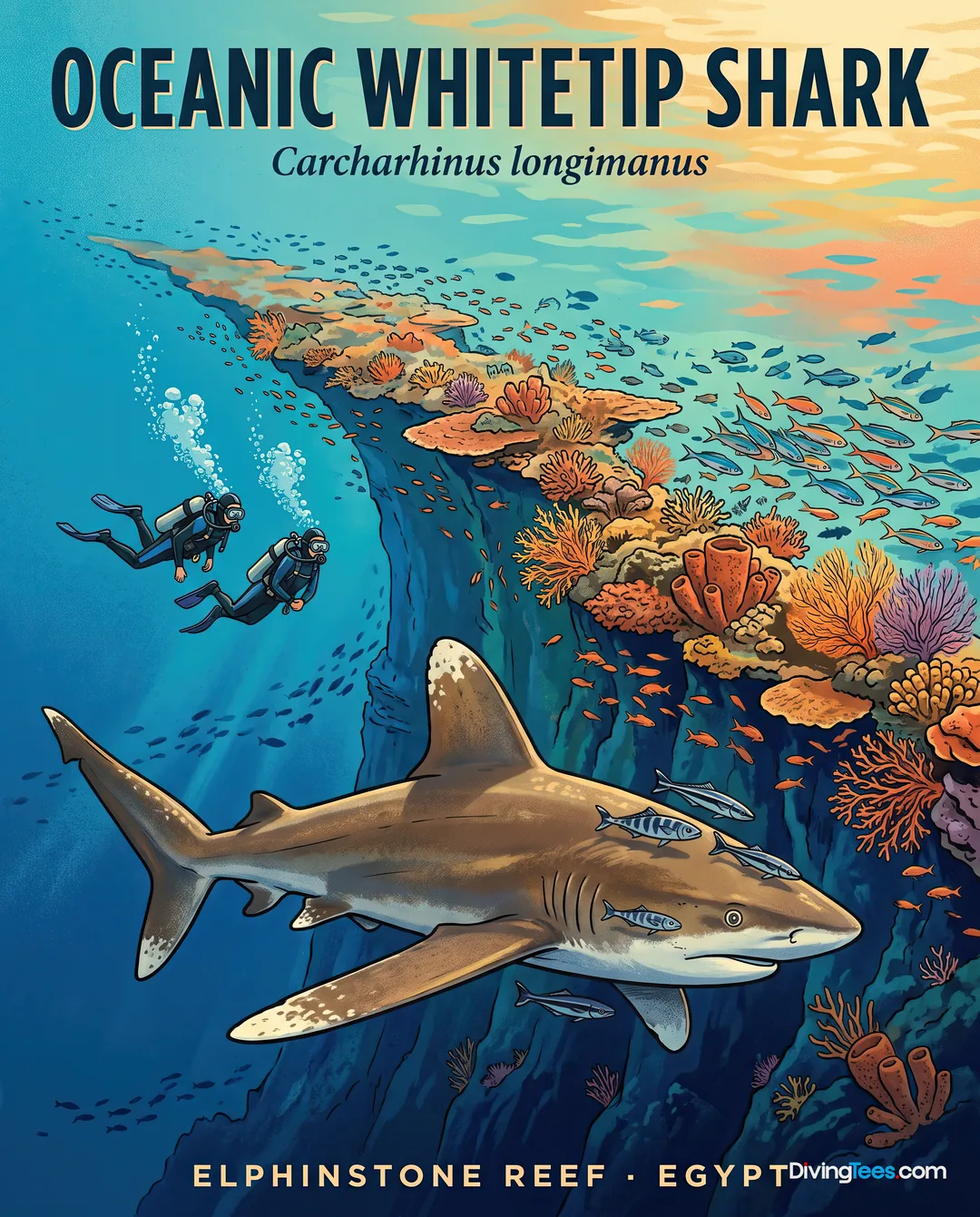
Across this route, the recurring cast is substantial: reef sharks, groupers, barracudas, morays, jacks, lionfish, scorpionfish, soft corals and clouds of glassfish. Manta rays and sea turtles are recorded at several sites, while napoleon wrasse, reef sharks and white-tip reef sharks add weight to the reef dives. Currents are part of the spectacle rather than just a technical problem; they can bring trevally, tuna and other pelagics onto exposed walls and capes. Some sightings belong to one particular reason for making the dive. Thistlegorm is the place for dolphins, batfish, rays and hawksbill turtles alongside the wreck’s wartime cargo. Ras Nasrani is the listed site for an oceanic whitetip shark, with gorgonians marking the current-swept cape. Gordon Reef is where garden eels, stonefish and trumpetfish appear in the site record, as well as the wreck of Loullia at its northern end. At Woodhouse Reef, a green turtle is the distinctive possibility. Rosalie Moller, when included on a wider northern route, is noted for bigeye trevally among barracudas, tuna and reef fish.
Who puts you in the water
The crew speaks English, Spanish, Russian and Italian. Dive groups are limited to a maximum of eight divers per certified guide, a workable ratio for wrecks, walls and current without turning every briefing into a mass departure. All experience levels are welcome, but Bella recommends Advanced Open Water certification and 20 logged dives for most itineraries, particularly where deeper wrecks or strong currents are involved. The route includes both: the SS Thistlegorm reaches a maximum of -32 m, while the current and topography around Tiran can demand calm decisions. PADI courses can be run on board, including Open Water, Advanced Open Water, Enriched Air Nitrox, Drift, Deep, Night and Wreck specialties. Briefings are matched to experience and dive conditions. Oxygen, first-aid kits, life rafts, fire equipment, GPS, radar and radio communications are carried, and the crew is trained in first aid. The safety system is practical rather than theatrical.
The dive deck and the gear
The dive deck is the working heart of Bella 3. It is shaded, has organised gear storage, a camera table and rinsing tanks, and is fitted with DIN adaptors for divers using DIN regulators. Air and Nitrox are available, and Nitrox is included in the trip. Rental equipment can be arranged as an optional extra. Two tenders support the diving, taking divers to and from sites where the boat is moored and helping with surface collection. A platform gives direct access to the water. The deck also has charging stations and outdoor showers, useful details when a camera needs attention or a diver returns from a current-swept reef. There is no reason to make the deck sound luxurious. Its value is that equipment, people and tenders are organised around getting the next dive done cleanly.
Between dives
Between dives, Bella 3 gives divers three useful choices. The air-conditioned salon is the place for a book, a camera review or a quiet hour out of the heat; the shaded deck keeps the sea in view without forcing anyone into full sun; and the sun deck with loungers is there for those who want warmth and open sky. Charging stations and Wi-Fi cover the practical pauses, while the library suits the slower ones. The camera table belongs to the dive operation, but it also changes the surface interval for photographers: equipment can be checked before the next briefing rather than spread across a cabin. Snorkellers and non-divers are welcome, so not every person aboard follows the same underwater schedule. When the boat is underway, the best break is often the simplest one—watching the Red Sea move past before the next site calls everyone back to the deck.
A day on board
The day starts before the heat builds: divers wake, take the first briefing and move through breakfast toward the opening dive. After the first return, the boat serves food, the deck is reset and the next briefing gathers the groups again. A later dive follows, then lunch and a longer surface interval before the afternoon water. The exact timings depend on the site, current and passage, but the order is familiar—brief, kit up, dive, eat, rest, repeat. While divers are underwater, the galley works on the next meal and the crew keeps the deck ready. Some evenings finish with a night dive, included on the trip; others leave the deck quiet after dinner, with cameras rinsed and equipment set for the morning. Between sites, Bella 3 gets underway and the Red Sea replaces the dive deck as the view. The cycle ends where it began: another briefing, another descent.
What you eat aboard
Meals are served buffet-style, with Western and local Egyptian dishes, vegetarian and vegan choices, non-alcoholic drinks, tea, coffee and snacks available through the day. Breakfast, lunch, afternoon snacks and dinner are prepared while the divers are in the water, so the galley works around the dive programme rather than asking the programme to work around it. There is also outdoor dining when the weather allows, and a welcome cocktail marks the start of the trip. The important point is quantity and timing: on a liveaboard where the next dive is always somewhere in the near future, food needs to arrive without ceremony and leave divers ready to kit up again. Passenger feedback gives the food a full 10 out of 10. That fits the description of Bella 3 better than any claim about fine dining: fresh, plentiful food that does its job well between dives.
Nights at sea
The cabins are the quiet part of Bella 3: air conditioning, a private bathroom and a choice between twin and double layouts across the lower, main and dive decks. Main-deck cabins have panoramic windows, and sea-view options bring daylight into the room rather than leaving every view to the saloon. After a dive, the useful luxury is simple: a private shower, a place to dry off, and a cool room away from the engine-room routine of a hard-working boat. The cabins are non-smoking and cleaned daily. Bella 3 carries 20 guests in 10 cabins, enough for a lively dive group without making the interior feel like a hotel corridor. The lower-deck twin cabins are the practical choice; upper-deck doubles trade some of that practicality for a better view. Nights are for sleep, not decoration, and the cabin setup understands that.
Twin Cabin Lower Deck
Double Cabin Upper Deck
Twin Cabin Dive Deck
What to know before boarding
Bella 3 departs from and returns to Sharm El Sheikh. Optional private transfers can be arranged from Sharm El Sheikh International Airport or from a hotel in Sharm El Sheikh; return transfers can also be arranged. Arrival details should be provided at least 48 hours in advance, and boarding instructions with the marina location, boarding time and crew contact are sent ahead. Arriving in Sharm El Sheikh the night before is the sensible choice, leaving a margin for flight or transfer delays before the 18:00 check-in.
Deck plan
- Year built
- 2020
- Year renovated
- 2023
- Length
- 29.5 m
- Maximum number of passengers
- 20
- Number of cabins
- 10
- Number of bathrooms
- 14
- Engines
- 2
- Cruising speed
- 9 knots
- Tenders
- 2
- Website
- bellaliveaboard.com ↗
Hello, I'm Marina, DivingDeal.com's AI assistant. I answer in detail about hotels, dive centres and liveaboards.
Thinking about the whole trip and the flights? Talk it over with Edith →
Marina is an AI. Some links are affiliate links: DivingDeal may earn a commission, at no extra cost to you. Bookings are made with the partner.