Liveaboards · Egypt
Discovery II — a wooden Red Sea liveaboard built around diving
What makes this boat unique
- A wood-built 35-metre liveaboard for up to 22 divers, refitted in 2018 and 2022.
- The diving setup includes free nitrox, DIN adaptors, tech and sidemount support, and two 6-metre zodiacs with 40 HP outboards.
- Routes include the 8-day, 7-night Brothers–Daedalus–Elphinstone itinerary and the Northern Wrecks, Ras Mohamed, Tiran, Brothers and Safaga circuit.
- Twin cabins, suites and honeymoon suites all have air conditioning and private bathrooms; the honeymoon suites add a minibar and entertainment system.
The invitation
Discovery II is for divers who would rather spend the week reaching Red Sea walls and offshore reefs than choosing between a resort and a day boat. She is a wood-built vessel with a practical diving layout, a compact guest capacity and the routes to reach Brothers, Daedalus and Elphinstone from Hurghada. The reason to choose her over a newer, larger boat is the combination: serious sites, free nitrox, a crew that passengers remember, and food that scores higher than the hull itself. She is not presented as a floating design hotel. She is a dive boat with proper space between dives, private bathrooms in every cabin and enough character to feel like a working vessel rather than a catalogue product.
Boarding
Discovery II makes a clear first impression at the dock: a wood-built Red Sea liveaboard whose purpose is easier to read than its decoration. She was built in 2014 and refitted in 2018 and 2022, so the appeal is practical rather than showroom-new. Inside, the route from cabin to air-conditioned salon, dining area and bar is straightforward; outside, the sun decks give the boat its breathing space. The layout is made for divers carrying cameras, bags and wet gear, not for wandering through a maze of luxury finishes. Once aboard, the separate lounge and dining areas keep meals from taking over the resting space. The boat’s size keeps the group within reach of the crew and fellow divers without turning the trip into a private charter.
The atmosphere on board
Discovery II’s atmosphere is carried by the people more than by polish. The crew speaks English, and passengers consistently rate the crew higher than the vessel: 8.9 for the crew against 8.2 for the boat, with food at 9.4 and diving at 8.8. That gap tells a diver what to expect. The hull and fittings are those of a working wooden liveaboard, while the human side is where the boat gains ground over newer competitors. A group of up to 22 divers has enough time to become familiar with the crew during a week of repeated dives, meals and returns from the zodiacs. Evenings belong to the bar, the salon, the day’s photographs and the next day’s site discussion rather than staged entertainment.
The sites you’ll dive
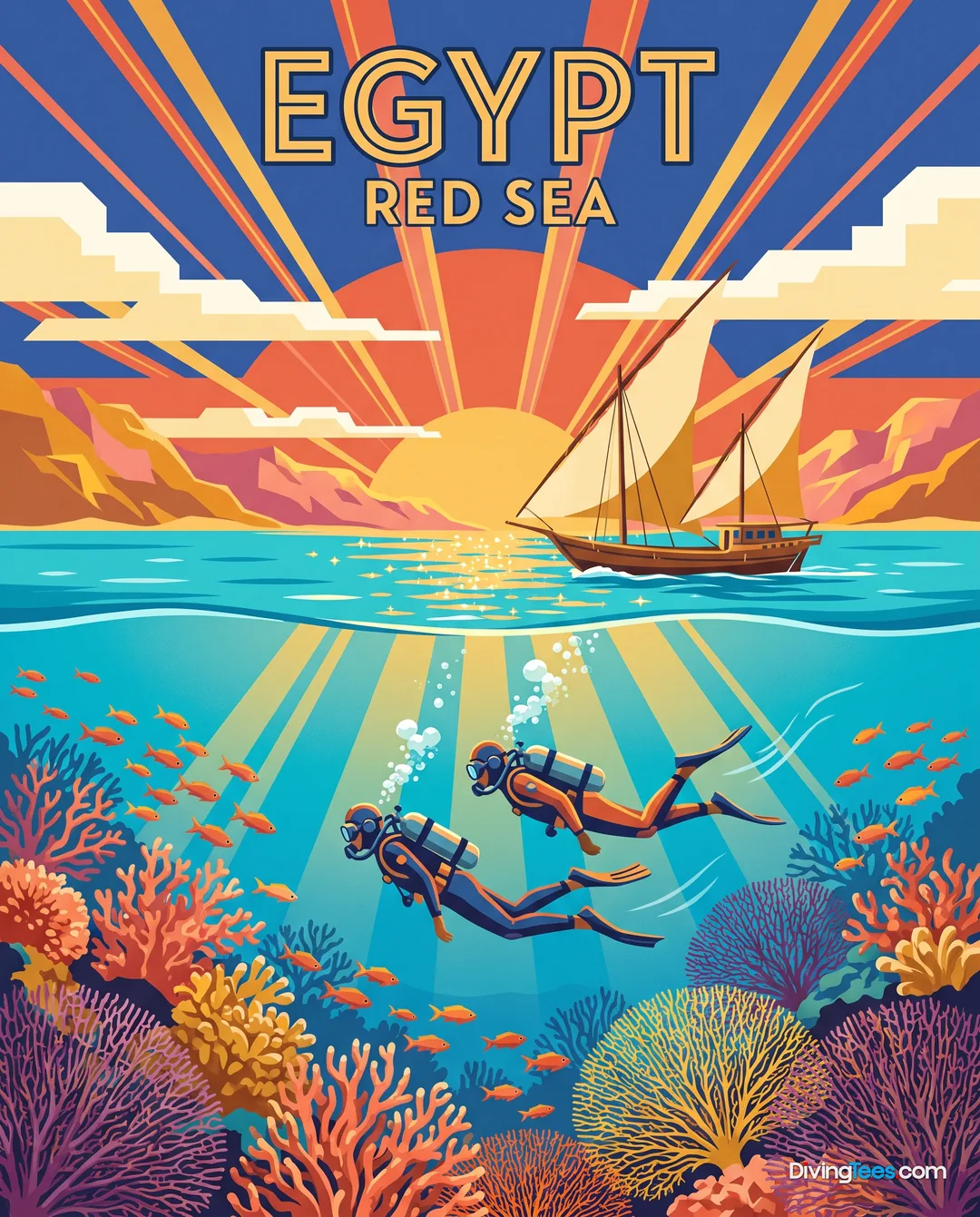
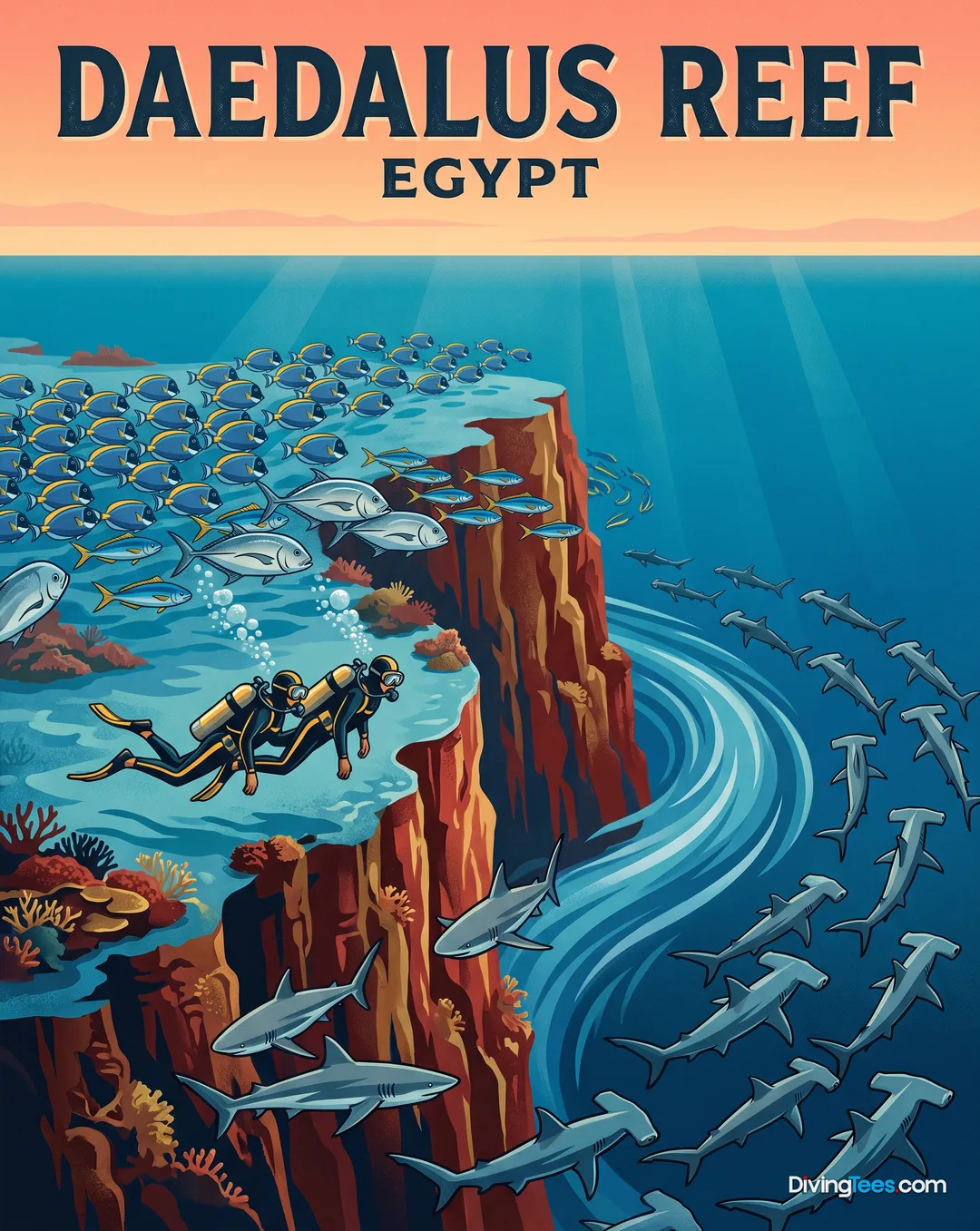
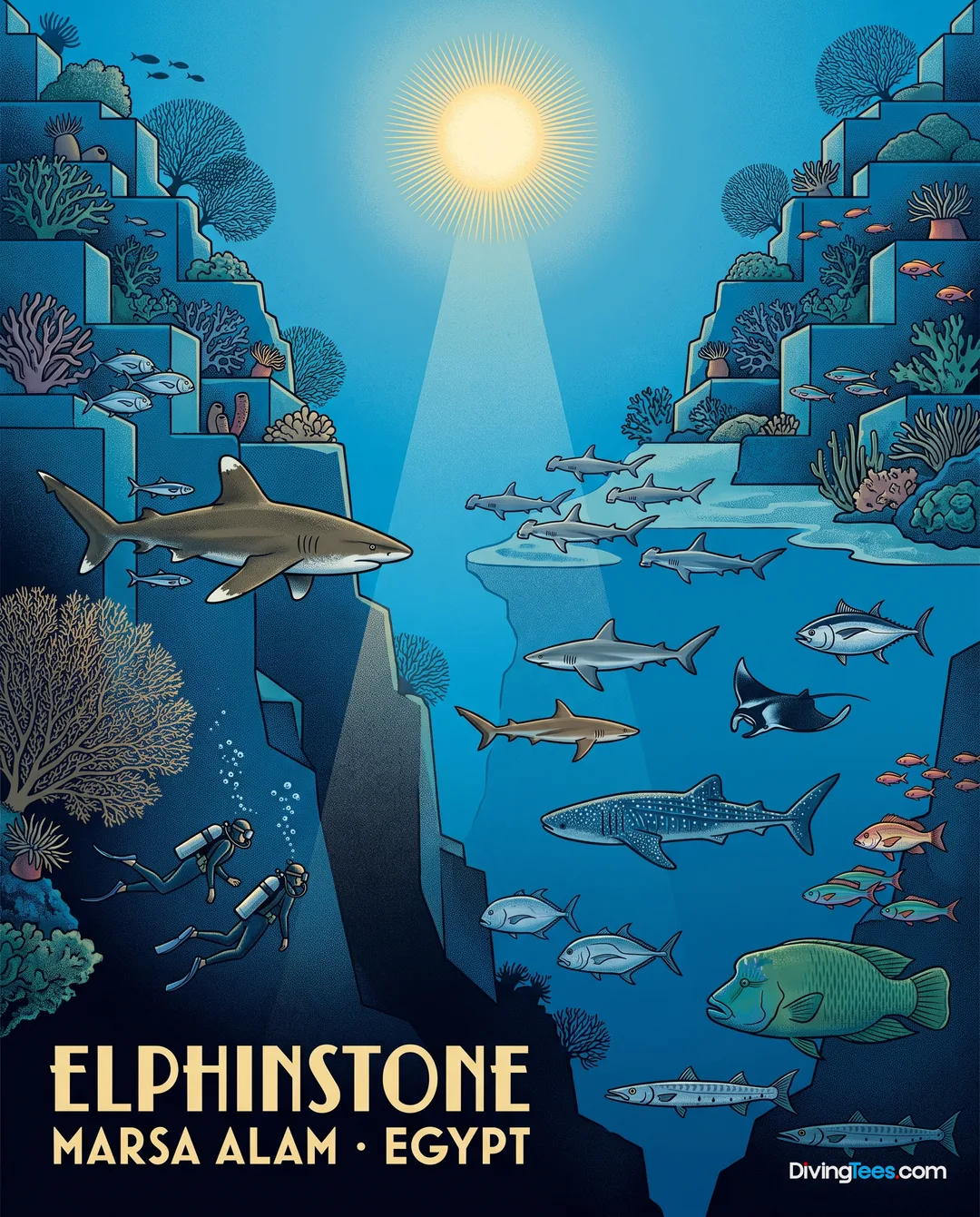
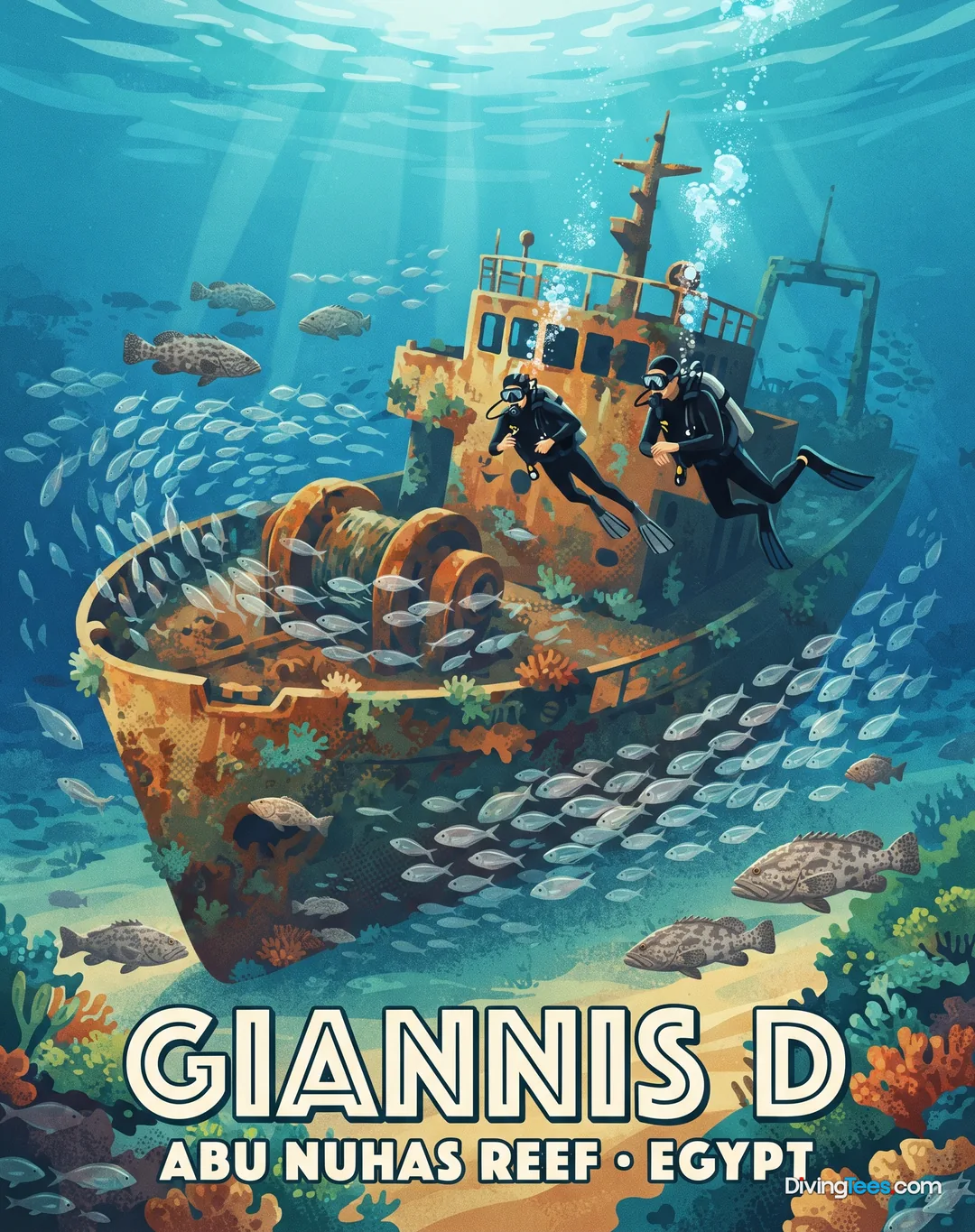
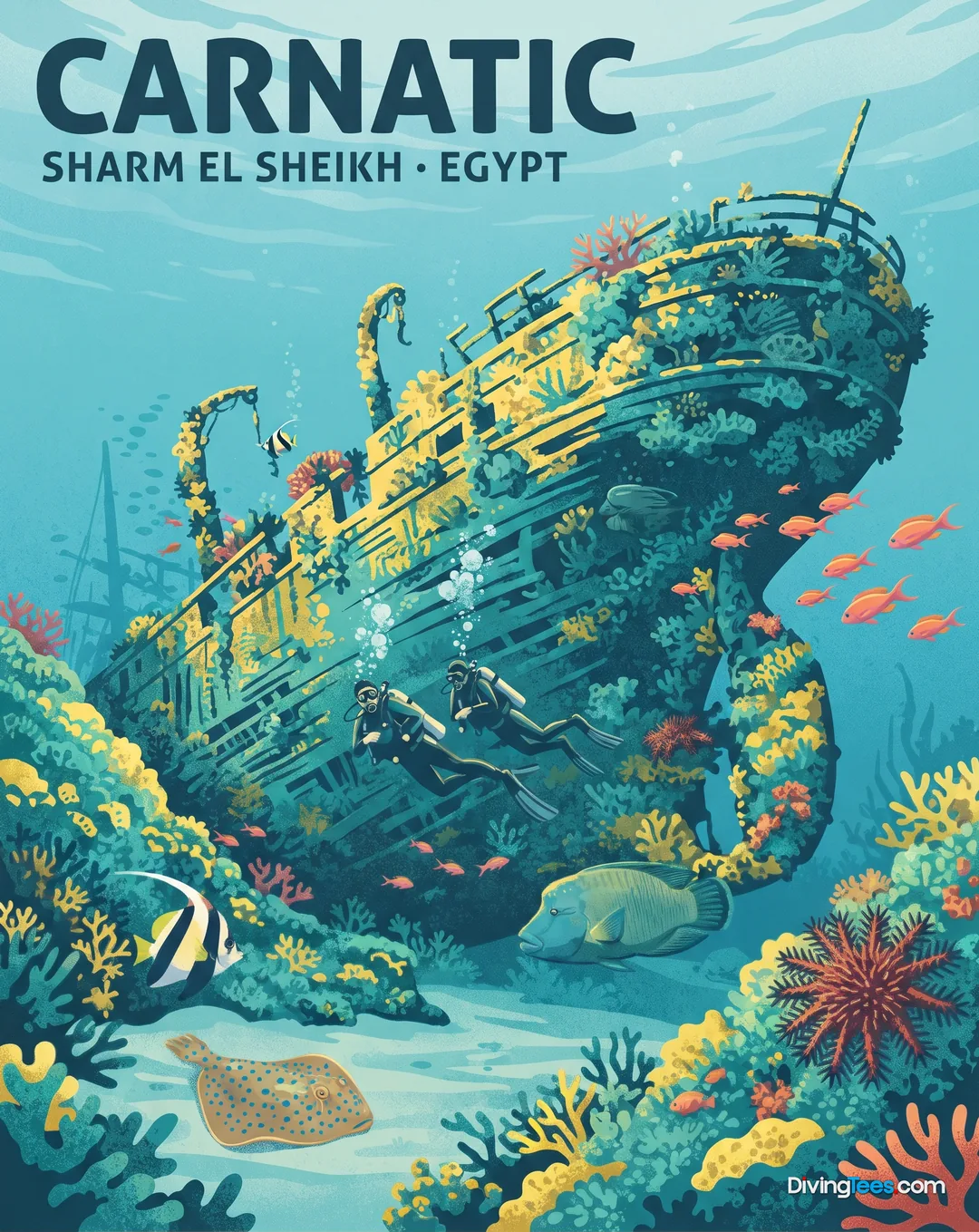
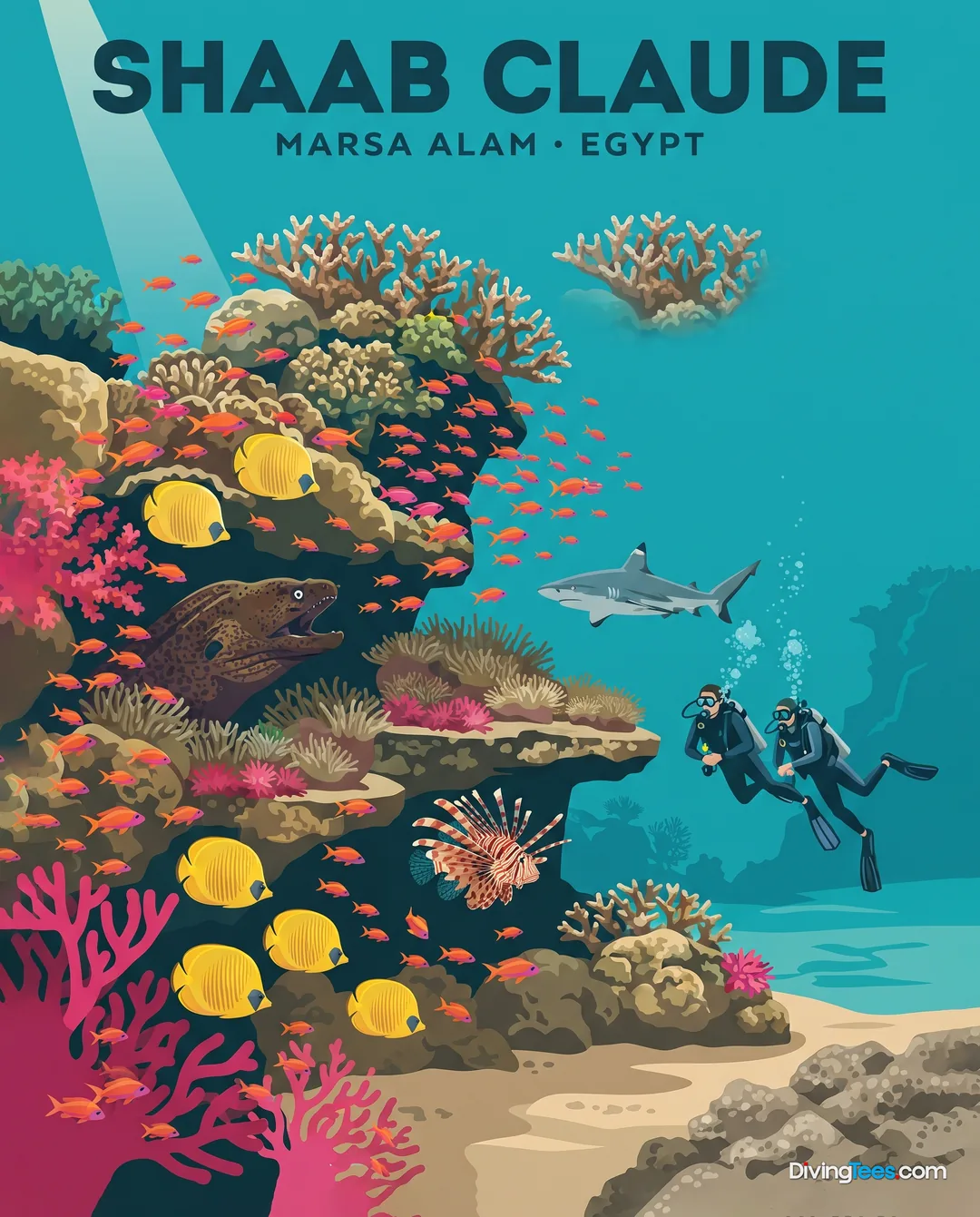
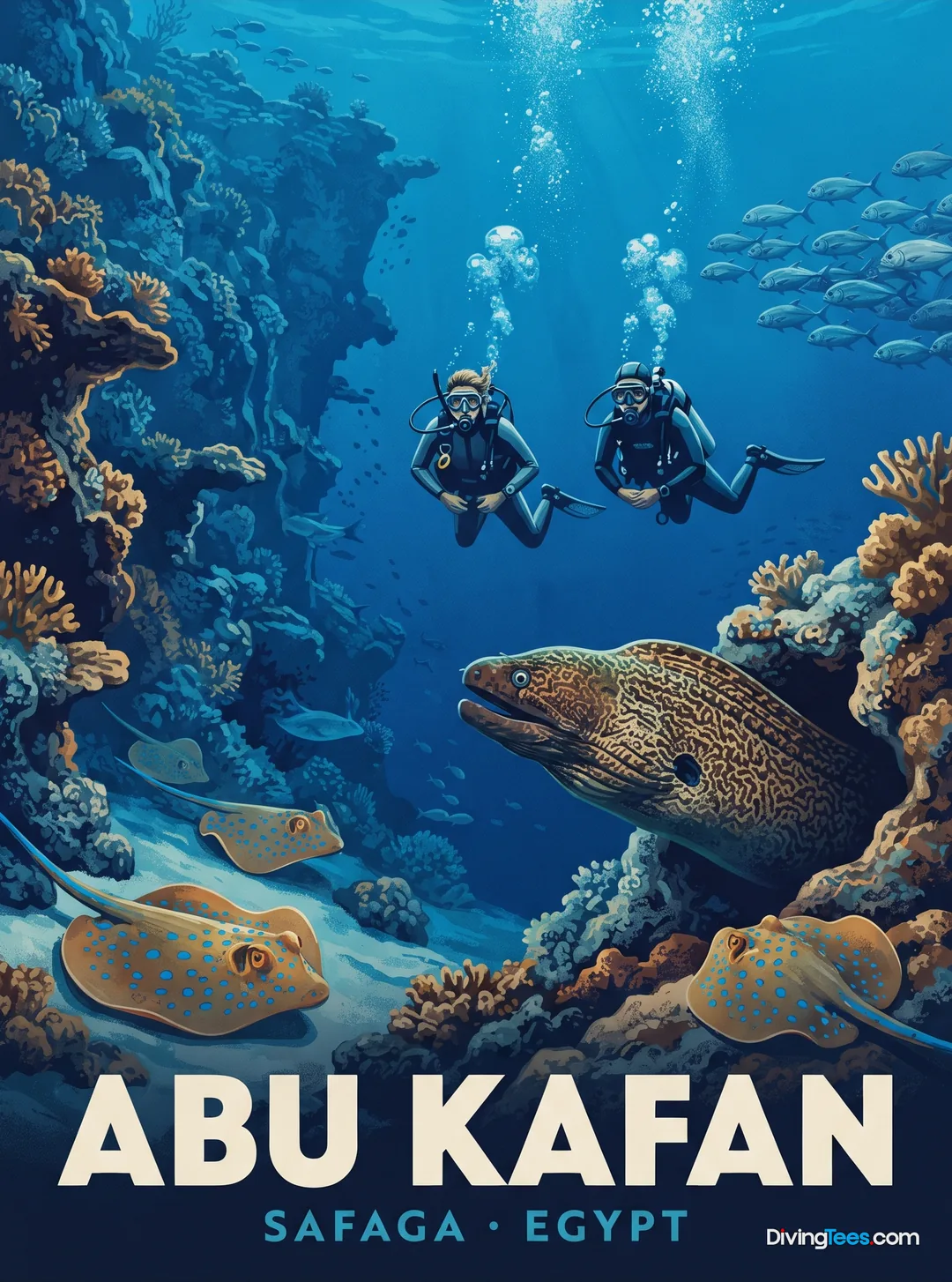
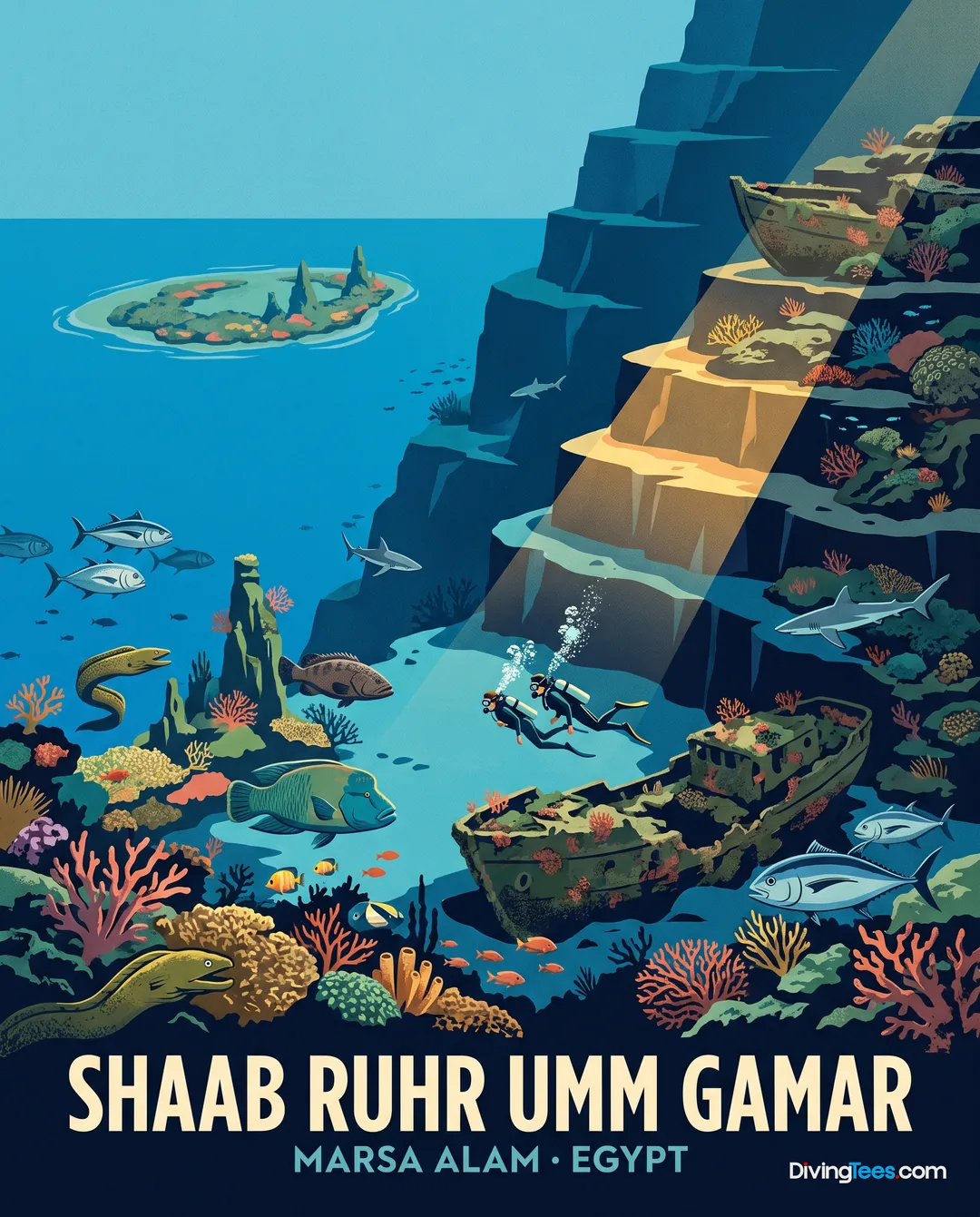
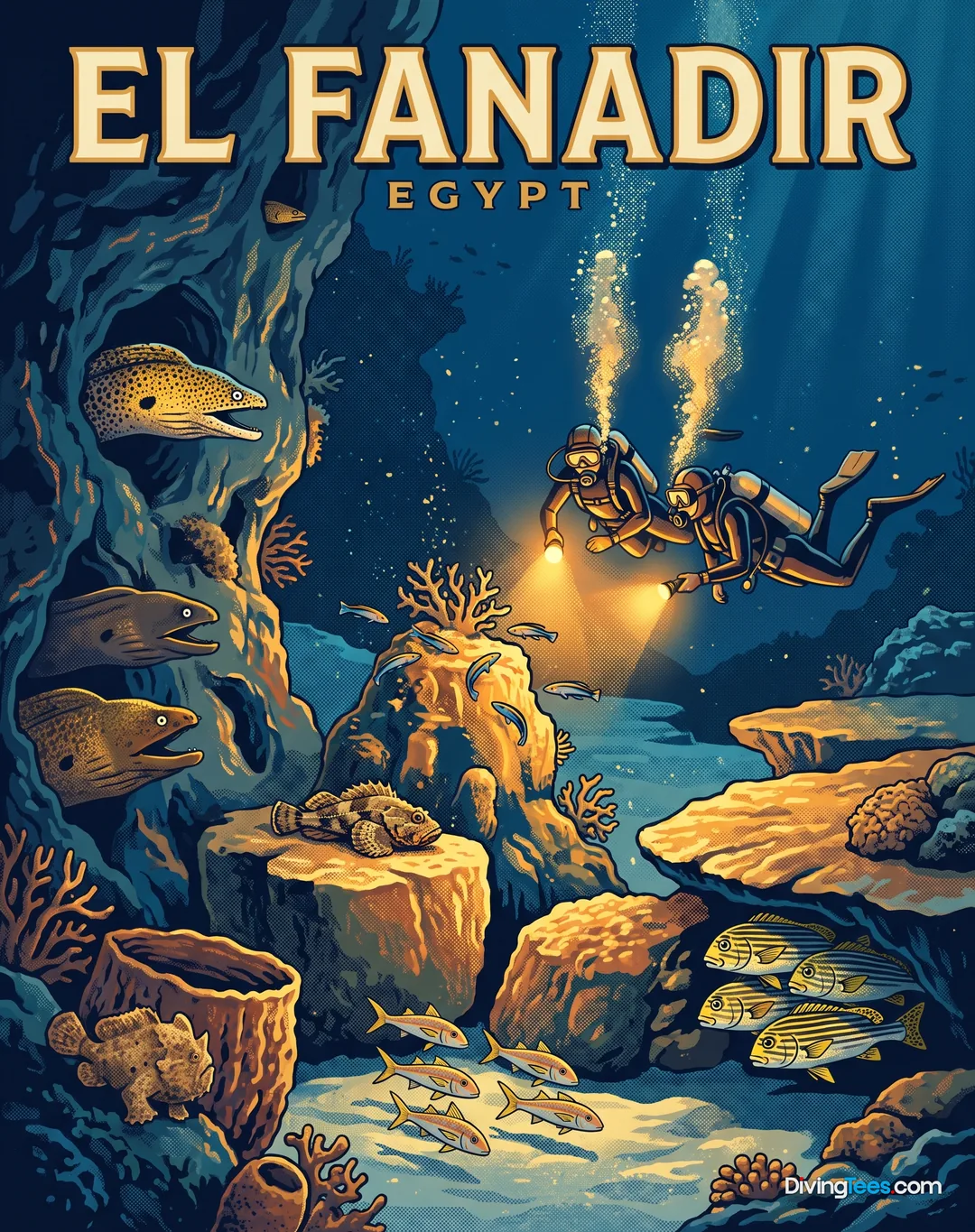
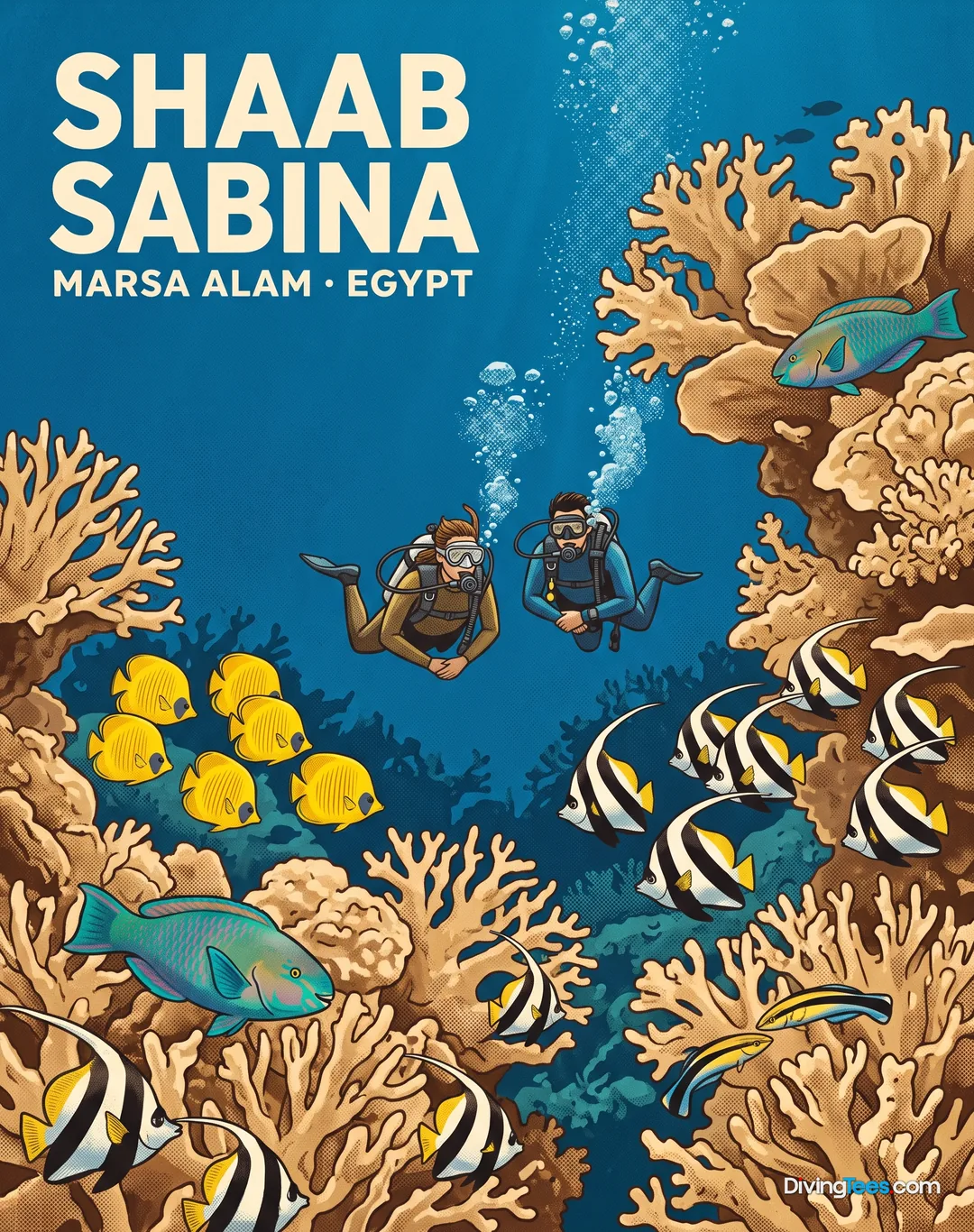
The route’s strongest argument is its spread of offshore walls, current sites and wrecks. The 8-day, 7-night Brothers–Daedalus–Elphinstone itinerary reaches the Brothers, where isolated walls, soft corals and gorgonians draw tuna, barracuda, jacks, snappers and sharks; the site reaches -85m. Daedalus is another remote pinnacle, known for deep walls and pelagic encounters, while Elphinstone drops along steep coral walls to -60m and is a recognised place to look for oceanic whitetips and grey reef sharks. Other departures run the Northern Wrecks, Ras Mohamed, Tiran, Brothers and Safaga circuit from Hurghada to Hurghada. That adds the Thistlegorm, Giannis D and Carnatic, Tiran’s current-swept reef walls, and Safaga sites such as Shaab Claude, with its passages and reef sharks, to -22m. The itinerary also reaches Abu Kafan’s walls and currents, Shaab Ruhr Umm Gamar’s pinnacles and wreck remains to -40m, El Fanadir’s wall and cleaning station to -40m, and shallower coral gardens such as Shaab Sabina to -14m. The range is the point: wrecks, walls, swim-throughs and pelagic water in one week.
Itineraries, dates and prices
Prices per person. Each month shows its lowest price: click a month, or pick an itinerary.
Next departures · 52 departuresfrom £677$904€808
November 2026
February 2027
See dates and prices
If you click these links and make a purchase on the partner site, DivingDeal may earn a commission, at no extra cost to you.
Dates and prices taken from Divebooker and liveaboard.com, updated 25 October 2026
What you’ll meet underwater
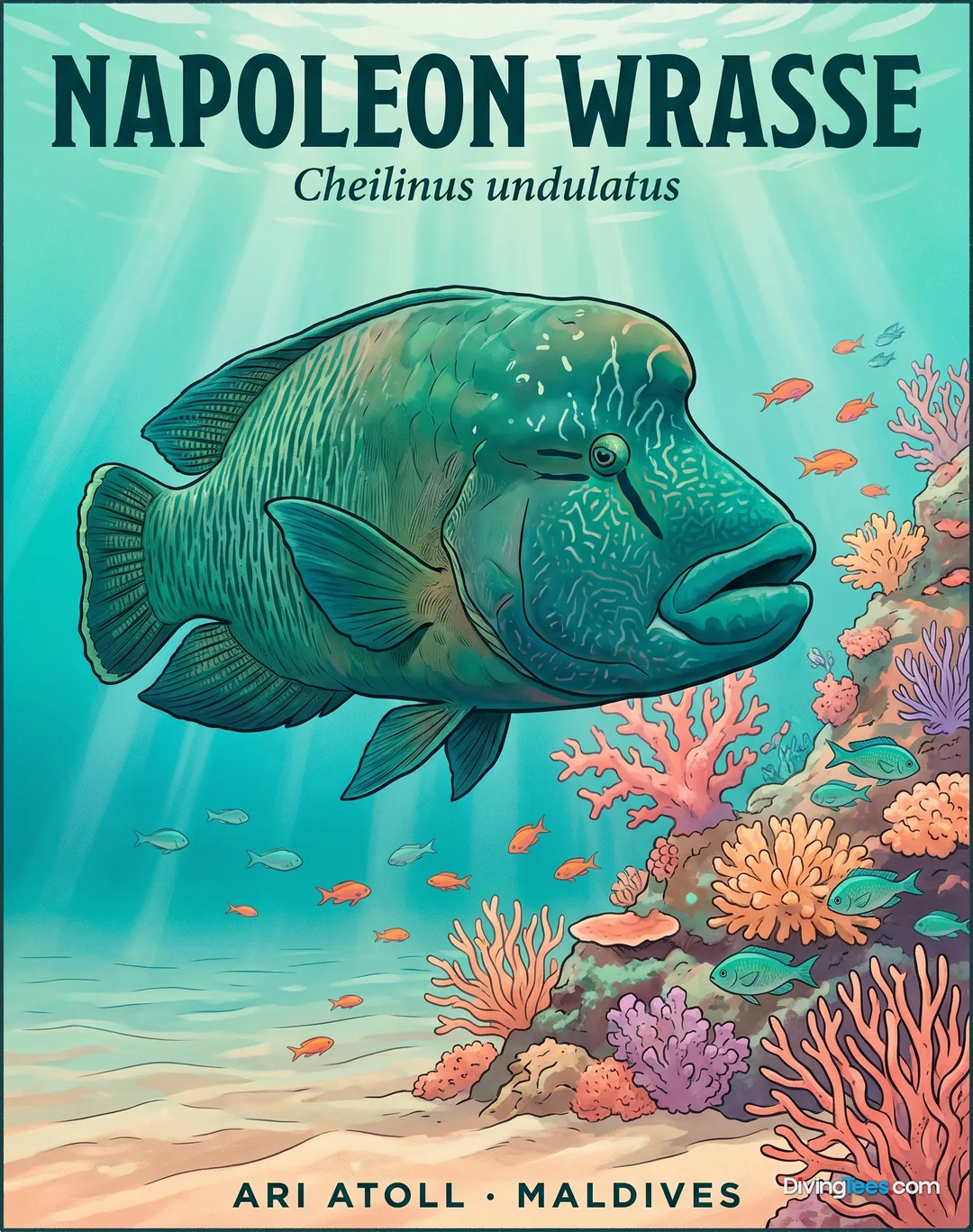
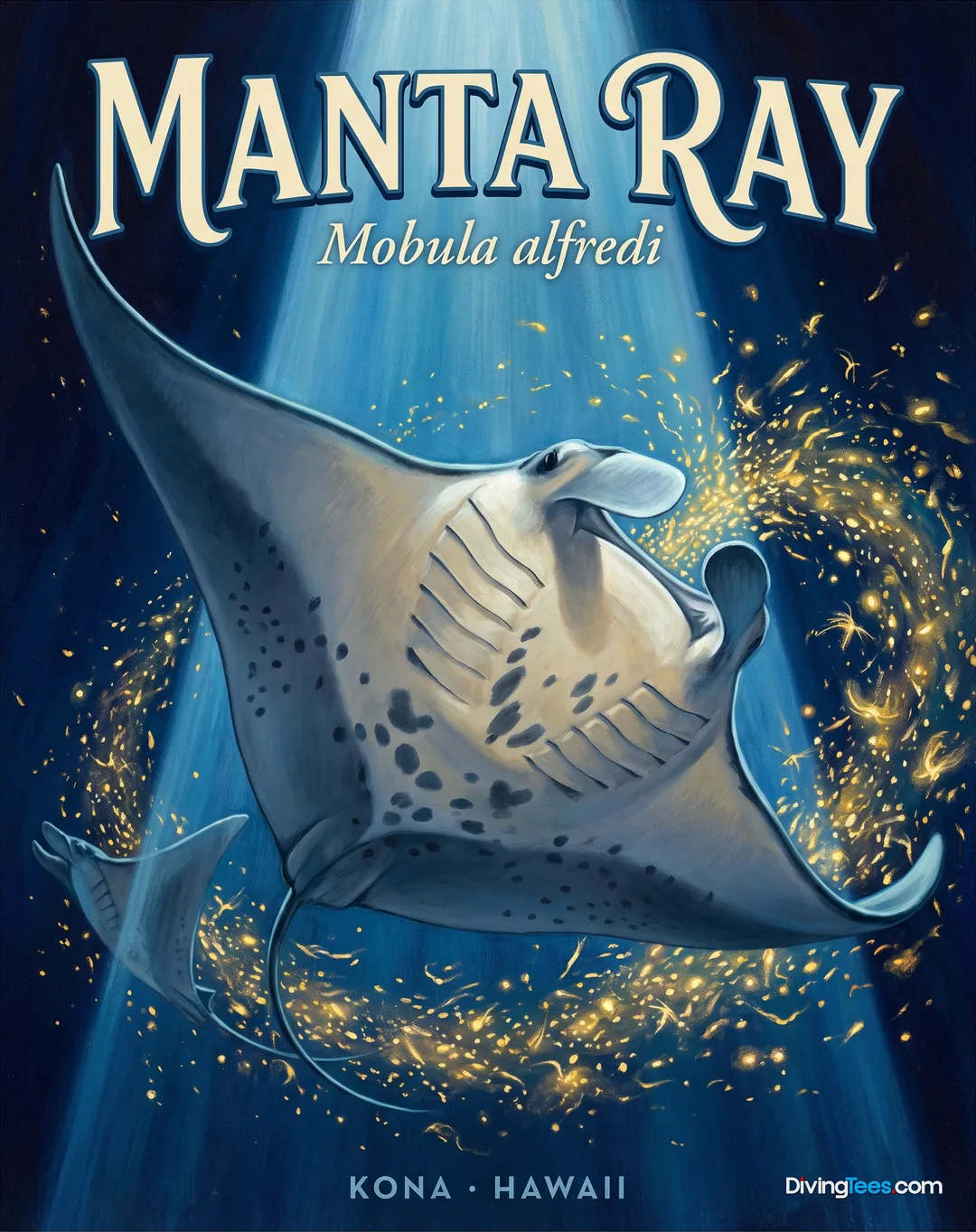
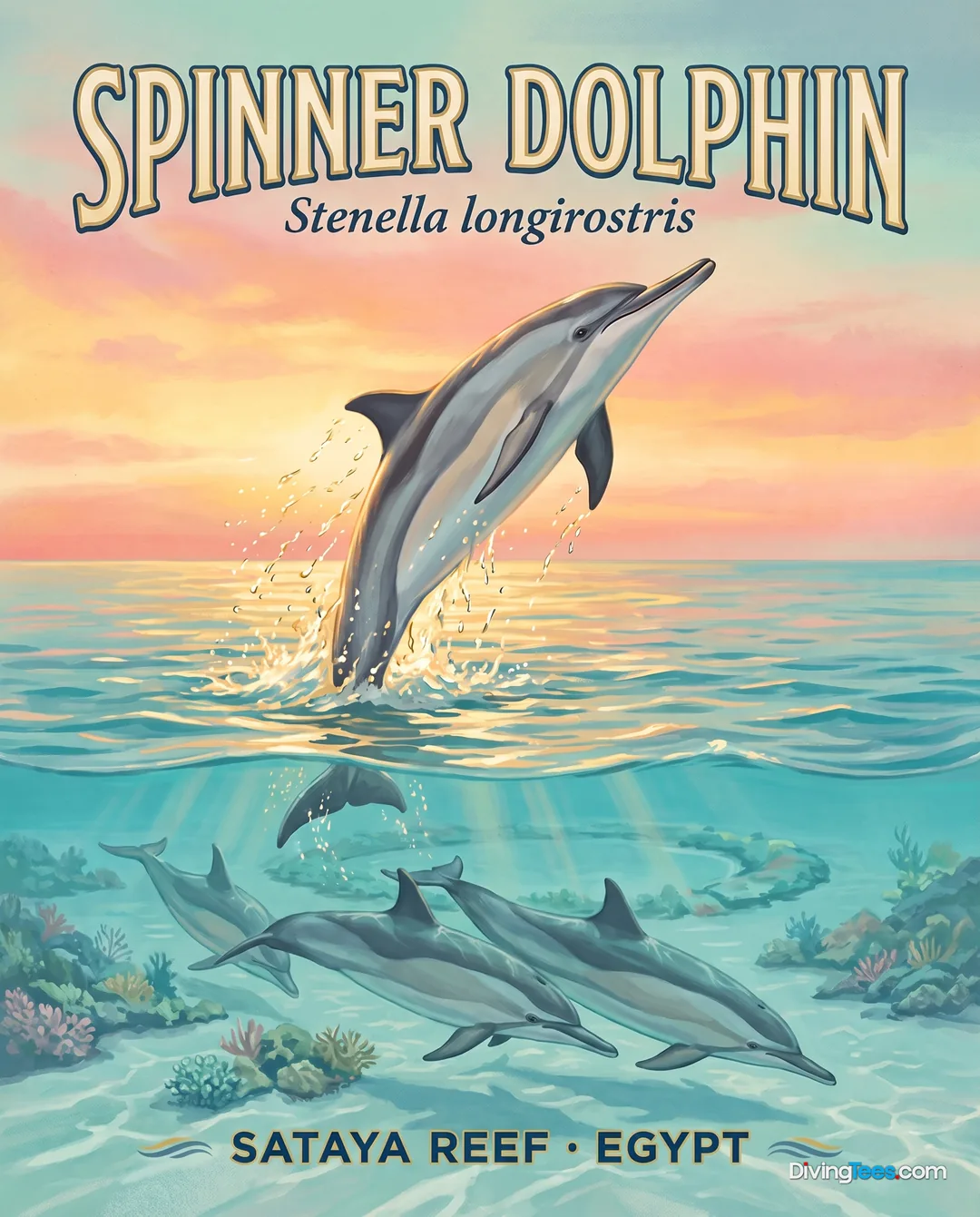
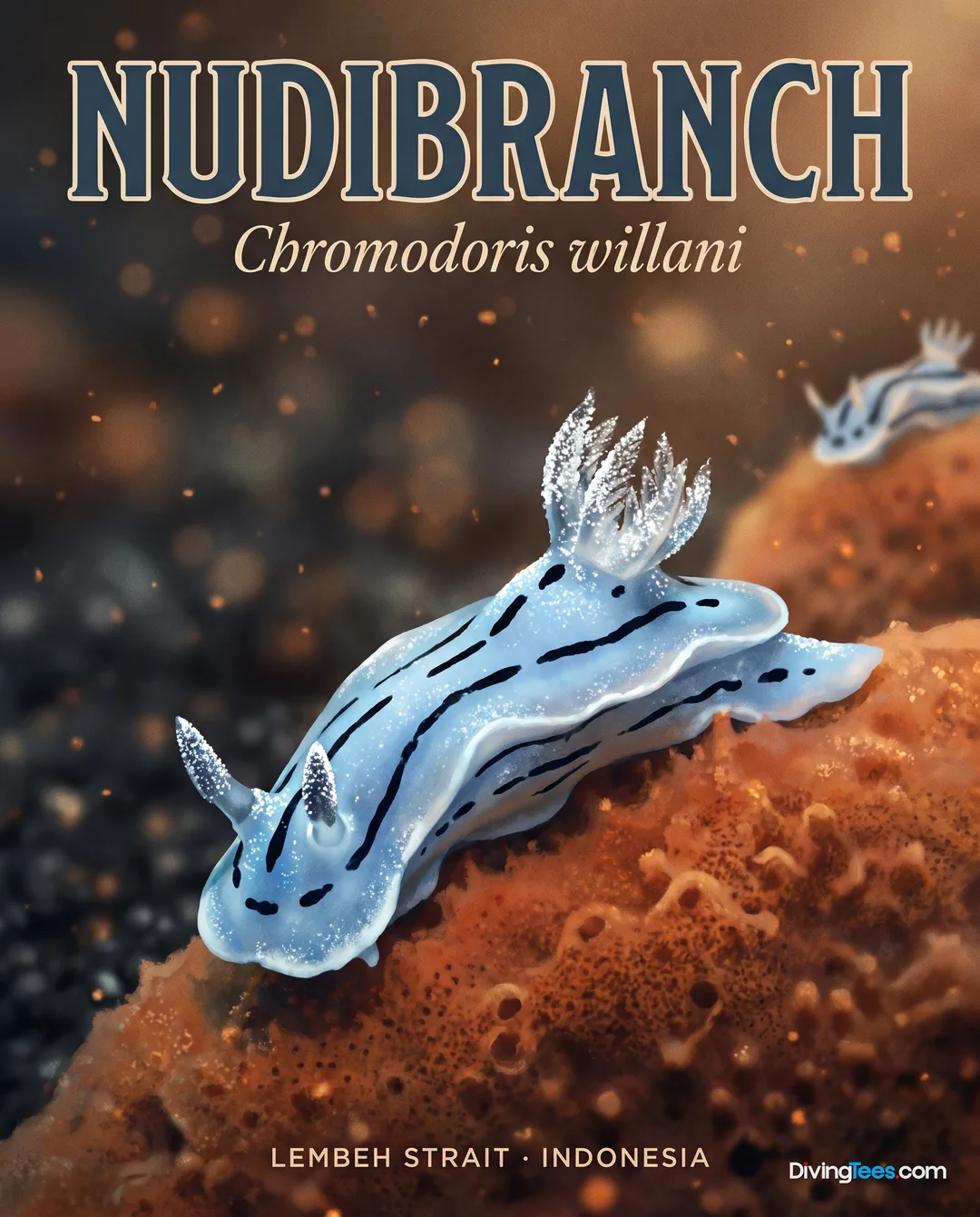
Across this route, the recurring cast is made up of reef sharks, grey reef sharks, barracuda, tuna, turtles, morays, anthias, jacks, snappers, Napoleon wrasse and soft and hard corals. The offshore sites are where the scale changes: currents and isolated walls can bring hammerheads, manta rays and oceanic whitetips into the blue, particularly around the Brothers, Daedalus and Elphinstone. The reason to slow down at specific sites is often smaller and more precise. El Fanadir has a cleaning station on a shallow coral pinnacle, while Shaab El Erg may produce spinner dolphins, a nudibranch or an octopus. Shaab Sabina is the place to look for damselfish; Gamul Soraya for batfish; Strait of Tiran for surgeonfish and the green turtle recorded there; Elphinstone for the blacktip reef shark and labrid recorded only at that site; and Shaab Ruhr Umm Gamar for the giant grouper. None of these encounters is guaranteed, which is exactly why the site, current and timing still matter.
Who puts you in the water
An English-speaking crew and dive guide are part of the operation, and the boat is specifically recommended for dive instructors. The package covers the guided dive programme, weights and 12-litre tanks, with three to four dives a day on the main diving days and two on the last day. The setup also accommodates tech divers, rebreather divers and sidemount divers. Safety equipment includes oxygen, first-aid kits, life jackets, life rafts, fire alarms and extinguishers, with radar, GPS, sonar and radio systems supporting the vessel. Briefings and group organisation remain in the hands of the onboard dive team.
The dive deck and the gear
The dive operation is built around 12-litre aluminium tanks, with 15-litre tanks available as a paid extra. Nitrox is free up to 32% in 12-litre tanks and is produced through a membrane filling system; nitrox in a 15-litre tank is also an extra. DIN adaptors are available, and the boat supports technical diving, rebreathers and sidemount. Two Bauer compressors handle filling. The dive deck has shade, a platform, rinse tanks, a separate camera rinse and space for photography, while hot showers and outdoor showers are available after the dive. Two 6-metre zodiacs with 40 HP outboards take divers to and from the sites, so the boat can work wall drops, drifts and remote reefs without putting every diver into the water from the main platform. Rental equipment and snorkelling equipment are extra.
Between dives
Between dives, the shaded sun decks are the main refuge, with a bar on one of them and open space for drying equipment, reading or watching the coastline slide away. The air-conditioned salon gives a cooler alternative, with a separate lounge, dining area, audio-visual system and small library. Photographers have dedicated camera space and a separate camera rinse. An observation deck, outdoor showers and a barbecue area keep the outside of the boat useful rather than decorative. Wi-Fi is available, though the better use of the quiet hours may be reviewing images, talking through the last dive or simply staying horizontal until the next call.
A day on board
A day begins before dawn, with the compressor already part of the boat’s working life and the first briefing following soon after. The first dive gets the day moving; later dives divide the hours into a pattern of water, food, shade and sleep. On the main diving days, the programme allows three to four dives, with night dives included where the itinerary calls for them, and two dives on the last day. Buffet meals and all-day snacks sit between those entries and exits rather than interrupting them. The boat sails early on Sunday, spends the week moving between reefs and returns to port at about 15:30 on Friday. The best hours are often the gaps: a camera review after the second dive, a quiet deck before the afternoon entry, then the brief walk to the dive deck when the next group is called.
What you eat aboard
Meals are served buffet-style, with both local and Western dishes, vegan and vegetarian options, free non-alcoholic drinks and snacks available throughout the day. That format suits a four-dive routine better than a formal meal: divers can eat properly after a dive, return for a snack later and avoid making the whole boat wait for one sitting. The food is one of Discovery II’s strongest points, with a 9.4 score, ahead of the boat itself. That is useful information for anyone choosing between similar Red Sea itineraries. The table is not just an evening stop; it is where the group refuels between descents.
Nights at sea
The cabin choice ranges from Twin Bed Upper and Twin Bed Lower cabins to Lower Deck Suites and Master Suites. Cabins have air conditioning, private bathrooms and portholes, so the night is enclosed and functional rather than open to the sea. The suites add a separate shower; the honeymoon suites also have a minibar and entertainment system. The lower-deck position matters more to a light sleeper than a brochure adjective: the porthole gives a small, direct connection with the water, while the boat’s working systems remain part of life at sea. After a night dive, the air-conditioned cabin is a place to dry out and disappear for a few hours before the next briefing. The salon and bar are close when sleep can wait.
Twin Bed Upper
Master Suite
Twin Bed Lower
Lower Deck Suite
What to know before boarding
These departures leave from and return to Hurghada. Transfers from Hurghada or Marsa Alam airports to the boat are included on Saturdays only, and hotel transfers are included as part of the transfer service; other days or locations can require an extra charge. Check-in is on Saturday at 16:00, with the boat sailing early Sunday and returning to port on Friday. Arriving the night before is the sensible choice, especially when the trip requires reaching the boat before Sunday morning.
Deck plan
- Length
- 35 m
- Beam
- 8 m
- Maximum number of passengers
- 22
- Number of cabins
- 11
- Number of bathrooms
- 11
- Engines
- 2 × 580 hp CAT
- Tenders
- 2 × 6 m zodiacs with 40 hp outboard engines
- Website
- discovery-divers.com ↗
Hello, I'm Marina, DivingDeal.com's AI assistant. I answer in detail about hotels, dive centres and liveaboards.
Thinking about the whole trip and the flights? Talk it over with Edith →
Marina is an AI. Some links are affiliate links: DivingDeal may earn a commission, at no extra cost to you. Bookings are made with the partner.