Liveaboards · Egypt
Red Sea Aggressor II — a dive-first wreck and reef liveaboard
Deal on this boat
Per person
£2,064$2,759€2,465 £747$998€892
Discount calculated by us, against the boat's usual price for a trip of the same length.
See all discounted dates ↓What makes this boat unique
- Seven-night cruises leave from and return to Hurghada, covering the Northern Red Sea, Ras Mohamed and the Straits of Tiran.
- The itinerary offers up to 21 dives, including several night dives, with access to Abu Nuhas, Rosalie Moller and the Thistlegorm area.
- Two skiffs carry up to 11 divers each, allowing quick access to sites away from the main yacht.
- All 11 cabins have a private bathroom and air conditioning; lower-deck cabins have picture windows.
- Nitrox is available at 32%, while larger 100 cu ft or 15-litre tanks can be requested as a paid extra.
For subtitles in English: start the video firstthen click the gearat the top right of the video, select “Subtitles/CC”, then “Auto-translate” and choose “English”.
The invitation
The Red Sea Aggressor II is for divers who want the classic Northern Red Sea in one concentrated week: historic wrecks, current-swept reefs, Ras Mohamed and Tiran, without giving up a proper liveaboard routine. Hurghada departures make the route straightforward, while the two skiffs keep the diving practical when a site is better reached away from the yacht. The boat is designed around diving rather than sightseeing, with shaded space on the dive deck, camera facilities and enough capacity for up to 21 dives over seven nights. It suits divers who want variety beneath the surface and a crew-led operation that keeps the days moving. Non-divers and snorkelers are welcome, but the reason to choose this boat is clear: a week built around wrecks, reefs and repeat dives in the northern Egyptian Red Sea.
Boarding
Boarding takes place at El Foly Marina in Hurghada, a working marina community with shops, restaurants, cafés and bars nearby. Once aboard, the Red Sea Aggressor II presents itself as a full-size dive yacht rather than a small charter boat: there is an interior salon, a shaded dive area, an outdoor terrace and a separate place for cameras. Movement between the living spaces and the dive operation is direct, which matters when divers are carrying a wet wetsuit, camera or stage gear. The boat is diesel-powered and built for stability, so the impression is one of a platform made to cover distance between sites while keeping the diving organised. The salon provides the indoor centre of the boat; the upper outdoor areas are where guests can sit between dives and watch the coast disappear.
The atmosphere on board
The atmosphere is shaped less by formal luxury than by a crew that stays close to the diving day. Every dive starts with a comprehensive briefing, and when diving is directly from the yacht a staff member may be in the water to offer support, help with photography or video and point out small life. On tender dives, a staff member can accompany the group. Guests are still responsible for their own dives, and the in-water staff member is not a compulsory guide. That balance suits divers who want help locating a wreck feature or a critter without being marched around the reef. The crew speaks English. Strong scores for crew, at 9.2, and food, at 9.6, suggest that the human side of the trip carries much of the boat's appeal, particularly when the week is spent in a confined space with repeated dives and meals together.
The sites you’ll dive
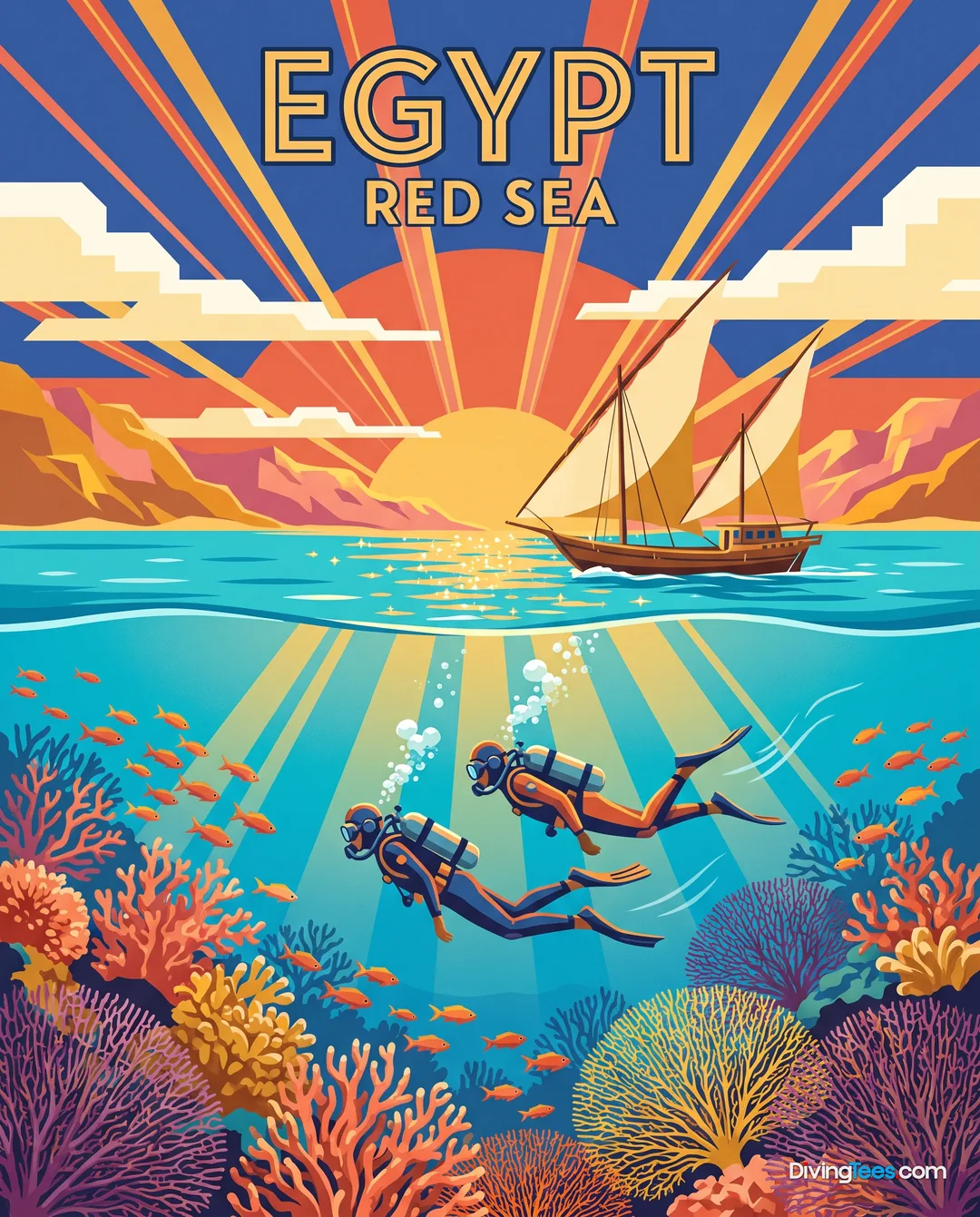
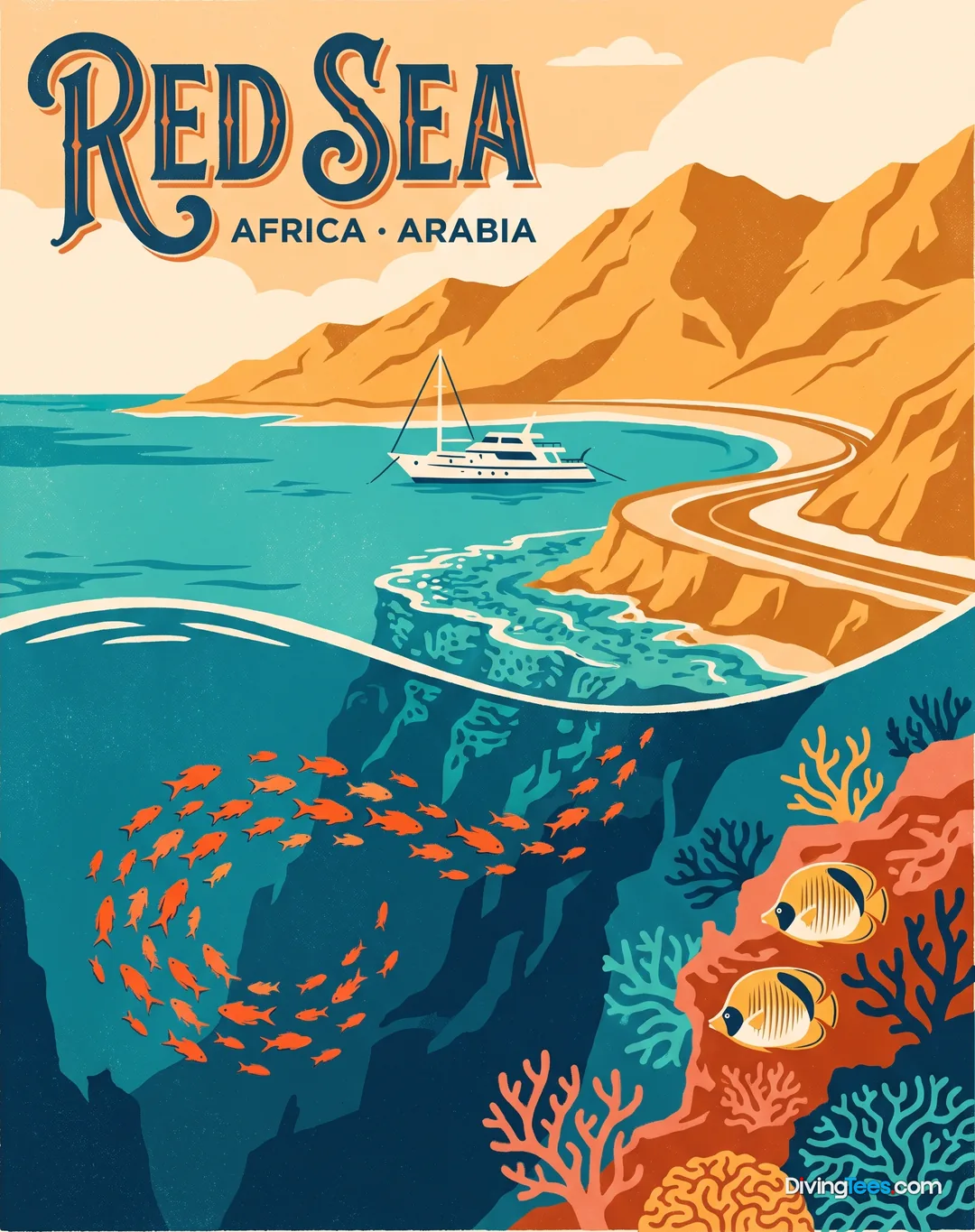
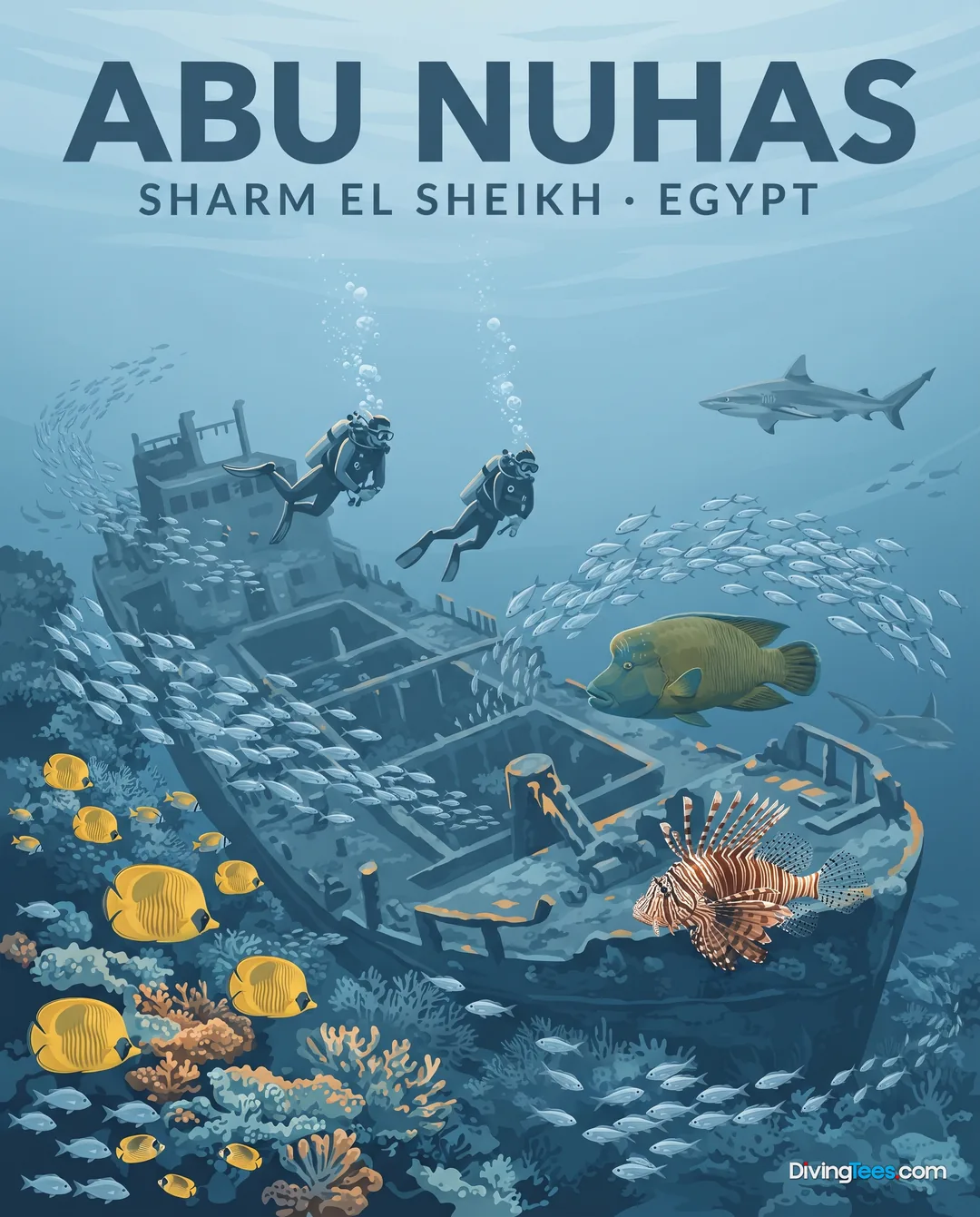
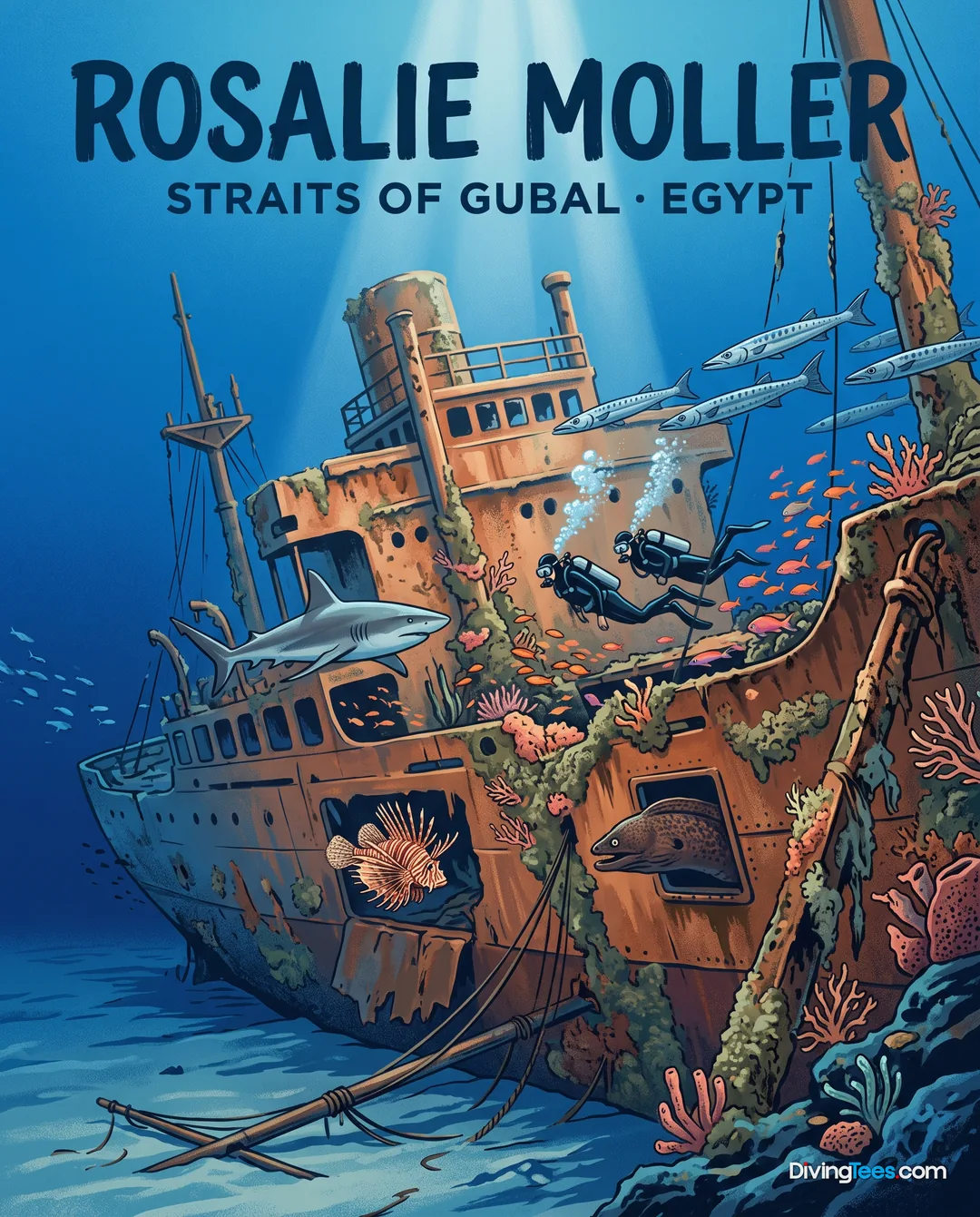
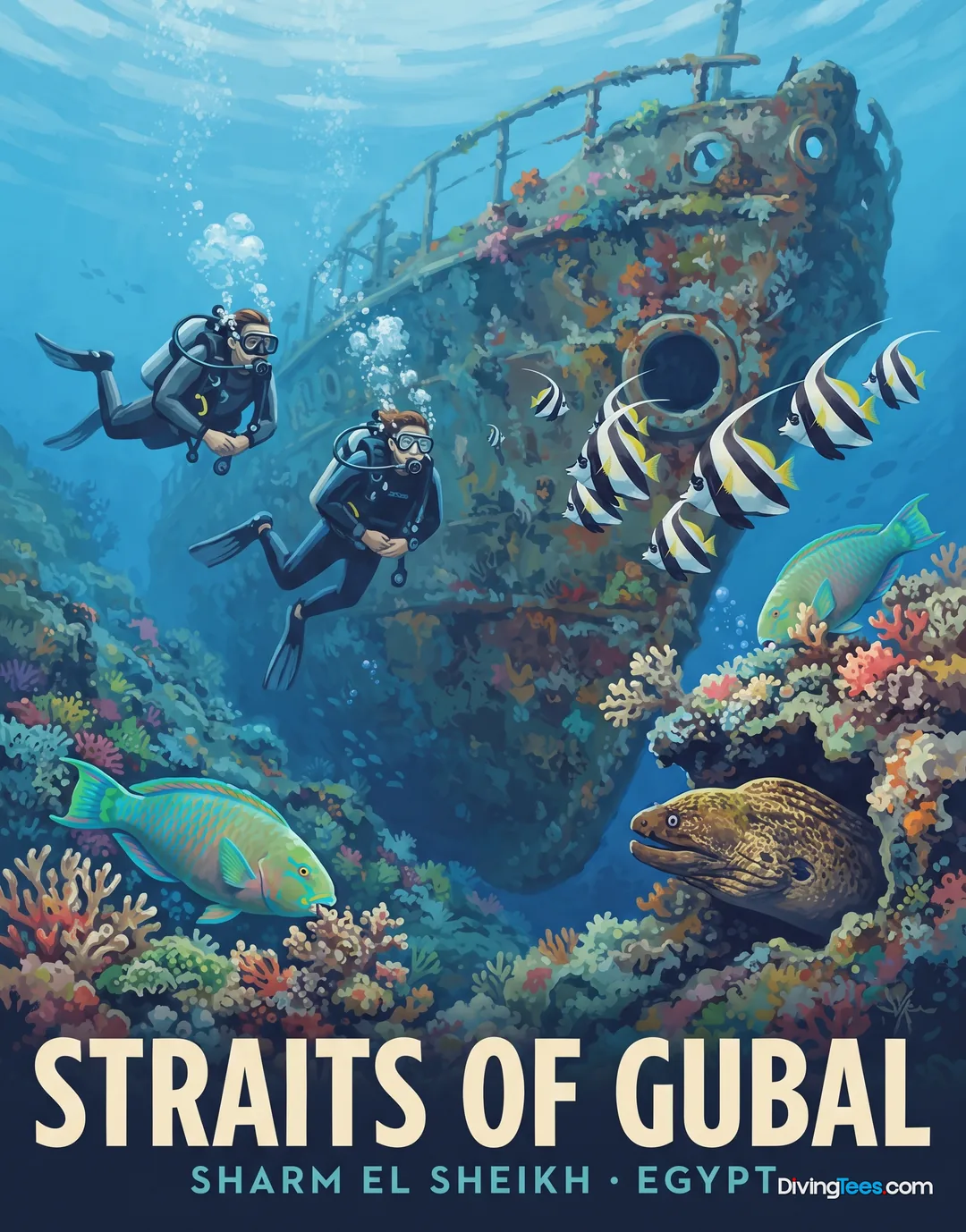
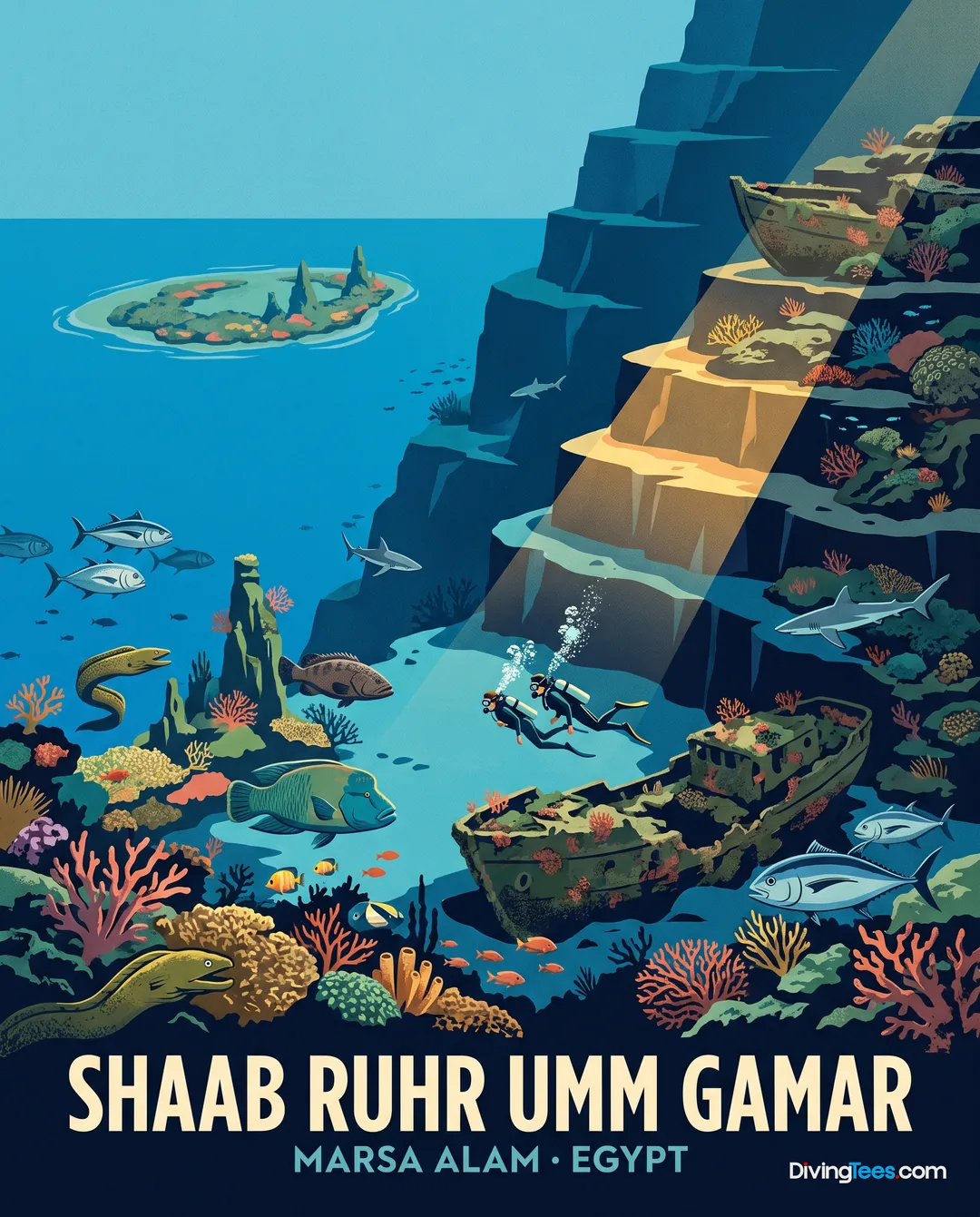
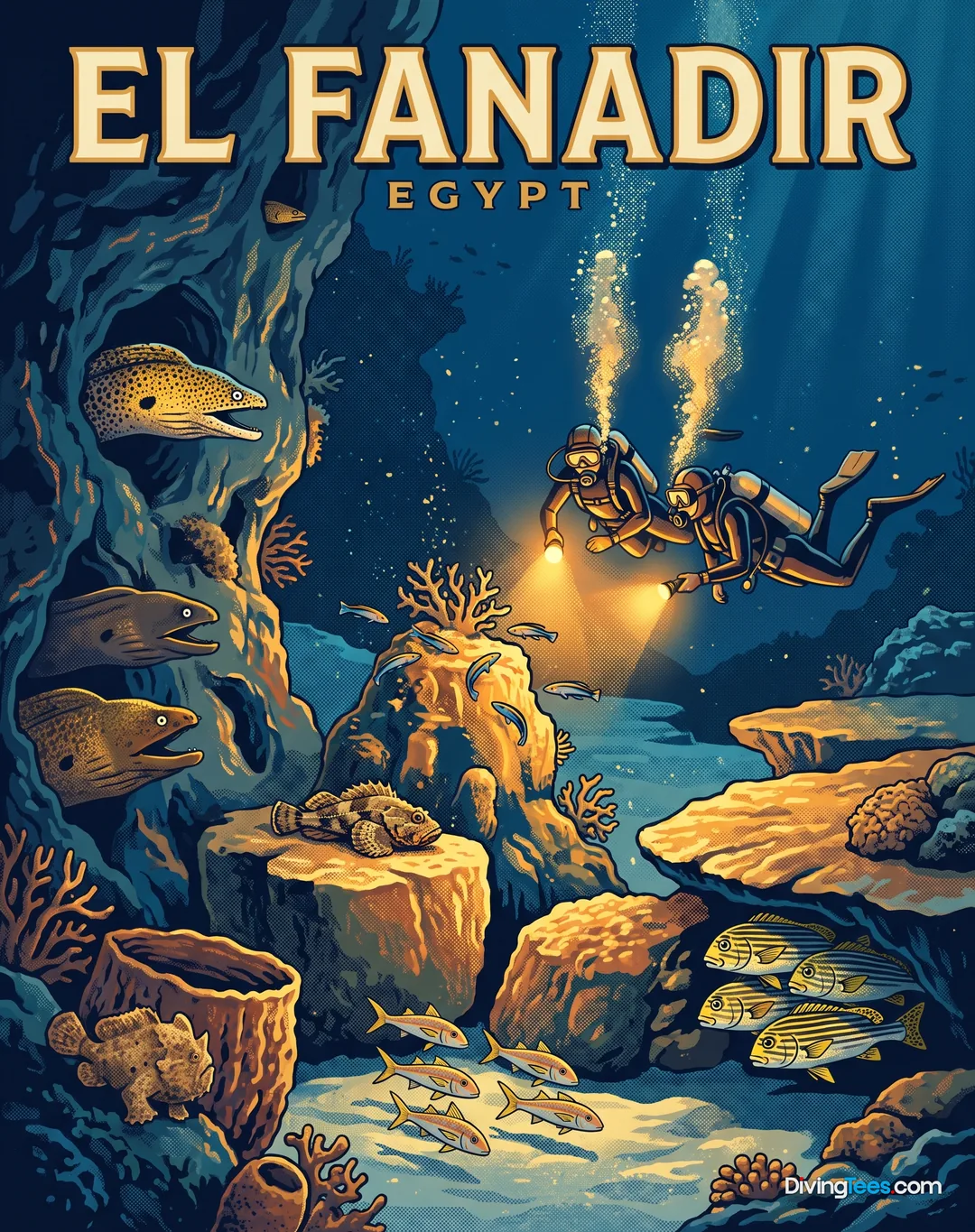
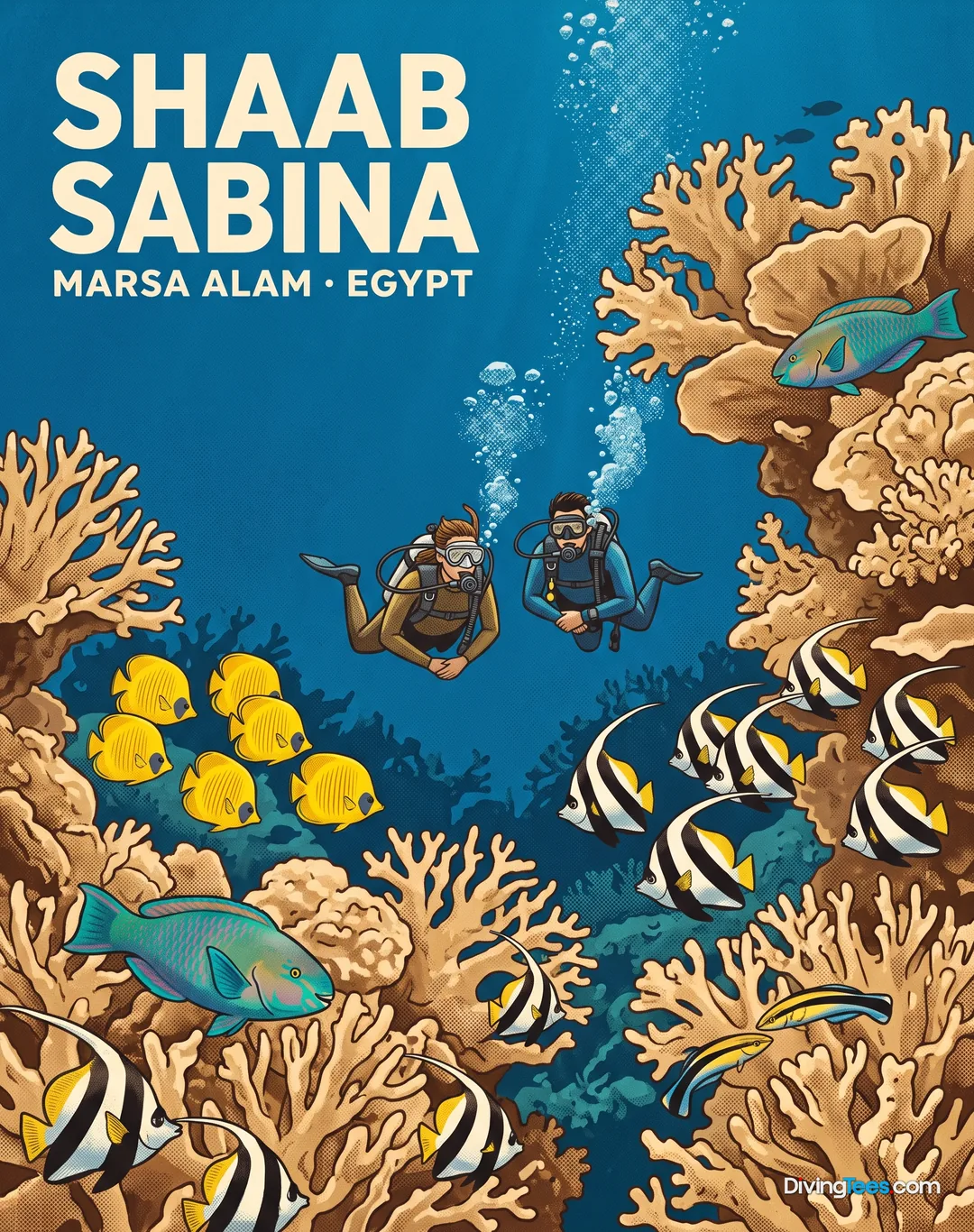
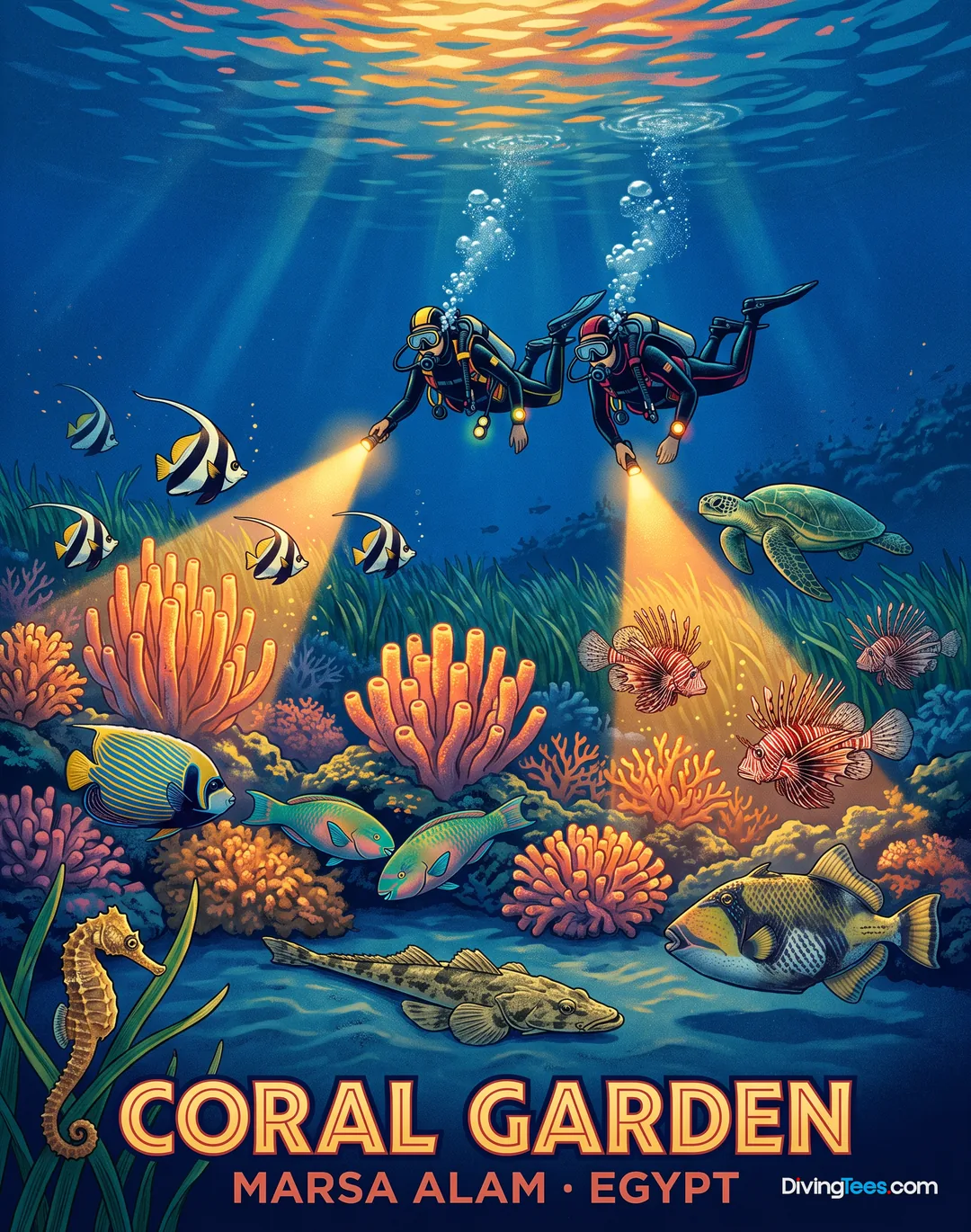
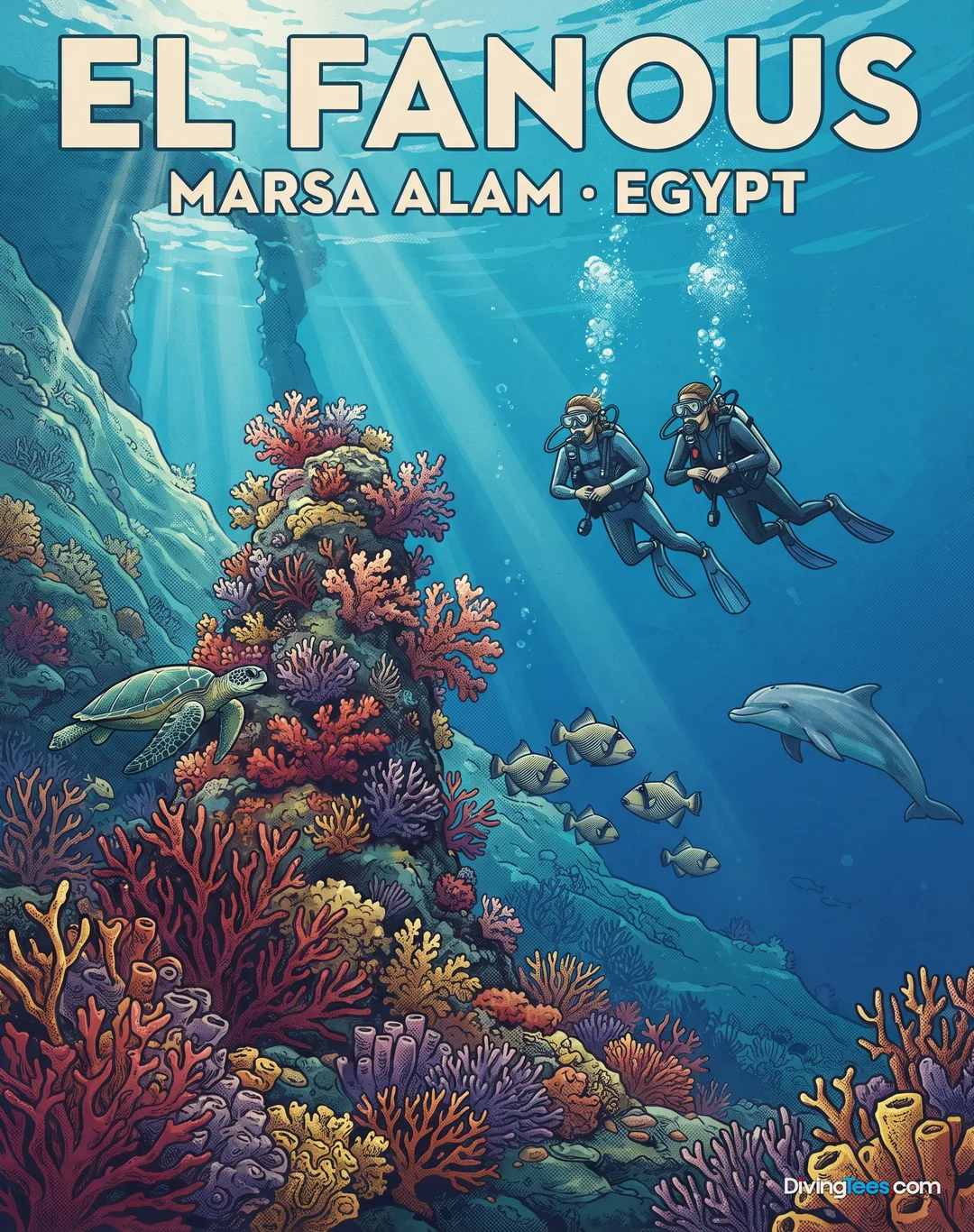
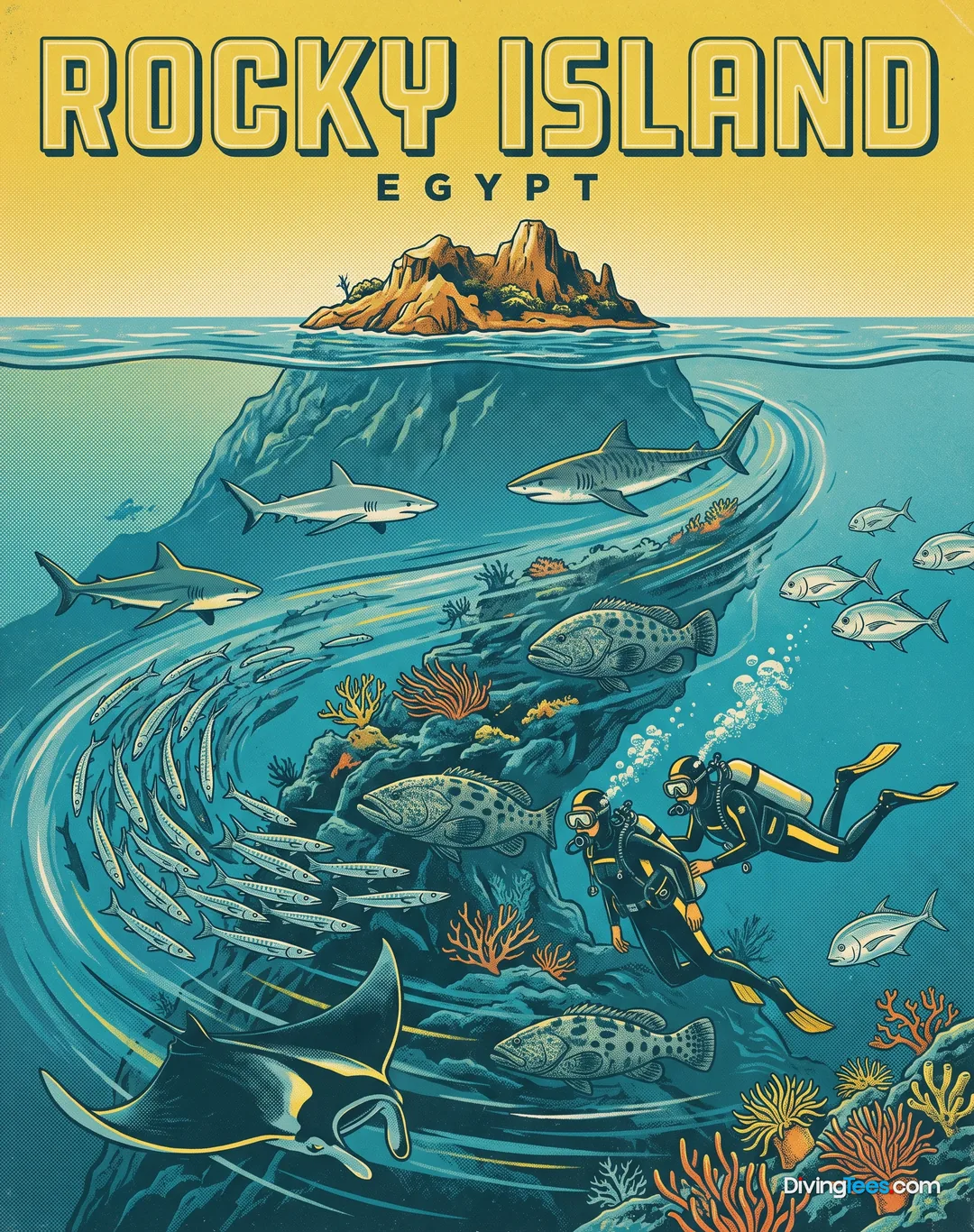
The seven-night Hurghada-to-Hurghada route reaches the Northern Red Sea, Ras Mohamed and the Straits of Tiran, with up to 21 dives and several night dives. Abu Nuhas concentrates four wrecks within a short distance of one another; Rosalie Moller rests between 30 and 50 metres in the Straits of Gubal, where barracuda, tuna, trevally, glassfish and lionfish move around a well-preserved wartime freighter. The wider Straits of Gubal reach -50m and turn shipwrecks into artificial reefs among reef fish, lionfish, groupers, barracuda and morays. Shaab Ruhr Umm Gamar drops to -40m from an oval fish-filled reef to a plateau of pinnacles and at least three wreck remains. El Fanadir also reaches -40m, combining a vibrant wall, cavities holding morays and a cleaning station on a shallow pinnacle. Shaab Sabina is a -14m labyrinth of coral garden, while El Fanous West and East keep the diving shallower at -15m and -18m. Tiran reaches -40m, with four offshore reefs shaped by current, hard and soft coral and pelagic life. Rocky Island adds strong current, sharks, barracuda and possible manta encounters.
Itineraries, dates and prices
Prices per person. Each month shows its lowest price: click a month, or pick an itinerary.
Next departures · 129 departuresfrom £747$998€892
November 2026
December 2026
Green dot: a discounted departure that month. Discount calculated by us, against the boat's usual price for a trip of the same length.
See dates and prices
If you click these links and make a purchase on the partner site, DivingDeal may earn a commission, at no extra cost to you.
Dates and prices taken from Divebooker and liveaboard.com, updated 25 October 2026
What you’ll meet underwater
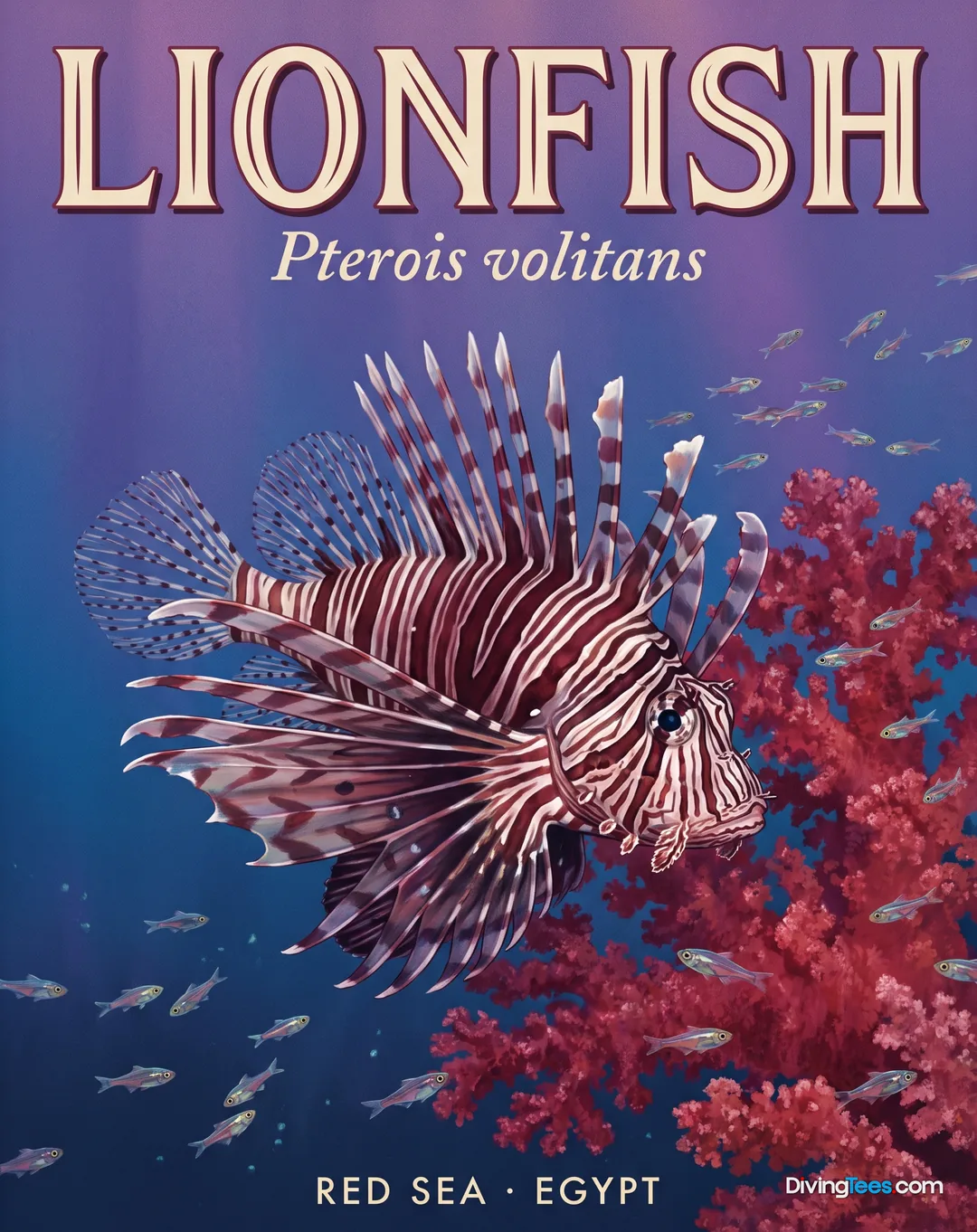
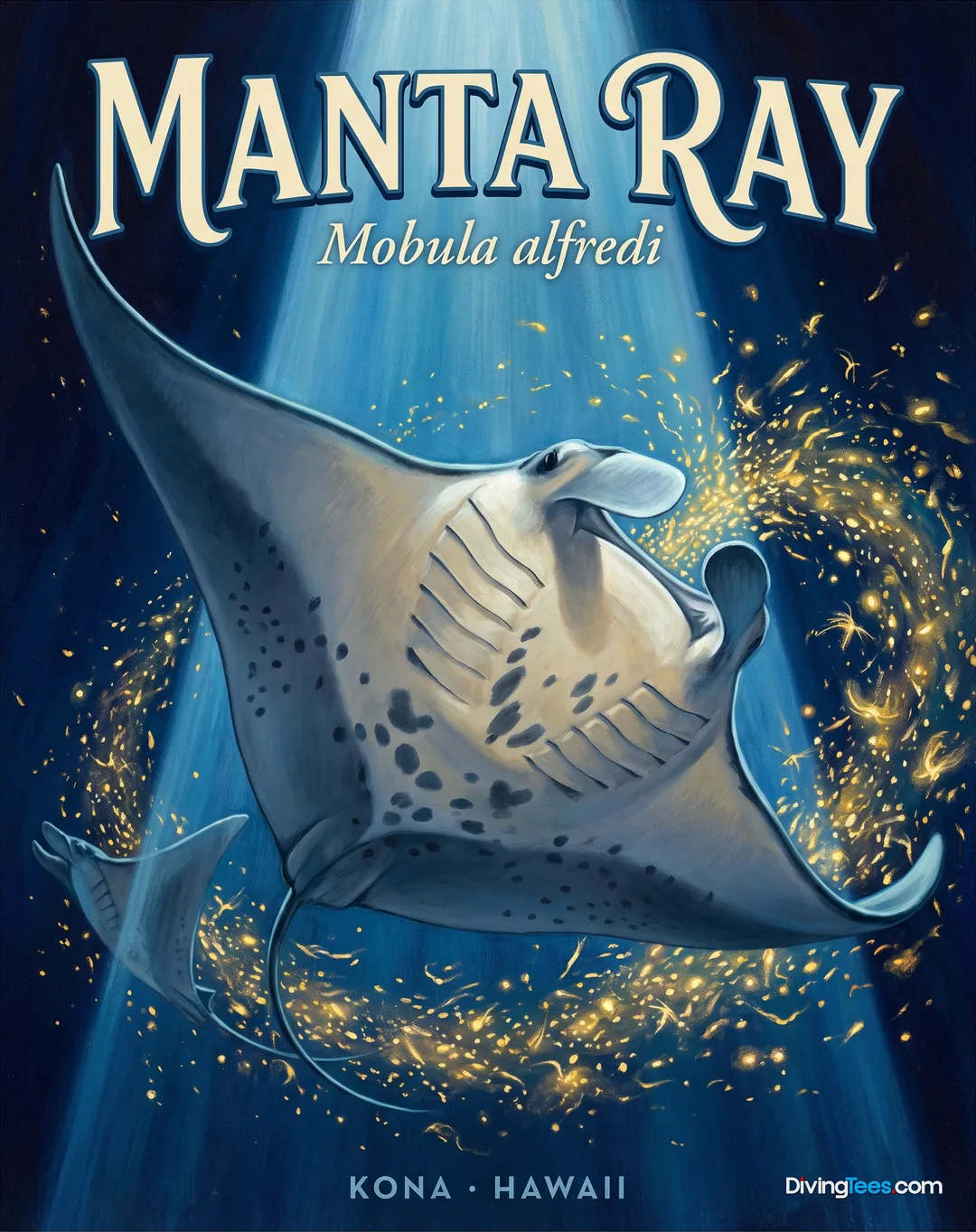
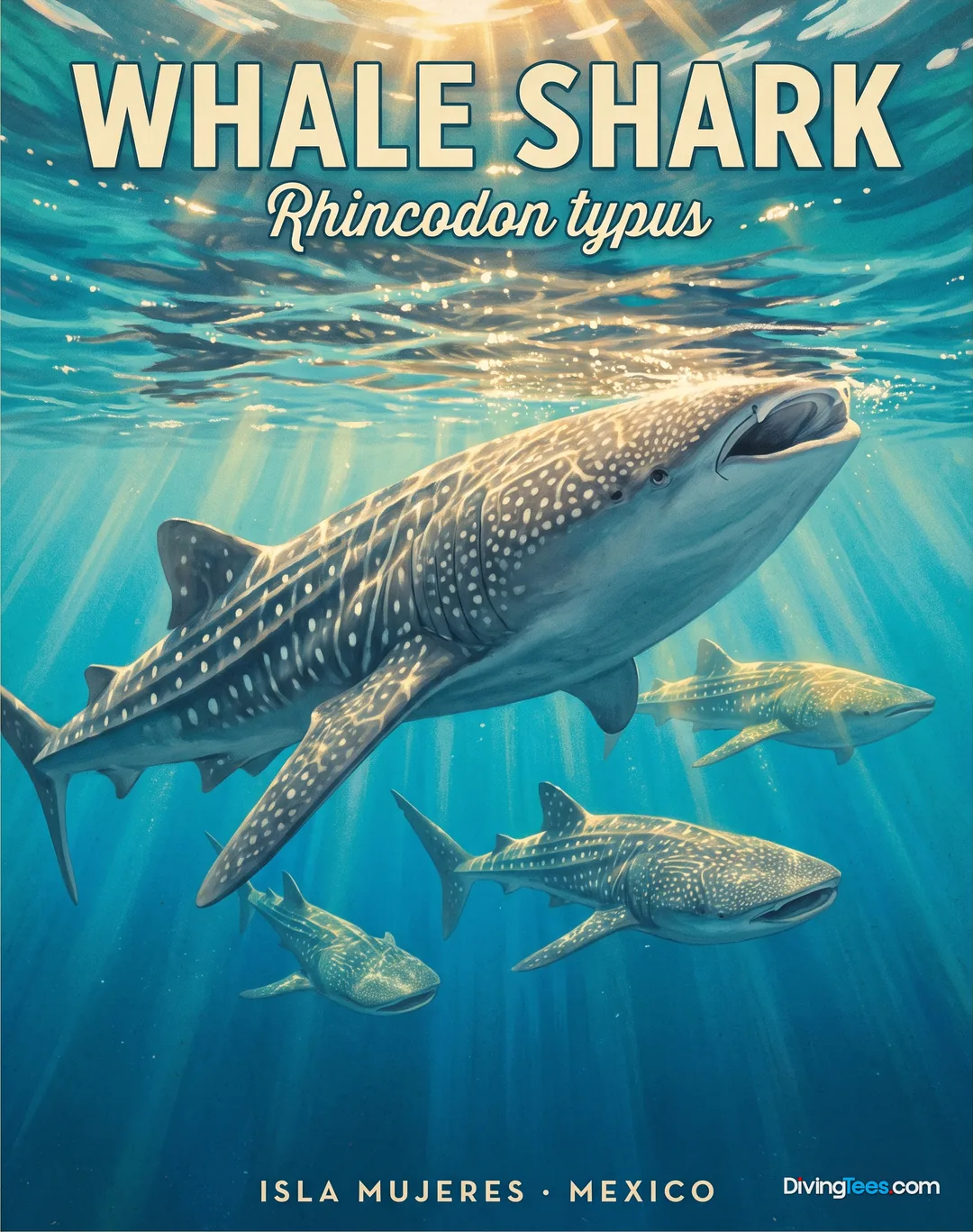
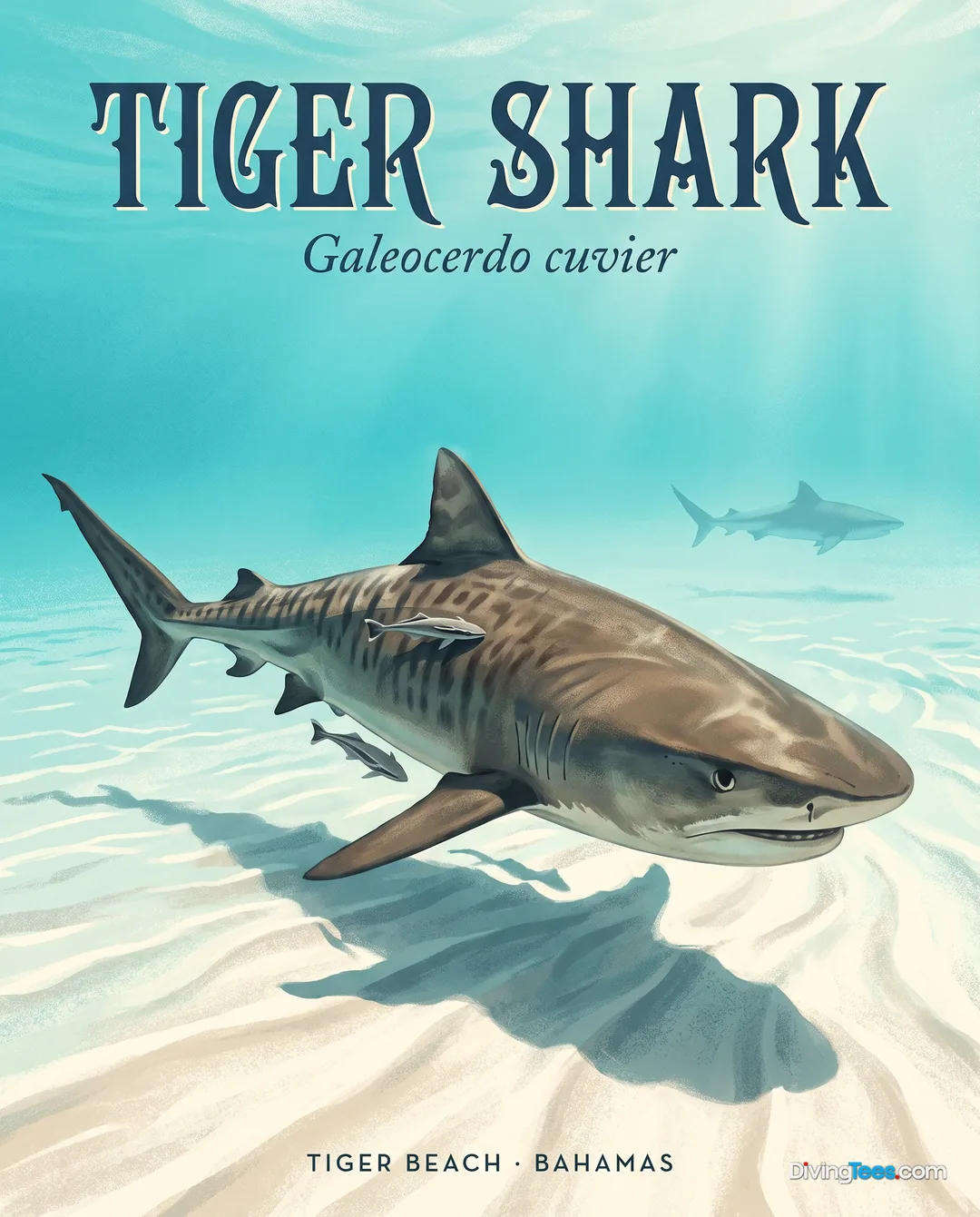
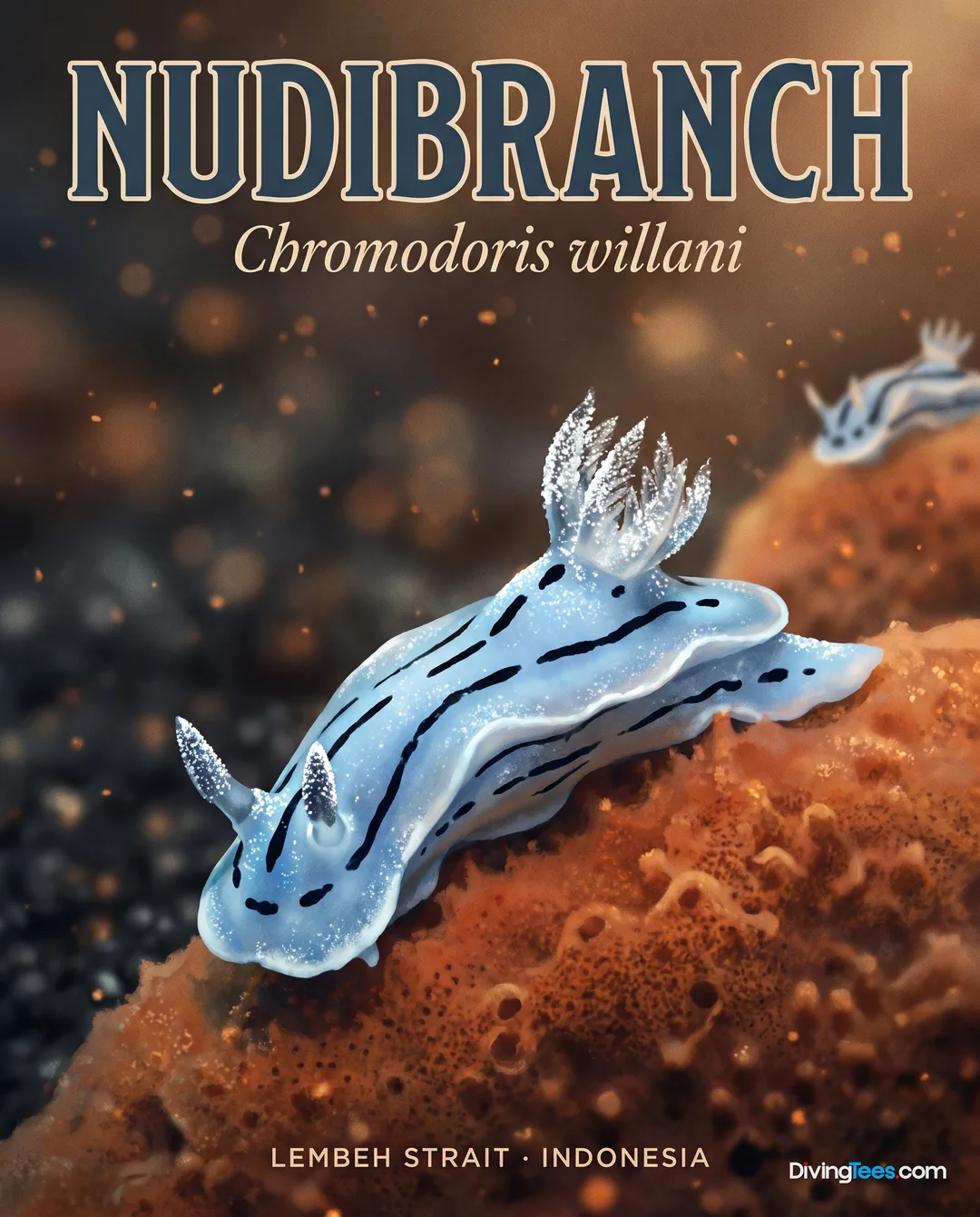
Across the route, the recurring cast is broad: anthias, barracuda, tuna, trevally, groupers, reef sharks, turtles, morays, scorpionfish, parrotfish, butterflyfish, soft and hard corals, and clouds of glassfish. The sites then add their own reasons to make the trip. Shaab Ruhr Umm Gamar is the place associated with the giant grouper, while Rocky Island is the only site on this route linked with manta rays and can bring strong-current encounters with oceanic sharks and hammerheads. Ras Mohamed National Park is the site for a possible whale shark and batfish encounter, where two gulfs meet inside a protected marine sanctuary. The Strait of Tiran is associated with tiger sharks in the route records and attracts larger animals through its nutrient-rich currents. Rosalie Moller has bigeye trevally, Abu Nuhas has fusiliers, El Fanadir has sweetlips at its cleaning-station landscape, and Shaab El Erg offers the possibility of nudibranchs and octopus. El Fanous East is the place for the crocodilefish record. None of these sightings is guaranteed; the route earns them through varied habitats rather than a single promised animal.
Who puts you in the water
English is the working language on board. Dive staff begin every dive with a full briefing covering the site and the information needed to make the dive, then organise guests into buddy teams of two or three. Staff may enter the water to support a group, spot life or help locate a specific point of interest, but they do not directly supervise every diver and are not automatically a buddy. That distinction matters for experienced divers who prefer to plan and run their own profile. Buddy teams must surface according to their training and signal the skiff or yacht crew once on the surface. Oxygen, first-aid kits, emergency communications, a locator beacon, radios, fire alarms and extinguishers are carried aboard, with crew trained in first aid. Advanced Open Water, Wreck Diver, Deep, Navigation, Buoyancy, Fish Identification, Underwater Naturalist, Digital Underwater Photography and Nitrox training may be available on board, depending on the instructor.
The dive deck and the gear
The diving setup is built around a shaded platform, gear stations, rinse tanks and two skiffs. Standard tanks are 80 cu ft and filled with air; the equipment information lists K valves, while the Red Sea Aggressor II also accommodates DIN and K configurations. Larger 100 cu ft or 15-litre tanks can be requested as a paid extra, subject to availability. Nitrox is available at 32% for certified Nitrox divers, also as an extra, and a Nitrox course can be taken aboard. Divers using sidemount are accepted only with a single-cylinder configuration; rebreathers are not supported. The skiffs carry up to 11 divers each, taking groups to the site and collecting them after the dive. An SMB and reel are mandatory for this route. The boat has a dedicated camera area and separate camera rinse, useful for wreck photographers who want to keep salt and sand out of the main gear wash.
Between dives
Between dives, the shaded dive area is the useful refuge: close enough to the equipment for the next entry, but protected from the Egyptian sun. The salon is air-conditioned when the heat or wind makes the outside deck less attractive, while the terrace, bar and outdoor relaxation areas give the boat somewhere to sit without retreating indoors. A Jacuzzi is available for the quieter hours, and the camera room and separate camera rinse keep wet dive work away from the ordinary cabin routine. There is also audio and video entertainment, a TV in the cabins and an indoor lounge. The best use of the gaps remains simple: rinse the camera, eat, dry off, check the next site and take the shade before the next skiff departure.
A day on board
The day starts with the first briefing before the first dive, then moves through the familiar liveaboard sequence of water, food, surface interval and water again. The route allows up to 21 dives across seven nights, including several night dives, so the practical rhythm is repetitive diving rather than long empty sailing days. After a dive from the yacht or one of the skiffs, divers return to rinse gear, eat, review photographs and prepare for the next site. The skiffs shorten the transfer to sites where leaving from the main yacht would be less efficient. A meal separates each main block of the day, while the boat moves between reefs and wreck areas when the itinerary requires it. The final dive may be a night dive, depending on the plan and conditions. After that, the salon, bar and audio-video facilities take over until the next briefing calls the group back to the deck.
What you eat aboard
Food is one of the boat's strongest points, with a reported food score of 9.6. Full-board service covers breakfast, lunch and dinner, with buffet service, Western dishes and local cuisine; the galley is set up for a varied menu rather than one fixed style of cooking. Non-alcoholic drinks, water, tea, coffee and snacks are included, and wine is served with dinner. That matters on a route offering up to 21 dives: meals have to arrive reliably, be easy to eat between briefings and provide more than a decorative change from one day to the next. Beer is available, but diving and drinking do not mix; after a drink, the next dive is over. The table is therefore part of the dive system, a place to refuel, compare sightings and get back to the deck.
Nights at sea
All cabins are air-conditioned and have a private bathroom, while the cabin deck is on the lower deck. The range runs from Deluxe Staterooms to Master Staterooms and a Suite, with picture windows listed for the cabins. That gives the lower deck more daylight than a basic porthole cabin, though the sleeping areas remain close to the machinery and the movement of the yacht. The practical advantage is simple: after a day of repetitive dives, the cabin has its own shower, hot water and climate control rather than a shared washroom routine. The boat also keeps cabins non-smoking. A TV is fitted in the cabins, but most divers will value the quiet, dark room and the chance to dry out before the next briefing more than the entertainment system.
Deluxe Stateroom
Master Staterooms
Suite
What to know before boarding
The Red Sea Aggressor II departs from and returns to El Foly Marina in Hurghada, on a Saturday-to-Saturday, seven-night itinerary. Diving begins on Sunday morning and finishes on Friday before the yacht returns to port. Transfer arrangements are handled through the booking process, with the departure instructions provided before the charter. Arriving in Egypt the night before boarding is the sensible way to protect the first dive from a delayed flight.
Deck plan
- Length
- 42.1 m
- Beam
- 7.9 m
- Maximum number of passengers
- 22
- Number of cabins
- 11
- Number of bathrooms
- 11
- Cruising speed
- 10-12 knots
- Tenders
- 2
- Website
- aggressor.com ↗
Hello, I'm Marina, DivingDeal.com's AI assistant. I answer in detail about hotels, dive centres and liveaboards.
Thinking about the whole trip and the flights? Talk it over with Edith →
Marina is an AI. Some links are affiliate links: DivingDeal may earn a commission, at no extra cost to you. Bookings are made with the partner.