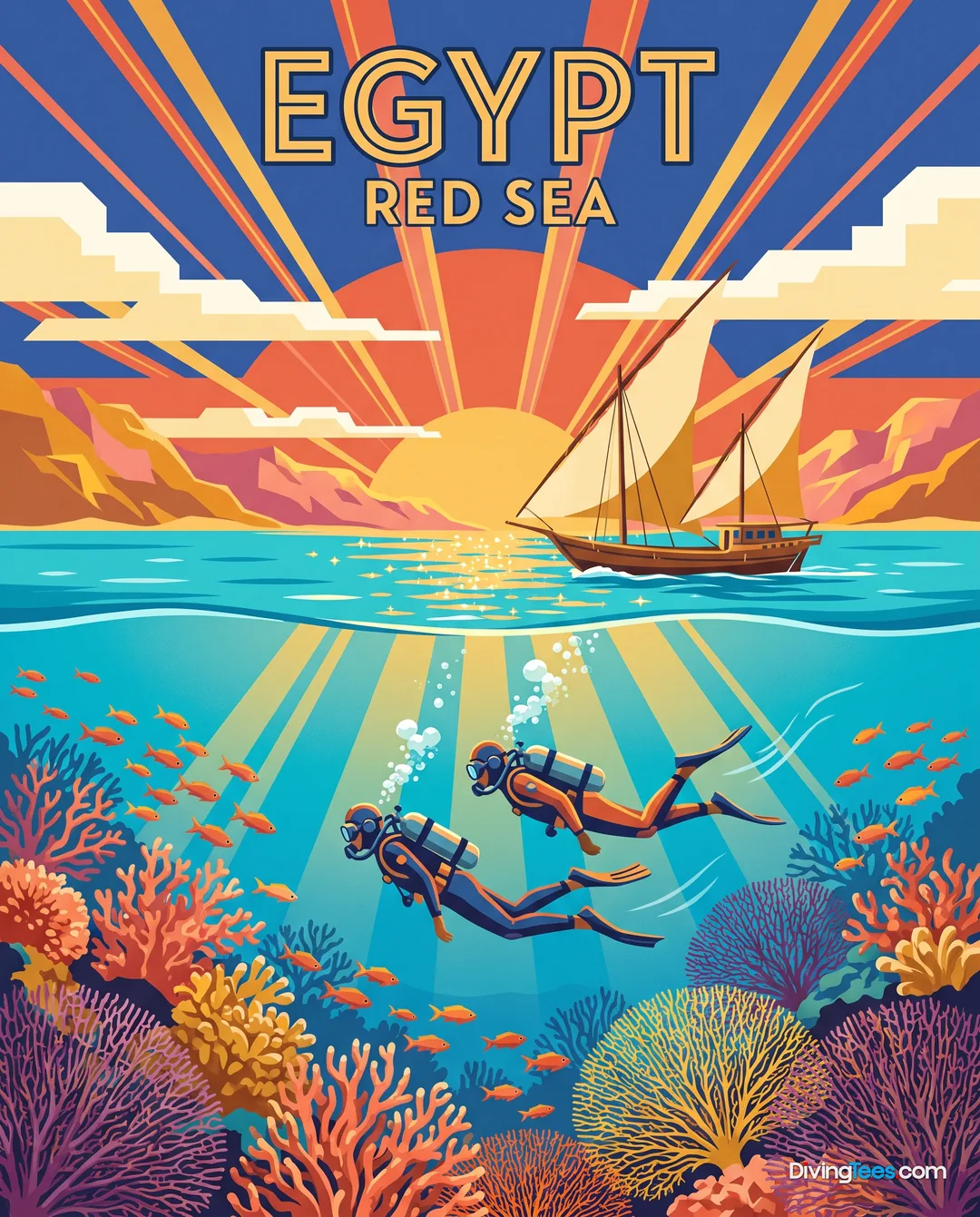
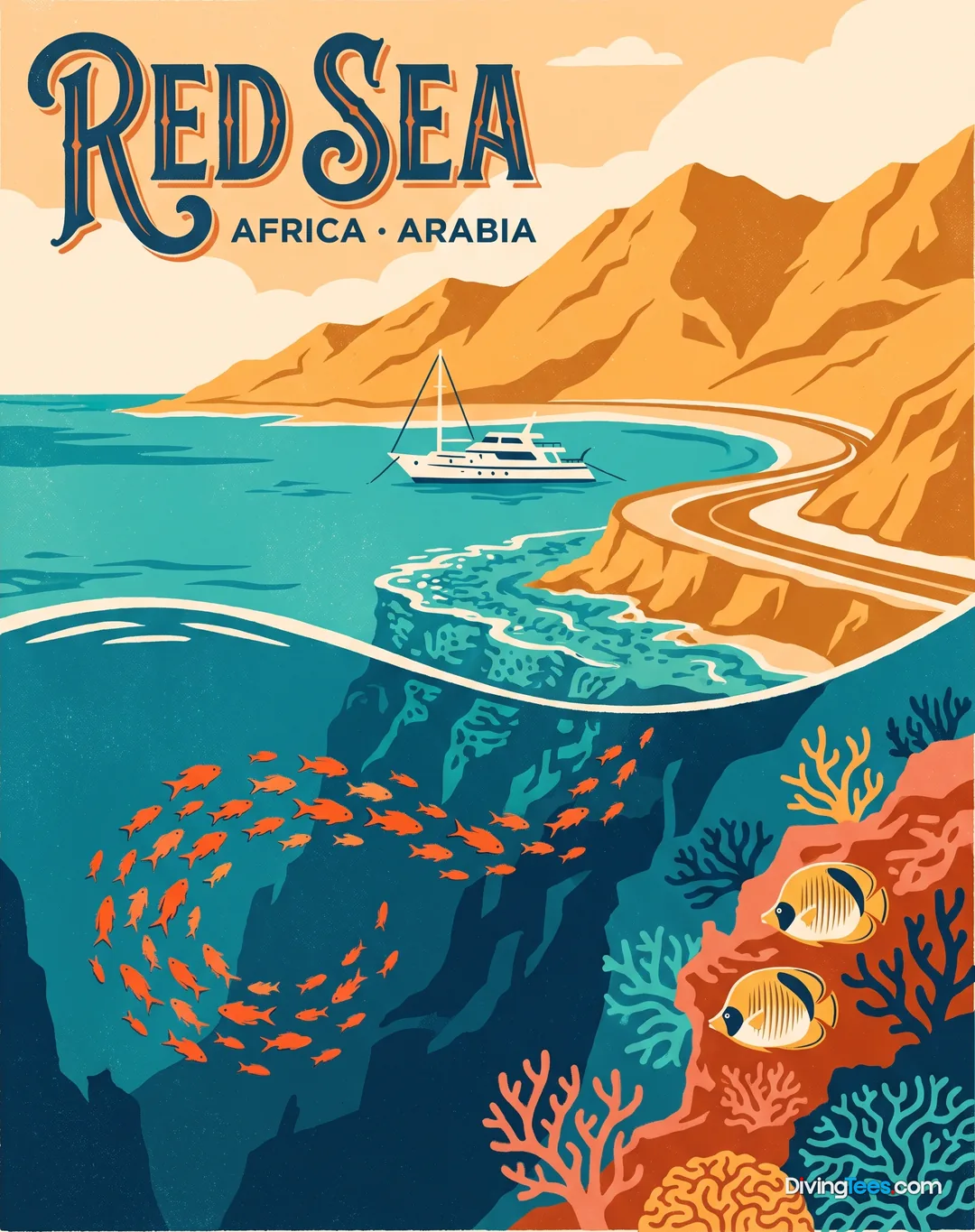
Liveaboards · Egypt
Reef Voyager — a modern, intimate Red Sea dive boat
What makes this boat unique
- Reef Voyager is a 2023 liveaboard for up to 22 guests in 11 cabins.
- Its itineraries run from Sharm El Sheikh and include the Sinai Classic and several 4-day mini safaris.
- The diving setup includes a shaded dive deck, two tenders, air and Nitrox compressors, DIN adapters, camera facilities, and support for technical and rebreather diving.
- Upper-deck cabins include twin or double cabins and master suites, while all listed cabins have air conditioning and private bathrooms.
The invitation
Reef Voyager is built around a simple proposition: a small guest list, a modern diving platform, and access to the reefs and wrecks that make northern Sinai worth returning to. Only 22 divers share the boat, so the trip feels more like a private expedition than a floating resort at full capacity. The choice is strongest for divers who want variety rather than one narrow theme: walls and drift dives around Tiran, reef life at Ras Mohamed, and wreck history from Ulysses to Thistlegorm. The boat also welcomes non-divers and snorkelers, but diving remains the centre of the operation. It is a good fit when the priority is a well-equipped base for several different Red Sea routes, with enough shaded deck and lounge space to make the hours between dives comfortable.
Boarding
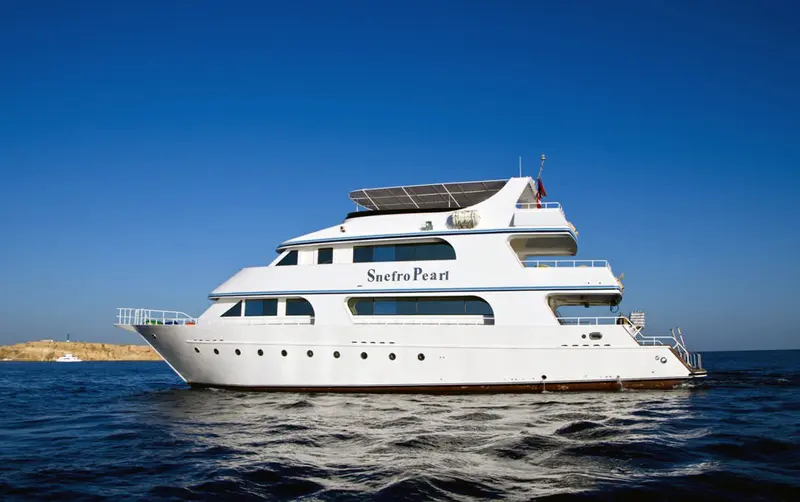
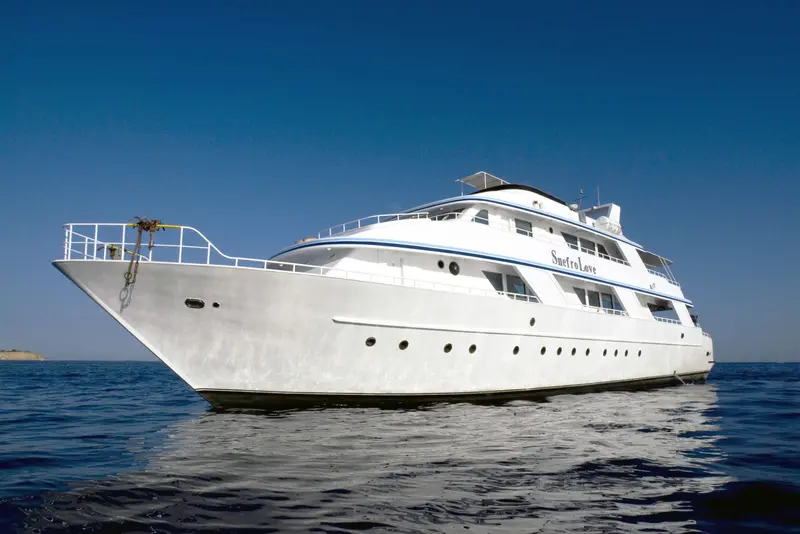
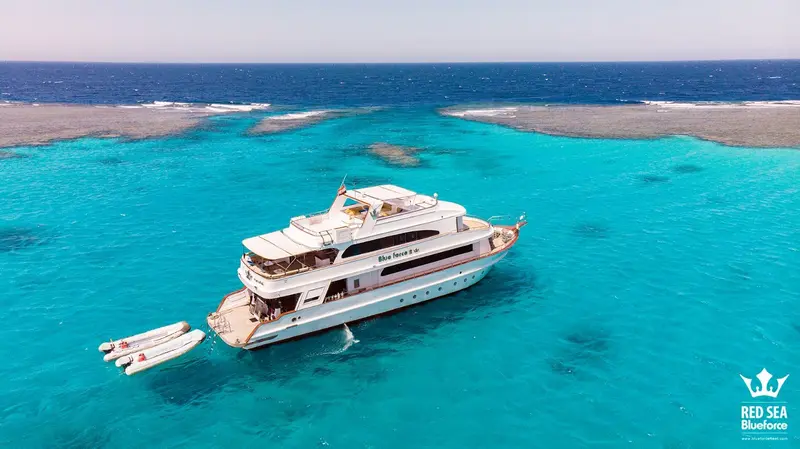
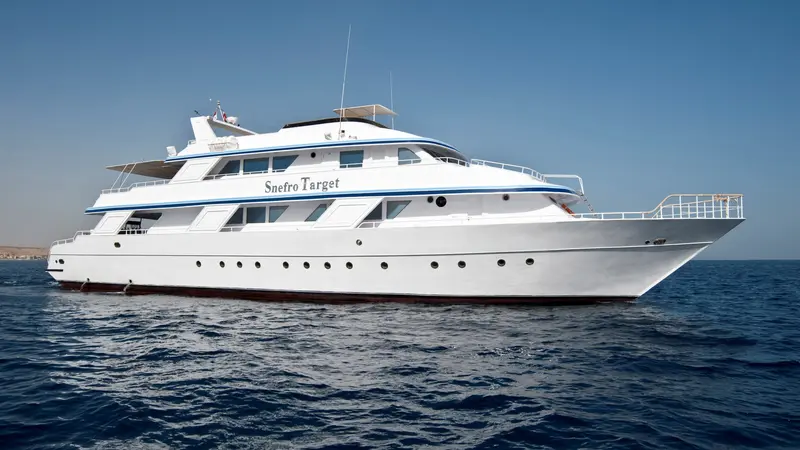
Boarding Reef Voyager gives the impression of a purpose-built, recently launched liveaboard rather than an older vessel adapted for diving. The modern layout separates the working dive area from the indoor salon, open-air lounge, and panoramic observation deck, so wet equipment and quiet time do not compete for the same space. The boat is large enough to offer several places to sit, yet the guest limit keeps the group within human scale: by the second day, faces and names are familiar. Two tenders handle transfers to the sites, while the main dive platform keeps entries and returns organised. The result is practical rather than theatrical—a boat designed to get divers into the water repeatedly and give them somewhere cool to recover afterwards.
The atmosphere on board
The atmosphere is social without requiring a crowded boat to create it. With 22 guests, divers naturally meet across the dive deck, dining room, and lounges, while the layout still leaves room to disappear for a while. Passenger experience centres on the spacious dive deck and comfortable lounges because both sides of the trip work: the diving operation has room to function, and the recovery between dives does not feel like an afterthought. The crew combines local and international staff and speaks English, German, French, Spanish, Russian, and Italian. Guides, deck crew, and hospitality staff carry different parts of the day, from preparing the next dive to keeping meals and cabins moving smoothly. Evenings can stay quiet in the air-conditioned salon or continue around the table after the day's last dive.
The sites you’ll dive
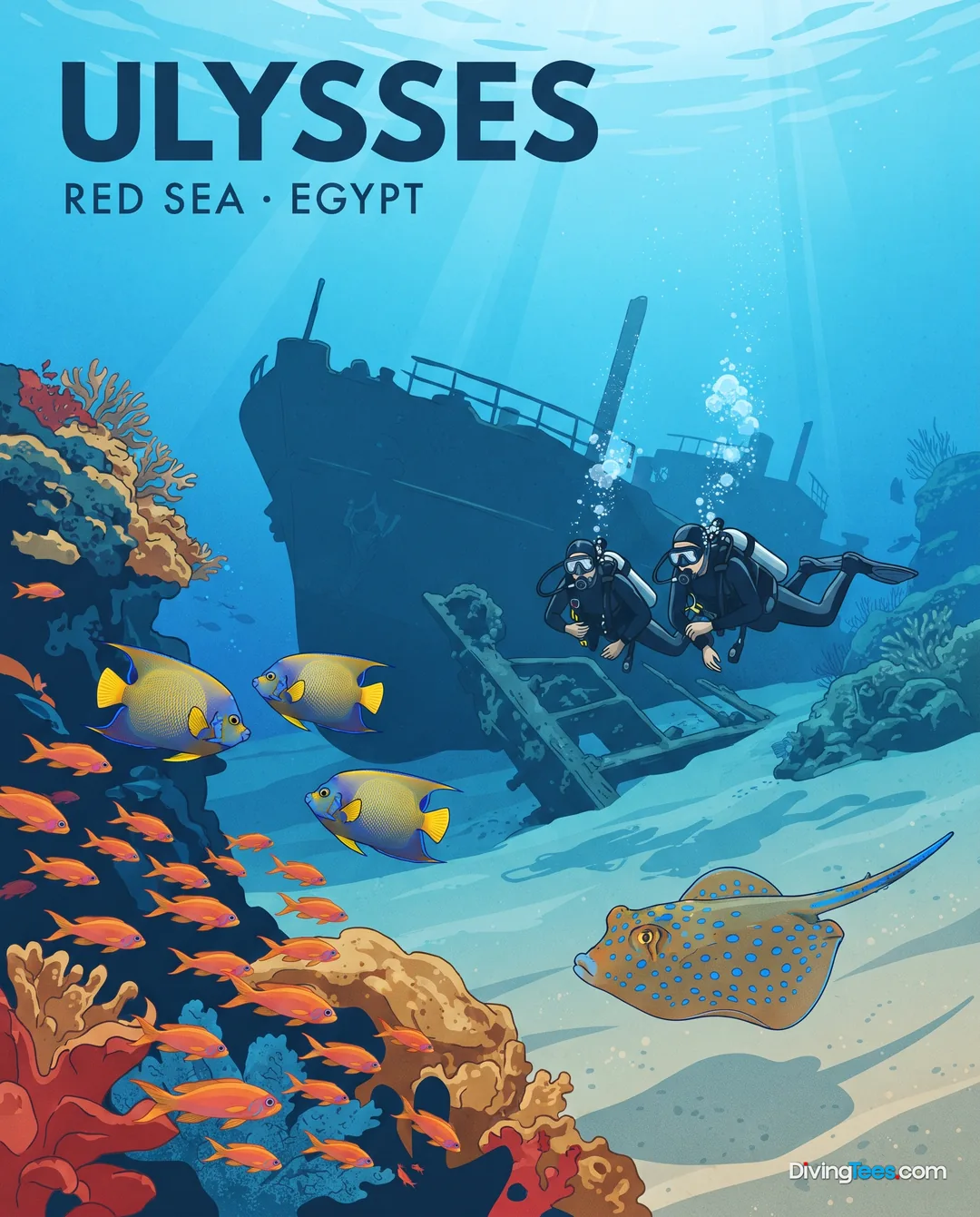
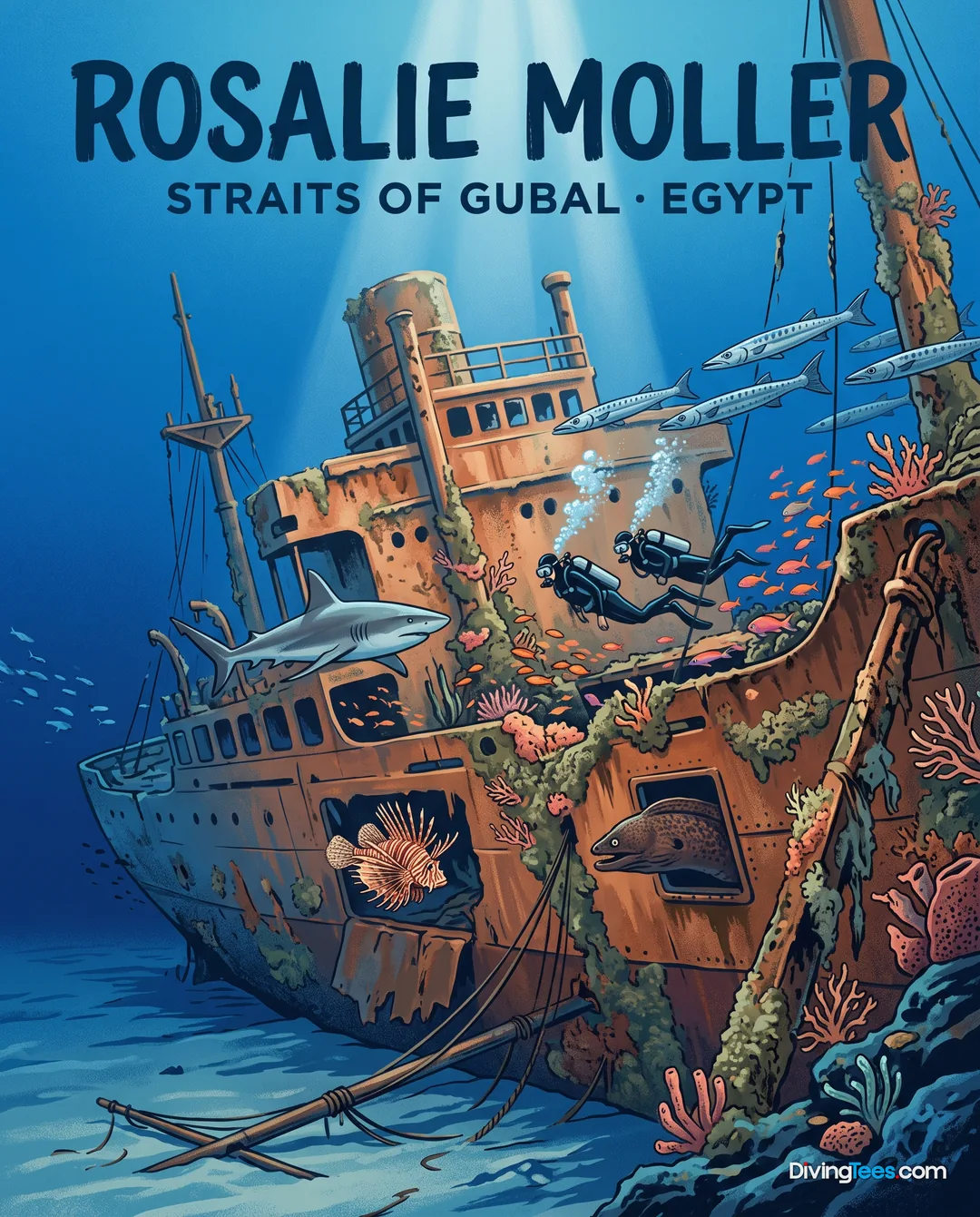
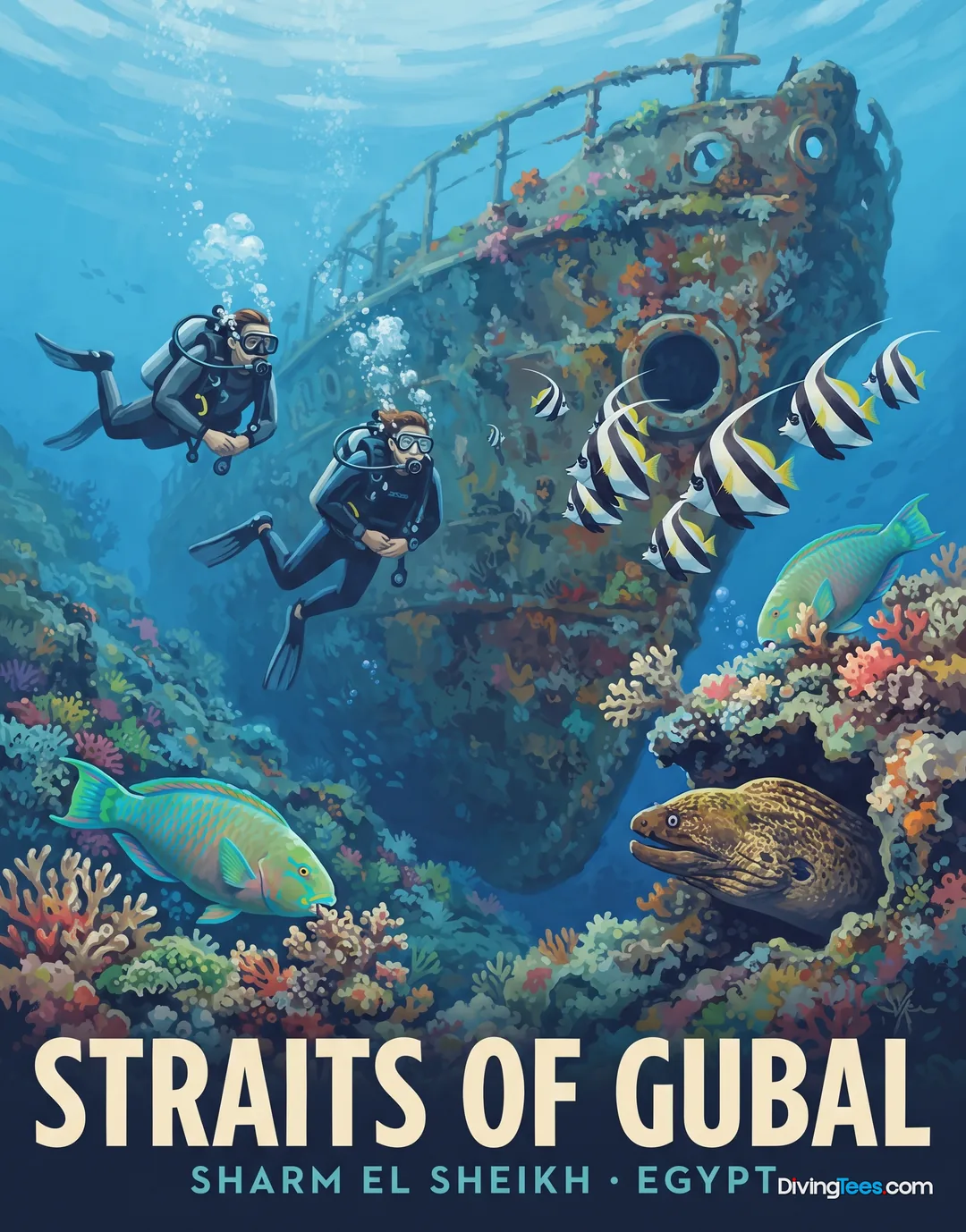
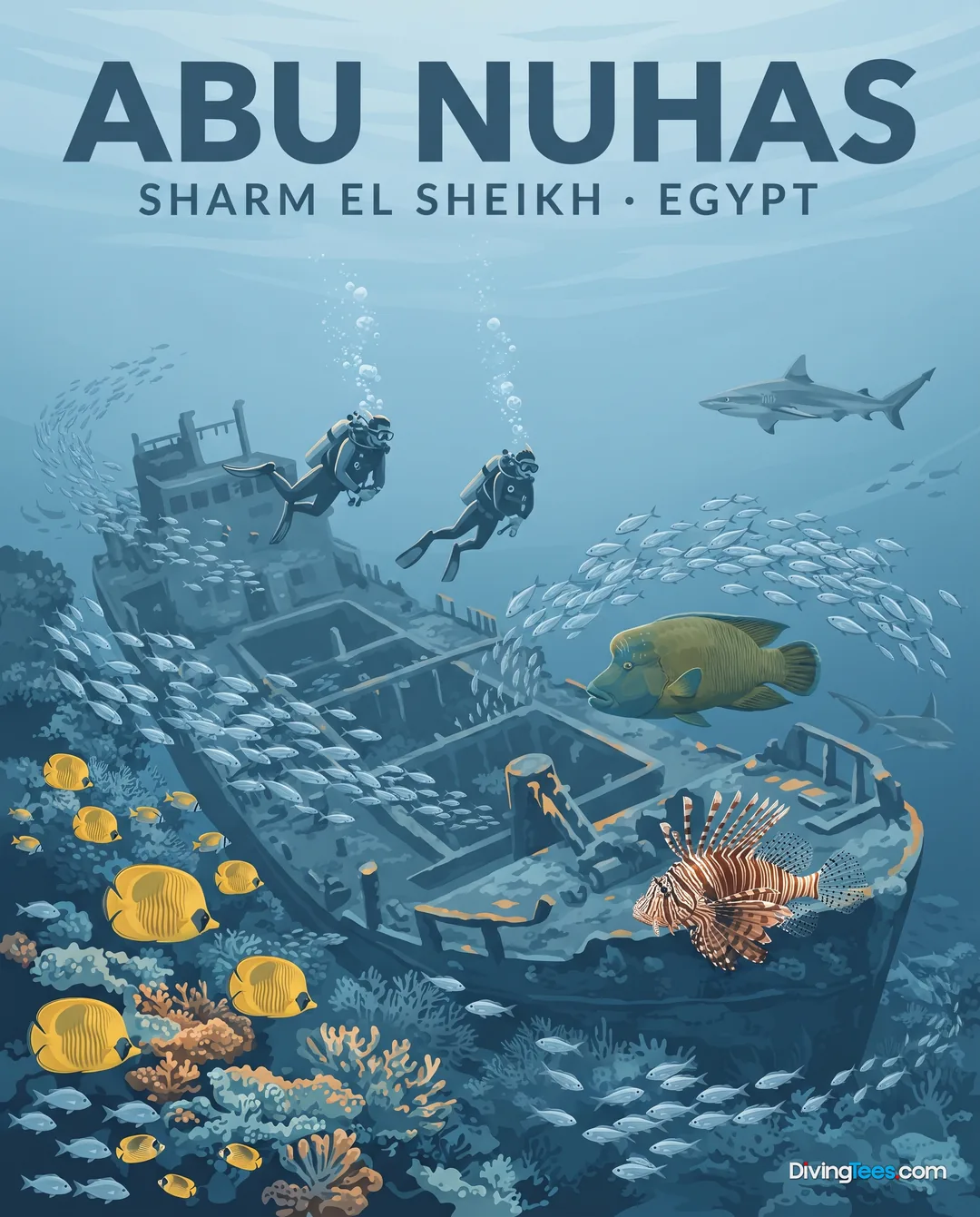
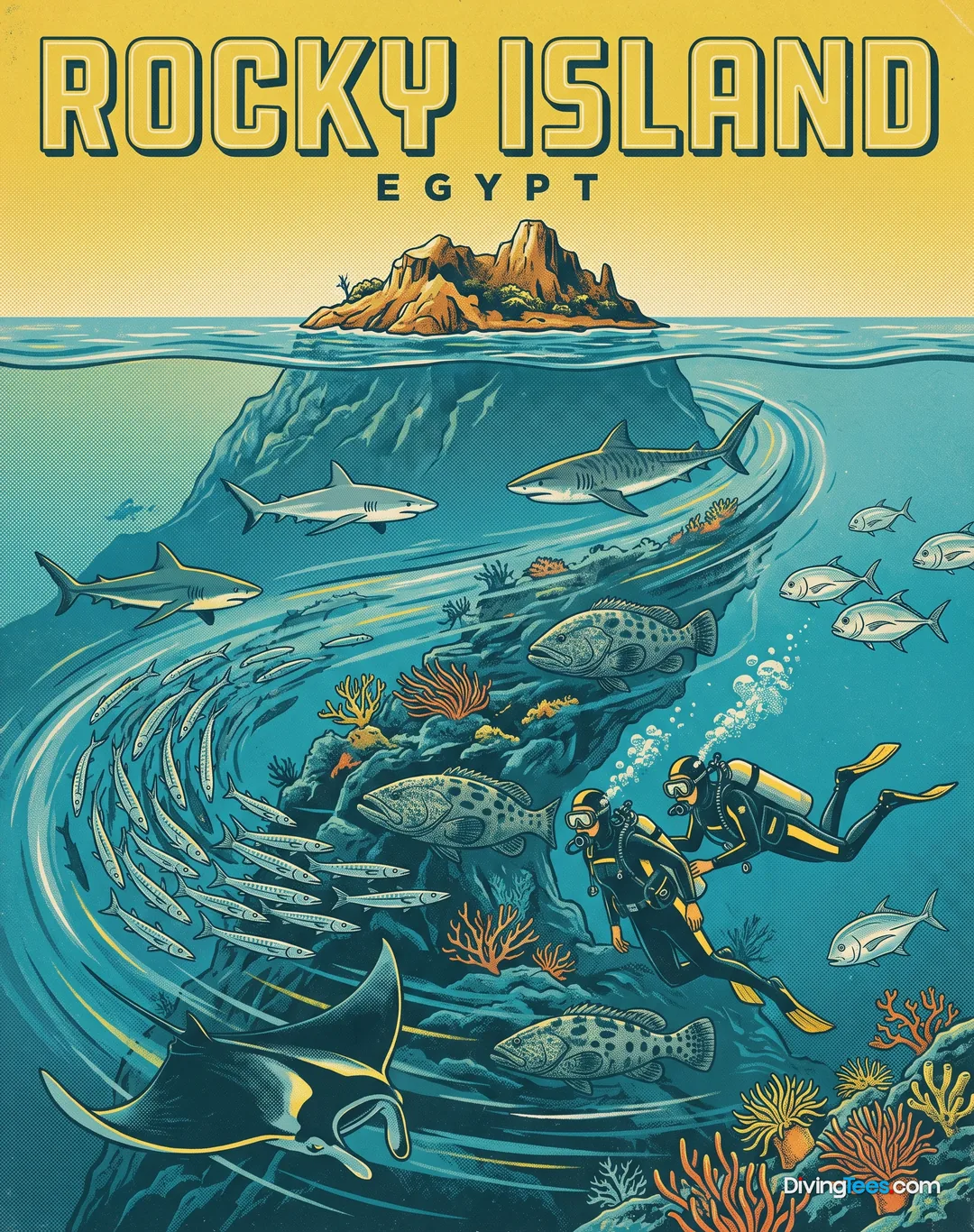
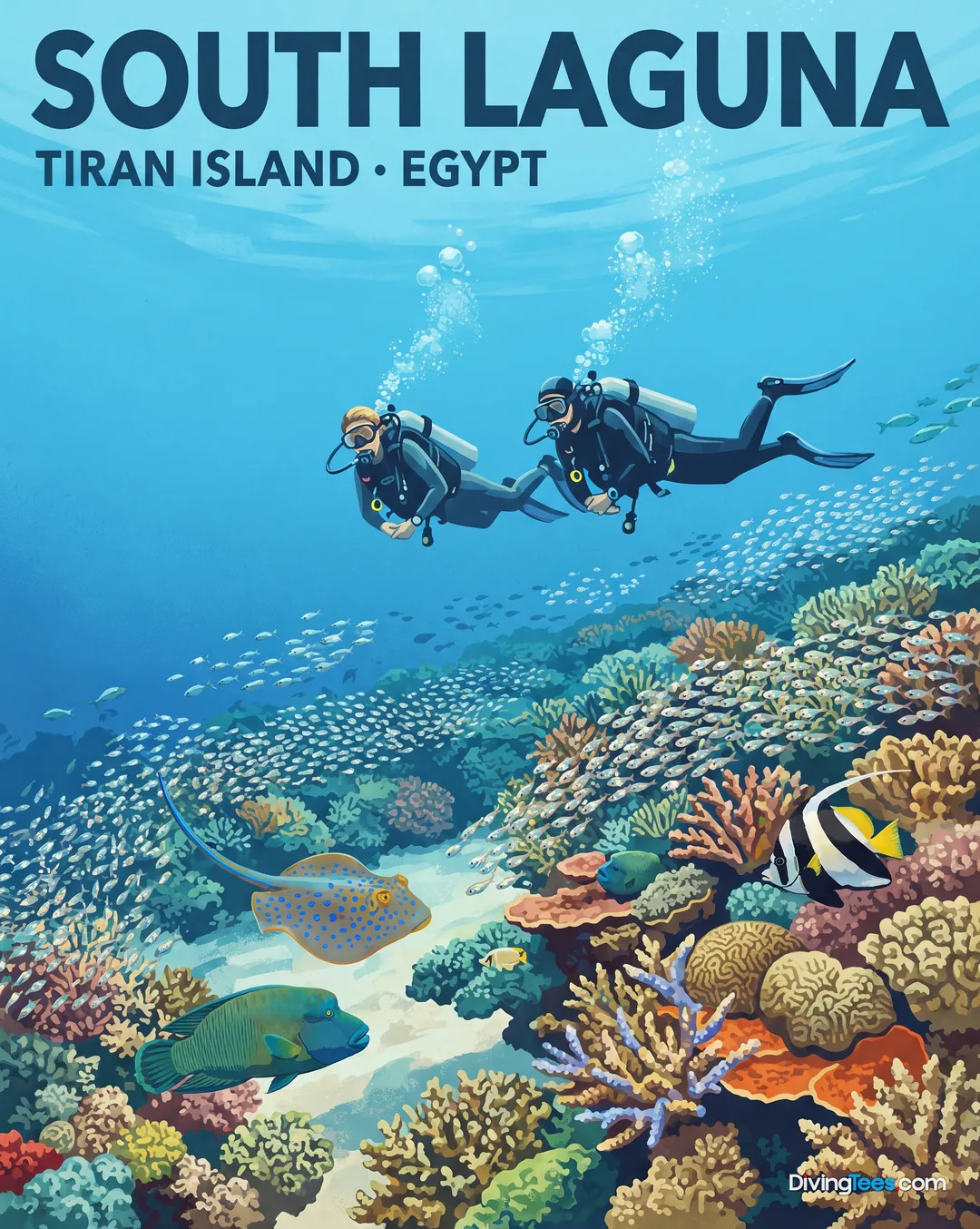
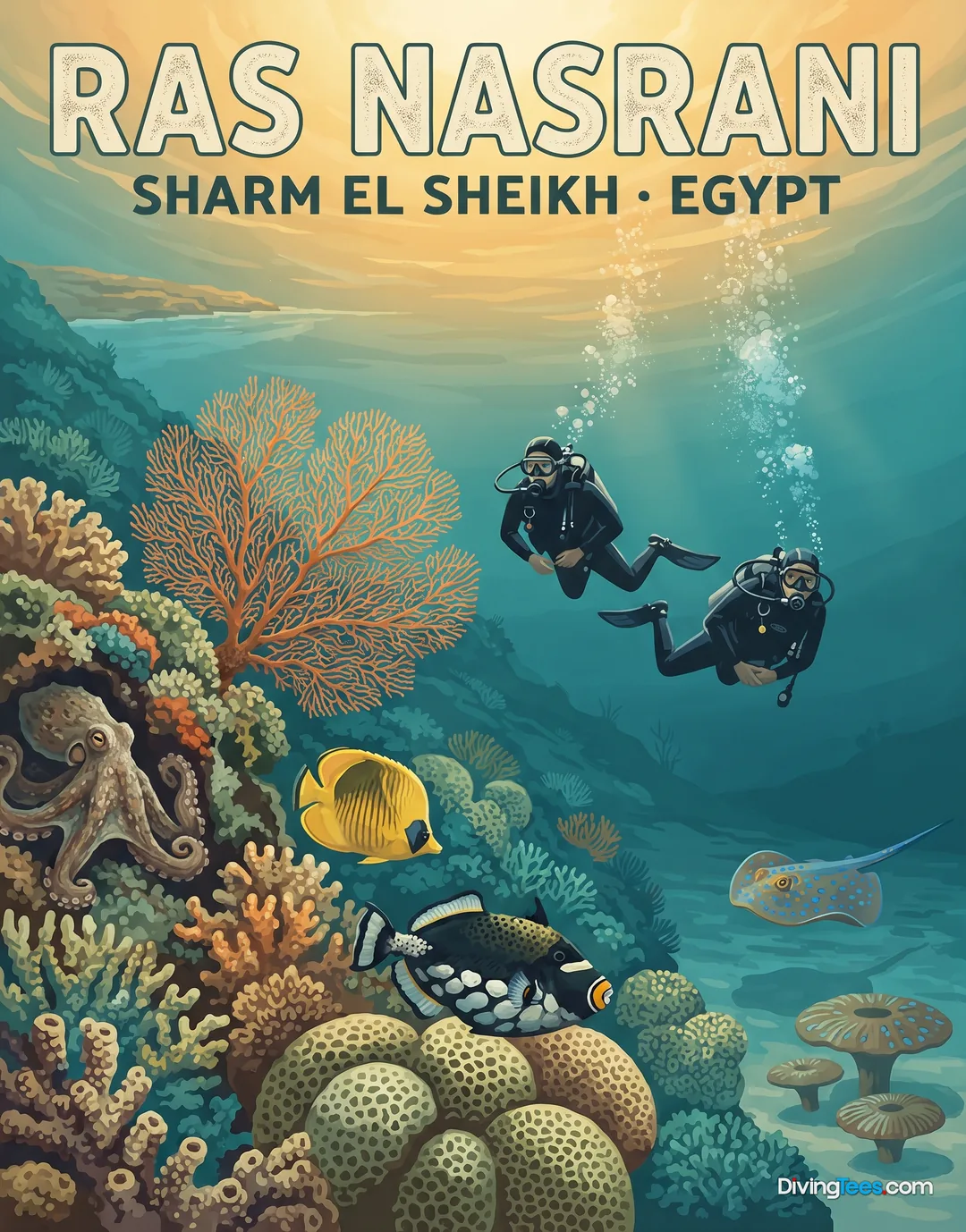
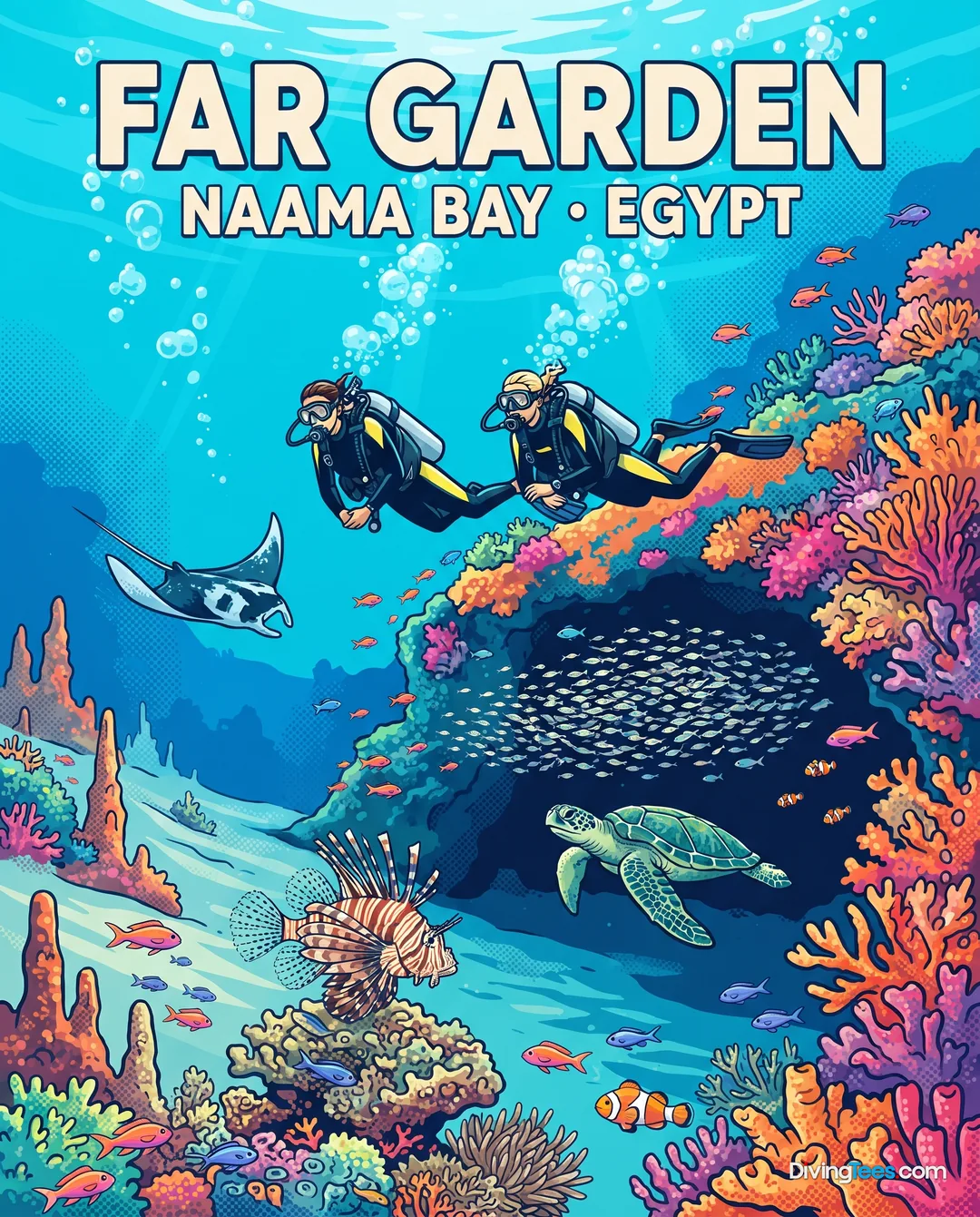
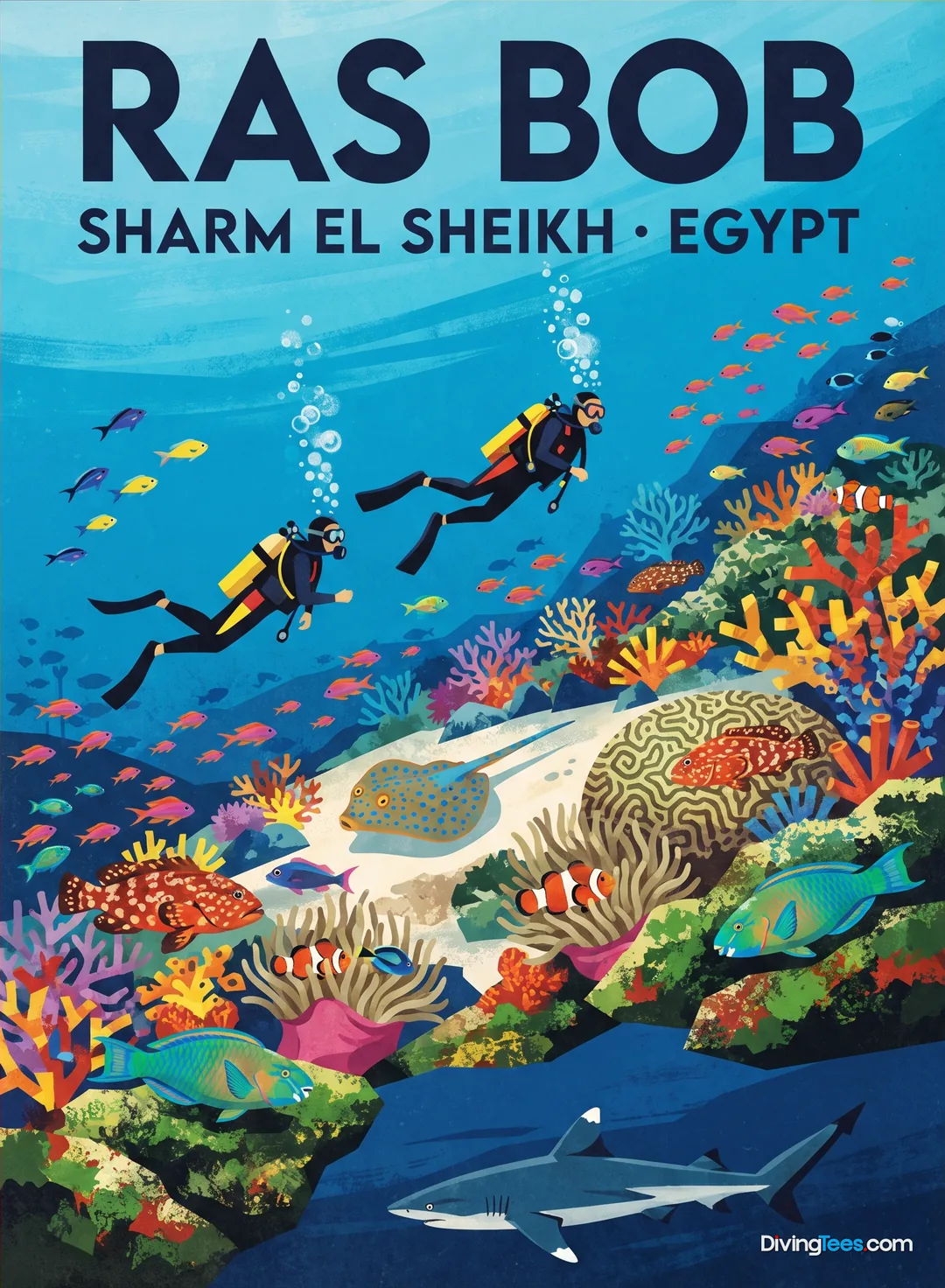
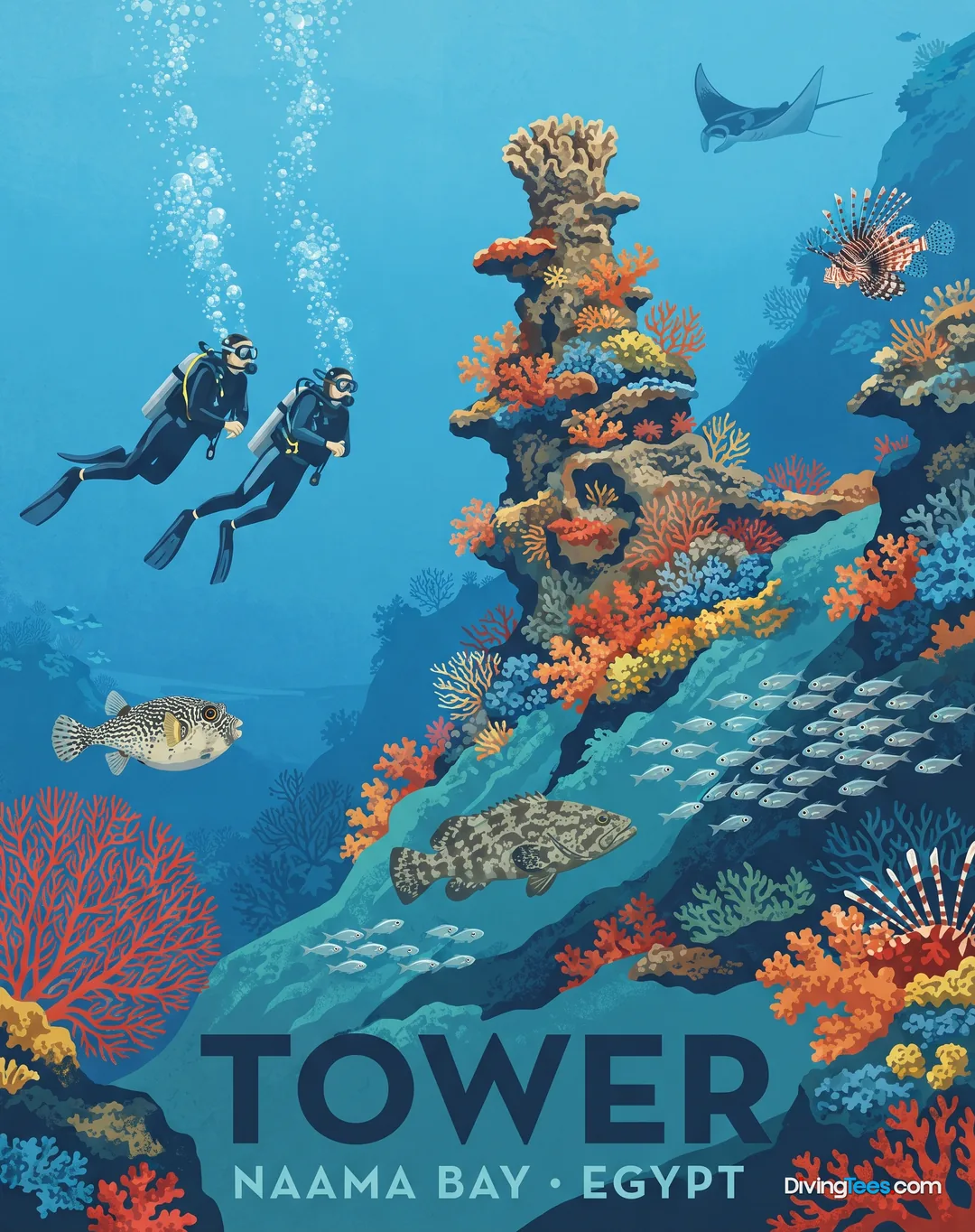
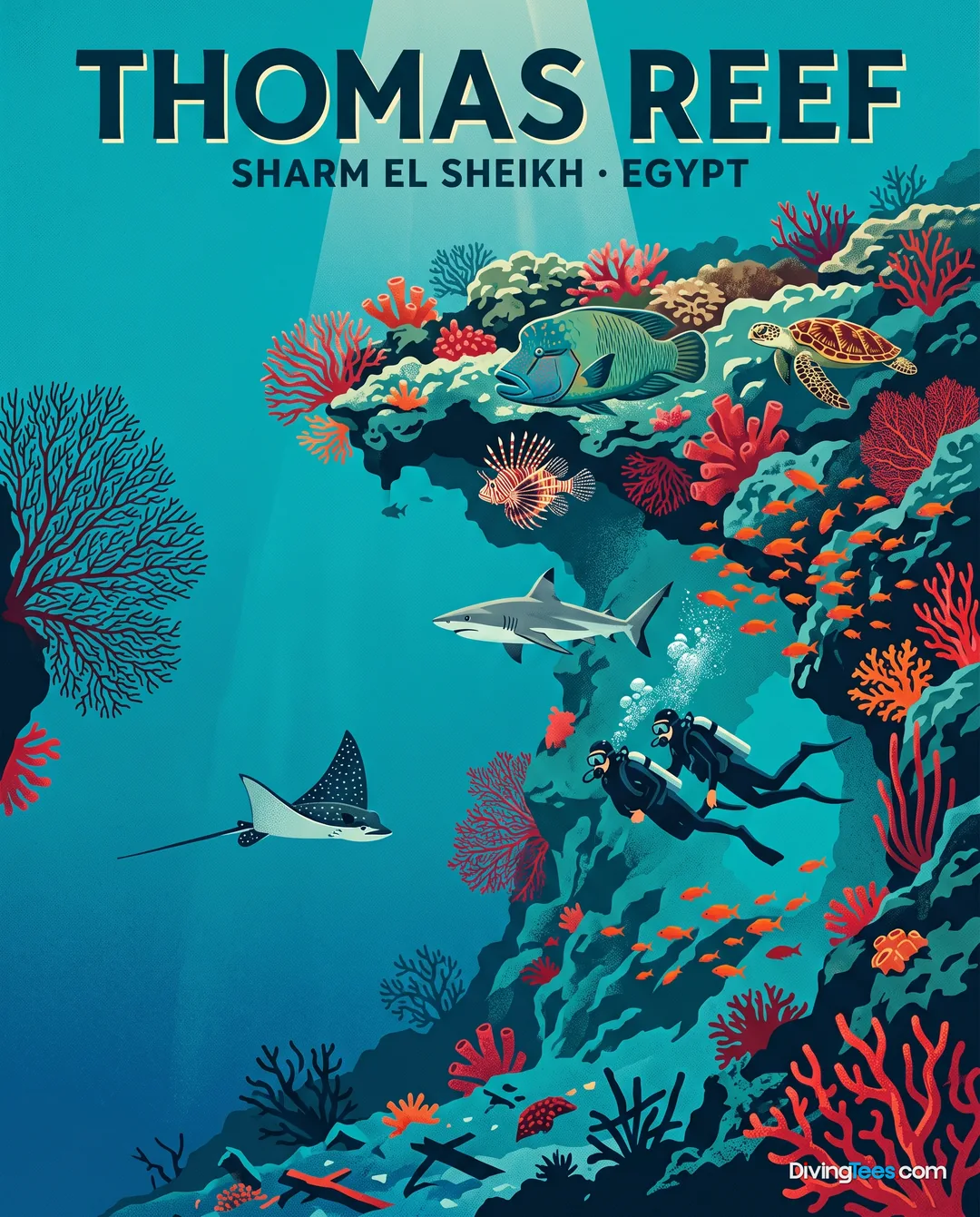
The recorded departures include the 8-day/7-night Sinai Classic, returning from Sharm El Sheikh to Sharm El Sheikh, and 4-day/3-night mini safaris combining Ras Mohamed, Thistlegorm, and Tiran. A 5-day/4-night version adds the Strait of Gubal. The sites explain the variety. Ulysses is a merchant wreck reaching -27m; Rosalie Moller lies between 30 and 50m in the Straits of Gubal, with barracudas, tuna, trevallies, and groupers around a well-preserved wartime ship. Thistlegorm reaches -32m and combines preserved cargo holds with marine life. Abu Nuhas puts four wrecks close together. Rocky Island is a current-swept encounter with sharks, schooling barracudas, and possible manta rays. Tiran supplies drift diving at Woodhouse and Gordon, while South Laguna offers sheltered lagoon or outer-wall diving to -30m. For walls and coral, Ras Nasrani reaches -60m, Far Garden -25m, Ras Bob -15m, Tower follows a sheer fossil-coral drop, and Thomas Reef descends to -90m.
Itineraries, dates and prices
Prices per person. Each month shows its lowest price: click a month, or pick an itinerary.
Next departures · 7 departuresfrom £687$918€820
November 2026
December 2026
See dates and prices
If you click these links and make a purchase on the partner site, DivingDeal may earn a commission, at no extra cost to you.
Dates and prices taken from liveaboard.com, updated 24 October 2026
What you’ll meet underwater
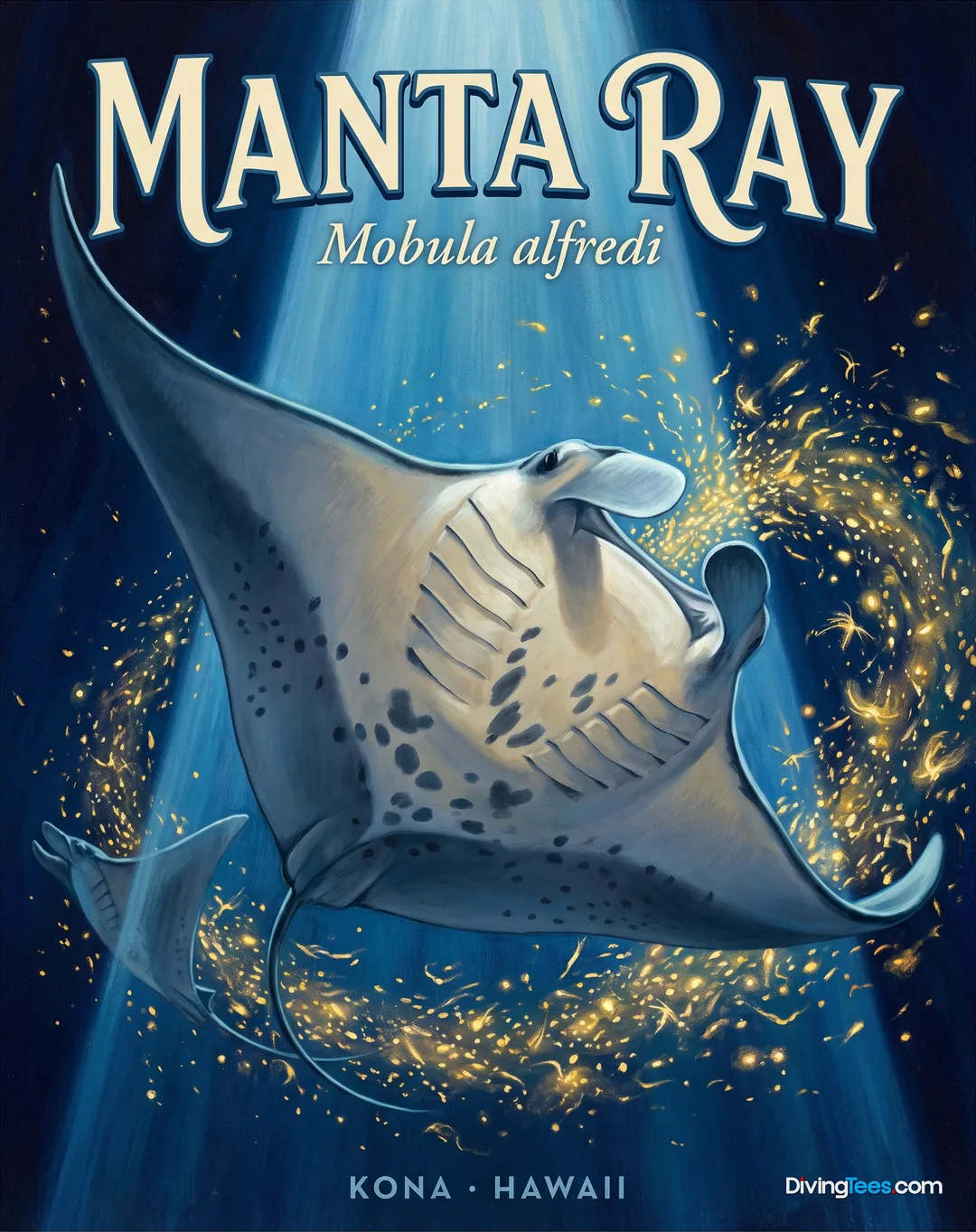
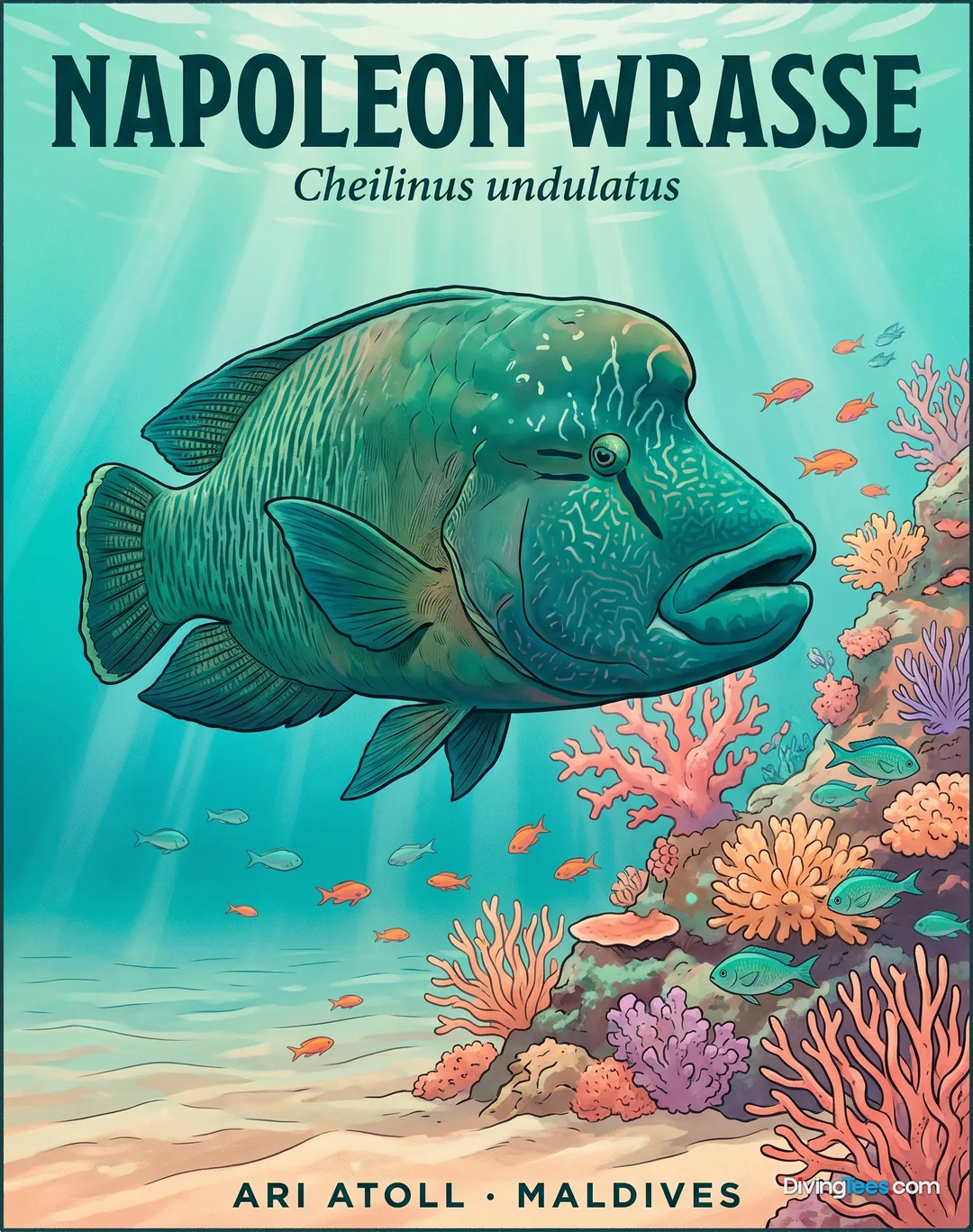
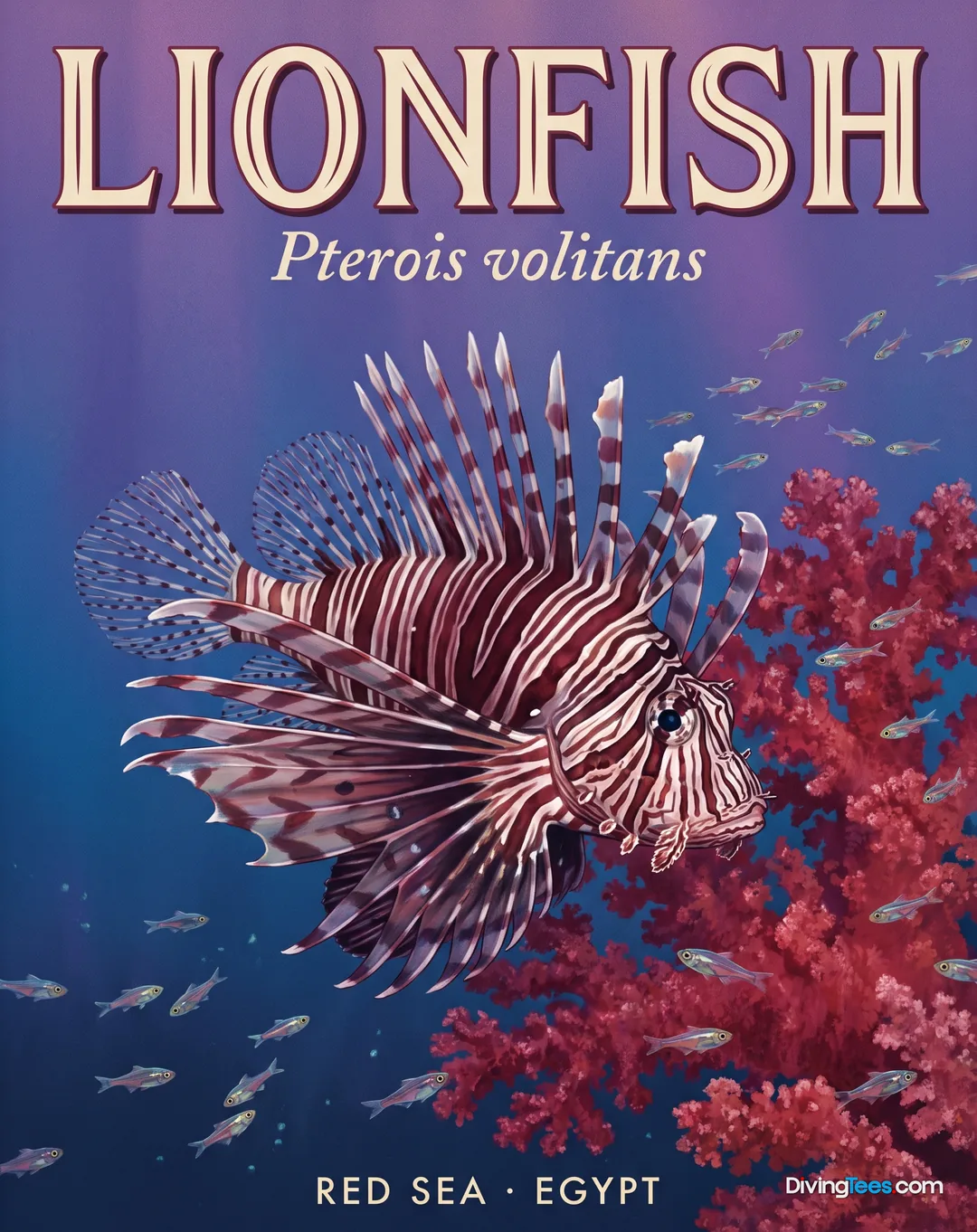
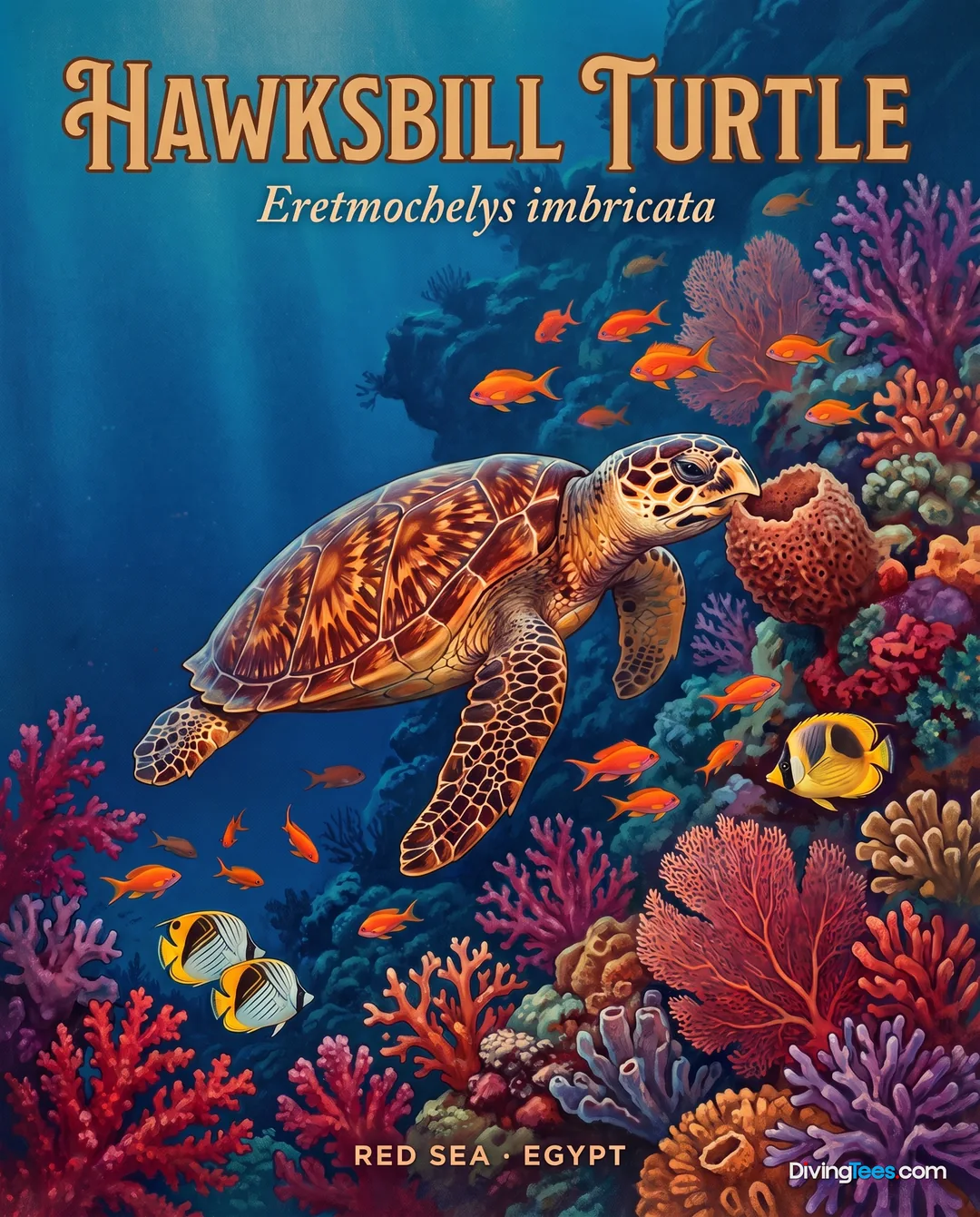
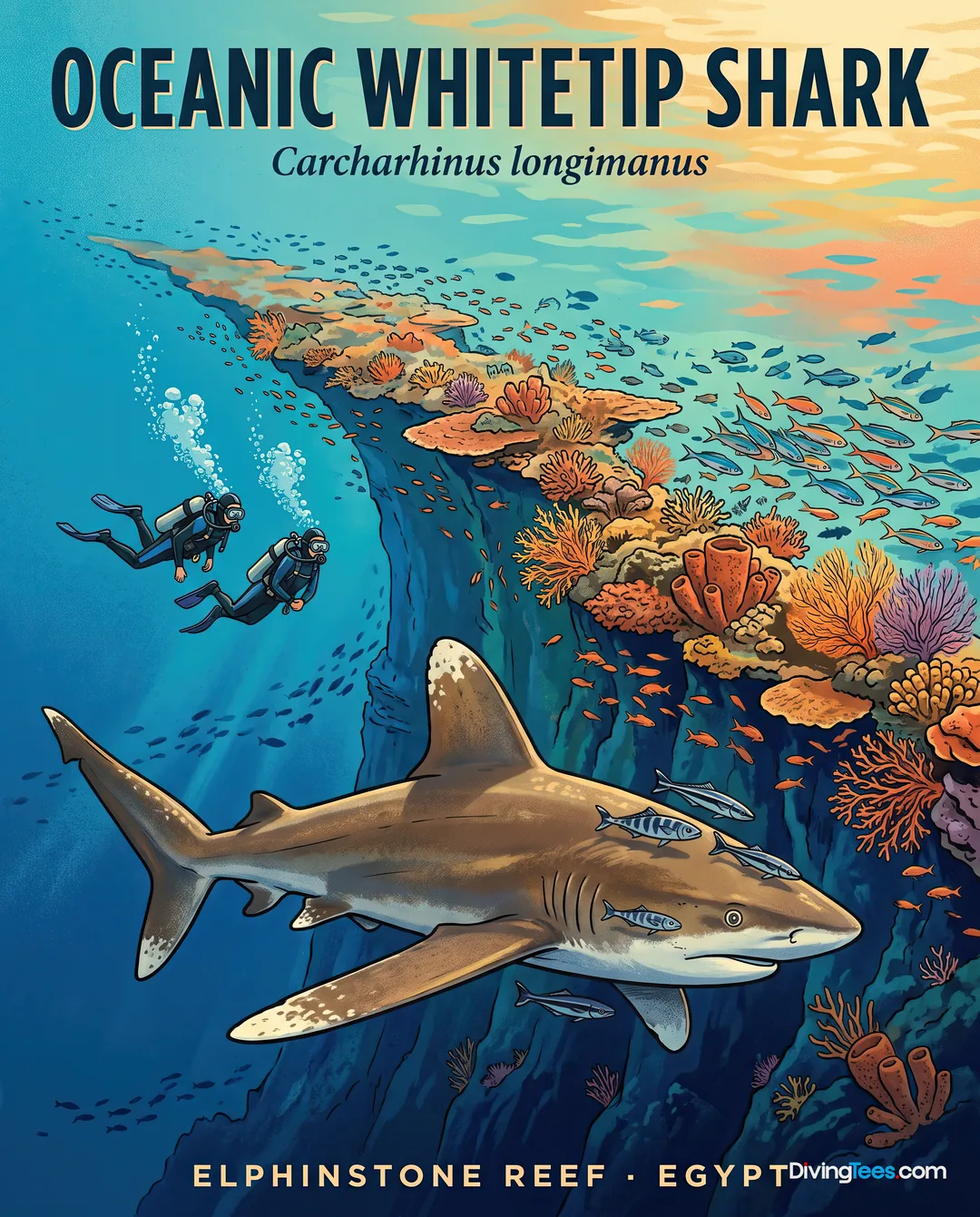
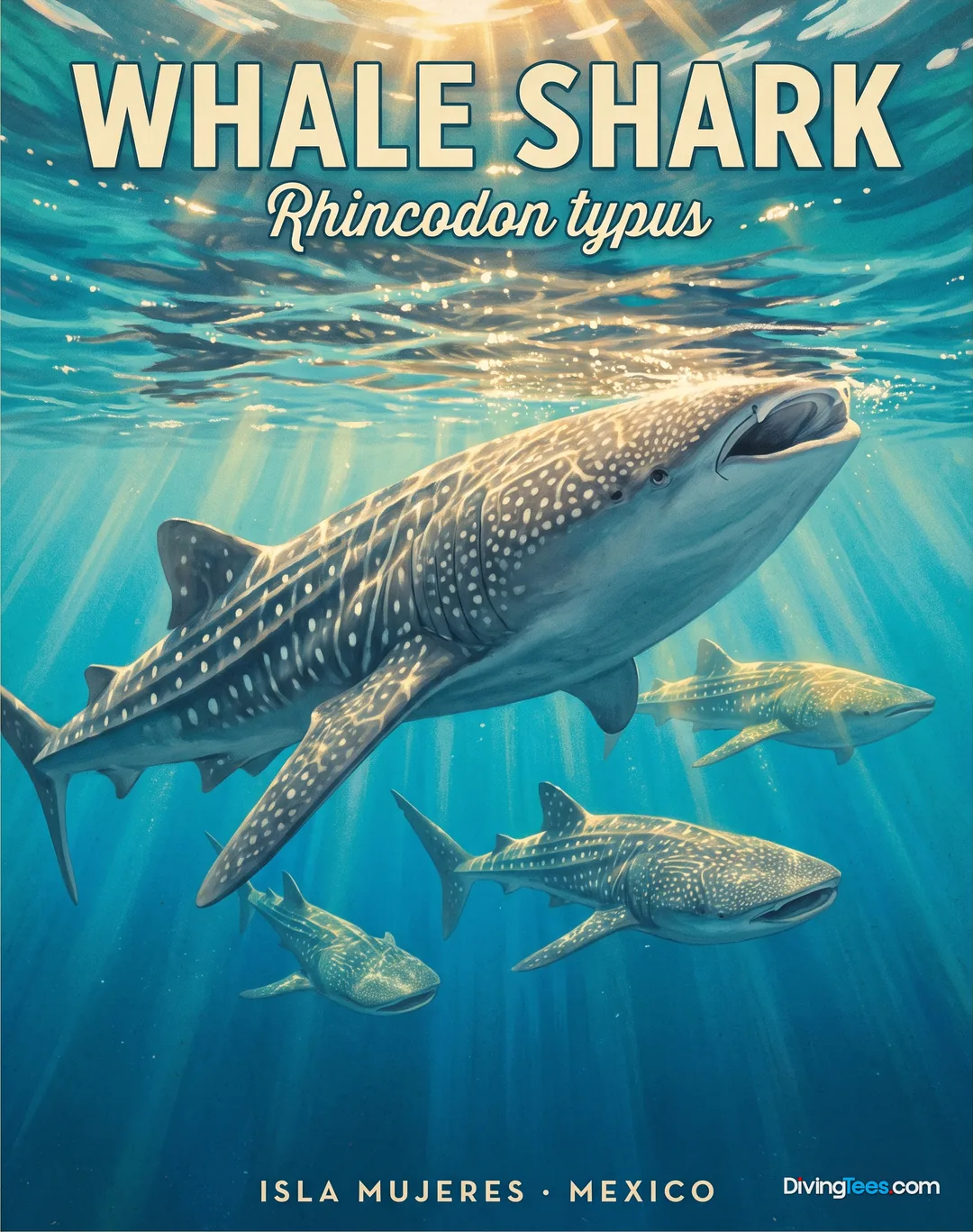
Across this route, the regular cast is broad: reef sharks, groupers, barracudas, manta rays, sea turtles, Napoleon wrasse, morays, trevallies, scorpionfish, lionfish, soft corals, and clouds of glassfish. The sites add reasons to pay attention. Thistlegorm is the only recorded site on this route for dolphins, batfish, rays, and hawksbill turtles. Ras Nasrani is the specific place associated with an oceanic whitetip shark and gorgonian fans. Woodhouse Reef is the site linked with green turtles, while Gordon Reef brings garden eels, stonefish, and trumpetfish. Rosalie Moller is singled out for bigeye trevally, and the Strait of Gubal for hard coral among its wrecks and reef fish. Current matters: Rocky Island, Ras Nasrani, and the drift sites around Tiran can draw pelagic life into view, but sharks, mantas, dolphins, and whale sharks remain encounters to be earned rather than promised.
Who puts you in the water
The crew includes experienced dive guides alongside the deck and hospitality teams, with English, German, French, Spanish, Russian, and Italian spoken on board. Dive groups and briefings are organised around the chosen site and its conditions, while the tenders allow divers to enter and leave away from the main hull. The diving programme includes reef, wall, drift, wreck, night, technical, sidemount, and rebreather diving. Nitrox certification and other diving certifications can be arranged on board, and a private guide is available as an option. Safety equipment includes oxygen, first-aid kits, fire alarms and extinguishers, life rafts, life jackets, GPS, sonar, VHF/DSC/SSB radio, emergency beacons, and a trained crew.
The dive deck and the gear
The dive deck is shaded and set up for repeated operations, with a main platform, separate rinse tanks for cameras, charging stations, and two tenders for site transfers. Two 40 Hp Yamaha tenders take divers out and collect them after the dive, leaving the liveaboard free to remain in position. Reef Voyager carries two air compressors and one Nitrox compressor. Nitrox is available as an optional extra, and Nitrox certification is also available separately. DIN adapters are on board, and the setup supports technical diving, rebreathers, and sidemount with a single cylinder. Rental equipment is available. The boat also has facilities for camera care rather than treating photography as an inconvenience. On a long safari, that working sequence matters: gear stays organised, cameras have their own rinse, and the tender returns divers to the platform instead of making them swim for the boat.
Between dives
Between dives, Reef Voyager gives guests a choice of shade, air conditioning, and open sky. The indoor salon is the retreat when the heat has done enough; the outdoor lounge keeps people close to the sea without putting everyone in full sun; and the panoramic sundeck is where the view opens out when the boat is underway. A separate photo area and camera rinse station make it possible to work on images without taking over the general seating. When there is no dive immediately ahead, the boat's spaces support the ordinary liveaboard habits: drying off, charging a camera, reading, eating a snack, or watching the Red Sea pass from above.
A day on board
The day starts with the dive operation rather than a hotel-style timetable: the first briefing comes before the first entry, and the compressors and deck team prepare the equipment for the next group. Dives then punctuate the day with breakfast, buffet meals, snacks, and time in the shaded lounge or on the sundeck between them. When Reef Voyager moves, the route itself becomes part of the interval; when it moors, the focus returns to the reef, wall, or wreck below. Night dives are included, so the final entry changes the familiar sites completely—lights pick out lionfish, morays, sleeping reef fish, and movement that stays hidden in daylight. After the night dive, the boat settles into its quieter mode: rinse gear, charge cameras, eat, talk through the day's best sighting, and sleep before the next briefing.
What you eat aboard
Meals are full board: three buffet meals each day, with two snacks between them. The dining room is bright and air-conditioned, and the food draws on both local and Western cooking. Vegetarian, vegan, and halal requests can be arranged with advance notice, while soft drinks, water, tea, coffee, and all-day snacks are included. Beer and wine are available, but alcoholic drinks are separate. On a diving trip, the useful part is the structure: food is ready without sending guests ashore or into a restaurant queue, and the buffet lets a diver choose a light plate before getting wet or go back for more after a demanding dive. The table becomes the place where wreck plans, current direction, and the last good sighting get compared.
Nights at sea
The cabins are arranged as lower-deck twin cabins, upper-deck twin cabins, and upper-deck master suites. Every listed category has air conditioning and a private bathroom; the upper-deck cabins add sea views through panoramic windows, while the master suites use king-size beds and upgraded bathroom fittings. Lower-deck cabins are the more compact choice, with twin beds and some beds convertible to a double. Upper-deck cabins offer more room to move around the bed and a brighter connection with the sea. USB sockets, Wi-Fi, towels, bathrobes, ponchos, and a minibar cover the small practical details after a day in wet gear. Cabin doors close off the boat's social spaces, giving a tired diver somewhere separate to sleep rather than another chair in the salon.
Lower Deck Twin Cabin
Upper Deck Twin Cabin
Upper Deck Master Suite
What to know before boarding
Reef Voyager departs from and returns to Sharm El Sheikh. Airport and hotel transfers are included, with arrangements communicated as part of the trip planning. Arriving in Sharm El Sheikh the night before gives a safer margin before boarding and avoids making the liveaboard depend on a same-day flight connection.
Deck plan
- Year built
- 2023
- Length
- 30 m
- Beam
- 8 m
- Maximum number of passengers
- 22
- Number of cabins
- 11
- Number of bathrooms
- 2
- Engines
- 2 × 800 hp Scania
- Cruising speed
- 13 knots
- Tenders
- 2 × 40 hp Yamaha
- Website
- reefoasisfleet.com ↗
Hello, I'm Marina, DivingDeal.com's AI assistant. I answer in detail about hotels, dive centres and liveaboards.
Thinking about the whole trip and the flights? Talk it over with Edith →
Marina is an AI. Some links are affiliate links: DivingDeal may earn a commission, at no extra cost to you. Bookings are made with the partner.