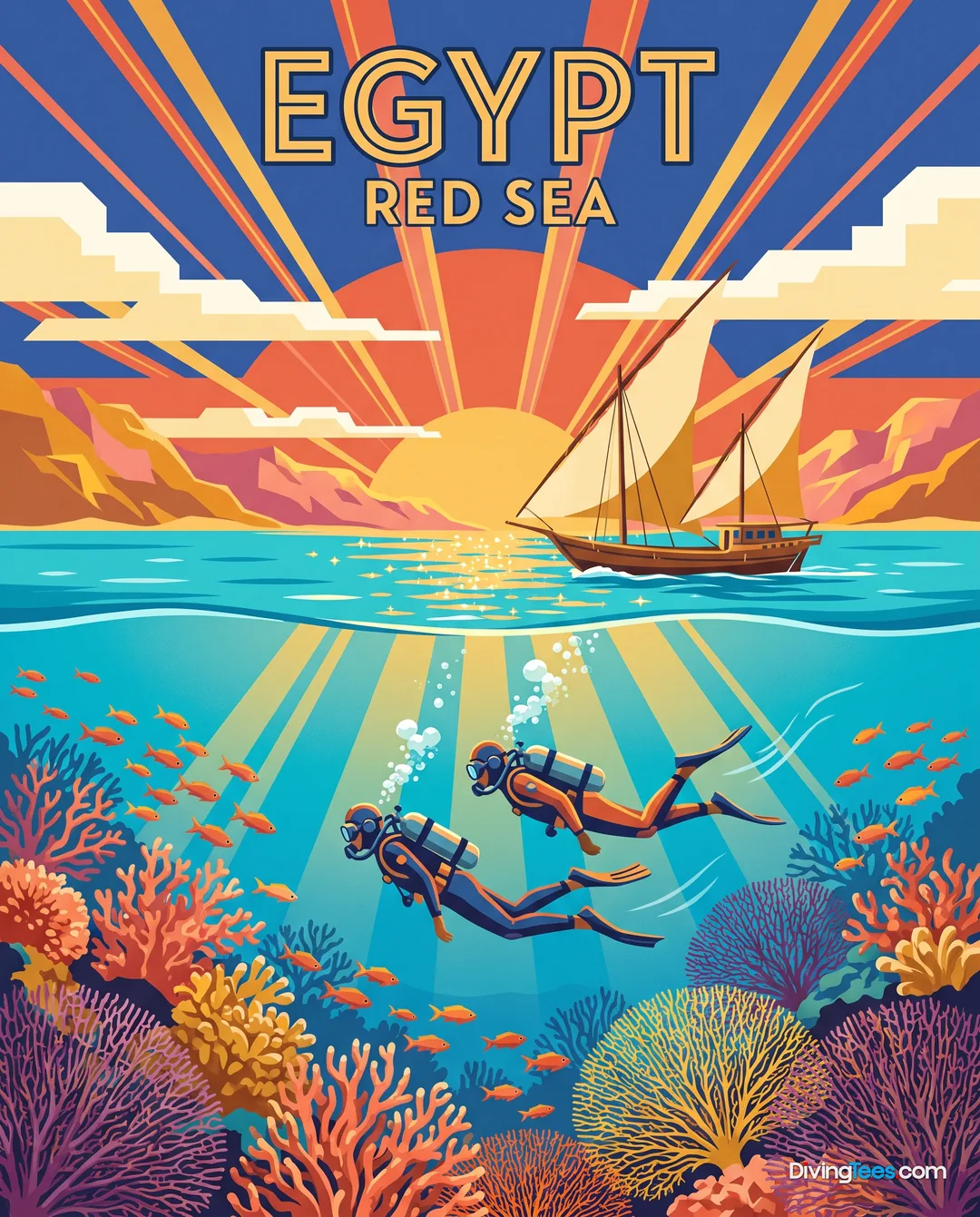
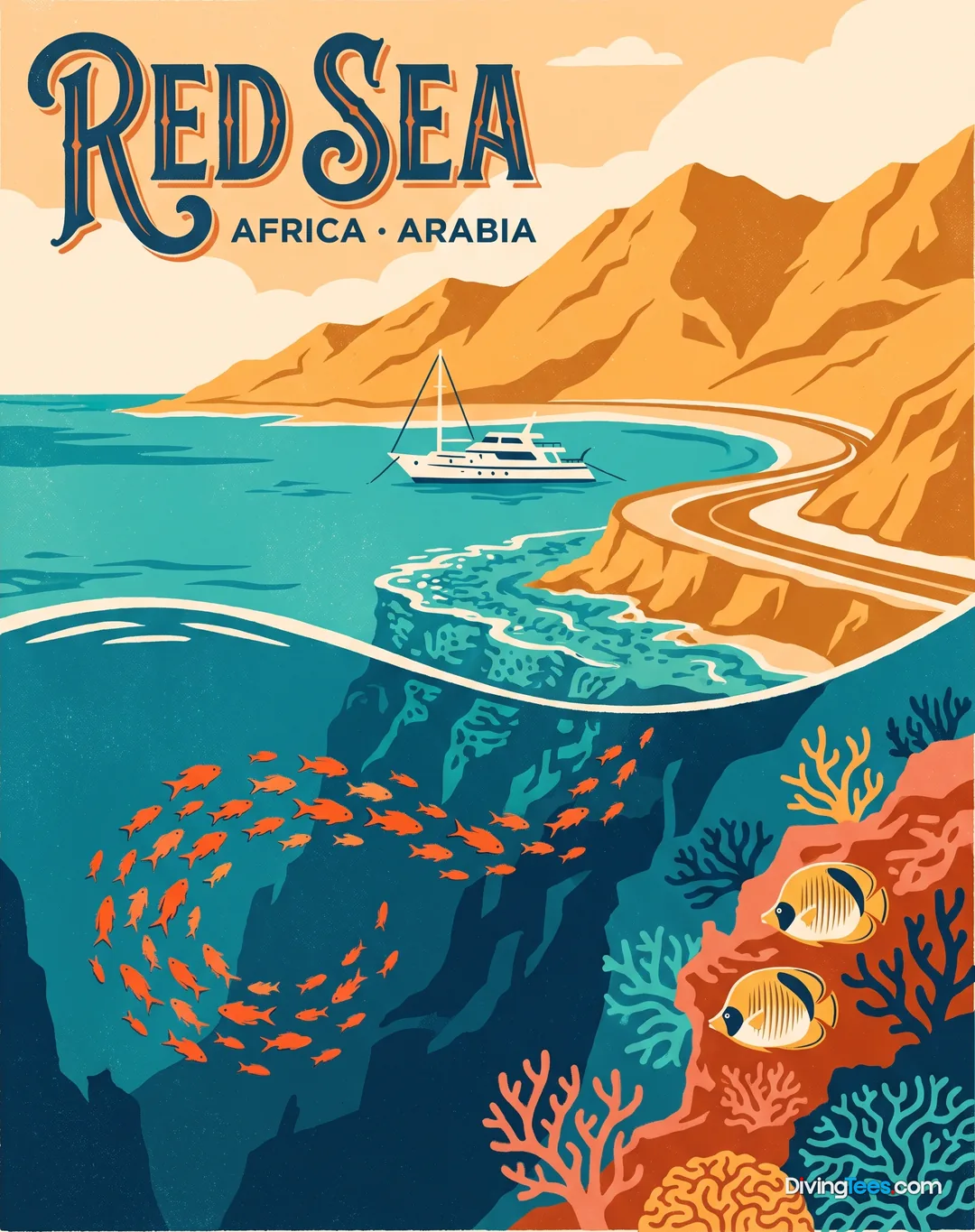
Liveaboards · Egypt
Sea Serpent Contessa — a spacious Red Sea liveaboard built around diving
What makes this boat unique
- The Contessa carries up to 24 guests in 12 air-conditioned cabins with private bathrooms.
- Its large shaded dive area has separate camera rinsing, charging stations, DIN adaptors, nitrox and two diver tenders.
- The recorded routes include North & Brothers, North & Tiran, and Brothers–Daedalus–Elphinstone, all lasting 8 days and 7 nights.
- Brothers, Daedalus and Elphinstone bring deep walls, wrecks and possible encounters with hammerheads, oceanic whitetips, manta rays and dolphins.
For subtitles in English: start the video firstthen click the gearat the top right of the video, select “Subtitles/CC”, then “Auto-translate” and choose “English”.
The invitation
The Contessa makes sense for divers who want the reach of a 24-guest boat without giving up room on deck. Her routes run from Hurghada to the northern reefs, Tiran and the offshore reefs of the southern Red Sea, with Brothers–Daedalus–Elphinstone as the strongest draw for pelagic hunting. The boat is designed specifically around diving: a broad platform, two tenders, shaded space for kitting up and enough separation between the camera area and the general rinse. That matters over a week of three or four dives a day. Come aboard for walls, current, wrecks and the possibility of seeing large animals in blue water, then return to a cabin and dining space that do not feel like an afterthought.
Boarding
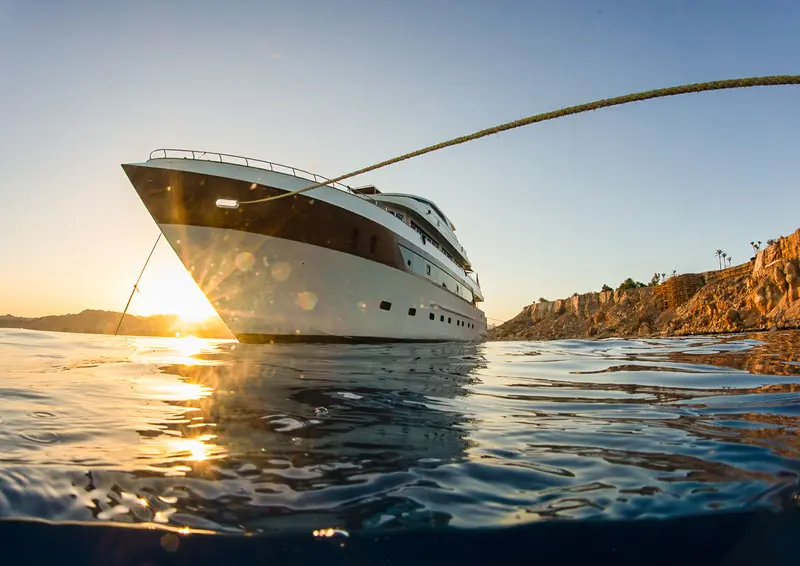
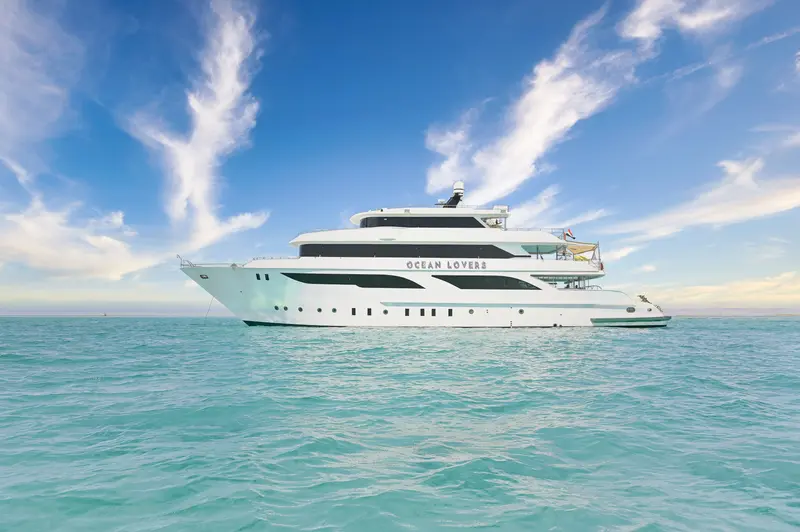
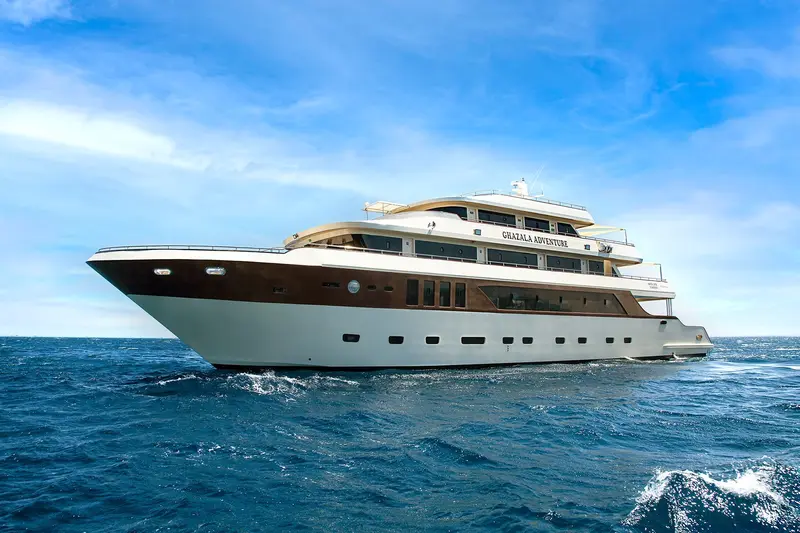
From the dock, the Contessa presents as a substantial wooden yacht rather than a stripped-down dive vessel. Wood and teak run through the boat, while the interior has the bright, polished look associated with the Sea Serpent fleet. The layout gives divers a clear path between cabins, salon, decks and the water-level dive platform, so gear does not have to travel through the living areas. A renovation in 2014 and again in 2020 supports the modern feel passengers describe in the cabins and common spaces. The boat is not sold on intimacy; with 24 guests, it is large enough for a proper dive operation and a real choice of places to sit. Once aboard, the practical impression is simple: the vessel is arranged to keep diving, eating and resting from getting in one another’s way.
The atmosphere on board
The Contessa suits divers who want a proper crew operation rather than a self-service boat. Guides organise the groups, the deck crew handles the repetitive work around cylinders and tenders, and the multilingual team can work in English, German, French, Spanish, Russian, Portuguese, Polish and Italian. That range matters when briefings involve current, entry timing or a demanding wall. Passengers describe the crew as the part of the experience that most clearly lifts the boat above its raw vessel score of 8.5; crew scores reach 9.1, with food and diving also rated highly. By the middle of the week, the group usually knows who is chasing sharks, who is carrying a camera and who wants the quiet corner after lunch. Evenings belong to the salon, the shaded deck and the stories brought back from the last dive.
The sites you’ll dive
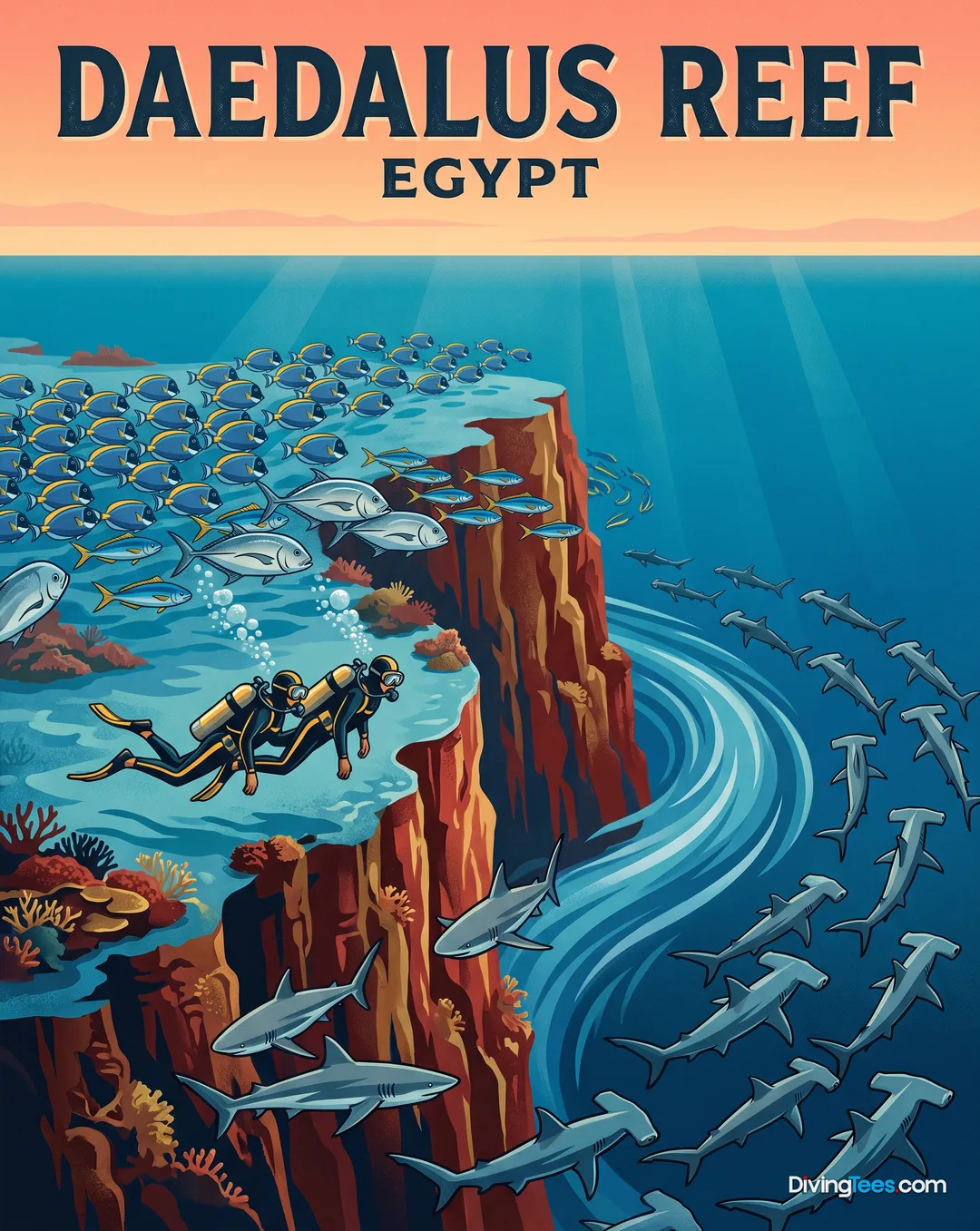
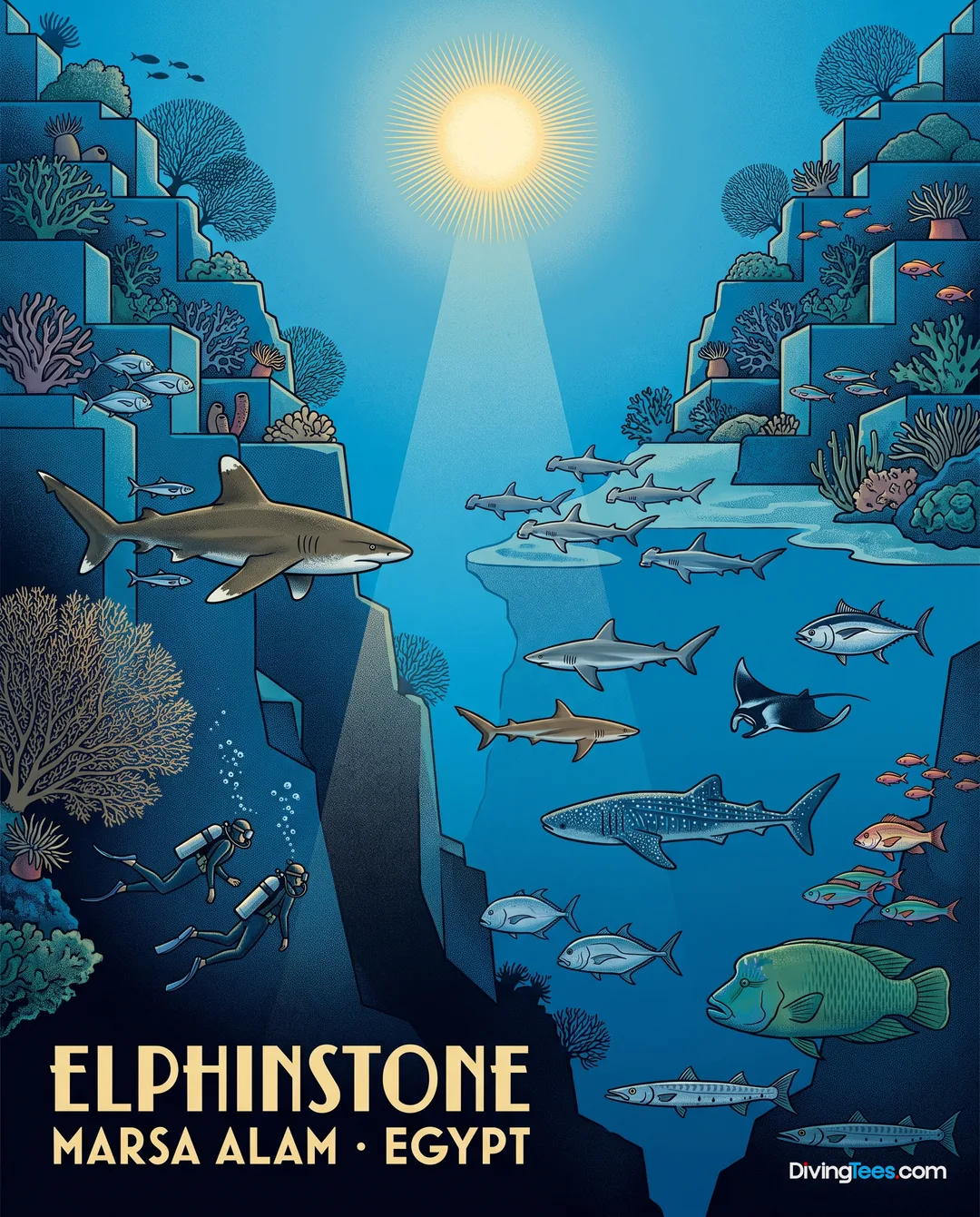
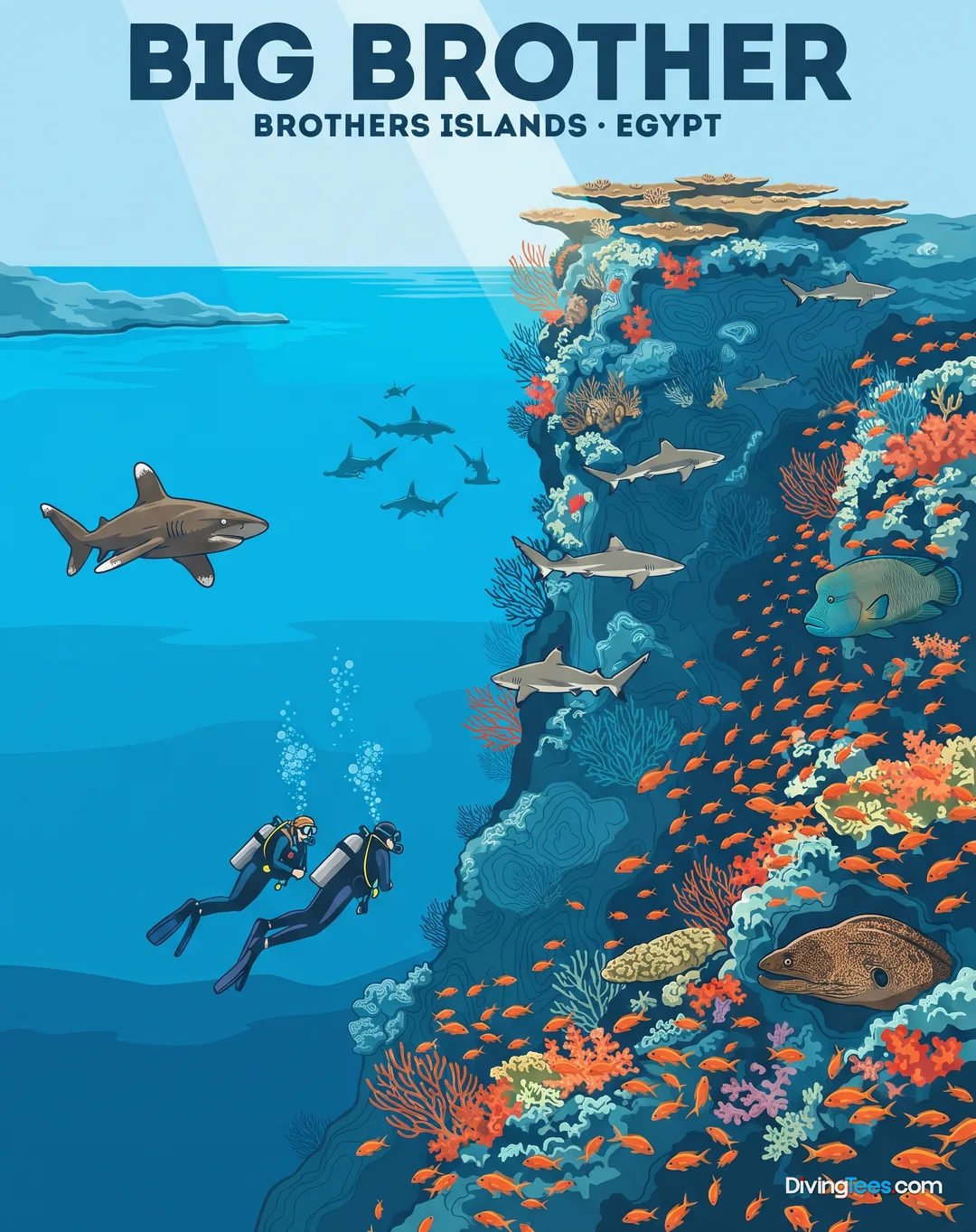
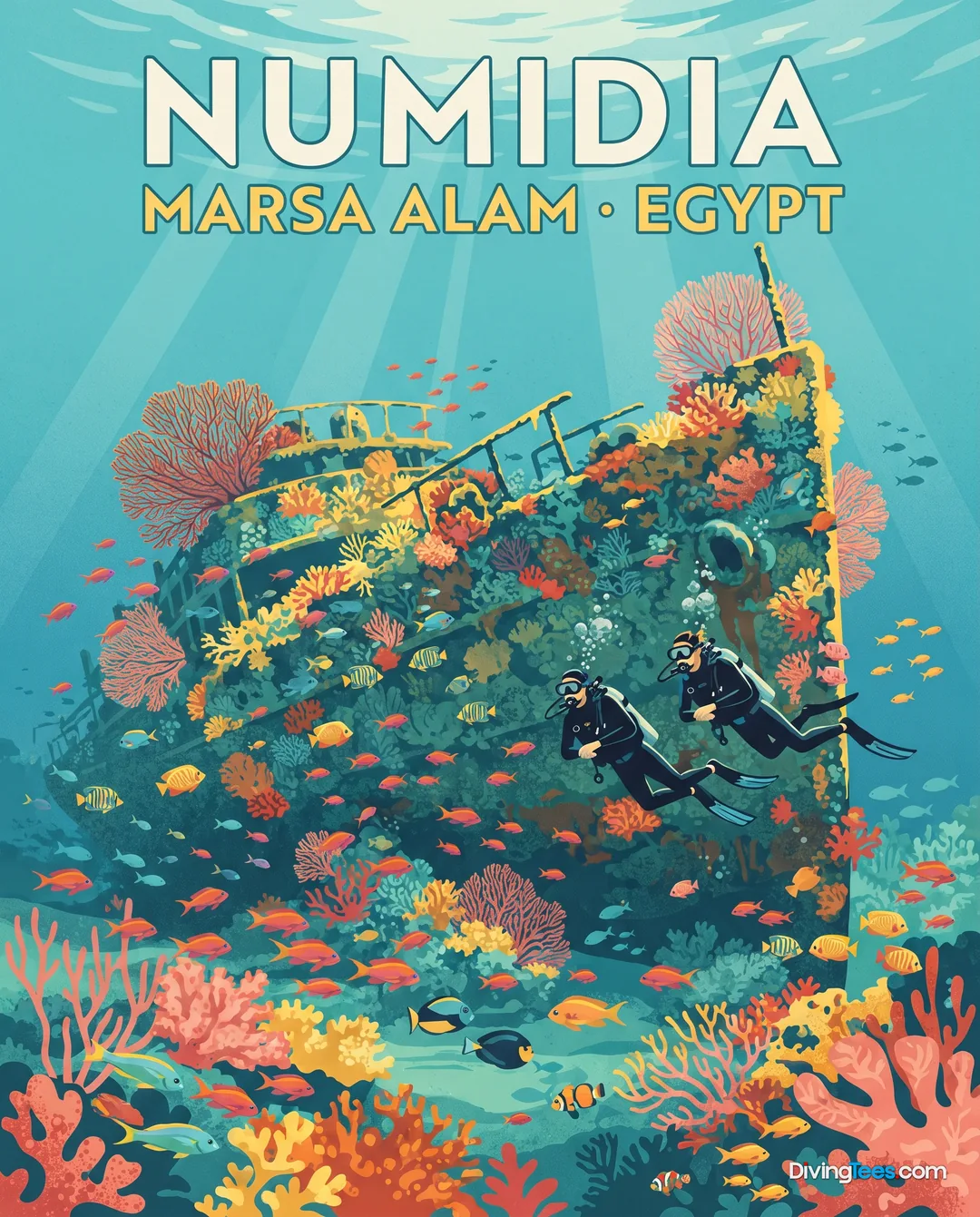
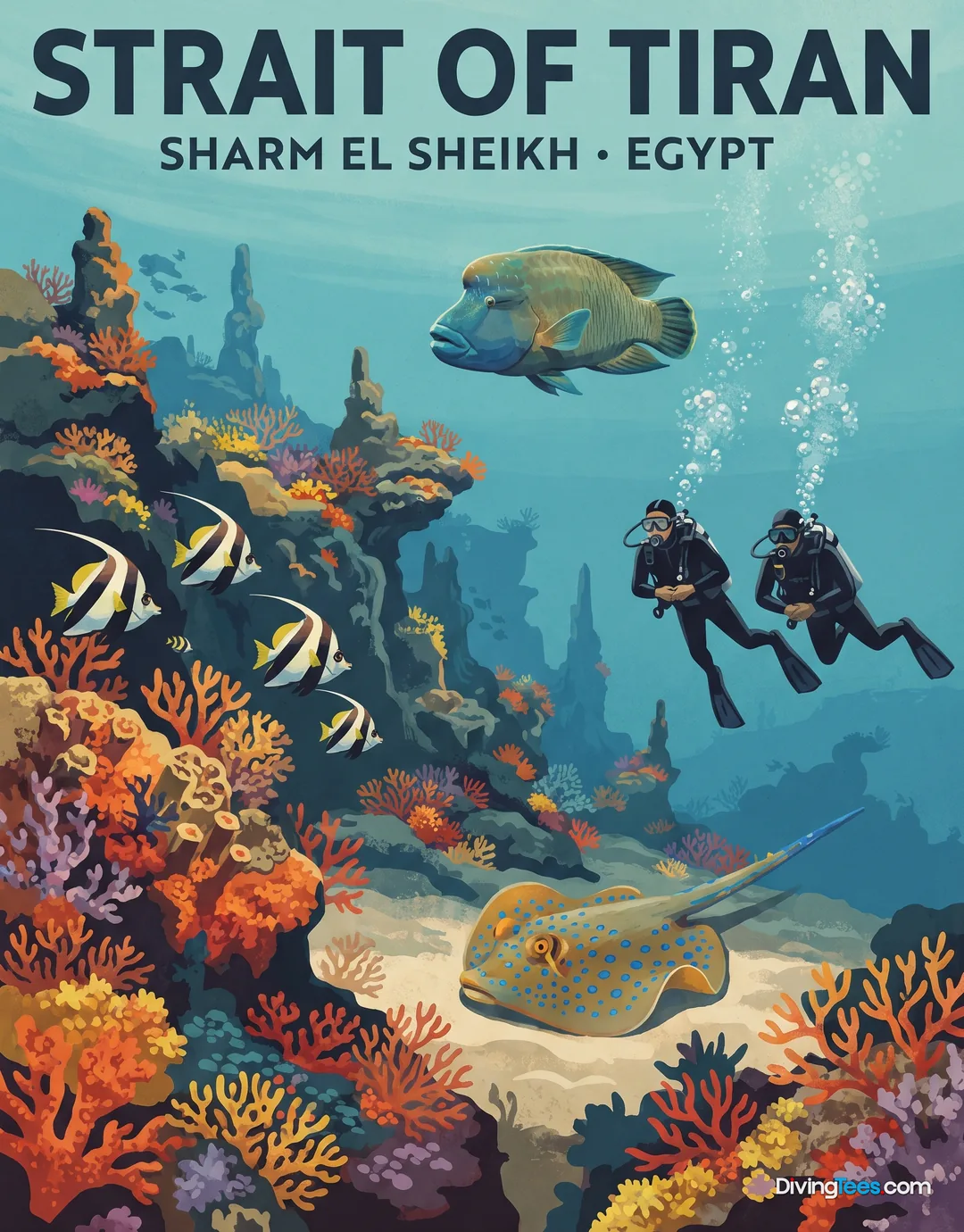
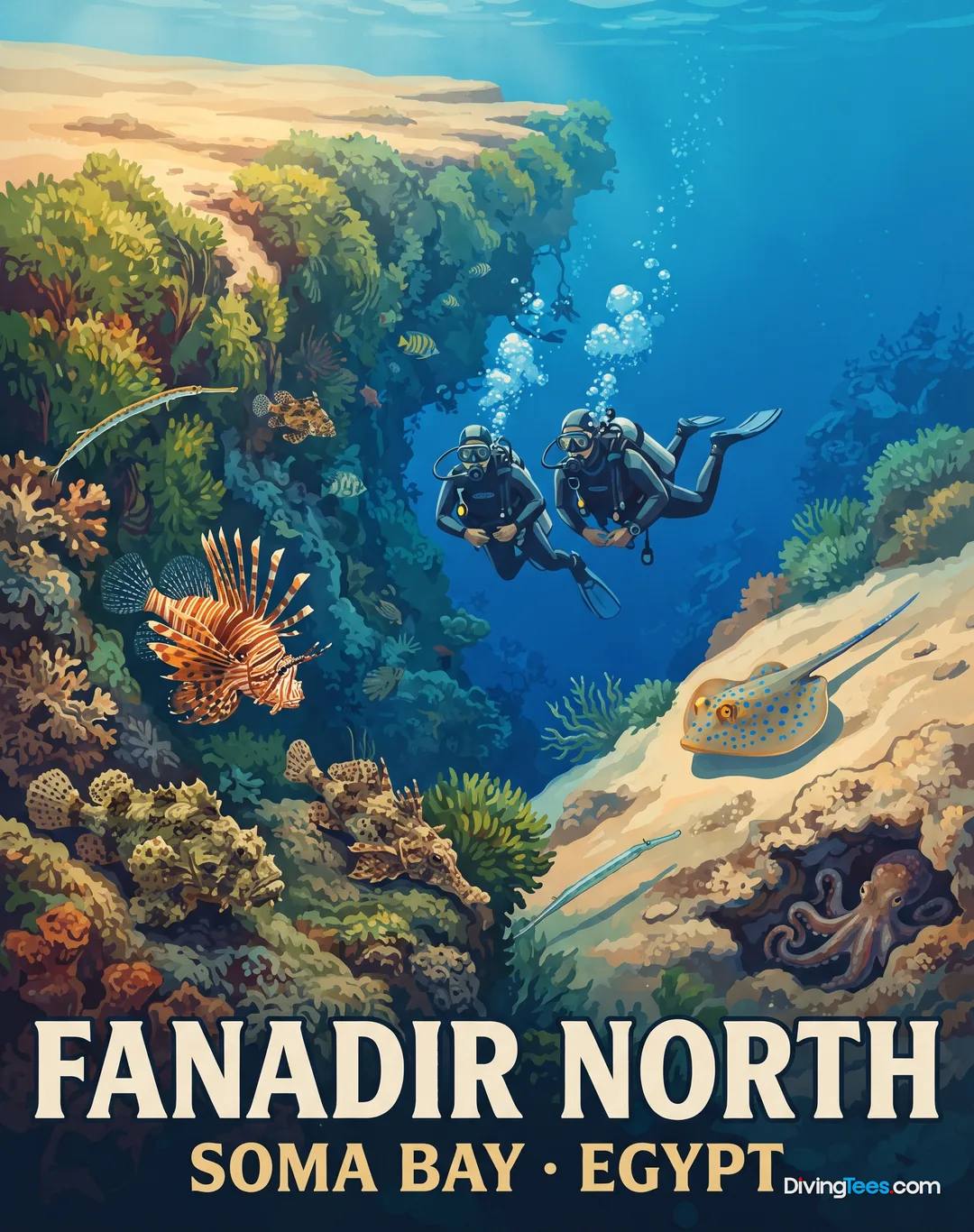
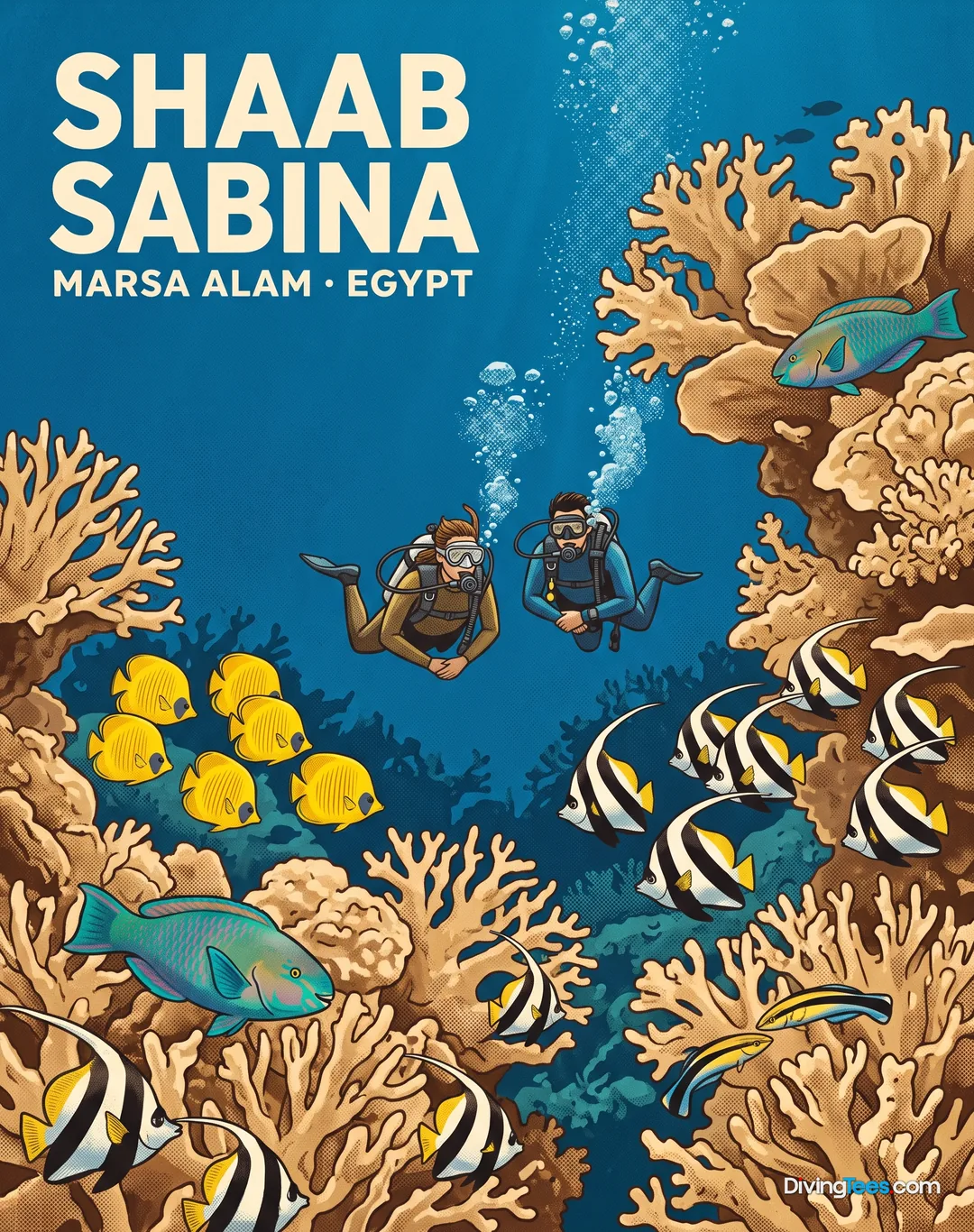
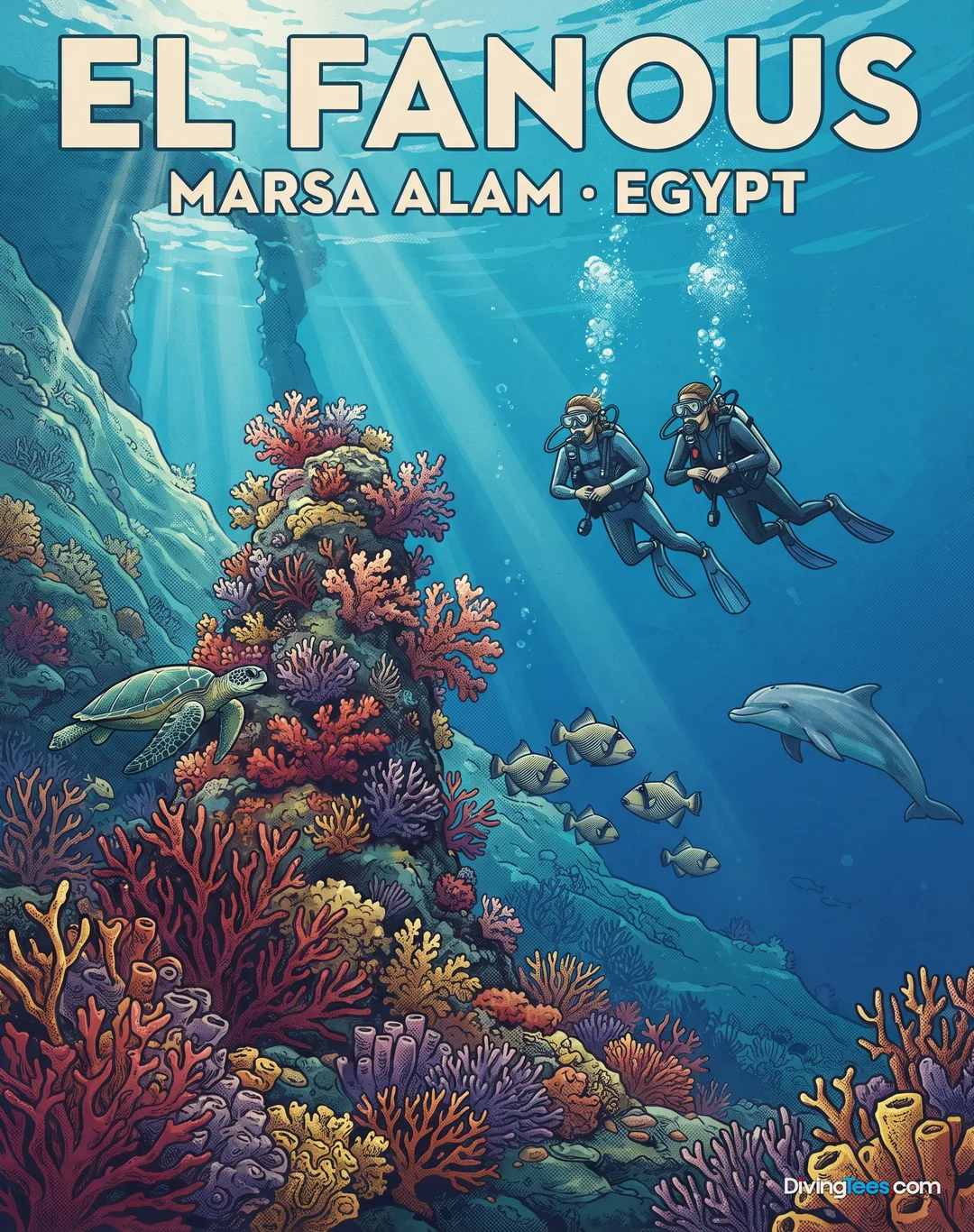
The strongest recorded route is Brothers–Daedalus–Elphinstone, an 8-day, 7-night passage from Hurghada and back. Big Brother combines walls with the Numidia wreck between 10 and 86 metres and the Aida on the north-west side; sharks gather around the south-east point. Daedalus is an isolated reef with steep walls, hard and soft corals and pelagic encounters, with a maximum depth of -40m on this site list. Elphinstone finishes the route with remote walls and dramatic drop-offs to a maximum of -60m, where oceanic whitetips, hammerheads and other large visitors may pass. North & Brothers adds wrecks and reefs before the offshore islands, while North & Tiran reaches the four reef systems of the Strait of Tiran. For shallower contrast, Fanadir North reaches -30m, Shaab Sabina -14m and El Fanous West -15m. The route decides whether the week is shaped more by wrecks, current or coral gardens.
Itineraries, dates and prices
Prices per person. Each month shows its lowest price: click a month, or pick an itinerary.
Next departures · 26 departuresfrom £982$1,313€1,173
October 2026
November 2026
March 2027
April 2027
See dates and prices
If you click these links and make a purchase on the partner site, DivingDeal may earn a commission, at no extra cost to you.
Dates and prices taken from Divebooker and liveaboard.com, updated 20 October 2026
What you’ll meet underwater
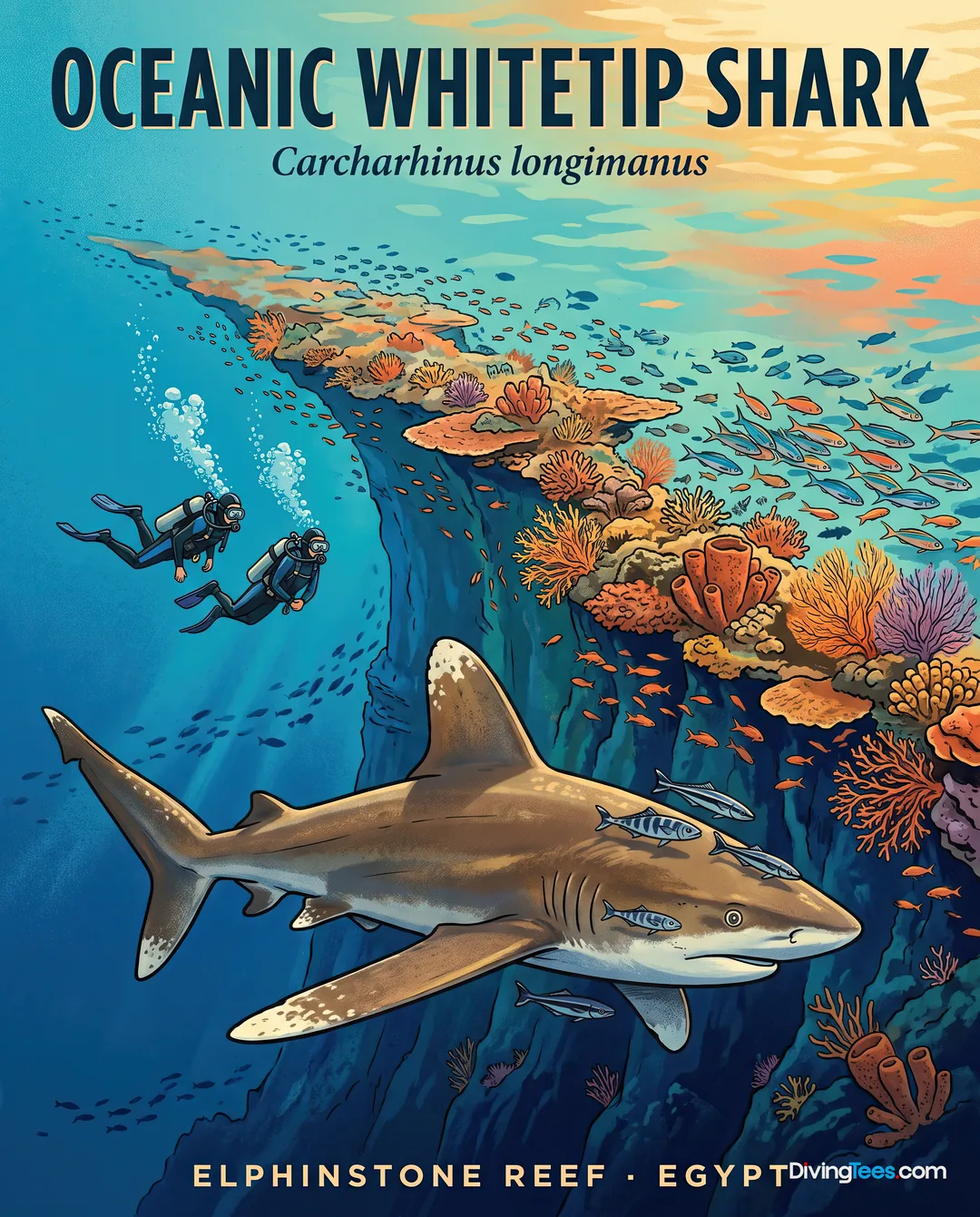
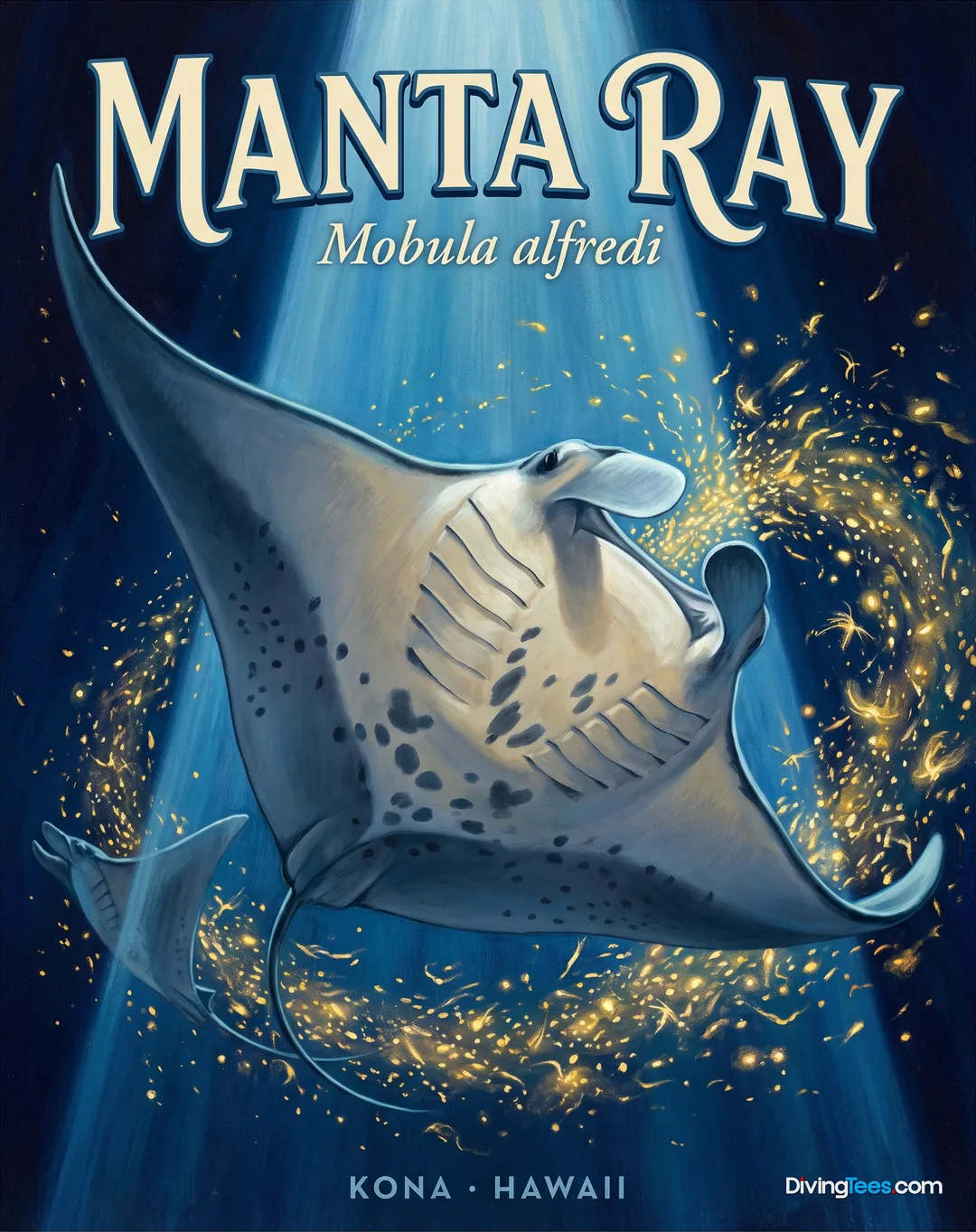
Across these routes, turtles, grey reef sharks, reef sharks, hammerheads, barracuda, tuna, dolphins, anthias, jacks, morays, hard corals and soft corals form the broad Red Sea cast. The memorable sightings are tied to particular places. Brothers Islands offer the chance of grey, hammerhead, silvertip, white-tip reef and oceanic whitetip sharks around isolated walls, as well as anemones; Big Brother’s currents and steep walls also hold the two wrecks. Daedalus is the place to look for hammerheads, manta rays and other pelagics moving along the offshore walls. Elphinstone adds possible black-tip reef sharks, gorgonians and a cleaning station, where fish gather to be serviced. Shaab Ruhr Umm Gamar has giant grouper and a plateau scattered with small pinnacles and the remains of at least three wrecks. At Shaab El Erg, dolphins may appear above reefs that also shelter glassfish and the nudibranch Chromodoris willani. Strait of Tiran brings nutrient-rich currents, coral reefs and the possibility of a green turtle.

Who puts you in the water
The dive team is multilingual and runs SSI courses onboard, including nitrox, deep and wreck specialties. The standard level is not the same on every route: protected reef sites can suit newer divers, while Brothers, Daedalus and Elphinstone are advanced destinations where current, depth and blue-water ascents demand sound skills. An actual diving certification is required. Briefings set the site, conditions and entry plan before divers move to their groups and tenders; the guides can stop a diver from joining a marine-park dive when experience or conditions make it unsuitable. Dives are planned as non-decompression dives. Oxygen, first-aid equipment and an AED are part of the boat’s emergency provision, with two 50-litre oxygen cylinders available across the fleet, and the crew receives first-aid and oxygen training. Night dives are not permitted in marine parks.
The dive deck and the gear
The dive platform is the Contessa’s strongest practical feature: broad, shaded and arranged for storing equipment at water level. Two Yamaha 65 HP tenders take divers to the reef and collect them after the ascent, avoiding a long surface swim back to the boat. Divers return to a platform with outdoor showers, rinse tanks and a separate camera rinse, while charging stations and a camera area support photographers through several dives a day. Nitrox is available free of charge, normally in the 28–32% range, for certified nitrox divers, and a nitrox course can be completed onboard. DIN adaptors are available. Technical diving, rebreathers and sidemount with one cylinder are supported. Rental equipment is an optional extra and should be arranged before sailing. Each diver must bring a computer, SMB, snorkel, torch, regulator with alternate air source and weights.
Between dives
The half-shaded deck is the practical refuge between dives: close enough to the platform for the next briefing, but removed from the noise of kitting up. Those who want heat can move higher for sun, while others settle under cover with a book, a camera or a drink. The air-conditioned salon gives a darker, cooler option when the Red Sea has taken enough out of the body. There is also a photo area and a separate camera rinse, so housings do not have to share every basin with masks and fins. When the boat is underway, the open decks give the week a different pace from the dive stops. The quiet hours are not elaborate; they are the useful spaces that let a diver recover before the next descent.
A day on board
The day begins with the first briefing before the boat’s dive operation moves into gear, tender and water. A first dive follows, then breakfast or a later meal, with further dives spaced through the day; the recorded operation usually runs three to four dives daily. Between entries, divers move from the platform to shade, the salon or the upper deck, while the crew resets cylinders and tenders for the next group. Lunch and snacks fill the shorter gap, and dinner arrives after the last planned dive, when the day’s sightings become the evening’s subject. On routes that allow it, a night dive changes the reef completely; marine-park sections do not permit one. Some days are spent underway between remote sites, and the boat’s broad decks make those crossings part of the trip rather than dead time. Then the cycle starts again with another briefing.
What you eat aboard
The galley covers European and Egyptian cooking, with local seafood, sushi, buffet meals and food prepared to order. Vegetarian and vegan choices are available, and other dietary requests can be handled when arranged in advance. Fresh bread, fruit, snacks through the day and non-alcoholic drinks keep the gaps between dives from becoming a search for food. Outdoor dining is available when conditions allow, which changes the meal from a refuelling stop into the social centre of the day. After four dives, the useful measure is variety: the table has to offer something different when everyone arrives hungry, sun-flushed and ready to talk. On this boat, food is one of the stronger parts of the operation, reflected in a food score of 9.6.
Nights at sea
The 12 cabins are on the lower and main decks, in twin or double-bed layouts, with air-conditioning and private bathrooms. The main-deck cabins have standard windows, while the upper spaces are intended for sitting out rather than turning every cabin into a suite. After a late return from the platform, hot water, towels and daily housekeeping remove the small frictions that become noticeable on a liveaboard. Between dives, the shaded deck keeps the strongest sun off sleeping divers; later, the top deck opens the boat to the evening air. The Contessa has enough separate space that someone can read quietly while another group talks through the last dive. It is a functional night’s rest after a demanding day, not a boutique-hotel promise.
Standard Twin Lower Deck Cabins
Standard Twin Main Deck Cabins
Double Bed Main Deck Cabins
What to know before boarding
The recorded Contessa routes depart from and return to Hurghada. Return transfers between Hurghada airport or hotel and the boat are included, with a representative meeting arriving passengers and assisting with the transfer. Check-in onboard is not before 5 PM on the first day and check-out is by 10 AM on the last; arriving in Hurghada the night before is the sensible choice.
Deck plan
- Year built
- 2008
- Year renovated
- 2014 2020
- Length
- 36 m
- Beam
- 7.5 m
- Maximum number of passengers
- 24
- Number of cabins
- 12
- Number of bathrooms
- 13
- Engines
- 2 × 1200 hp Man
- Cruising speed
- 11 knots
- Tenders
- 2 × Yamaha 65 hp
- Website
- seaserpentfleet.com ↗
Hello, I'm Marina, DivingDeal.com's AI assistant. I answer in detail about hotels, dive centres and liveaboards.
Thinking about the whole trip and the flights? Talk it over with Edith →
Marina is an AI. Some links are affiliate links: DivingDeal may earn a commission, at no extra cost to you. Bookings are made with the partner.