
Aqua Adventures
Google 4.9/5 (317 reviews)
Isla Mujeres · Mexico · Americas
Max. depth · 12 mNavigate a shallow, elongated reef system defined by intricate coral formations and gentle drift currents.
For subtitles in English: start the video firstthen click the gearat the top right of the video, select “Subtitles/CC”, then “Auto-translate” and choose “English”.
La Bandera presents an elongated reef structure that differs significantly from the flatter, more uniform reef stops common in the surrounding Isla Mujeres area. As you descend, you encounter a complex topography characterized by uneven relief and small coral formations. The reef is not a single wall but a series of coral mountains and ledges that create a dynamic underwater landscape. These formations provide various niches for marine life, including small cave-like openings and overhangs that define the site's character. The reef's extended shape makes it an ideal location for a controlled drift dive.
The dive profile remains relatively shallow, typically staying between 10 and 12 metres throughout the experience. This depth allows for ample light to reach the reef, highlighting the textures of the elkhorn coral and the intricate structures of the terrain. You will navigate through a landscape where the current has shaped the coral into various peaks and valleys. The shallow nature of the site means you are frequently interacting with the reef's surface rather than looking down a deep drop-off. This proximity to the substrate makes the fine details of the reef life easy to observe.
Movement at La Bandera is primarily governed by a light current that facilitates a drift dive. Rather than constant finning, you can often allow the gentle flow to carry you along the length of the reef. This movement helps you cover more ground and encounter different sections of the coral formations without excessive exertion. The current is generally predictable, though it is the primary driver of the site's drift character. Planning your ascent and monitoring your position relative to the reef is essential as you follow the natural flow of the water.
The reef's structure provides excellent hiding spots for several resident species. You will frequently encounter moray eels, specifically the spotted moray eel and the green moray eel, tucked into the crevices and cave-like openings of the coral. Large crabs and Caribbean spiny lobsters are also common, often found near the ledges or under the protection of overhangs. These animals utilize the uneven relief of the reef for shelter, making it worthwhile to scan the gaps in the coral. The complex terrain ensures that there is always a pocket of life to observe if you look closely.
Mid-water and reef-associated fauna add significant interest to the dive. Large groupers are often seen patrolling the deeper edges of the coral formations, while schools of pompano and barracuda move through the water column. You can also observe various species of angel fish navigating the reef surface. These larger fish tend to utilize the reef for both hunting and shelter, moving between the coral peaks as the current carries you past. The presence of these species makes the site a productive environment for observing natural predatory behaviors.
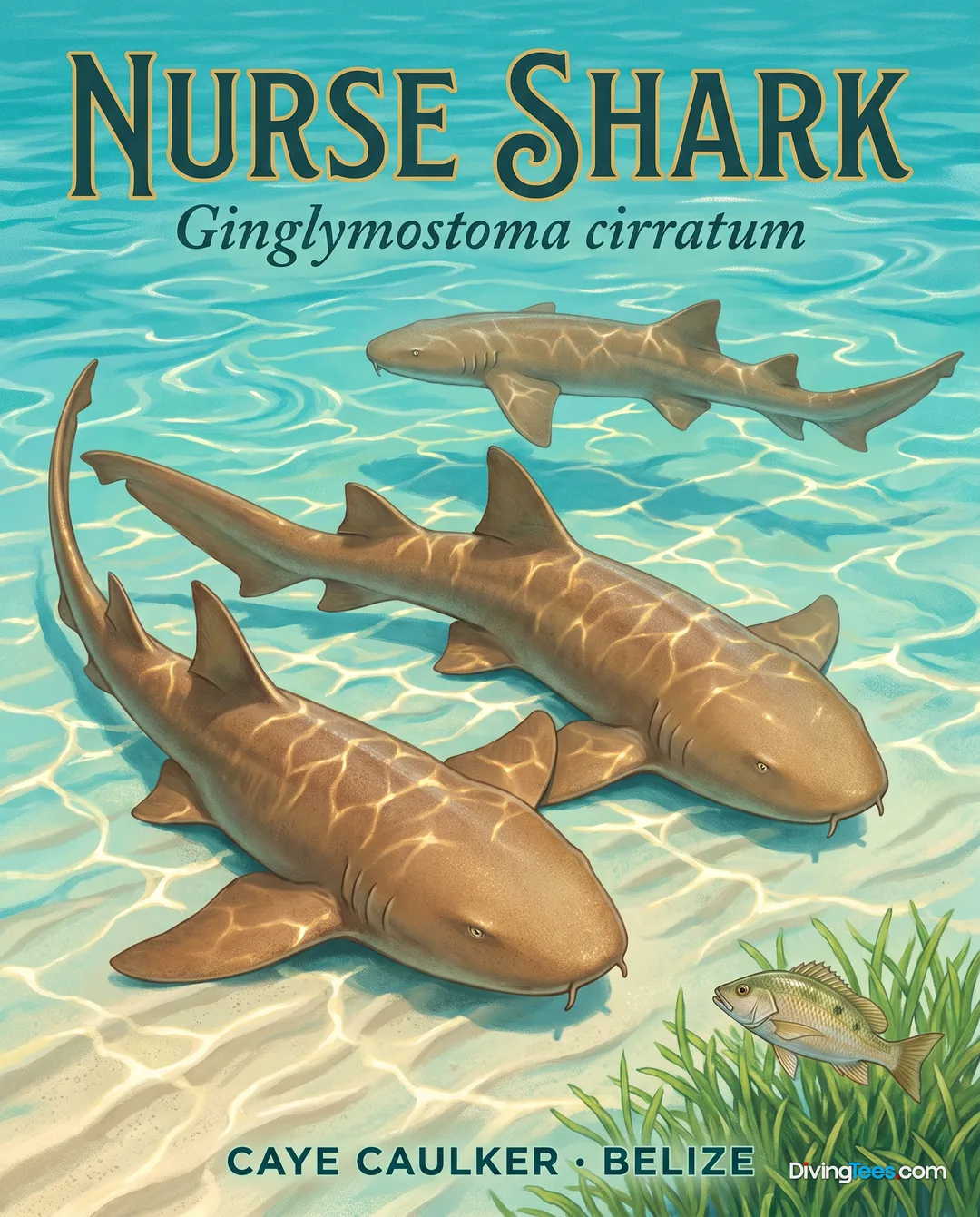
Shark sightings are a notable aspect of the La Bandera experience. Nurse sharks are frequently encountered, often resting near the bottom or moving slowly through the light current. Their presence is common due to the abundance of hiding spots and the steady flow of nutrients across the reef. While they are generally docile, observing them in their natural habitat as they glide over the coral mountains is a highlight of the site. The visibility here, often ranging between 18 and 30 metres, ensures that you can spot these large predators from a distance.
The site's location within the Isla Mujeres marine park area means it is well-protected and typically part of organized two-tank boat trips. Because the reef is elongated, the dive is structured around following its profile, which provides a sense of progression throughout the bottom time. The combination of shallow depth, interesting relief, and the ease of a drift dive makes it a reliable site for those looking to explore the complex biodiversity of the Caribbean reef systems. The reef's specific topology, from its small coral mountains to its shallow ledges, remains its most defining feature.
The dive depth ranges from 10 to 12 metres. This site requires an Advanced level or an Open Water diver with proven experience in current environments. Visibility is typically between 18 and 30 metres. The site is characterized by light currents that create a drift dive experience.
La Bandera requires an Advanced level, or Open Water certification with proven experience in current environments. The site involves a controlled drift dive along an elongated reef, so you should be comfortable following light current, monitoring your position relative to the reef, and planning your ascent while moving with the flow.
La Bandera is a relatively shallow dive, with the profile typically remaining between 10 and 12 metres. This depth keeps you close to the reef surface, where ample light reveals the textures of the elkhorn coral, uneven relief, ledges, peaks, valleys, overhangs, and small cave-like openings.
La Bandera is characterized by light, generally predictable currents that create a drift dive. Instead of constant finning, you can allow the flow to carry you along the elongated reef and cover different coral formations. You should still monitor your position relative to the reef and plan your ascent while following the current.
At La Bandera, you can explore uneven coral relief, diverse formations, ledges, overhangs, and cave-like openings. Frequent sightings include nurse sharks, spotted moray eels, green moray eels, large groupers, pompano, barracuda, angel fish, large crabs, and Caribbean spiny lobsters. Visibility is typically between 18 and 30 metres.