
Aqua Adventures
Google 4.9/5 (317 reviews)
Isla Mujeres · Mexico · Americas
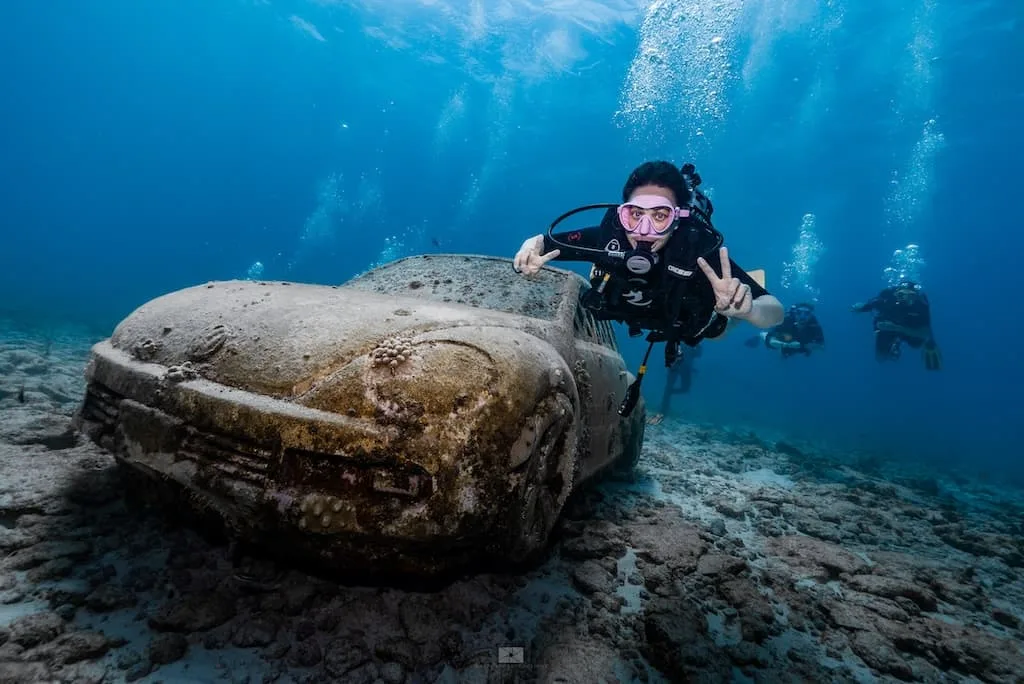
Max. depth · 12 mExplore a shallow, sandy coral garden featuring the MUSA underwater sculpture gallery.
For subtitles in English: start the video firstthen click the gearat the top right of the video, select “Subtitles/CC”, then “Auto-translate” and choose “English”.
Manchones presents a distinct topography compared to the deeper walls often found in the Caribbean. The site is composed of a shallow, relatively flat coral-garden profile where coral heads are interspersed with patches of coarse white sand. This layout creates an open, navigable environment that is easy to traverse without the disorientation common on vertical drop-offs. You will find the reef structure extending to a maximum depth of approximately 12 metres, making it a consistent profile for much of the site.
The geography of the area is often divided into Manchones 1 and Manchones 2, depending on the route taken by your boat. Manchones 1 tends to offer a gentle, warm flow that moves through the coral formations, while Manchones 2 is frequently reported to be almost entirely still. These variations depend on your specific position within the reef and the daily conditions. The sandy bottom between the coral heads is where the MUSA underwater museum sculptures are positioned, typically at depths between 4 and 10 metres.
Descending into the site, you will move through a landscape of natural formations and human-made art. The MUSA gallery is integrated into the sandy-bottom reef formations, providing a unique focal point for your dive. The transition between the coral gardens and the sculptures is seamless, as the art sits directly within the natural habitat. This makes the site particularly useful for divers practicing buoyancy control or those interested in underwater photography where light remains consistent.
The resident fauna is typical of the healthy Caribbean reef ecosystem found near Isla Mujeres. You can expect to encounter various species such as the queen angelfish and the French angelfish navigating the coral heads. Schoolmaster snapper often congregate in groups around the reef structure, adding movement to the scene. For those looking closer at the substrate, moray eels are frequently found tucked into the crevices of the coral or near the sandy transitions.
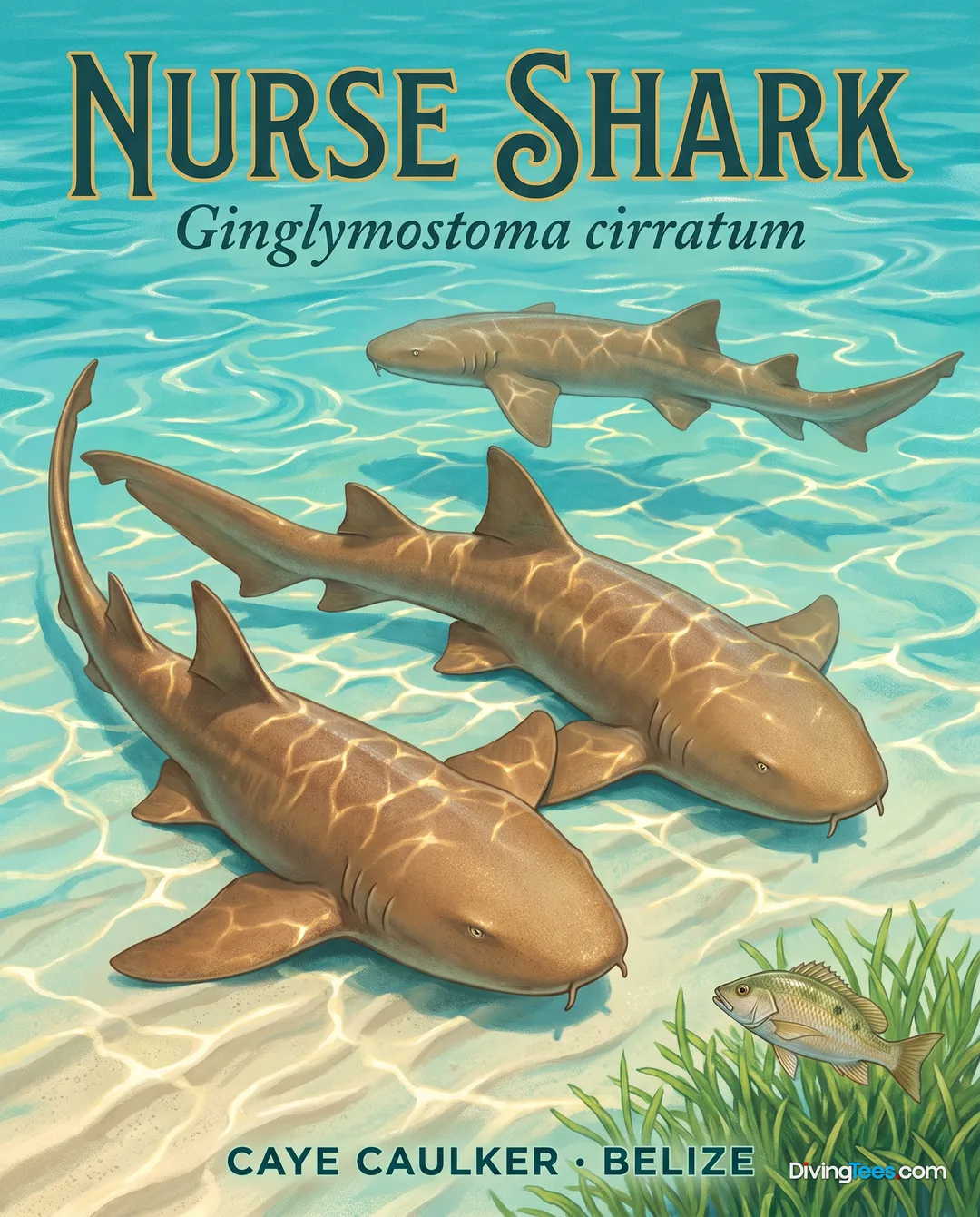
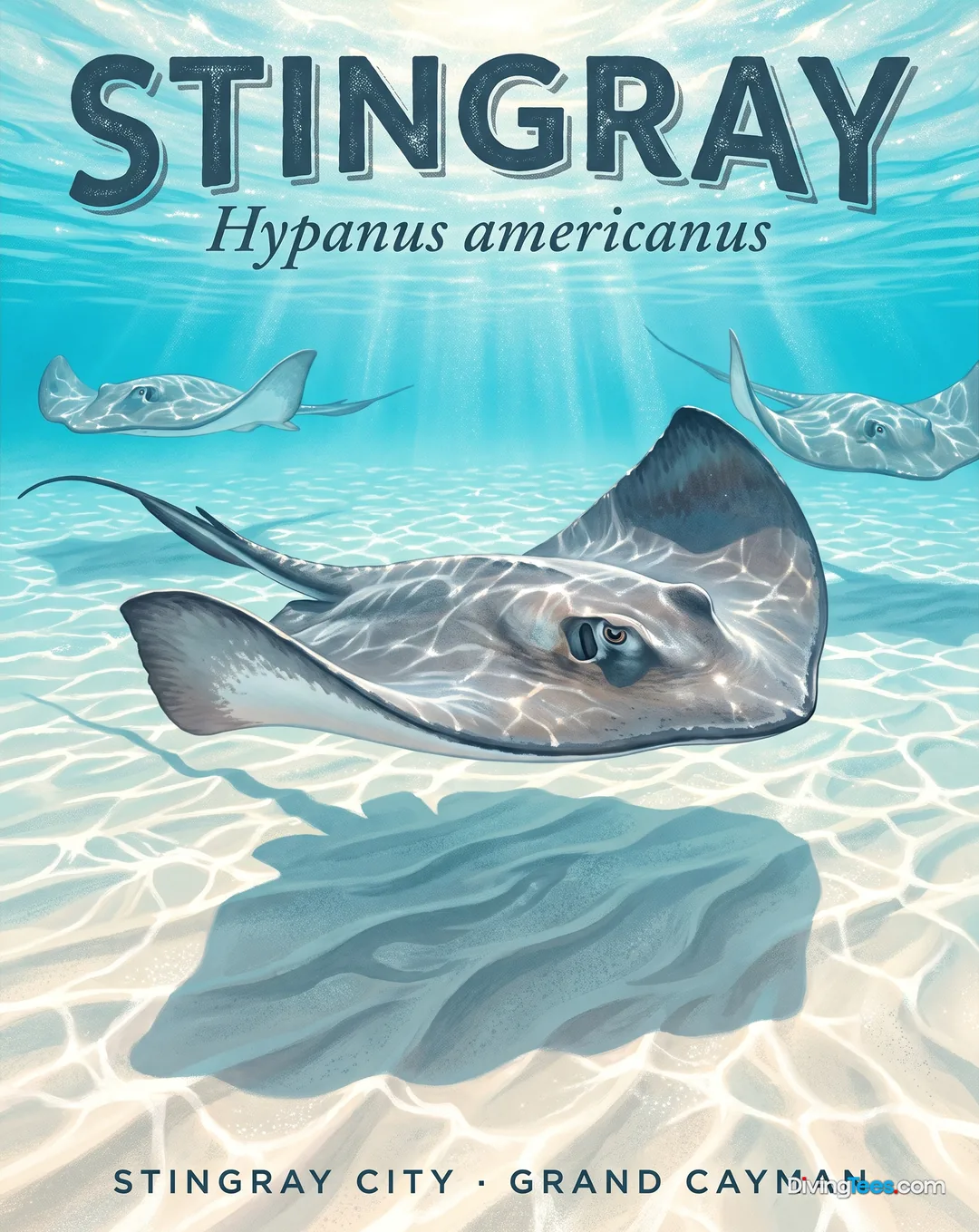
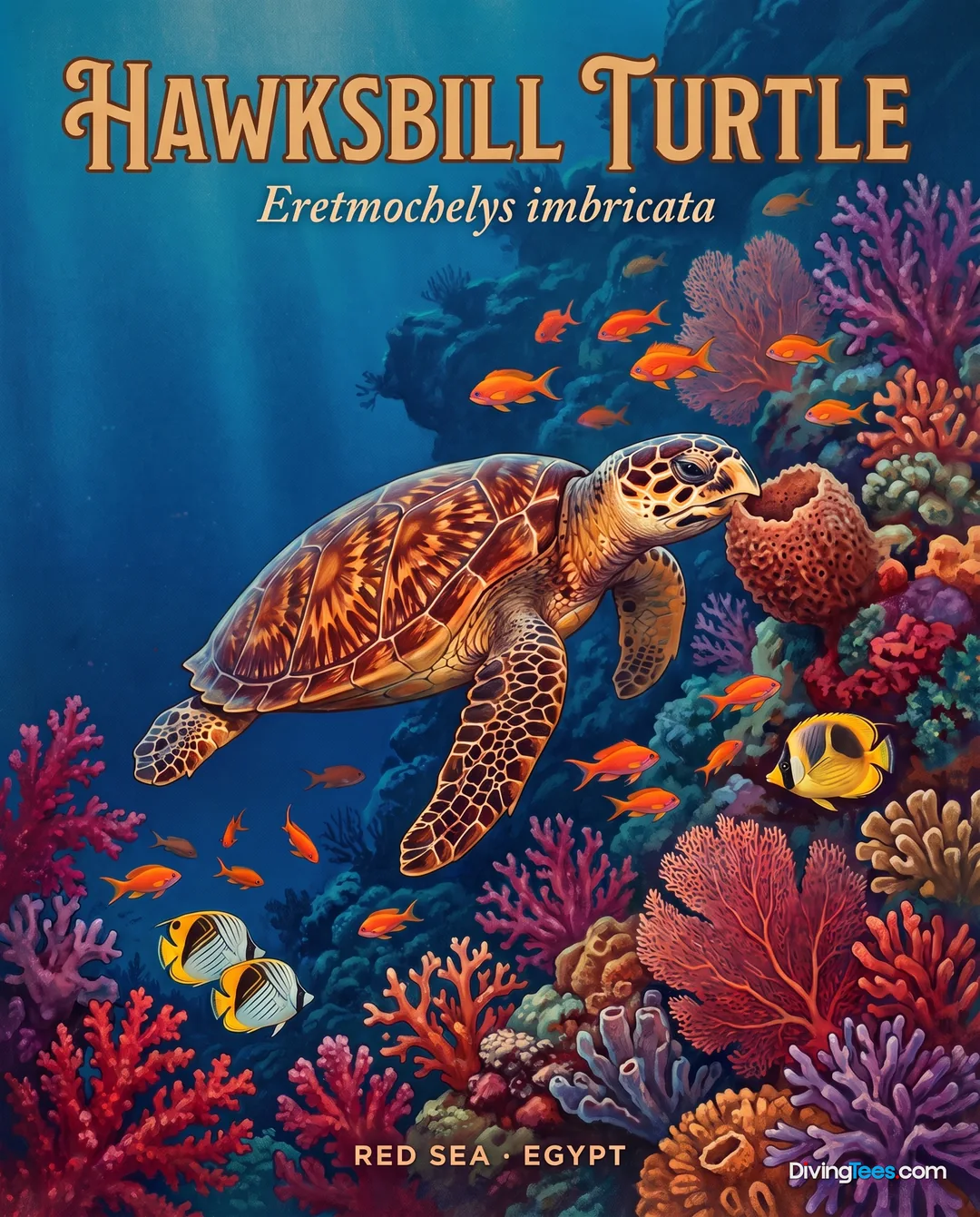
The larger marine life at Manchones provides a different experience than the reef-dwelling species. It is common to see hawksbill turtles cruising through the shallower sections of the coral gardens. You may also spot southern stingrays resting on the patches of white sand between the coral heads. Nurse sharks are also known to frequent the area, often staying close to the bottom or tucked into the natural formations.
Visibility at Manchones is generally high, ranging between 15 and 30 metres. This clarity is especially prominent during the drier, calmer periods of the year. However, like many sites in this region, heavy winds or storms can stir up the bottom and reduce visibility. When conditions are clear, the light penetration at these shallow depths is excellent, making it an ideal location for capturing the colours of the reef and the MUSA sculptures.
Currents at this site are generally light, which distinguishes it from the more exposed channel sites nearby. While you might feel a gentle flow in certain sections, the overall environment remains calm. This lack of heavy surge or strong drift makes it a reliable location for training dives or for divers who prefer a more controlled environment. The stability of the site allows you to focus on your surroundings rather than fighting to maintain your position.
The site has a depth range of 3 to 12 metres. It is accessible from the Open Water Diver level and is suitable for beginners and training dives. Currents are generally light or absent, though local variations occur between Manchones 1 and 2. Visibility typically ranges from 15 to 30 metres, with the best conditions occurring during the drier season.
Manchones generally offers visibility ranging from fifteen to thirty metres. The clearest conditions typically occur during the drier season, when calmer weather supports better water clarity. Heavy winds or storms can stir the bottom and reduce visibility. At these shallow depths, clear water also allows strong light penetration over the reef and sculptures.
Manchones is accessible from the Open Water Diver level and is suitable for beginners and training dives. Its shallow coral gardens, sandy patches, relatively flat profile, and easy navigation create a controlled environment. Gentle conditions allow you to focus on buoyancy, explore the reef, and view the MUSA underwater sculpture gallery without managing a demanding site.
Manchones ranges from three to twelve metres deep, with the MUSA sculptures positioned between four and ten metres. Currents are generally light or absent, although local conditions vary between Manchones one and two. Manchones one tends to have a gentle, warm flow, while Manchones two is frequently almost entirely still.
At Manchones, you can explore shallow coral gardens separated by coarse white sand and visit the MUSA underwater sculpture gallery. Marine life includes queen angelfish, French angelfish, schoolmaster snapper, and moray eels. You may also encounter hawksbill turtles, southern stingrays resting on the sand, and nurse sharks near the bottom or formations.