

Aqua Adventures
Google 4.9/5 (317 reviews)
6.2 km away as the crow flies
Isla Mujeres · Mexico · Americas
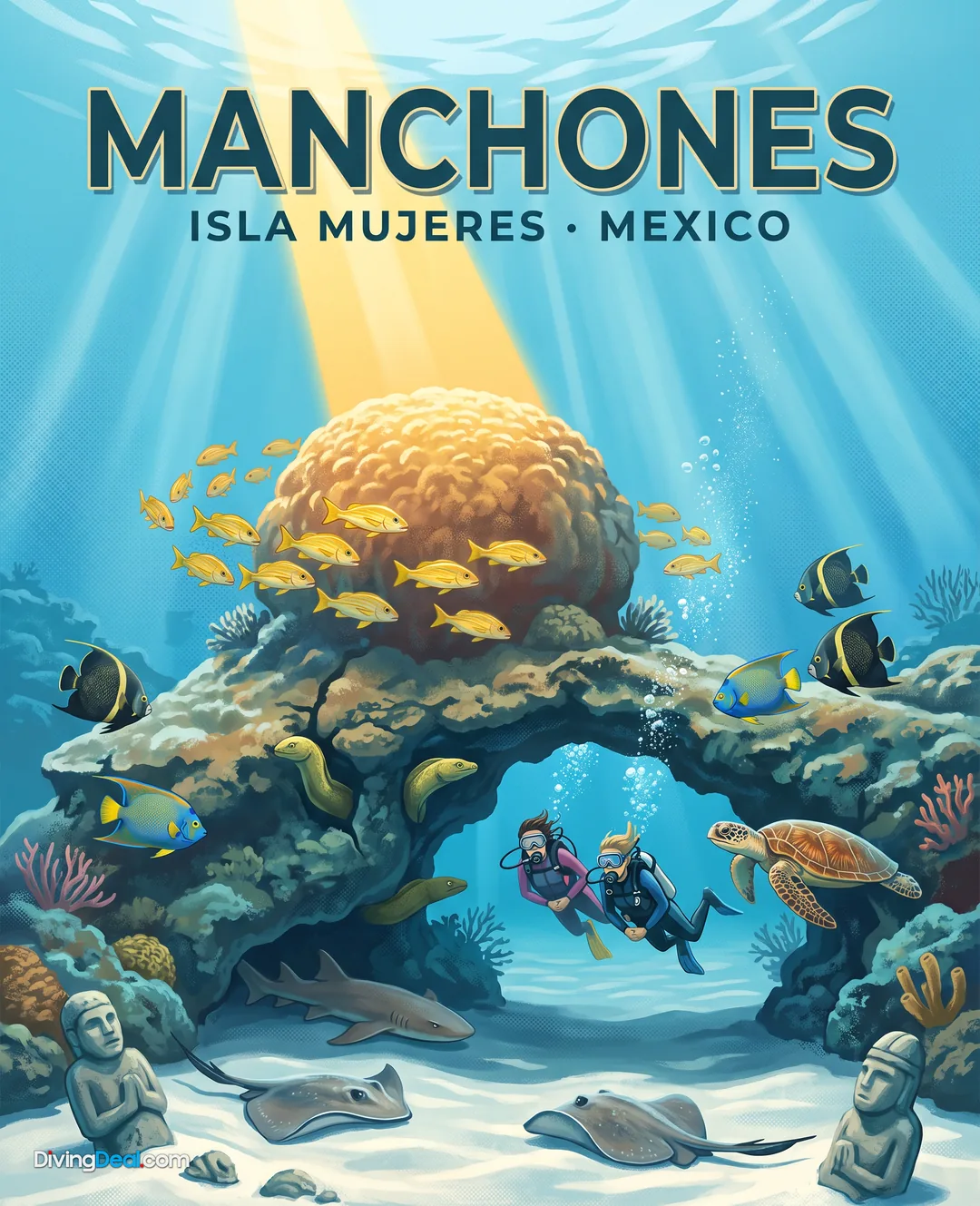
Max. depth · 10 mExplore over 450 life-sized concrete sculptures serving as artificial reefs in the shallow waters of Manchones Reef.
For subtitles in English: start the video firstthen click the gearat the top right of the video, select “Subtitles/CC”, then “Auto-translate” and choose “English”.
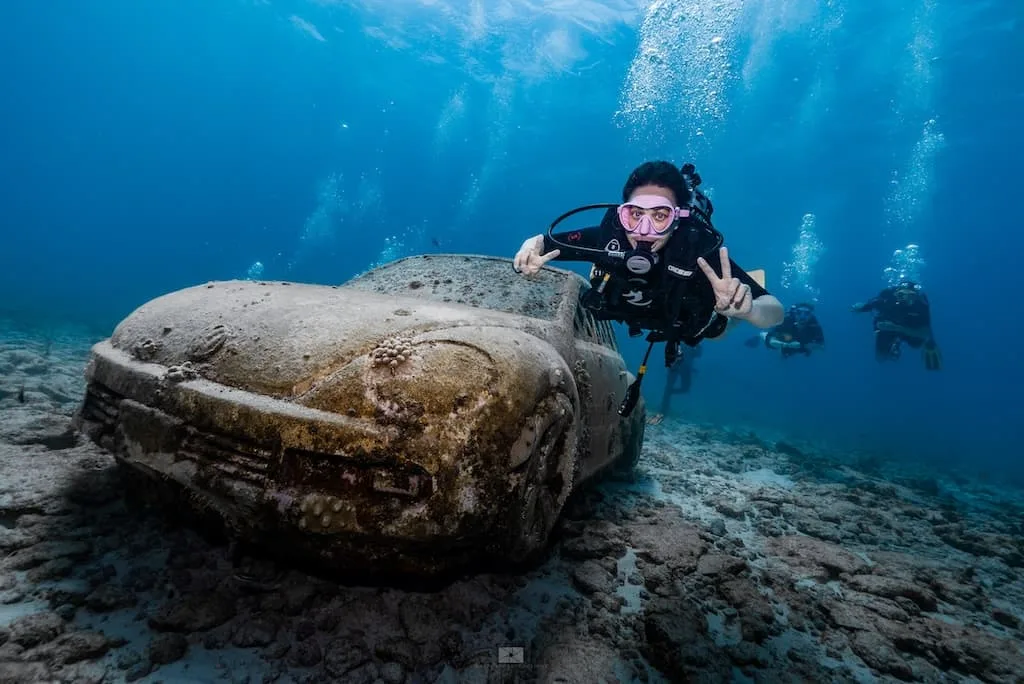
The MUSA (Museo Subacuático de Arte) is not a traditional reef system but a series of submerged sculpture galleries designed to facilitate coral growth. These concrete figures are strategically placed across the sandy bottom of the Manchones Reef area, creating an underwater museum that functions as an artificial reef. As you descend, you will see more than 450 individual sculptures arranged along open pathways. This site offers a distinct alternative to the natural formations typically found in the Caribbean, blending human artistry with marine biology.
The topography of the diving area consists of a shallow, sandy seabed that provides easy navigation between the various art installations. You will encounter concrete figures of different sizes and orientations, many of which have already been colonized by various coral species. This transition from smooth sand to textured, life-covered surfaces creates a fascinating visual landscape. The layout is designed for easy exploration, allowing you to navigate the pathways between the sculptures with minimal effort.
The depth throughout this specific sector is remarkably consistent, typically ranging from 8 to 10 metres. This shallow profile makes the site highly accessible and ensures that plenty of sunlight reaches the sculptures to support coral recruitment. Because the depth remains stable, you can spend significant time observing the intricate details of the art and the marine life congregating around them. It is a very forgiving environment for those navigating the seabed between the installations.
The local fauna frequently interacts with the sculptures, using the concrete surfaces as a substrate for attachment and shelter. You will often see various species of angelfish, such as the Queen angelfish (Pomacanthus paru) and French angelfish (Pomacanthus partitus), swimming amongst the statues. These fish are common residents of the area, often found hovering near the textured surfaces of the art. The man-made structures successfully mimic the complexity of a natural reef to attract these reef-dwelling species.
Other resident species include various snapper and grunt species that move through the sculpture galleries. You can also observe Blue tang (Acanthurus leachianus) and Barracuda (Sphyraena) patrolling the edges of the installation. The presence of diverse life, from small reef fish to larger predators, is a direct result of the artificial reef's success. The combination of art and biology makes the site a unique study in how marine life adapts to new structures.
The visibility in this area is generally good, typically ranging from 15 to 30 metres depending on local conditions. This clarity allows you to see the sculptures and the surrounding marine life from a distance, enhancing the scale of the museum. The light penetration at these shallow depths is excellent, making the colors of the fish and the textures of the concrete stand out. Clear water is essential for appreciating the fine details of the submerged art and the coral growth.
The current at this site is typically light, making it an easy area to navigate for divers of all levels. While local water movement can vary slightly with wind or sea state, the Manchones Reef area generally remains calm. This lack of heavy surge or strong currents makes the sculptures an easy target for photography and close-up observation. The stable conditions allow you to focus on the interaction between the art and the ecosystem without struggling against the water.
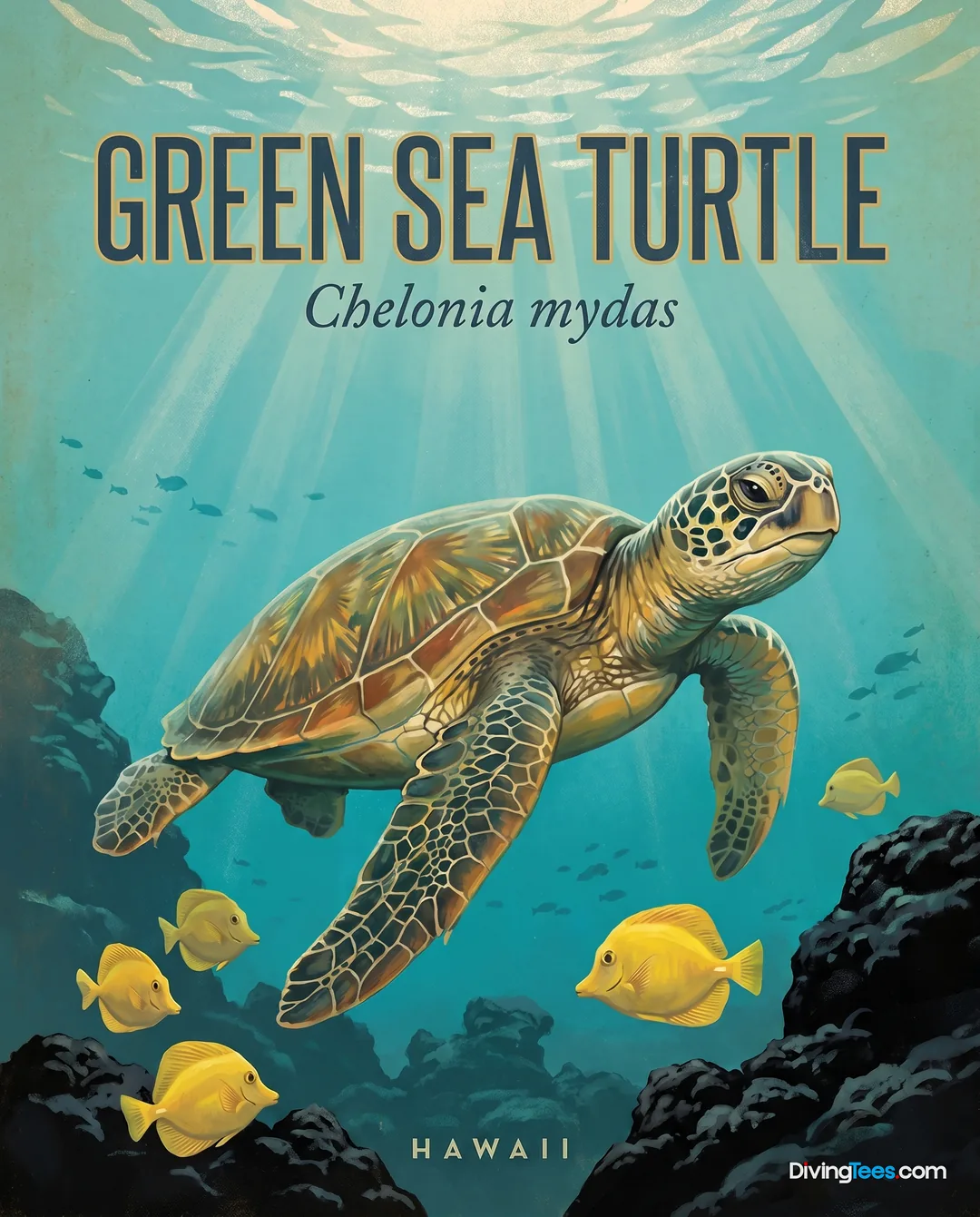
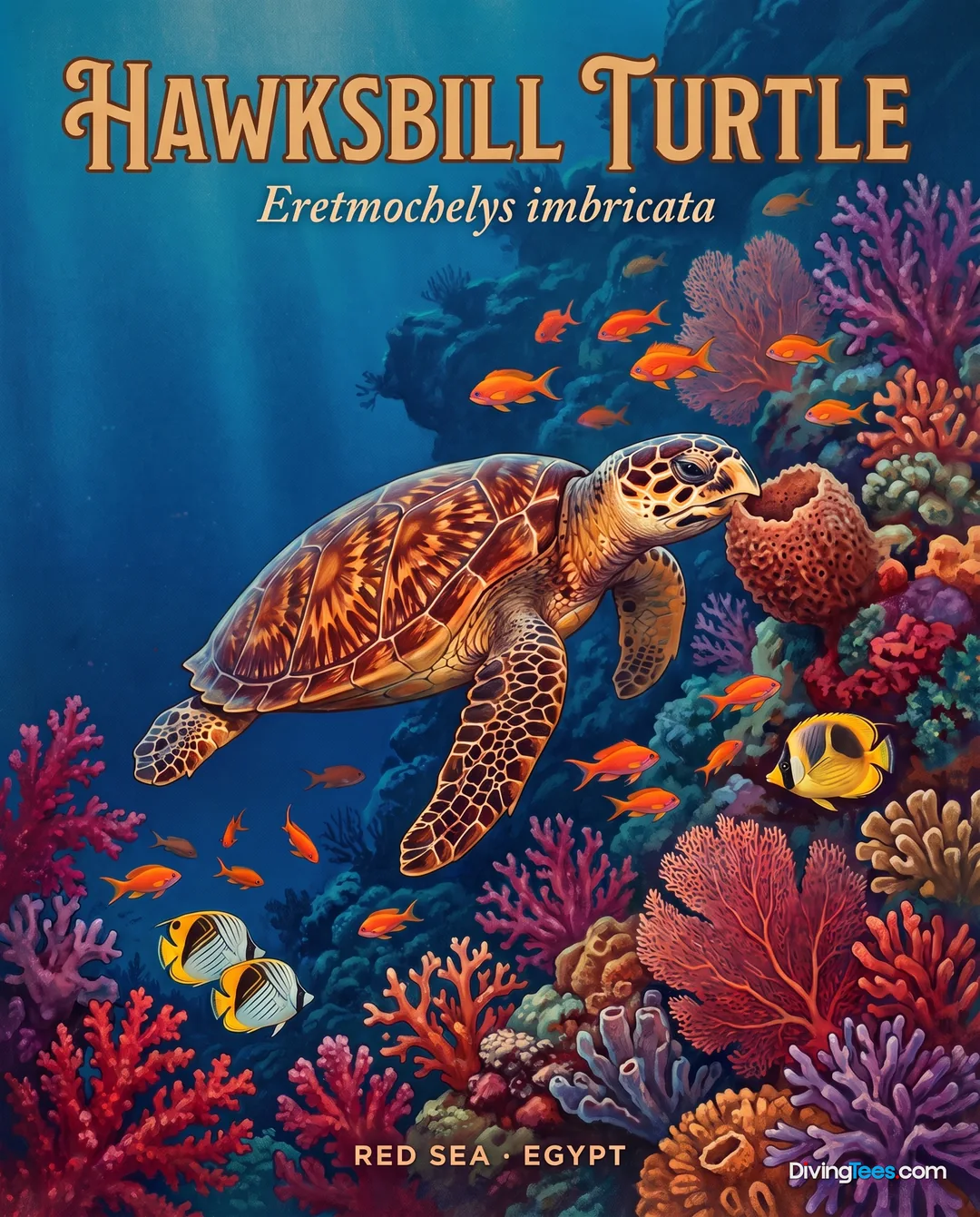
Sea turtles are a frequent presence when diving the MUSA galleries. You might encounter Green turtles (Chelonia mydas), Loggerhead turtles (Caretta caretta), or Hawksbill turtles (Eretmochelys imbricata) gliding through the shallow waters. These turtles often use the area as a feeding or resting ground, adding a significant sense of scale to the large sculptures. Watching them navigate between the concrete figures is one of the most rewarding aspects of this site.
When planning your trip, keep in mind that the best period for diving this area is between November and May. During these months, the conditions are generally most stable for exploring the galleries. Most boat operators depart from Isla Mujeres or the Cancun area to reach the site. The dive is frequently combined with a visit to the nearby Manchones Reef to provide a complete experience of the local marine environment.
Depth: 8 to 10 metres. Level: Open Water Diver. Current: Light. Visibility: 15 to 30 metres. Best season: November to May.
You can plan your MUSA dive between November and May, identified as the best season for exploring the galleries. During this period, conditions are generally most stable. Operators commonly depart from Isla Mujeres or the Cancun area, and the dive is frequently combined with a visit to nearby Manchones Reef.
MUSA is suitable for an Open Water Diver. The specific sector has a shallow, consistent depth of 8 to 10 metres, with a sandy seabed and open pathways between the sculptures. This profile lets you explore the installations and observe coral growth while plenty of sunlight reaches the underwater museum.
MUSA typically has light currents, making navigation between the sculptures straightforward. The Manchones Reef area generally remains calm, although water movement can vary slightly with wind or sea state. Visibility usually ranges from 15 to 30 metres, helping you view the galleries and marine life from a distance.
At MUSA, you can explore more than 450 submerged concrete sculptures arranged across the sandy seabed. Coral growth covers many surfaces, creating an artificial reef visited by Queen and French angelfish, snapper, grunts, blue tang, barracuda, and frequent green, loggerhead, or hawksbill sea turtles.