

Aqua Adventures
Google 4.9/5 (317 reviews)
less than 1 km away as the crow flies
Isla Mujeres · Mexico · Americas
Max. depth · 20 mExplore a series of swim-throughs where sharks have historically been found resting in the depths of the limestone cavities.
For subtitles in English: start the video firstthen click the gearat the top right of the video, select “Subtitles/CC”, then “Auto-translate” and choose “English”.
Sleeping Sharks Cave is located on the eastern or northeast side of Isla Mujeres, presenting a topographical profile that differs significantly from the standard reef walls found throughout the region. Instead of a continuous drop-off, the site is defined by a complex arrangement of limestone formations and underwater cavities. These structures create several navigable swim-throughs that allow you to move through the seabed topography. As you descend, the transition from open water to the sheltered areas within the cave provides a distinct change in light and orientation.
The dive profile is relatively shallow, with the main activity occurring between 16 and 20 metres. This depth range allows for extended bottom time while still providing enough vertical space to explore the various openings and overhangs. You will find that the topography encourages a slow, methodical approach to ensure you navigate the passages safely. The floor of the cave and the surrounding seabed are where the primary geological interest lies, offering a textured environment that contrasts with the sandy areas of the nearby plateau.
Historically, this site earned its name from a specific biological phenomenon where sharks were frequently observed resting motionless within the underwater cavities. These observations were often linked to localized water conditions, including specific oxygen levels and the presence of freshwater upwellings. While the regularity of these sightings can vary, the presence of these sharks remains the central draw for those visiting the site. Finding a shark in a state of rest within a dark swim-through is a unique experience compared to the typical active encounters found on the reef.
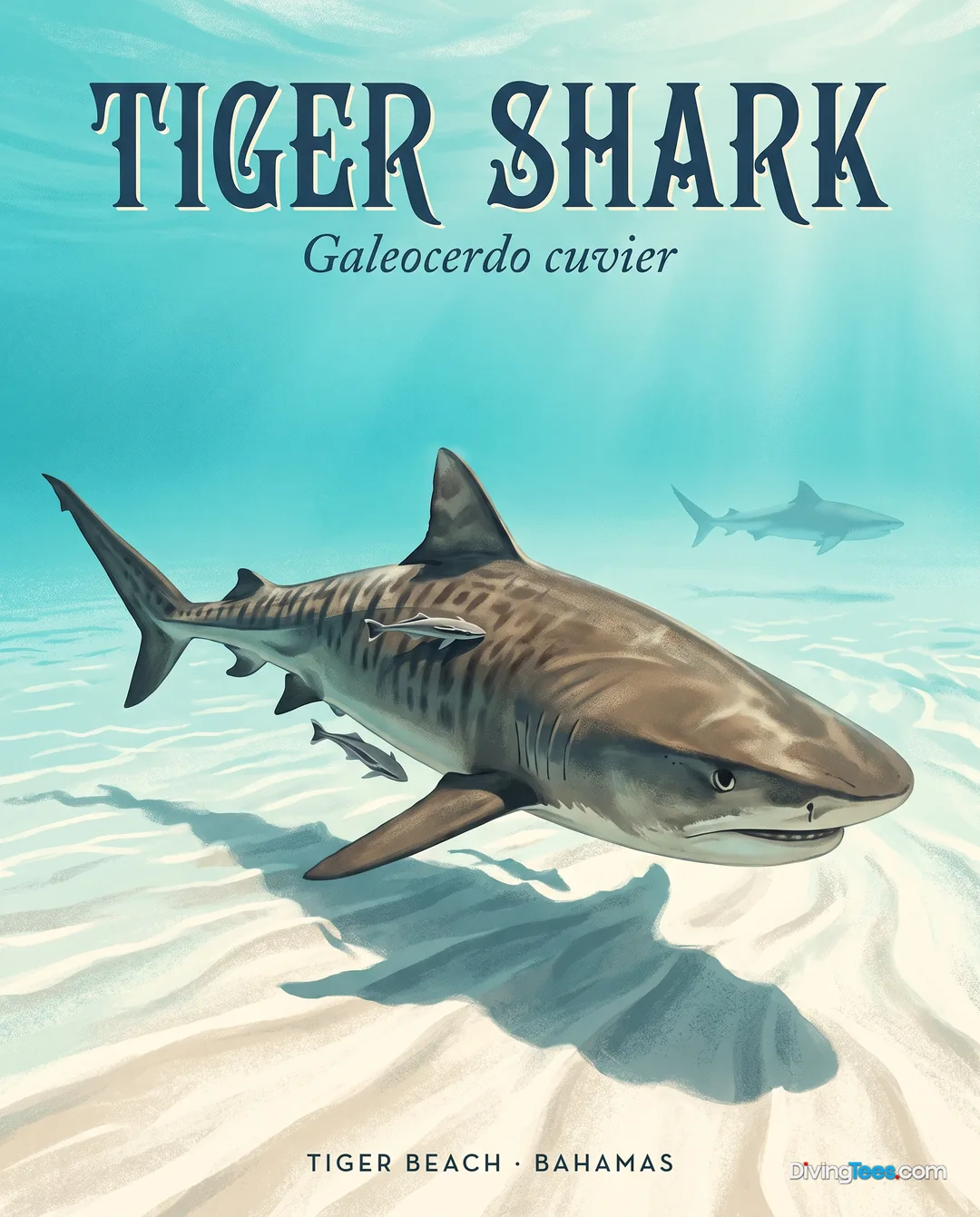
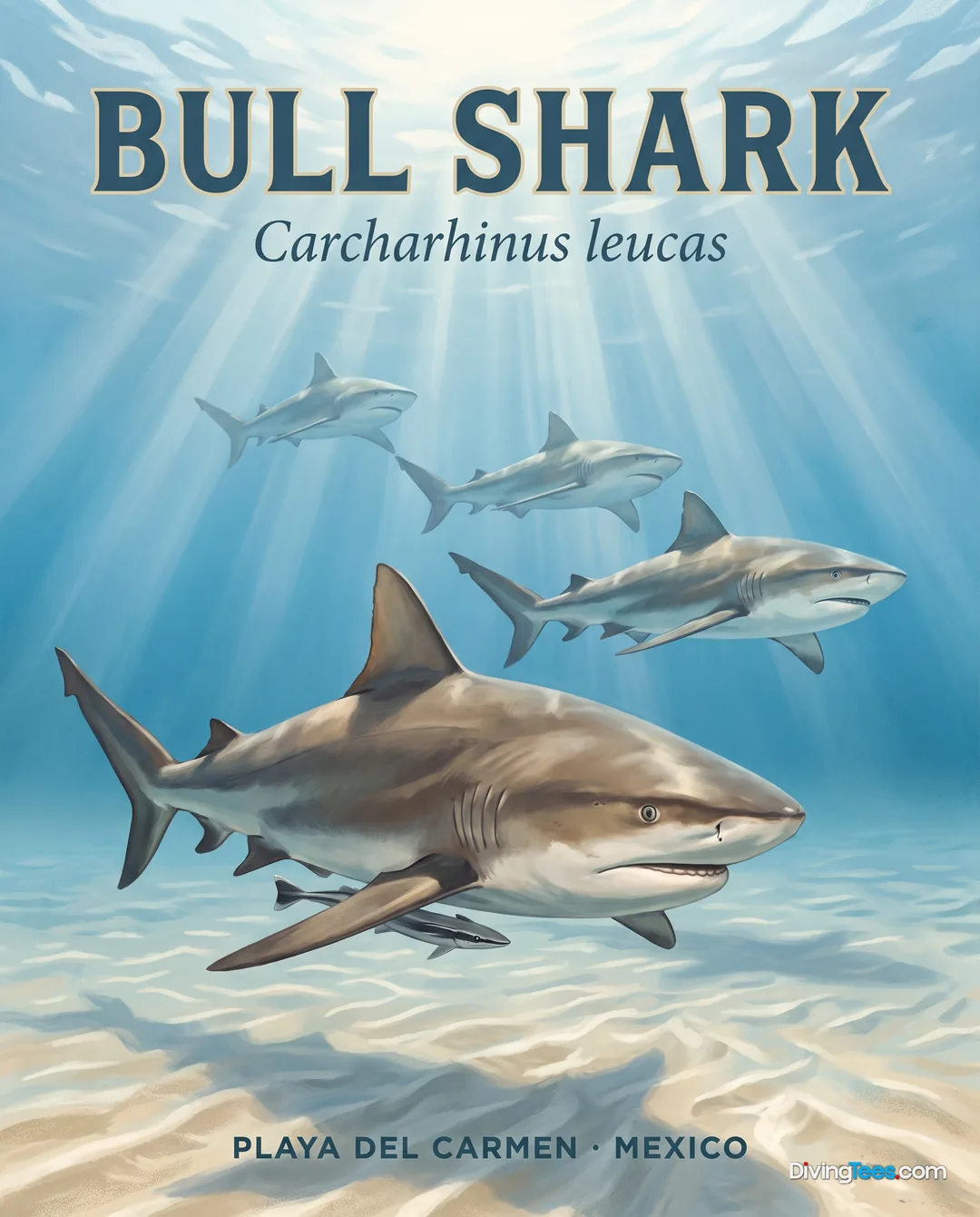
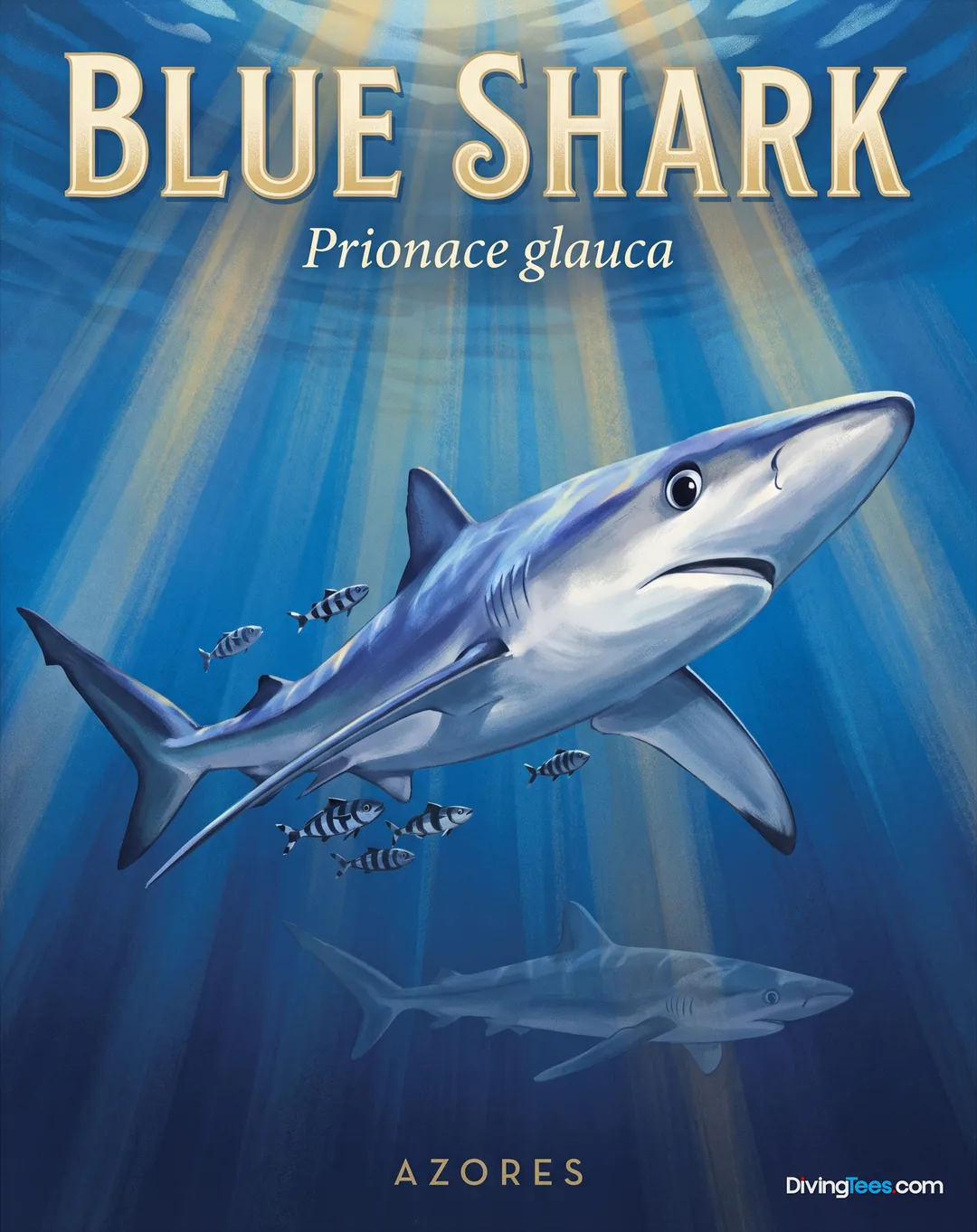
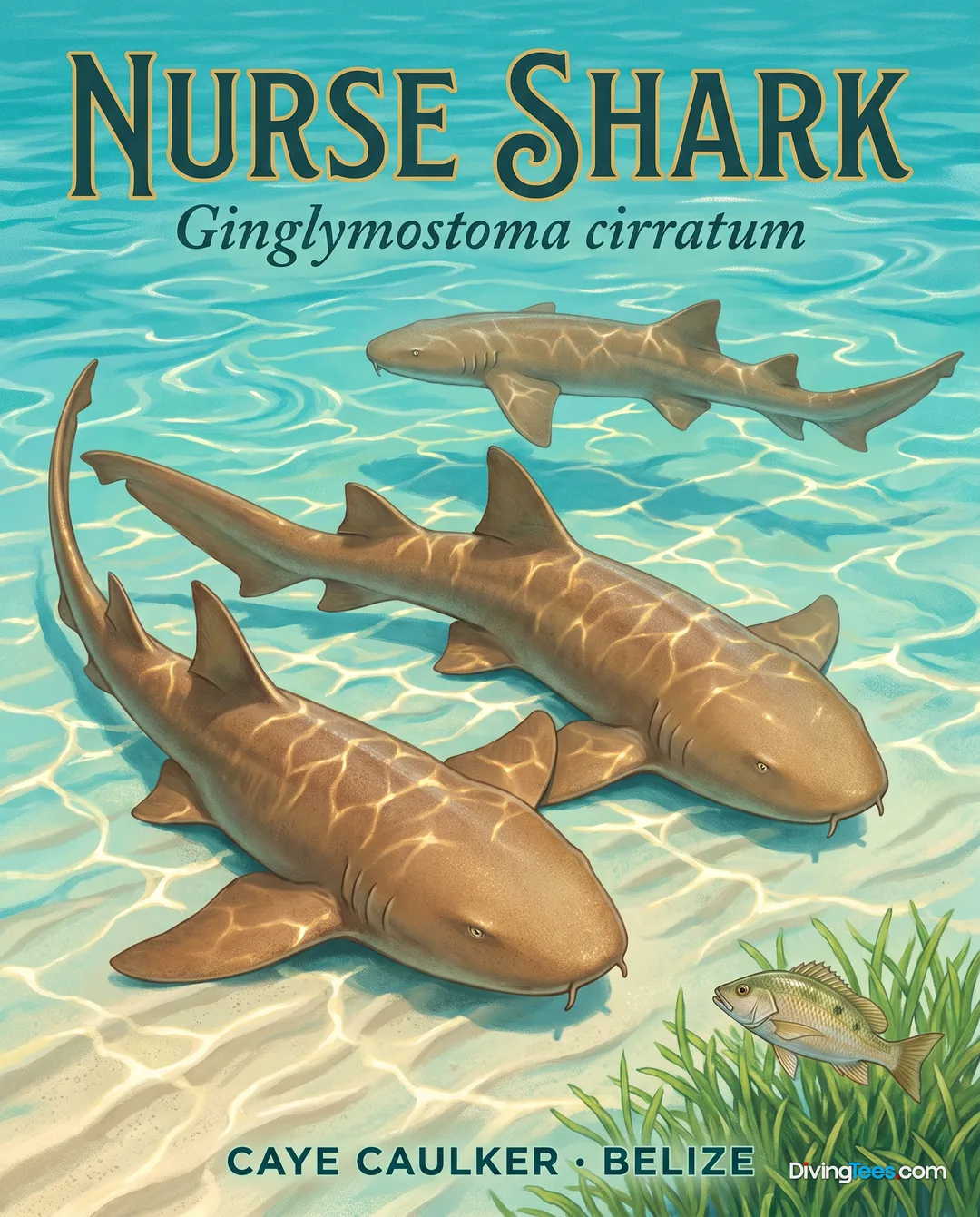
The shark species you may encounter here include the Caribbean reef shark (Carcharhinus perezi), Nurse shark (Ginglymostoma semisoft), and Blacktip shark (Carcharhinus limbatus). Depending on the specific conditions of the day, you might also see Bull shark (Carcharhinus leucas), Tiger shark (Galeocerdo cuvier), Lemon shark (Negaprion brevirostris), or even the more pelagic Blue shark (Prionace glauca). Each species interacts with the site differently, with some preferring the protection of the crevices and others passing through the more open areas above the cave structure.
Navigating the swim-throughs requires careful buoyancy control to avoid contact with the cave walls or disturbing the silt on the bottom. The light levels shift noticeably as you move from the open water into the deeper recesses of the limestone formations. This interplay of light and shadow defines the visual character of the site and makes the identification of hidden fauna more engaging. You should be prepared to adjust your trim to move efficiently through the passages while maintaining a clear view of your surroundings.
The current at Sleeping Sharks Cave is reported as moderate, though it can change based on local conditions and tidal movements. Because the site is not entirely sheltered, you may feel a steady pull while navigating the more exposed sections near the entrance of the cave. It is important to manage your gas consumption and positioning accordingly, especially when transitioning between the calmer interior of the swim-throughs and the more active water outside. Keeping a close eye on your buddy is essential when moving through these confined spaces.
Visibility at this site is generally high, typically ranging between 18 and 30 metres. This clarity allows you to spot the silhouettes of sharks against the cave openings from a distance, even before you enter the main structures. The high visibility also makes the transition into the darker, shaded areas of the cave more striking. You will find that the light penetrates deep enough to illuminate the textures of the rock, though the deepest corners of the cavities will always require a reliable dive light for inspection.
The dive depth ranges from 16 to 20 metres. An Advanced level of certification is required, and divers should possess experience navigating swim-throughs and comfortable buoyancy at these depths. Visibility is typically between 18 and 30 metres, with moderate currents possible depending on the tide.
Sleeping Sharks Cave requires an Advanced level of certification. You should also have experience navigating swim-throughs and be comfortable managing buoyancy at depths of 16 to 20 metres. Careful trim and buoyancy control help you avoid touching the limestone walls or disturbing silt while moving through the confined passages.
Sleeping Sharks Cave ranges from 16 to 20 metres, with consistent depths across the main activity area. The relatively shallow profile allows extended bottom time while leaving vertical space to explore limestone openings, overhangs, and swim-throughs. The site shifts from open water into sheltered cavities, creating changes in light and orientation.
Sleeping Sharks Cave generally offers visibility between 18 and 30 metres, although moderate currents are possible depending on the tide and local conditions. You may feel a steady pull near the exposed entrance sections, while the interior swim-throughs can be calmer. Manage your positioning and gas consumption during transitions between these areas.
At Sleeping Sharks Cave, you can explore navigable limestone swim-throughs, textured cave floors, overhangs, and changing light between open water and shaded recesses. Resting shark sightings are possible, including Nurse and Caribbean reef sharks, with other species such as Blacktip, Bull, Tiger, Lemon, and Blue sharks also encountered.