
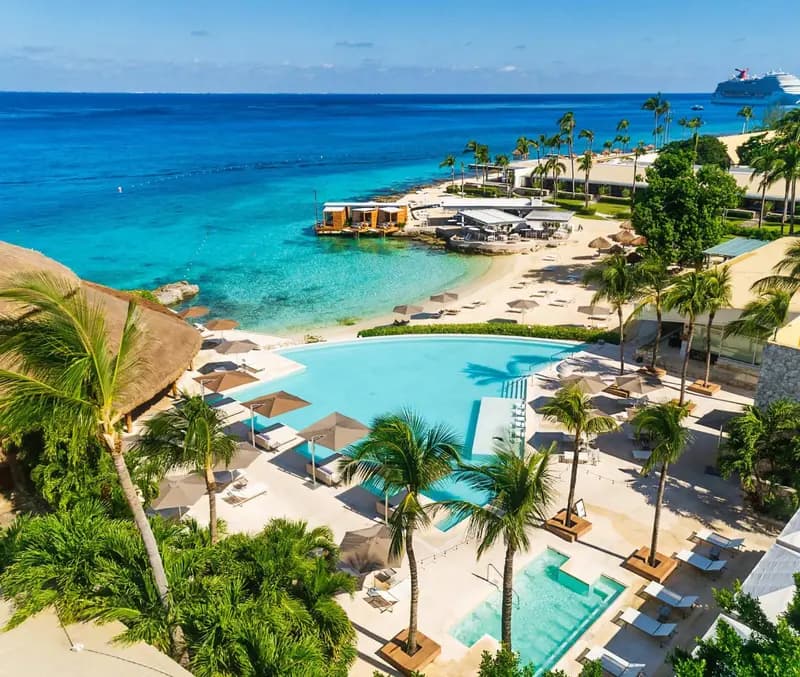
Presidente InterContinental Cozumel Resort & Spa by IHG
★★★★★
★ 9.3/10 (1,117 reviews)
21 km away as the crow flies
Dive centre · Riviera Maya · Mexico
5.0398 Google reviewsExperience the intricate cave systems and haloclines of the Riviera Maya with small, guided groups of maximum four divers per instructor.
For subtitles in English: start the video firstthen click the gearat the top right of the video, select “Subtitles/CC”, then “Auto-translate” and choose “English”.
Jaguar Divers is based in Playa del Carmen, serving as a gateway to the diverse underwater landscapes of the Riviera Maya. The centre focuses on providing a tailored experience, whether you are heading out to the reefs of Cozumel or navigating the delicate limestone formations of the local cenotes.
The diving here is split between the salt water of the Caribbean and the incredible freshwater systems of the Yucatan. This allows for a massive variety of environments, from open ocean drift dives to the silent, ethereal atmosphere of cave and cavern exploration.
The team at Jaguar Divers is built on professionalism and a deep-seated passion for the local environment. They operate with a focus on small group sizes, ensuring that you never exceed four divers per guide. This ratio allows for the close supervision necessary for technical training and the personalised attention required when navigating complex cave systems.
Communication is handled in both English and Spanish, making it easy to discuss dive plans, safety protocols, or course requirements. The instructors are experienced in a wide range of environments, from shallow reef flats to deep sinkholes and technical cave penetrations.
The course catalogue at Jaguar Divers covers the entire spectrum of recreational and technical diving. Beginners can start with Open Water Diver training, while those looking to expand their skills can progress through Advanced Open Water, Deep Diving, and Rescue Diver certifications.
For those looking to move into technical territory, the centre offers specialised training including Sidemount, Cavern, Intro to Cave, and Full Cave courses. They also provide ReActivate sessions for divers looking to refresh their skills before heading back into the water.
The centre provides Nitrox for divers looking to extend their bottom time or manage nitrogen loading during multi-dive days. They also offer various training programmes and dive excursions, including night dives.
Environmental protection is a core part of their operation. Because the cenote ecosystems are incredibly fragile, the centre enforces strict rules against the use of sunscreens, insect repellents, or any other chemical products before entering the water.
Cenote Chac Mool is a versatile system of three cenotes that offers a complete experience in a single day. You can dive through two of the cenotes and swim past the third to observe haloclines, air domes, and various geological formations.
Cenote El Pit is a massive sinkhole designed for advanced divers. It is famous for its cathedral-like atmosphere and the dramatic shafts of light that pierce through the water to the depths below.
Cenote Angelita is a unique, deep site reaching depths of 30 metres, suitable for advanced divers. It is renowned for a thick layer of hydrogen sulphide that creates a surreal, misty underwater landscape resembling an alien world.
Cenote Dreamgate is a highly decorated site that requires excellent buoyancy control. The cave is filled with exquisite stalactites and stalagmites, making it a rewarding destination for those with the necessary skill level.
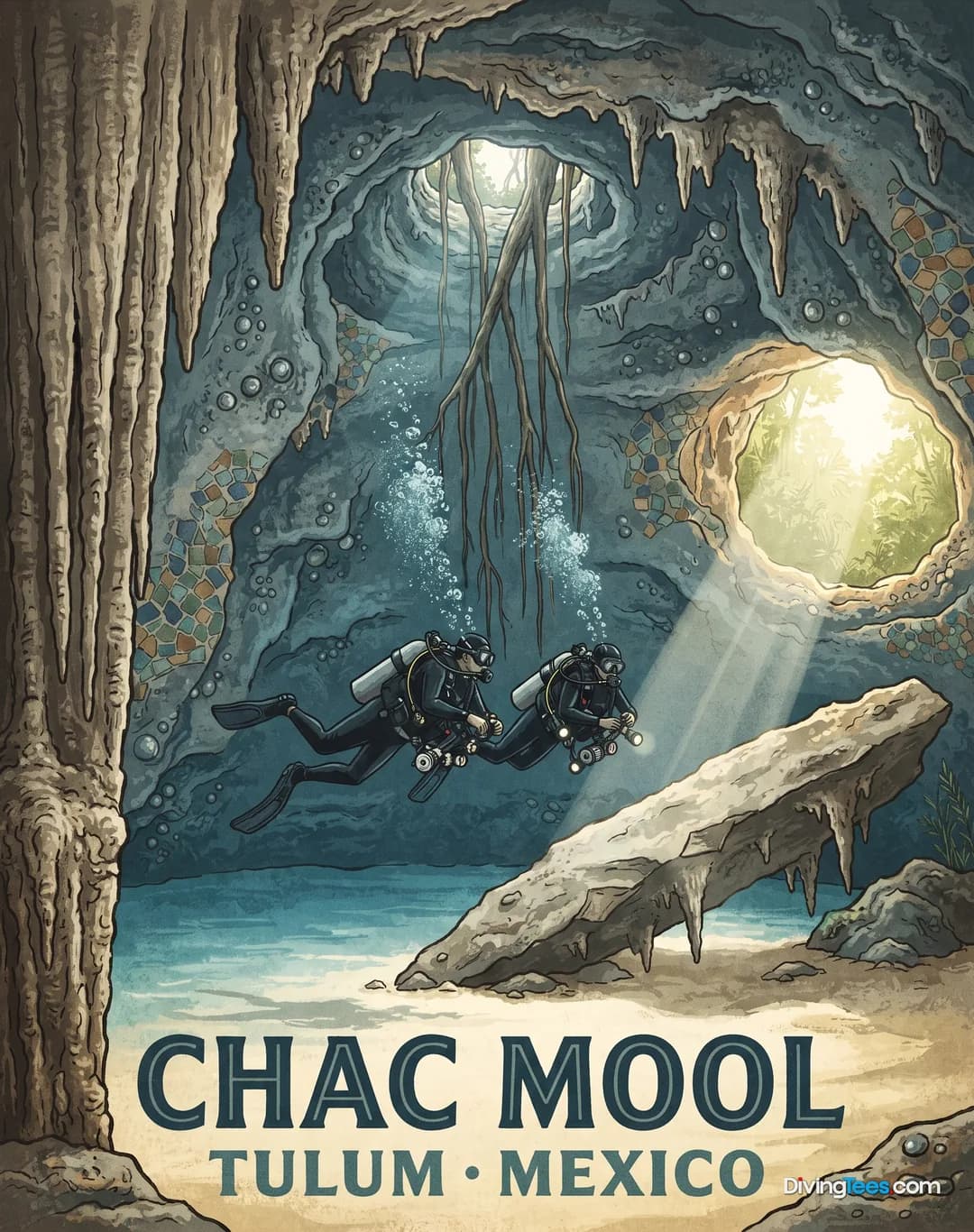
down to 15 m
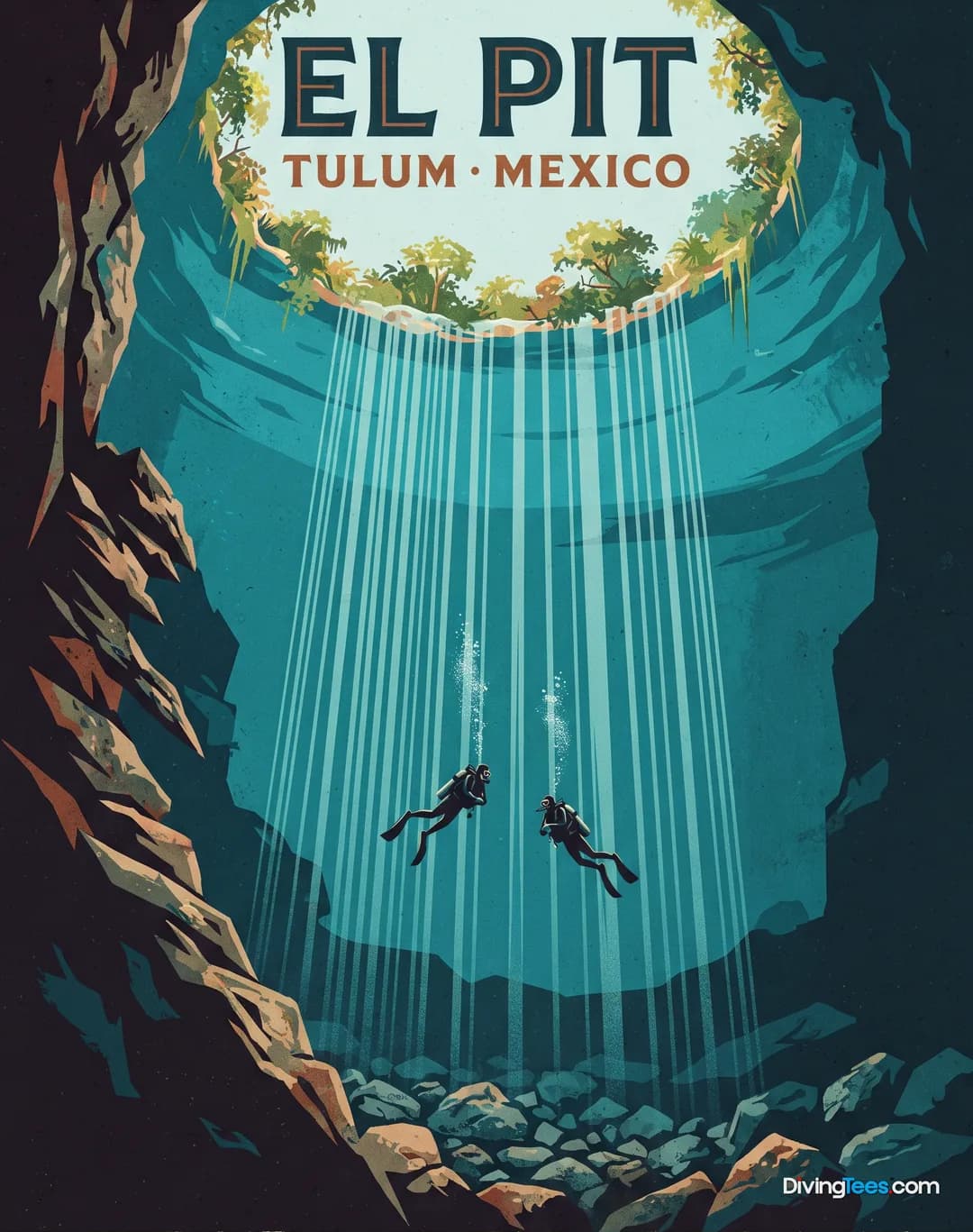
down to 119 m
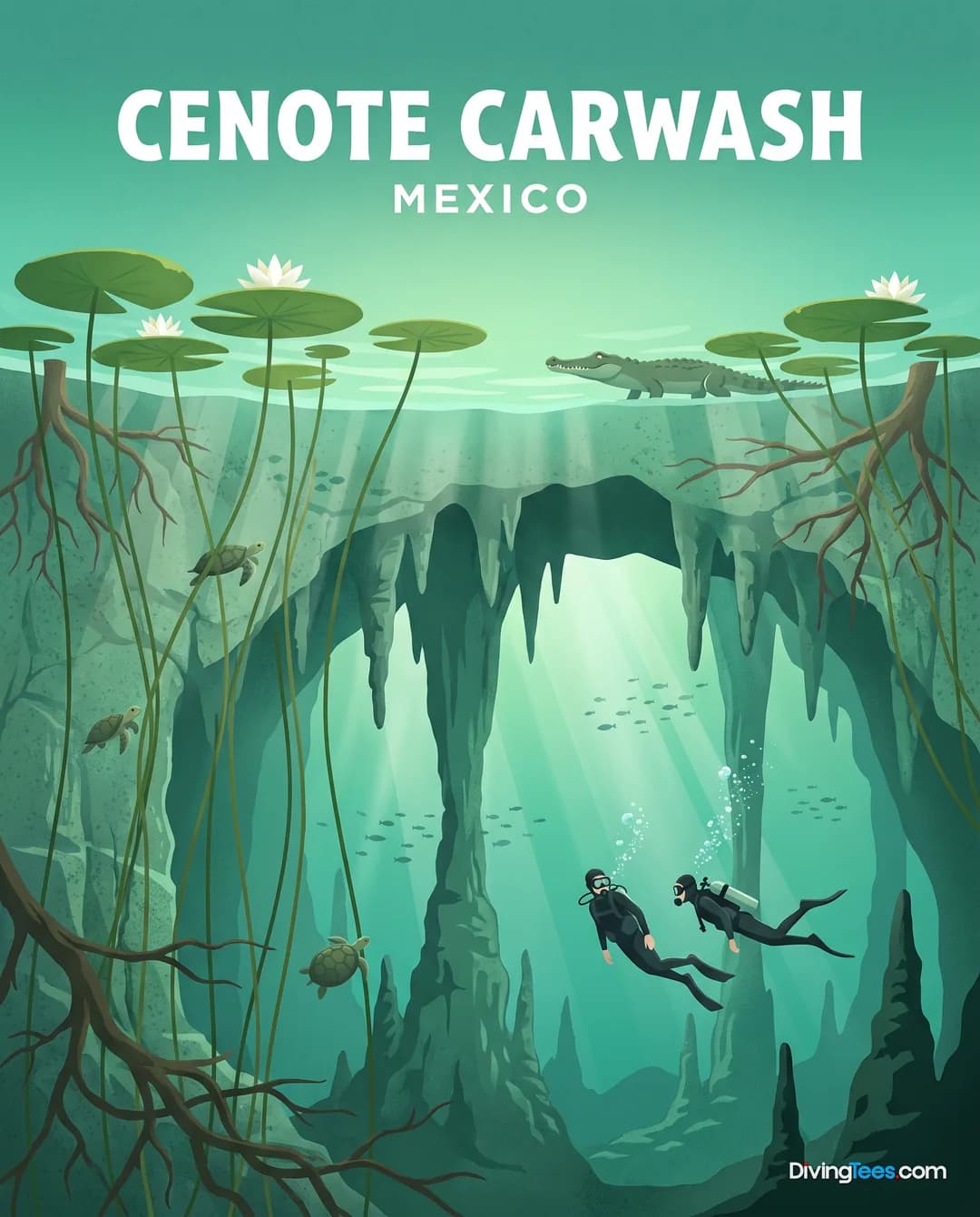
down to 15 m
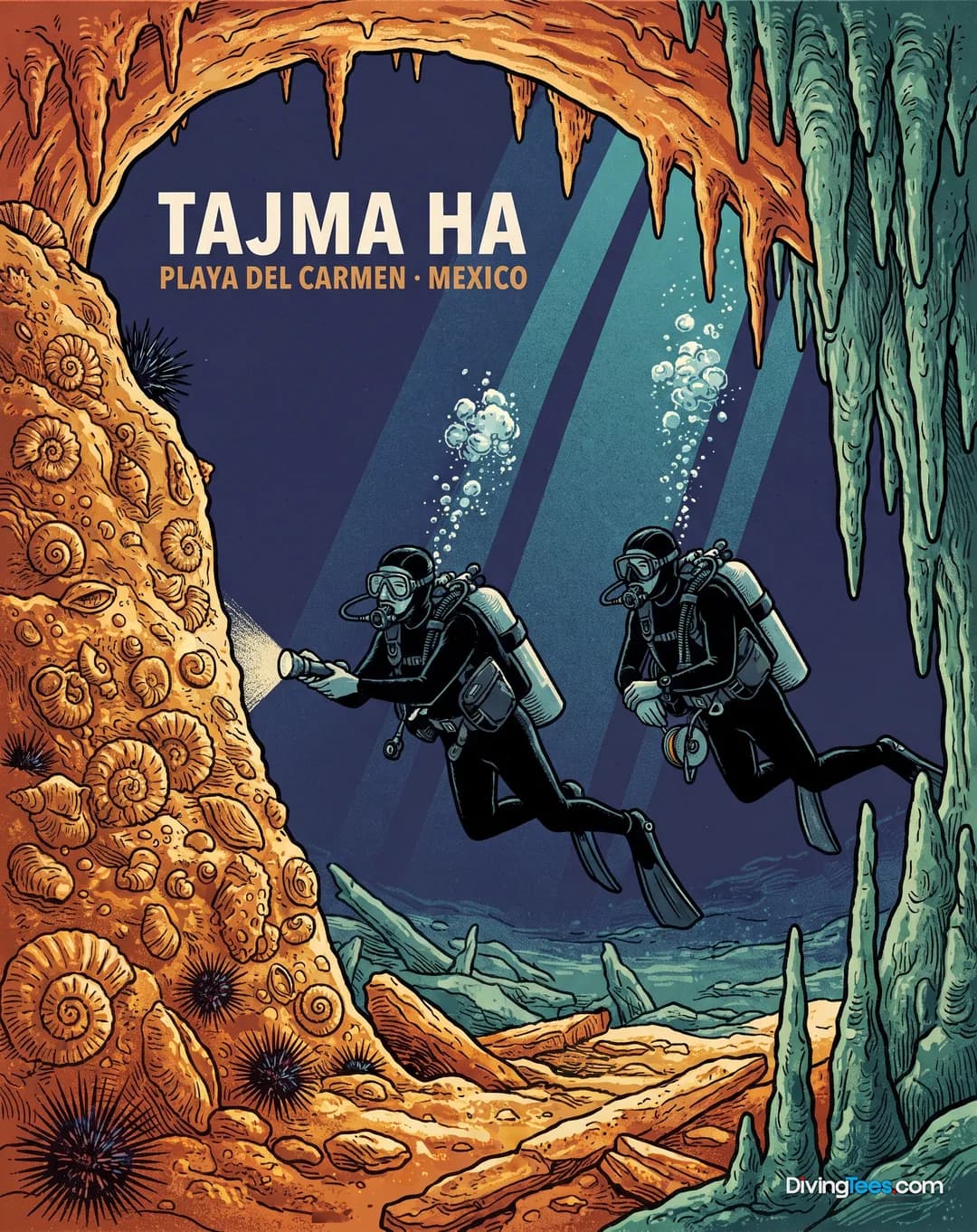
down to 15 m
And some of the dive sites the centre runs.
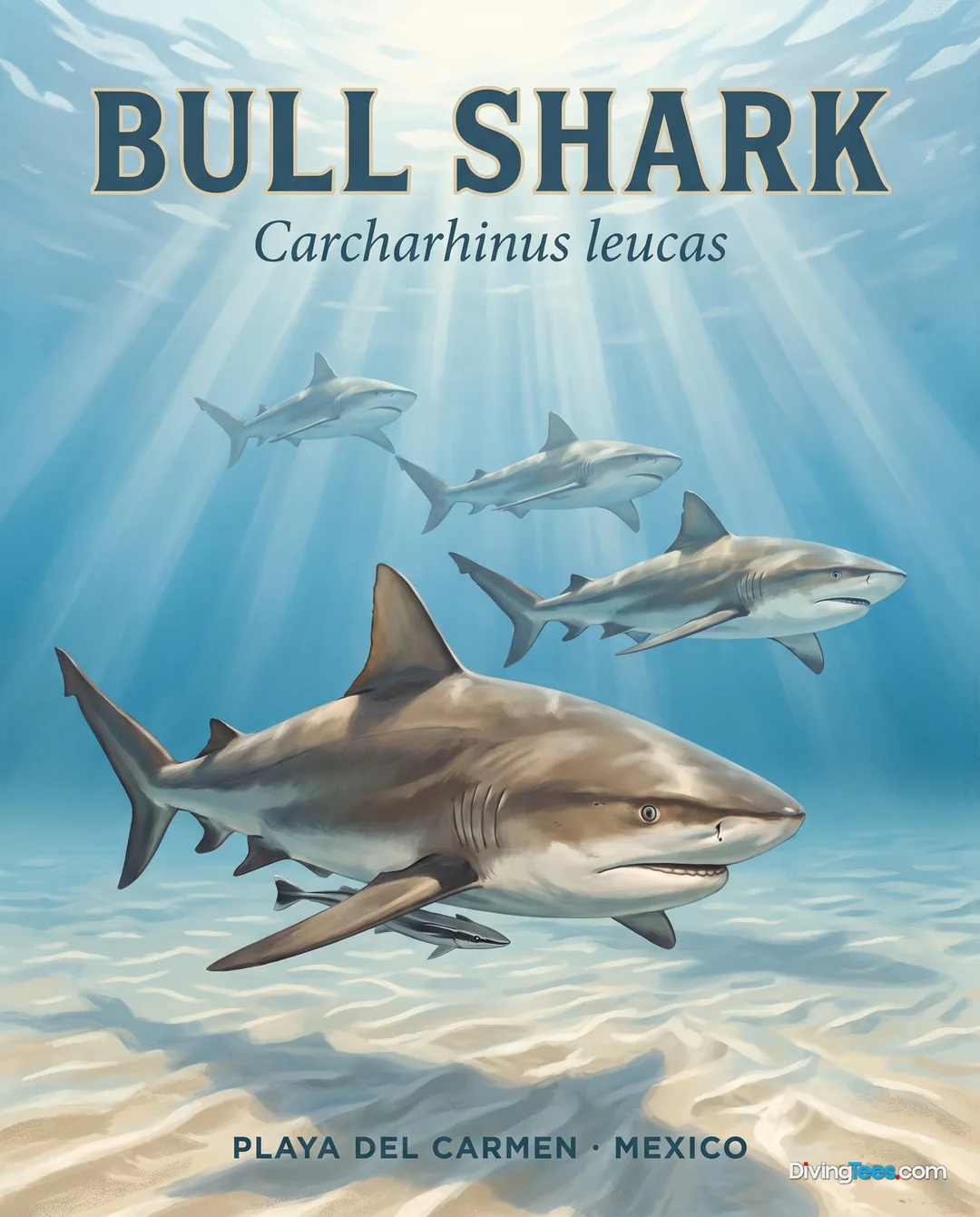
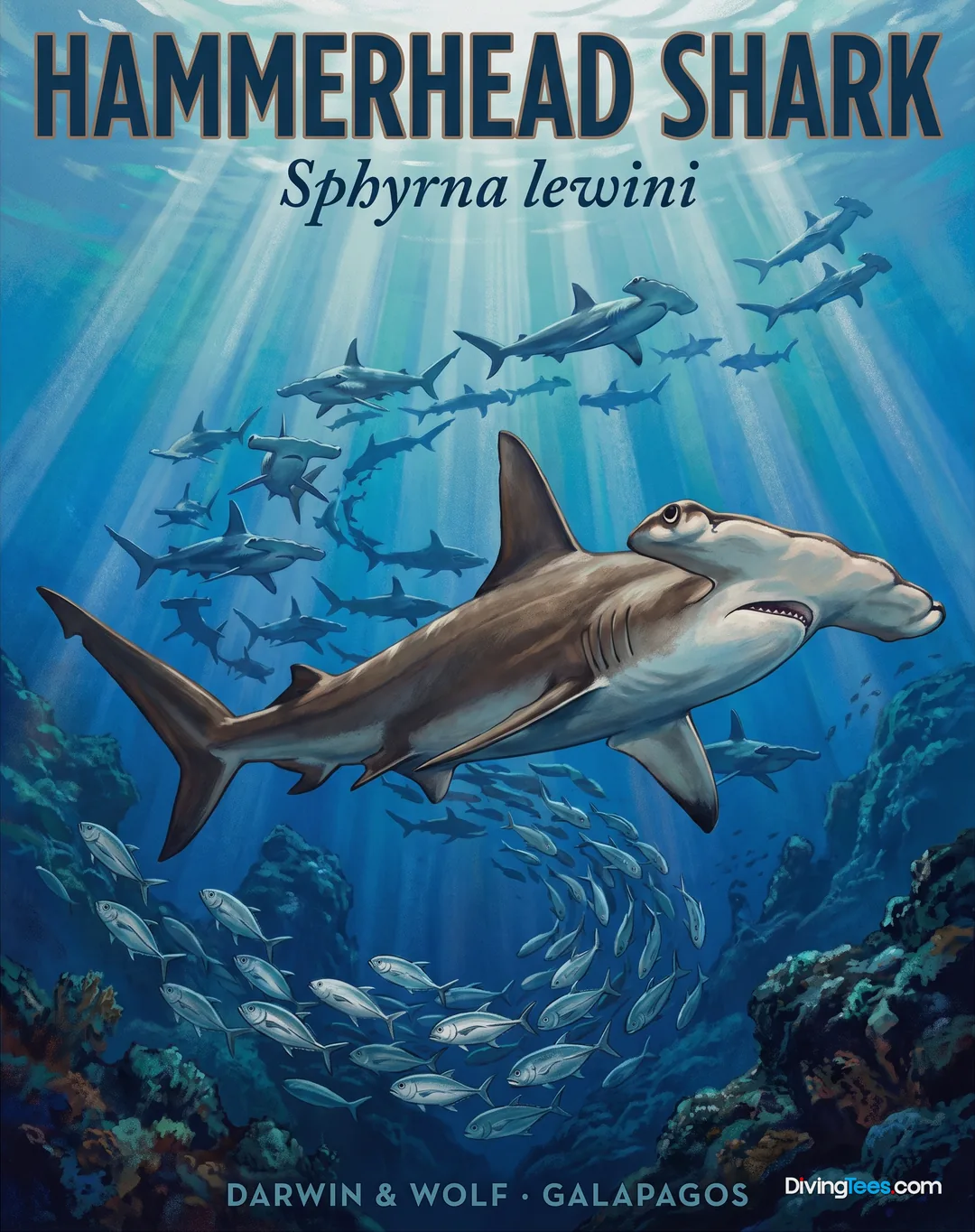
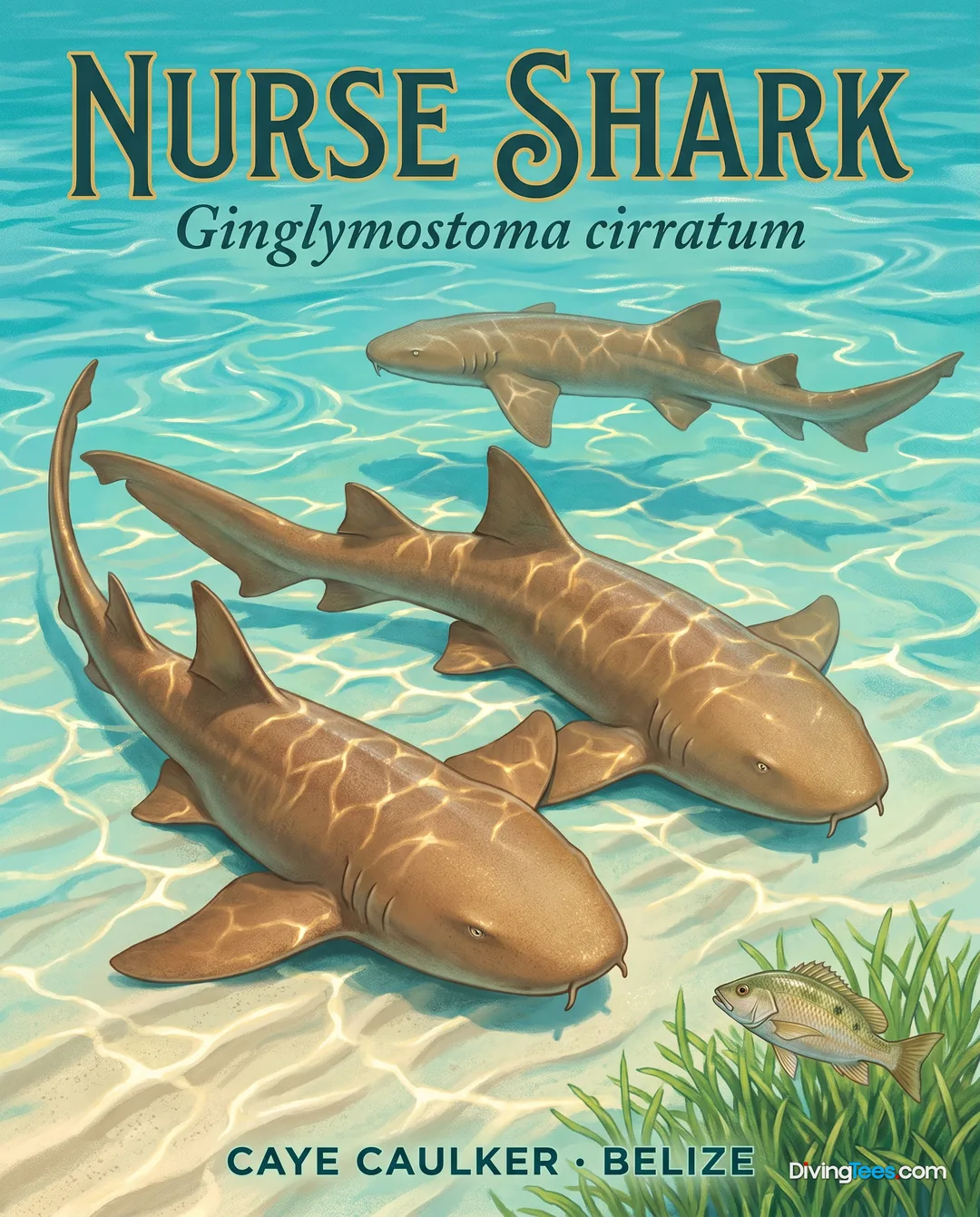
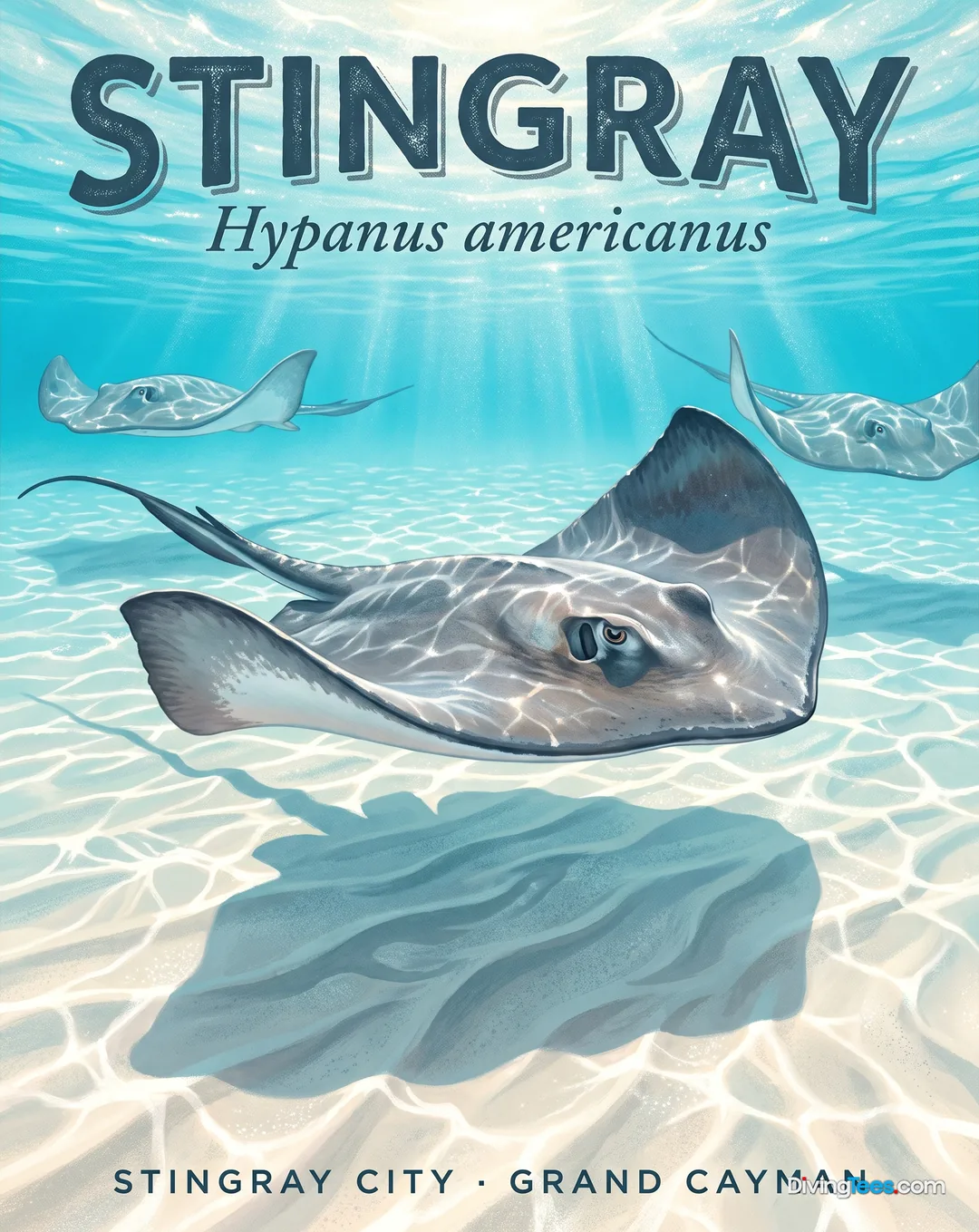
The marine life in the Riviera Maya is incredibly diverse, ranging from reef-dwelling species to larger pelagics. In the open ocean, you can encounter various sharks, including Caribbean reef sharks, Nurse shark (Ginglymostoma cirratum), and seasonal Bull shark (Carcharhinus leucas). You may also see stingrays, Eagle ray (Aetobatus), and various species of sea turtles (Cheloniidae).
In the shallower reef areas, the water is teeming with colourful life. You will find schools of fish including snapper, grouper (Epinephelus), and various species of parrotfish, alongside colourful reef fish, damselfish (Pomacentridae), and angelfish (Pomacanthidae). The structures are often decorated with sponges (Porifera), gorgonians, and hard coral (Scleractinia).
For those interested in macro life, the cenotes and reefs offer plenty of smaller treasures. Look out for various crustaceans, including lobster (Homaridae) and shrimp (Caridea), as well as octopus (Octopus vulgaris) and nudibranchs. In the cenotes, you might even encounter blind fish or find fossilized corals and shells embedded in the limestone.
Diving in the region varies significantly between the ocean and the cenotes. The cenotes offer incredibly still water, though divers must be mindful of haloclines and thermoclines where water density and temperature change abruptly.
In the ocean, conditions can range from calm reef swims to more active environments. The centre also organises dives to Cozumel, where current management is an important part of the dive profile.
Hello, I'm Marina, DivingDeal.com's AI assistant. I answer in detail about hotels, dive centres and liveaboards.

Thinking about the whole trip and the flights? Talk it over with Edith →
Marina is an AI. Some links are affiliate links: DivingDeal may earn a commission, at no extra cost to you. Bookings are made with the partner.
★★★★★
★ 9.3/10 (1,117 reviews)
21 km away as the crow flies
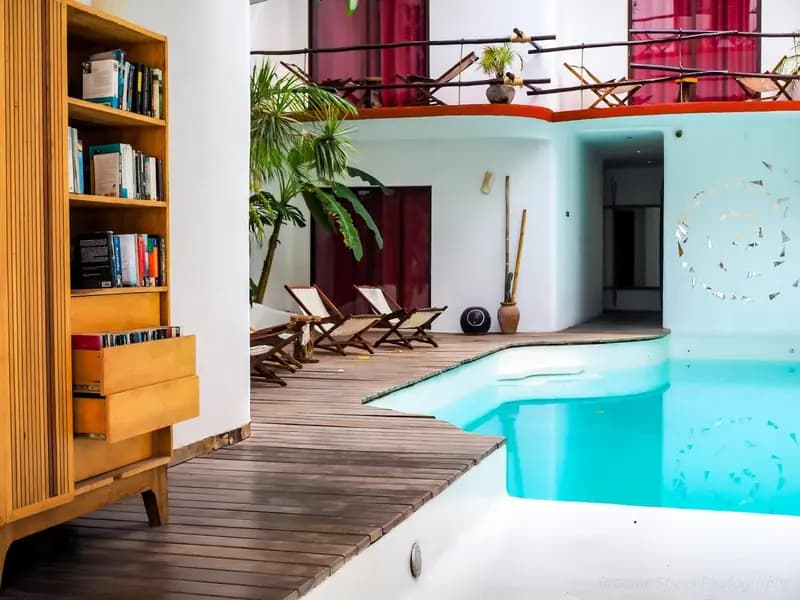
★★★★
★ 8.5/10 (955 reviews)
1.3 km away as the crow flies
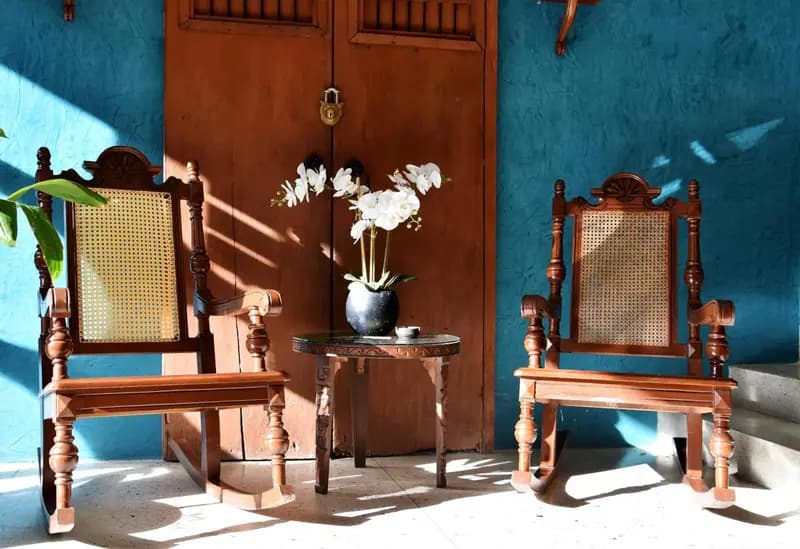
★★★
★ 8.6/10 (448 reviews)
19 km away as the crow flies
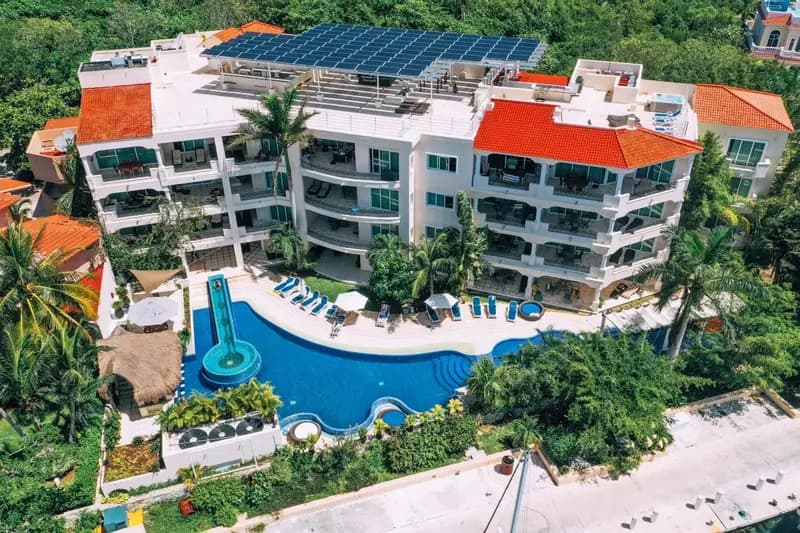
★ 9.2/10 (107 reviews)
22 km away as the crow flies