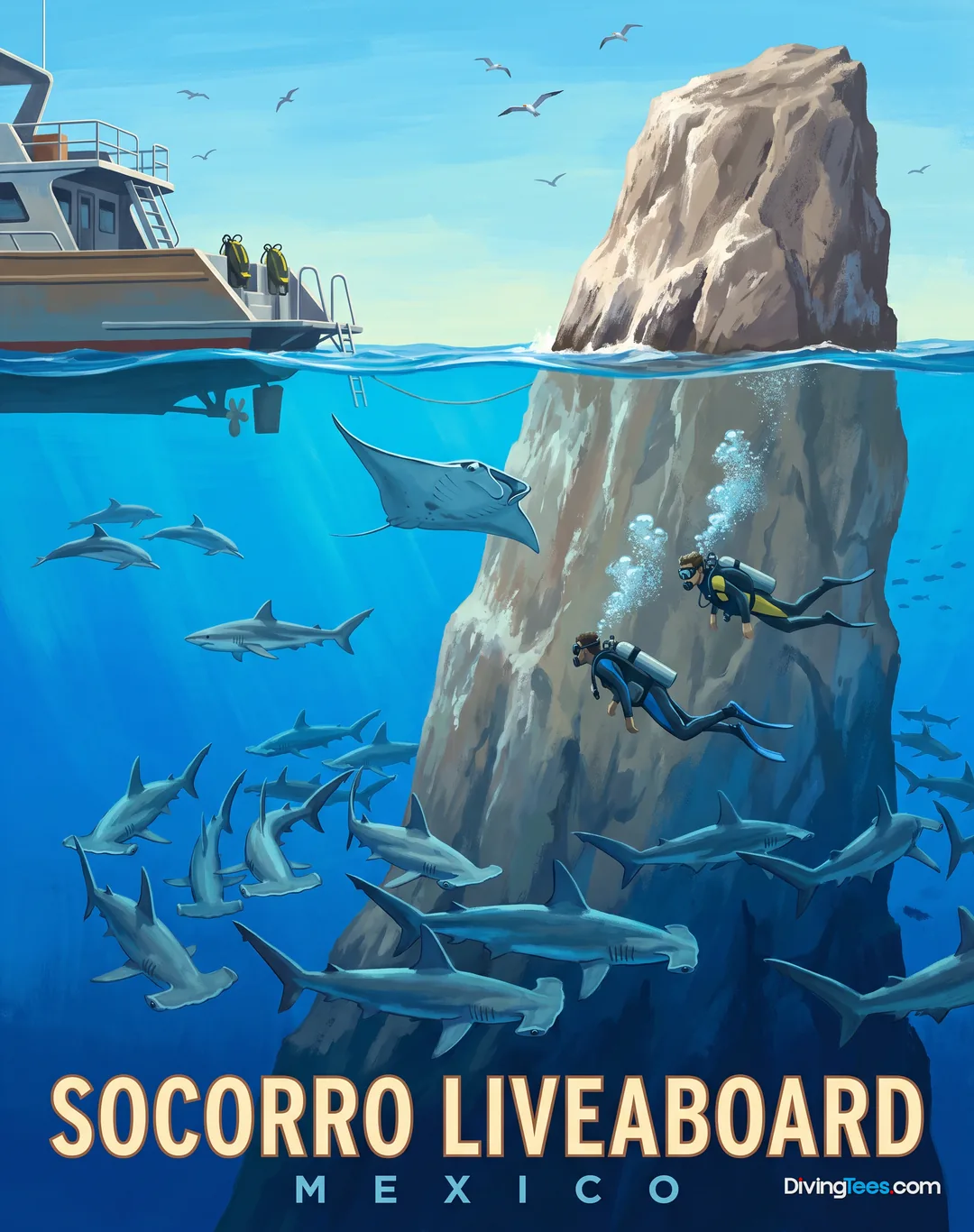
Socorro · Mexico · Americas
Max. depth · 40 mDiving El Boiler, Socorro: Oceanic Manta Cleaning Station
A volcanic pinnacle rising from the deep, serving as a primary cleaning station for large oceanic manta rays.
What makes this site special
- Consistent oceanic manta ray cleaning station
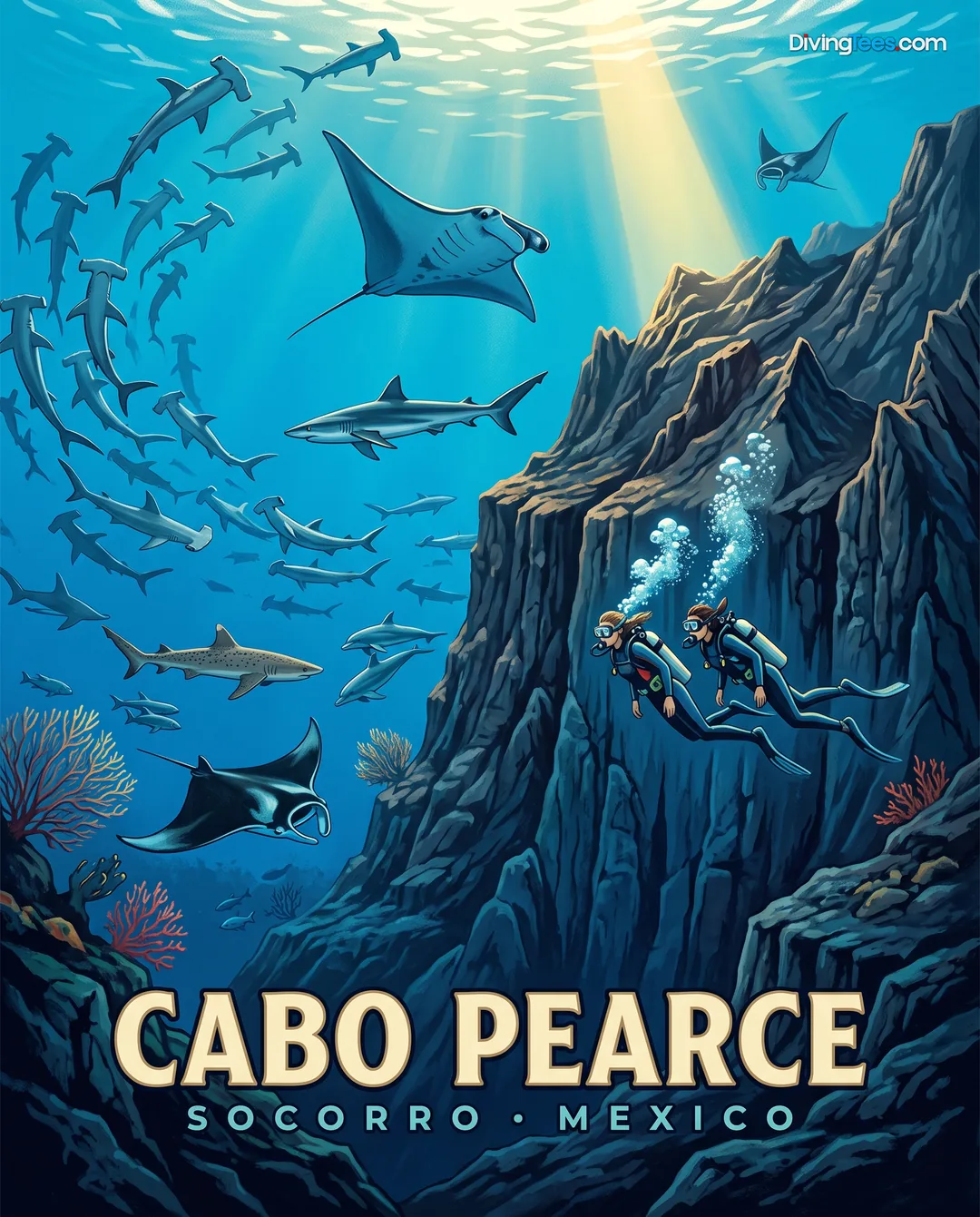
- Frequent encounters with Silky and Hammerhead sharks
- Steep volcanic walls with complex ledge structures
- High visibility between 20 and 30 metres
- Large pelagic activity including tuna and wahoo
- Compact pinnacle allows for multiple laps per dive
El Boiler about the site
El Boiler is a substantial submerged volcanic pinnacle, or guyot, that rises abruptly from the surrounding seabed. The structure begins its ascent from depths of roughly 35 to 50 metres and reaches within 5 to 10 metres of the surface. Its topography is defined by steep sides that often drop away in sharp steps or terraced ledges. This honeycombed reef structure provides a complex vertical landscape that allows divers to circle the mid-water contours of the pinnacle. Because the top of the structure is so close to the surface, it is frequently subject to heavy swell and surge.
Approaching the site requires a free-water descent from a tender or Zodiac, as it is an offshore seamount with no land in sight. Once you descend, you will find yourself working along the mid-depth contours rather than attempting to reach the very top, which can be too turbulent. The walls are characterized by intricate ledges and cracks that host various resident species. As you navigate the structure, the scale of the pinnacle becomes apparent, providing a massive vertical stage for the marine life that congregates here. You can often complete several laps around the different sides of the rock in a single dive profile.
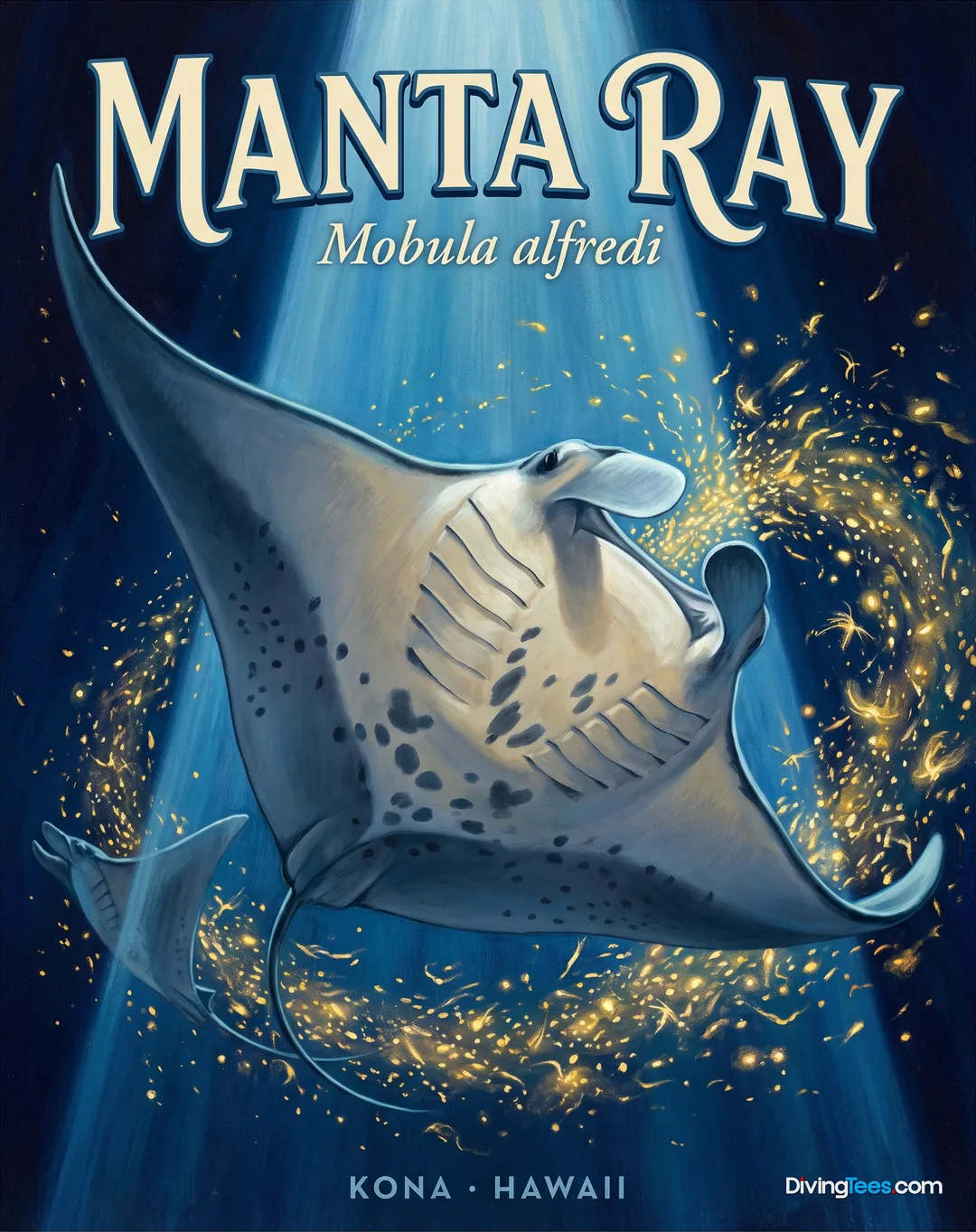
The most significant feature of El Boiler is its function as a natural cleaning station for oceanic manta rays. These large pelagics frequently pass close to the pinnacle to have parasites removed by smaller fish, such as Clarion angelfish. This behavior often brings the mantas into close proximity with divers, making the site one of the most reliable places for these encounters. The interaction between the mantas and the reef structure creates a predictable rhythm to the dive. You will often find yourself positioned in the current, watching these animals glide past the rock in the blue.
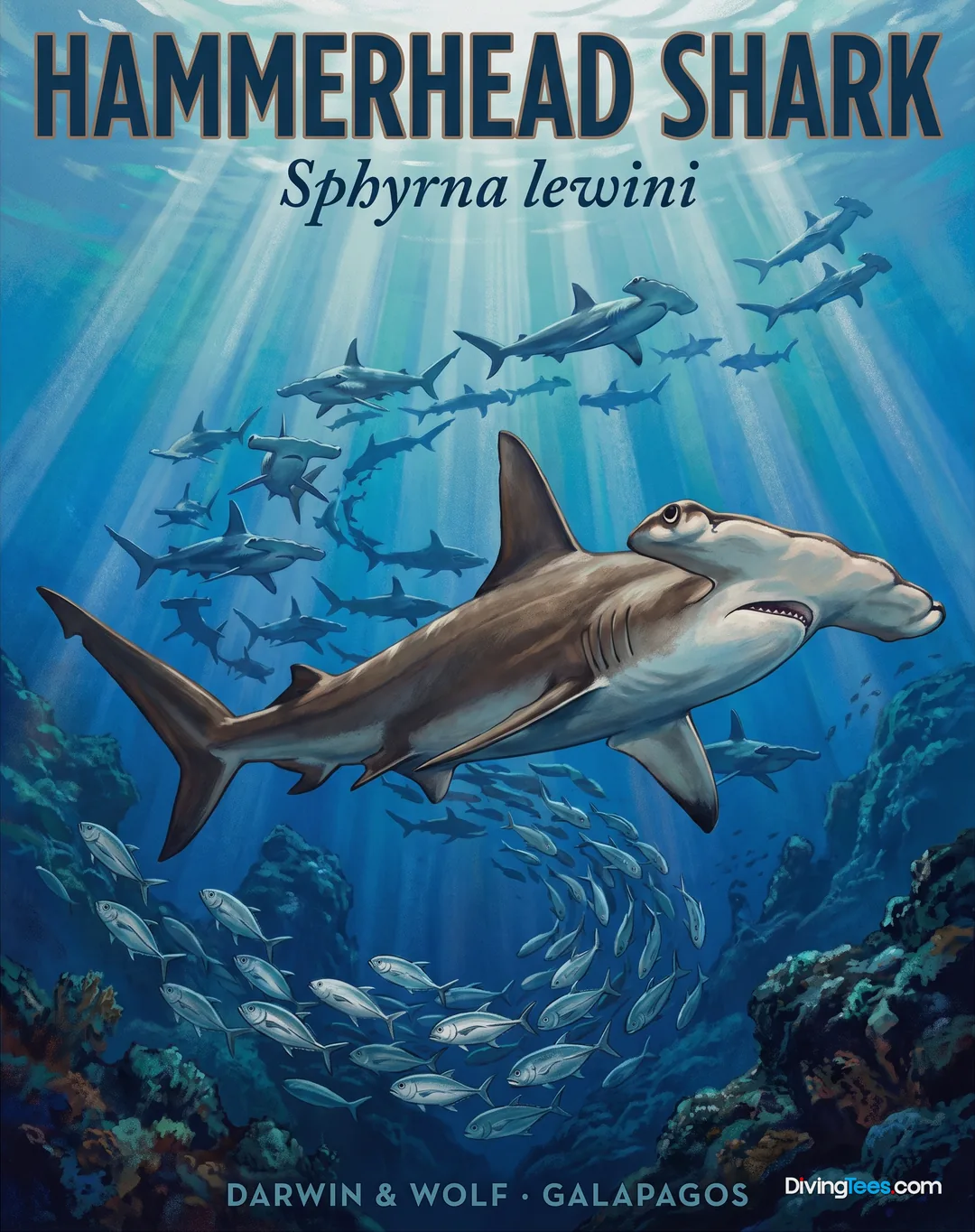
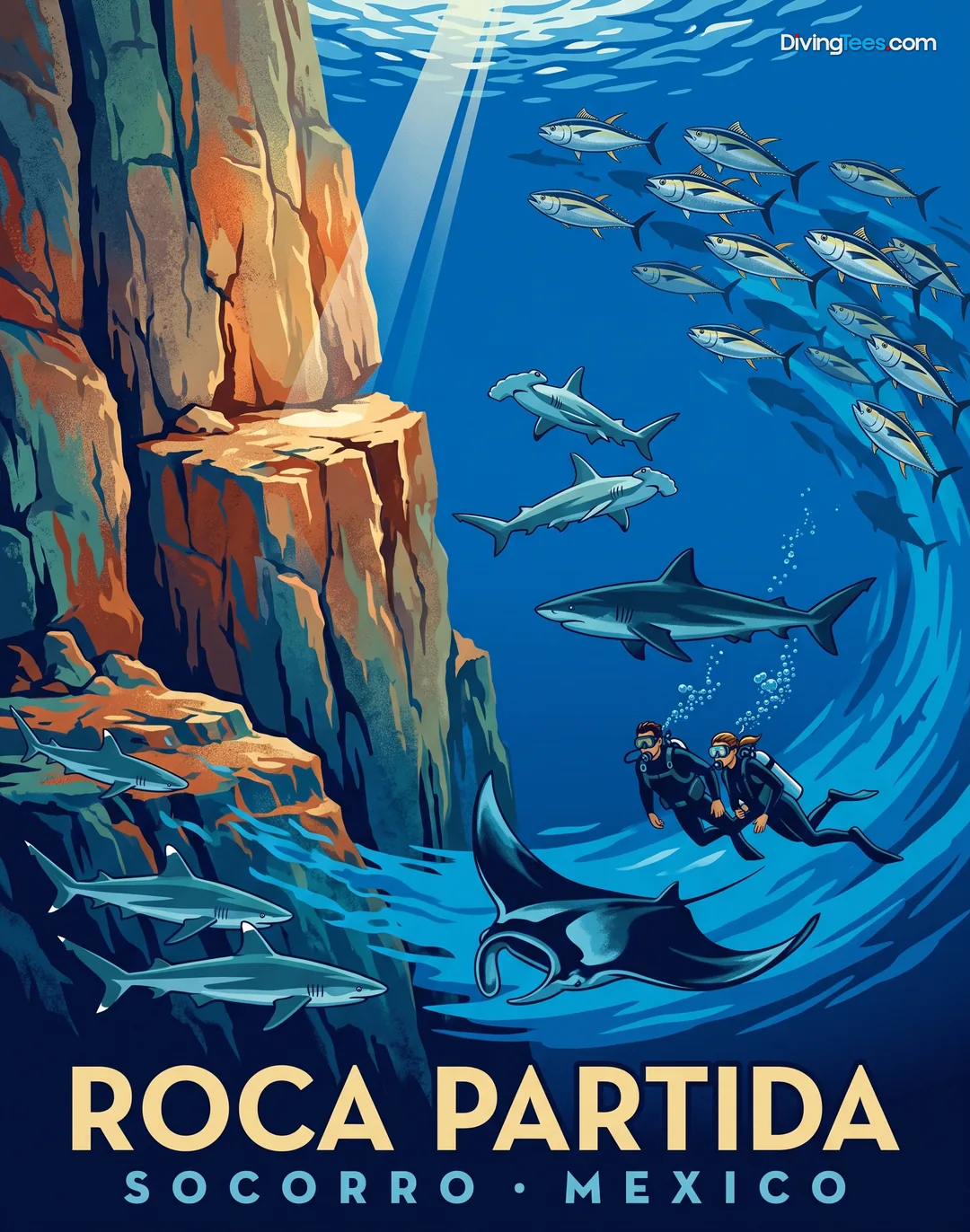
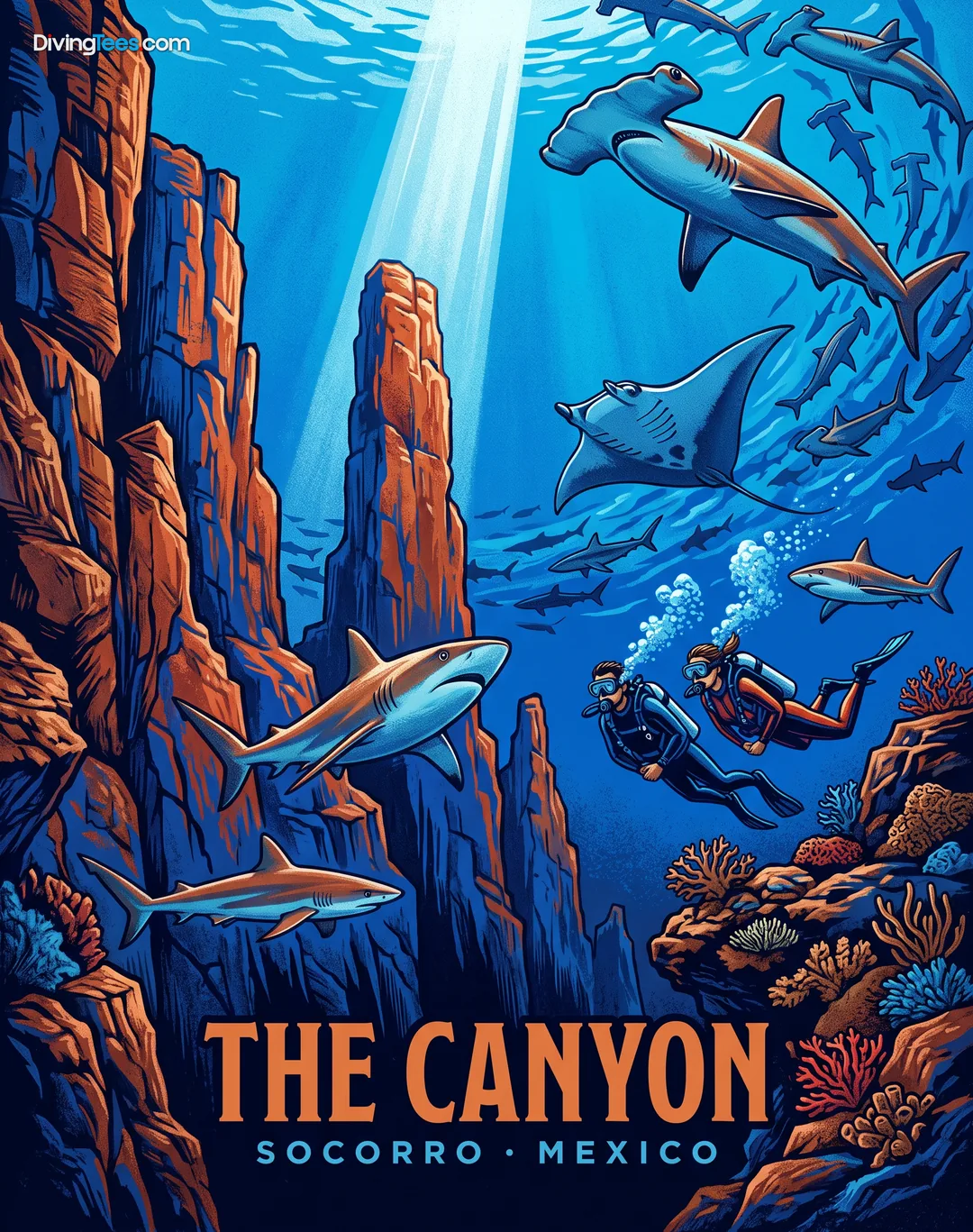
Beyond the mantas, the site is a hub for high-energy pelagic life. You can expect to see Silky sharks (Carcharhinus melanopterus) and Hammerhead sharks (Sphyrna lewini) patrolling the edges of the pinnacle. Galapagos sharks (Carcharhinus galapagensis) and Whitetip reef sharks (Triaenodon obesus) are also common visitors to the area. The presence of large predators is part of the site's character, driven by the nutrient-rich waters that surround the seamount. These animals often move through the water column with purpose, utilizing the currents to conserve energy while they cruise.
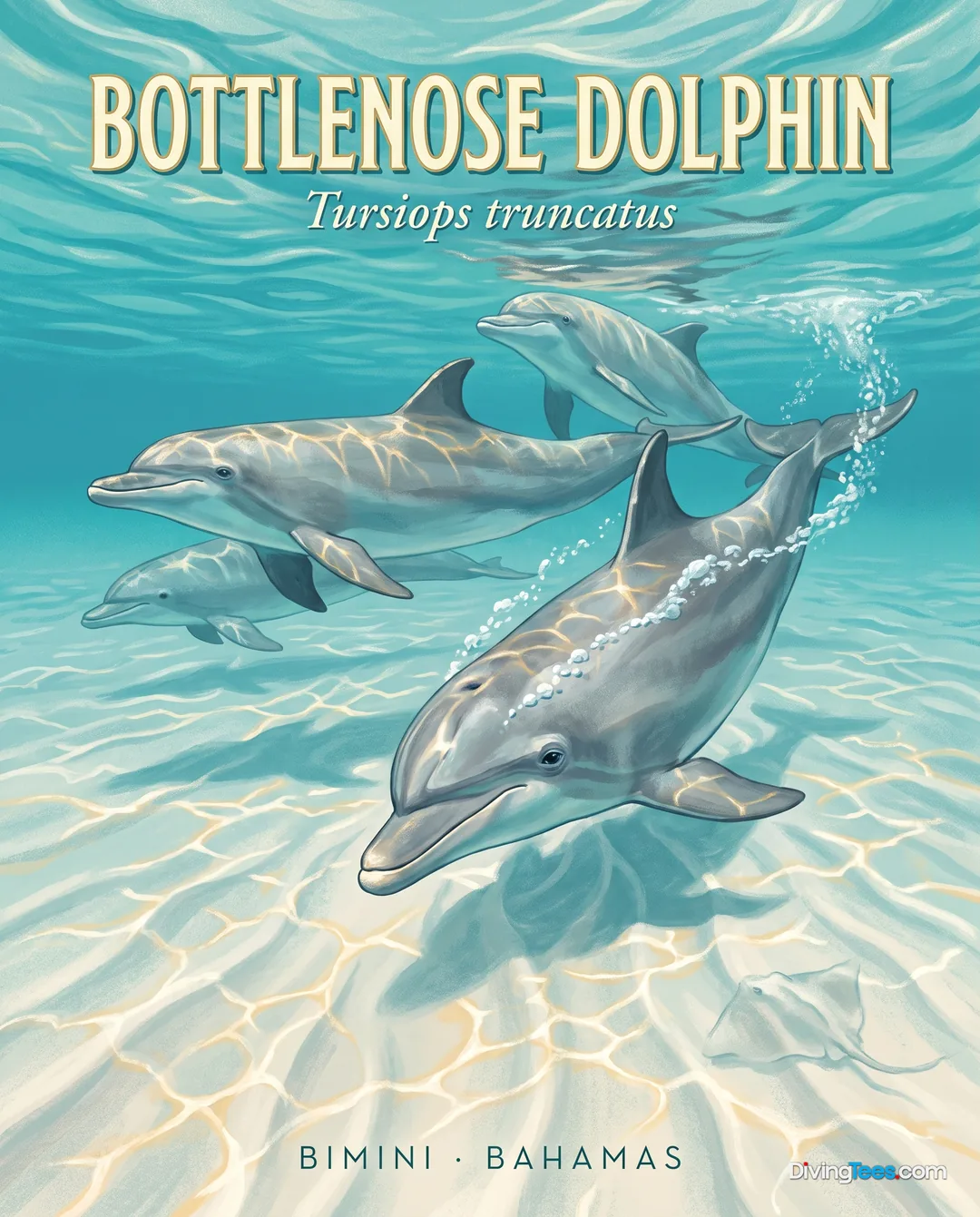
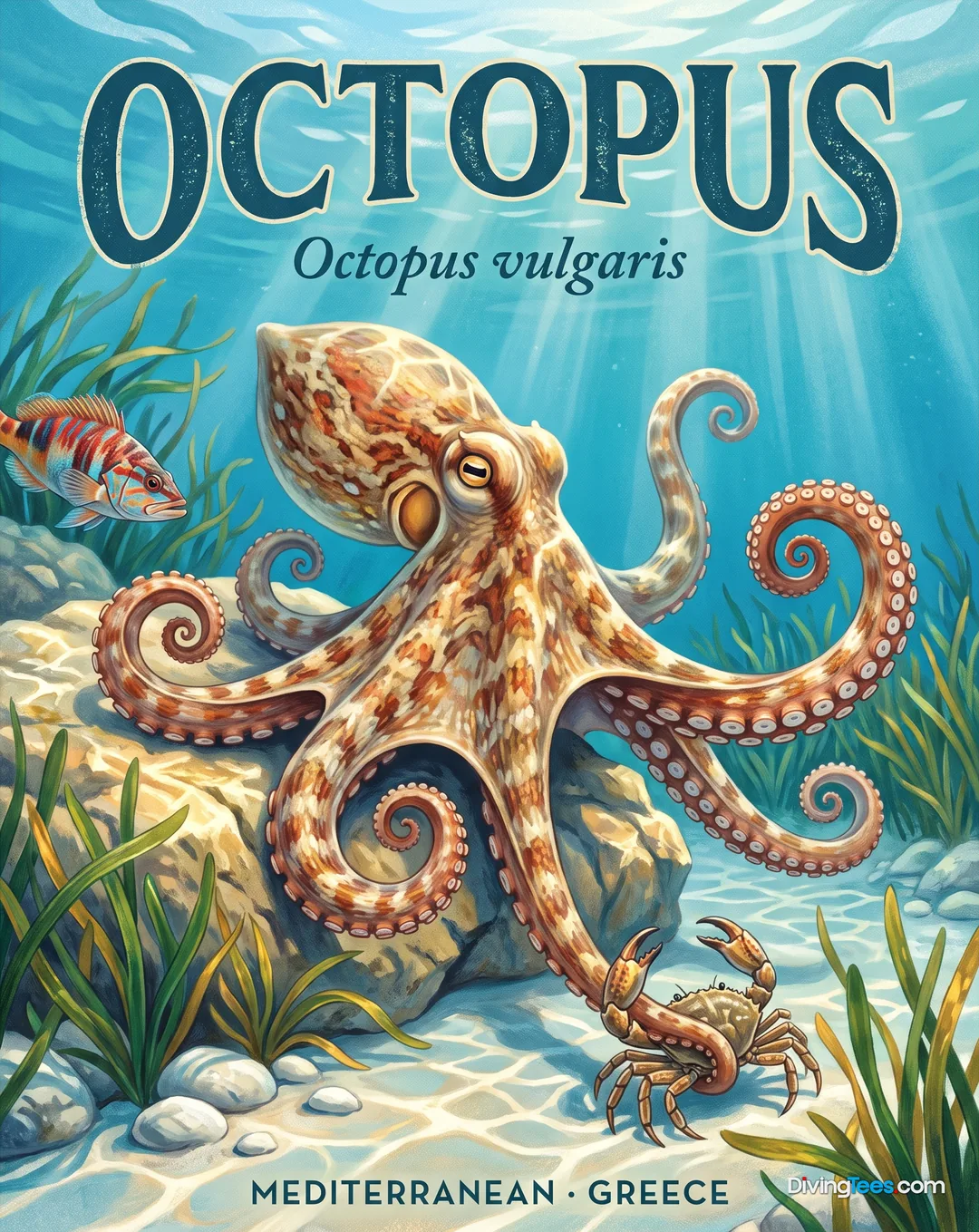
The wider ecosystem around the pinnacle supports a dense population of predatory fish and other large species. Yellowfin tuna, Wahoo, and various Jacks are frequently seen in the blue or moving along the currents. You might also encounter Bottlenose dolphins interacting in the vicinity of the rock. On the reef structure itself, more sedentary life includes Green moray eels, lobsters, and various octopus species hiding within the crevices. This combination of resident reef fauna and passing oceanic predators ensures that the biological activity remains high throughout the dive.
Currents at El Boiler are a defining element of the diving experience and are heavily influenced by the site's offshore position. The water movement can range from light to very strong, often driven by passing swells or specific tidal shifts. These currents are precisely what facilitate the cleaning station effect, as they bring the mantas and other pelagics directly to the pinnacle. Navigating these conditions requires careful buoyancy control and an understanding of how to position yourself relative to the rock. It is common to use the structure to shield yourself from the full force of a surge or a heavy flow.
Visibility at the site is typically excellent, often ranging between 20 and 30 metres, providing a wide field of view for spotting approaching animals. This clarity is essential when looking into the blue to anticipate the arrival of sharks or mantas. The light can shift dramatically as you move between the shadowed recesses of the volcanic walls and the open water. Planning your dive to stay within the mid-water depth range allows you to maintain a good view of both the reef structure and the pelagic activity. The combination of high visibility and complex topography makes the site visually intense.
What sets El Boiler apart from other sites in the Revillagigedo Archipelago, such as El Cañón or Fondeadero, is its concentration of large animals around a single, compact structure. While other sites may offer different topographic features, El Boiler is noted for the consistency of its big-animal encounters. The way the mantas and sharks utilize this specific pinnacle creates a sense of focused activity that is hard to find elsewhere. It is a site that demands respect for the ocean's power but rewards the diver with direct access to the archipelago's most iconic species.
Diving El Boiler: the marine life you’ll meet
Diving conditions
Advanced level with significant experience in currents and offshore pinnacles required. Depths range from 5 to 40 metres. Visibility is typically 20-30 metres. Currents can be strong and variable due to the site's exposed seamount position. The best season for diving here is November to May.
Three dives not to miss
Map of dive sites in Socorro
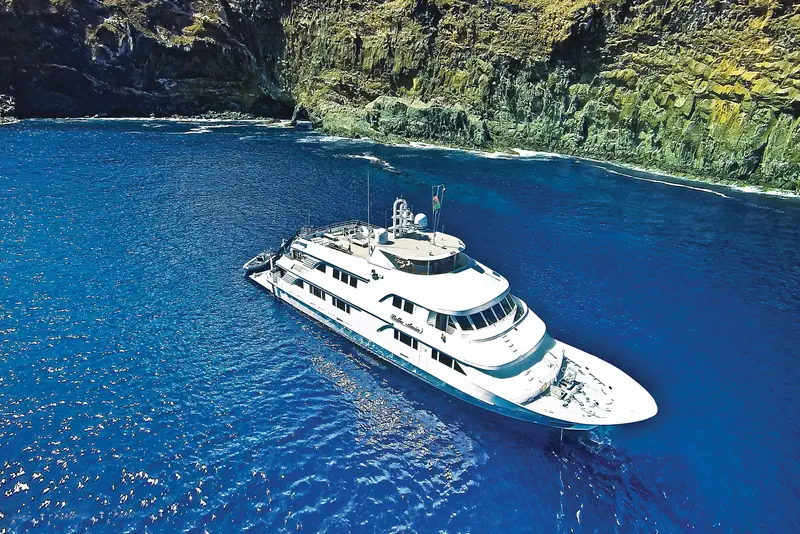
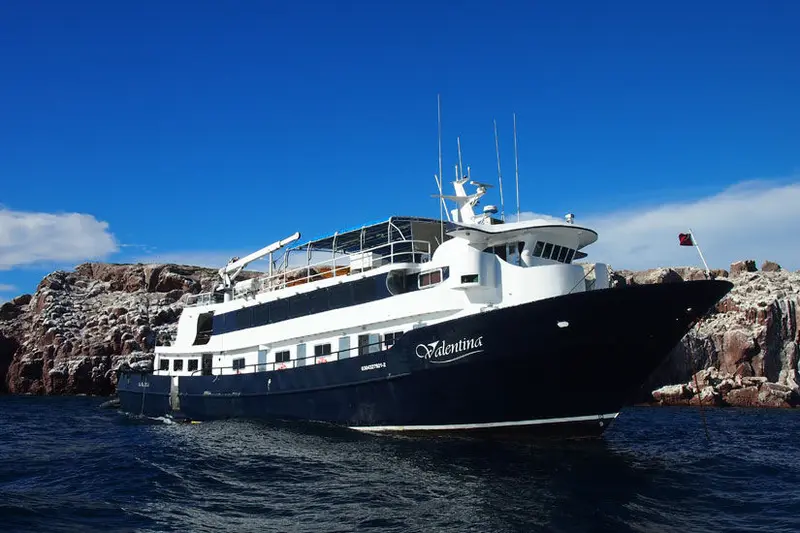
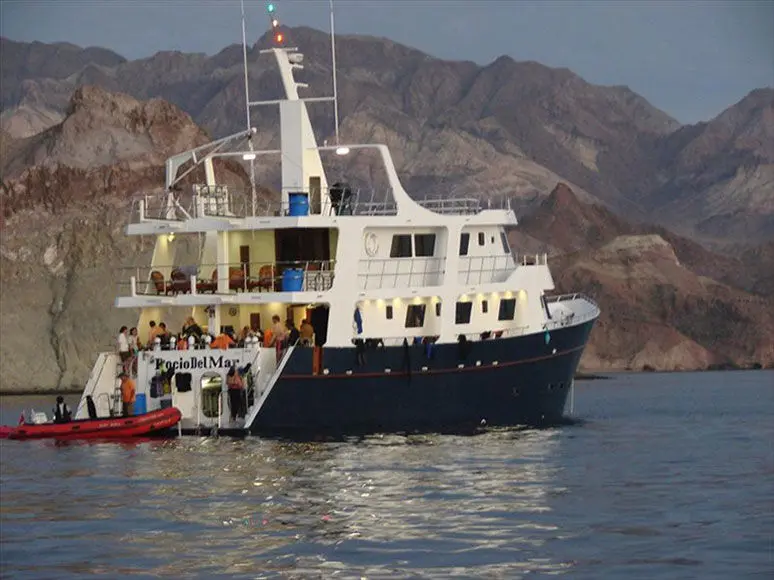
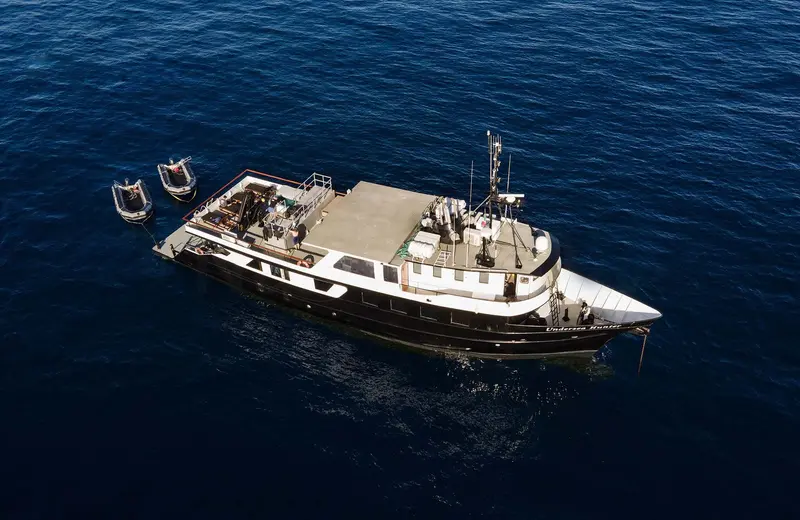
Dive liveaboards Socorro
8 liveaboards run trips to Socorro.
Frequently asked questions about El Boiler
When should you dive El Boiler?
The best season for diving El Boiler is from November to May. During this period, you can explore the offshore pinnacle and look for oceanic manta rays, sharks, tuna, wahoo, and other pelagic life around its steep volcanic walls and ledges, with visibility typically ranging from twenty to thirty metres.
What experience level do you need for El Boiler?
El Boiler requires an advanced level and significant experience with currents and offshore pinnacles. You will make a free-water descent from a tender or Zodiac, then navigate steep volcanic walls and mid-depth contours in exposed conditions. Careful buoyancy control and positioning around the rock are important throughout the dive.
How deep is El Boiler?
El Boiler offers depths from five to forty metres. The submerged volcanic pinnacle rises from surrounding seabed depths of roughly thirty-five to fifty metres and reaches within five to ten metres of the surface. Divers generally work along the mid-depth contours, since the shallow top can be turbulent from swell and surge.
What currents and marine life can you expect at El Boiler?
Currents at El Boiler range from light to very strong and can be variable because the pinnacle is exposed offshore. Use the structure for shelter from surge or flow, while watching for oceanic manta rays at the cleaning station, Silky and Hammerhead sharks, tuna, wahoo, dolphins, morays, lobsters, and octopuses.