Socorro · Mexico · Americas
Max. depth · 30 mCabo Pearce, Socorro: oceanic manta cleaning station and shark site
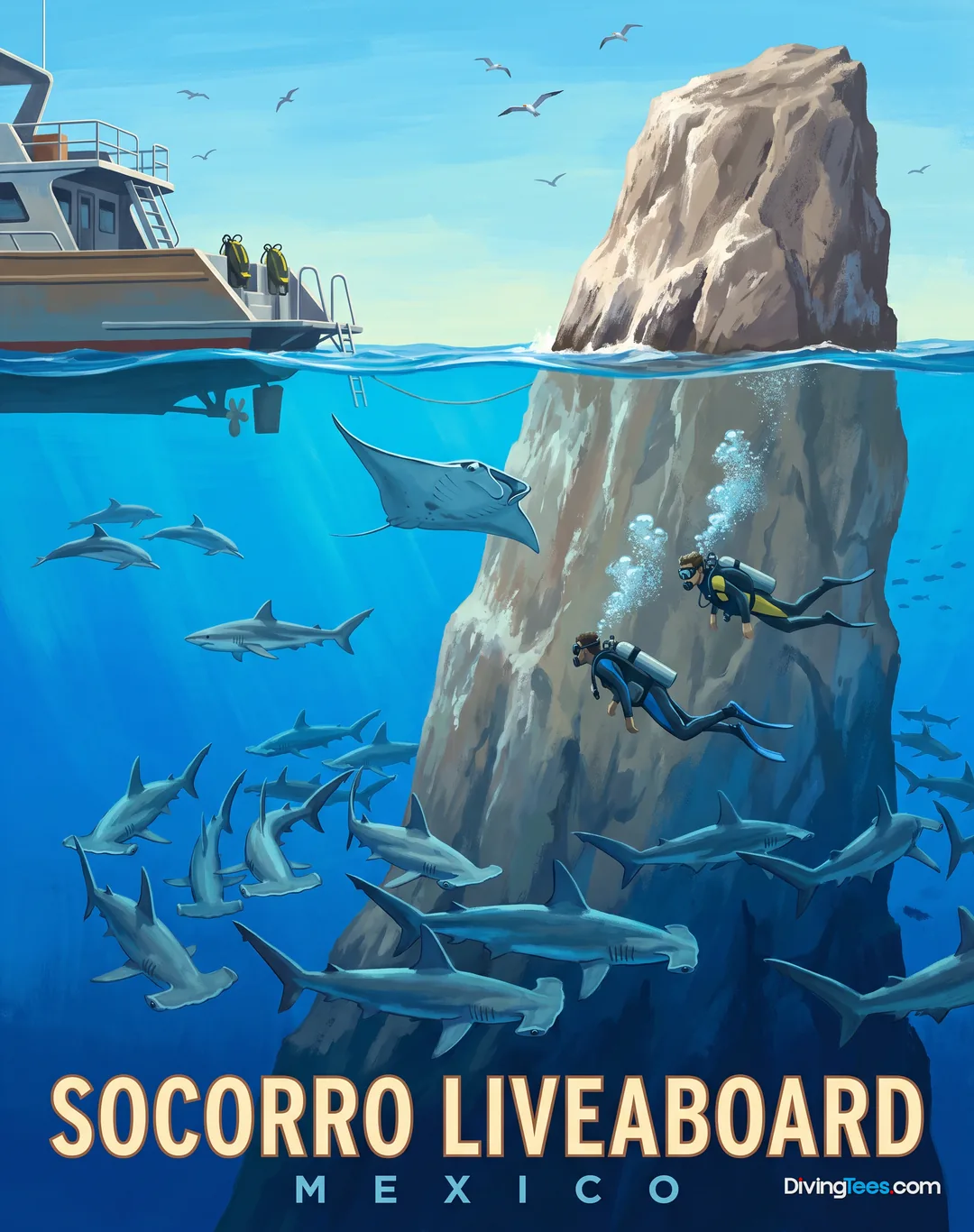
Large oceanic manta rays frequent this volcanic ridge to clean themselves while hammerhead sharks patrol the surrounding blue.
What makes this site special
- Consistent giant oceanic manta ray cleaning station
- Frequent schooling of scalloped hammerhead sharks
- Highly interactive bottlenose dolphin encounters
- High visibility between 20 and 30 metres
- Volcanic ridge topography with steep drop-offs
- Multiple shark species including Galapagos and Silky sharks
Cabo Pearce about the site
Cabo Pearce is a distinct geological formation consisting of a long, narrow finger of volcanic lava rock that juts out from the eastern shore of Socorro Island. This ridge acts as a natural conduit for the prevailing oceanic currents that sweep across the open Pacific, bringing constant nutrient-rich water to the area. The topography is characterized by a relatively shallow plateau and shelf, typically found in the 10 to 20 metre range, which provides a stable platform for divers. Along the sides of this lava finger, the seabed transitions into steep slopes and vertical walls that drop away into the deep ocean. These structures are interspersed with rocky outcrops, large boulders, and patches of gorgonian sea fans.
The dive profile at Cabo Pearce offers a variety of depth zones depending on where you position yourself relative to the ridge. Most divers focus on the shallower sections of the shelf where the topography allows for more controlled observation of the resident marine life. As you move away from the central volcanic formation, the depth increases rapidly, leading to the steep walls that define the site's edges. This transition from the rocky, shallow ridge to the open blue is where much of the pelagic action occurs. Navigating between the boulders and the drop-offs requires a solid understanding of your buoyancy and the local terrain to avoid contact with the delicate coral and gorgonian structures.
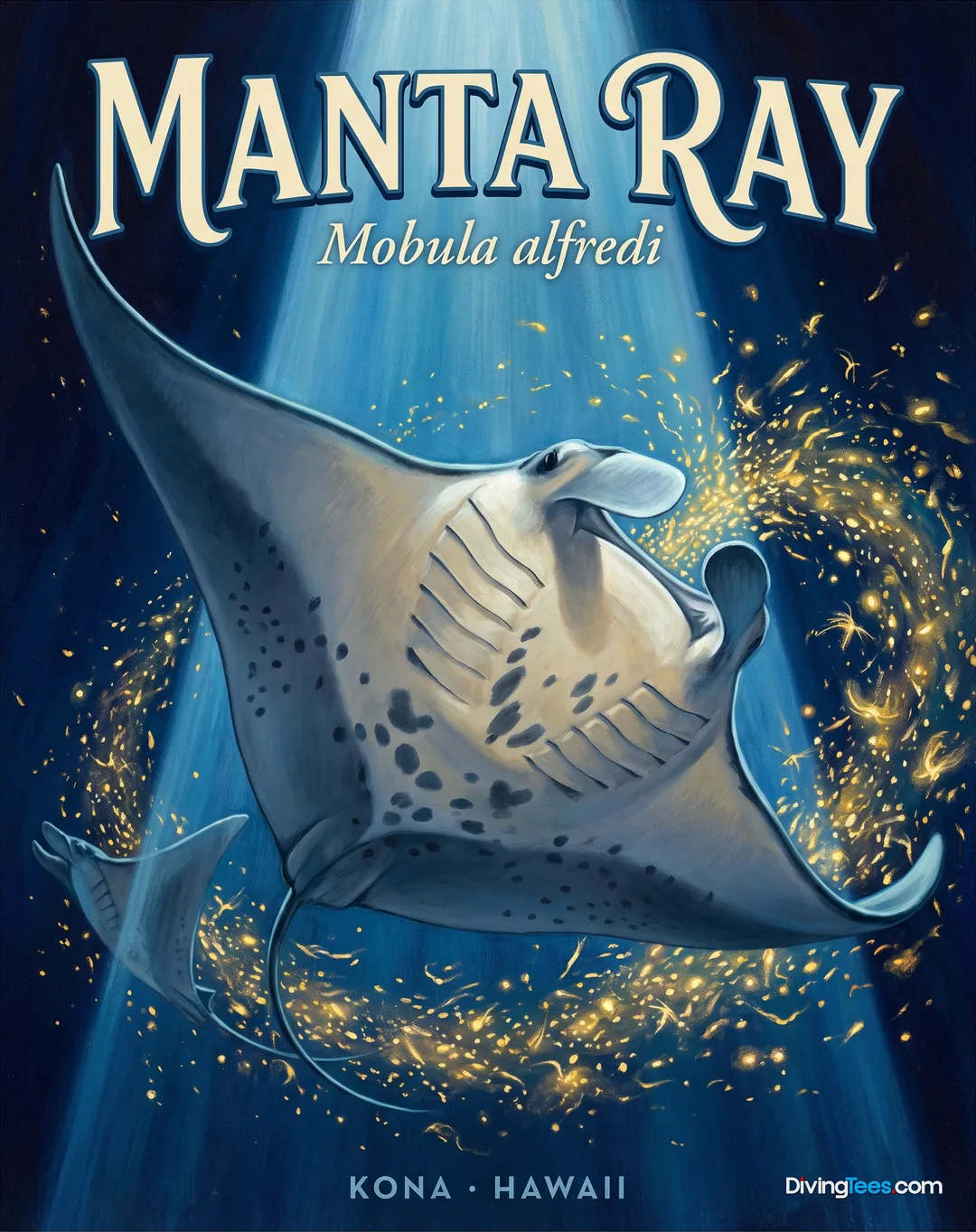
One of the most significant characteristics of this site is its role as a consistent cleaning station for giant oceanic manta rays (Mobula birostris). These large rays are frequently observed circling and hovering over the shallow ridge throughout the day, utilizing the volcanic structure to find relief from parasites. Divers often find themselves watching these animals from the relative shelter of the rocks while the rays move predictably through the water column. The presence of these mantas is a reliable feature of the site, making it a primary destination for those interested in observing large-scale pelagic behavior. Their movements are often dictated by the current and their need to remain stationary during the cleaning process.
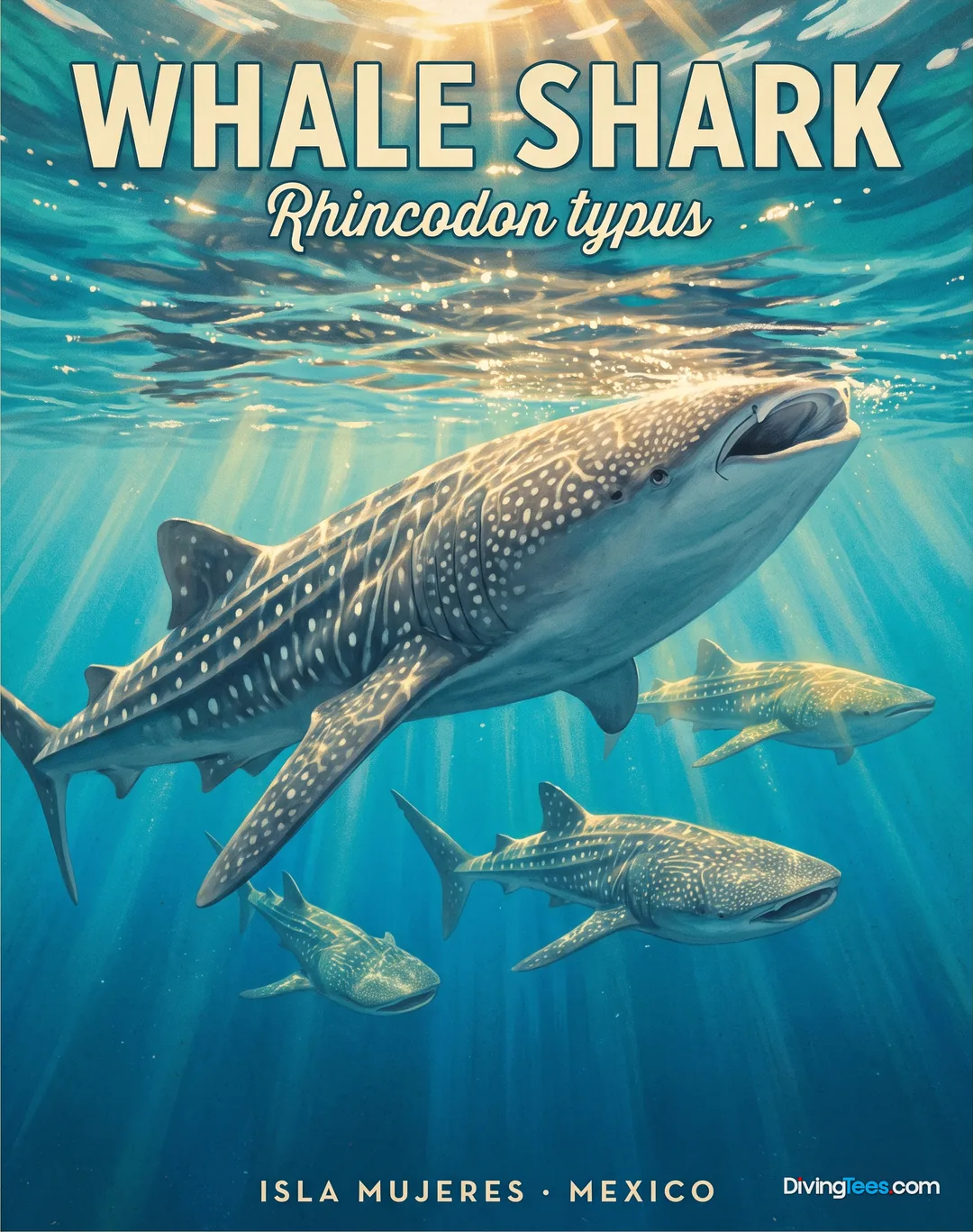
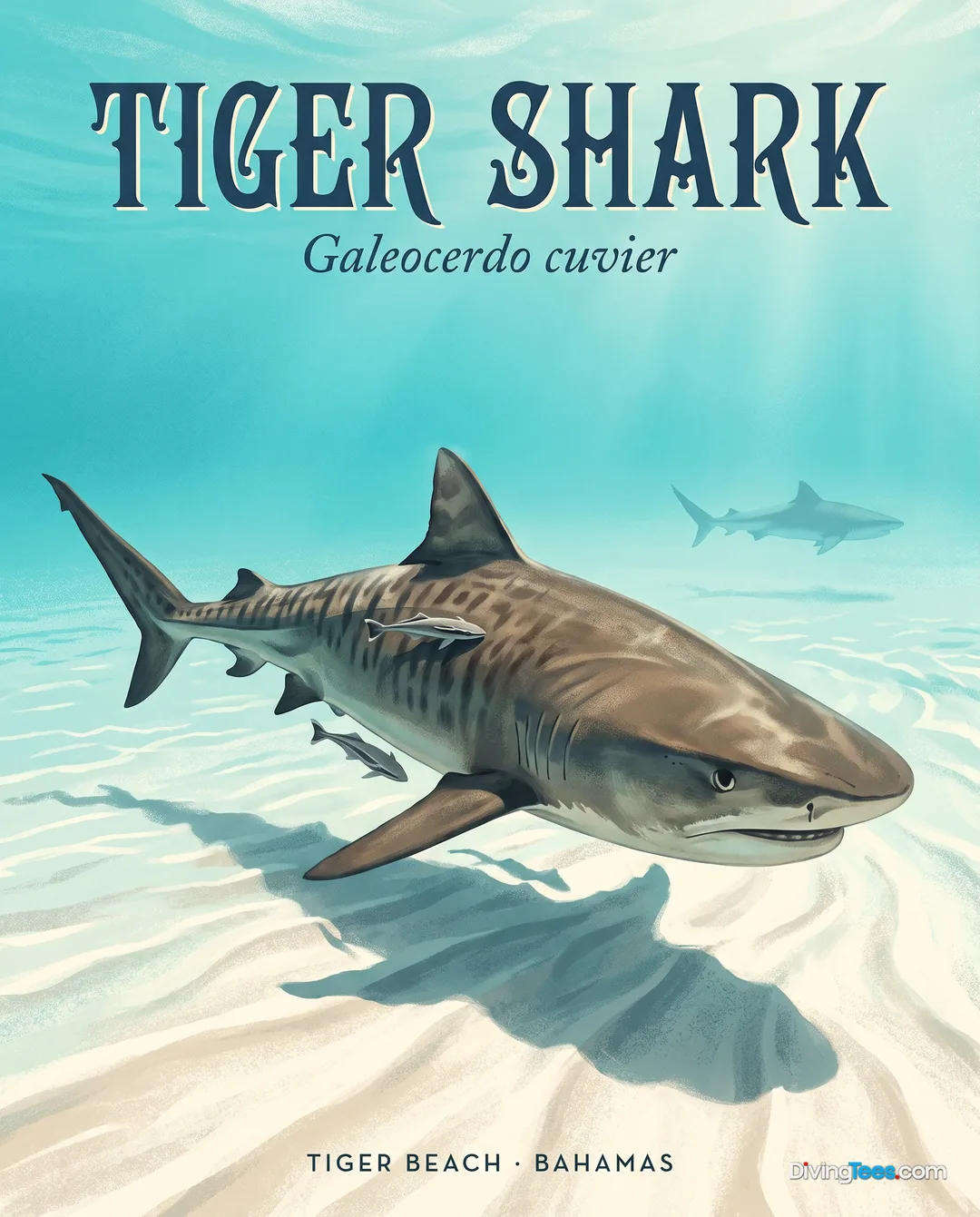
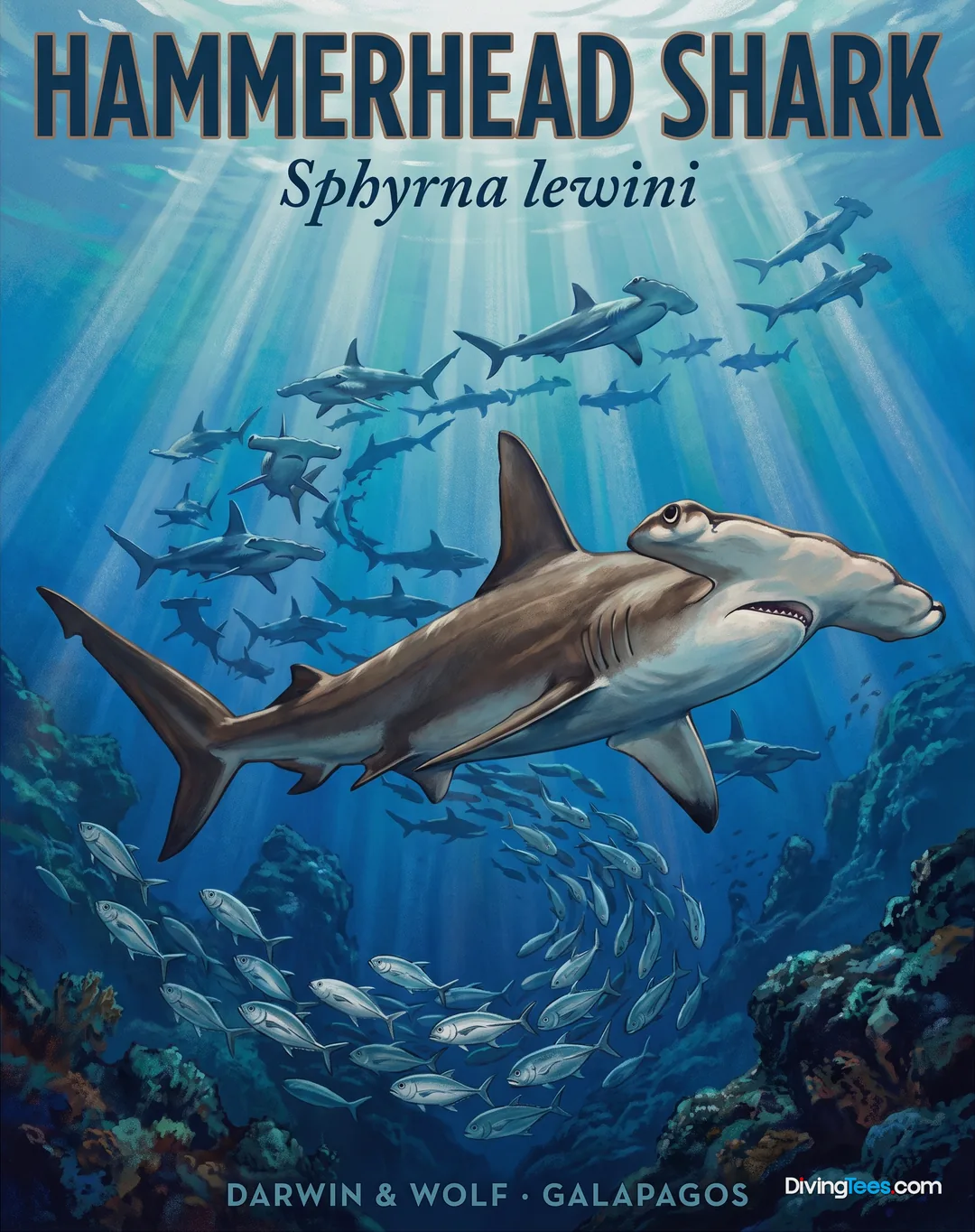
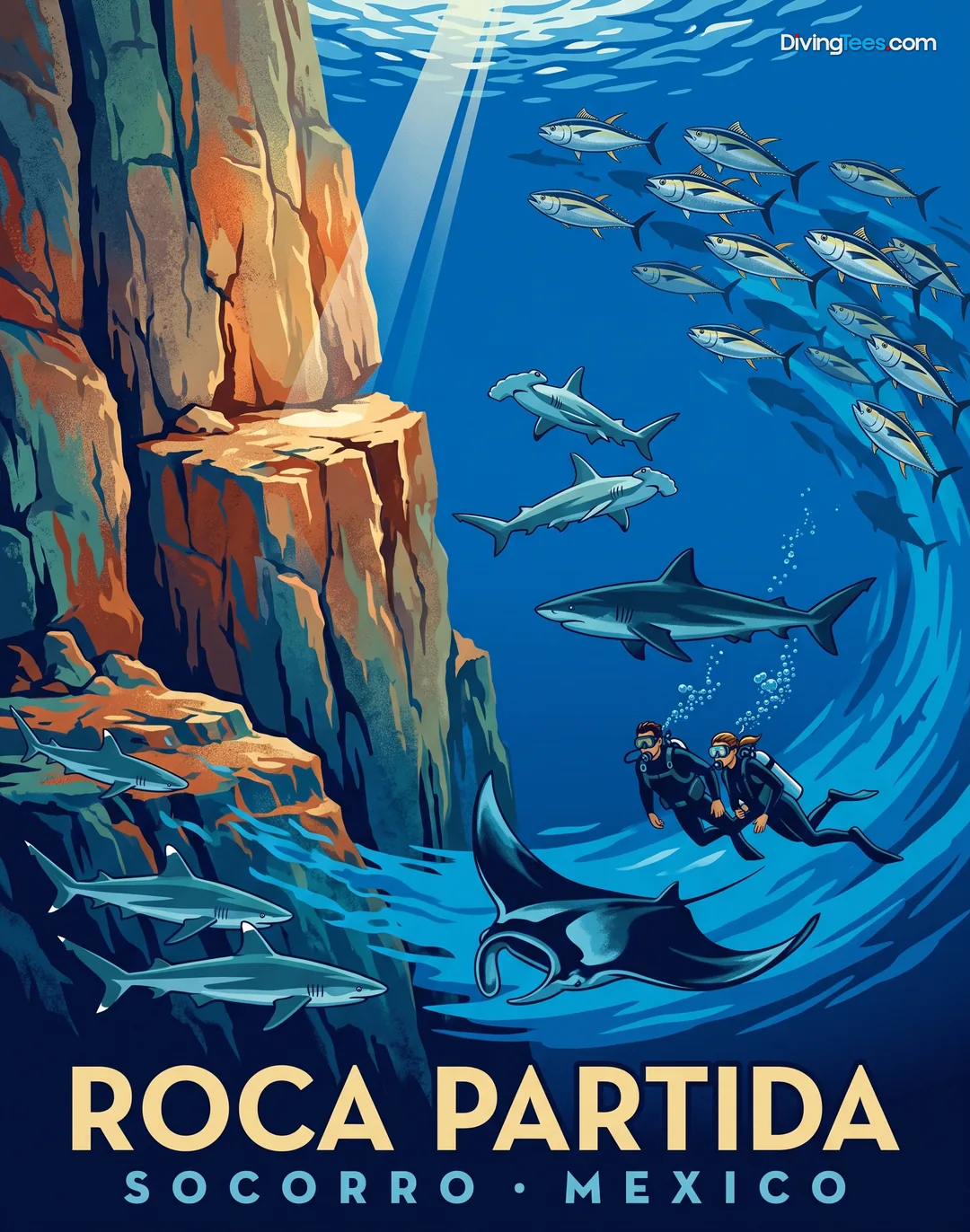
The presence of sharks is a constant factor at Cabo Pearce, often occurring in the blue water surrounding the lava finger. Scalloped hammerhead (Sphyrna lewini) sharks are frequently encountered, often appearing in schools that patrol the deeper sections of the site. You will also see various other species including Galapagos sharks (Carcharhinus galapagensis), Silky sharks (Carcharhinus porosus), and Whitetip reef sharks (Triaenodon obesus). In certain conditions, Tiger sharks (Galeocerdo cuvier) or even Whale sharks (Rhincodon typus) may pass through the area. The interaction between the ridge and the open ocean creates a high-energy environment that supports these large predators, making shark sightings a standard part of the experience.
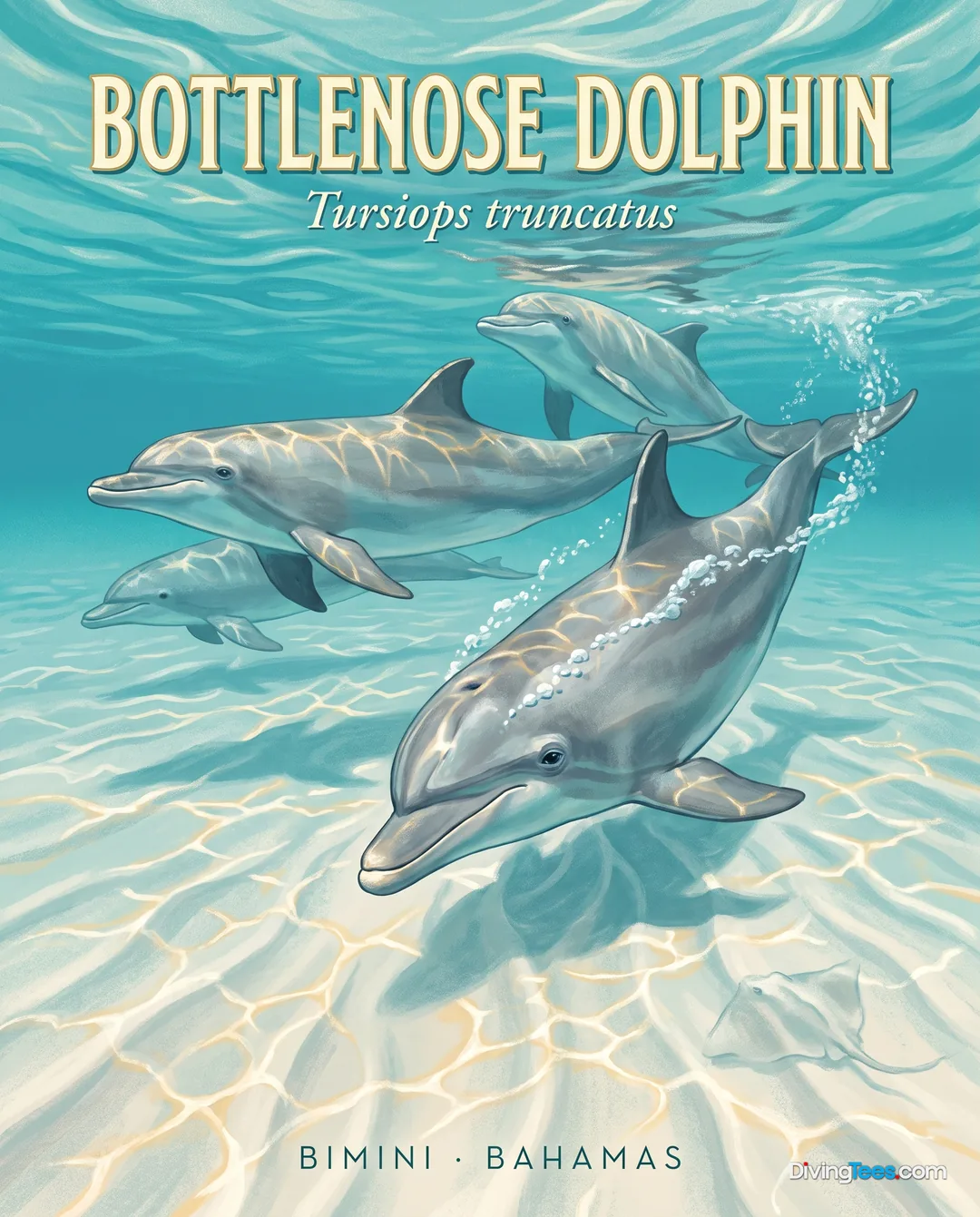
Beyond the larger predators, the site is known for highly interactive pods of bottlenose dolphins (Tursiops truncatus). These mammals often approach divers, showing a level of curiosity and playfulness that is distinctive to this specific location. Their presence adds a dynamic element to the dive, as they may swim through the groups or move alongside the ridge. Observing these animals in their natural habitat, alongside the larger sharks and manta rays, creates a complex ecosystem of movement. The dolphins often use the ridge as a landmark, moving in and out of the shallower sections where divers are positioned.
Current is a defining element of the diving experience at Cabo Pearce due to the site's position in the direct path of the prevailing oceanic current. The flow of water along and around the exposed lava finger is often moderate to strong, which is what brings the nutrient-rich water and the pelagic life to the reef. Divers must be prepared to manage these conditions, either by conducting the dive as a drift along the ridge or by finding shelter behind large rocky outcrops when the flow increases. The current can vary depending on the season and the swell, but it remains a consistent factor that dictates how you navigate the site. Proper positioning is essential to stay within the zone of interest without being swept too far into the open ocean.
Visibility at the site is generally high, typically ranging between 20 and 30 metres, which allows for long-range observations of approaching pelagic species. This clarity is crucial for spotting sharks or mantas before they arrive at the ridge, providing time to prepare for the encounter. The light conditions are often excellent, especially when the sun is high, illuminating the volcanic textures and the deep blue of the surrounding water. This visibility, combined with the steep topography, creates a sense of scale that is difficult to find elsewhere. Even at the shallower depths of the ridge, the clarity provides a view of the dramatic drop-offs that lead into the abyss.
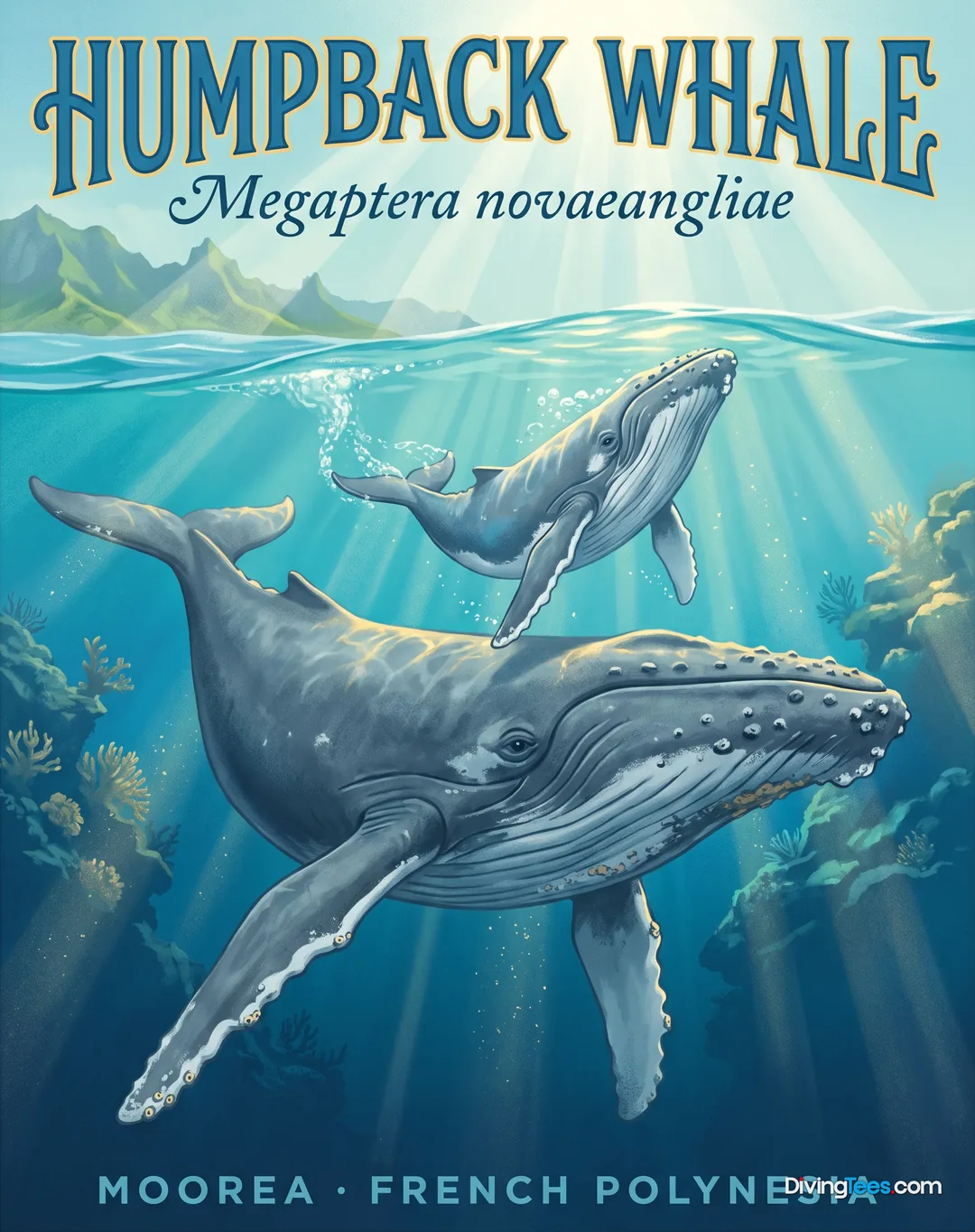
The seasonal window for diving at Cabo Pearce is most productive from November to May. During this period, the liveaboard season is in full swing, providing the best access to the peak activity of manta rays and various shark species. If you are diving during the mid-winter months, you may also encounter Humpback whales (Megaptera novaeangliae) in the region. Planning your visit within this timeframe ensures the highest probability of seeing the site's flagship species in their most active states. The predictability of these encounters is tied to the seasonal movements of the pelagic animals through the Revillagigedo archipelago.
Diving Cabo Pearce: the marine life you’ll meet
Diving conditions
Depth ranges from 5 to 30 metres. This site requires an Advanced level certification and significant experience, as divers must be comfortable in strong, unpredictable currents and during blue-water pelagic encounters. Visibility is typically between 20 and 30 metres. The prime season for diving is from November to May.
Three dives not to miss
Map of dive sites in Socorro
Dive liveaboards Socorro
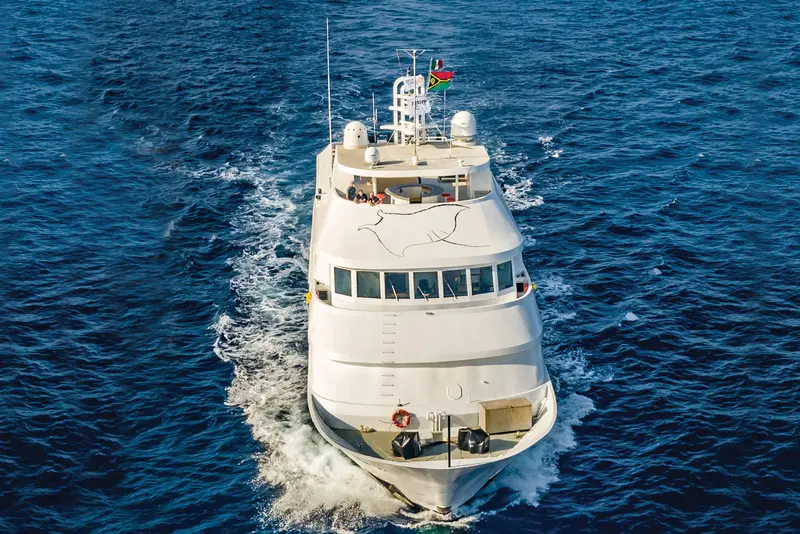
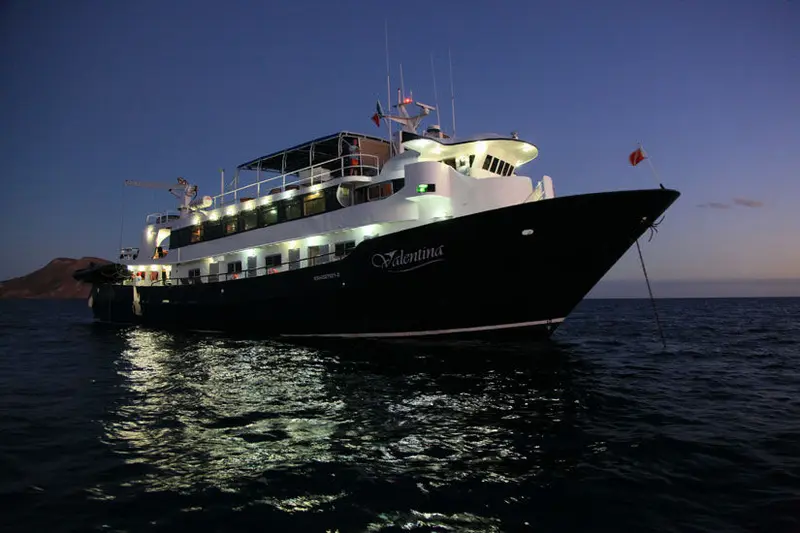
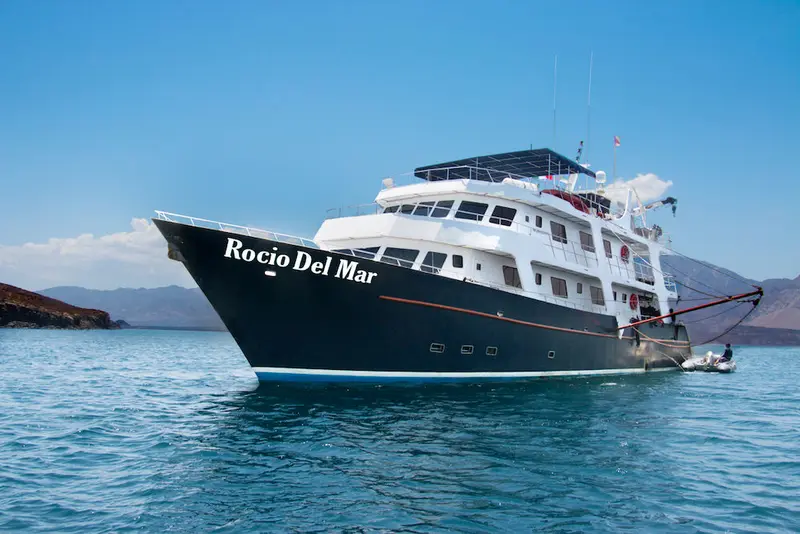
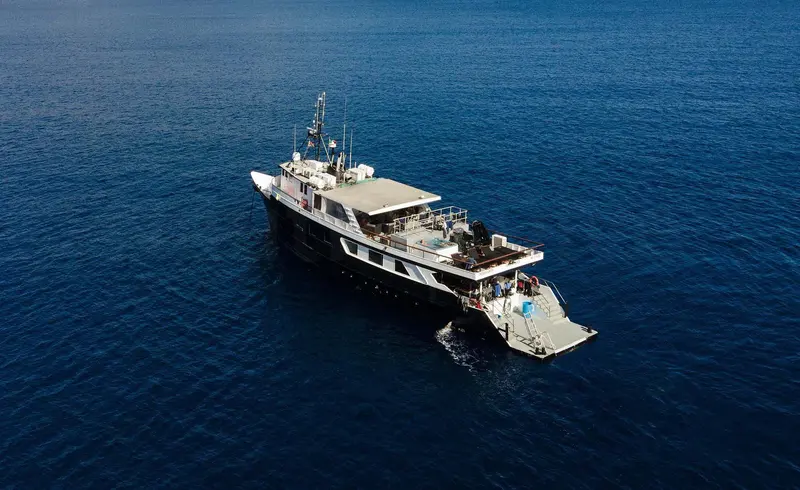
8 liveaboards run trips to Socorro.
Frequently asked questions about Cabo Pearce
When should you dive Cabo Pearce?
Plan your dive at Cabo Pearce from November to May, when the liveaboard season is in full swing and manta rays and shark species are particularly active. During the mid-winter months, you may also encounter humpback whales in the region, adding another possible pelagic encounter to the dive.
What experience and current skills do you need for Cabo Pearce?
Cabo Pearce requires Advanced certification and significant experience. You need to be comfortable with moderate to strong, unpredictable currents and blue-water pelagic encounters. You may conduct the dive as a drift along the ridge or use shelter behind rocky outcrops, while maintaining careful positioning near open water and drop-offs.
How deep is Cabo Pearce, and what terrain will you explore?
Cabo Pearce ranges from five to thirty metres deep. The volcanic lava ridge includes a relatively shallow plateau and shelf, commonly found between ten and twenty metres, while its sides descend into steep slopes and vertical walls. Rocky outcrops, large boulders, and gorgonian sea fans shape the terrain.
What can you see at Cabo Pearce?
At Cabo Pearce, you can watch giant oceanic manta rays using the ridge as a cleaning station, along with schooling scalloped hammerheads and other sharks, including Galapagos, silky, and whitetip reef sharks. Highly interactive bottlenose dolphins may approach divers, while tiger sharks or whale sharks may pass through in certain conditions.