Liveaboards · Indonesia
Carpe Diem Indonesia — a small-group phinisi built for serious exploration
What makes this boat unique
- A traditional Indonesian phinisi built with ironwood and teak, launched after its keel was laid in 2012.
- Four air-conditioned guest cabins, each with a private bathroom and hot shower, accommodate up to eight passengers.
- The boat combines guided diving with snorkeling, kayaking, stand-up paddleboarding, beach visits and land excursions.
- Routes cover Raja Ampat, Halmahera, North Sulawesi and Kalimantan, with trips lasting eight or ten days.
The invitation
Carpe Diem suits divers who want access to several of Indonesia's remote regions without joining a large liveaboard. Its small passenger capacity keeps the trip personal, while the routes reach places as different as Lembeh's black-sand macro slopes, Raja Ampat's coral walls and Kalimantan's current-swept channels. The boat is also built for people who want more than a dive schedule: non-divers and snorkelers are welcome, and shore visits, kayaking, paddleboarding and walks are part of the program. The appeal is the combination. Guests return to a traditional wooden phinisi, eat food sourced largely in Indonesia, and dive with qualified guides who bring local knowledge to sites where the main attraction may be a manta cleaning station, a schooling barracuda channel or a tiny pygmy seahorse.
Boarding
The first impression is of a working Indonesian phinisi rather than a floating hotel designed to hide its origins. Ironwood and teak form the hull, following the boatbuilding tradition of South Sulawesi, while the open foredeck and upper observation deck keep the sea close. Inside, the air-conditioned saloon has a large dining table and a library; outside, the deck is arranged for meals, yoga and long stretches of looking over the water. The boat was built in 2012, so it carries some history without being an old wooden coaster. Movement is straightforward: the saloon sits in the deckhouse, the open deck spreads forward, and the dive platform is at the stern. With only four guest cabins and eight passengers, the boat feels easy to read by the time everyone has settled in.
The atmosphere on board
The atmosphere is shaped by the scale of the boat. Four guest cabins and a crew-to-passenger ratio close to one-to-one mean that help is near without becoming formal. The crew includes Indonesian and international staff, and English, French, Spanish and Indonesian are spoken. A multilingual cruise director keeps the practical side clear, while the dive guides handle the underwater decisions. Evenings can end around the large saloon table, outside over dinner, or with a book from the onboard library rather than a manufactured entertainment program. The boat also welcomes families and non-divers, so a group may include people who spend the day underwater, on a kayak, ashore or simply on deck. That mix works here because the crew runs excursions as well as diving. Guests are not left to organise every hour once the boat leaves port.
The sites you’ll dive
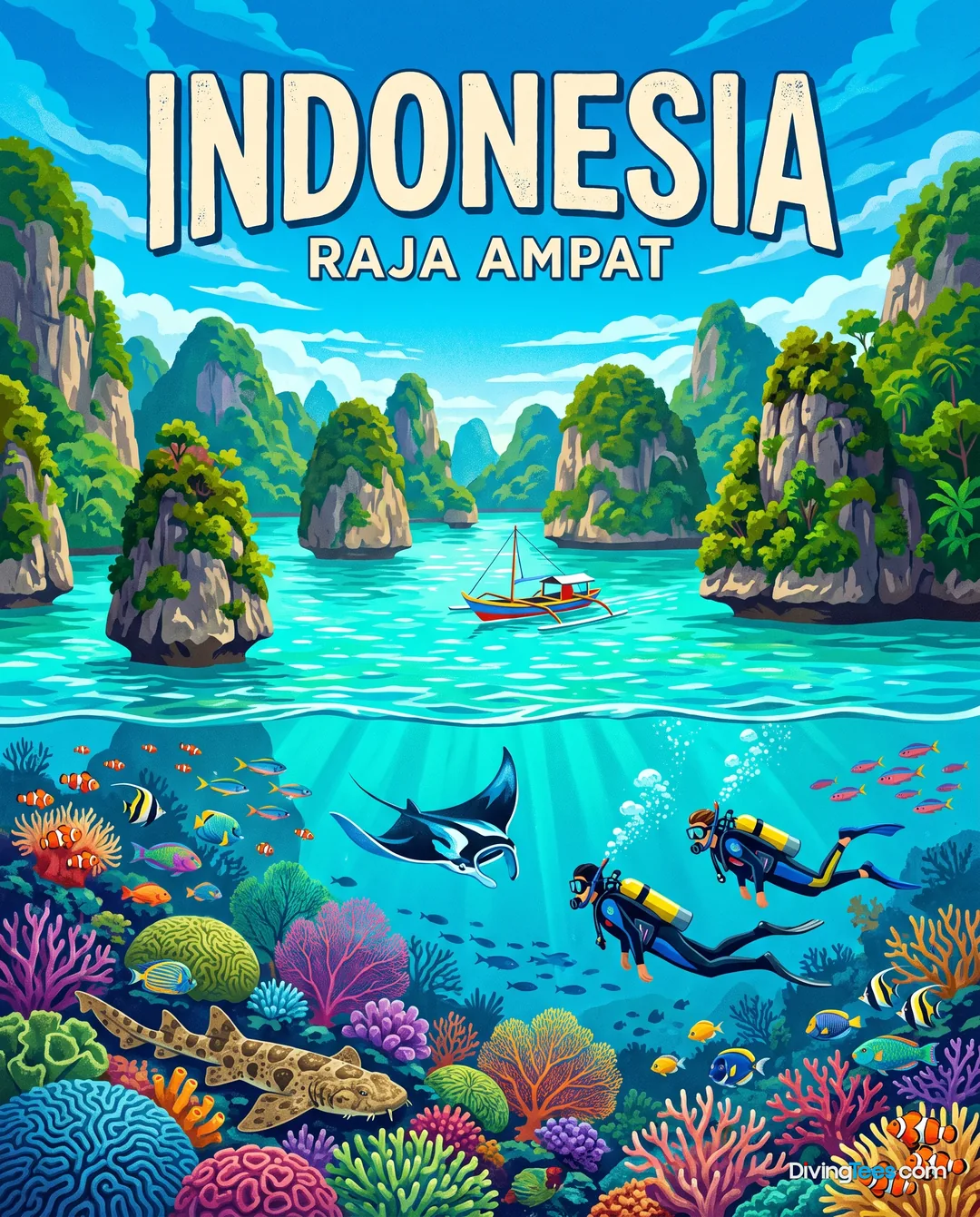
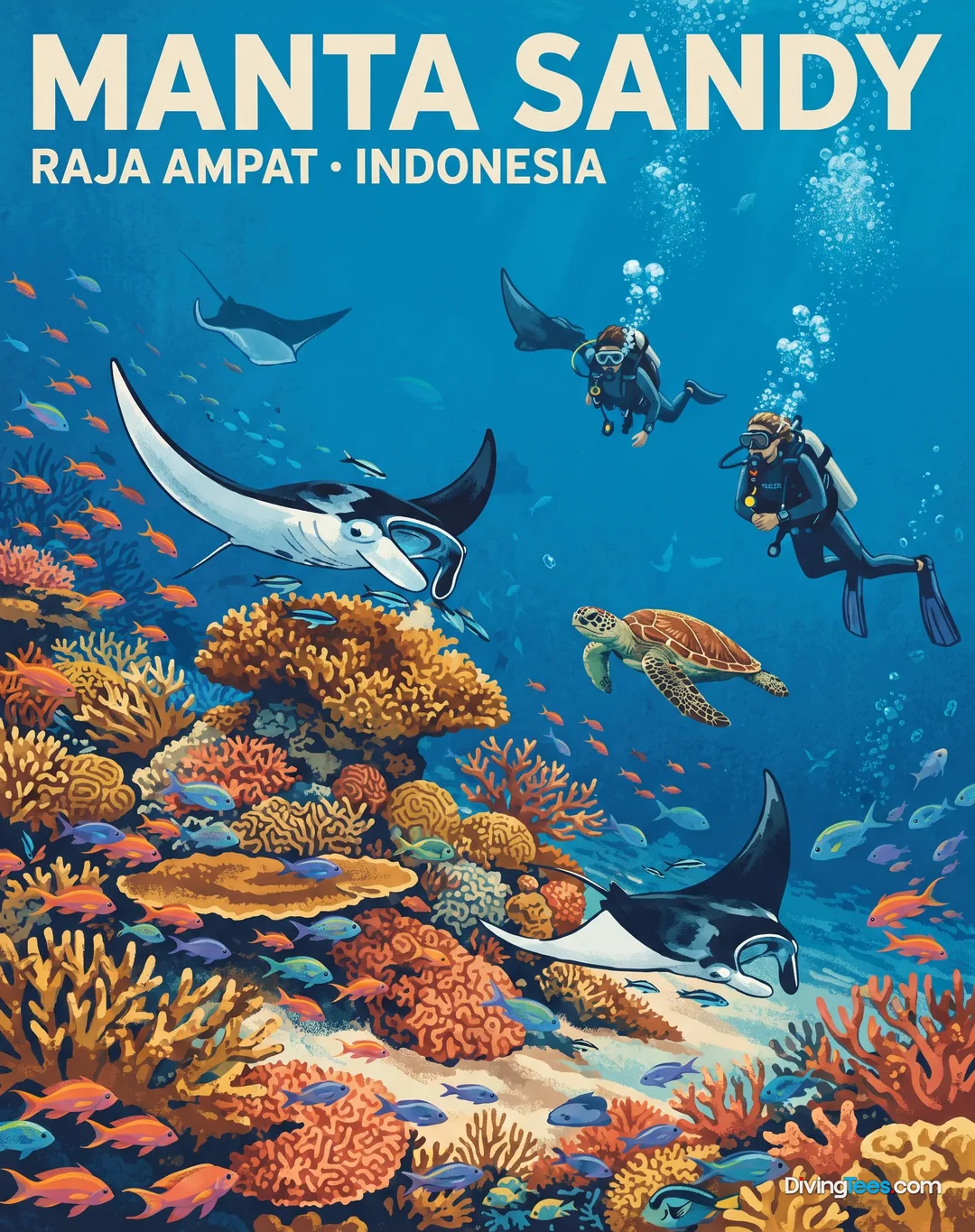
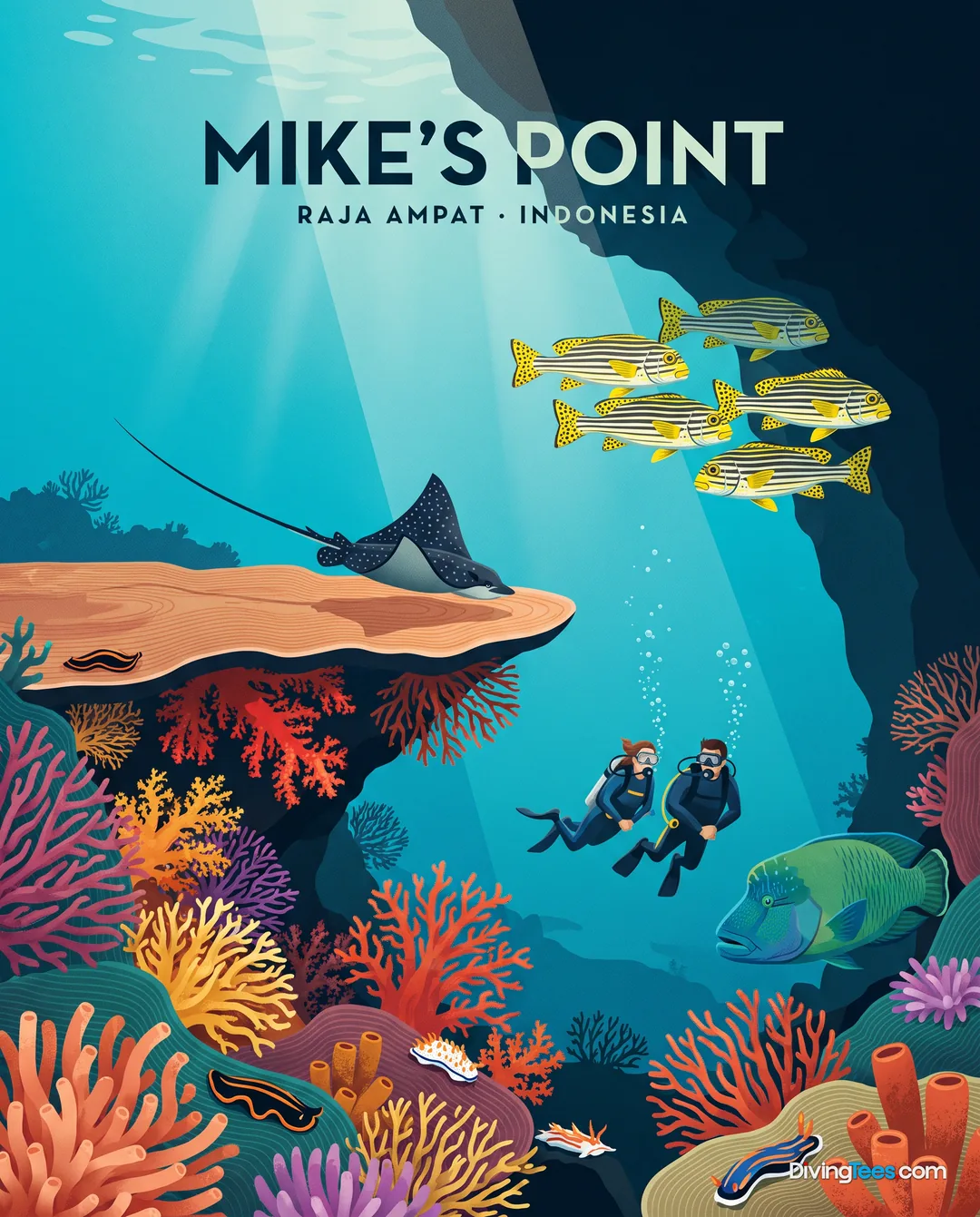
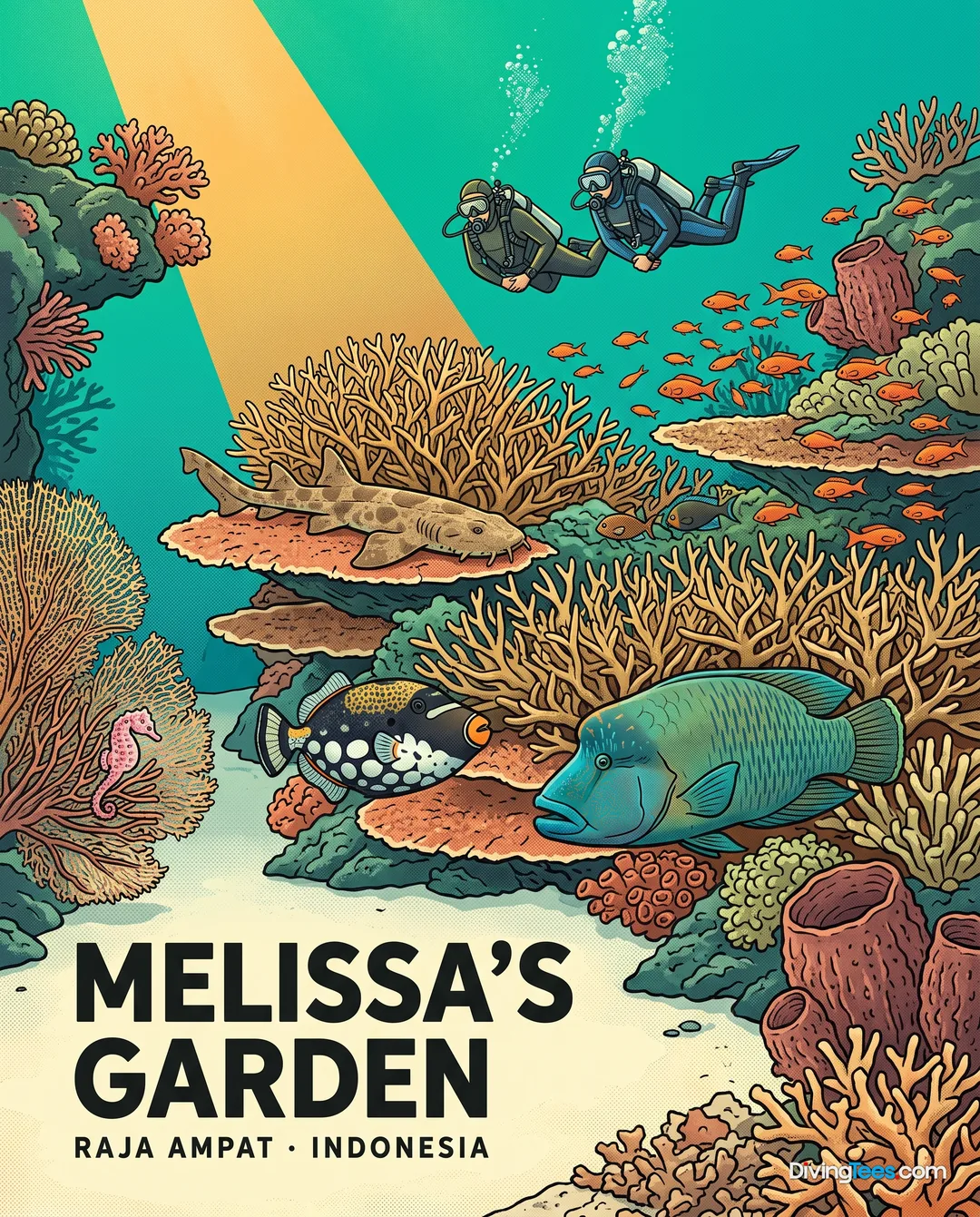
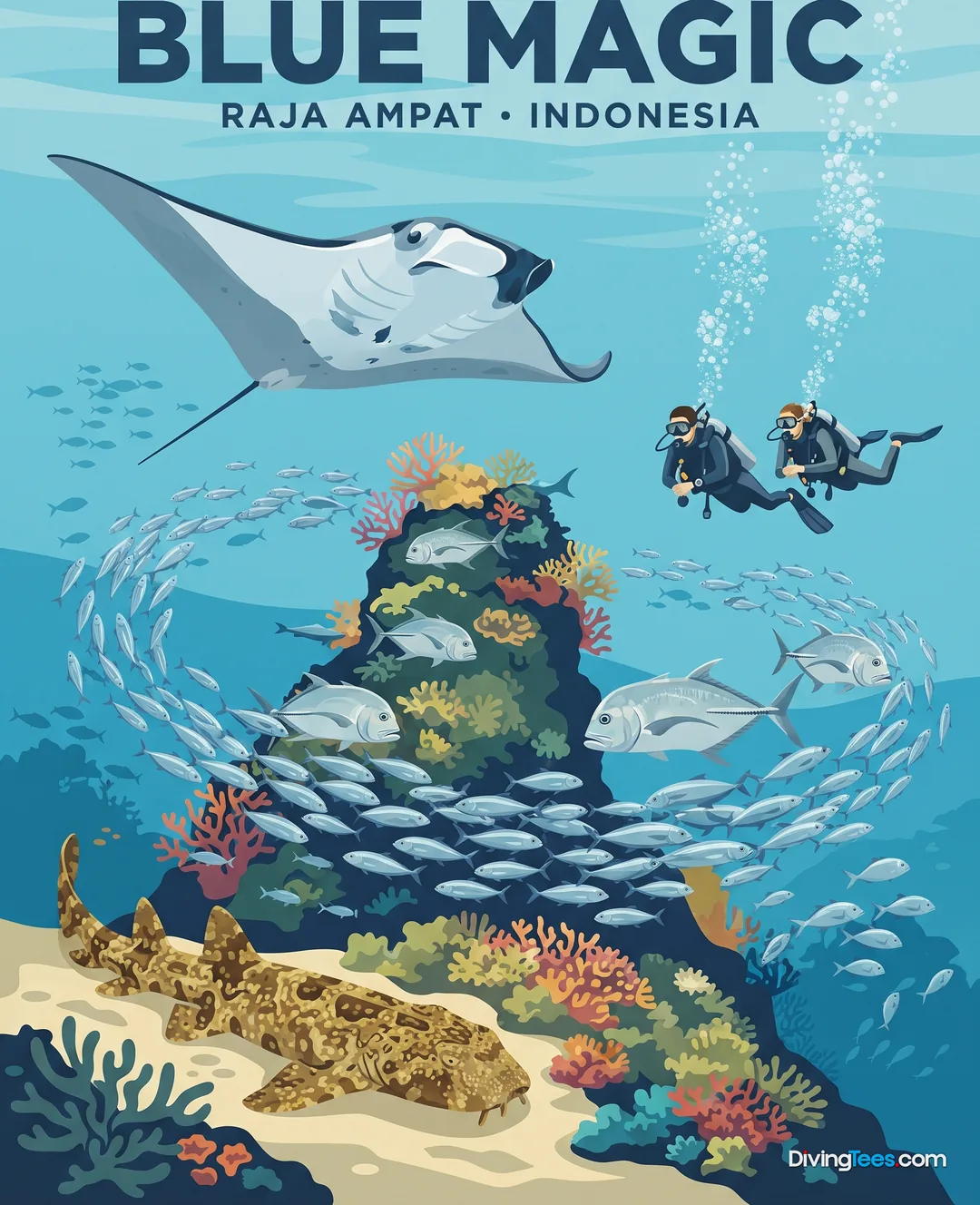
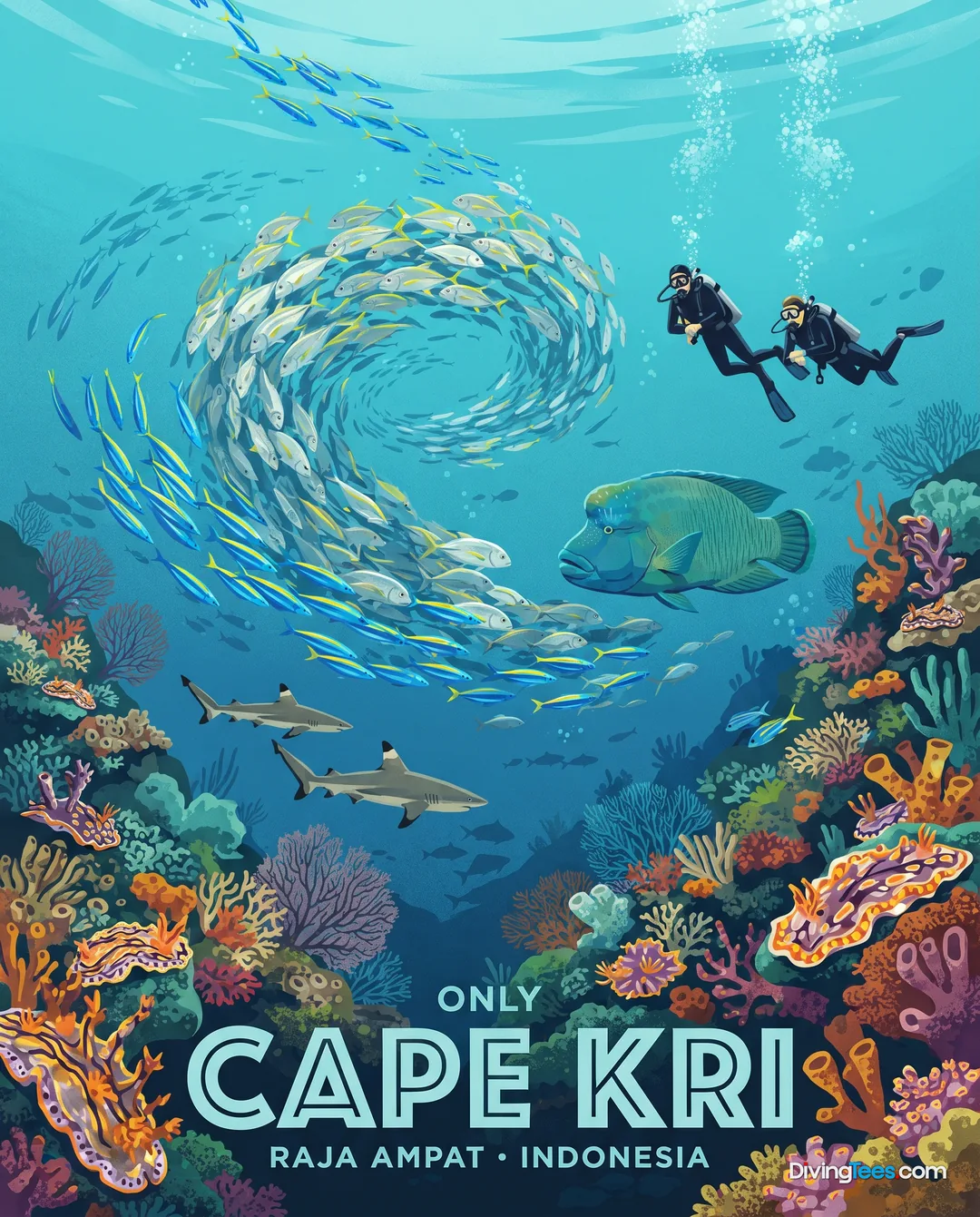
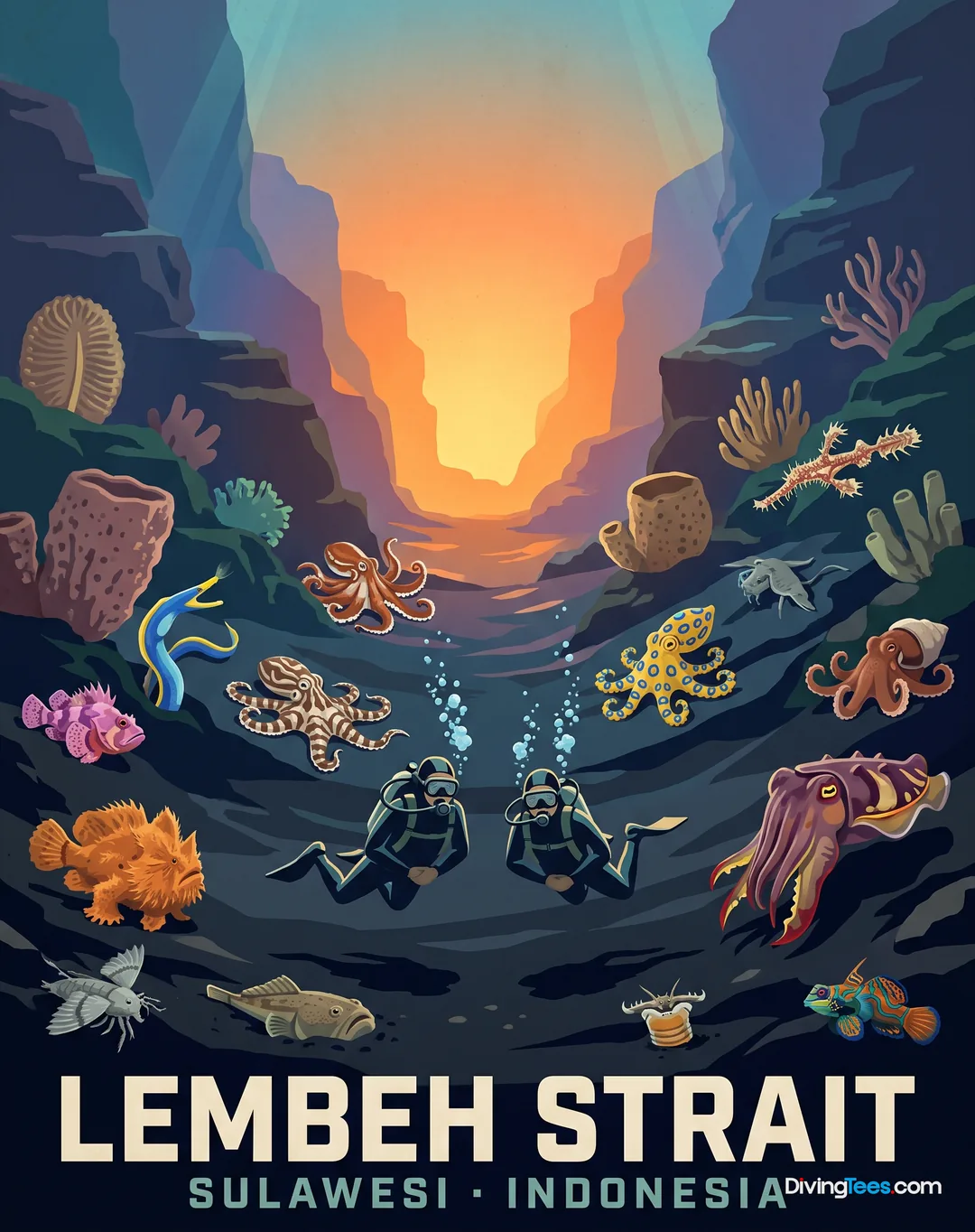
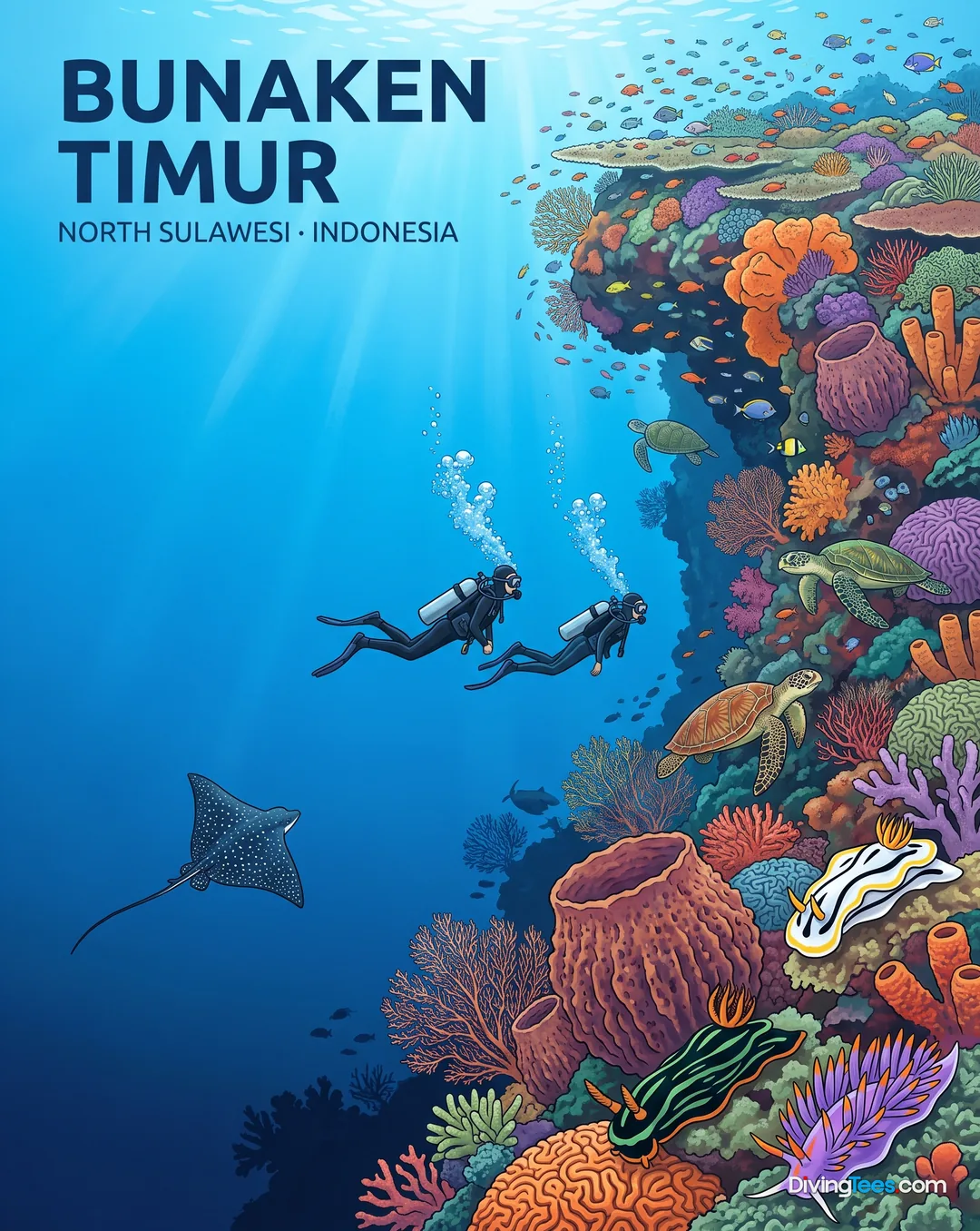
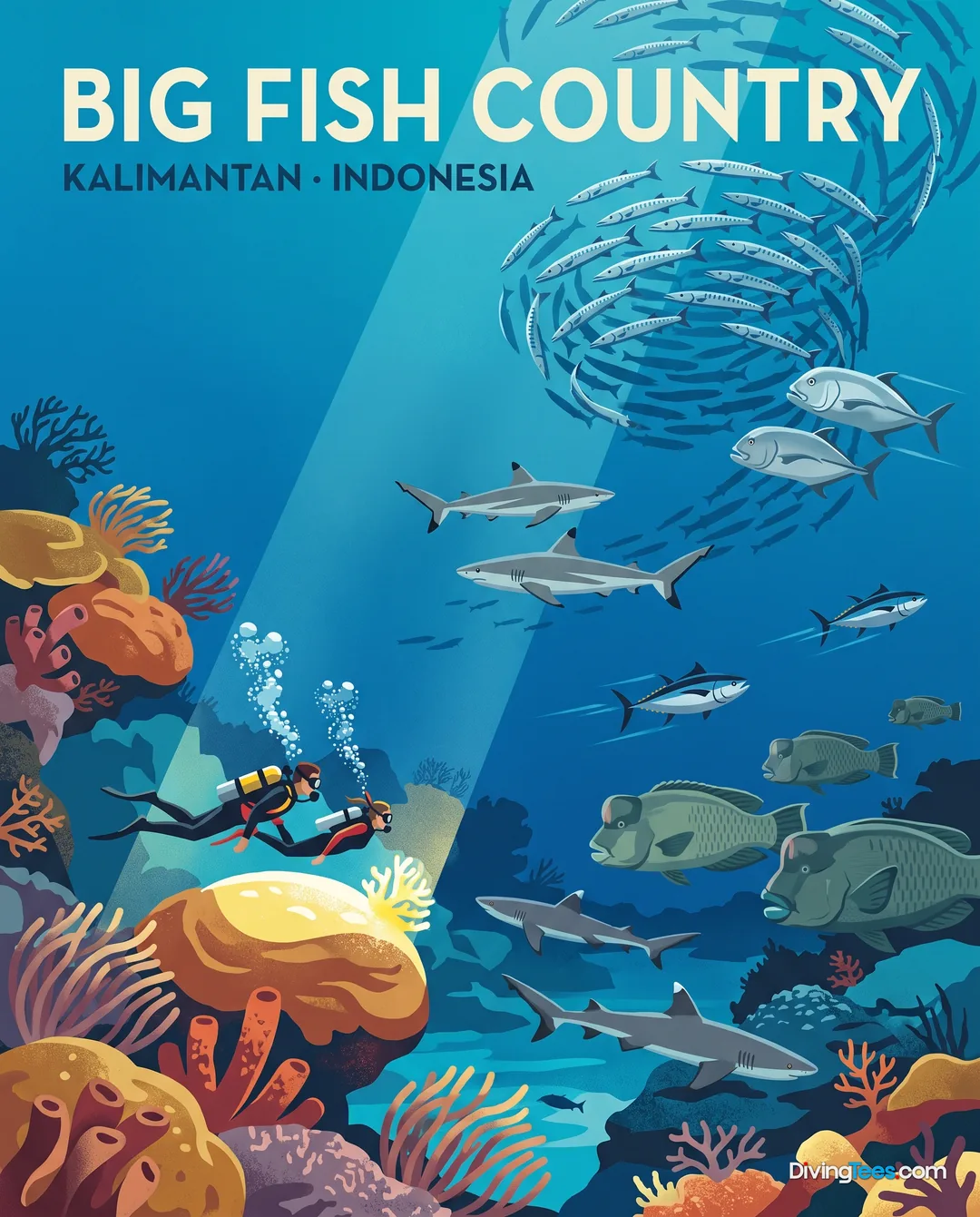
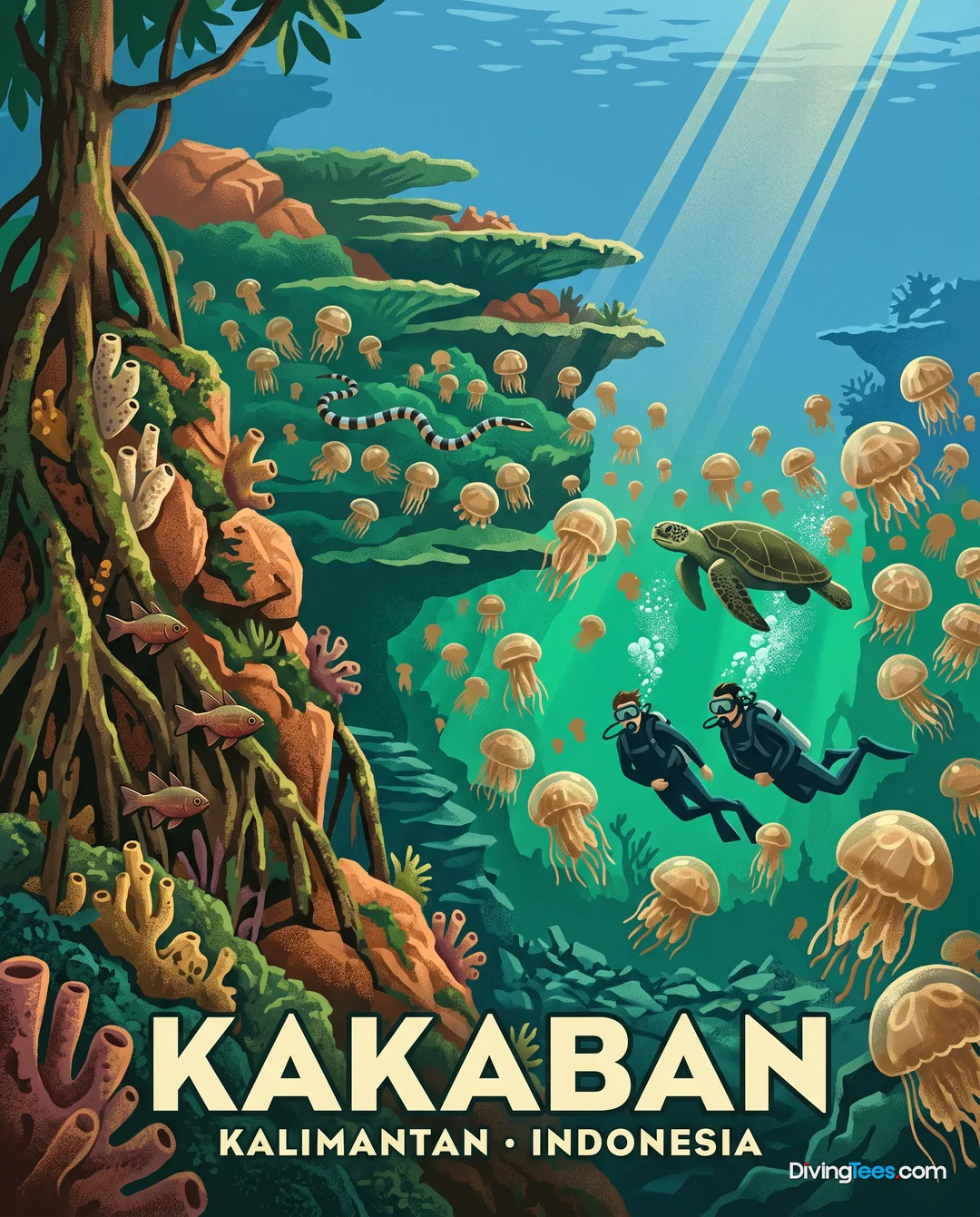
The route changes by departure, but the recorded programs range from eight days and seven nights to ten days and nine nights. From Bitung, the Manado route combines Lembeh, North Sulawesi and Bunaken; another ten-day route runs from Bitung to Ternate. Halmahera runs from Ternate to Sorong, while the Raja Ampat program starts and ends in Sorong. Kalimantan itineraries run from Tarakan to Tarakan through Derawan, Maratua and Sangalaki. The sites explain why these crossings are worthwhile. Manta Sandy in Raja Ampat places divers and snorkelers near manta cleaning stations. Mike's Point combines reef overhangs, soft corals and sweetlips with a plateau where eagle rays may pass; its maximum depth is -40m. Melissa's Garden reaches -35m through soft coral and staghorn formations. Blue Magic brings schooling fish and possible oceanic manta encounters, while Cape Kri is known for extraordinary fish abundance. Lembeh Strait is the black-sand macro specialist. Bunaken Timur follows the east side's wall to a maximum of -25m. Big Fish Country is a channel dive where current can bring barracudas and sharks, and Kakaban reaches -65m with walls, strong currents and pelagics.
What you’ll meet underwater
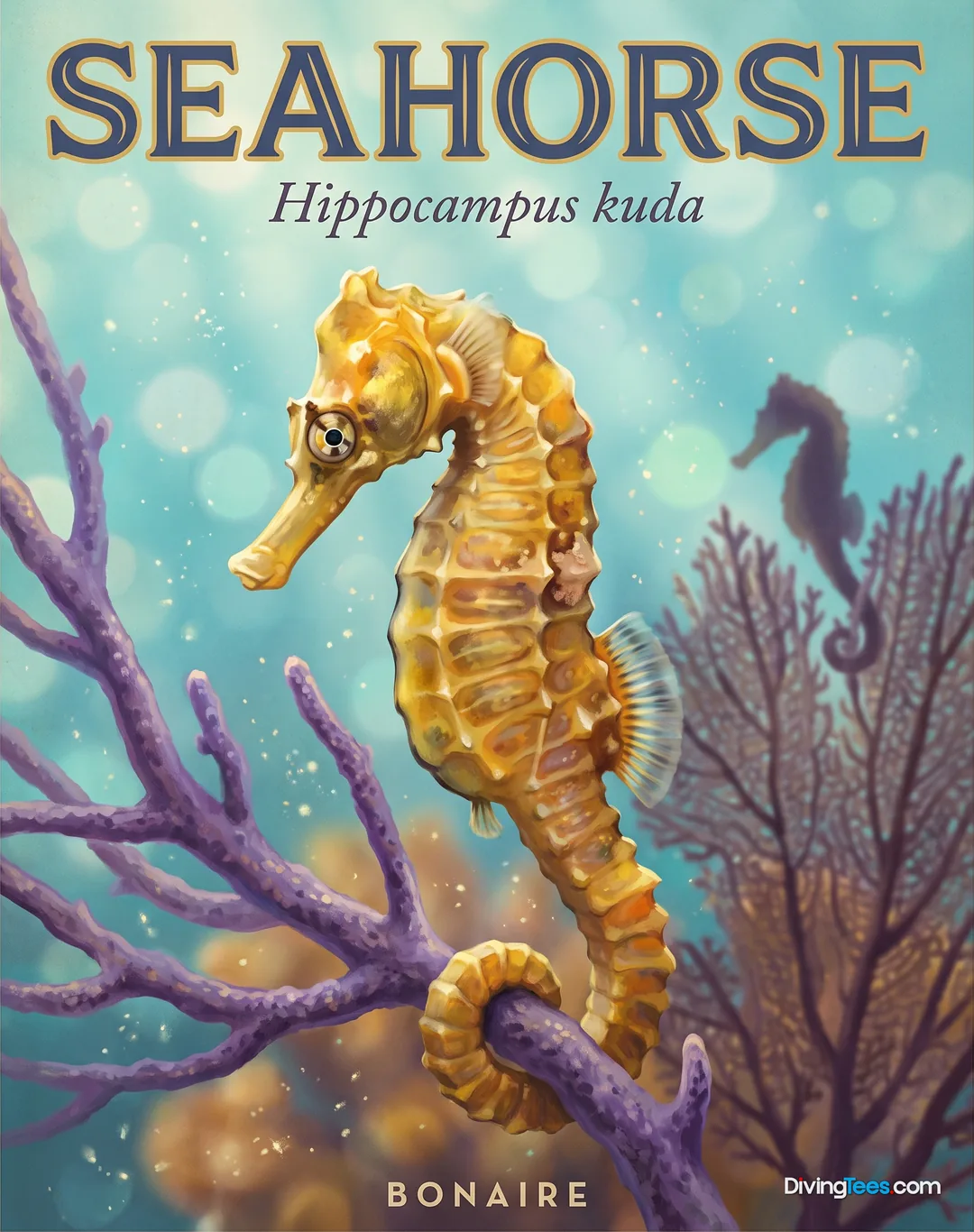
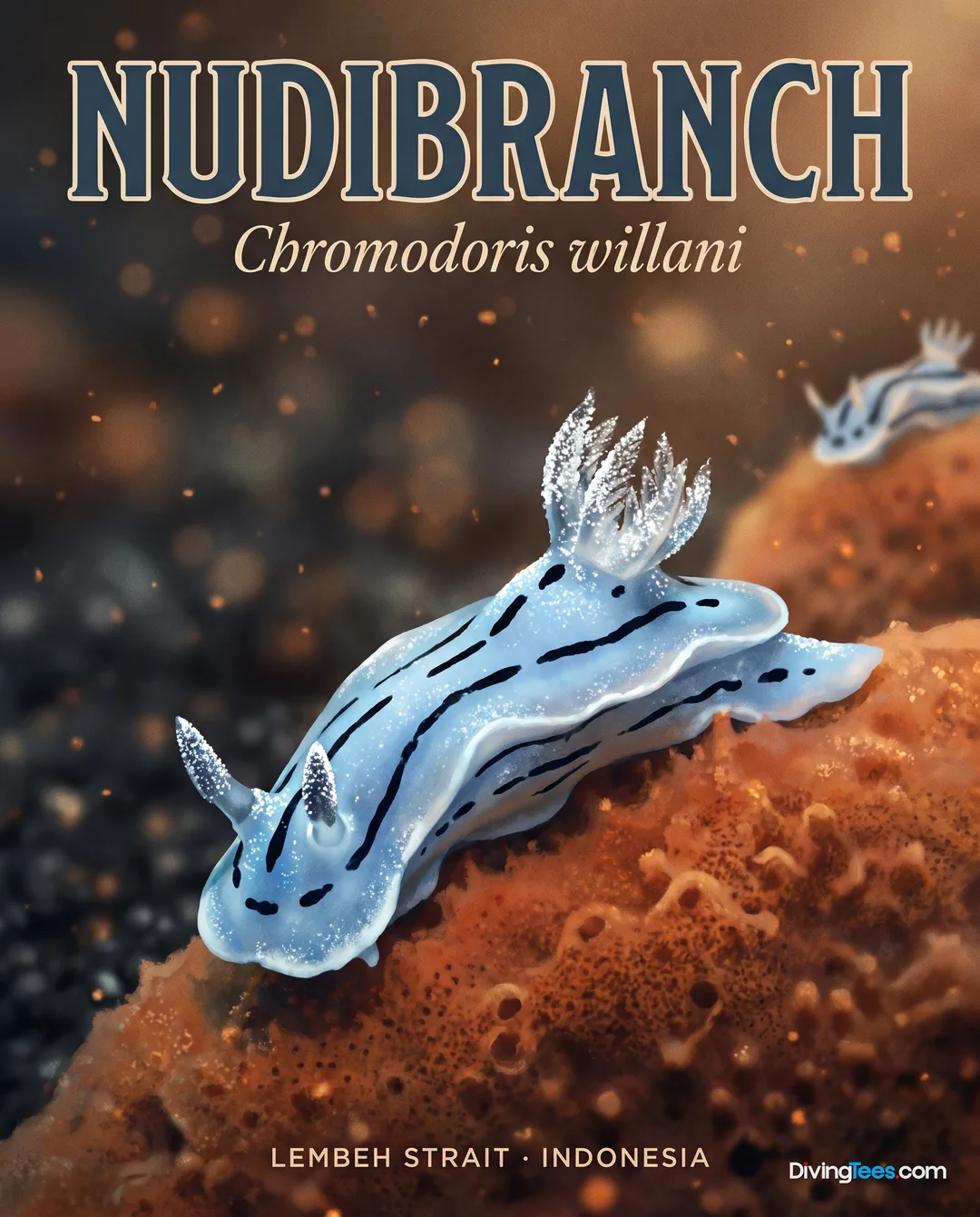
Across the route, the recurring cast is substantial: reef sharks, barracudas, turtles, manta rays, tuna, fusiliers, trevally, soft corals, nudibranchs, pygmy seahorses, frogfish, humphead parrotfish and flatworms. The variety is not only about size. Raja Ampat can put a manta over a cleaning station at Manta Sandy, a wobbegong and oceanic manta at Blue Magic, or dense fish schools over the reefs at Cape Kri and Sardines. At Sorido Wall, barracudas and reef sharks patrol schools of fusiliers and surgeonfish. Lembeh Strait is where the patient diver looks for frogfish, seahorses, nudibranchs, devilfish and flying gurnards. Some animals are tied to one particular site in the recorded observations: a giant grouper and whitetip reef shark at Cape Kri, grey reef sharks and hammerheads at Kakaban, a green turtle at Bunaken Timur, and ghost pipefish, leaf scorpionfish, gobies and Platax at House Reef. Sightings remain conditions-dependent; the sites create the opportunity, not a guarantee.

Who puts you in the water
Dives are accompanied by qualified guides, typically PADI Divemasters, combining local site knowledge with international training. Guides speak English, French, Spanish and Indonesian across the crew, and a dedicated multilingual cruise director supports the rest of the trip. Briefings are led before the dive, with groups kept small as part of the boat's relaxed approach rather than run as a high-volume diving operation. PADI and SSI courses can be arranged by prior agreement. The level required, minimum logged dives and exact guide-to-diver ratio are not stated, so the trip should be discussed directly if a diver has limited experience or wants a specific course. Safety equipment includes oxygen, first-aid kits, fire alarms and extinguishers, life rafts, lifejackets, marine radios, GPS, radar, sonar and emergency beacons.
The dive deck and the gear
The shaded dive area has a dedicated platform, rinse tanks and separate camera rinsing. Divers enter the water from the platform, with tenders available to take divers out and collect them after the dive. The boat carries rental equipment, including BCDs, regulators, SPGs, computers, wetsuits, masks, boots, fins, weights and belts; the onboard equipment is included in the trip. There are 15 full equipment sets and 20 tanks, including three 13-litre tanks. The published information does not establish tank material, valve type, nitrox availability, compressor type, SMB provision or a camera table, so those details should not be assumed. Oxygen and first-aid kits are carried on board. The separate camera rinse is the practical detail that matters to photographers: cameras do not have to share the general gear rinse after every jump.
Between dives
The open deck in front of the saloon is the main place to land between dives. It works for shade, sun, reading, yoga or a quiet look at the islands sliding past while the boat relocates. The upper deck gives a higher view of the route, while outdoor mattresses are available when someone wants to sleep in the open air. Kayaks and stand-up paddleboards let guests leave the boat without turning every free hour into another organised activity. Snorkelers can use the same reefs as the divers, and beach visits, sunset walks and land excursions are arranged by the Carpe Diem staff. The point is not to fill every gap. On routes such as Raja Ampat or Halmahera, a quiet afternoon on deck is a useful change from repeated descents, wet gear and close attention to a reef.
A day on board
A diving day begins with an early snack when the first activity requires it, followed by the first briefing and dive. Breakfast comes around the morning activity, then the boat may move while guests eat, rinse gear, read or sleep. Depending on the itinerary, there are typically two or three dives in a day, with occasional night dives rather than a factory-style run of constant entries. Lunch sits between the morning and afternoon water time; later, there may be another dive, a kayak outing, a shore visit or simply an empty stretch of deck. Dinner can be served outside or in the saloon if weather closes the open table. On some days the boat is underway between sites; on others, the reef dictates the pace. The useful rhythm is simple: briefing, water, food, recovery, then another decision about whether to dive or stay on deck.
What you eat aboard
Meals are full board, with Asian and Western cooking built around fresh, locally sourced ingredients. Breakfast can be warm and buffet-style; lunch may be served or buffet-style; dinner can be served, buffet-style or prepared as a barbecue. Snacks, fruit, cakes and small bites appear between meals, with early snacks when an activity starts early. Vegetarian and vegan options are available, and dietary needs can be arranged when declared in advance. The food is one of the boat's strongest points because it is treated as part of the expedition, not as fuel between dives. Most ingredients are sourced locally, imported goods are kept to a minimum, and the kitchen does not buy imported fish or meat. When conditions allow, dinner moves outside. On a four-dive day, that distinction matters: divers come up hungry, and the table becomes where the day's sightings are compared in detail.
Nights at sea
The four cabins are named Cengkeh, Kayu Manis, Pandan and Pala. Each has air conditioning, a private bathroom with a hot shower, storage, a desk and chair, and access to natural light; the main-deck cabin has a panoramic window. The smaller scale matters more than decoration. There are no long corridors or anonymous rows of doors, and the guest spaces sit close enough to the saloon for the boat to feel like one shared home rather than separate cabins around a central hotel lobby. Several 220-volt sockets are available in each cabin, and daily cabin cleaning keeps wet gear and salt from taking over. A wooden boat also transmits more of the outside world than a heavy resort-style vessel: wind, water and the occasional change in engine noise remain part of the night. Bring a soft bag rather than a hard suitcase.
Cengkeh (Clove)
Kayu Manis (Cinnamon)
Pandan (Pandan)
Pala (Nutmeg)
What to know before boarding
The departure and return port depend on the itinerary: Tarakan for the Kalimantan loop, Bitung for Manado routes, Bitung and Ternate for the crossing, Ternate to Sorong for Halmahera, and Sorong for Raja Ampat. Transfers to or from the nearest airport, ferry terminal or guest hotel are included where arranged for the trip; for departures linked to Waisai, the ferry runs from Sorong and the crew meets guests at Waisai Ferry Terminal. Arriving the night before is the sensible choice, especially when a flight or ferry connection is involved.
What the boat does for the ocean
Carpe Diem carries refillable stainless-steel bottles instead of single-use plastic bottles and provides refillable toiletries from local businesses. Waste is separated into recyclable and non-recyclable categories and taken to onshore facilities after each cruise; rubbish brought ashore for picnics or walks returns to the boat. The generators are enclosed in soundproof housings, LED lighting reduces electrical demand, and solar panels supplement the main power system. The engines use biofuels, and machinery is maintained for fuel efficiency. The boat also educates guests on diving etiquette, conservation, local customs and beach care, while its Indonesian operation sources most food locally and contributes bottles to local schools through a community charity.
- Year built
- 2012
- Maximum number of passengers
- 8
- Number of cabins
- 4
- Number of bathrooms
- 4
- Website
- carpediemphinisi.com ↗
Hello, I'm Marina, DivingDeal.com's AI assistant. I answer in detail about hotels, dive centres and liveaboards.

Thinking about the whole trip and the flights? Talk it over with Edith →
Marina is an AI. Some links are affiliate links: DivingDeal may earn a commission, at no extra cost to you. Bookings are made with the partner.