Manado Dive Club
Google 5/5 (412 reviews)
North Sulawesi · Indonesia · Asia
Descend into the shallow black sandy slopes of Lembeh Strait, where an unparalleled density of rare macro marine life awaits your discerning eye.
For subtitles in English: start the video firstthen click the gearat the top right of the video, select “Subtitles/CC”, then “Auto-translate” and choose “English”.
Welcome to Lembeh Strait, a dive site celebrated globally for its unique muck diving opportunities. As you descend into these nutrient-rich volcanic sands, you'll quickly understand why it's been dubbed the 'Critter Capital of the World'. The dive profile typically begins over shallow black sandy slopes, where the landscape, though appearing barren at first glance, quickly reveals itself as a vibrant ecosystem teeming with masters of camouflage. This environment is less about dramatic coral formations and more about a precise, slow search for the tiny, the rare, and the utterly bizarre.
The conditions in Lembeh Strait, particularly the gentle currents and generally confined waters of the strait, create an ideal environment for macro life to thrive without being swept away. The black sandy bottom itself is not just substrate, but a hunting and hiding ground, perfectly mimicking the textures and colours many of these creatures adopt. This unique topography forces you to recalibrate your senses, moving beyond the grand vistas of coral gardens to focus on every small ripple in the sand, every discarded coconut shell, and every feather star that could be harbouring a magnificent hidden gem.
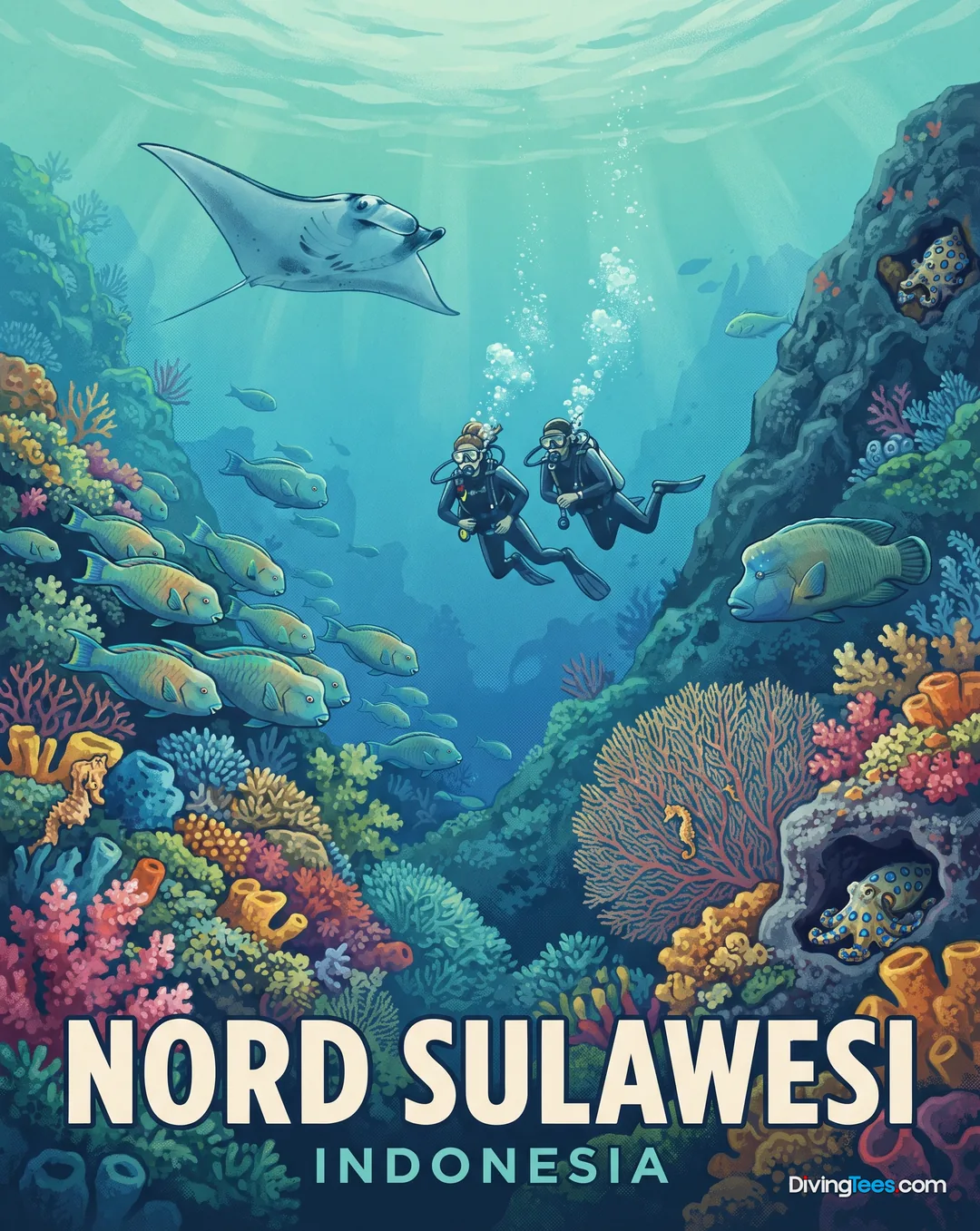
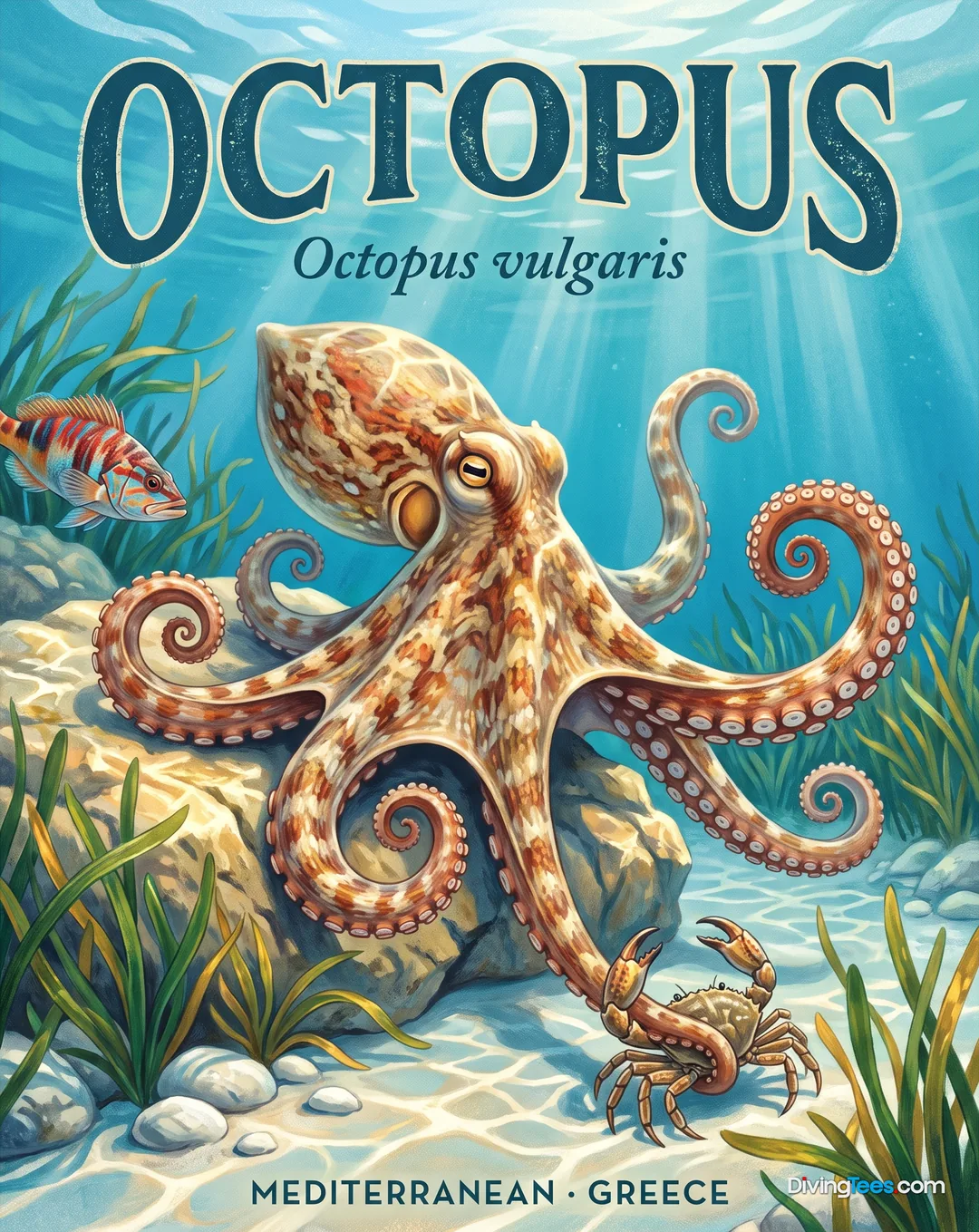
Among the most sought-after residents here are the octopuses, a truly diverse family in Lembeh. You'll encounter the mesmerising Mimic Octopus (Thaumoctopus mimicus), a master of impersonation, and the elusive Wonderpus (Wunderpus photogenicus), often seen strutting across the sand. Keep an eye out for the venomous but beautiful Blue Ring Octopus (Hapalochlaena maculosa), a vibrant flash of warning colour, and the ingenious Coconut Octopus (Amphioctopus marginatus), known for its habit of using discarded shells as mobile homes. Each encounter is a lesson in marine adaptation and behaviour, requiring patience and a keen eye.
The frogfish population alone is enough to draw photographers from around the globe. From the shaggy Hairy Frogfish (Antennarius striatus), perfectly camouflaged among rubble, to the colourful Warty Frogfish (Antennarius maculatus), these ambush predators sit patiently, waiting for their next meal. You'll also find the highly prized Ambon Scorpionfish (Pteroidichthys amboinensis), blending seamlessly with its surroundings, and the often-overlooked but equally fascinating Inimicus Devilfish (Inimicus didactylus), a bottom-dwelling scorpionfish known for its pectoral fins that look like legs. These are not creatures you simply 'spot'; you frequently need your guide to point them out, revealing the magic in what first appears to be inanimate rock.
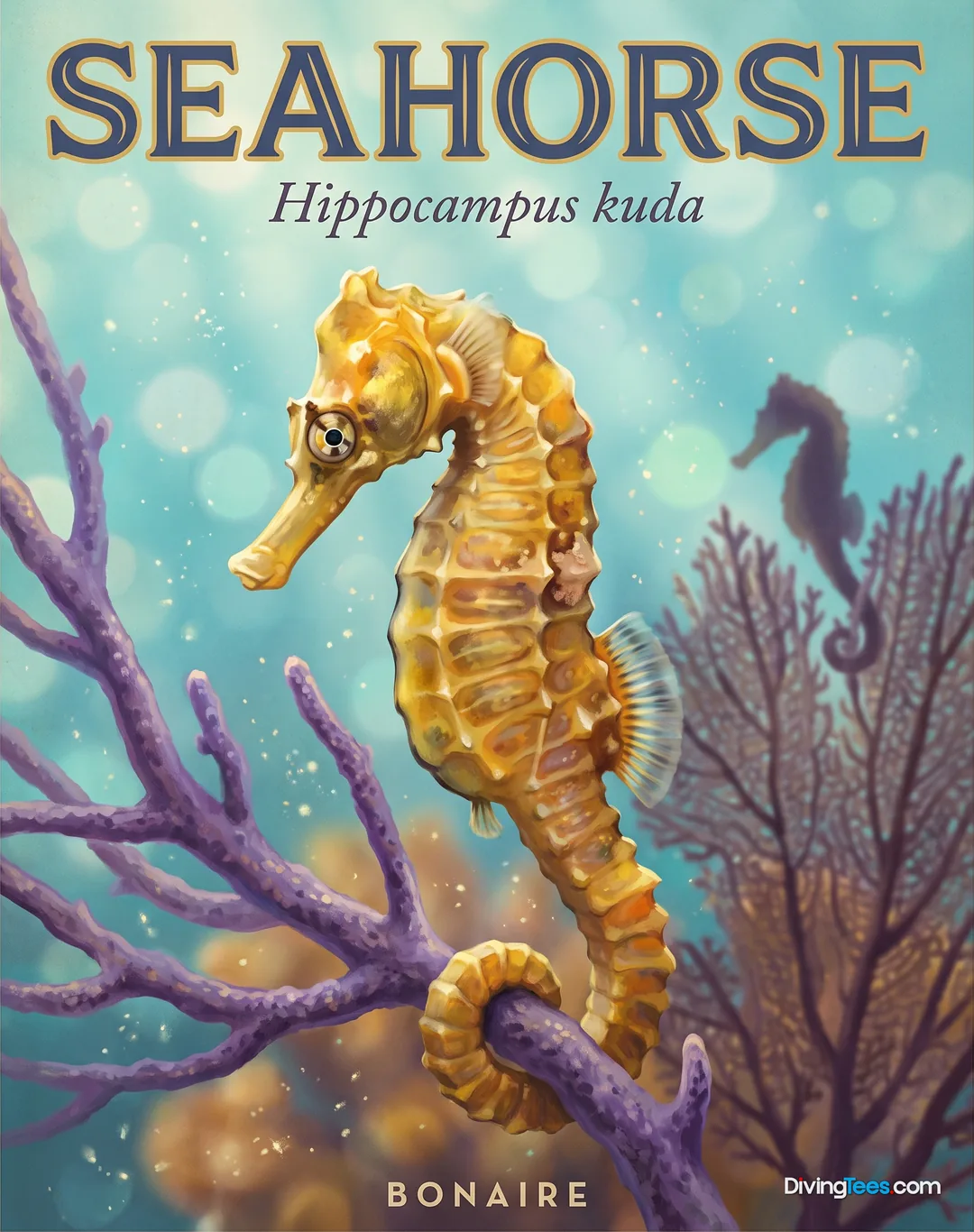
Seahorses and pipefishes are another major draw, with various species adopting the unique textures of the strait. The delicate Ornate Ghost Pipefish (Solenostomus paradoxus), virtually invisible among crinoids, is a true challenge and reward to find. Ribbon Eels (Rhinomuraena quaesita) weave their vibrant bodies from crevices, and the tiny, whimsical Pegasus Sea Moths (Eurypegasus draconis) flutter gracefully over the sand. These small, intricate creatures are perfectly adapted to the silty, sandy environment, providing an endless array of photographic subjects.
Beyond the stars of the macro world, you'll discover a host of other fascinating inhabitants. Nudibranchs, in an explosion of forms and colours, crawl across the substrate, each a living jewel. The intriguing Stargazer (Uranoscopus species), buried in the sand with only its eyes protruding, epitomises the ambush predators of Lembeh. The formidable Bobbit Worm (Eunice aphroditois), emerging from its burrow with lightning speed, is a truly dramatic sight. And for those with a flair for the exotic, the Flamboyant Cuttlefish (Metasepia pfefferi) displays a stunning array of pulsating colours, alongside the peculiar Flying Gurnards (Dactyloptena orientalis), which spread wing-like fins as they glide. At night, some divers are even lucky enough to witness the hypnotic mating dance of the Mandarin Fish (Synchiropus splendidus).
Lembeh Strait stands apart from typical reef dives due to its specialization in 'muck diving' — exploring silty, sandy, or rubble-strewn bottoms for macro life. The focus here is not on vast schools of fish or dramatic coral landscapes, but on the individual, the unique, and the miniature. It's a dive that demands a different mindset, one of meticulous observation and profound appreciation for the subtle wonders of the marine world. Every dive here is a treasure hunt, and the rewards are consistently some of the most unusual and sought-after encounters in diving.
Lembeh Strait is accessible for divers of all levels, making it an ideal destination for beginners and experienced macro photographers alike. While specific depth ranges may vary by site within the Strait, the general focus is on shallower black sandy slopes. The best time to visit is typically from April to November. Visibility can reach up to 30 meters outside of the rainy season, which runs from December to March, when heavy rains and waves can diminish clarity. Water temperatures are consistently warm, ranging from 28 to 30°C.
You can dive Lembeh Strait throughout the year, but April through November is typically the preferred period. Outside the rainy season, visibility can reach up to 30 meters. From December through March, heavy rains and waves may reduce clarity. Water temperatures remain warm, ranging from 28 to 30°C.
Lembeh Strait is accessible to divers of all levels, from beginners to experienced macro photographers. The strait generally has gentle currents and confined waters, creating a comfortable setting for slow observation and photography. These conditions help macro life remain in the area instead of being swept away.
Lembeh Strait dives typically begin over shallow black sandy slopes, with the focus on muck diving across silty, sandy, or rubble-strewn bottoms. Exact depth ranges can vary between sites within the strait, so you should expect a generally shallow profile rather than one fixed depth for every dive.
You can search for Mimic, Wonderpus, Blue Ring, and Coconut Octopuses, Hairy and Ambon Scorpionfish, Ornate Ghost Pipefish, Ribbon Eels, Flamboyant Cuttlefish, Pegasus Sea Moths, Stargazers, Bobbit Worms, and Mandarin Fish at dusk. Nudibranchs, frogfish, Warty Frogfish, and Flying Gurnards also inhabit the black sandy slopes.