Liveaboards · Indonesia
Pindito — an Indonesian exploration liveaboard built around diving
What makes this boat unique
- Pindito carries up to 16 guests in eight air-conditioned cabins with private bathrooms and hot showers.
- Four tenders, a wide shaded dive deck and small dive groups make remote Indonesian sites easier to reach and explore.
- Free 32% nitrox is available for certified divers, with DIN adapters and dedicated camera facilities on board.
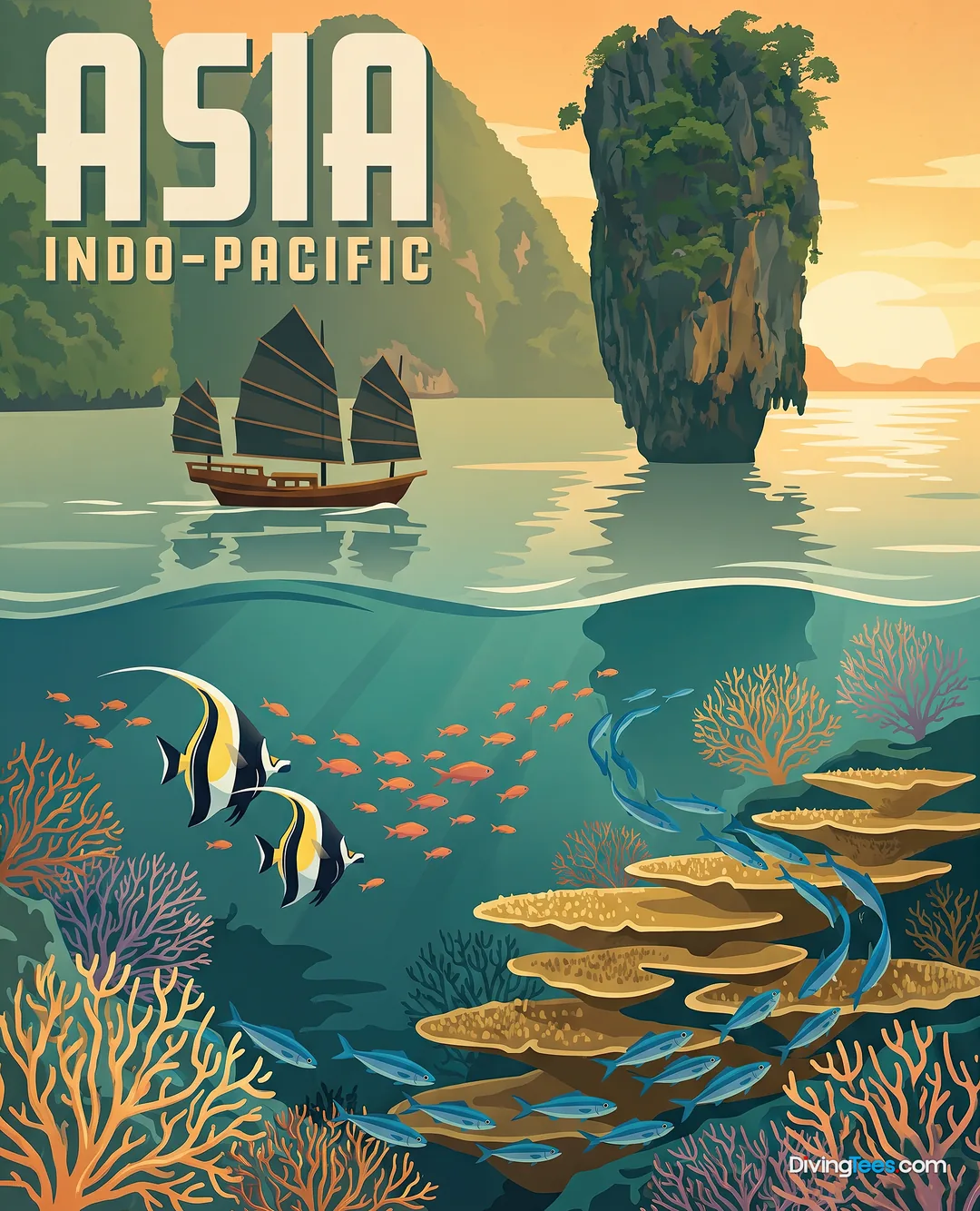
- The boat runs Raja Ampat, Komodo, the Banda Sea, the Forgotten Islands and longer biodiversity routes across Indonesia.
For subtitles in English: start the video firstthen click the gearat the top right of the video, select “Subtitles/CC”, then “Auto-translate” and choose “English”.
The invitation
Pindito suits divers who want Indonesia beyond a short resort radius. Its routes reach Raja Ampat, Komodo, the Banda Sea, the Forgotten Islands and remote stretches between them, while the crew adjusts the plan to weather, tides and currents rather than following a fixed sequence. That matters in waters where the right site can depend on being there at the right moment. Four tenders let groups spread out instead of queuing for one skiff, and the dive operation is designed to remove much of the daily lifting: once the crew knows a diver’s setup, they prepare and load the equipment for each dive. The reason to choose Pindito is not polished novelty. It is the combination of a long Indonesian operating history, serious dive infrastructure and access to places where the underwater scenery changes from coral gardens and cleaning stations to strong-current pelagic sites. Non-divers and snorkelers can join too, but diving remains the centre of the boat’s character.
Boarding
Pindito makes the impression of a working exploration vessel rather than a floating hotel. Its story began in Indonesia in 1992, and later rebuilds added a camera room, enlarged the dive and sun decks, renewed the cabins and bathrooms, and replaced the hull with fiberglass. The result is a boat with history behind it but with the practical parts of a dive platform repeatedly brought up to date. Movement on board is straightforward: the dive deck, tenders and camera workspace are arranged around the next entry into the water, while the interior dining and lounge areas give the group somewhere to regroup afterwards. The stabilised hull is intended to make longer crossings easier, and the vessel cruises at 8–9 knots when moving between islands. Pindito is large enough to carry a substantial crew and equipment load, yet limited to 16 guests, so the same faces are quickly familiar. It feels purposeful. That is the point.
The atmosphere on board
Pindito’s atmosphere comes from the ratio of people to crew and from the continuity of the team. Around 24 crew members support no more than 16 guests, and some have worked with the boat for more than 20 years. That shows in the practical moments: equipment is handled without drama, guests are helped into and out of the tenders, and the crew stays attentive on shore excursions as well as on deck. The boat is relaxed but not loose. Divers can remain close to the guides or move more independently within the small groups, while families and snorkelers have room to take part without changing the boat’s diving focus. At night, the social centre is the shared meal, followed by conversation, photographs and dive logs rather than a loud entertainment programme. The crew score sits above the boat score, which says something useful: Pindito’s people are a major part of why an older vessel continues to be remembered.
The sites you’ll dive
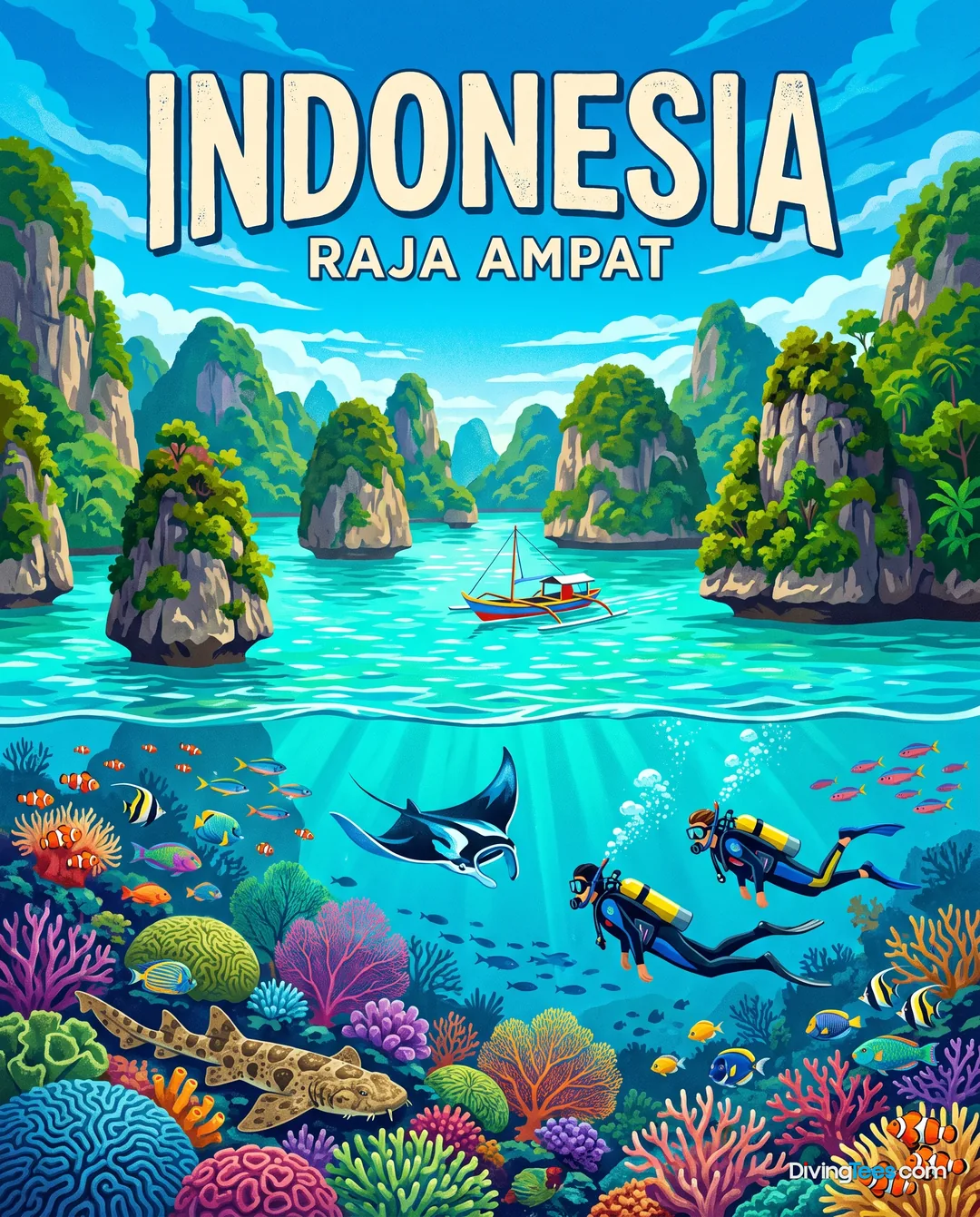
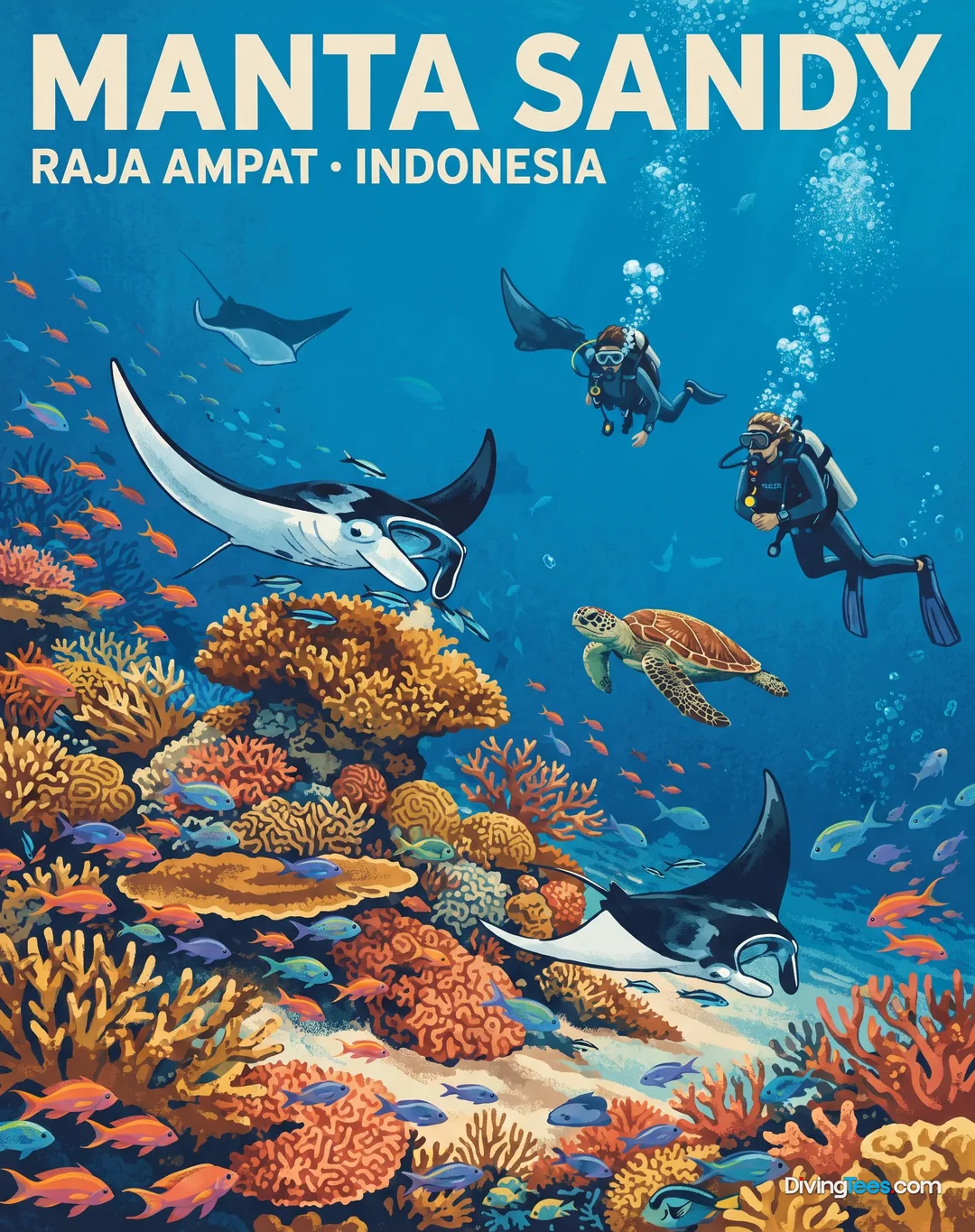
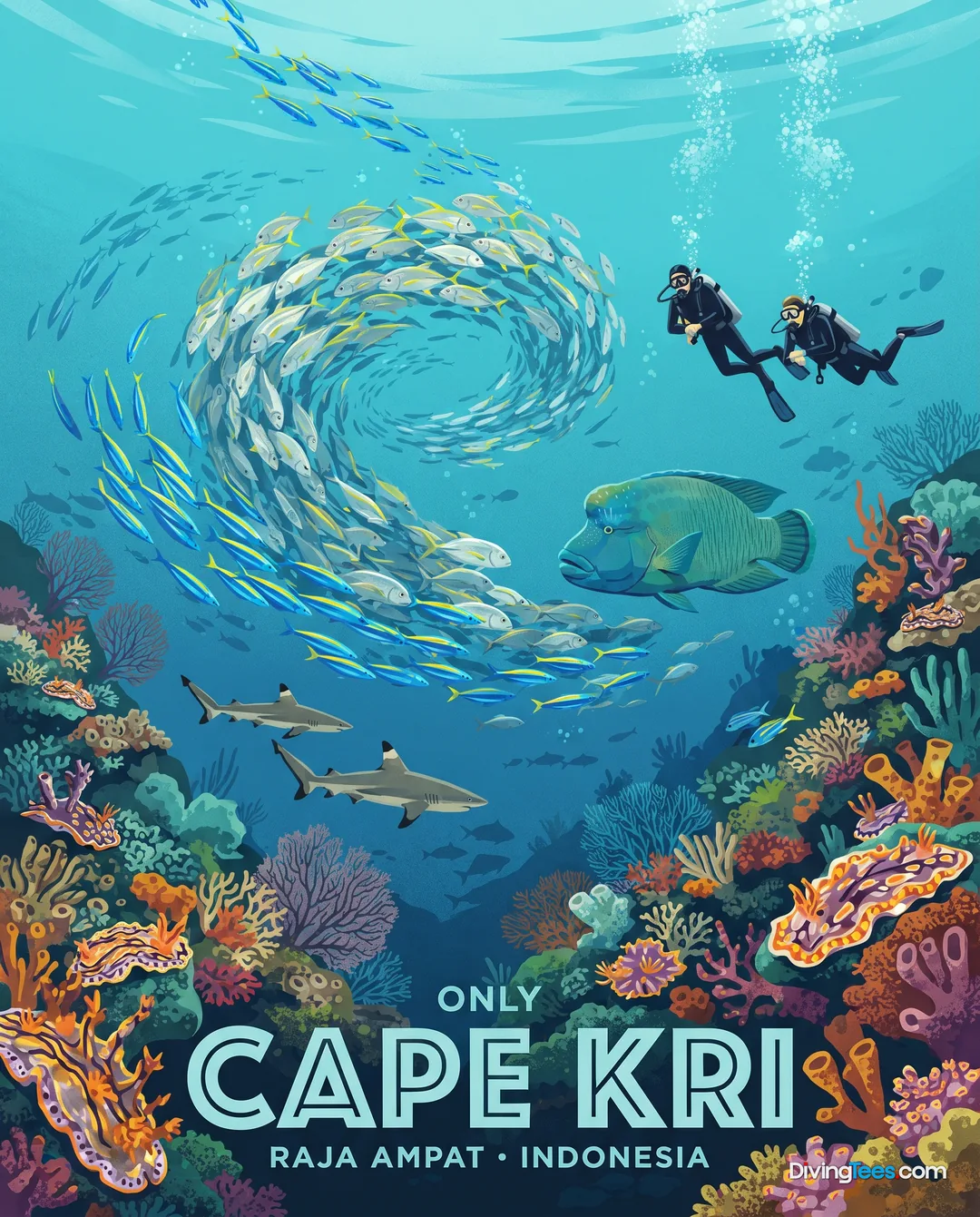
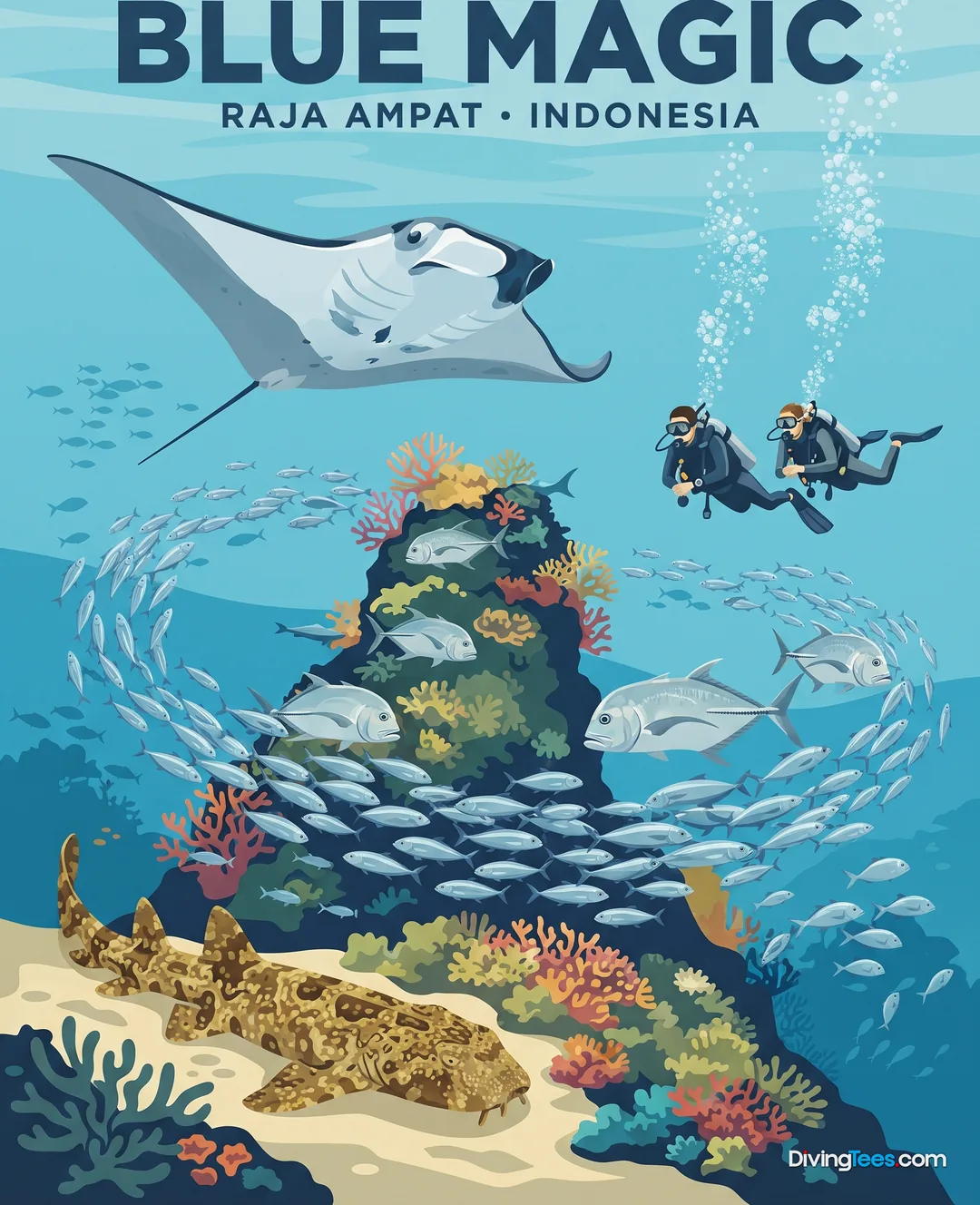
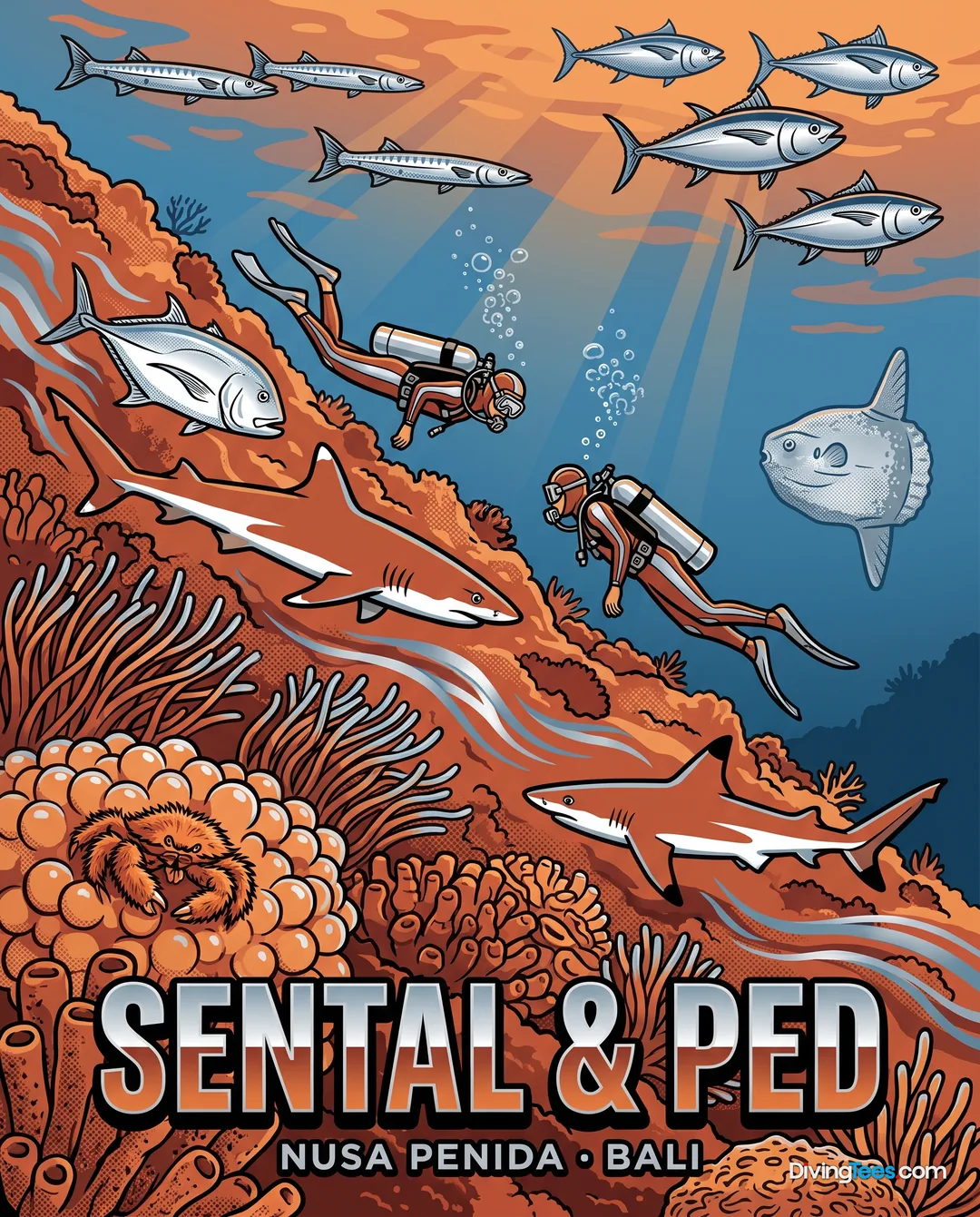
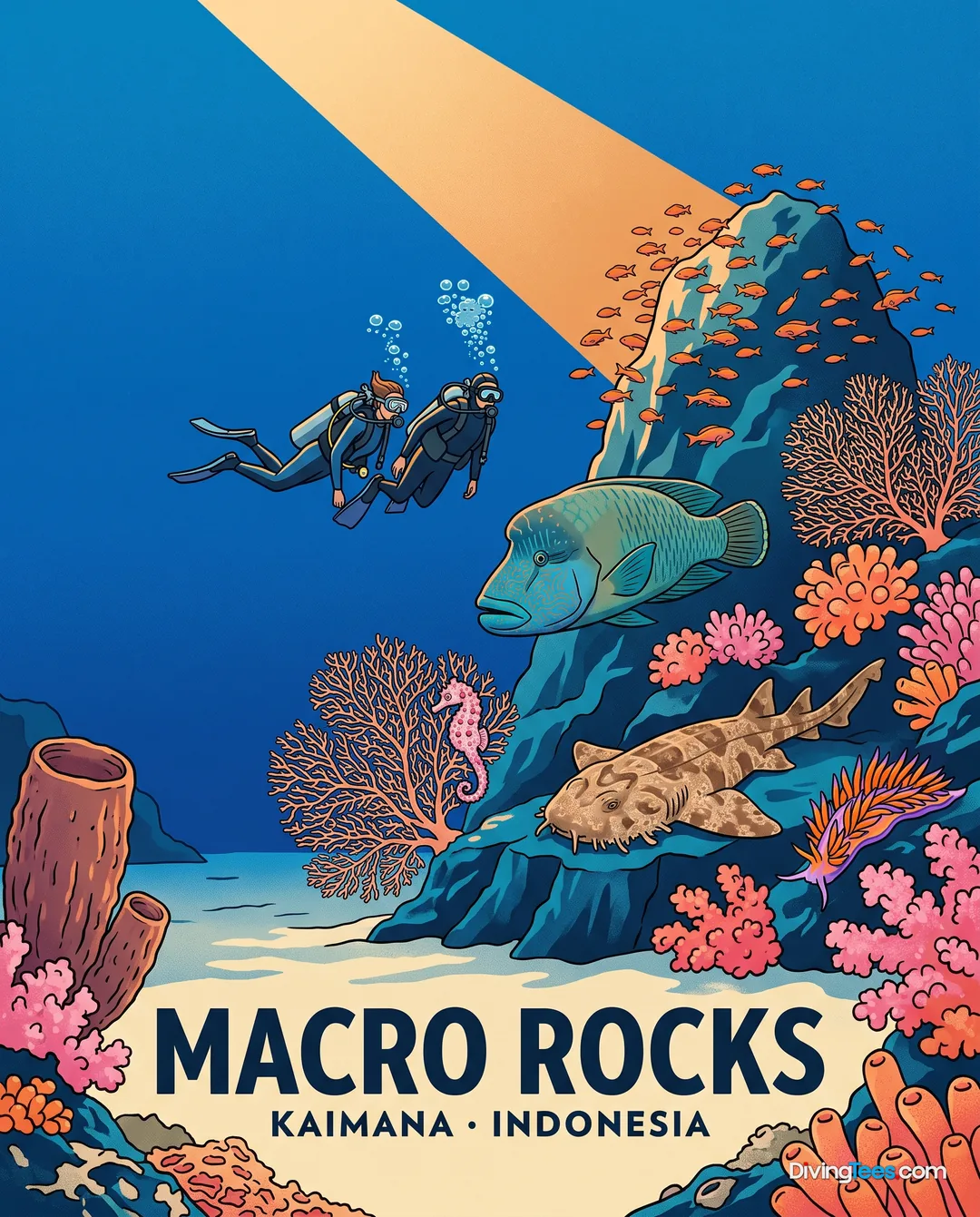
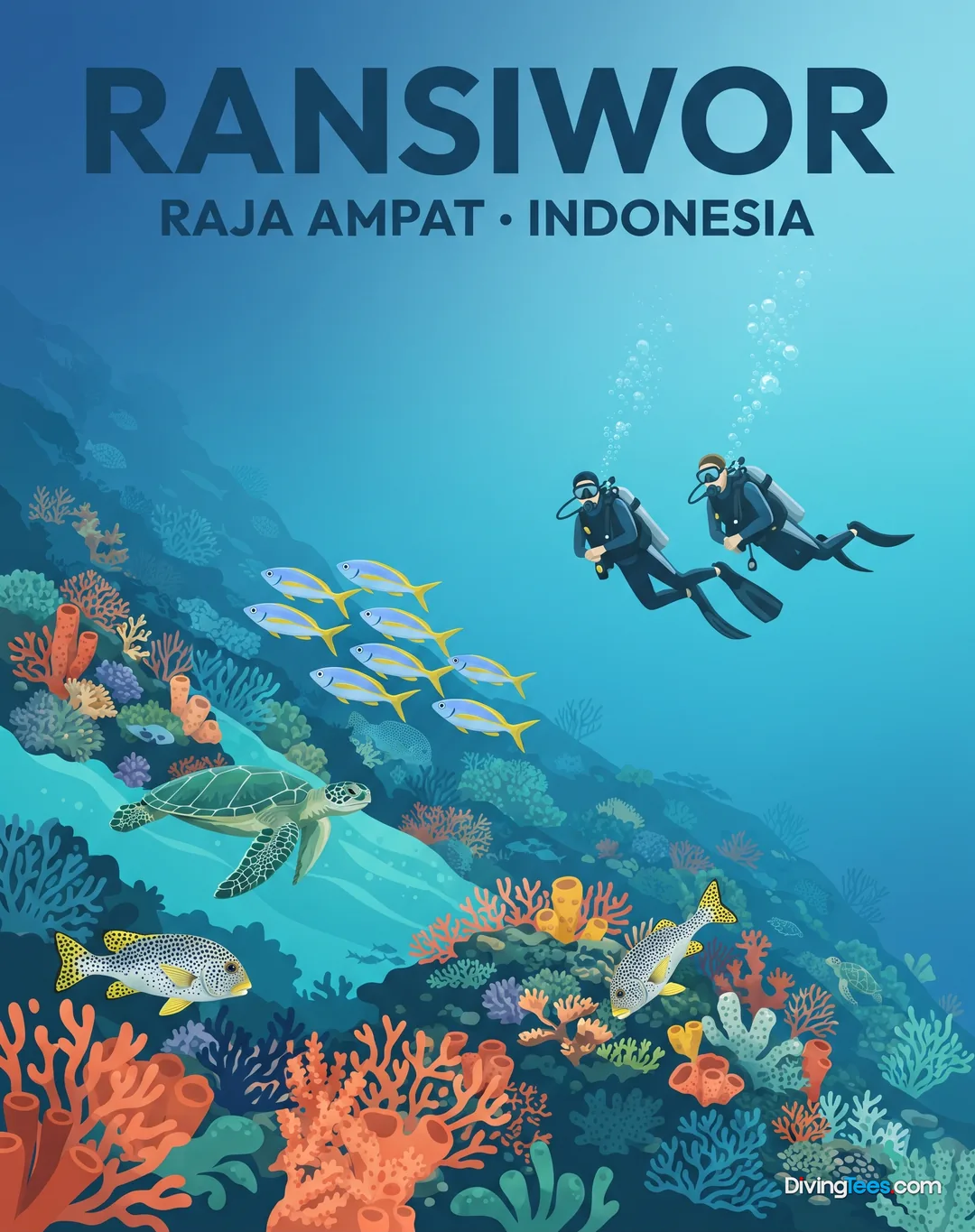
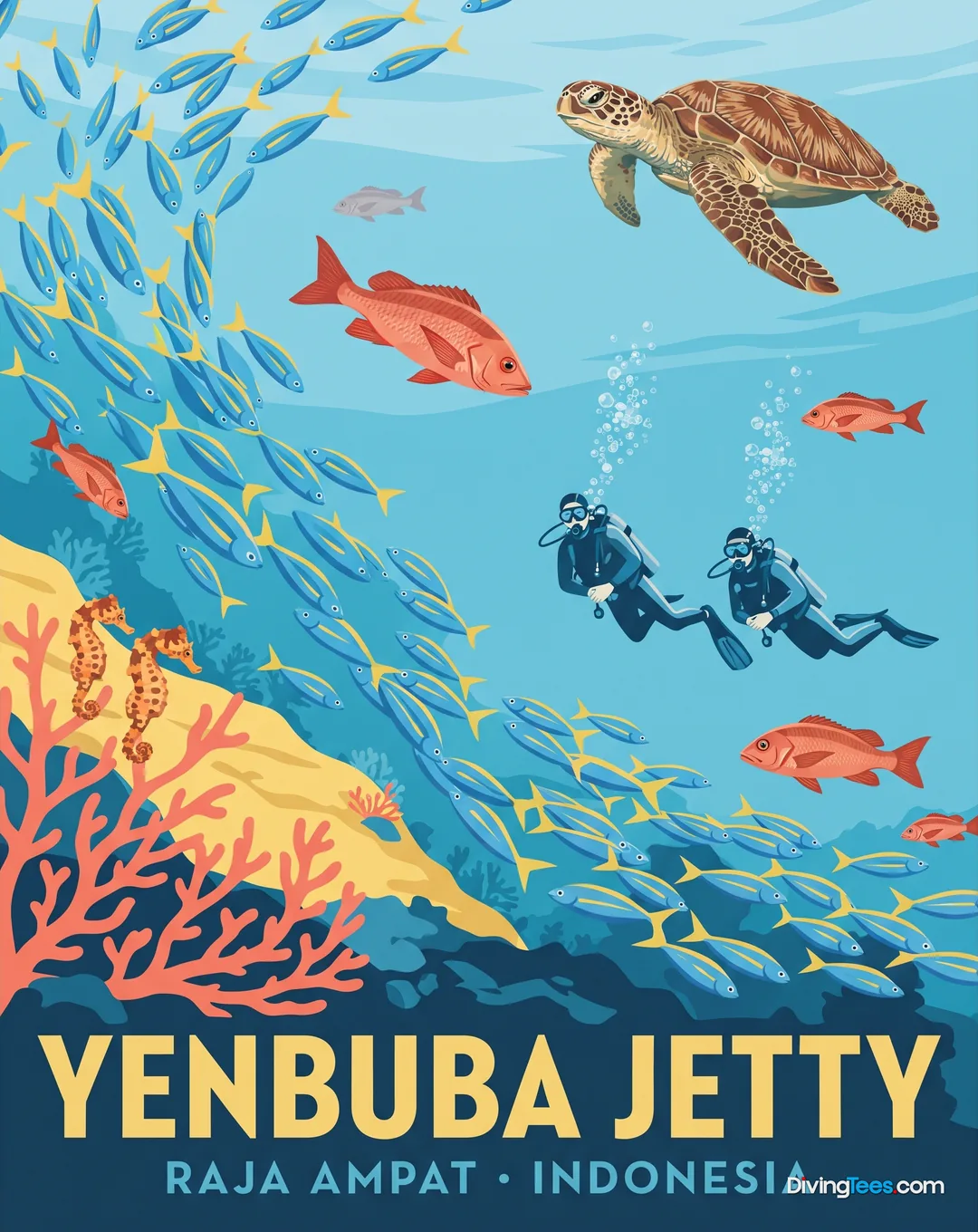
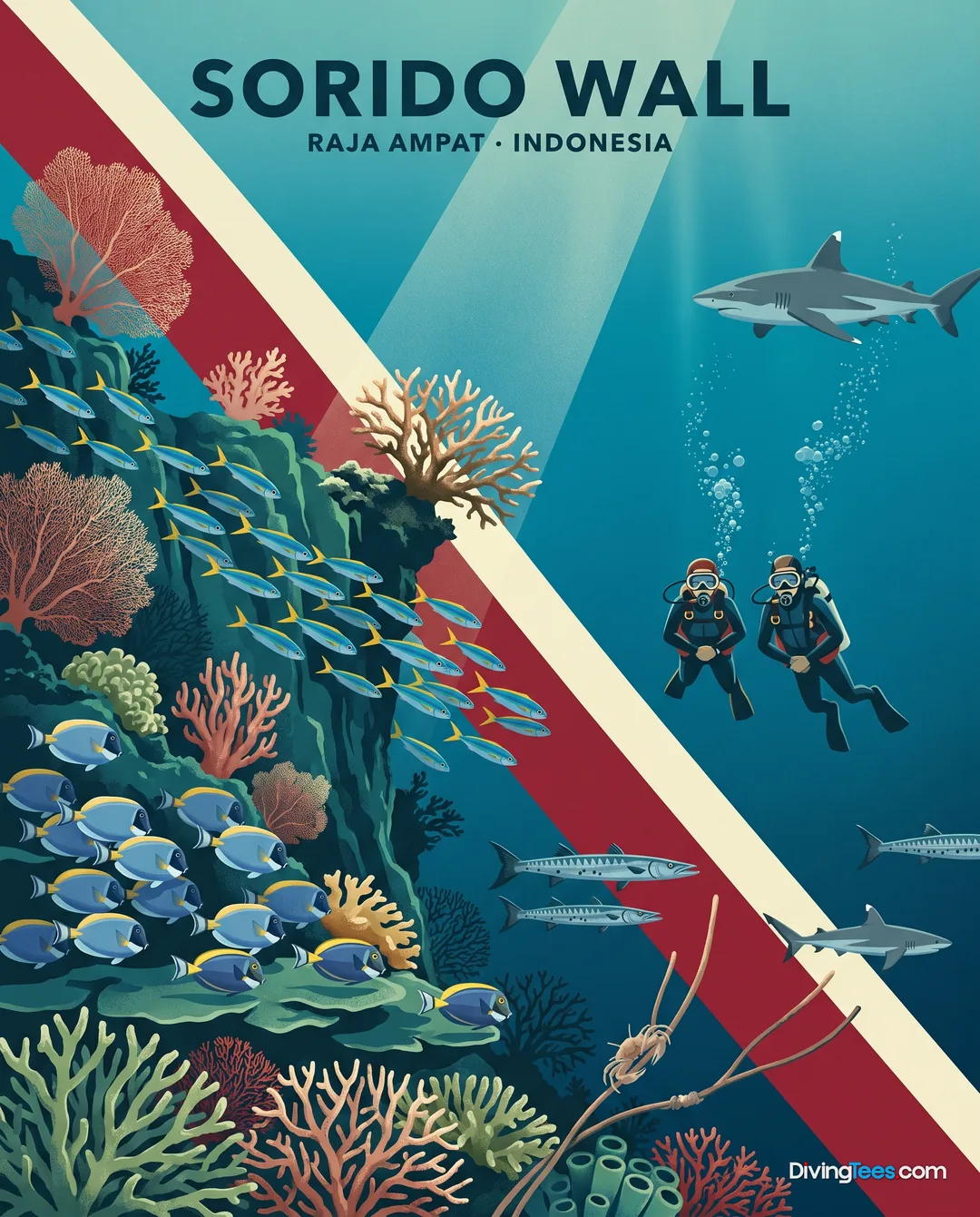
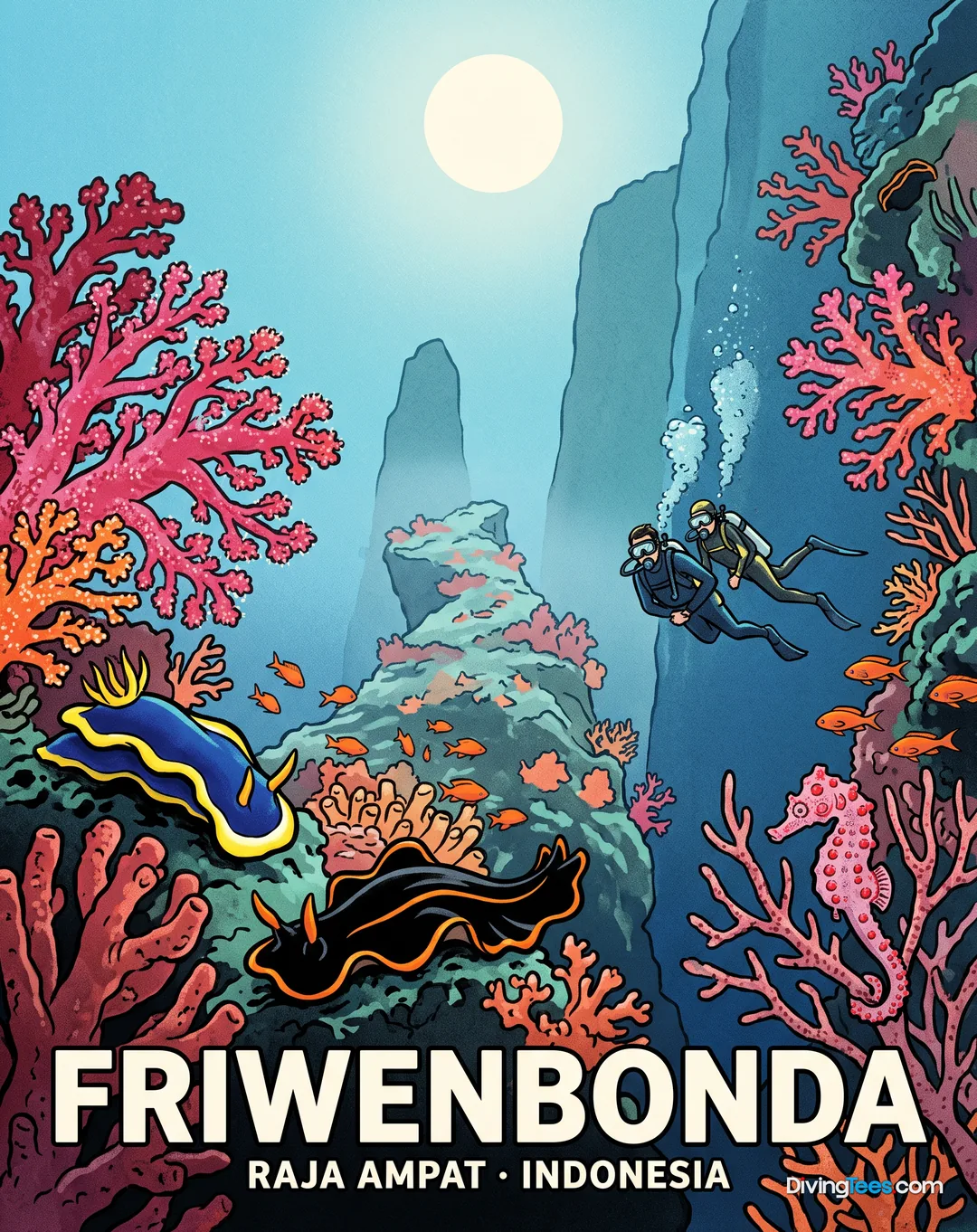
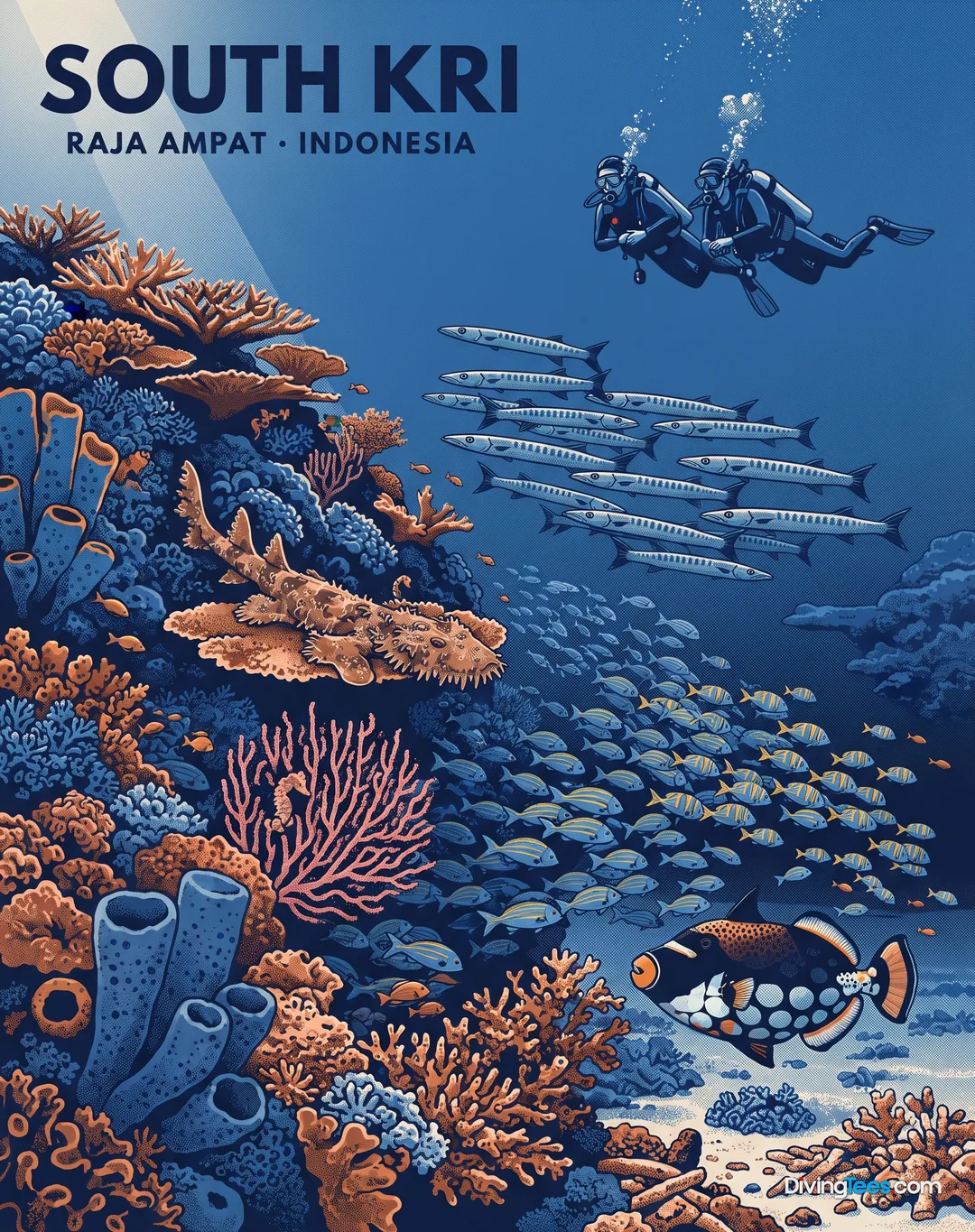
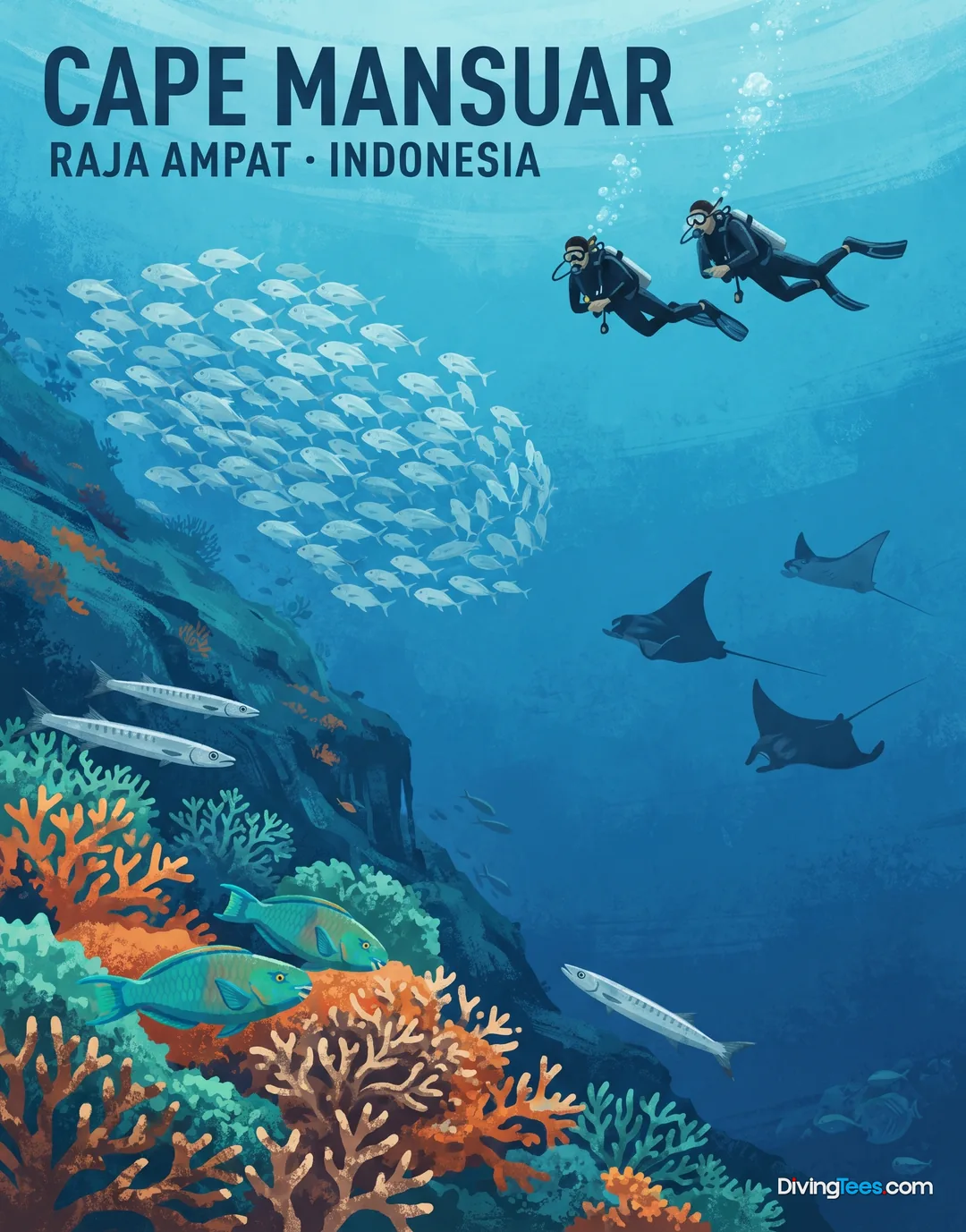
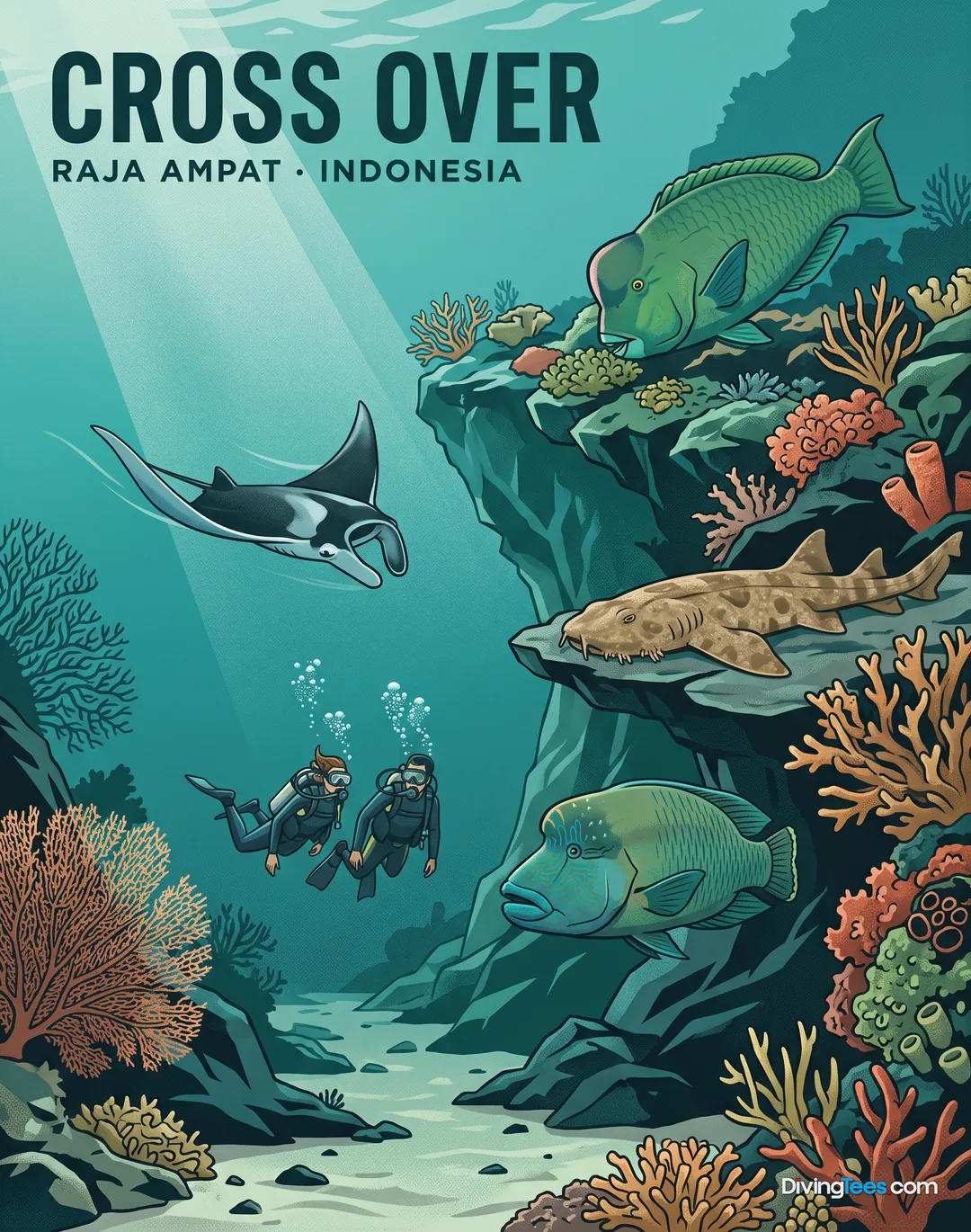
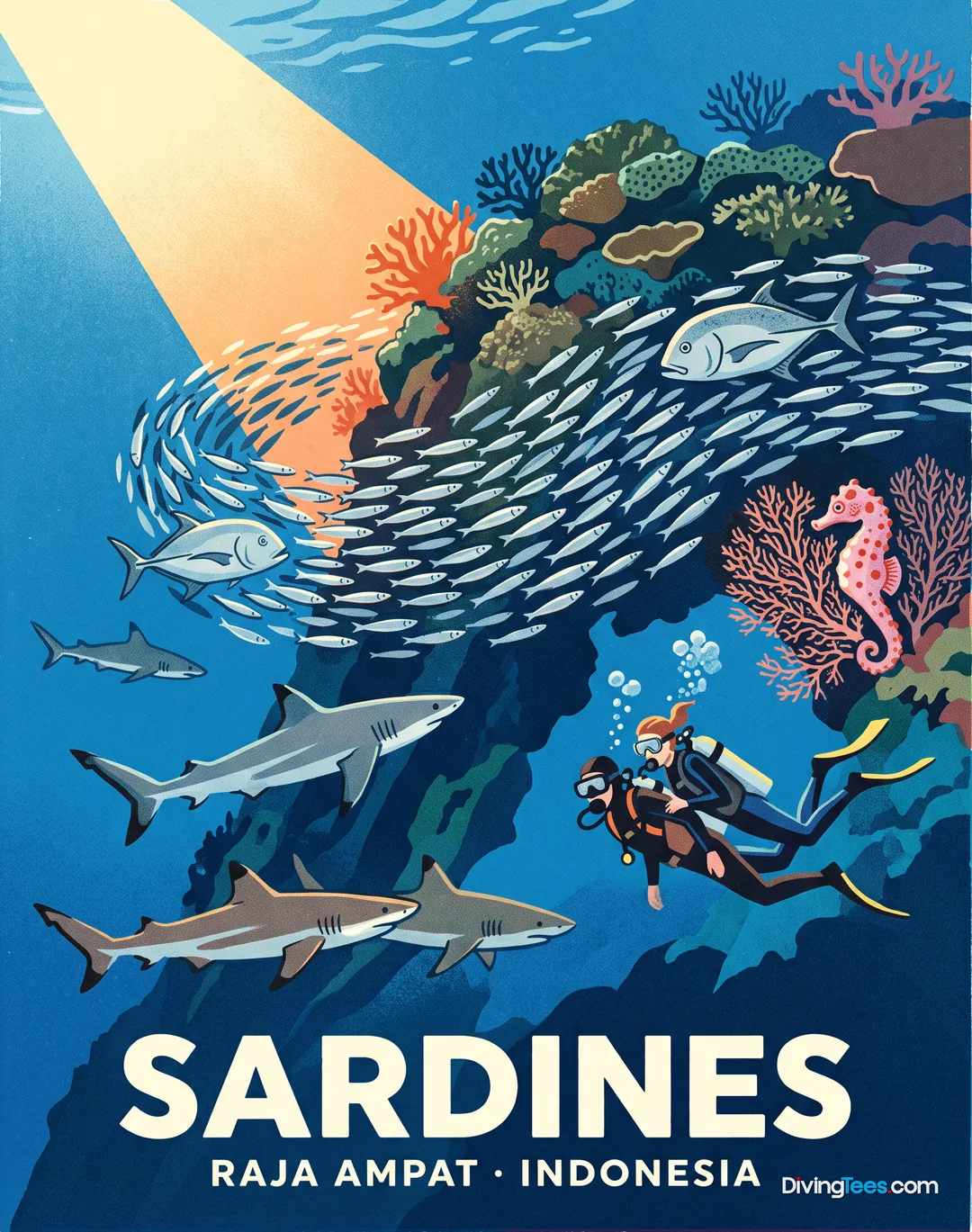
The Raja Ampat route is offered as a 12-day, 11-night Sorong-to-Sorong cruise, alongside longer itineraries such as the 17-day, 16-night Biodiversity Cruise from Maumere to Sorong and 12-day, 11-night Banda Sea–Raja Ampat crossings between Sorong and Ambon. In Raja Ampat, Manta Sandy centres on reef mantas hovering over cleaning stations, while Mike’s Point combines soft-coral overhangs with a flat plateau where eagle rays may pass; its maximum depth is -40m. Cape Kri is the fish-density dive, with schools of fusiliers, trevallies, barracuda and reef sharks. Blue Magic brings schooling fish and oceanic mantas around a current-shaped reef. Melissa’s Garden stays with the coral spectacle, including soft corals and staghorn formations down to -35m. Macro Rocks is a gentle Kaimana slope ending in white sand at 20m, where nudibranchs reward slow searching; its maximum depth is -20m. Ransiwor reaches -30m and centres on cleaning stations, yellow-back fusiliers and reef sharks. Yenbuba Jetty drops to -30m beneath fish-filled, coral-covered pilings before a sloping reef. Sorido Wall, Friwenbonda, South Kri, Cape Mansuar, Cross Over and Sardines add walls, drifts, current-fed schooling fish, macro life and pelagics.
What you’ll meet underwater
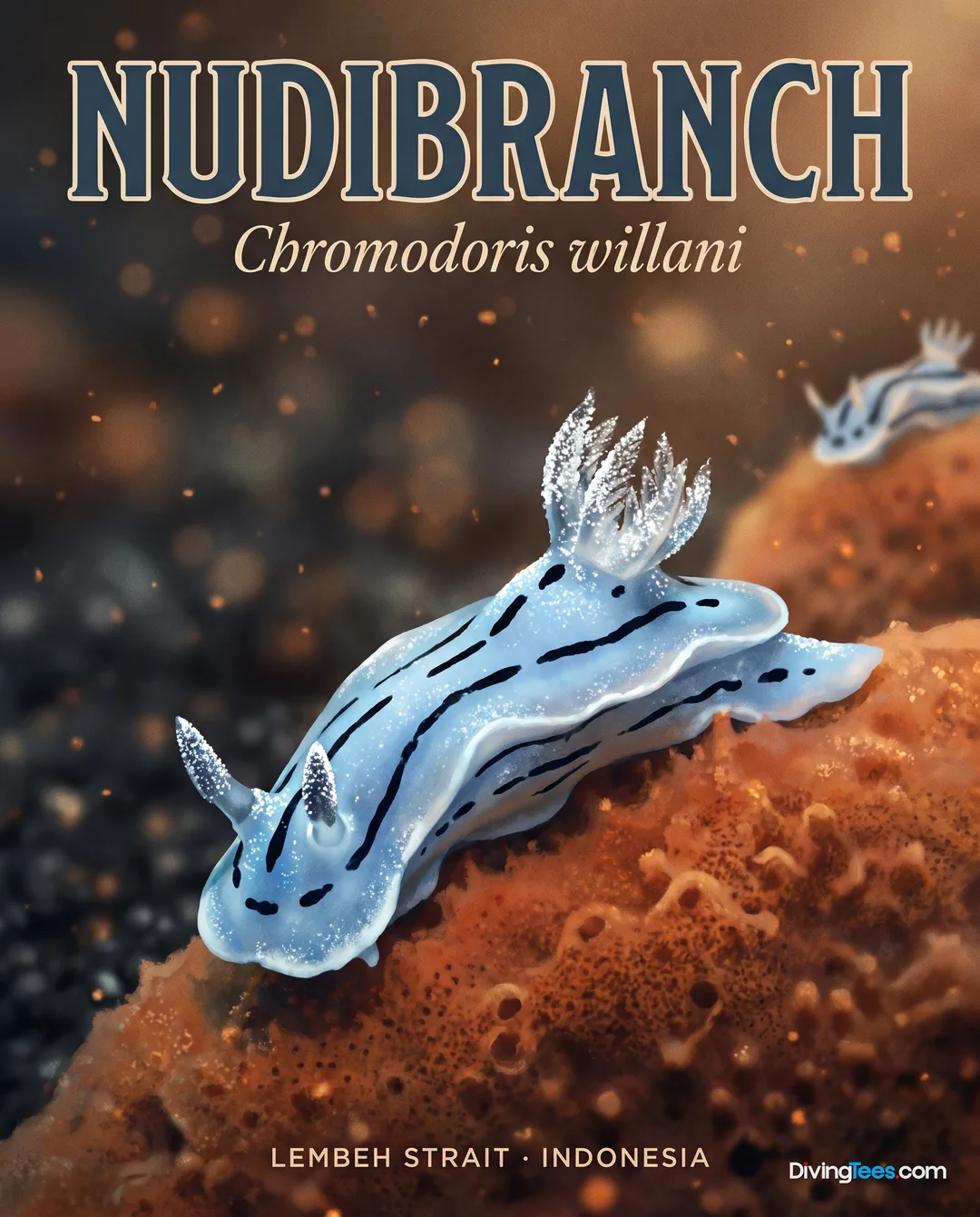
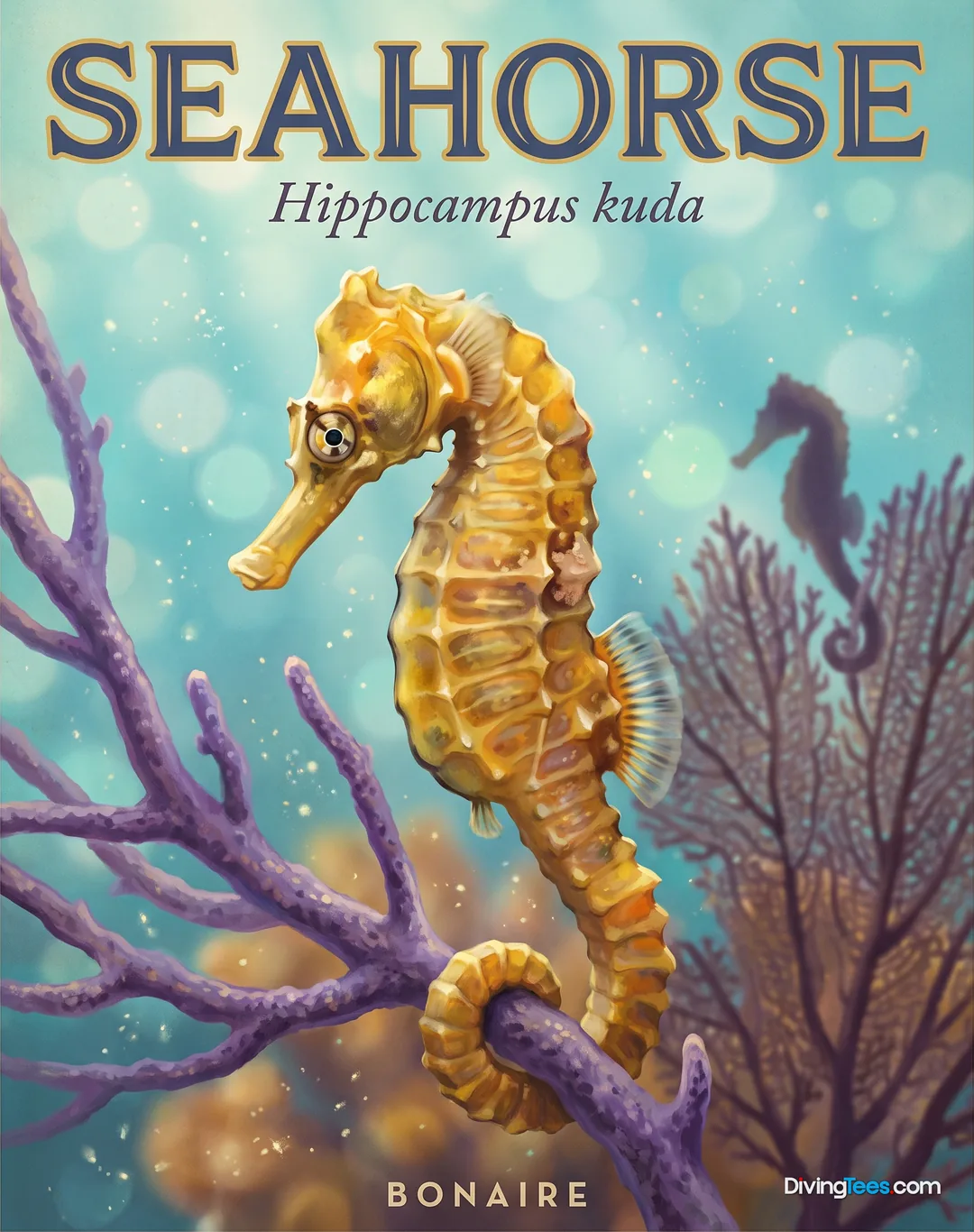
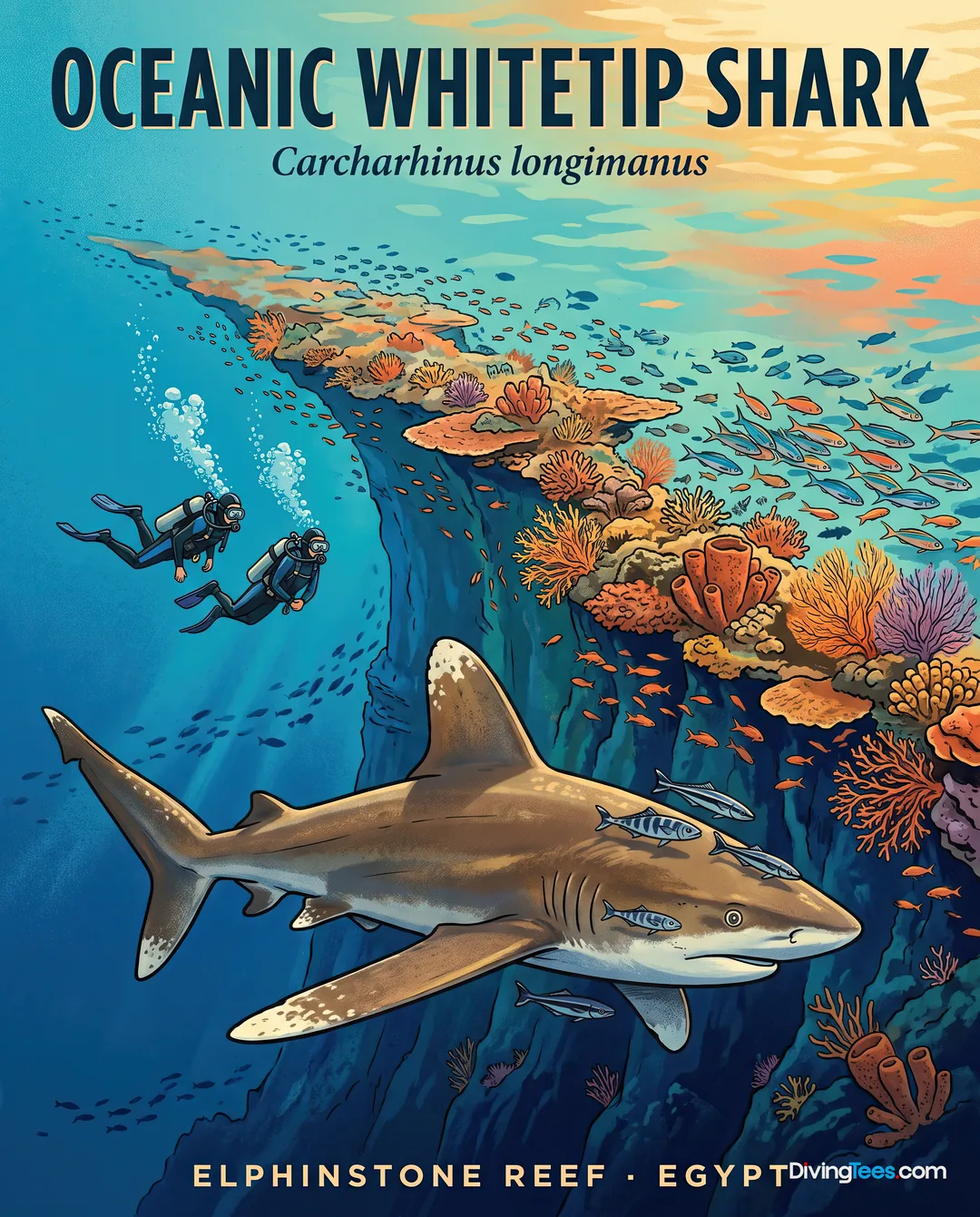
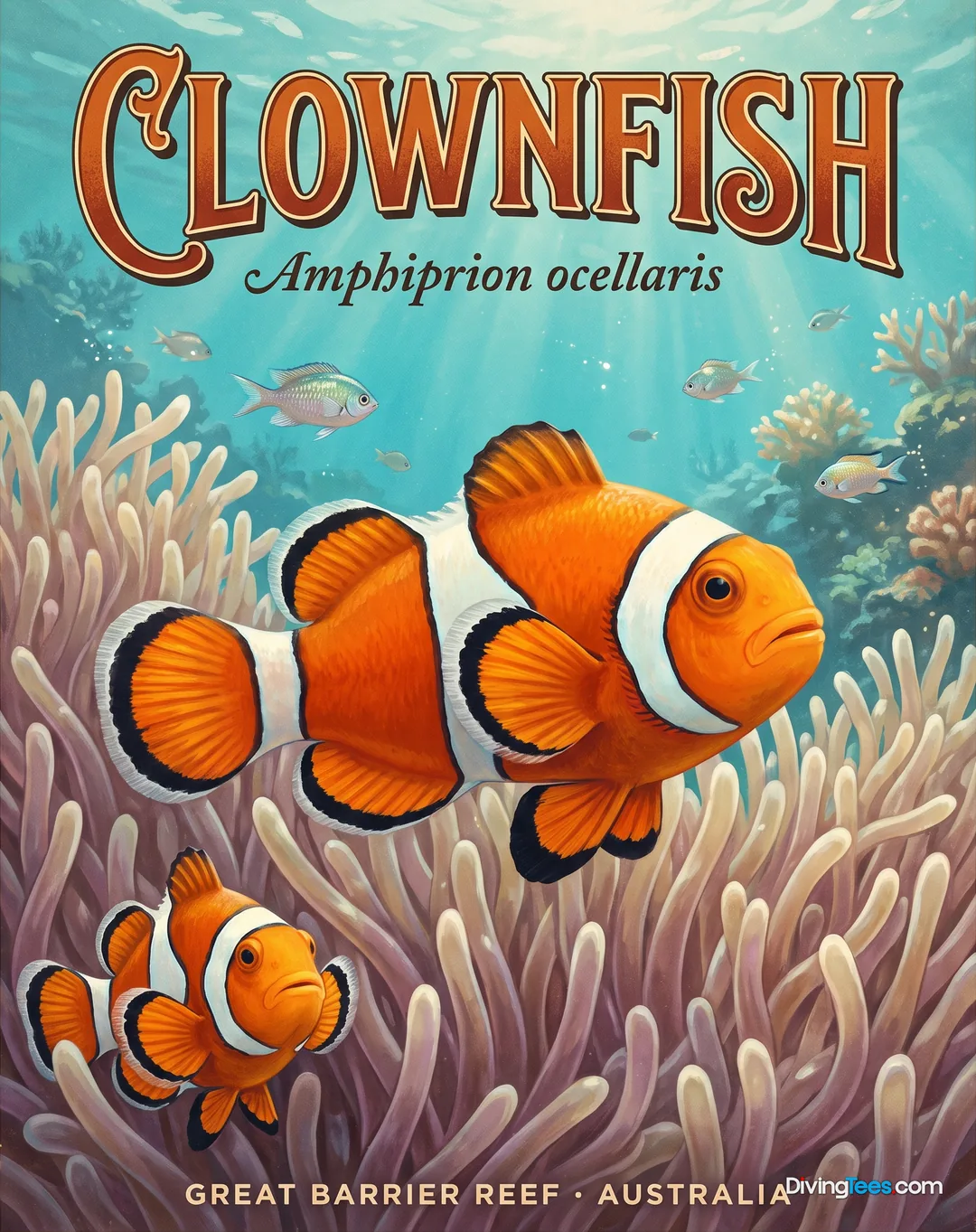
Across this route, the recurring spectacle is movement: fusiliers and barracuda in the blue, carangues and humphead parrotfish over coral, reef sharks along the slopes, turtles above the reef and nudibranchs and pygmy seahorses for the diver who slows down. Soft corals, gaterins and eagle rays return often enough to give the region a recognisable rhythm without making every dive the same. The sites then each keep a reason of their own. Cape Kri is the place for giant grouper and white-tip reef sharks, alongside the dense fish traffic that made the site famous. Blue Magic is where an oceanic whitetip shark and tuna are specifically recorded. South Kri is the place to look for big-eye trevally, crabs and shrimp among schooling fish. Yenbuba Jetty holds anthias and damselfish around the pilings. Ransiwor can produce an octopus and clownfish at its active cleaning stations, while Sorido Wall is the named site for surgeonfish among fusiliers and barracuda. Sightings remain conditions and luck, not guarantees.
Who puts you in the water
The crew speaks English and Indonesian, and the dive team keeps groups small rather than moving all guests as one mass. A published guide ratio of 4:1 gives divers a useful sense of the operation: the guide can watch a manageable group while experienced guests retain some freedom to explore. Briefings are built around the site, conditions and the diver’s chosen level, with the itinerary adjusted for weather, tides and currents. The boat welcomes different experience levels, including non-divers and snorkelers, but the route includes strong-current sites, so comfort in current and competent basic skills matter more than a promise of an easy holiday. The crew assists divers in and out of the four tenders and remains on the water during activities. Oxygen, first-aid kits, life rafts, life jackets, radar, sonar, GPS, VHF/DSC/SSB radio and satellite communications are carried on board. Specific logged-dive minimums, instructor numbers, course schedules and a defibrillator are not stated.
The dive deck and the gear
The dive operation is designed to keep four dives a day from becoming a daily equipment exercise. Each diver has an individual gear station on the wide shaded deck, and once the preferred setup is known, the crew prepares and loads the equipment for the next dive; the diver still checks the kit, especially the gas, before giving the signal to go. Nitrox is free at 32% for certified divers. DIN adapters, rinse tanks, a separate camera rinse area and a dedicated camera room with charging stations support both regular divers and photographers. Rental equipment is available as an optional extra, while rebreather diving is supported. Four tenders are the practical advantage: they can take small groups to sites and collect divers where they surface, reducing crowding and giving the guides more flexibility with current and experience levels. Entries and exits are through the dive platform and tenders, with the crew handling the heavier equipment. The exact tank size and tank material are not stated here.
Between dives
Between dives, Pindito gives the group several ways to get out of the gear and into the open air. The shaded relaxation space and sun deck are natural places to dry off, watch islands pass and wait for the next tender call, while the air-conditioned indoor lounge offers a cooler retreat. The camera room becomes a quiet workbench for charging, storage and image checks rather than a pile of equipment in a cabin. When the itinerary allows, the boat adds shore excursions, naturalist activities and visits on land; stand-up paddleboarding, water skiing and wakeboarding are also available. These are useful alternatives for a mixed group, especially when one guest skips a dive or when a surface interval stretches during a crossing. Pindito is built to keep the water close, even when nobody is underwater.
A day on board
A diving day starts before breakfast, with the first briefing leading to the first entry while the reef is still the main event. Breakfast follows the opening dive, then the boat and tenders divide the work of the next site: gear is prepared, the crew loads it, and divers return to the shaded deck to eat, rinse cameras and compare notes. Up to four dives can fit into the day, including a later or night dive when the itinerary and conditions allow. Lunch and dinner punctuate the surface intervals, with fruit, nuts, cookies and drinks available between them. During a crossing, the boat is underway and the gap is spent on the sun deck, in the lounge or in the camera room; during a site stop, the tender may keep a group on the water while another group prepares. After the final dive, wet gear gives way to showers, dinner and logs. Then the boat settles into the next anchorage or continues towards another reef.
What you eat aboard
Meals are cooked fresh on board and combine Indonesian food with Western dishes. The kitchen serves buffet and family-style meals, with two breakfasts, fresh fruit, nuts, cookies and Indonesian snacks appearing around the diving rather than leaving long gaps between dives. Vegetarian and vegan options are available when arranged in advance. Non-alcoholic drinks, tea, coffee and drinking water are included; beer and wine are available separately. The food score is the strongest of the passenger criteria, and the reason is easy to understand from the way the galley supports the day: meals are substantial, varied and timed around a demanding dive rhythm. There is no need for a formal restaurant experience after every dive. Divers can eat, log a site, refill a bottle and get ready for the next briefing while the crew keeps the service moving.
Nights at sea
The eight cabins sit on the lower deck at the front of the boat, with portholes, individual air conditioning and private bathrooms. Six are double cabins with one double bed and a fixed upper bunk, allowing up to three guests; two twin cabins use bunk beds and suit solo travellers or divers who prefer separate beds. The cabins were upgraded in 2017 and refreshed again in 2025, with storage and outlets for charging devices. Outside the cabin, a hot-water shower on deck is useful after saltwater sessions. Nights are therefore private without being isolated: the air conditioner gives each room its own setting, while the boat’s machinery and movement remain part of sleeping at sea. Pindito’s space is practical rather than oversized, but the cabin arrangement gives every guest a private ensuite. After repeated dives, that matters more than decorative detail.
Double Bed Cabins
Twin Bed Cabins
What to know before boarding
Raja Ampat cruises listed here depart from and return to Sorong. Other Pindito routes use ports including Maumere, Benoa and Ambon, depending on the itinerary. Round-trip transfers between the airport or city hotel and the boat are included, with a crew member meeting guests on arrival and taking them back after disembarkation. Arriving one day before boarding is strongly advised to allow for flight delays.
Deck plan
- Year built
- 1992
- Year renovated
- 2006
- Length
- 37.8 m
- Beam
- 8.8 m
- Maximum number of passengers
- 16
- Number of cabins
- 8
- Number of bathrooms
- 8
- Engines
- Baudouin 330 hp diesel
- Cruising speed
- 8-9 knots
- Tenders
- 4 × tenders
- Website
- pindito.com ↗
Hello, I'm Marina, DivingDeal.com's AI assistant. I answer in detail about hotels, dive centres and liveaboards.

Thinking about the whole trip and the flights? Talk it over with Edith →
Marina is an AI. Some links are affiliate links: DivingDeal may earn a commission, at no extra cost to you. Bookings are made with the partner.