
Tarzan-Diving
Google 4.9/5 (424 reviews)
6.1 km away as the crow flies
Raja Ampat · Indonesia · Asia
Sardines offers an exhilarating reef dive where immense concentrations of marine life create a dynamic underwater spectacle, from swirling fish schools to hunting pelagics and intricate macro life.
For subtitles in English: start the video firstthen click the gearat the top right of the video, select “Subtitles/CC”, then “Auto-translate” and choose “English”.
Sardines, also known as Sardine Reef, is a captivating underwater pinnacle located in the Dampier Strait, close to Koi Island in the heart of Raja Ampat. This site, despite its name, is not characterized by classic sardine schools but by an immense concentration of marine life, acting as a magnet for a dense underwater ecosystem. The pinnacle rises from the seafloor, creating a structure where currents collide, delivering vital nutrients and fostering ideal conditions for an abundance of healthy corals and a robust food chain. The sheer quantity of marine life here is a defining characteristic, creating a dynamic environment that invites both the smallest and largest inhabitants of the reef.
From the moment you enter the water, often a swift entry directly into the action from the boat, you are enveloped by a constant hum of activity. Massive schools of fusiliers (Caesionidae) frequently intercept divers, forming swirling vortices so dense they can obscure sunlight, creating a visually intense experience. These dense formations of schooling fish are a spectacle that draws the attention of larger predators. Reef sharks are regular residents, patrolling the perimeters and edges of the pinnacle, engaging in their natural hunting behaviors and providing divers with a direct view into the underwater food chain. Keep your eyes outward towards the blue, as other pelagics are frequently observed, drawn to this rich feeding ground, making for unpredictable and often thrilling encounters as they cruise past. Barracudas (Sphyraena) and trevally (Carangidae) are regularly seen on patrol, exploiting the masses of baitfish, while turtles move calmly amidst this incessant activity.
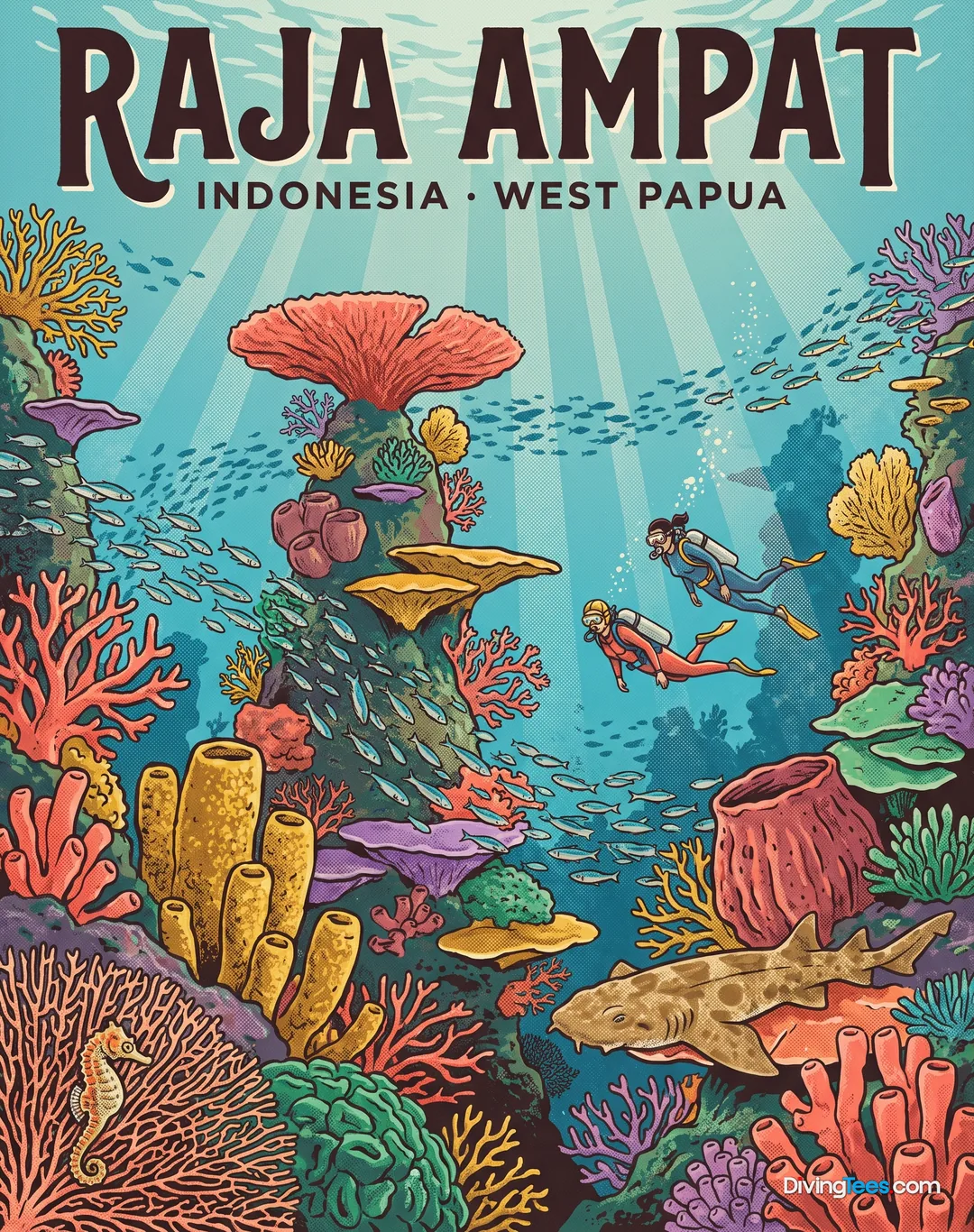
Beyond the thrilling chase of predators and prey, the reef itself supports a significant amount of macro life, revealing a different dimension to this vibrant site. The slopes of the pinnacle are covered in vibrant corals, offering a colorful underwater landscape that contrasts with the deep blue of the open water. These reefs are dotted with coral bommies, providing hiding places and feeding grounds for a multitude of creatures. As you explore the corals and crevices, take the time to search for elusive pygmy seahorses, masters of camouflage, blending seamlessly with their gorgonian hosts. Humphead parrotfish (Bolbometopon muricatum) are also present, grazing tirelessly among the corals. The presence of such diverse life, from the smallest cleaner wrasse to the most formidable reef shark, confirms the incredible biodiversity of Sardines, demonstrating that the site caters to both the adrenaline-seeking pelagic enthusiast and the patient macro photographer.
The current is a constant at Sardines and is what sculpts the life present on the reef. It can be strong, necessitating careful management and anticipation of your trajectory. This same current facilitates the interactions between species, all driven by the nutrient-rich waters of Raja Ampat. Diving at Sardine Reef is generally a dynamic drift dive, where the current carries you along the pinnacle, allowing you to effortlessly observe hunting scenes and fish schools. This ceaseless movement and the vibrant tapestry of living organisms make Sardines a requested favorite, offering a new experience with every dive as the currents, light, and marine residents dictate the day's unfolding drama.
Sardines is considered an Intermediate to Advanced dive, accessible to Advanced Open Water Divers with at least 50 logged dives, reflecting the dynamic nature of the site and the potential for strong currents. Divers should be prepared for varying depths, with a maximum depth of approximately 30 meters. The best period for diving here is from May to October, offering excellent visibility often exceeding 30 meters, though Raja Ampat generally experiences its best conditions during the dry season from October to April, when high plankton concentrations contribute to abundant marine life.
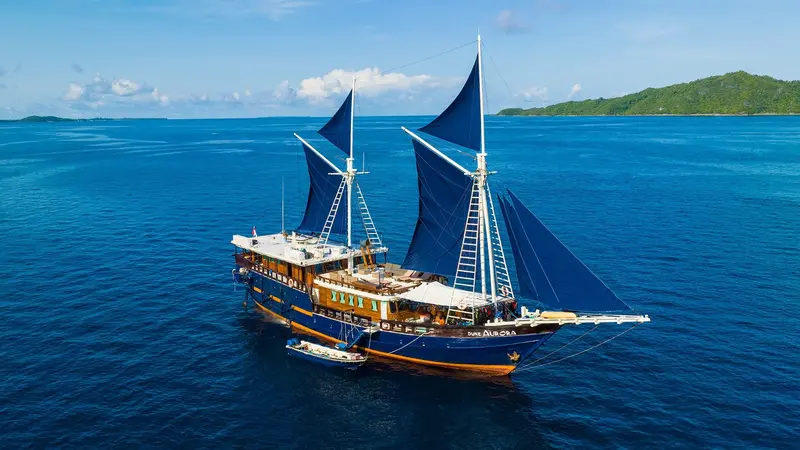
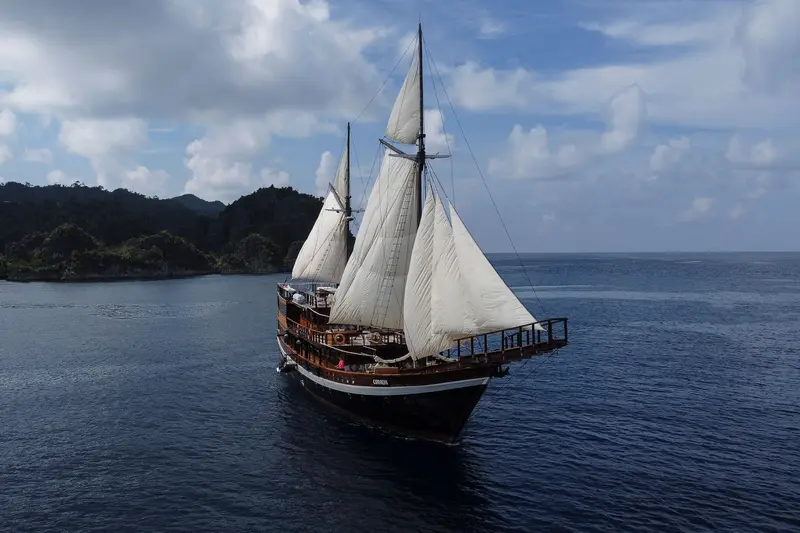
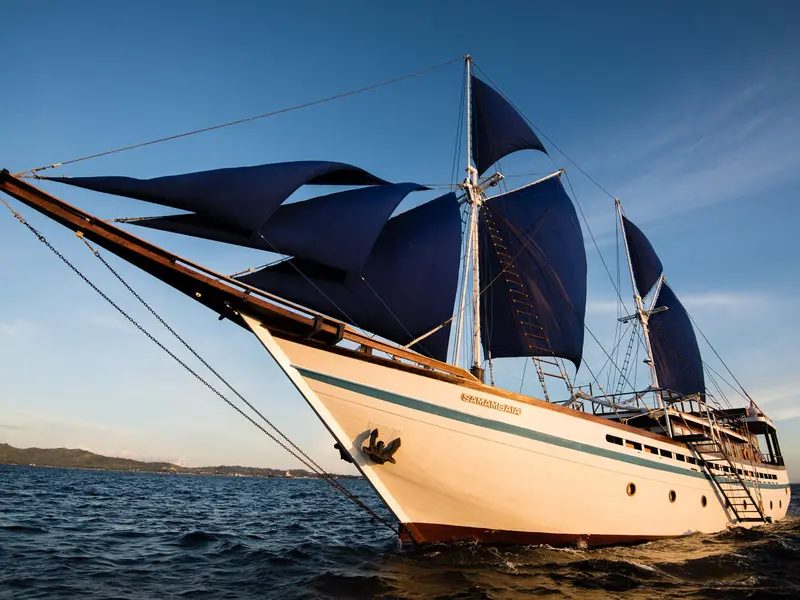
31 liveaboards depart from Raja Ampat another way to explore the region, over several days at sea.
You can dive Sardines from May to October, when visibility is often excellent and can exceed thirty meters. Raja Ampat generally has its best conditions during the dry season from October to April, when high plankton concentrations support abundant marine life. Seasonal conditions can therefore offer different attractions at this dynamic site.
Sardines is considered an intermediate to advanced dive and is accessible to Advanced Open Water Divers with at least fifty logged dives. You should be prepared for a dynamic site, potential strong currents, varying depths, and a drift dive around the pinnacle where careful management and anticipation of your trajectory are important.
Sardines has varying depths and reaches approximately thirty meters at its deepest. The site is an underwater pinnacle rising from the seafloor, with coral-covered slopes and open-water areas where schooling fish and pelagic animals gather. Your dive may therefore combine exploration around the pinnacle with observation in the surrounding blue water.
You should expect a constant current that can be strong, with Sardines generally experienced as a dynamic drift dive along the pinnacle. Massive schools of fusiliers, reef sharks, barracudas, trevally, turtles, humphead parrotfish, vibrant corals, and camouflaged pygmy seahorses may be seen, with pelagic activity drawn to the schooling fish.